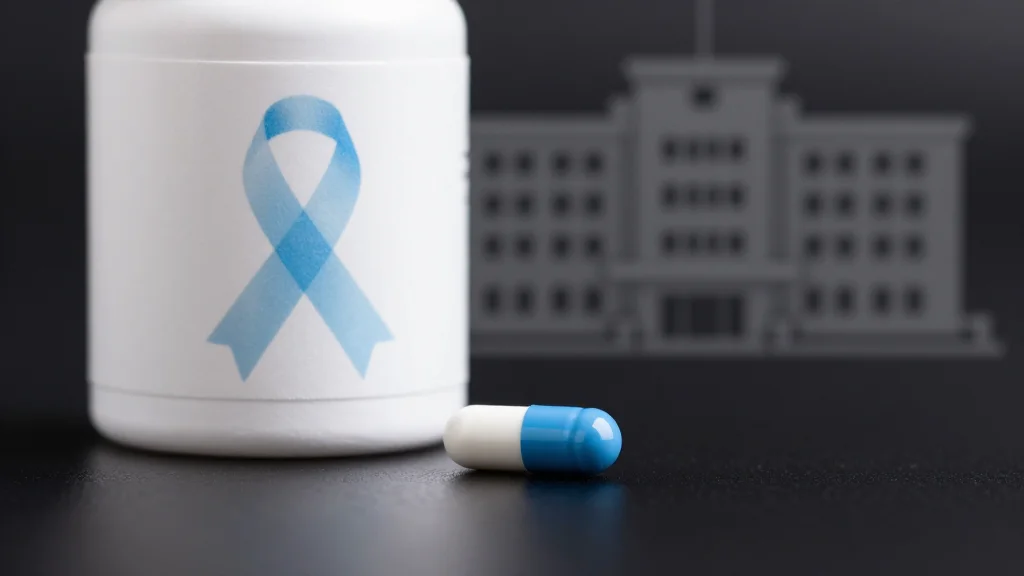
FDA Clears Merck's First Once‑Daily Oral HIV Pill

Companies Mentioned
Why It Matters
The approval introduces a new daily oral option from a major pharmaceutical company, potentially improving adherence for patients who struggle with more complex regimens. By expanding the competitive set, Merck may drive price competition and spur further innovation in HIV therapy. For the company, the pill diversifies its revenue base and strengthens its position in a high‑need therapeutic area, aligning with broader strategic goals to grow its infectious‑disease portfolio. From a public‑health perspective, a simplified regimen could reduce viral resistance rates and lower long‑term treatment costs, benefiting both patients and payers. The entry of a new player also encourages ongoing research into next‑generation formulations, such as long‑acting injectables and combination therapies, keeping the HIV field dynamic and patient‑focused.
Key Takeaways
- •FDA approved Merck's once‑daily oral HIV pill on April 21, 2026.
- •The drug represents Merck's first daily HIV regimen and a strategic push into infectious diseases.
- •Approval adds a new competitor to a market dominated by Gilead and ViiV Healthcare.
- •Merck plans a U.S. launch later in 2026 with patient‑support programs to drive adoption.
- •The clearance may prompt global regulatory filings and influence payer negotiations.
Pulse Analysis
Merck's entry into the daily oral HIV market is more than a product launch; it signals a strategic realignment toward chronic infectious diseases where long‑term revenue streams are attractive. Historically, Merck's HIV pipeline lagged behind peers, leaving a gap that the company has now filled with a regimen that aligns with current adherence‑focused treatment paradigms. By securing FDA approval, Merck not only gains a foothold but also forces incumbents to reassess pricing and innovation roadmaps, especially as payers increasingly demand cost‑effective, patient‑friendly options.
The broader market impact hinges on how quickly Merck can translate regulatory clearance into market share. Early adoption will depend on pricing strategy, insurance coverage, and the effectiveness of its patient‑support infrastructure. If Merck can position the pill as a cost‑competitive alternative with comparable efficacy, it could erode the market share of established combos, prompting a wave of price adjustments across the sector. Moreover, the approval may accelerate global regulatory pursuits, as Merck leverages the FDA decision to streamline submissions in Europe and Asia, potentially expanding its reach to the estimated 38 million people living with HIV worldwide.
Looking ahead, the real test will be whether Merck can sustain momentum beyond the launch. Success will likely require continued investment in next‑generation formulations, such as long‑acting injectables, to stay ahead of emerging therapeutic trends. The company's ability to integrate this new pill into a broader HIV portfolio—potentially pairing it with future innovations—will determine whether this approval is a singular milestone or the foundation of a lasting presence in the HIV market.
FDA Clears Merck's First Once‑Daily Oral HIV Pill
Comments
Want to join the conversation?
Loading comments...