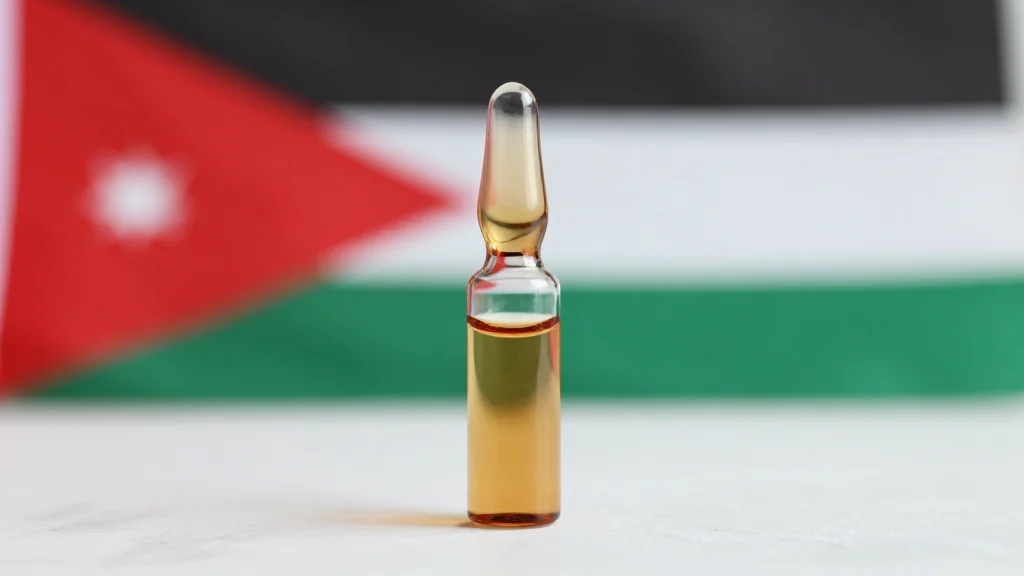
Mabwell’s T‑mab Subsidiary Clears First‑Time GMP Inspection in Jordan, Boosting Middle‑East Push

Why It Matters
The Jordan GMP clearance gives Mabwell a tangible foothold in a region where regulatory harmonization is still evolving. By meeting PIC/S standards, the company not only validates its manufacturing quality but also reduces the regulatory friction that often delays biosimilar entry into Middle‑East markets. This could accelerate patient access to lower‑cost denosumab treatments, addressing a growing burden of osteoporosis and bone‑metastatic cancers in the region. Furthermore, the milestone signals a broader shift as Chinese biopharma firms increasingly seek validation from internationally recognized regulators to compete globally. Successful inspections in PIC/S member states can serve as a springboard for wider acceptance, potentially reshaping the competitive dynamics of the global biosimilar market.
Key Takeaways
- •T‑mab passed Jordan FDA on‑site GMP inspection, receiving a “Compliance” rating.
- •Inspection covered Prolia® and Xgeva® denosumab biosimilars (9MW0311, 9MW0321).
- •Mabwell now has regulatory recognition in a PIC/S member country, its first outside China.
- •Company has collaborations in 33 countries, marketing approvals in Pakistan, and applications in eight others.
- •Jordan clearance could shorten Middle‑East registration timelines by several months.
Pulse Analysis
Mabwell’s Jordan GMP win illustrates how Chinese biopharma firms are leveraging PIC/S memberships to fast‑track global expansion. Historically, Chinese manufacturers have faced skepticism over quality standards, limiting their ability to export biologics. By securing a compliance verdict from a PIC/S‑aligned regulator, Mabwell not only validates its internal quality systems but also creates a regulatory shortcut for future filings in the GCC and African markets, where authorities often accept PIC/S audit reports as part of their own assessment.
The strategic timing is notable. The global denosumab market is projected to grow at a CAGR of roughly 7% through 2028, driven by aging populations and rising cancer incidence. Mabwell’s biosimilars, priced lower than originator products, could capture a sizable share of price‑sensitive health systems, especially in emerging economies where budget constraints limit access to high‑cost biologics. The Jordan approval may also prompt regional payers to negotiate favorable pricing, further enhancing market penetration.
Looking forward, the key risk lies in the speed of subsequent regulatory approvals. While the Jordan inspection removes a major hurdle, Mabwell must still navigate country‑specific dossiers, local clinical data requirements, and potential political or economic instability in the region. If the company can translate the Jordan compliance into swift market launches across the Middle East, it could set a template for other Chinese biosimilar developers seeking to break into high‑growth emerging markets.
Mabwell’s T‑mab Subsidiary Clears First‑Time GMP Inspection in Jordan, Boosting Middle‑East Push
Comments
Want to join the conversation?
Loading comments...