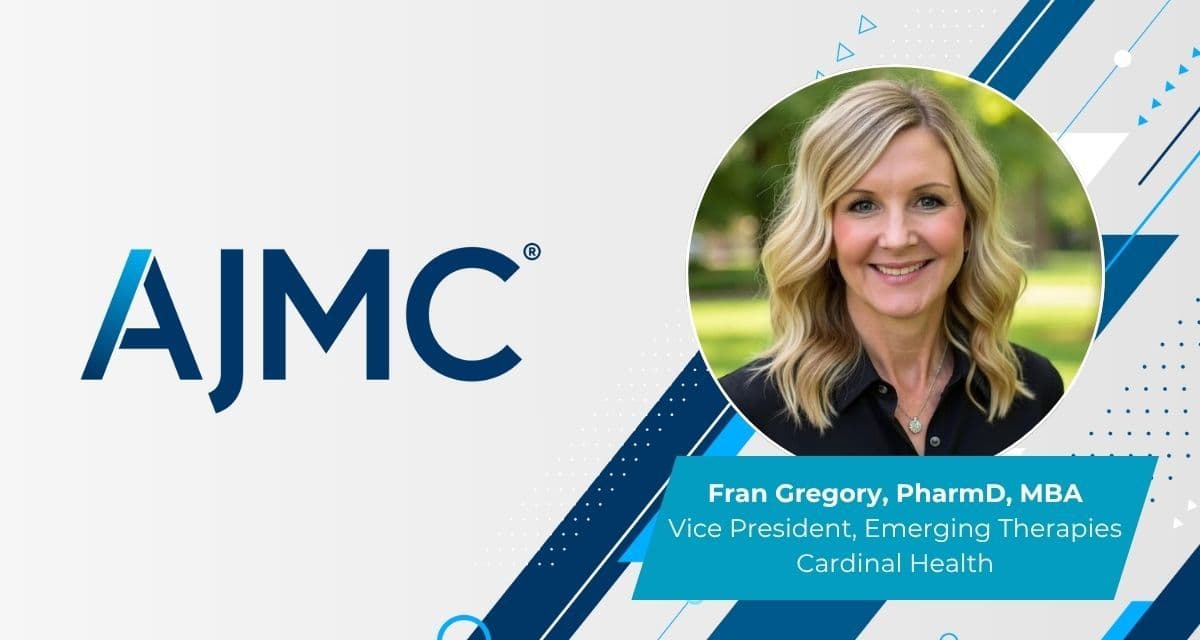
Payment Models Taking Shape for Advanced Therapies: Fran Gregory, PharmD
Why It Matters
Without sustainable payment frameworks, ultra‑high‑cost therapies risk limited patient access and market adoption, reshaping the economics of innovative care.
Key Takeaways
- •$4 million therapies demand new payer frameworks.
- •Real‑world evidence crucial for payer confidence.
- •Cardinal Health builds health‑economic models to project cost offsets.
- •Outcomes‑based contracts link payment to clinical milestones.
- •Annuity plans enable portable, multi‑year financing for therapies.
Pulse Analysis
The surge of cell‑and‑gene and other curative treatments has introduced price points that dwarf traditional drug costs, forcing insurers and providers to confront affordability head‑on. While a $4 million price tag may reflect years of research and potential lifetime savings, payers need assurance that the promised outcomes will materialize in real‑world settings. This tension has accelerated the search for payment mechanisms that move beyond upfront fee‑for‑service models, prompting stakeholders to explore risk‑sharing arrangements that tie reimbursement to actual patient benefit.
Real‑world evidence (RWE) is emerging as the linchpin for these new contracts. By systematically collecting post‑treatment outcomes, manufacturers can demonstrate durability and cost‑offset potential, easing payer concerns about uncertain long‑term efficacy. Cardinal Health is leveraging its data infrastructure to develop health‑economic models that project savings from avoided hospitalizations and chronic care costs. These models translate clinical success into tangible financial terms, providing a clearer value narrative that can be presented during formulary negotiations and coverage decisions.
Two payment structures are gaining traction: outcomes‑based contracts and annuity‑style financing. The former ties reimbursement to predefined clinical milestones, ensuring manufacturers are compensated only when therapies deliver. The latter spreads payments over several years, offering portability for patients who switch insurers and reducing the immediate budget impact for providers. As these models mature, they promise to unlock broader access to high‑cost, high‑impact therapies while preserving payer sustainability, signaling a pivotal shift in how the healthcare system funds breakthrough medicine.
Payment Models Taking Shape for Advanced Therapies: Fran Gregory, PharmD
Comments
Want to join the conversation?
Loading comments...