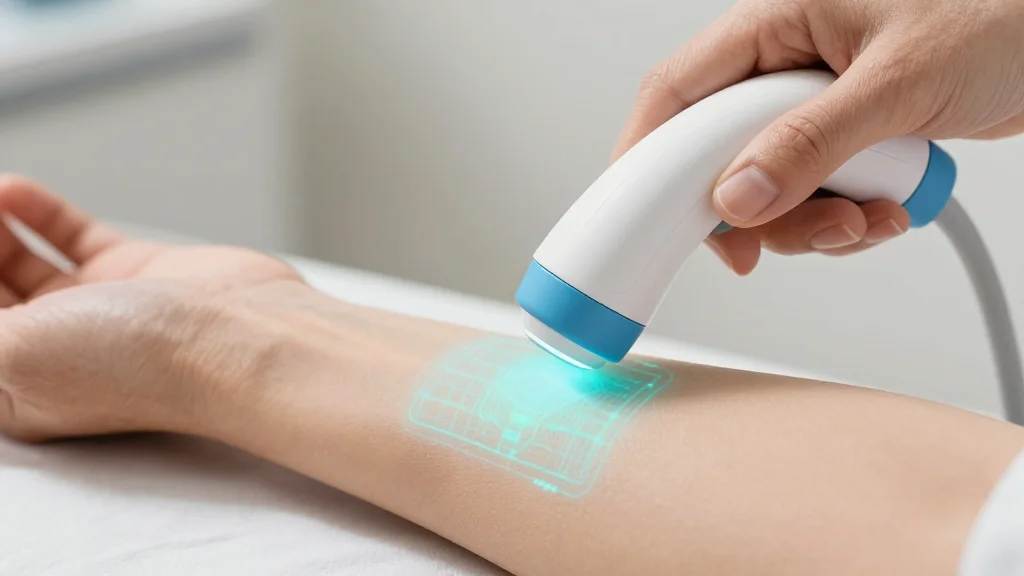
SciBase Shows Nevisense Detects Age‑Related Skin Barrier Changes with 0.69 Correlation

Why It Matters
Nevisense’s ability to quantify age‑related skin barrier changes offers a novel, objective biomarker that could reshape how dermatology and preventive medicine assess skin health. For pharma, the technology provides a measurable endpoint for trials of barrier‑targeting drugs, potentially accelerating development timelines and improving trial power. In the broader biotech ecosystem, a reliable, non‑invasive skin‑health metric could enable earlier detection of systemic aging processes, opening avenues for integrated therapeutic strategies. Beyond immediate commercial prospects, the research underscores a growing trend toward digital phenotyping in medicine. By translating subtle biophysical signals into actionable data, platforms like Nevisense may bridge gaps between clinical observation and molecular insight, fostering a new generation of precision‑focused interventions across the pharma pipeline.
Key Takeaways
- •SciBase presented Nevisense data at the 2026 SID meeting in Chicago.
- •Study compared 25.9‑year‑old and 79.1‑year‑old cohorts, identifying 35 age‑linked EIS features.
- •Composite barrier score correlated with age at Spearman rho = 0.69.
- •EIS‑based analysis proved more sensitive than standard summarized impedance values.
- •Multi‑center validation slated for early 2027, with regulatory pathways under discussion.
Pulse Analysis
Nevisense’s emergence reflects a broader shift toward quantifiable, device‑driven biomarkers in dermatology. Historically, skin‑health assessment has relied on visual scoring systems that are inherently subjective and prone to inter‑observer variability. By leveraging electrical impedance spectroscopy, SciBase introduces a physics‑based metric that can be standardized across sites, a critical advantage for multinational clinical trials. The 0.69 Spearman correlation, while not perfect, is compelling for a first‑generation biomarker and suggests sufficient signal strength to justify further investment.
From a market perspective, the technology sits at the intersection of three high‑growth segments: anti‑aging cosmetics, barrier‑repair therapeutics, and digital health diagnostics. Companies developing topical actives have long sought objective endpoints to differentiate efficacy; Nevisense could become a licensing asset that accelerates product claims. Simultaneously, pharma players targeting systemic diseases with dermatologic manifestations—such as autoimmune disorders—may adopt the platform to monitor off‑target effects on skin integrity, thereby enhancing safety profiling.
Looking forward, the key risk lies in validation and regulatory acceptance. The upcoming multi‑center study must demonstrate reproducibility across diverse populations and device operators. If successful, securing CE marking and FDA clearance will be the next hurdle, requiring clear clinical utility and cost‑effectiveness data. Assuming those milestones are met, Nevisense could catalyze a wave of data‑driven dermatology, prompting competitors to develop analogous biophysical platforms and potentially reshaping the diagnostic landscape for skin‑related aging and disease.
SciBase Shows Nevisense Detects Age‑Related Skin Barrier Changes with 0.69 Correlation
Comments
Want to join the conversation?
Loading comments...