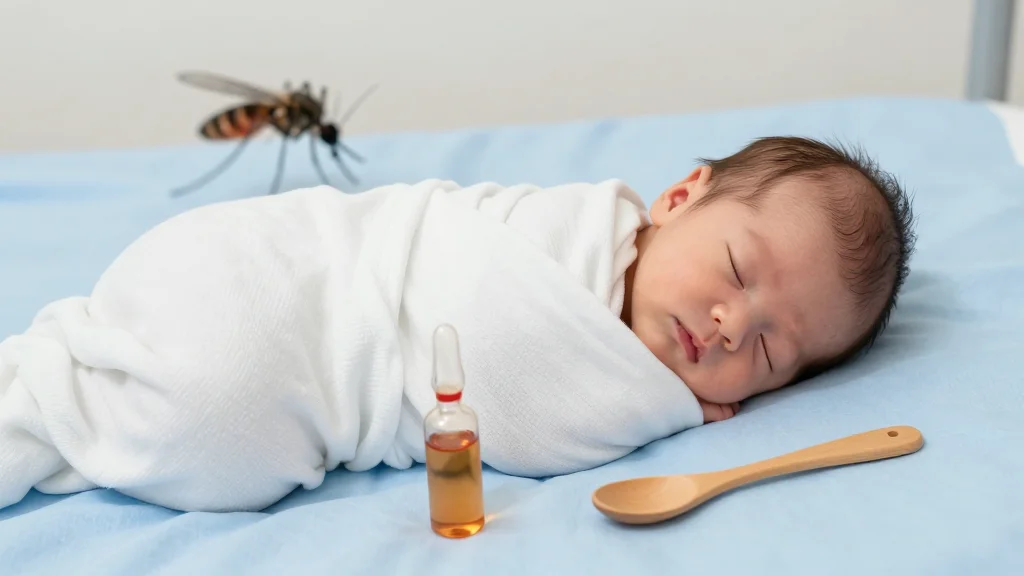
WHO Flags Malaria in 80 Countries as Novartis Gains First Infant Treatment Prequalification

Companies Mentioned
Why It Matters
The WHO’s endemic tally signals that malaria remains a top priority for global health investors, influencing billions in donor funding and shaping R&D pipelines for pharmaceutical firms. Persistent hotspots in Ethiopia, Madagascar and Yemen create market demand for new chemoprevention tools and resistance‑proof therapies, prompting companies to accelerate pipeline development. Novartis’ prequalification of Coartem Baby fills a critical therapeutic gap for newborns, a demographic historically excluded from clinical trials. By unlocking public‑sector procurement, the drug could become a staple in national malaria control programs, driving volume sales and setting a precedent for pediatric‑focused antimalarial formulations. The move also pressures competitors to prioritize infant‑safe regimens, potentially reshaping the product mix in the antimalarial market.
Key Takeaways
- •WHO confirms malaria endemic in 80 countries, with 610,000 deaths in 2024.
- •Case numbers rose to 282 million in 2024, driven by Ethiopia, Madagascar and Yemen.
- •Five countries certified malaria‑free in 2024‑25; Saudi Arabia, Bhutan, Malaysia near certification.
- •Novartis' Coartem Baby receives WHO prequalification, first infant malaria treatment under 4.5 kg.
- •"Having a treatment tailored for infants provides confidence to physicians who previously lacked safe options," – Dr. Emmanuel Aidoo.
Pulse Analysis
The WHO’s latest malaria report paints a nuanced picture: overall mortality is declining, yet the disease’s geographic footprint remains stubbornly large. For pharma, this translates into a dual imperative. First, companies must invest in next‑generation molecules that can outpace emerging artemisinin resistance, especially in the African region where 95 % of deaths occur. Second, the market for pediatric formulations is expanding, as evidenced by Novartis’ breakthrough with Coartem Baby. Historically, drug developers have focused on adult dosing regimens, leaving infants to receive off‑label adult tablets with higher toxicity. The prequalification not only validates the scientific merit of weight‑adjusted dosing but also opens a new revenue stream tied to donor‑funded procurement.
From a strategic standpoint, Novartis’ move could catalyze a wave of pediatric‑centric antimalarial R&D. Competitors such as GlaxoSmithKline and Sanofi, which already have malaria pipelines, may accelerate their own infant‑focused trials to avoid ceding market share. Moreover, the WHO’s warning about funding gaps underscores the importance of aligning product launches with donor cycles. Companies that can demonstrate cost‑effectiveness and resistance‑mitigation will be better positioned to secure contracts with the Global Fund, UNICEF and national malaria control programs.
Finally, the report’s highlight of recent malaria‑free certifications offers a blueprint for success: sustained surveillance, vector control, and community engagement paired with reliable drug supply chains. Pharma firms that partner with governments to ensure consistent drug availability—especially in newly certified or near‑certified nations—can help lock in gains and create long‑term market stability. The convergence of a persistent disease burden and a breakthrough pediatric therapy sets the stage for a pivotal year in malaria drug development, with implications that will reverberate across public‑health financing, regulatory pathways, and competitive dynamics.
WHO Flags Malaria in 80 Countries as Novartis Gains First Infant Treatment Prequalification
Comments
Want to join the conversation?
Loading comments...