
Lancet Neurology Consensus Unveils CBI-M Framework to Replace Traditional TBI Silos
The Lancet Neurology has released an international consensus introducing the CBI‑M framework to replace the Glasgow Coma Scale for traumatic brain injury assessment. CBI‑M integrates four pillars—Clinical (14‑day neurological tracking), Biomarker (blood‑based assays), Imaging (advanced neuroimaging), and Modifiers (genomics, age, comorbidities)—to create a multidimensional, precision‑medicine approach. The model promises more accurate prognosis and individualized rehabilitation plans, but NHS adoption faces hurdles such as limited biomarker lab capacity, imaging bottlenecks, and entrenched NICE guidelines. Widespread implementation will require significant funding and regulatory overhaul.

Efgartigimod Approved for Seronegative Myasthenia Gravis Patients
The FDA has expanded approval of efgartigimod alfa‑fcab (Vyvgart) to treat adults with acetylcholine‑receptor‑antibody‑negative generalized myasthenia gravis, making it the first FcRn‑targeted therapy for this underserved group. The decision follows the phase 3 ADAPT SERON trial, which enrolled 119 seronegative patients and...

Ocrevus Slows Disability Progression in Advanced PPMS, Trial Finds
A Phase 3 ORATORIO‑HAND trial involving more than 1,000 adults with primary progressive multiple sclerosis (PPMS) showed that Ocrevus (ocrelizumab) significantly slows disability progression. Over a median follow‑up of nearly three years, the drug reduced the risk of confirmed disability...

MS Cases Rise in England as Survival Improves but Inequalities Remain
Multiple sclerosis (MS) prevalence in England more than doubled between 2000 and 2020, rising from just under 22,000 to over 37,000 diagnosed patients, with estimates suggesting roughly 190,000 people now live with the disease. Survival has improved markedly; cohorts diagnosed...

How Gut Bacteria Could Trigger Memory Loss as We Age
Researchers at the Arc Institute have shown that age‑related changes in the gut microbiome can directly impair memory. By co‑housing young and old mice, they demonstrated that exposure to an older microbiome caused young mice to lose performance on object‑recognition...

EU Backs Itvisma Gene Therapy for Spinal Muscular Atrophy
European regulators have issued a positive opinion on Itvisma, Novartis' onasemnogene abeparvovec gene therapy for spinal muscular atrophy (SMA). The Committee for Medicinal Products for Human Use (CHMP) recommended marketing authorisation on 23 April 2026, pending final approval by the European Commission....

Review Questions Benefits of Anti-Amyloid Alzheimer’s Drugs
A Cochrane review of 17 clinical trials involving 20,342 patients with early Alzheimer’s disease found that anti‑amyloid drugs provide no clinically meaningful benefit on cognitive decline or dementia severity. The analysis also highlighted an increased risk of brain swelling and...
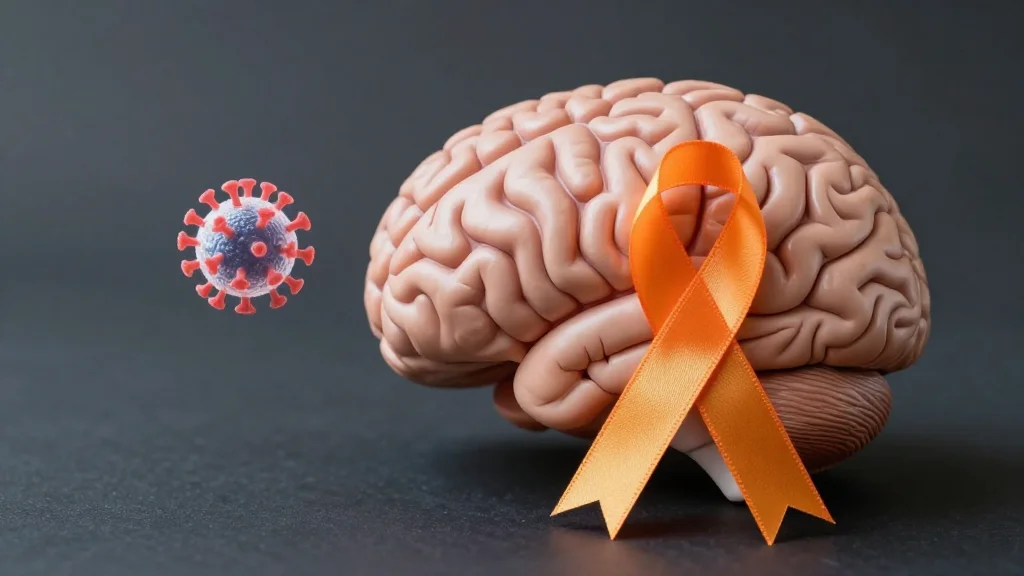
Teenage Mono Infection Linked to Higher Risk of Multiple Sclerosis Later in Life
A new long‑term study linking teenage infectious mononucleosis to a three‑fold increase in multiple sclerosis risk was conducted by researchers at Moderna and the Mayo Clinic using Rochester Epidemiology Project data. The analysis covered over two decades of health records,...

Roche Launches New Elevidys Trial to Address EU Rejection in Duchenne Therapy Bid
Roche has launched a new global phase 3 trial of its Duchenne muscular dystrophy gene therapy Elevidys, targeting ambulatory boys after the European Medicines Agency rejected its earlier submission. The study will enroll about 100 patients and compare Elevidys to...

Anavex Withdraws EU Application for Alzheimer’s Drug Blarcamesine
Anavex Life Sciences has withdrawn its European marketing authorisation application for blarcamesine, a small‑molecule therapy aimed at early Alzheimer’s disease, after the EMA’s Committee for Medicinal Products for Human Use concluded in December 2025 that the drug’s benefits did not...

New Surgical Robot Introduced in Newcastle to Advance Precision Neurosurgery
Newcastle Hospitals NHS Foundation Trust has installed the ExcelsiusGPS surgical robot, becoming the first UK centre to use this technology for neurosurgery. The platform delivers sub‑millimetre accuracy, integrating a robotic arm, 3D imaging and a screen‑based interface to aid complex...

FDA Grants Accelerated Approval to Tividenofusp Alfa for Neurologic Hunter Syndrome
The U.S. Food and Drug Administration granted accelerated approval to tividenofusp alfa, sold as Avlayah, as the first enzyme‑replacement therapy that crosses the blood‑brain barrier for neurologic Hunter syndrome. The drug combines iduronate‑2‑sulfatase with a transport protein to reach both...

FDA Approves Higher Dose Nusinersen for Spinal Muscular Atrophy
The FDA has approved a higher‑dose regimen of nusinersen (Spinraza) for spinal muscular atrophy, updating both the loading and maintenance phases. The new schedule delivers two larger injections two weeks apart, followed by maintenance doses every four months. Approval follows...

Persistent Epstein-Barr Antibodies May Support MS Diagnosis
Researchers published in JAMA Neurology found that persistently elevated Epstein‑Barr virus (EBV) antibodies, specifically against EBNA‑1, appear in 96 % of multiple sclerosis (MS) patients but are rare in other neuroinflammatory diseases. The study analyzed about 2,000 patients with neurological conditions...

Scotland Pilots Newborn Screening for Spinal Muscular Atrophy
Scotland has launched a two‑year pilot to add spinal muscular atrophy (SMA) to its routine newborn heel‑prick screening, becoming the first UK nation to do so. The program targets the roughly three to four infants born with SMA each year,...