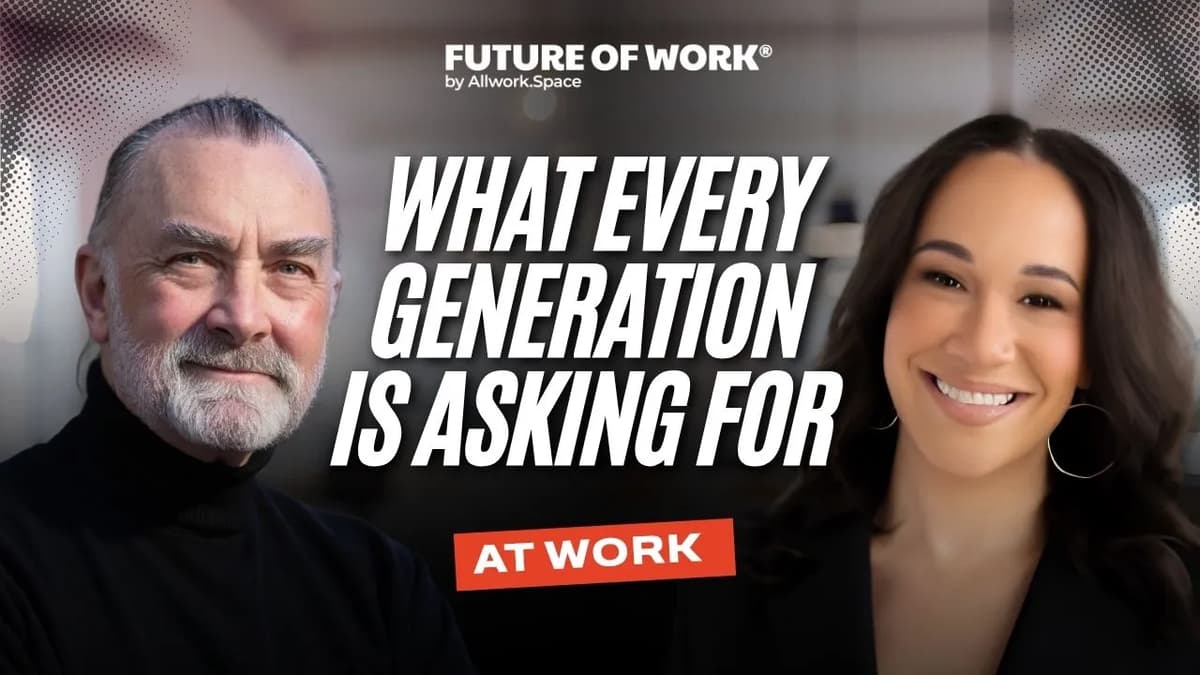
Why Every Generation Is Asking for Dignity at Work with Angela R. Howard
Angela R. Howard, founder of Call for Culture, joins The Future of Work® Podcast to argue that every generation’s workplace grievances—dignity, respect, fair pay—are fundamentally the same. She warns that AI’s rise will magnify the need for human‑centric leadership while toxic managers can nullify even generous perks. Howard also highlights a growing loneliness epidemic, urging firms to look beyond the office for community. Her upcoming book, “The Kids Don’t Want to Work,” frames these issues as a cultural reckoning rather than a generational clash.

U.S. Office Demand Hits Strongest Growth Streak Since 2022
The U.S. office market posted its third consecutive quarter of net absorption in Q1 2026, the first such streak since mid‑2022, according to NAIOP’s latest forecast. A rare decline in total office inventory—driven by conversions and demolitions exceeding new construction by...

U.S. Workers And Firms Are Adopting AI Faster Than Europe, Study Finds
American firms and workers are adopting artificial intelligence at markedly higher rates than their European counterparts, according to a Let’s Data Science study. 34% of U.S. companies report using AI for at least one purpose, versus 20% in Europe, while...

Treating AI Like A Coworker May Be Making Employees Less Accountable
Boston Consulting Group’s new study reveals that treating AI tools as "employees" erodes human accountability. Nearly one‑third of managers across the U.S., Canada and the EU view AI as a teammate, and over 20% place AI agents on org charts....
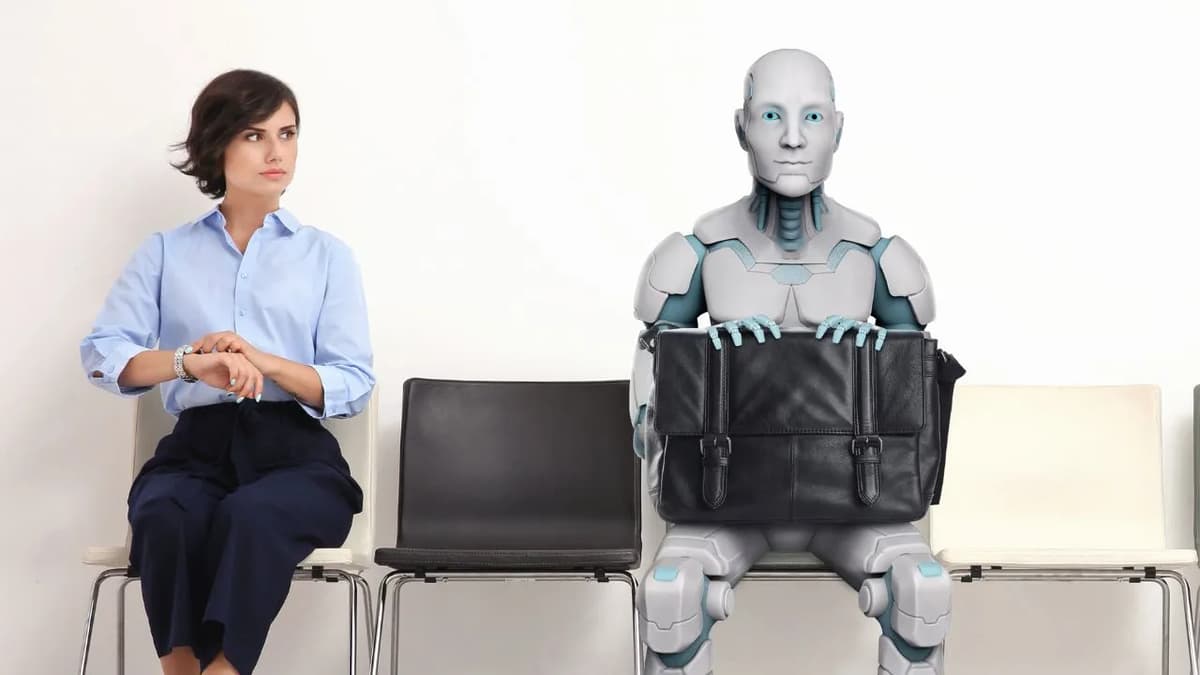
Tech Layoffs Are Soaring, But Companies Still Can’t Hire Enough AI-Skilled Talent
Tech layoffs surged 142% in Q1 2026, even as demand for experienced AI‑fluent professionals rose 8.9% quarter‑over‑quarter. Companies are trimming broad headcount while fiercely competing for a shrinking pool of senior talent in product management, design, cybersecurity and data science. Remote...

AI Investment Boom Is Making The AI Bubble Argument Look Tired
The AI investment surge is turning the "bubble" narrative on its head, highlighted by Nvidia’s record Q1 FY2027 revenue of $81.6 billion and data‑center sales of $75.2 billion. A Federal Reserve review shows 18% of U.S. firms had adopted AI by the...

Identical AI-Generated Resumes Reveal Stark Bias Against Women Who Use AI At Work
A study by former Meta strategist Zehra Chatoo used AI to create identical résumés for "Emily Clarke" and "James Clarke" and asked British adults to evaluate them. Reviewers were 22% more likely to question the female candidate's trustworthiness and twice...

How AI And Digital Twins Are Creating A New Office Design Feedback Loop
Digital twins, once used by NASA, are now live, sensor‑driven models of office spaces. Coupled with AI, they transform occupancy, temperature and air‑quality data into actionable design insights, creating a continuous feedback loop from move‑in to operation. Adoption is accelerating,...

Mindspace Williamsburg: A Design-Forward Coworking Space On Brooklyn’s Waterfront — And It’s Growing
Mindspace Williamsburg, located on the 25 Kent waterfront development, offers a design‑forward coworking environment with floor‑to‑ceiling windows, a rooftop deck, fitness center, and meditation pods. The space serves founders, creatives, and tech firms and is pet‑friendly. In response to strong...
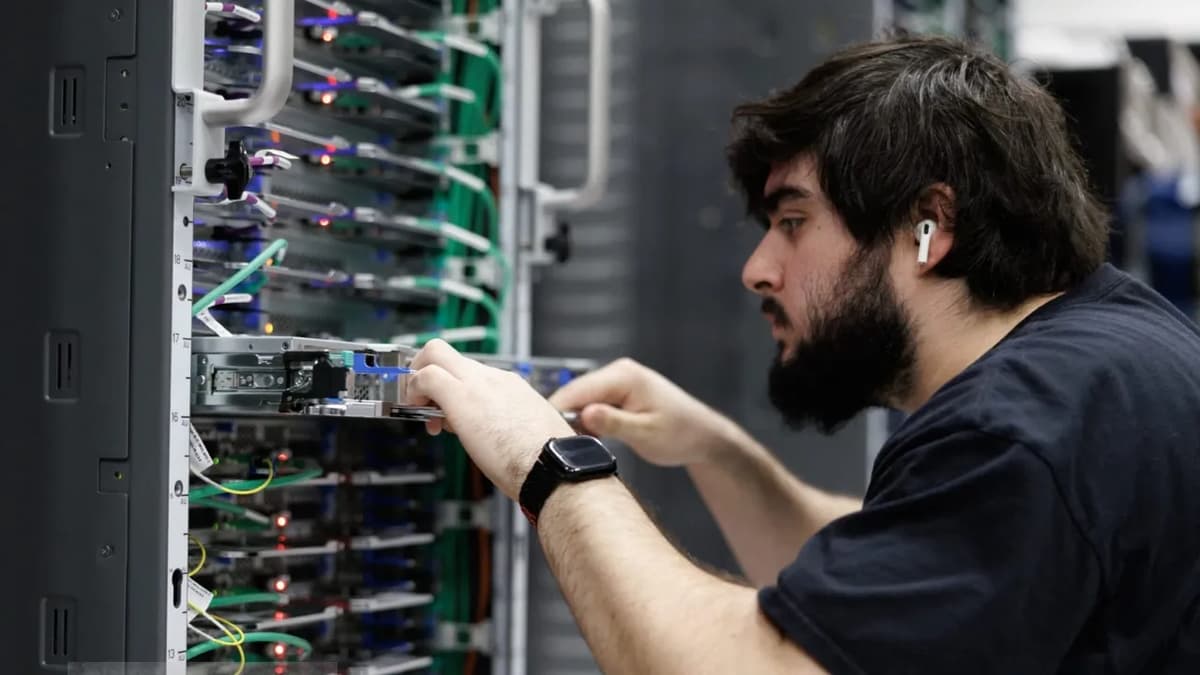
‘Tokenmaxxing’ Is Turning AI Adoption Into A Dangerously Flawed Corporate Scoreboard
Amazon, Microsoft and Meta are rewarding employees for the sheer volume of AI tokens they consume, creating internal leaderboards that spur "tokenmaxxing" – the practice of running AI tools on trivial tasks to boost scores. At Amazon, staff report pressure...

Miami Now Has The Lowest Office Vacancy Rate Among Major U.S. Markets
Miami’s office vacancy rate dropped to 12.5% in April 2026, making it the lowest among the 25 largest U.S. markets and well below the 17.6% national average. The decline from 15.7% in early 2025 reflects tightening supply as demand from...
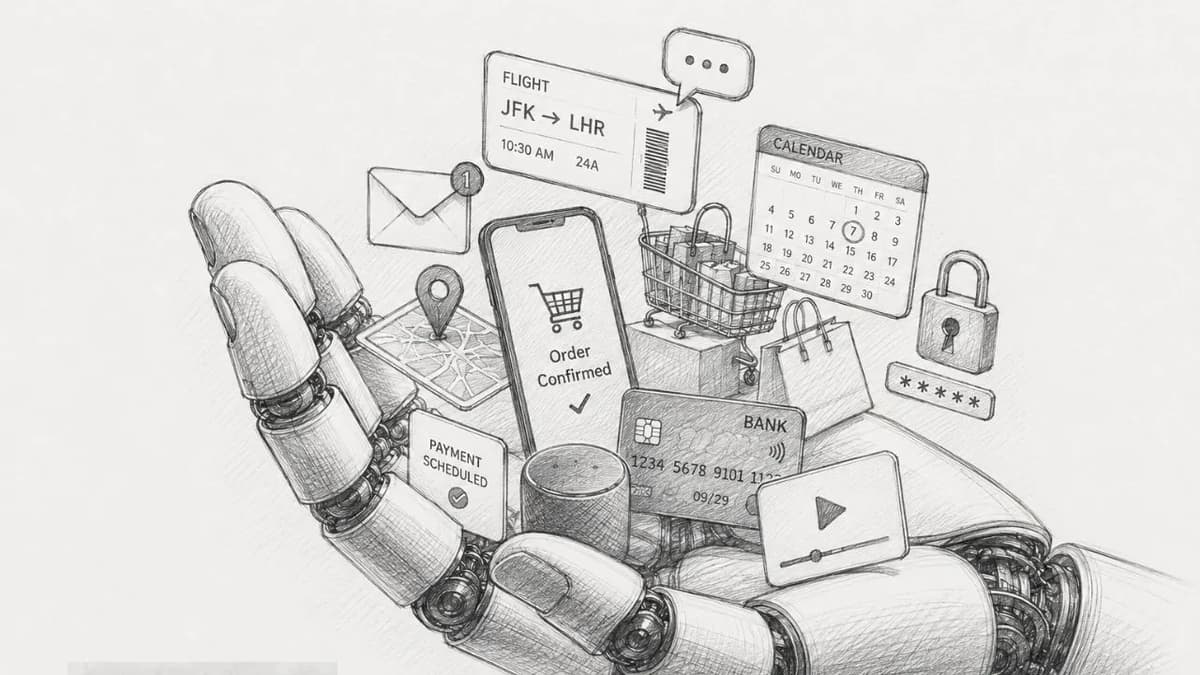
The Delegation Economy Is Here, Turning AI Trust Into The Next Big Business Advantage
The rise of autonomous AI is shifting from passive assistance to delegation, with 84% of global respondents using AI and 16% already employing systems that act without human input. Consumers are entrusting agents to purchase goods, refill carts and manage...
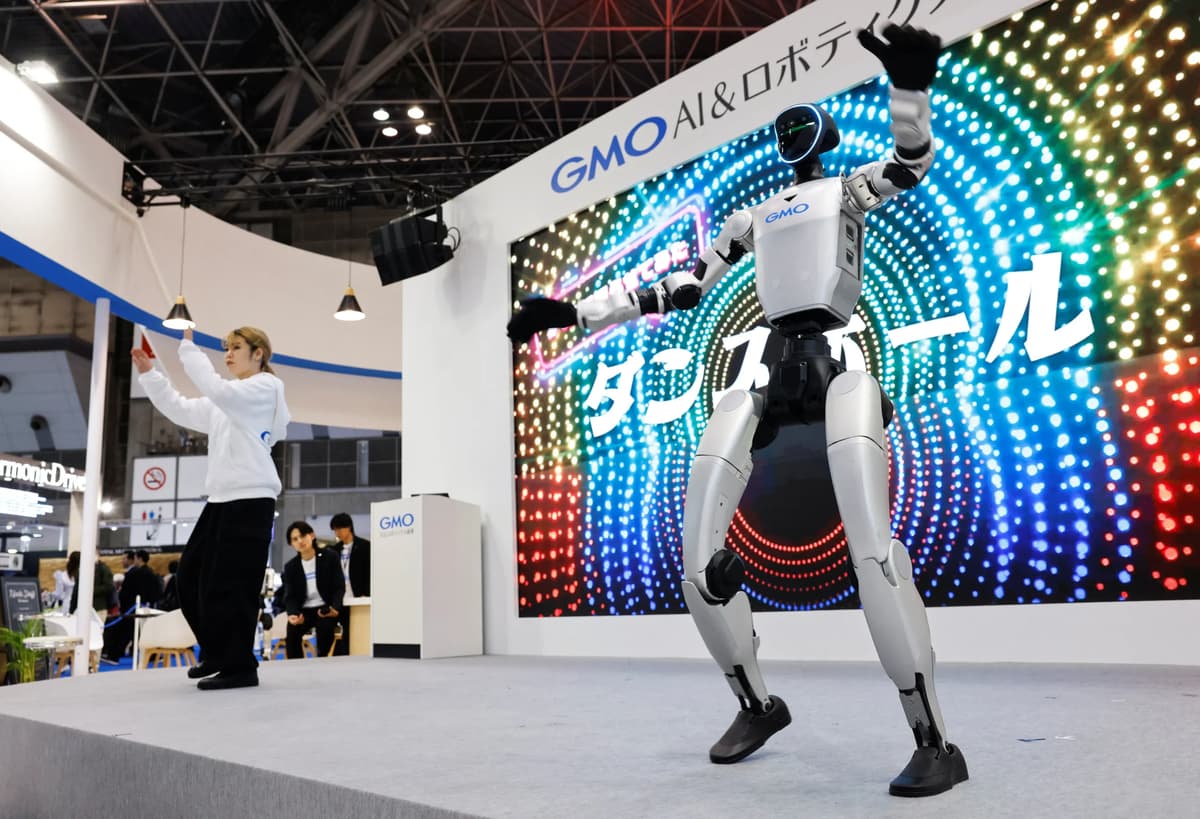
One-Third Of Japanese Companies Eye AI Robots As Labor Shortages Intensify
A Reuters‑Nikkei survey finds one‑third of Japanese companies are using or contemplating AI‑enabled robots, with 4% already deployed, 5% planning rollout, and 25% weighing adoption. Automakers and transportation equipment makers are the most aggressive, with 80% of that sector either...

JPMorgan Begins Global AI Rollout After Dimon Signals Hiring Shift
JPMorgan is deploying artificial‑intelligence tools across its global investment‑banking division, becoming one of the first banks to roll out the technology at scale. CEO Jamie Dimon announced a hiring shift toward AI specialists while cutting back on traditional bankers. The...

AI Companies Are Driving London’s Flexible Office Boom
Artificial intelligence firms now drive a sizable share of London’s flexible office market, accounting for 34% of tech office take‑up in 2025, up from just 4% a decade earlier. CBRE’s analysis of 100 AI startups shows three‑quarters operate from flexible...