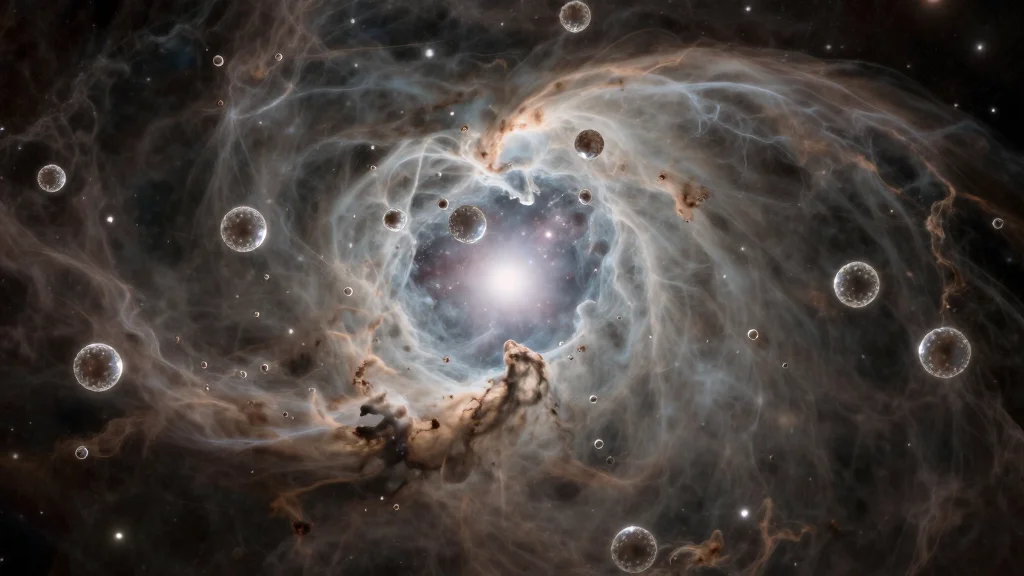
Astronomers Reveal Spectacular Birthplace of Cosmic Buckyballs
Astronomers using the James Webb Space Telescope have identified a dense, carbon‑rich nebula as the birthplace of interstellar buckyballs (C₆₀ fullerenes). Spectroscopic data reveal strong infrared signatures of the spherical molecules in the nebula surrounding the dying star IRAS 21282+5050. The discovery confirms that fullerenes can form in harsh astrophysical environments, expanding the known inventory of complex organic compounds in space. Researchers estimate that billions of kilograms of buckyballs may be produced each year across the Milky Way.
Mapping the Hidden Structure of the Universe
University of Virginia astronomers have produced the most detailed three‑dimensional map of the universe’s hidden large‑scale structure, combining gravitational‑lensing data with spectroscopic redshifts to chart over 1.2 billion galaxies. The map reveals a filamentary network of dark‑matter scaffolding, identifies roughly 30 %...
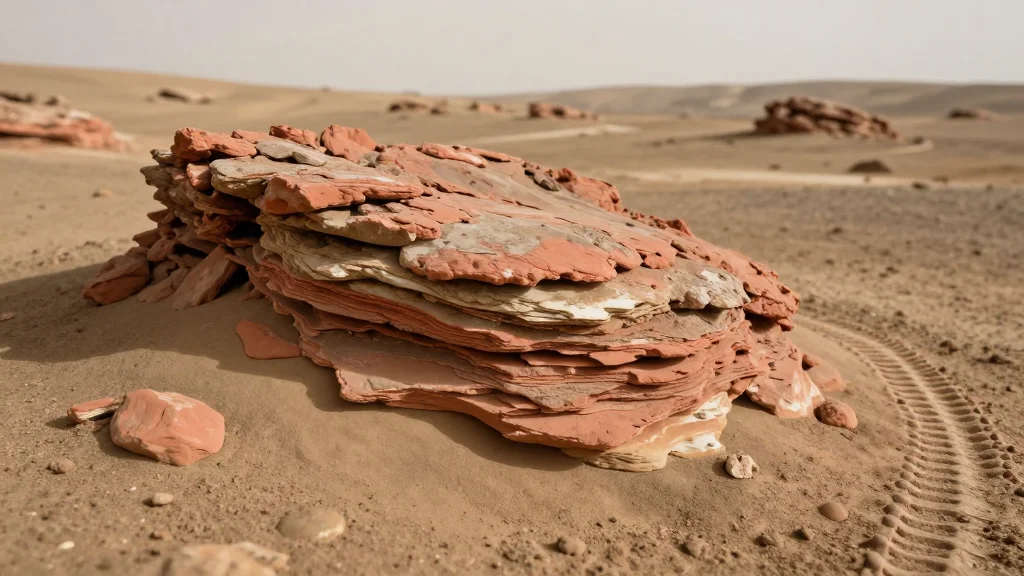
NASA’s Curiosity Rover Finds More Evidence of Ancient Lakes on Mars
NASA’s Curiosity rover has uncovered additional sedimentary evidence that ancient lakes once existed in Gale Crater. Analyses of mudstone and clay minerals reveal prolonged water activity around 3.5 billion years ago, with chemical signatures indicating neutral‑pH conditions. The findings reinforce earlier...
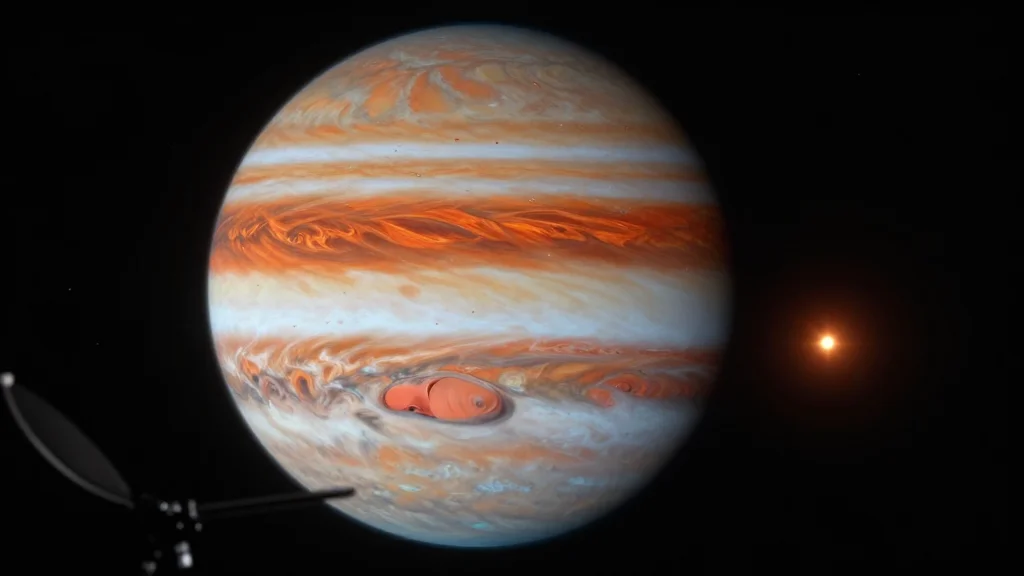
Astronomers Find an Exo-Jupiter, and It Seems to Have Clouds
Astronomers using the James Webb Space Telescope have identified a Jupiter‑sized exoplanet, dubbed Mira b, orbiting a Sun‑like star about 300 light‑years from Earth. The planet’s mass is roughly 1.2 times that of Jupiter and it completes an orbit every 5.2 years,...
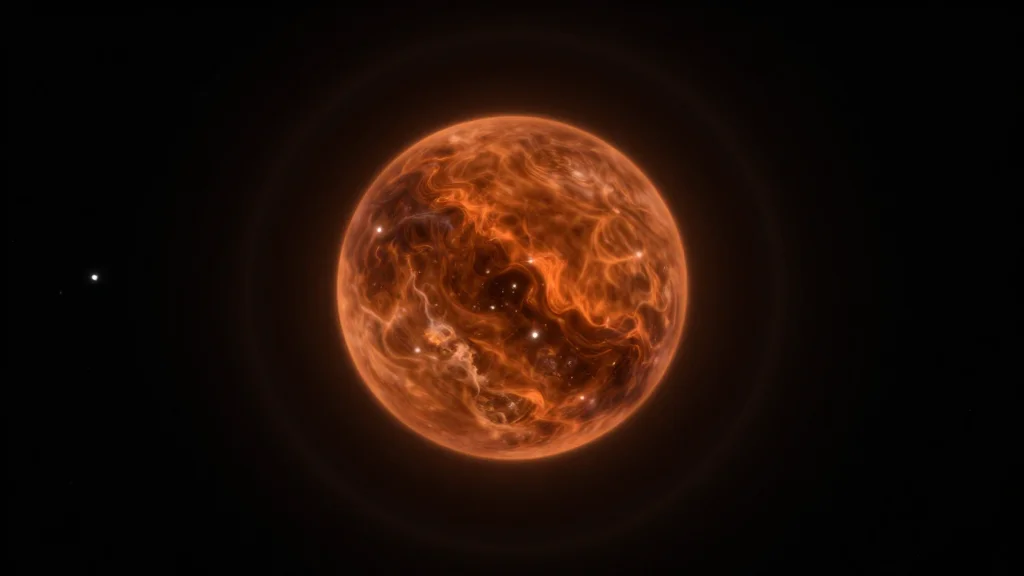
Astronomers Determine Brown Dwarf Age Using Tiny Stellar Pulsations
Astronomers have pinpointed the age of the brown dwarf HR 7672 B by measuring ultra‑small stellar pulsations, a method known as asteroseismology. The team detected oscillations with amplitudes of just a few parts per million, allowing them to calculate an age of...
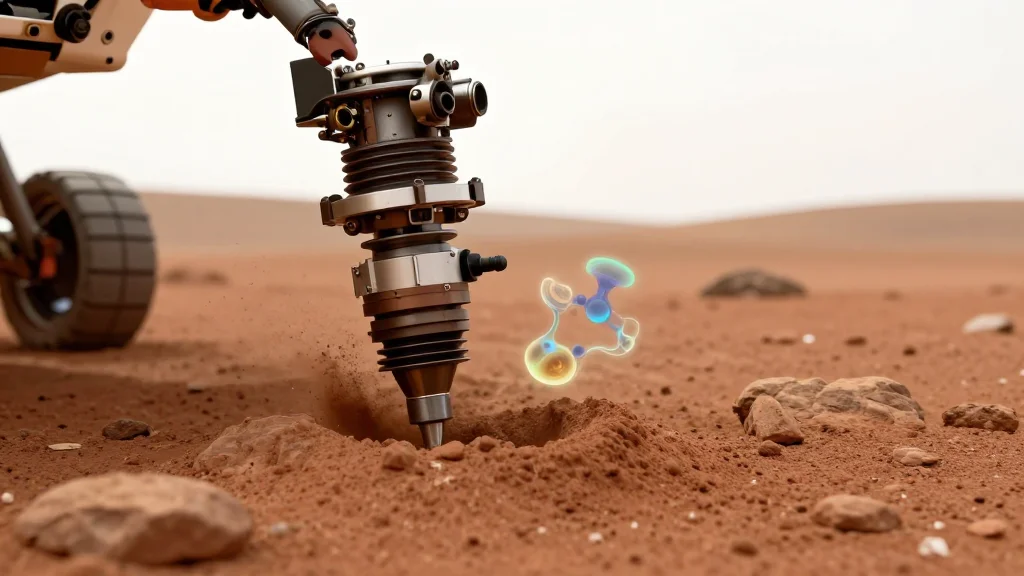
NASA’s Curiosity Finds Organic Molecules Never Seen Before on Mars
NASA’s Curiosity rover has identified a suite of organic molecules in Gale Crater that have never been observed on Mars before. The detection was made using the rover’s Sample Analysis at Mars (SAM) instrument during a 2025‑2026 drilling campaign. The...
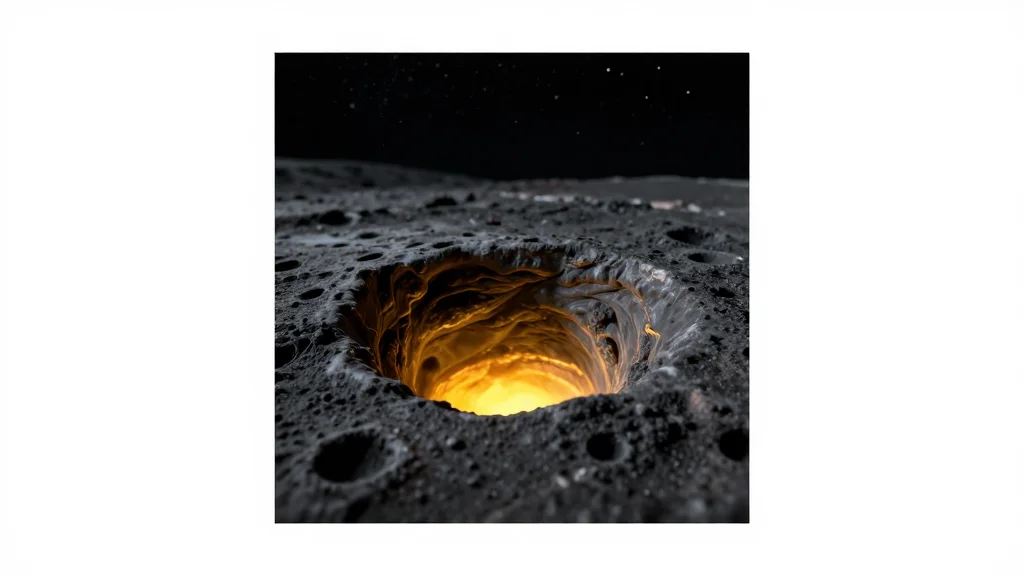
Researchers Find Sulfur-Rich Mercury Magmas Behave Differently Than Earth’s
Rice University geochemists have discovered that magmas on Mercury, enriched with sulfur, exhibit physical and chemical properties distinct from silicate‑rich magmas on Earth. Laboratory simulations show sulfur‑laden mercury melts have lower viscosity and crystallize at different temperatures, altering eruption dynamics....
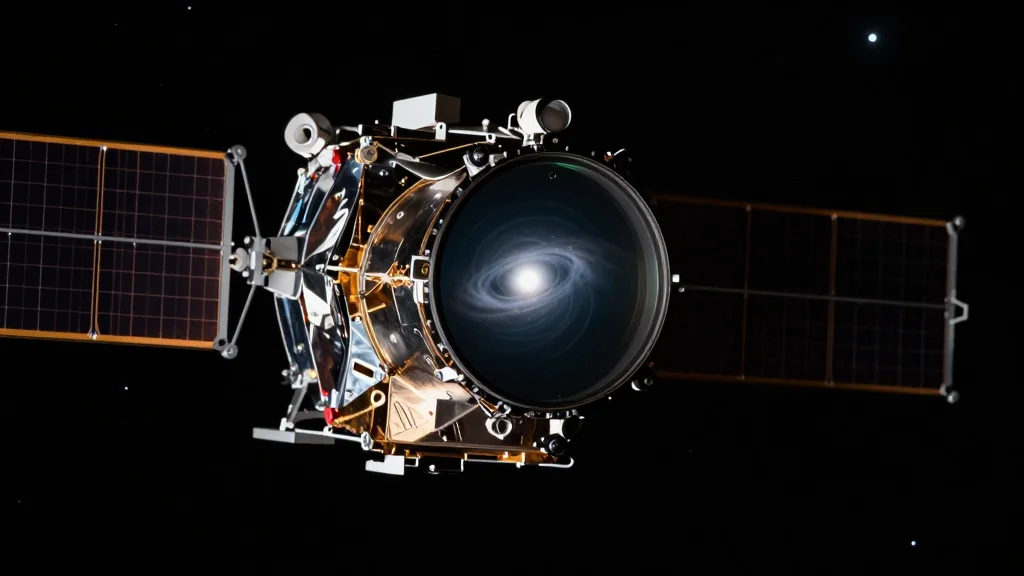
Euclid Space Warps – Help Spot Galaxies Bending Spacetime
The European Space Agency’s Euclid mission has launched the citizen‑science project “Space Warps,” inviting volunteers to identify galaxies that act as gravitational lenses and bend spacetime. Using Euclid’s high‑resolution imaging, participants help flag strong‑lensing events that are otherwise difficult for automated...
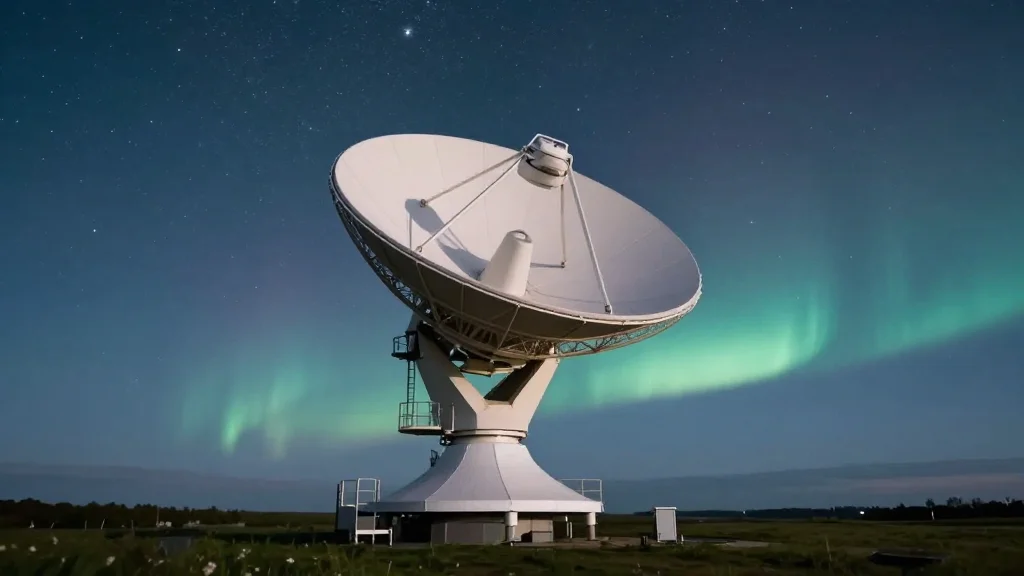
New Open-Source Python-Based Software Boosts Space Weather Modeling
A research team at the University of Birmingham has released an open‑source Python‑based platform that dramatically improves space‑weather modeling. The software integrates real‑time measurements from NOAA and ESA satellites and cuts simulation runtimes by roughly 50% compared with legacy tools....
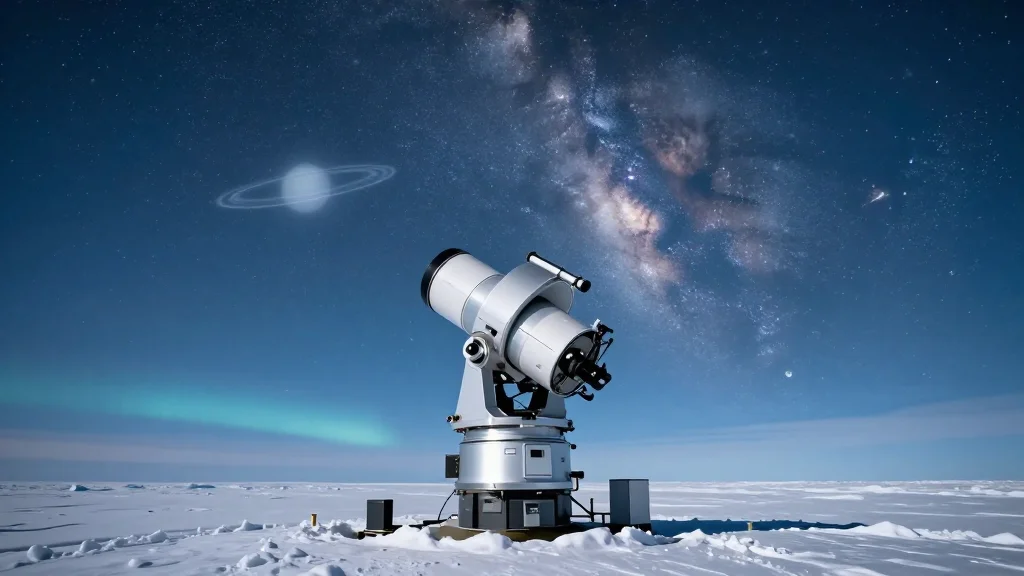
Oddball Exoplanet System Discovered with Help of Antarctic Telescope
Astronomers using the Antarctic Survey Telescope (AST3) at Dome A have identified a highly unconventional exoplanet system orbiting a Sun‑like star 320 light‑years from Earth. The system hosts three planets, including one with an extreme eccentricity of 0.92 and a second...
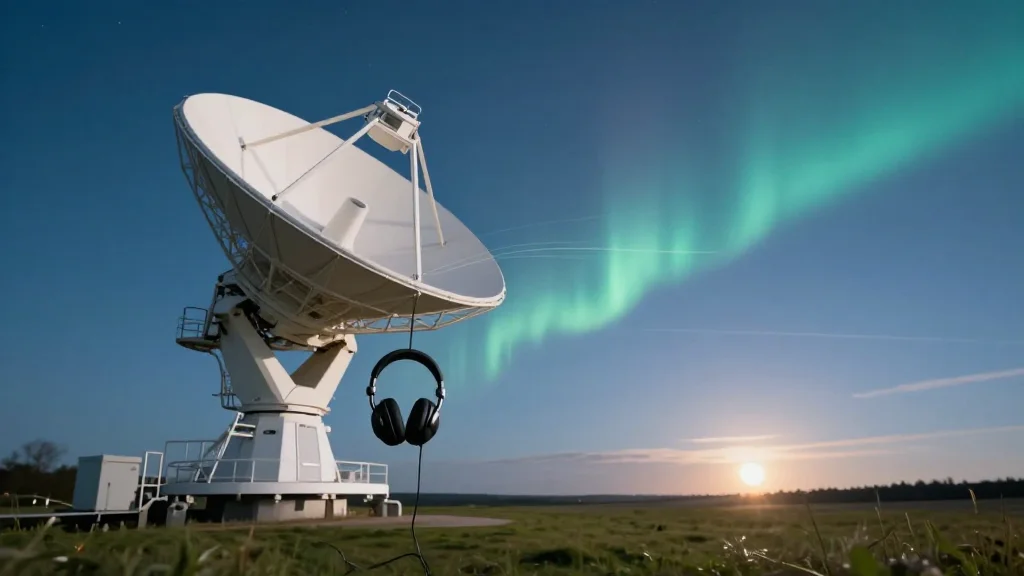
Volunteers Discover Rare Space Weather Events Using Their Ears
Volunteers in NASA’s citizen‑science program have detected rare space‑weather events by listening to audio recordings of solar radio emissions. Using a web‑based platform, participants flagged unusual bursts linked to high‑energy solar flares and coronal mass ejections. The effort has already...
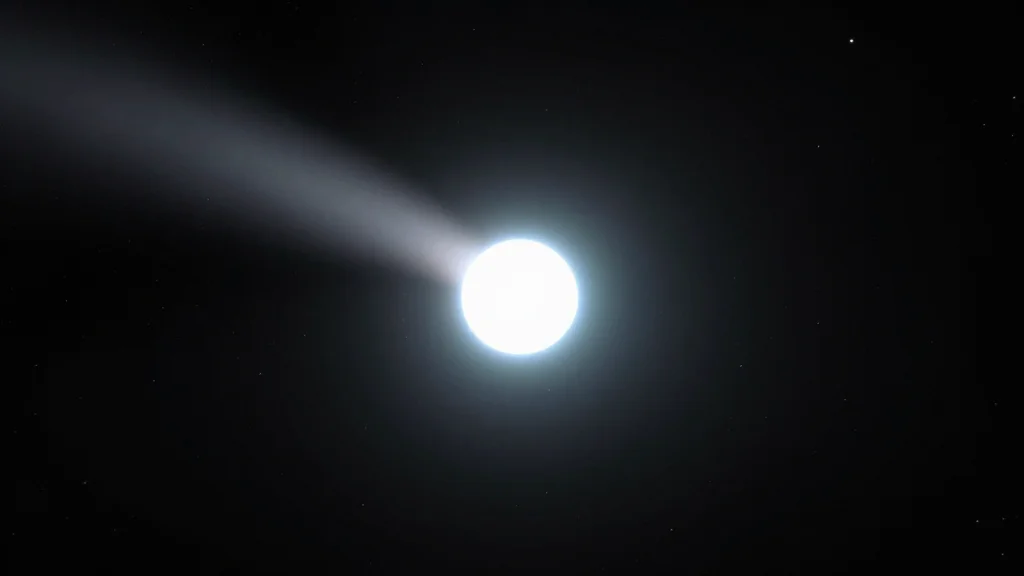
Interstellar Comet Reveals Methane on Its Journey Through Our Solar System
Caltech astronomers have identified methane gas in the interstellar comet 2I/Borisov as it traversed the inner solar system. Using high‑resolution infrared spectra from NASA’s IRTF and the James Webb Space Telescope, they measured methane at about 0.5 % of the comet’s...
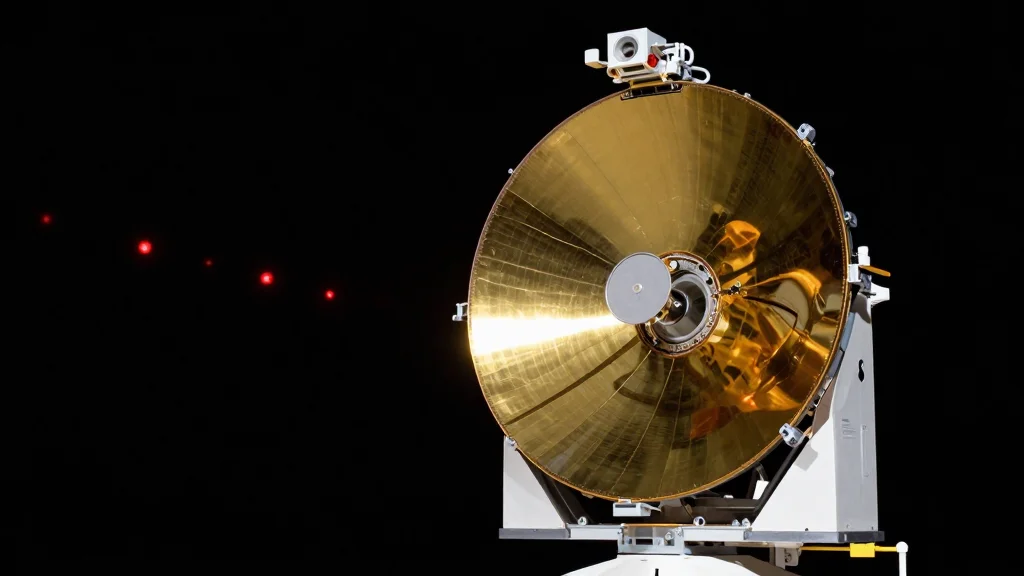
Little Red Dots: New Clues From the Early Universe
A team of astronomers leveraging the Texas Advanced Computing Center’s supercomputing power has identified dozens of compact, red‑shifted objects—dubbed “little red dots”—in early‑universe images from the James Webb Space Telescope. The objects, likely galaxies at redshifts z ≈ 9‑12, were isolated using a...
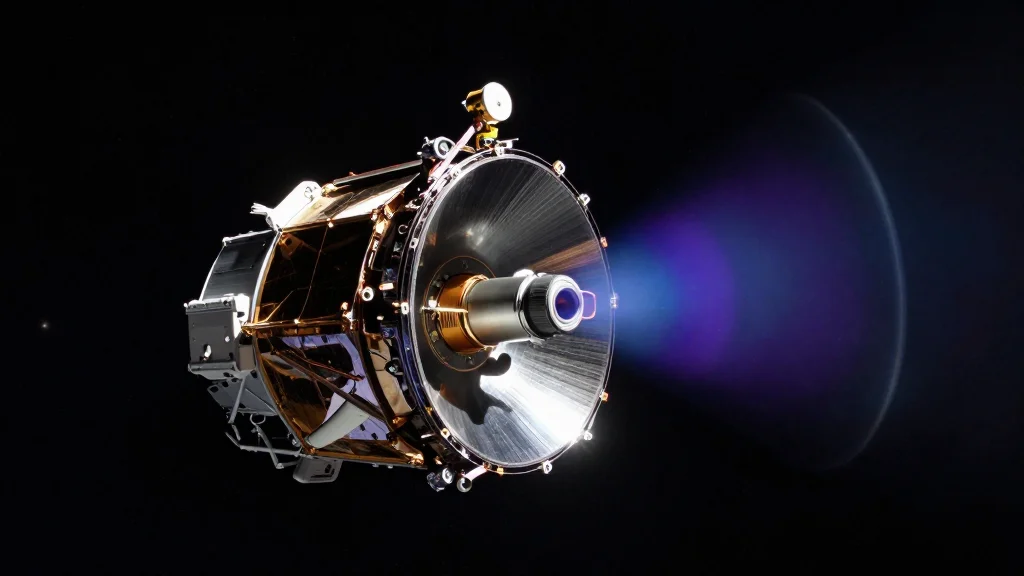
Roman Space Telescope Science Platform Will Open New Frontiers in Space Science
NASA’s Nancy Grace Roman Space Telescope is set to activate its next‑generation science platform, delivering wide‑field infrared imaging and spectroscopy for the first time. The platform’s automated data pipeline will process raw observations into calibrated products within 24 hours, feeding an open‑access...
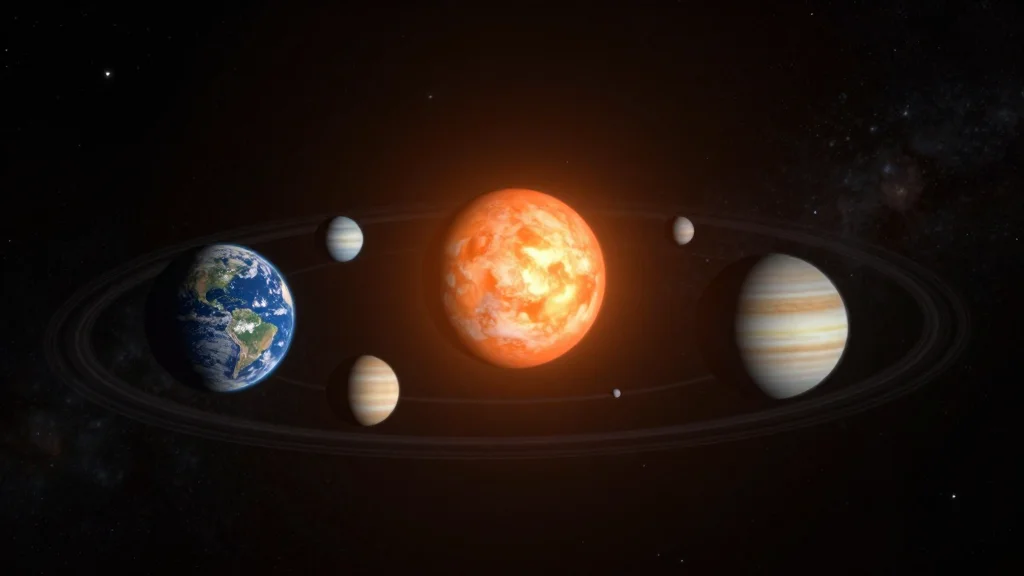
UNM Astronomers Reveal Always-Changing Multi-Planet System
University of New Mexico astronomers have announced the discovery of a tightly packed, five‑planet system that defies conventional stability expectations. Using transit‑timing variations captured by the TESS mission, the team observed rapid orbital shifts that indicate strong gravitational interactions among...
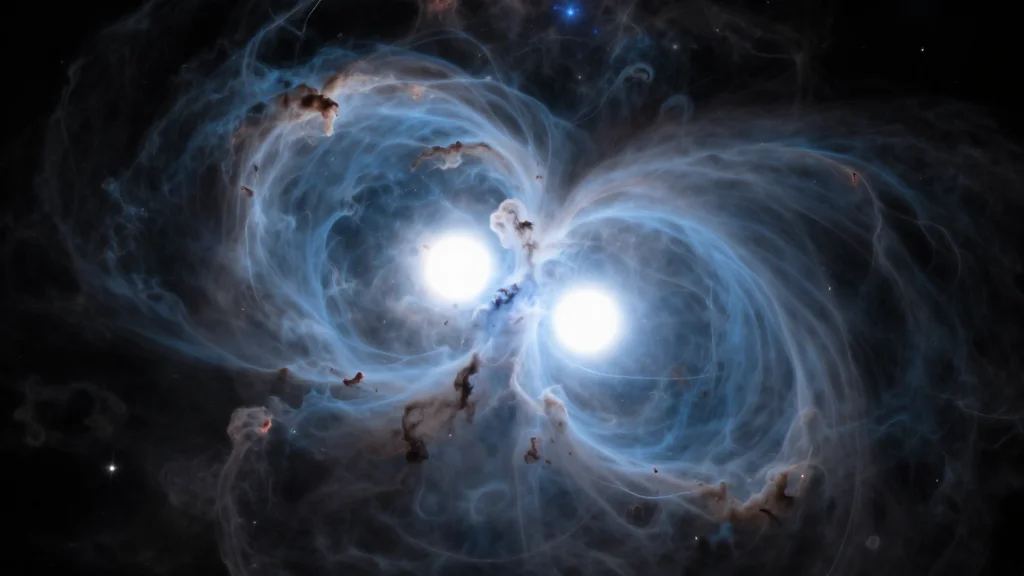
Most Close Pairs of Stars Are Born as Cosmic Twins
A new study led by the National Radio Astronomy Observatory examined over 100 close binary protostars using ALMA and the VLA. The researchers found that roughly 70% of these systems were born as nearly equal‑mass "cosmic twins," supporting the idea...

New Study Uncovers Distinct Origins of Uranus’s Two Outer Rings
A recent study using Keck Observatory data has shown that Uranus’s two outer rings, the μ and ν rings, originated from separate processes. Spectroscopic analysis indicates the μ ring is dominated by icy fragments likely produced by a moon‑collision event,...
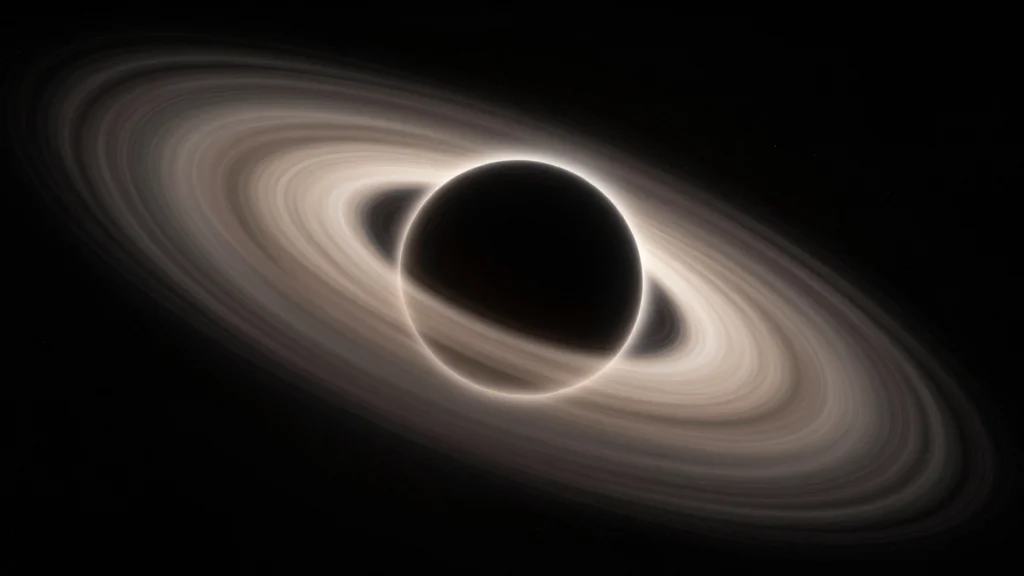
“Dancing Jets” From Black Hole Reveal Their Immense Power
Astronomers using the Event Horizon Telescope have captured high‑resolution images of relativistic jets emanating from a supermassive black hole, revealing unprecedented kinetic power. The observations show the jets twisting in a ‘dancing’ pattern as magnetic fields accelerate plasma to near‑light...

Planets Need More Water to Support Life Than Scientists Previously Thought
A new study published this week argues that planets must retain significantly more water than previously assumed to sustain life. Researchers recalibrated habitability models using Earth’s ocean depth as a benchmark, revealing that a thin veneer of water is insufficient...
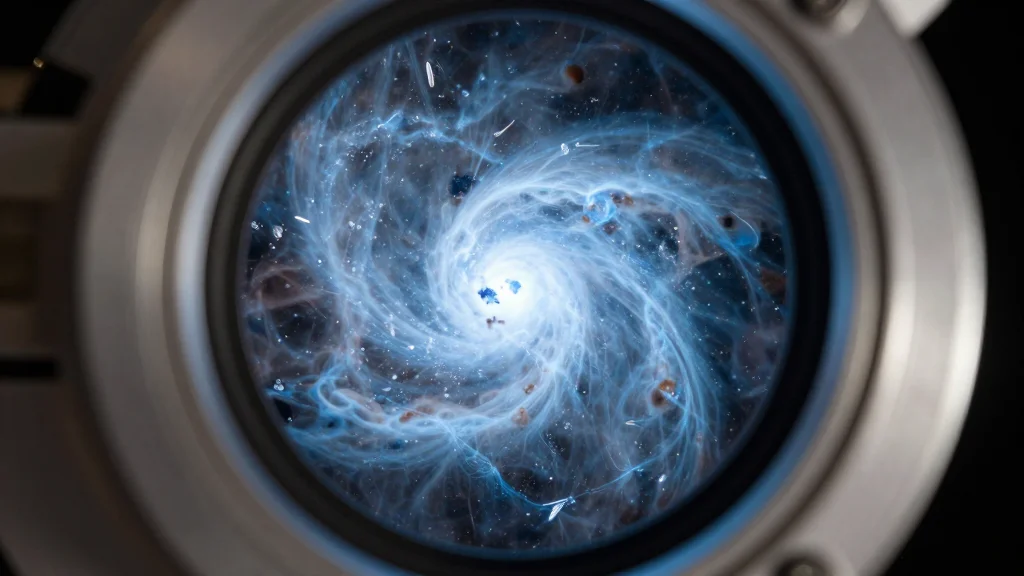
"Interstellar Glaciers": NASA’s SPHEREx Maps Vast Galactic Ice Regions
NASA’s SPHEREx mission released its first all‑sky map of interstellar ices, revealing extensive “interstellar glaciers” of water, carbon monoxide and carbon dioxide frozen onto dust grains across the Milky Way. The near‑infrared spectrometer recorded more than 2.5 million spectra, covering roughly...
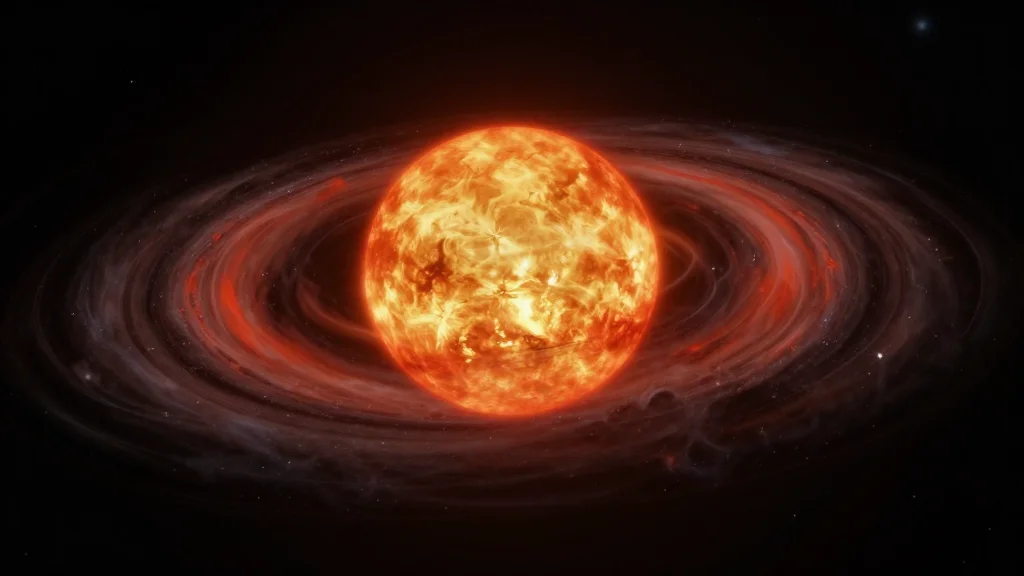
Unveiling the Mystery of Protoplanetary Disk Formation Around Young Stars
Astronomers at the Institute of Astronomy and Astrophysics, Taiwan, have released new observations and simulations that clarify how protoplanetary disks form around nascent stars. Using high‑resolution ALMA imaging combined with magnetohydrodynamic models, the team identified a rapid infall‑driven mechanism that...
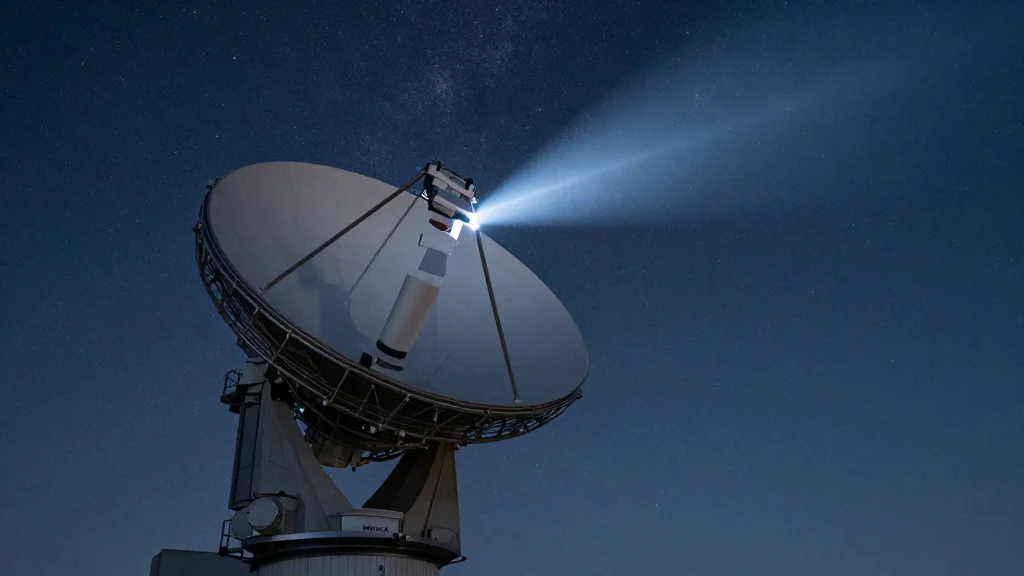
Dark Energy Spectroscopic Instrument Completes Planned 3D Map of the Universe and Continues Exploring
The Dark Energy Spectroscopic Instrument (DESI) has finished its five‑year survey, delivering the planned three‑dimensional map of the cosmos. The map charts roughly 35 million galaxies and quasars across about 14,000 square degrees, representing the most detailed large‑scale structure dataset to...
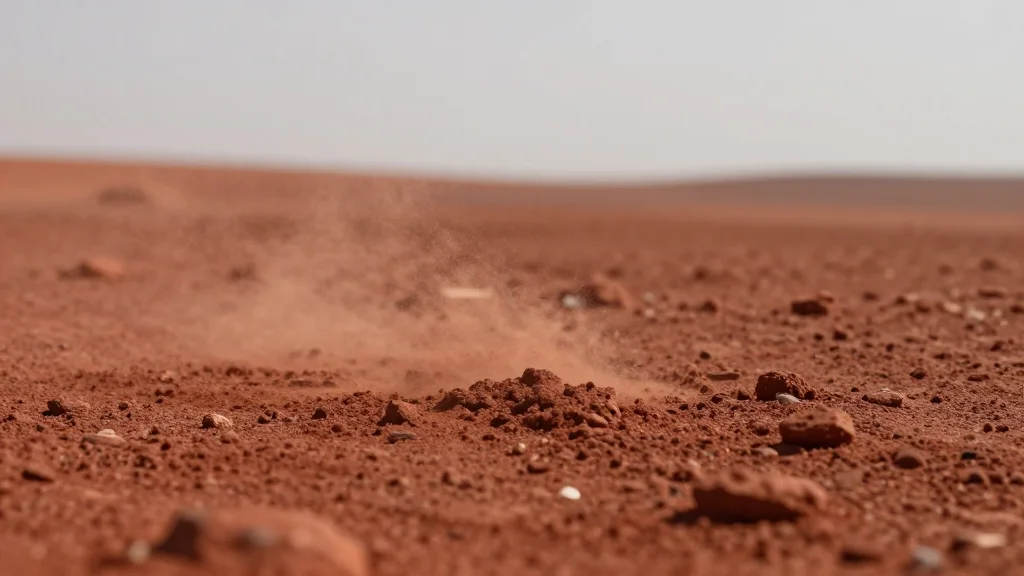
New Image Shows Ash Creeping Across Mars
The European Space Agency released a new high‑resolution image from its Mars Express orbiter that shows ash creeping across the Martian surface. The photo captures fine, dark deposits moving downstream of a suspected volcanic vent, suggesting either recent volcanic activity...
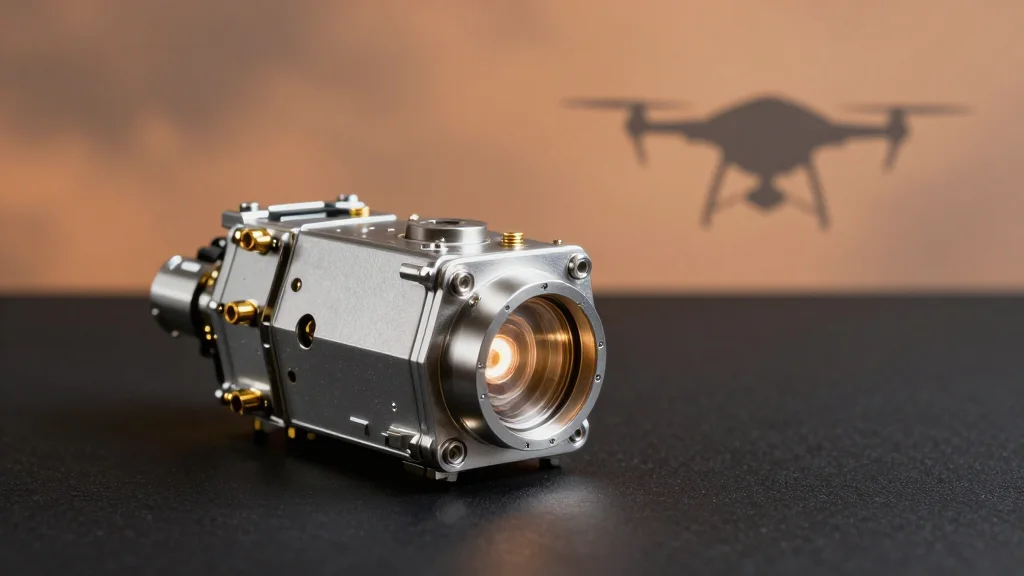
Advanced Gamma-Ray Spectrometer Delivered for NASA’s Dragonfly Mission to Explore Titan
Lawrence Livermore National Laboratory has handed over an Advanced Gamma‑Ray Spectrometer to NASA for the Dragonfly mission, the first rotorcraft lander destined for Saturn’s moon Titan. The instrument, weighing less than 5 kg, is engineered to survive Titan’s extreme cold and...

Researchers Adapt Torsion Balance Experiments to Detect Dark Matter
Researchers have modified classic torsion‑balance apparatuses—originally built to test gravity and the equivalence principle—to hunt for dark‑matter signals. By integrating cryogenic cooling, magnetic shielding, and high‑precision angular readouts, the new setups can sense forces as small as 10‑21 newtons, opening...
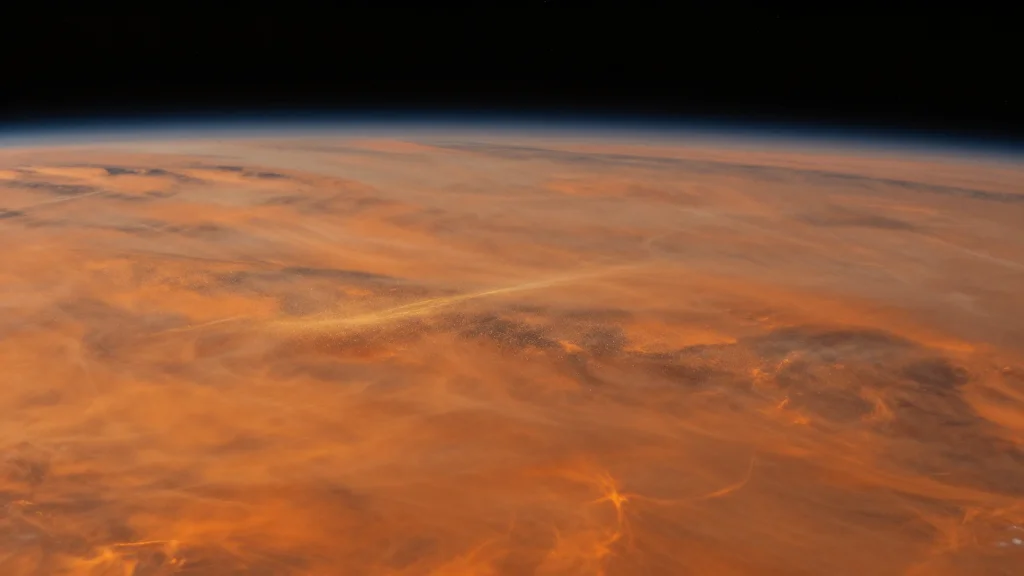
Cosmic Dust Identified as the Source of Venus's Enigmatic Lower Haze
Scientists have identified interplanetary cosmic dust as the primary source of the persistent lower atmospheric haze on Venus. Using data from Japan’s Akatsuki orbiter combined with ground‑based spectroscopy, researchers traced the haze to micron‑sized dust particles that descend to 45‑55 km...
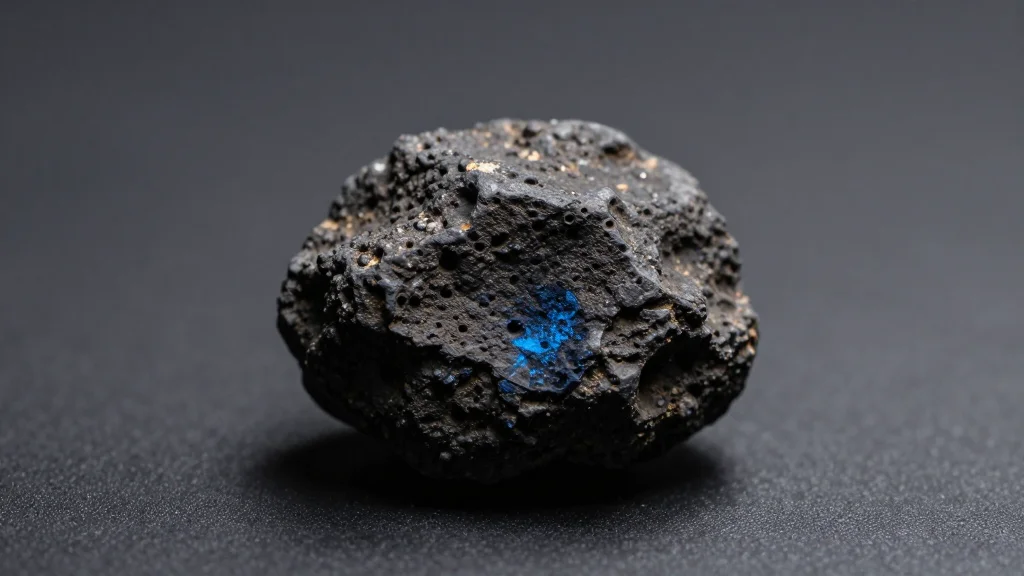
Contaminants, Including Ink, Detected in Meteorites Suggest Sample Preparation Needs Improving
Scientists analyzing meteorite specimens have discovered unexpected contaminants, including ink particles, embedded in the samples. The findings stem from high‑resolution microscopy and spectroscopic tests that revealed foreign organic residues on surfaces previously assumed pristine. Researchers attribute the contamination to handling...
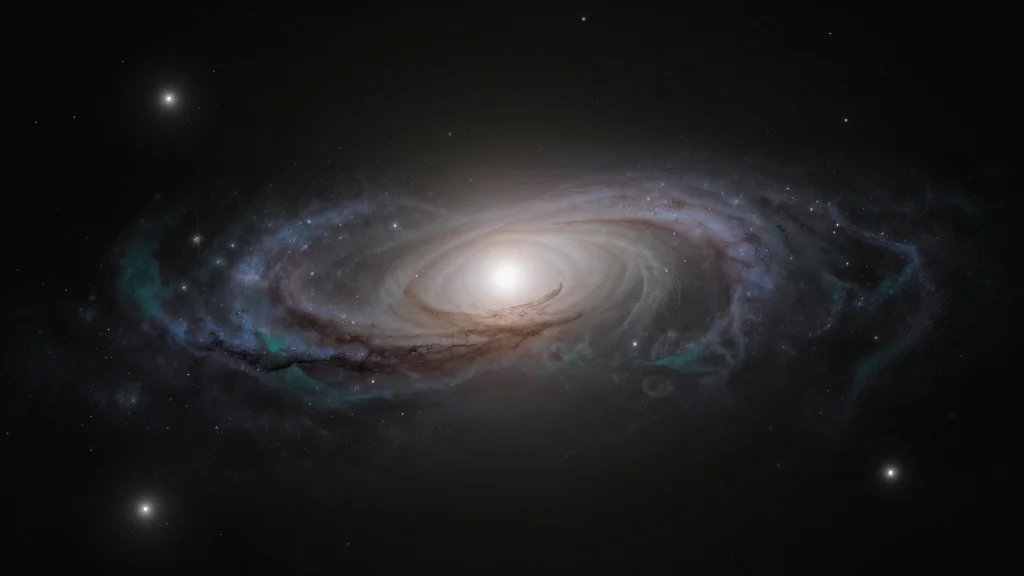
Self-Interacting Dark Matter May Solve Three Cosmic Puzzles
A new study proposes that self‑interacting dark matter (SIDM) could resolve three longstanding cosmological tensions: the core‑cusp problem, the missing‑satellite discrepancy, and the too‑big‑to‑fail anomaly. Researchers argue that a modest self‑interaction cross‑section of roughly 1 cm² per gram aligns with observations...
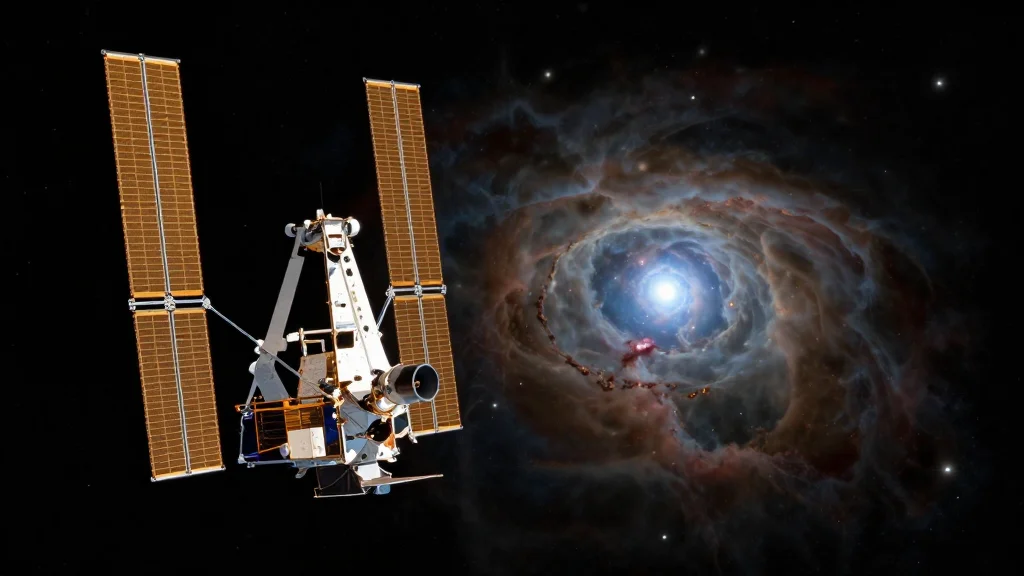
NASA Finds Young Stars Dim in X-Rays Surprisingly Quickly
NASA's Chandra X‑ray Observatory has discovered that young, pre‑main‑sequence stars lose their X‑ray brightness far more rapidly than previously thought, with luminosities dropping by up to 80% within roughly 10 million years. The finding comes from a comparative study of several...
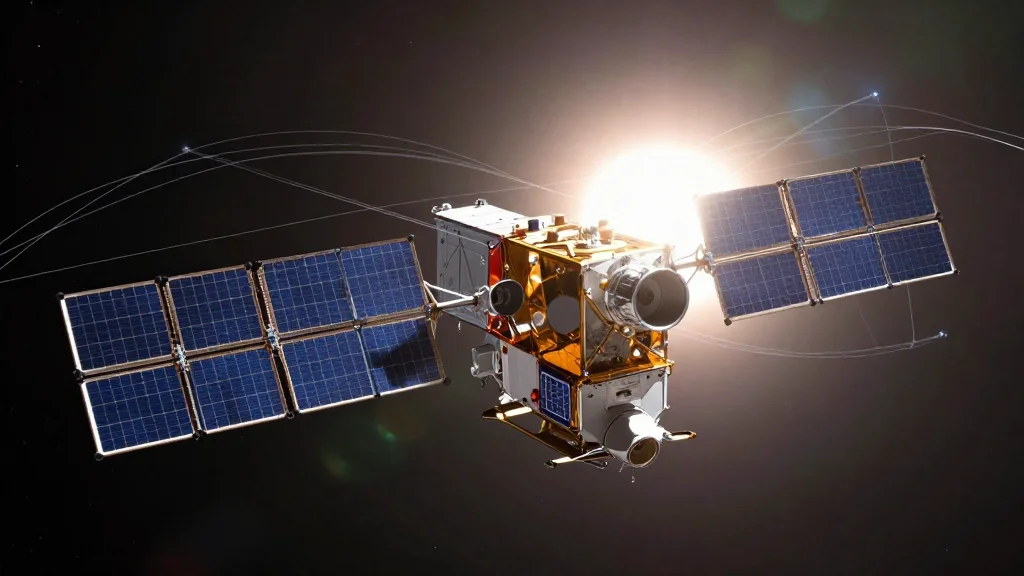
Researchers Harness AI to Find Meaningful Matches in Solar Data
Southwest Research Institute (SWRI) announced that its data science team has deployed a machine‑learning pipeline to automatically pair solar‑observatory measurements with corresponding space‑weather events. The AI system scanned over 15 terabytes of satellite imagery and magnetometer readings, identifying 1,200 statistically significant...
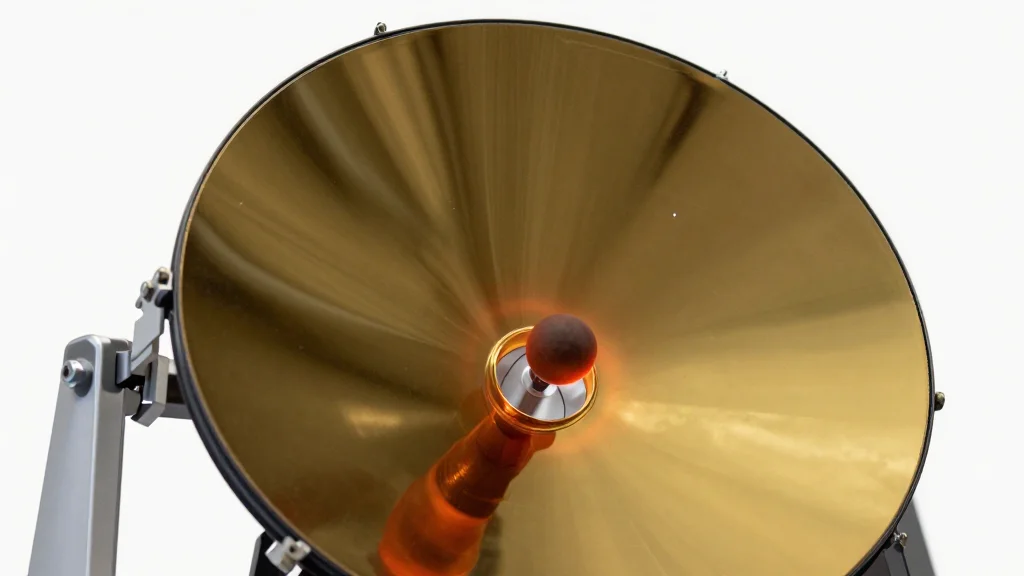
NASA’s JWST Redefines Dividing Line Between Planets, Stars
NASA’s James Webb Space Telescope has captured high‑resolution spectra of several substellar objects that sit on the borderline between massive planets and low‑mass stars. The observations reveal atmospheric signatures and temperatures that challenge the traditional deuterium‑burning mass cutoff used to...
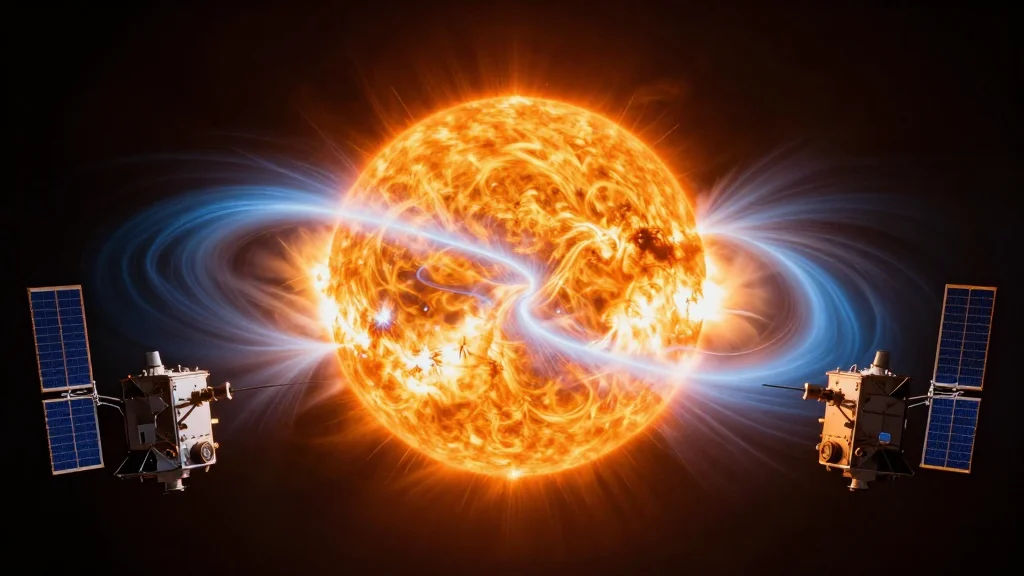
First Proba-3 Science: Surprisingly Speedy Solar Wind
ESA’s Proba‑3 mission delivered its first science data, revealing solar‑wind streams traveling up to 800 km/s just 5 solar radii from the Sun—significantly faster than most models predict. The twin‑satellite coronagraph captured high‑resolution images of the corona, allowing direct measurement of plasma...
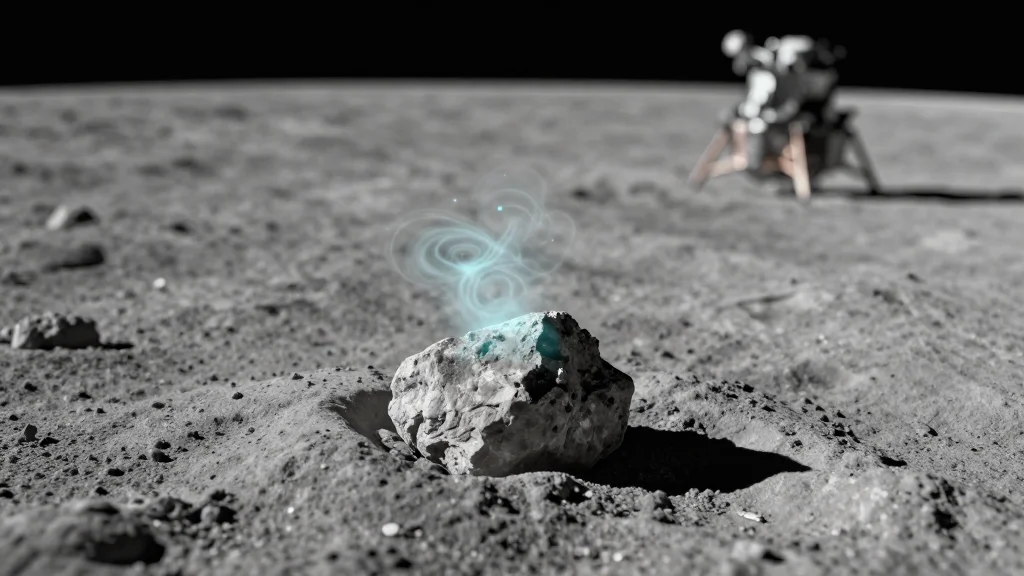
Chang'e Mission Samples Reveal How Exogenous Organic Matter Evolves on the Moon
Chinese Chang'e‑5 mission returned the first new lunar samples in decades, including minute amounts of organic compounds. Researchers analyzed the regolith and identified a suite of exogenous organics that have been altered by solar radiation, micrometeorite impacts, and thermal cycling....
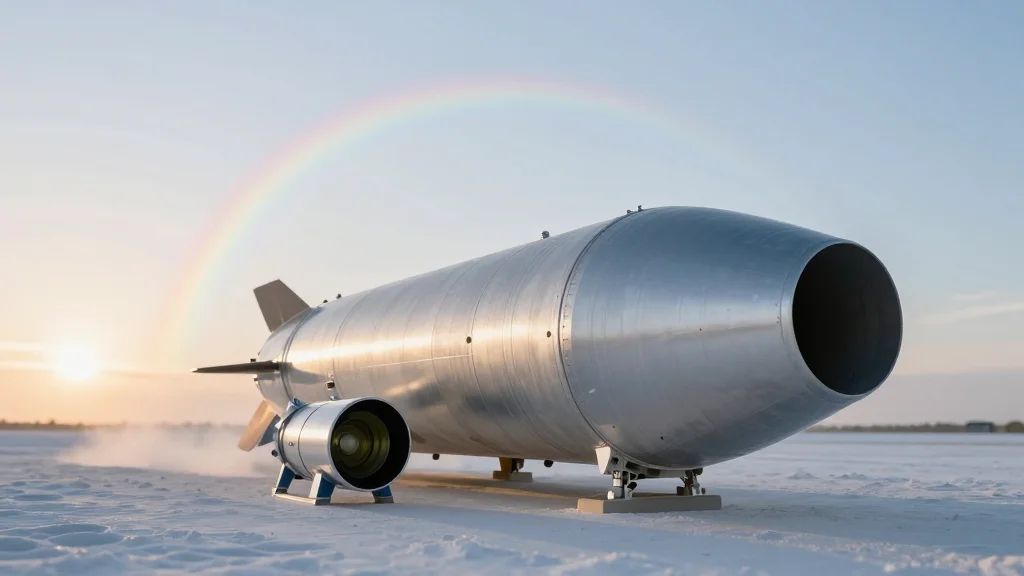
Japan Delivers Its Sharpest X-Ray Telescope for FOXSI, a US–Japan Rocket Program to Observe the Sun
Japan’s Nagoya University has completed its most precise X‑ray telescope yet for the Focusing Optics X‑ray Solar Imager (FOXSI) program, a joint US‑Japan sounding‑rocket effort to capture high‑energy solar flares. The new optics achieve sub‑arcsecond resolution across a 0.5‑10 keV band,...
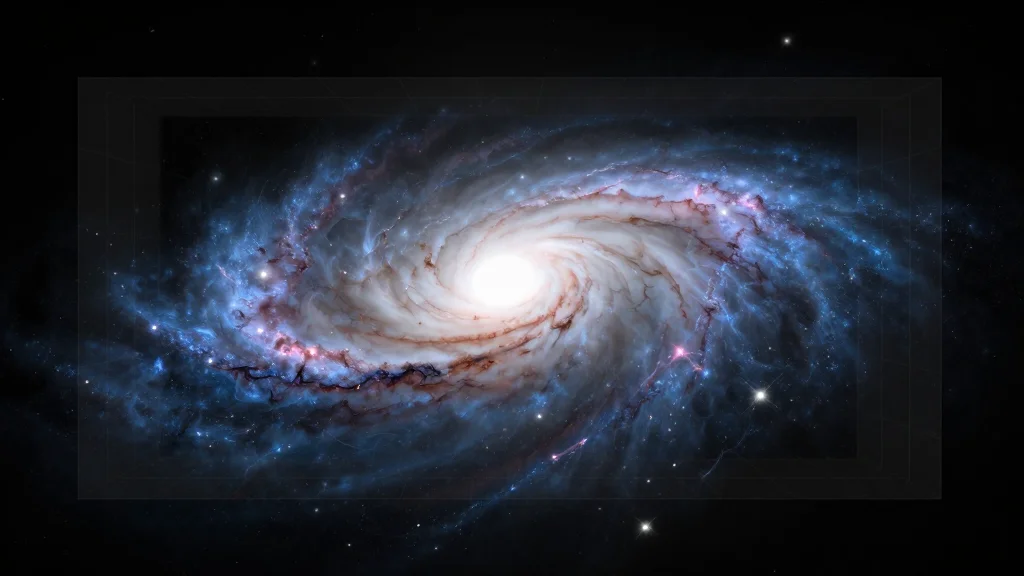
New Simulations Reveal the Cold, Dusty Reality of Galaxy Formation
A new suite of cosmological simulations demonstrates that galaxies grow primarily through cold, dust‑laden gas inflows rather than the traditionally assumed hot halo accretion. The models, run at sub‑kiloparsec resolution across a 100‑megaparsec volume, incorporate detailed dust physics and radiative...
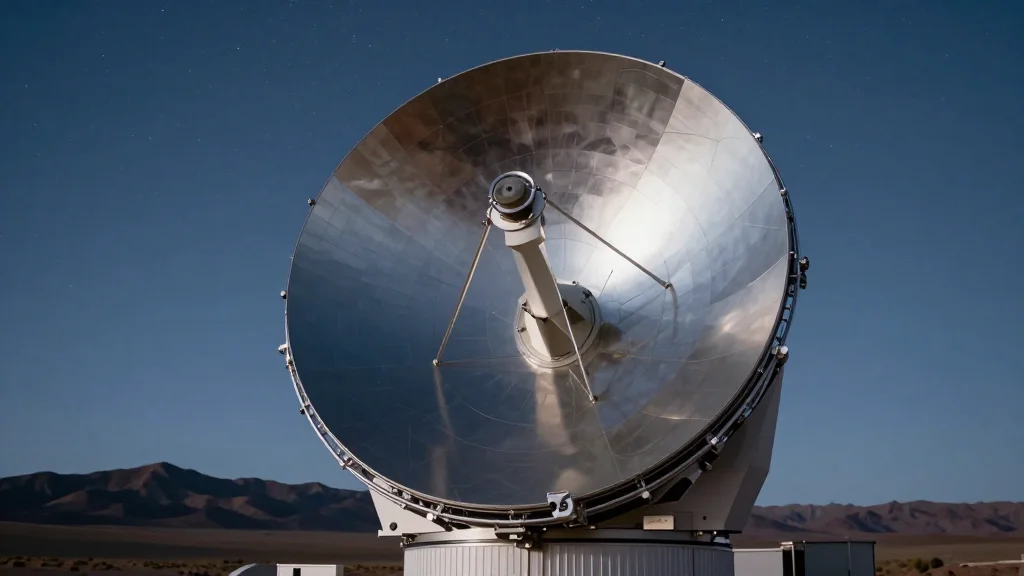
Major New Telescope on Chilean Summit Opens Window on Universe
A $1.5 billion, 8.4‑meter aperture telescope was inaugurated on Chile’s high‑altitude Atacama summit, marking the first operational phase of the Giant Magellan Telescope (GMT) project. The facility combines seven segmented mirrors and next‑generation adaptive optics to deliver unprecedented resolution across visible...
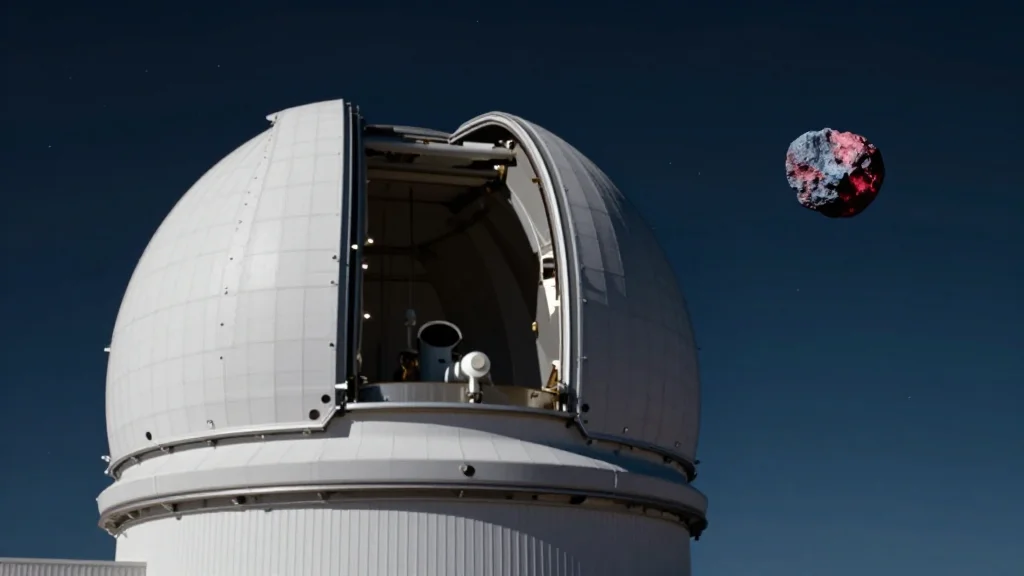
Subaru Telescope Sheds Light on the "Color Mystery" Of Jupiter Trojan Asteroids
The Subaru Telescope’s Hyper Suprime‑Cam surveyed over 500 Jupiter Trojan asteroids, revealing a bimodal color distribution that resolves a long‑standing “color mystery.” The study shows that the red and less‑red groups correspond to distinct surface compositions and likely different formation...
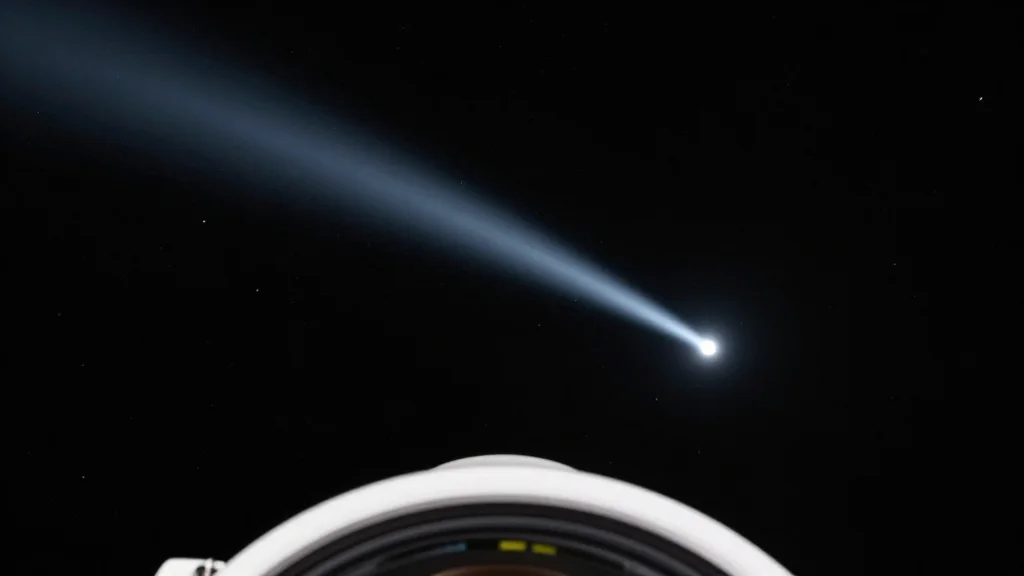
Chance Encounter in Space: JANUS Camera Captures Interstellar Comet 3I/ATLAS
The European Space Agency’s JANUS camera captured high‑resolution images of interstellar comet 3I/ATLAS during a close flyby in early 2026. The observations were made when the comet passed within 0.3 AU of Earth, revealing an elongated nucleus and active gas jets....
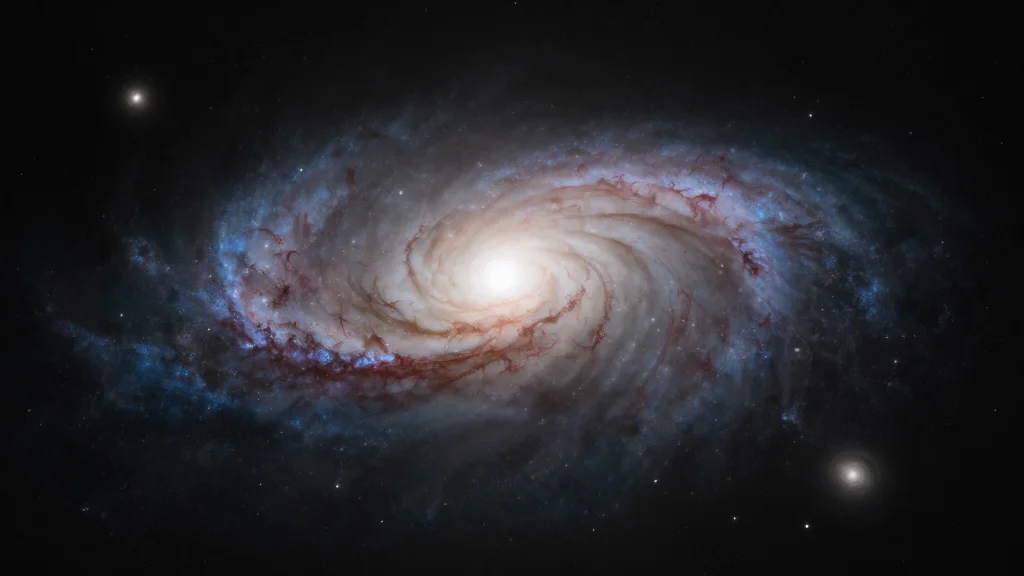
The Local Universe’s Expansion Rate Is Clearer Than Ever, but Still Doesn’t Add Up
New observations from the Nearby Supernova Factory and Gaia‑based distance ladders have sharpened the local measurement of the Hubble constant to 73.2 ± 0.8 km s⁻¹ Mpc⁻¹, the most precise to date. Despite the reduced uncertainties, this value remains 5‑6 km s⁻¹ Mpc⁻¹ higher than the value inferred...
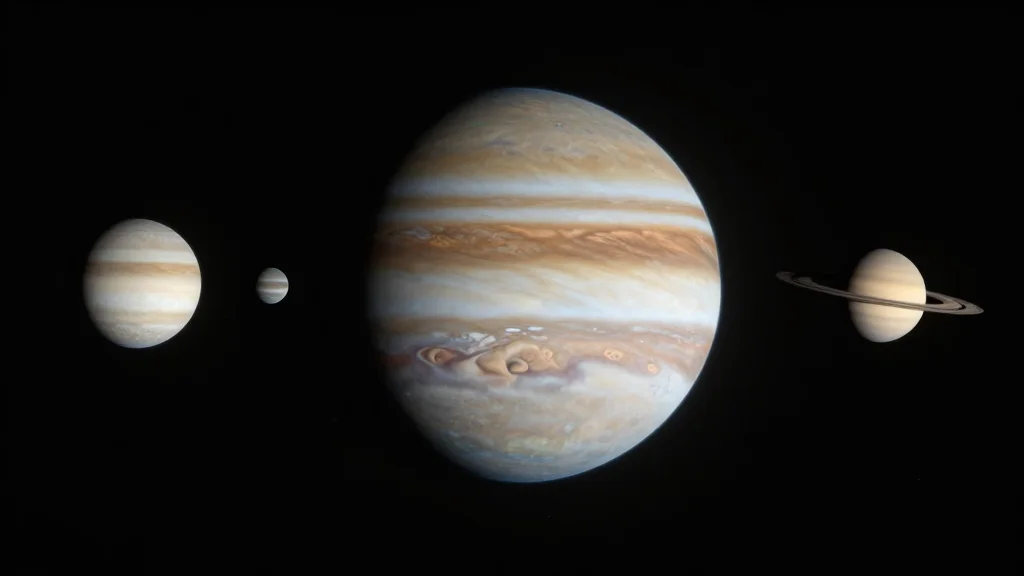
How Jupiter Cultivated More Large Moons Than Saturn
A new study from Kyoto University explains why Jupiter hosts more large moons than Saturn. Researchers found that Jupiter's early circumplanetary disk was substantially more massive, enabling the simultaneous formation of several sizable satellites. In contrast, Saturn's slower gas accretion...
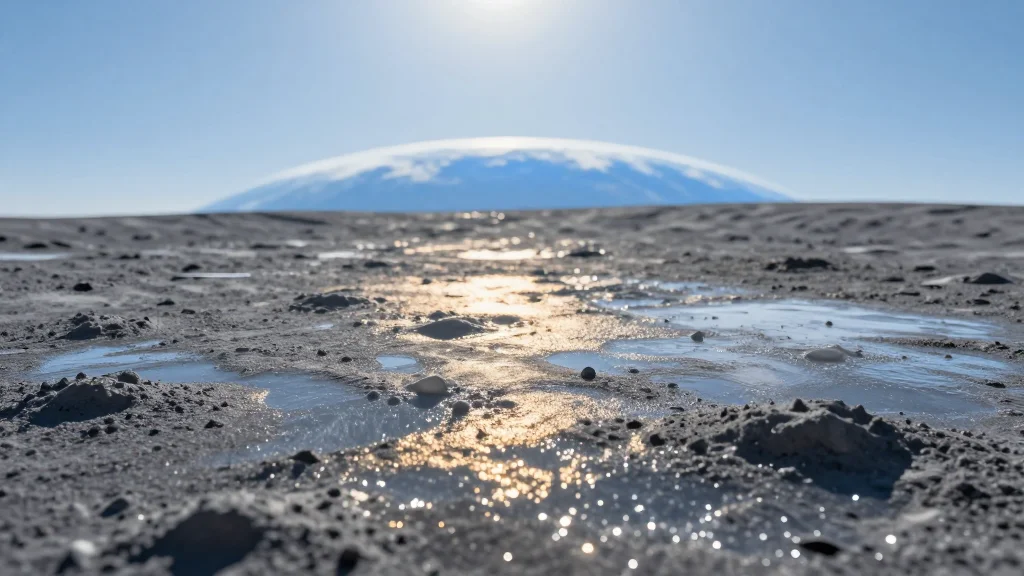
Water on the Moon? New Study Narrows Down the Mostly Likely Locations
A new peer‑reviewed study narrows the most probable lunar water deposits to a handful of permanently shadowed craters near the Moon’s north and south poles. Researchers combined data from NASA’s Lunar Reconnaissance Orbiter, Chandrayaan‑3, and the Lunar Crater Observation and...
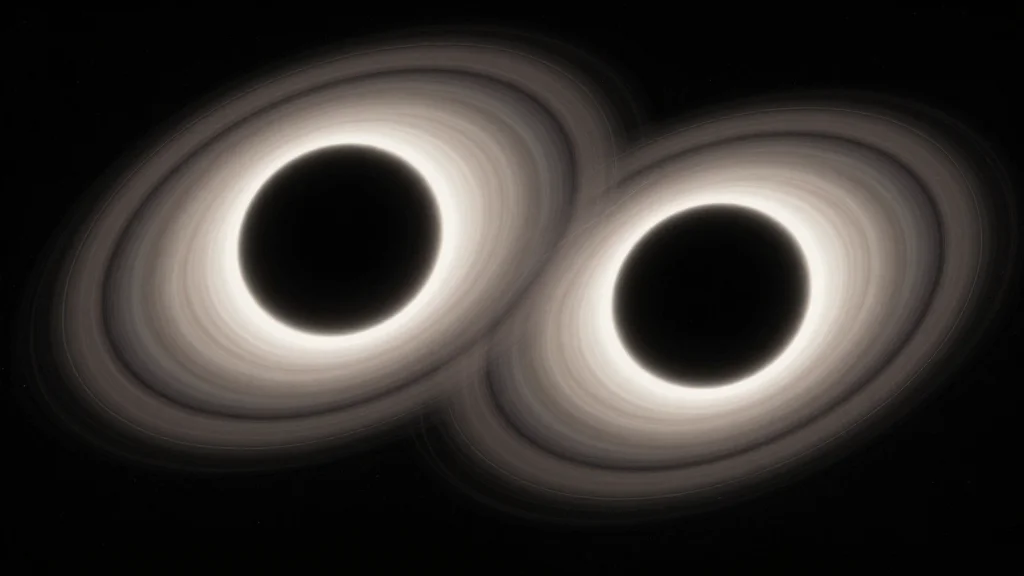
First Close Pair of Supermassive Black Holes Detected
Astronomers have identified the first close pair of supermassive black holes, located about 1.5 billion light‑years from Earth. The binary consists of two black holes each with a mass near 300 million times that of the Sun, orbiting each other at a...
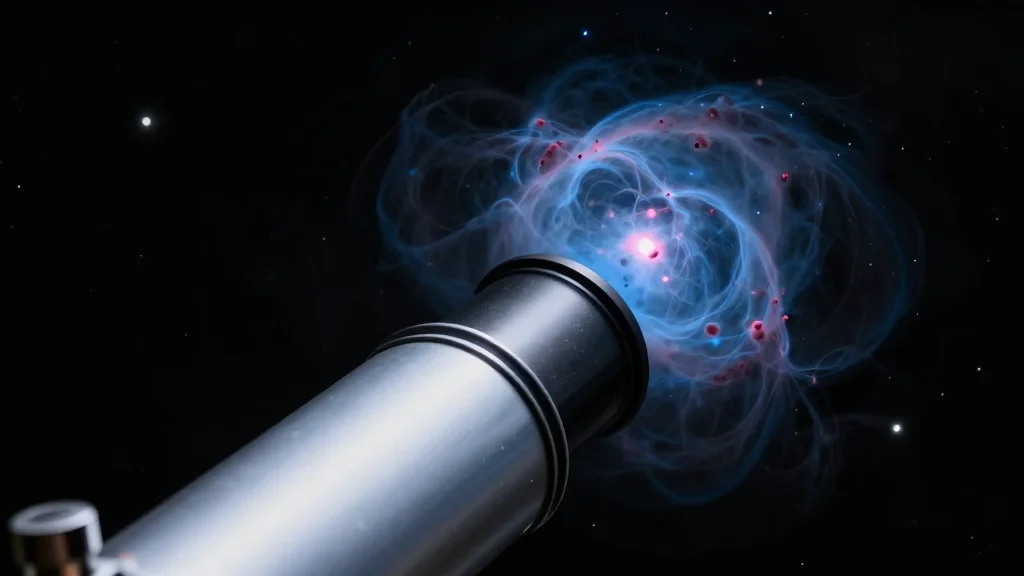
Astronomers Thought the Early Universe Was Full of Hydrogen. Now They’ve Found It.
Astronomers using the Hobby‑Eberly Telescope Dark Energy Experiment (HETDEX) have directly detected neutral hydrogen gas in galaxies that existed less than a billion years after the Big Bang. The detection, made through Lyman‑alpha emission lines, confirms that hydrogen – the...
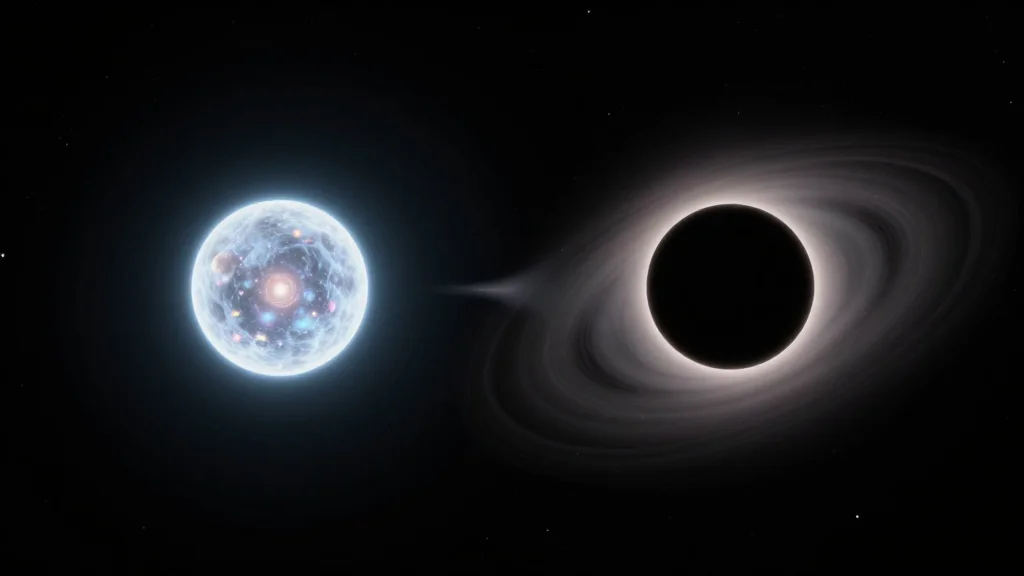
Two’s Company: New Class of Star Remnants
Researchers at the Institute of Science and Technology have identified a new class of stellar remnants that form when two compact stars merge, dubbing them “dual remnants.” By combining data from LIGO‑Virgo gravitational‑wave detections and high‑resolution X‑ray observations, the team...
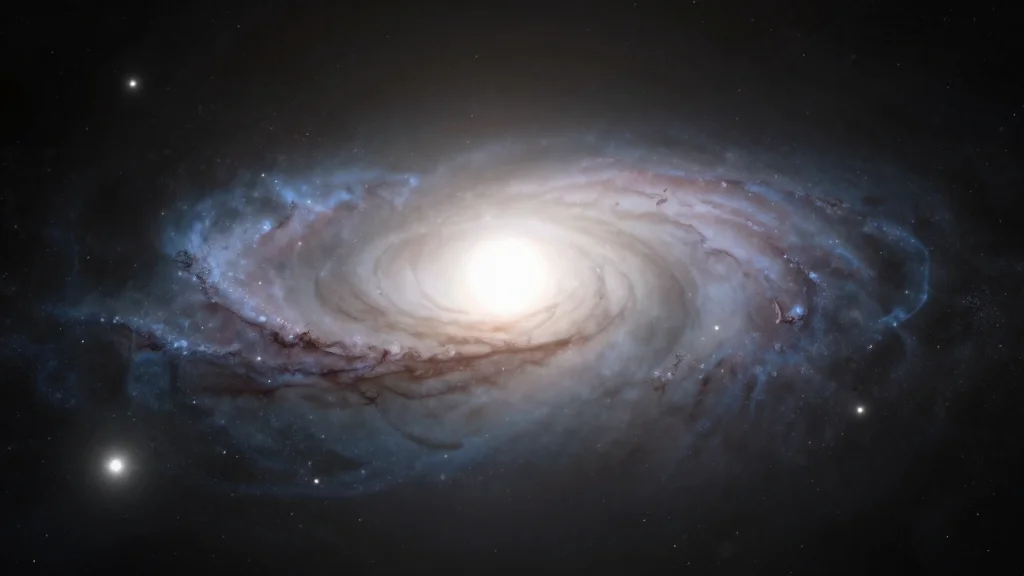
My, What Big Black Holes You Have: Tales From the Virgo Cluster
University of Michigan astronomers have identified a series of exceptionally massive black holes in galaxies belonging to the Virgo Cluster. Using combined observations from the Hubble Space Telescope and the Chandra X‑ray Observatory, the team measured black hole masses that...
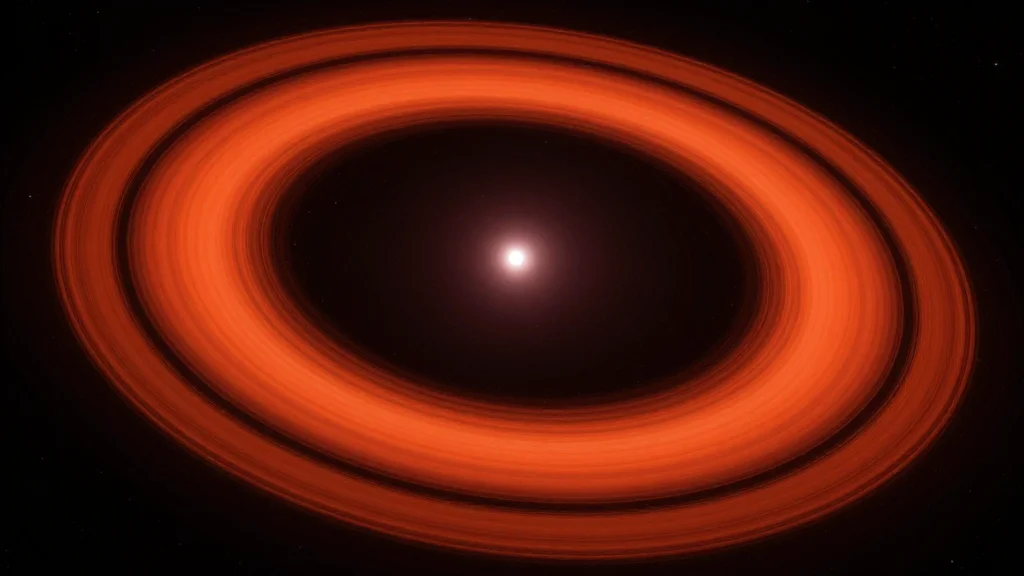
JWST Eyes a Pair of Planet-Forming Disks
The James Webb Space Telescope has obtained high‑resolution infrared images of a pair of protoplanetary disks surrounding young stars roughly 450 light‑years from Earth. The observations reveal distinct gaps and ring structures that are hallmarks of early planet formation. By...
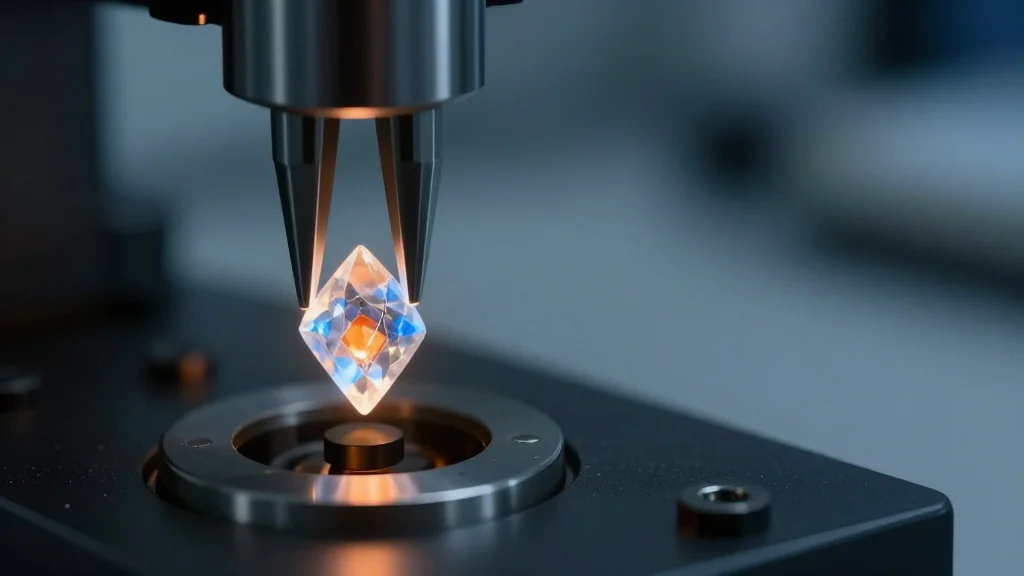
The Depths of Neptune and Uranus May Be “Superionic”
New theoretical work suggests that the deep interiors of Neptune and Uranus transition into a superionic state, where hydrogen ions move freely through an oxygen lattice. The study predicts this phase occurs at pressures above one million atmospheres and temperatures...
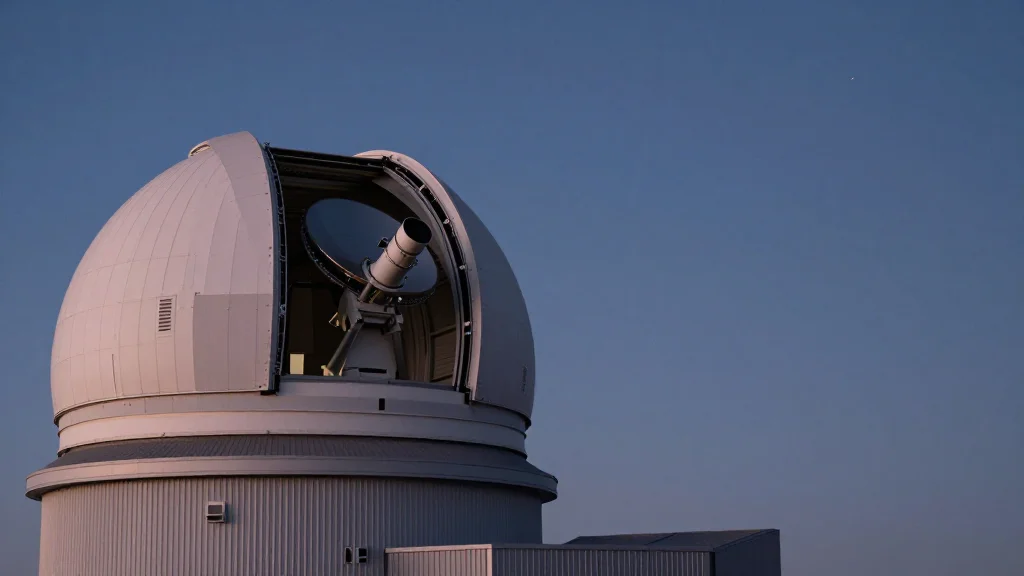
Early Data From NSF–DOE Vera C. Rubin Observatory Reveals Over 11,000 New Asteroids
The Vera C. Rubin Observatory, a joint NSF‑DOE facility, has released its first science data set, uncovering more than 11,000 previously unknown asteroids. The early release covers roughly 6% of the sky area planned for the full 10‑year Legacy Survey...
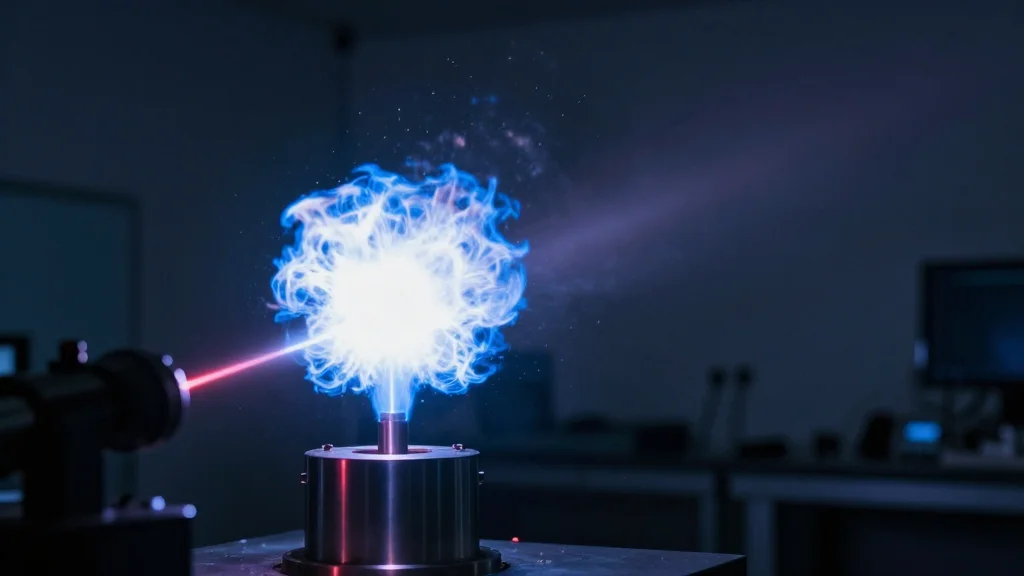
Physicist Recreates Neutron Star Reaction, Reveals How Explosive Stars Forge Elements
A Mississippi State University physicist has successfully recreated the extreme conditions of a neutron‑star merger in the laboratory, enabling direct observation of rapid neutron‑capture reactions that forge heavy elements. Using high‑energy laser pulses to compress and heat target material, the...
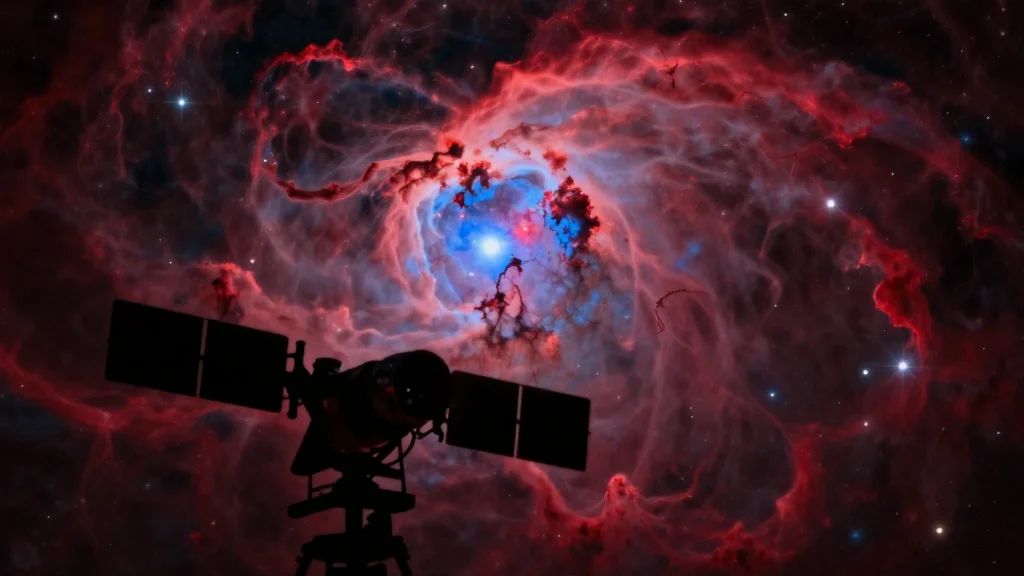
Researchers Use JWST to Reveal Hidden Details of W51 Star Formation
Astronomers using the James Webb Space Telescope have obtained unprecedented infrared images of the W51 star‑forming complex, exposing dense cores and massive protostars previously hidden by dust. The observations include high‑resolution spectroscopy that maps gas outflows, shock fronts, and chemical...