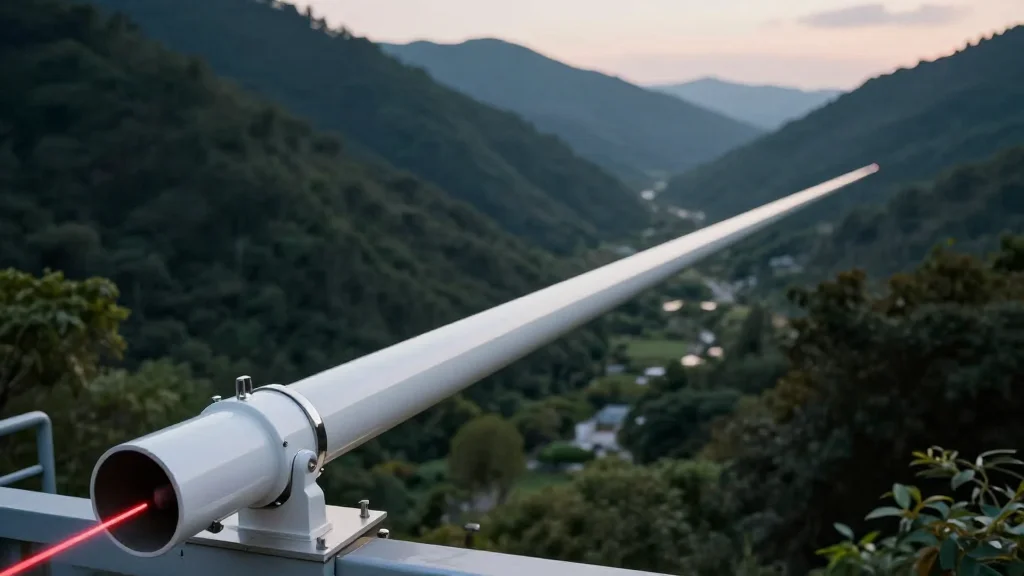
The New LIGO-Virgo-KAGRA Catalog Sets Records in Precision Gravitational-Wave Astronomy
The LIGO‑Virgo‑KAGRA collaboration has released its latest gravitational‑wave catalog, more than doubling the number of detected events to over 90. The new dataset features unprecedented precision, with binary black‑hole masses measured to roughly 5% uncertainty and the first clear neutron‑star–black‑hole merger observed. Improved sky localization—down to tens of square degrees—enables faster electromagnetic follow‑up, while rigorous tests of General Relativity confirm predictions to within 0.2% accuracy. The release marks a milestone in multi‑messenger astronomy and sets a new benchmark for future observing runs.
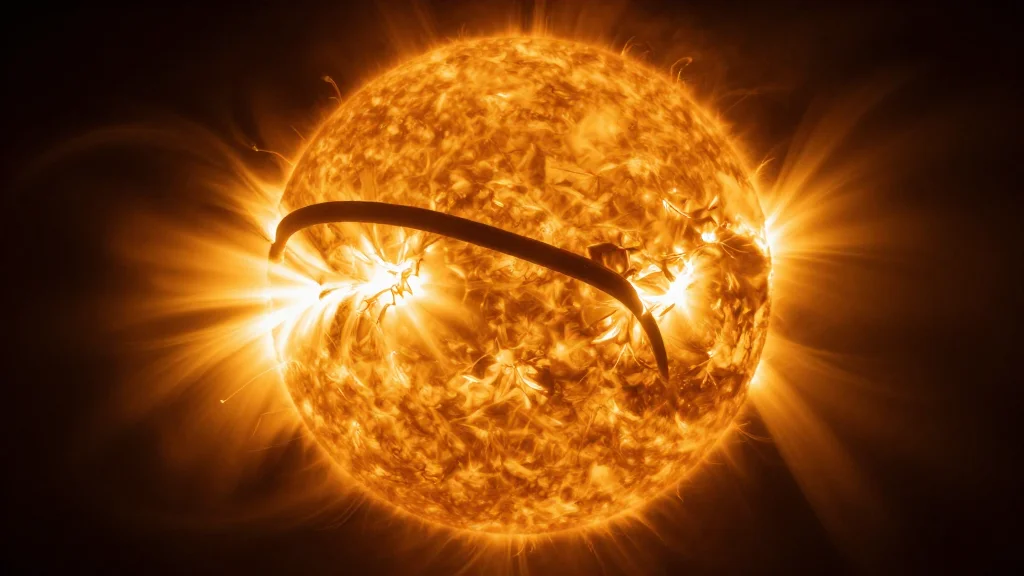
Astronomers Uncover Why Some Solar Eruptions Die
A team of astronomers has identified the magnetic conditions that cause a subset of solar eruptions to fizzle out instead of launching into space. By analyzing high‑resolution data from NASA’s Solar Dynamics Observatory across 45 flare events, they found that...
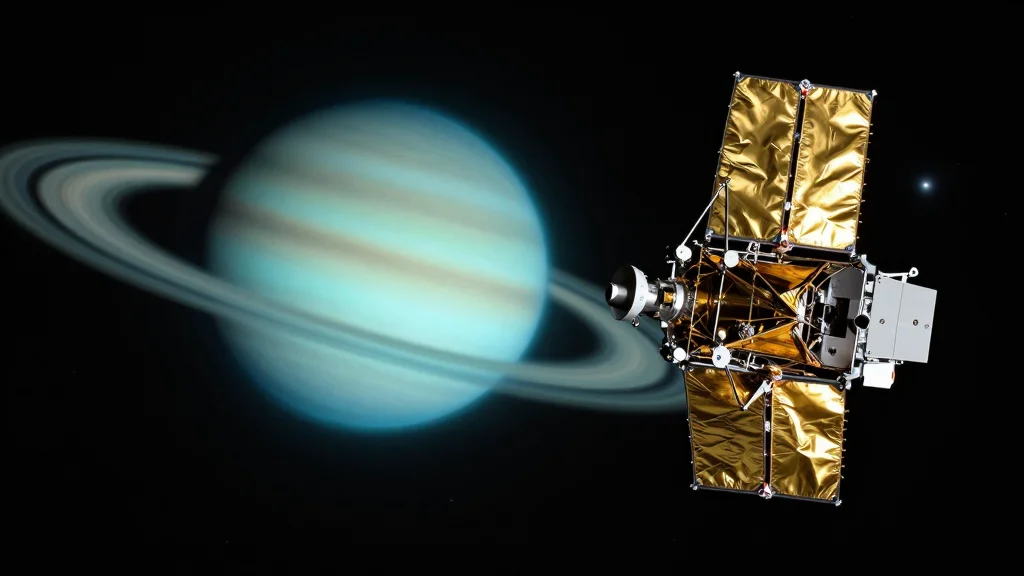
Atmosphere of Saturn-Sized Planet with Earth-Like Temperature Contains Methane
Astronomers have detected methane in the atmosphere of a Saturn‑sized exoplanet whose surface temperature hovers near Earth’s average. The planet, located about 150 light‑years away, was observed using the James Webb Space Telescope’s near‑infrared spectrograph. Methane’s spectral signature appears alongside...
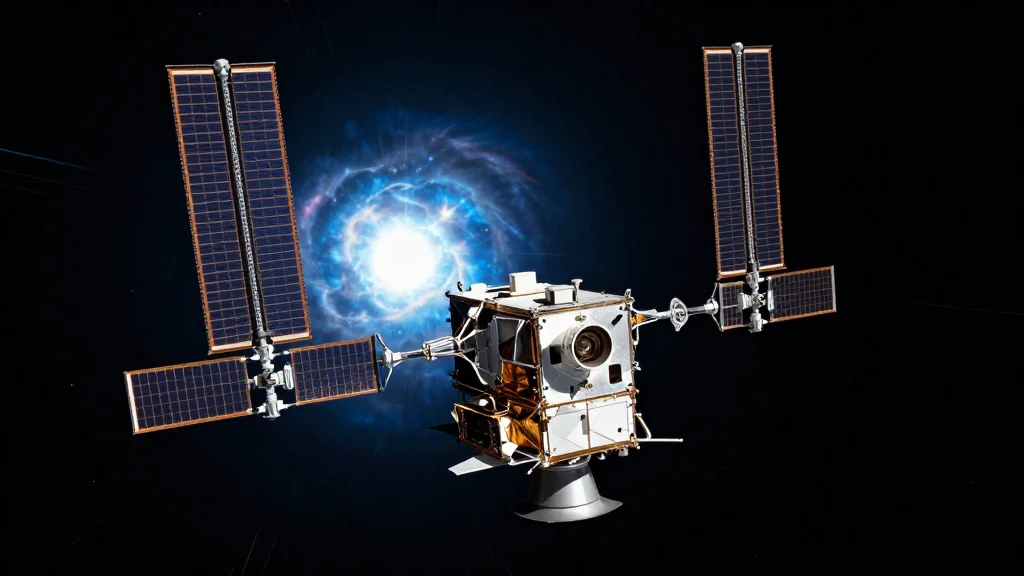
NASA’s Fermi Glimpses Power Source of Supercharged Supernovae
NASA’s Fermi Gamma‑ray Space Telescope has recorded high‑energy photons from a recent superluminous supernova, providing the first direct glimpse of the engine that powers these extreme explosions. The gamma‑ray signal persisted for weeks after the optical peak, matching predictions that...
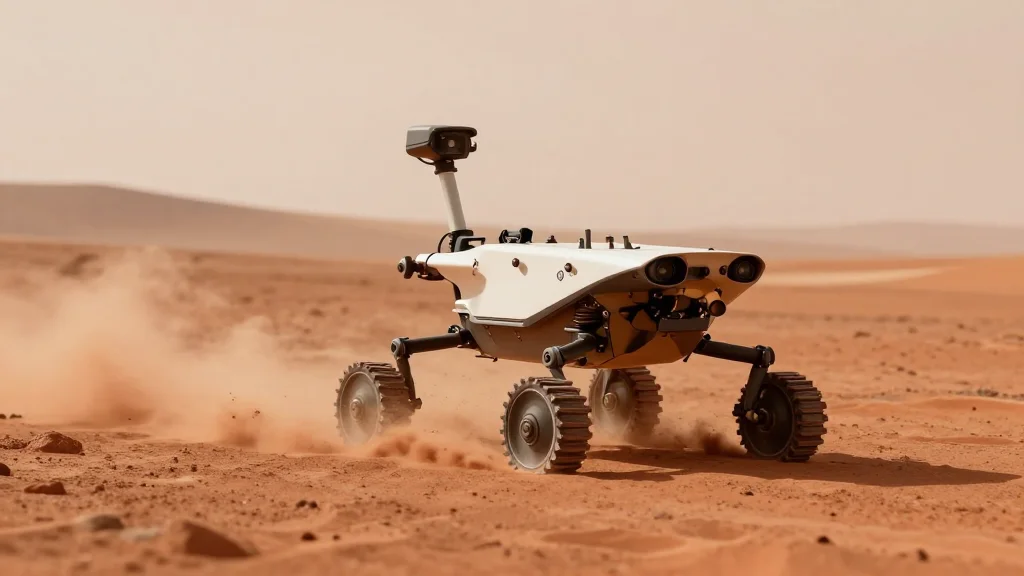
Innovative Mars Rovers “Swim” Through the Sand
A research team at the University of Würzburg has unveiled a new Mars‑exploration rover that moves through loose sand by “swimming” rather than rolling. The prototype, dubbed Sandfish, uses rapid side‑to‑side motions inspired by desert lizards to generate thrust in...
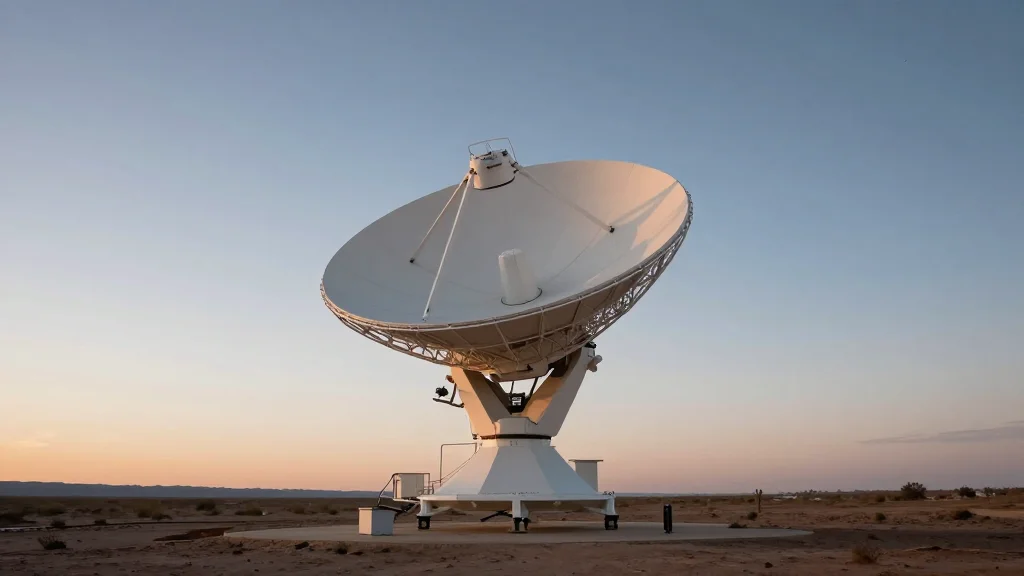
Next Generation Very Large Array Prototype Achieves First Light
The Next Generation Very Large Array (NGVLA) prototype achieved first light this spring, successfully detecting its inaugural astronomical signal. The 10‑meter dish, equipped with ultra‑wideband receivers spanning 1.2‑116 GHz, demonstrates the engineering concepts slated for the full NGVLA. Funding for the...
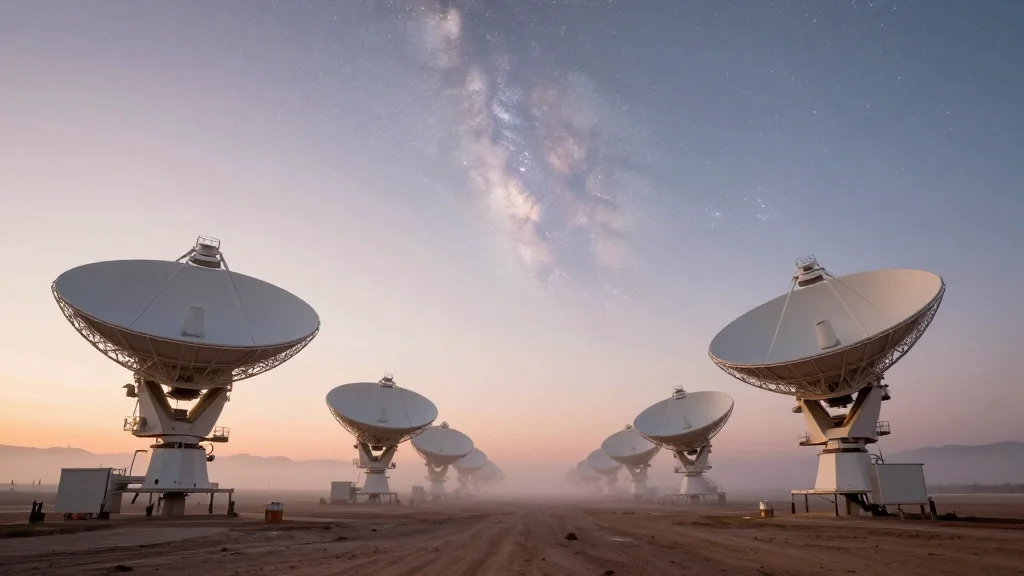
Very Long Baseline Array Maps Turbulent “Weather” In the Milky Way
The National Radio Astronomy Observatory’s Very Long Baseline Array has produced the highest‑resolution map of turbulent gas flows—dubbed interstellar "weather"—across a swath of the Milky Way. By tracking the 21‑cm hydrogen line with milliarcsecond precision, astronomers quantified velocity fluctuations on...
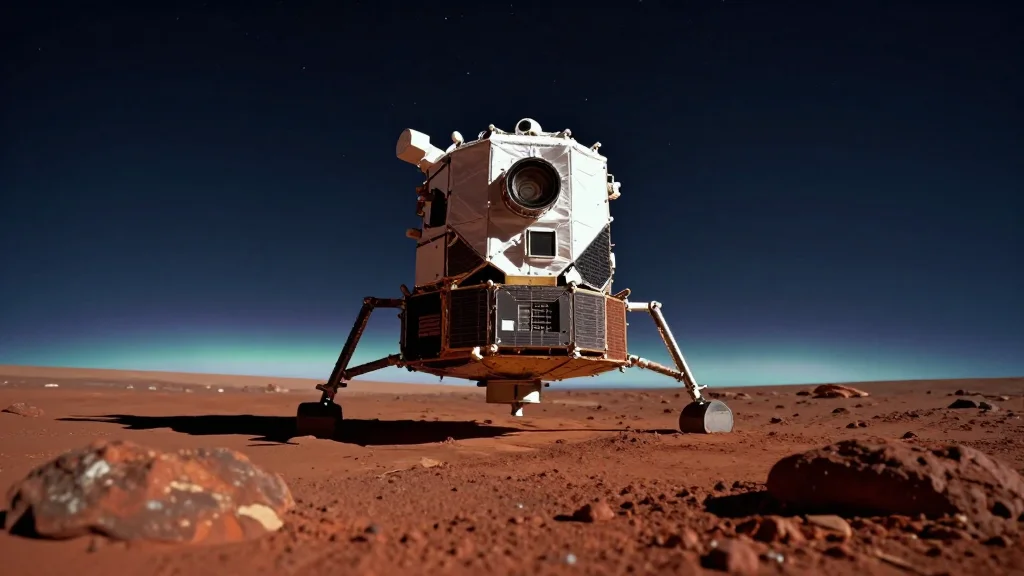
NASA's MAVEN Makes First Discovery of Atmospheric Effect at Mars
NASA’s Mars Atmosphere and Volatile Evolution (MAVEN) spacecraft has recorded its first direct atmospheric effect on the Red Planet. During a recent solar storm, MAVEN observed a dramatic spike in ion escape, measuring roughly 100 kg of atmospheric gas lost each...
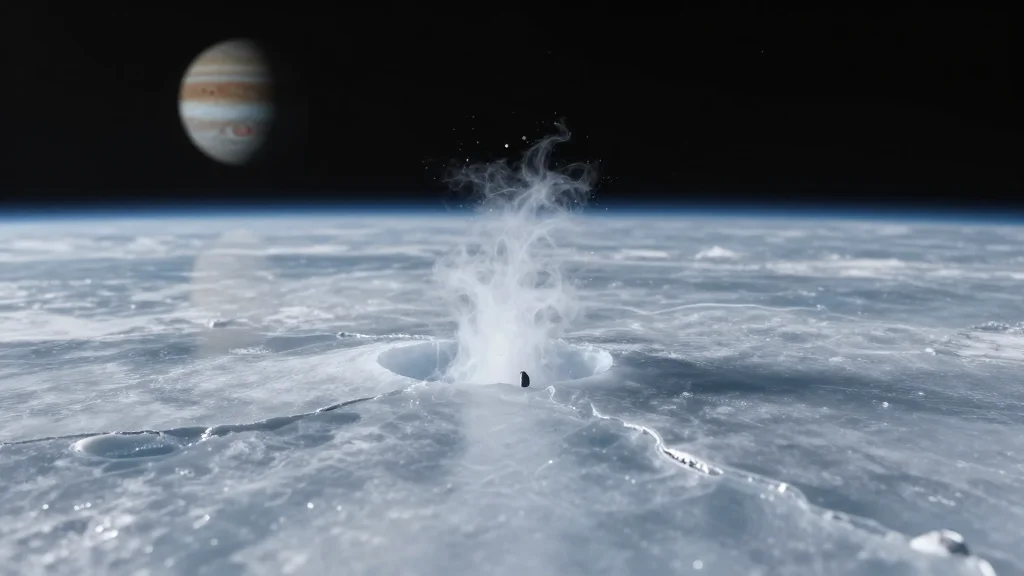
New Findings Reconsider the Existence of Europa’s Vapor Plumes
Southwest Research Institute (SWRI) scientists re‑examined Hubble Space Telescope data that had previously suggested water‑vapor plumes erupting from Jupiter’s moon Europa. Their new analysis, incorporating refined image processing and statistical modeling, found no statistically significant plume signatures in the 2016‑2020...
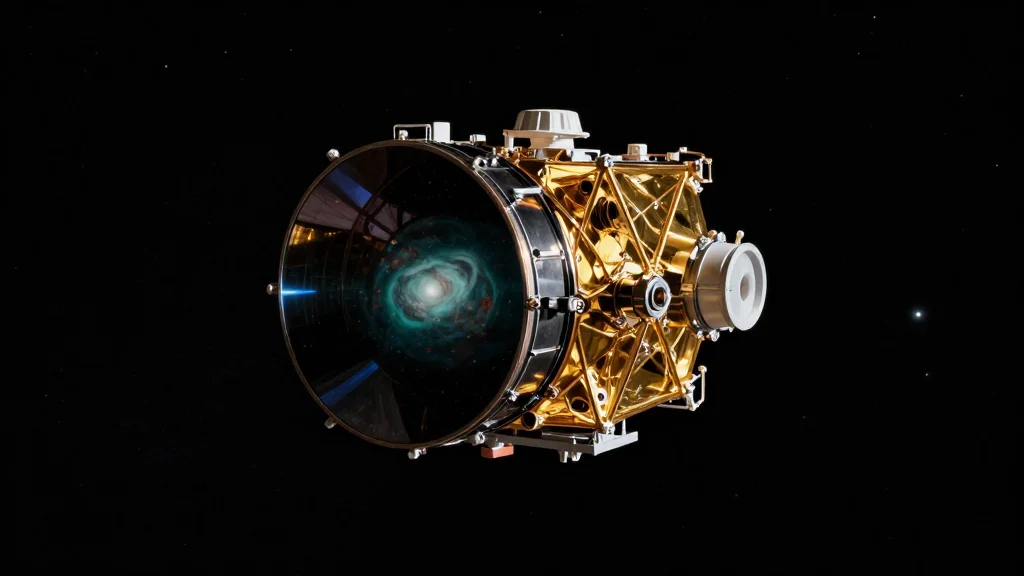
Astronomers Find Most Chemically Primitive Galaxy in Early Universe
Astronomers have identified a galaxy that appears to be the most chemically primitive ever observed in the early universe. The object, designated GN‑z7.5, lies at a redshift of about 7.5, corresponding to roughly 13 billion light‑years away and a cosmic age...
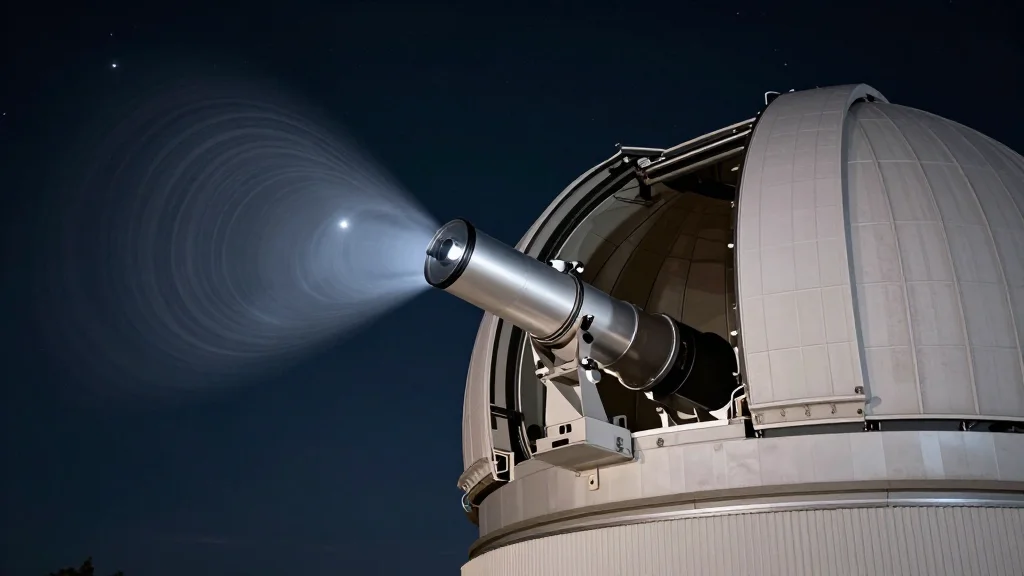
Astronomers Directly Detect How Turbulence Between Stars Distorts Light
Astronomers have achieved the first direct detection of how turbulence in the interstellar medium bends and scatters starlight. Using high‑resolution spectroscopy from the Harvard‑Smithsonian Center for Astrophysics, the team measured minute variations in the light of distant stars as it...

Iron-60 Discovery in Antarctic Ice Reveals How Local Interstellar Cloud Leaves Its Mark
Scientists have identified traces of the radioactive isotope iron‑60 in Antarctic ice, confirming that debris from the Local Interstellar Cloud has settled on Earth. Measurements from deep ice cores spanning the last three million years reveal a peak concentration around...
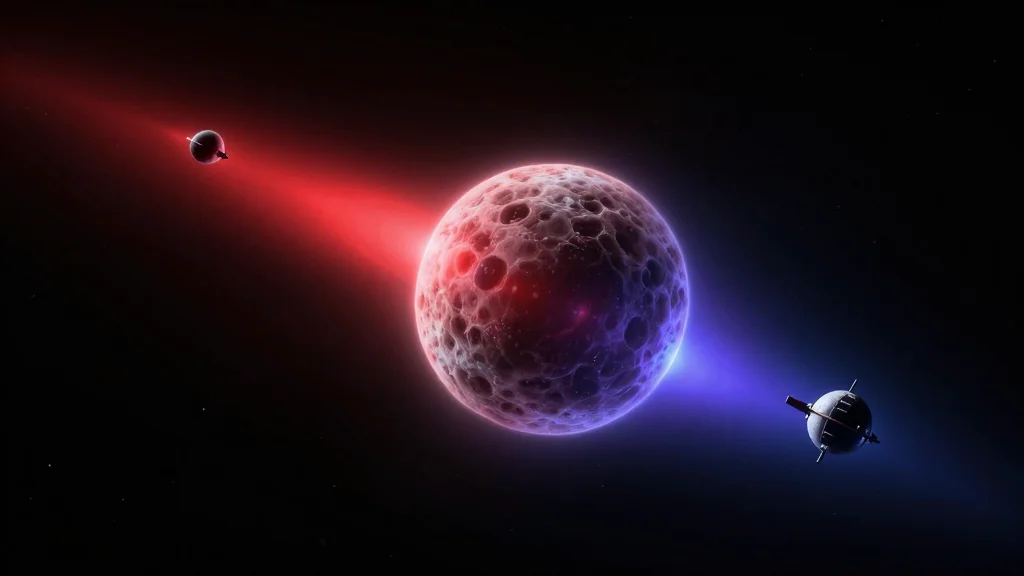
Two Spacecraft Observed Both Hemispheres of Interstellar Comet Simultaneously
Two space‑based observatories—NASA's Parker Solar Probe and ESA's Solar Orbiter—successfully imaged both hemispheres of the interstellar comet 2I/Borisov at the same time. The coordinated campaign delivered high‑resolution visible and ultraviolet data that captured distinct outgassing jets on the comet's northern...
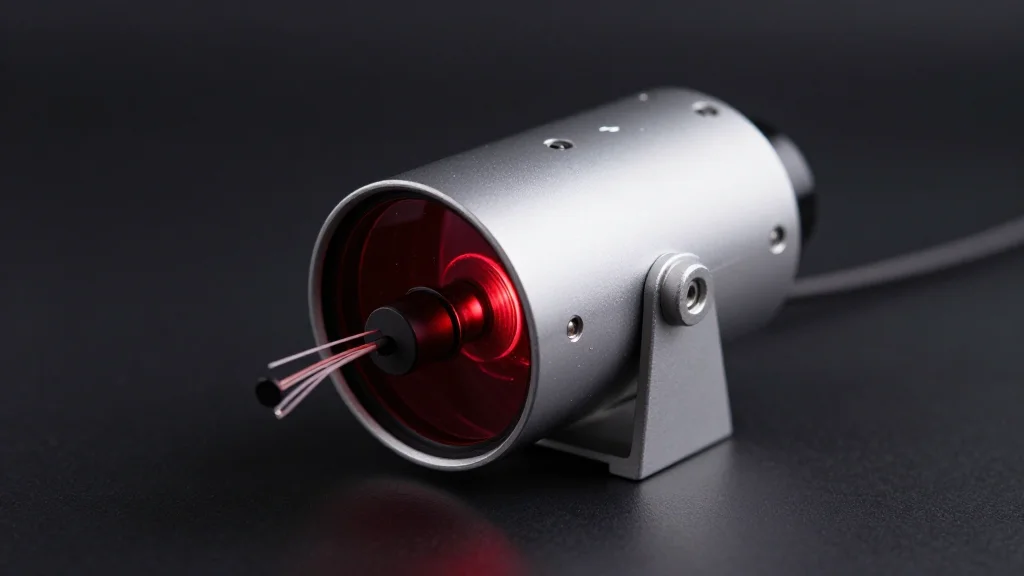
New Instrument Will Map the Formation of Early Galaxies
Cornell University has unveiled a new near‑infrared spectroscopic instrument designed to map the formation of early galaxies at redshifts beyond six. The device combines integral‑field spectroscopy with a wide field of view, allowing astronomers to resolve structures as small as...
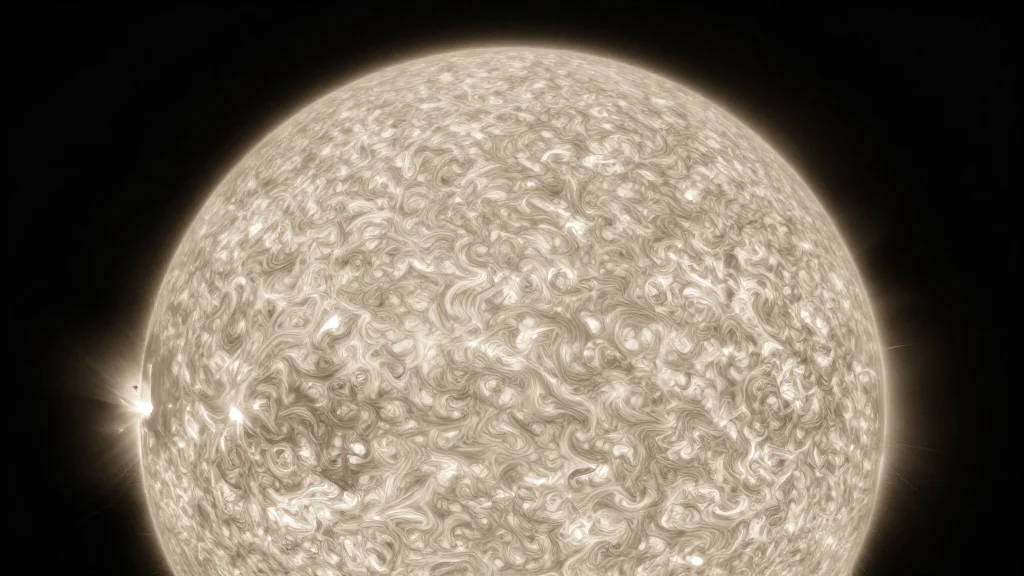
Scientists Use AI to Interpret the Sun’s Acoustic Heartbeat
A team of solar physicists has deployed a deep‑learning algorithm to decode the Sun’s acoustic oscillations, often called its “heartbeat.” By training the AI on thousands of simulated helioseismic datasets, the model can identify subtle wave patterns that reveal the...
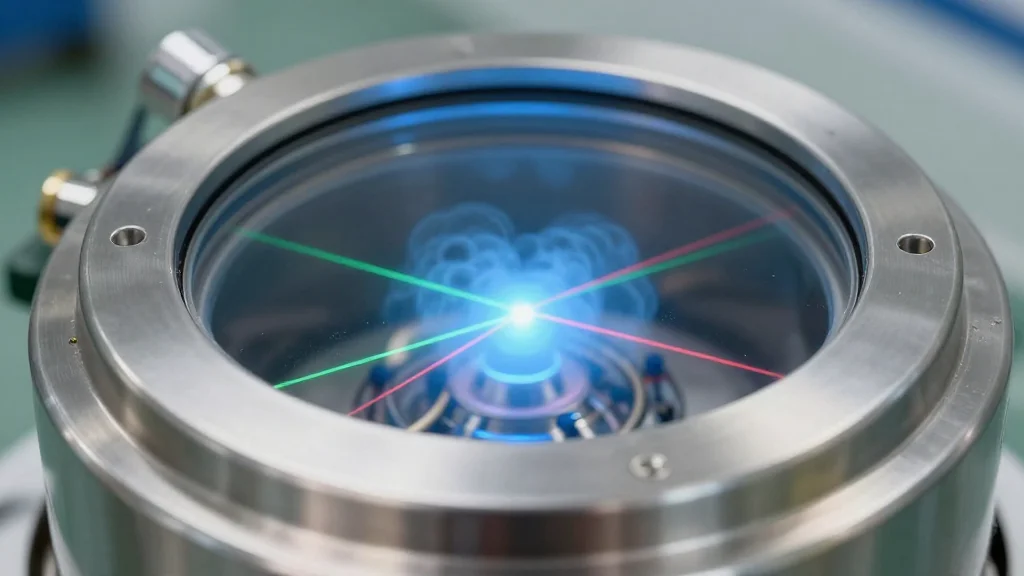
A New Way to Spot Signs of Dark Matter
MIT researchers have unveiled a new dark‑matter detection method that exploits ultra‑cold atom interferometry to sense minute forces caused by passing particles. The technique measures subtle shifts in atomic spin precession, delivering sensitivity up to 100 times better than conventional detectors....
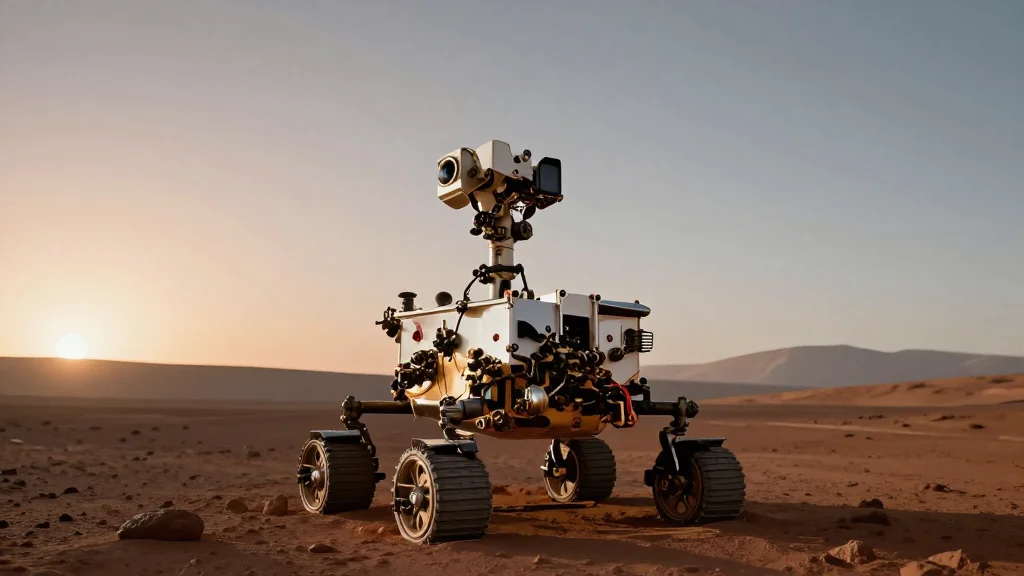
Perseverance Rover Snaps Selfie in Mars’s Western Frontier
NASA's Perseverance rover has taken a self‑portrait from the western edge of Jezero crater, marking the first selfie from that region on Mars. The image, captured by the rover’s navigation cameras, shows the rover’s mast and the surrounding basaltic terrain....
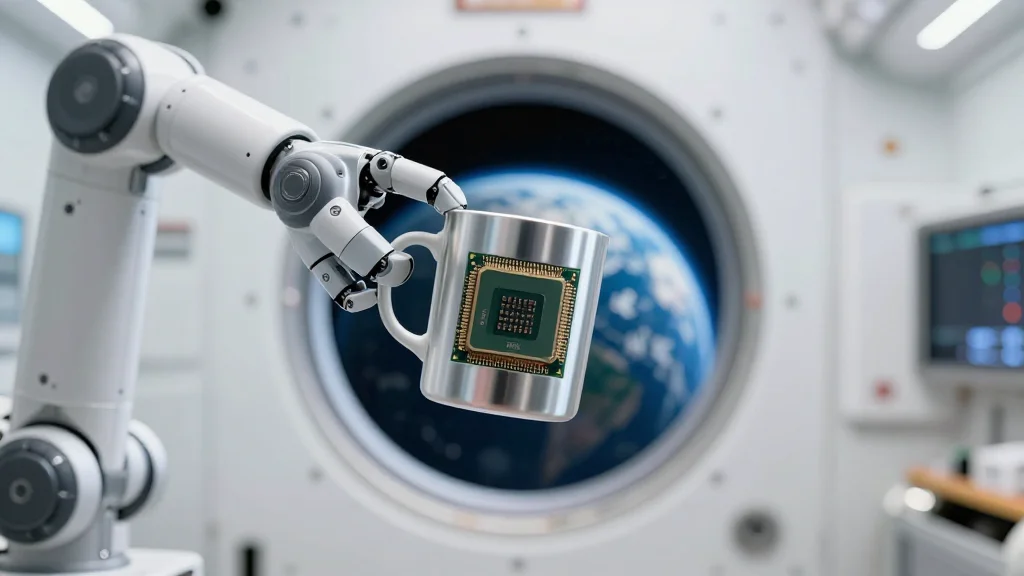
Hello Universe: NASA’s Next-Gen Space Processor Undergoes Testing
NASA’s Jet Propulsion Laboratory has begun rigorous testing of its Next‑Gen Space Processor (NGSP), a radiation‑hardened computer designed for deep‑space missions. The prototype demonstrated a 30% reduction in power consumption and twice the processing speed of the agency’s legacy hardware....
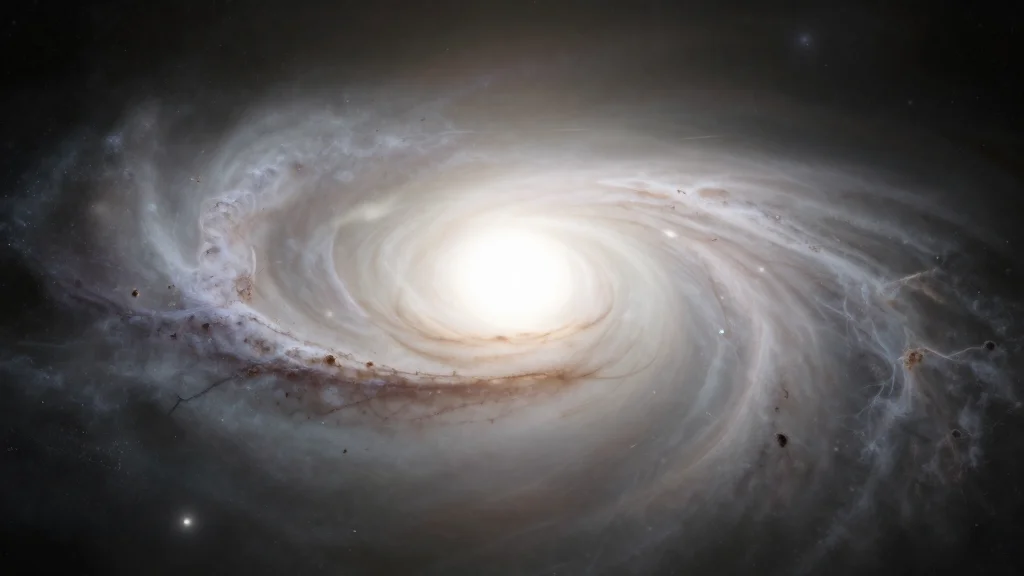
Galaxy Cluster Relaxed Now, but Was Wild in the Past
Astronomers using NASA's Chandra X‑ray Observatory have found that the massive galaxy cluster Abell 2029 now appears thermally relaxed, but its outer regions retain signatures of violent mergers from billions of years ago. High‑resolution imaging reveals shock fronts and temperature irregularities...
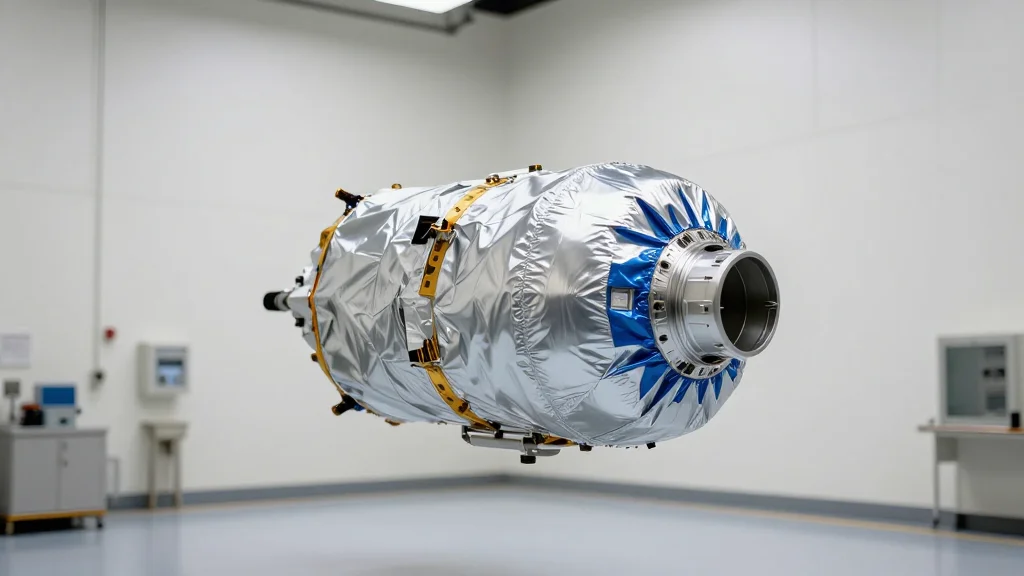
Katalyst Wraps Testing at NASA Goddard for Swift Boost Mission
Katalyst announced it has finished a series of environmental and performance tests at NASA’s Goddard Space Flight Center for its Swift Boost electric propulsion system. The testing campaign included thermal‑vacuum, vibration, and thrust‑stand evaluations, all of which met or exceeded...
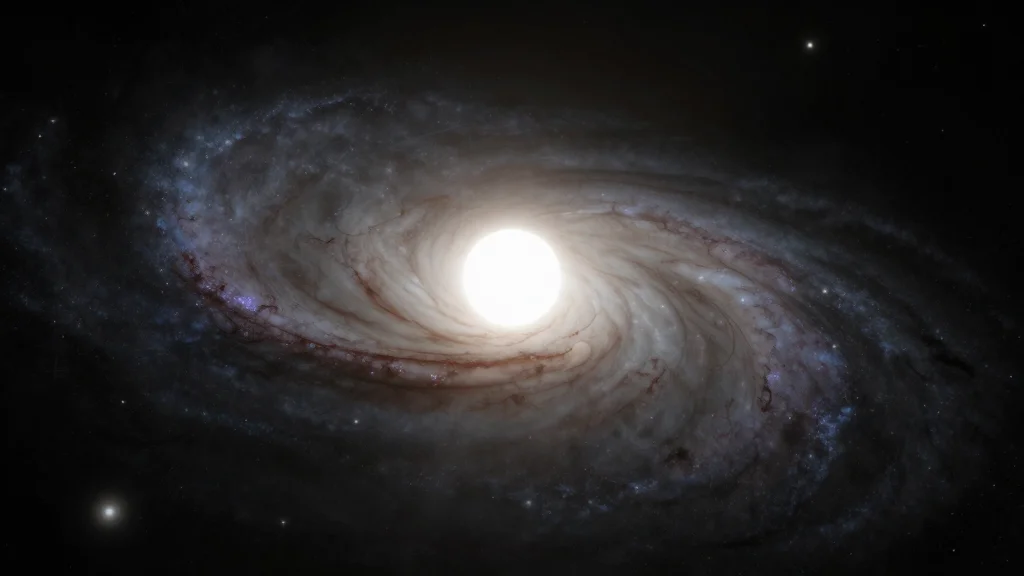
New Study Shows How a Single Star Can Reshape an Entire Galaxy
A Leiden University team has shown that a single, extremely massive star can dramatically alter the structure of its host galaxy. By combining high‑resolution simulations with observations of a nearby dwarf galaxy, the researchers demonstrated that the star’s powerful winds...
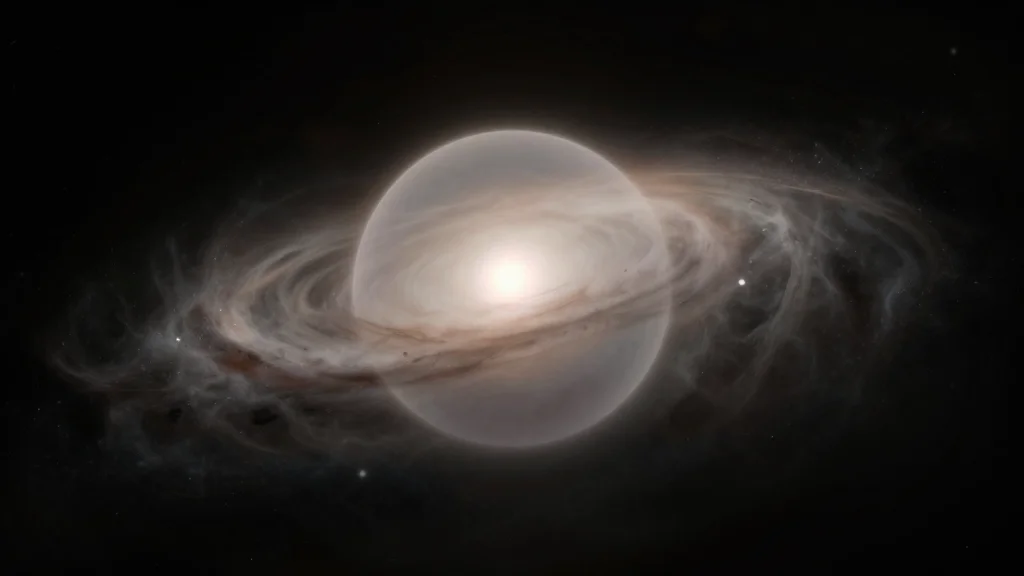
Non-Rotating Early Galaxy Is a Surprise to Astronomers
Astronomers using the James Webb Space Telescope have identified a galaxy formed just 800 million years after the Big Bang that shows virtually no rotation. The object, observed at a redshift of roughly 7, possesses a massive stellar component yet lacks...

New Method Sharpens the Search for Alien Biology
Researchers at the University of California, Riverside have unveiled an AI‑enhanced spectral analysis technique that dramatically improves the detection of potential biosignatures in exoplanet atmospheres. By integrating high‑resolution spectroscopy with machine‑learning classifiers, the method can spot complex organic molecules at...

Astronomers Produce Most Detailed Map of the Cosmic Web
Astronomers have released the most detailed three‑dimensional map of the cosmic web, charting the vast network of filaments, clusters, and voids that thread the universe. The map, constructed from spectroscopic data of over 1.5 million galaxies collected by the Dark Energy...
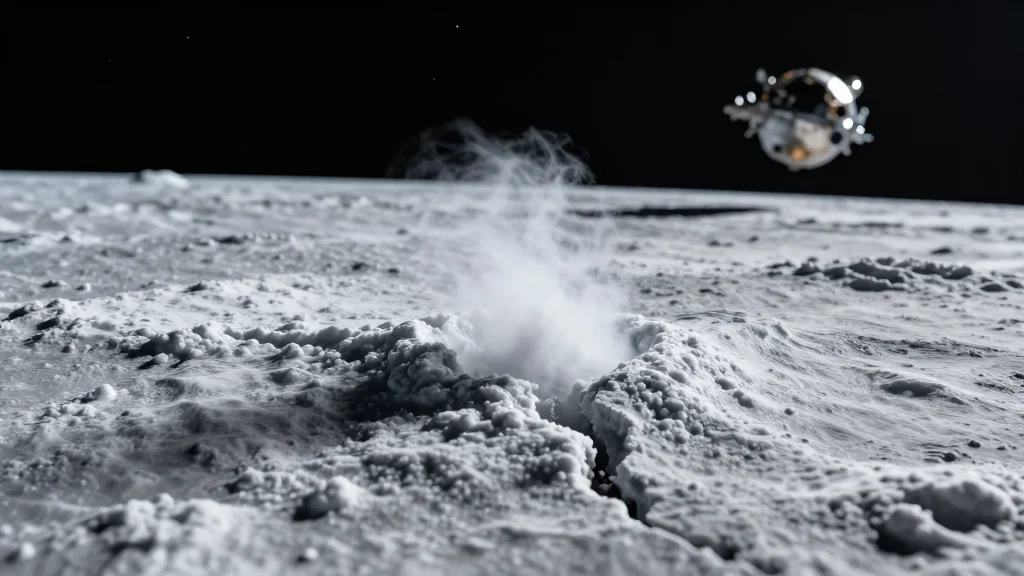
Study Identifies Candidate Cryovolcanic Regions on Ganymede for ESA’s JUICE Mission
A new study has pinpointed twelve candidate cryovolcanic regions on Ganymede, Jupiter’s largest moon, to guide ESA’s upcoming JUICE mission. The research combines high‑resolution imaging from past Galileo flybys with thermal modeling to identify surface features consistent with past or...
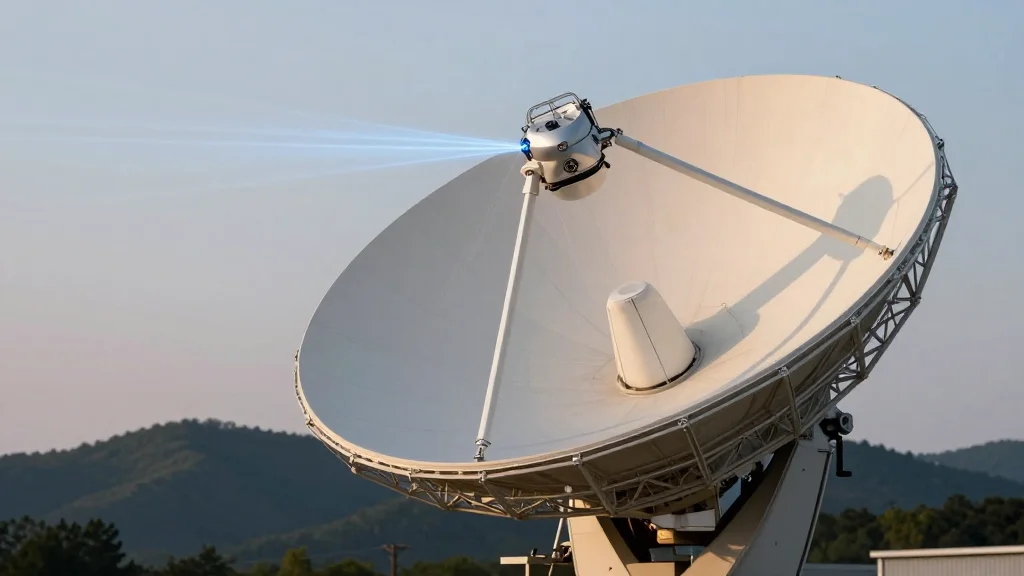
NSF Green Bank Observatory Shares Images, Data From Artemis II Mission
The National Science Foundation’s Green Bank Observatory has released high‑resolution radio images and S‑band telemetry data captured during NASA’s Artemis II crewed lunar‑flyby mission. Using its 100‑meter Robert C. Byrd telescope, the observatory tracked the spacecraft in real time and now...
NASA Volunteers Double Known Population of Brown Dwarfs
NASA’s citizen‑science initiative has enabled volunteers to sift through infrared sky maps and pinpoint a surge of previously hidden brown dwarfs, effectively doubling the catalog of known objects. Using data from the Wide‑field Infrared Survey Explorer (WISE) and a Zooniverse‑hosted...
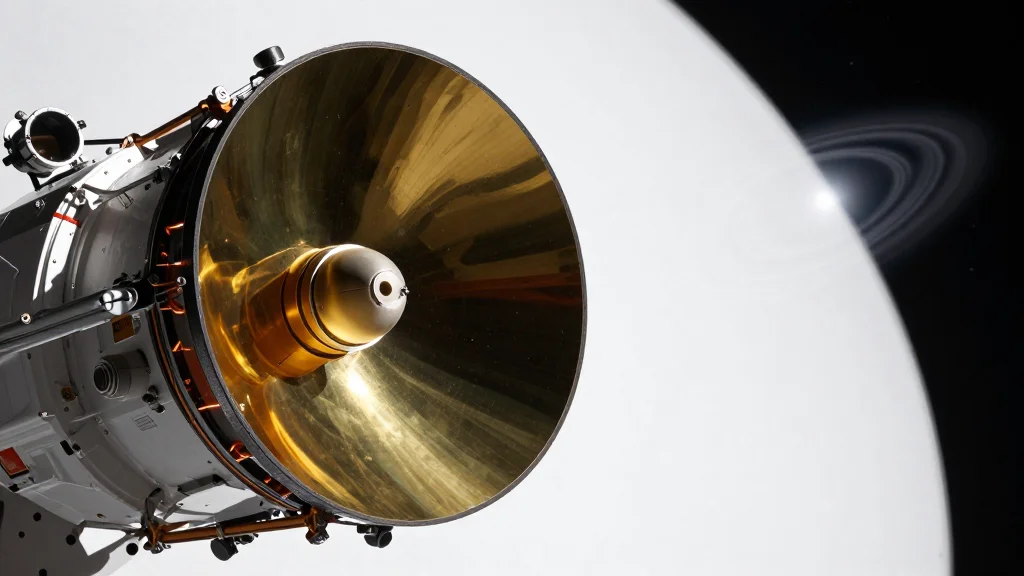
NASA's Roman Poised to Transform Hunt for Elusive Neutron Stars
NASA’s Nancy Grace Roman Space Telescope, slated for launch in 2027, will conduct an unprecedented wide‑field infrared survey aimed at detecting isolated neutron stars through gravitational microlensing. Its 0.28‑arcsecond resolution and 2000‑square‑degree field of view surpass previous missions, enabling the identification of...
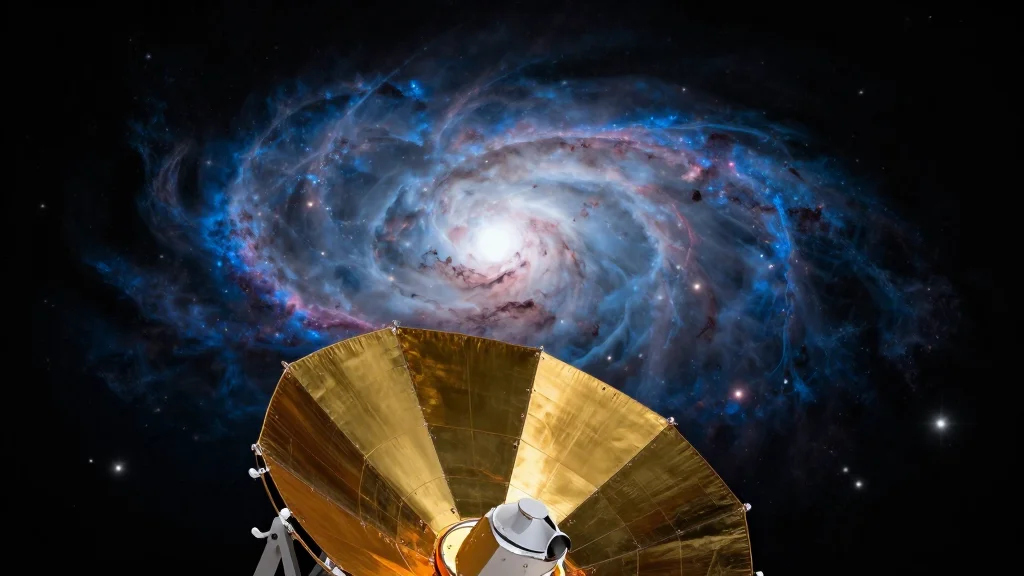
JWST and Hubble Find Massive Star Clusters Emerge Faster
The James Webb Space Telescope and Hubble Space Telescope have jointly observed massive star clusters forming far more rapidly than existing models predict. By targeting nearby starburst galaxies, the instruments captured clusters reaching millions of solar masses within a few...
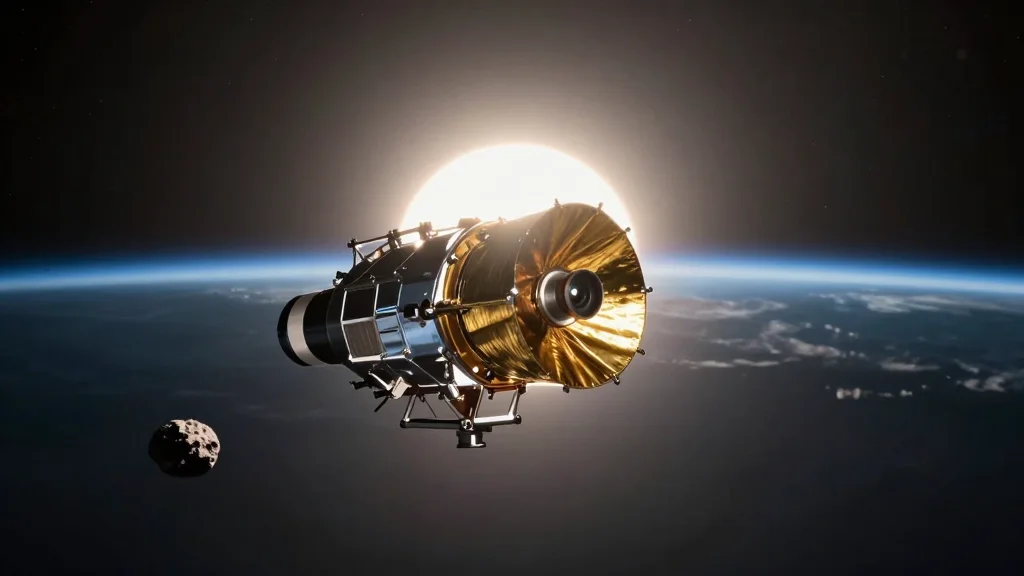
Next-Gen Near-Earth Asteroid Space Telescope Takes Shape
NASA announced that the next‑generation Near‑Earth Asteroid (NEA) Space Telescope, part of the NEO Surveyor mission, has entered final hardware integration at the Jet Propulsion Laboratory. The 50‑centimeter infrared instrument will operate from the Sun‑Earth L1 point, using a cryogenic...
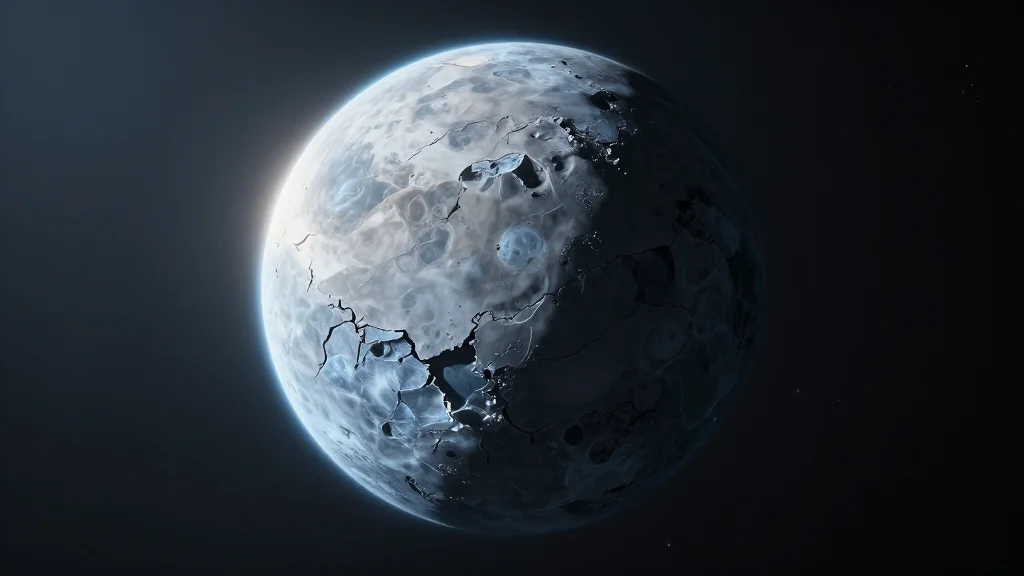
Outer Solar System Object Has an Atmosphere But Shouldn’t
Japanese astronomers using the Subaru Telescope reported a thin nitrogen atmosphere around the distant trans‑Neptunian object 2007 OR10. The detection came from a stellar occultation that showed a refractive signature, indicating a surface pressure of roughly 0.1 Pa. The object resides about...
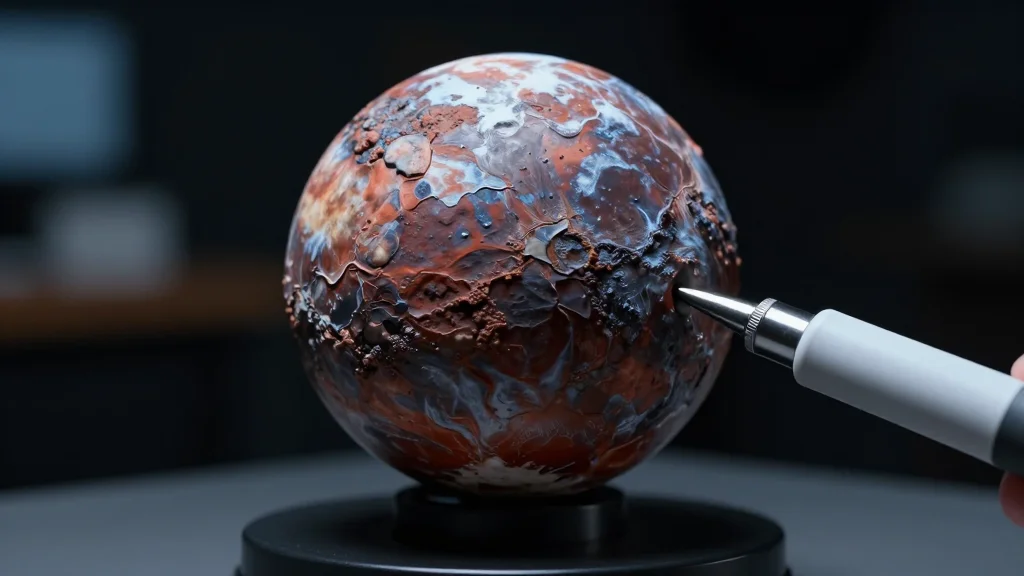
Astronomers Explore the Surface Composition of a Nearby Super-Earth
NASA’s James Webb Space Telescope captured infrared spectra of the nearby super‑Earth LHS 3844b, revealing mineral signatures that indicate a silicate‑rich, airless surface. The planet, 48 light‑years from Earth and roughly 1.3 times Earth’s radius, orbits its red‑dwarf host every 11...
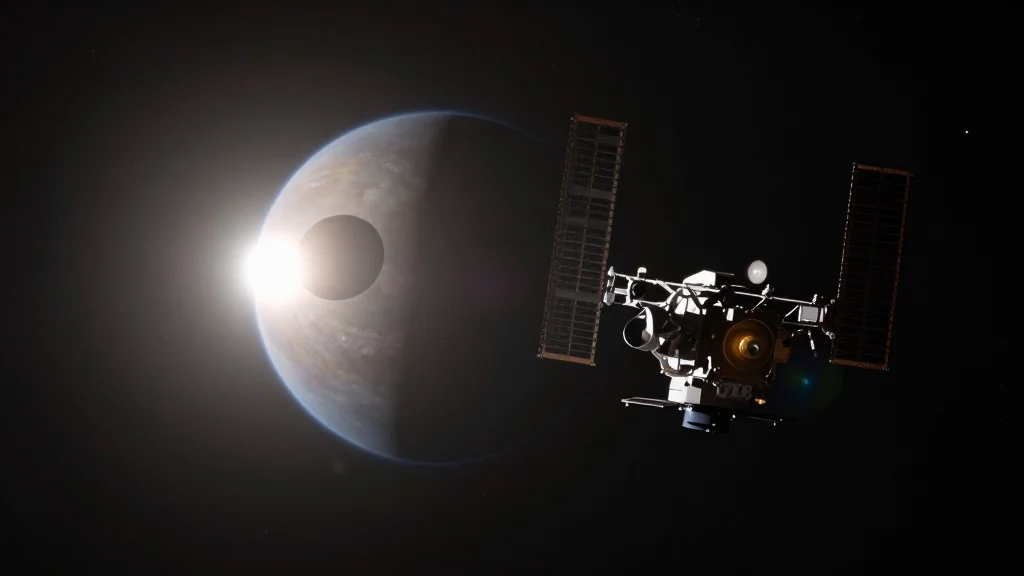
For NASA’s TESS, Stellar Eclipses Shed Light on Possible New Worlds
NASA’s Transiting Exoplanet Survey Satellite (TESS) is leveraging stellar eclipses—periodic dimming when one star passes in front of another—to refine its hunt for exoplanets. By analyzing eclipse timing variations and light‑curve nuances, researchers have identified several promising planet candidates that...
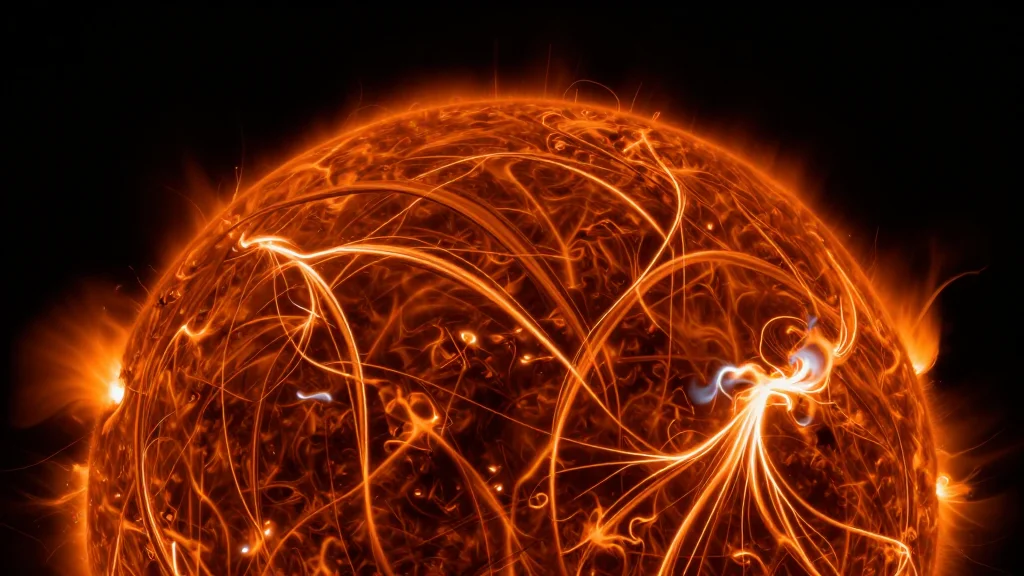
Reading the Sun’s Fireworks: How Flare Ribbons Reveal Hidden Solar Explosions
Solar physicists are using flare ribbons—bright, elongated structures that appear during solar eruptions—to uncover hidden solar explosions that traditional observations often miss. By tracking the motion and morphology of these ribbons, researchers can map magnetic reconnection sites and estimate the...
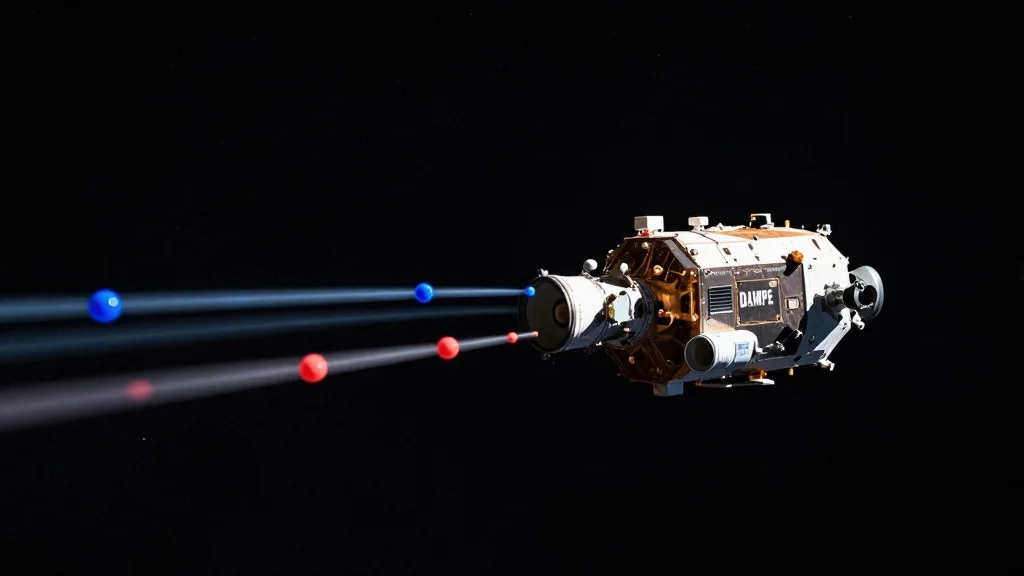
DAMPE Observes Charge-Dependent Limit of Cosmic Ray Acceleration
The DArk Matter Particle Explorer (DAMPE) satellite has reported a charge‑dependent ceiling on cosmic‑ray acceleration, showing that heavier nuclei reach lower maximum energies than protons. The instrument measured particles up to roughly 100 TeV per nucleon and identified a systematic cutoff...

Drone Radar on Earth Guides the Search for Water on Mars
Researchers at the University of Arizona deployed drone‑mounted ground‑penetrating radar to map buried glaciers in remote Earth regions. The high‑resolution subsurface data revealed ice thicknesses and flow patterns previously undetectable from the surface. By validating radar signatures of permafrost and...
New Findings About Exoplanets Challenge Theories of Planet Formation
Astronomers using the James Webb Space Telescope have uncovered a cohort of twelve rocky exoplanets that possess thick water‑vapor atmospheres, a combination previously thought unlikely. The planets orbit their stars at extreme inclinations and at distances that defy conventional protoplanetary‑disk...
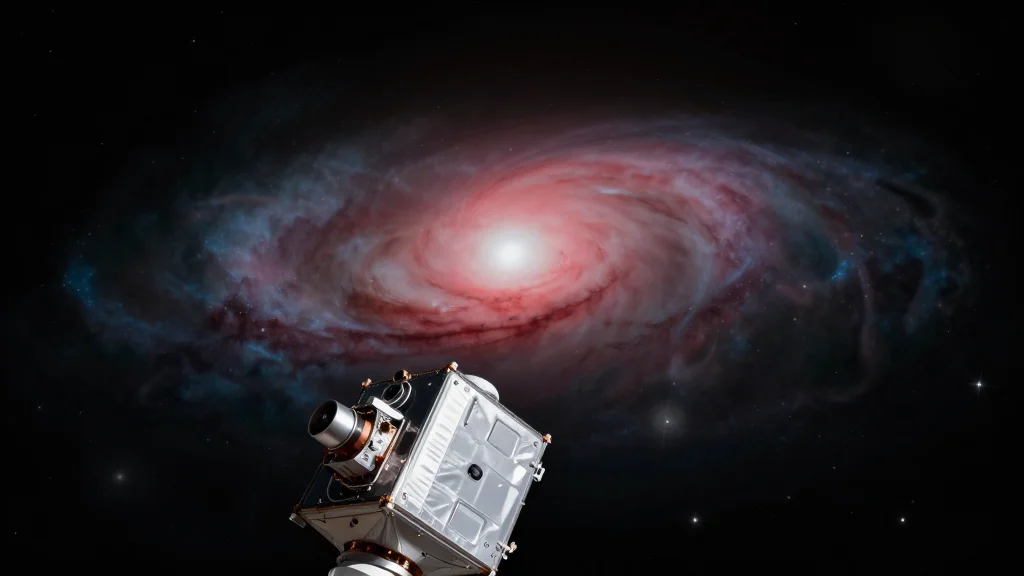
NASA Connects Little Red Dots with Chandra, JWST
NASA has leveraged the Chandra X-ray Observatory and the James Webb Space Telescope to study faint, red‑shifted galaxies—dubbed “little red dots”—in the early universe. The joint observations captured X-ray signatures of nascent black holes alongside JWST’s infrared images of star-forming...
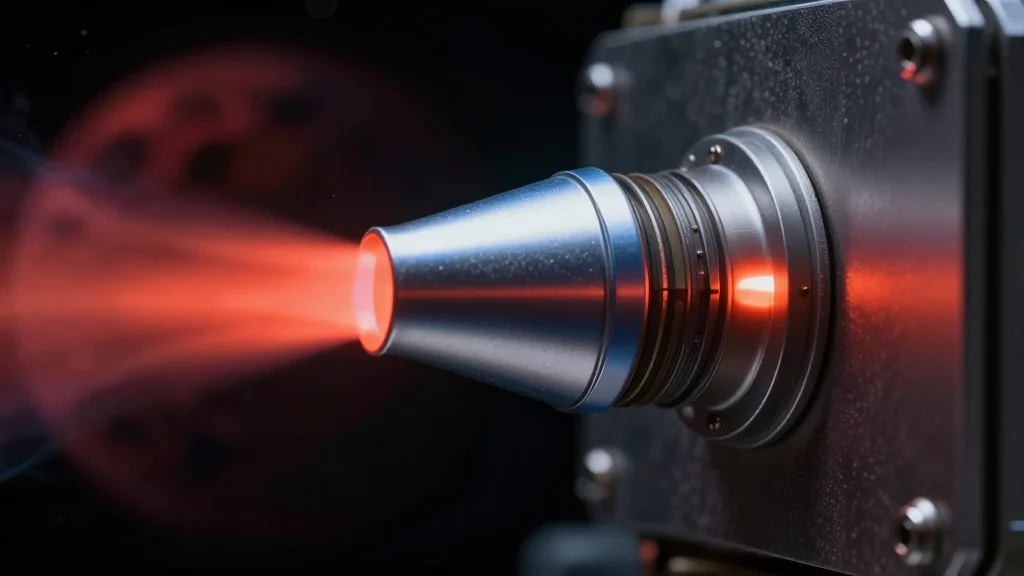
NASA Fires Up Powerful Lithium-Fed Thruster for Trips to Mars
NASA’s Jet Propulsion Laboratory successfully fired a 10‑kilowatt lithium‑fed Hall thruster, delivering 200 mN of thrust for a 30‑minute duration. The test recorded a specific impulse of roughly 2,500 seconds, about 30% higher efficiency than traditional xenon‑based electric thrusters. Lithium’s higher density...
Astronomers Release Massive Set of “Virtual Universes” For Global Research
A consortium of international astronomers has unveiled a massive library of 2,000 high‑resolution cosmological simulations, each covering a 10‑cubic‑gigaparsec volume. The combined dataset amounts to roughly 500 TB of particle data, galaxy catalogs, and light‑cone outputs, and is now hosted on...
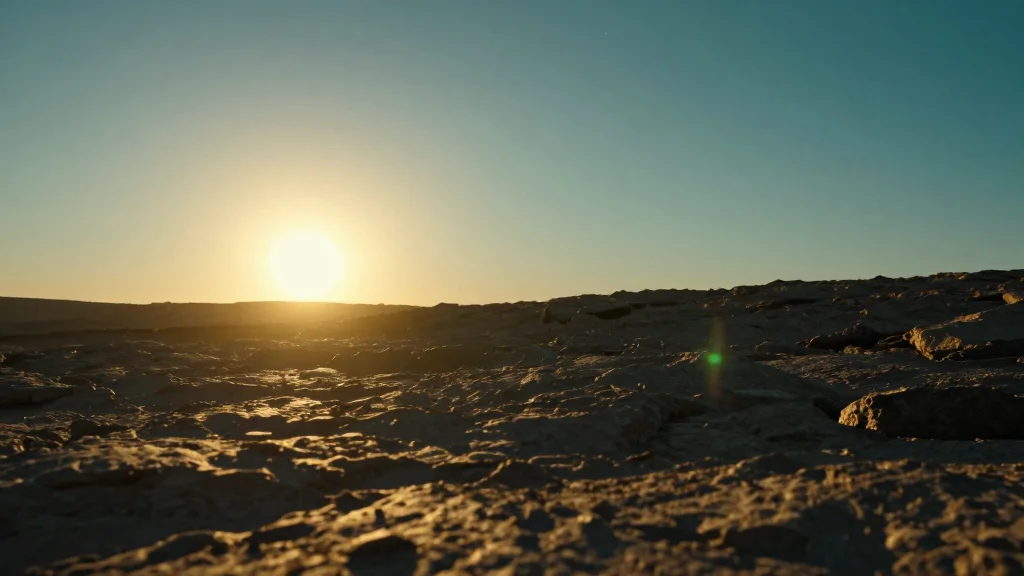
Two Suns Are Better than One — Planets Thrive Around Binary Stars
Recent research demonstrates that planets can not only form but also thrive in binary star systems, overturning the long‑standing belief that a single Sun is a prerequisite for habitability. By analyzing Kepler telescope data and running long‑term orbital simulations, scientists...
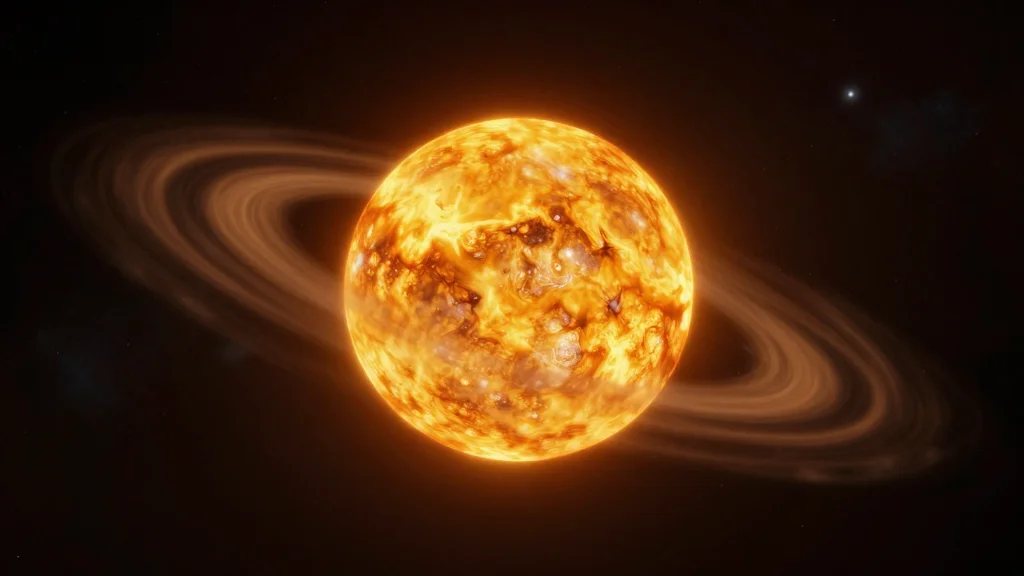
Why Stars Spin Down, or Up, Before They Die
Researchers at Kyoto University have shown that stars can either slow down or speed up in their final evolutionary stages, contrary to the long‑standing belief that aging stars only spin down. By analyzing asteroseismic data from Kepler and TESS, they...
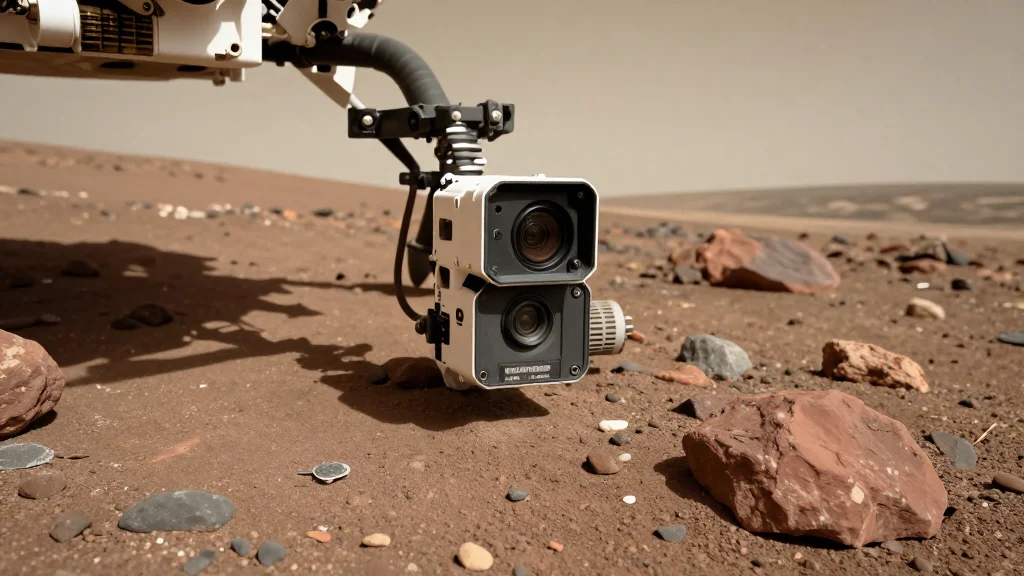
Perseverance, Curiosity Panoramas Capture Two Sides of Mars
NASA’s Perseverance rover unveiled a 360-degree panorama of Jezero Crater’s rim, while Curiosity delivered a new wide-angle view of layered sediment in Gale Crater. Both images were captured with upgraded mast cameras, providing unprecedented resolution and color fidelity. The dual...
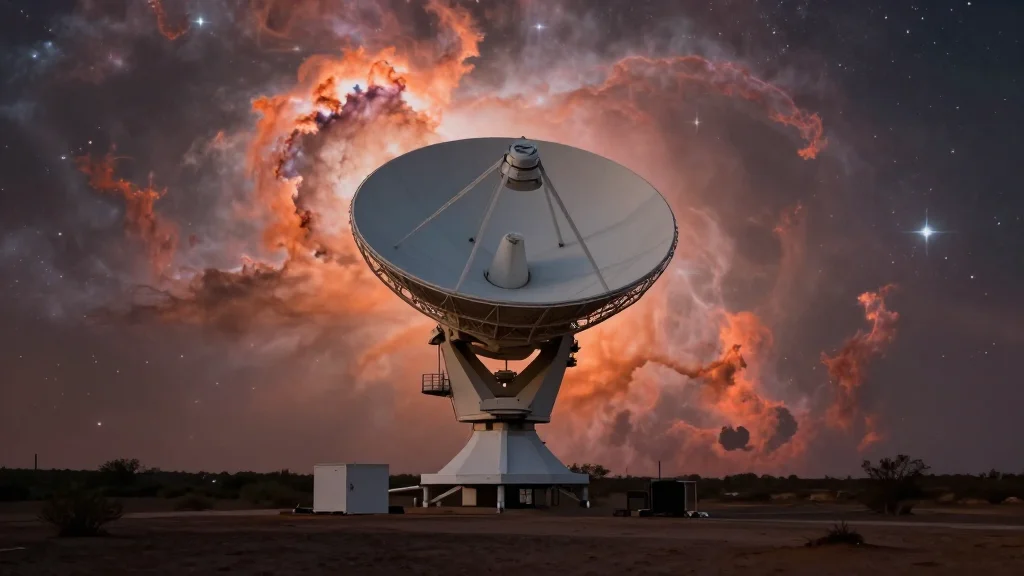
Unraveling the Mass Mystery of Orion’s Young Stars
A team of astronomers using the Atacama Large Millimeter/submillimeter Array (ALMA) has mapped the masses of more than 200 young stars in the Orion Nebula, revealing a mass distribution far broader than traditional models predict. The survey identified a surplus...
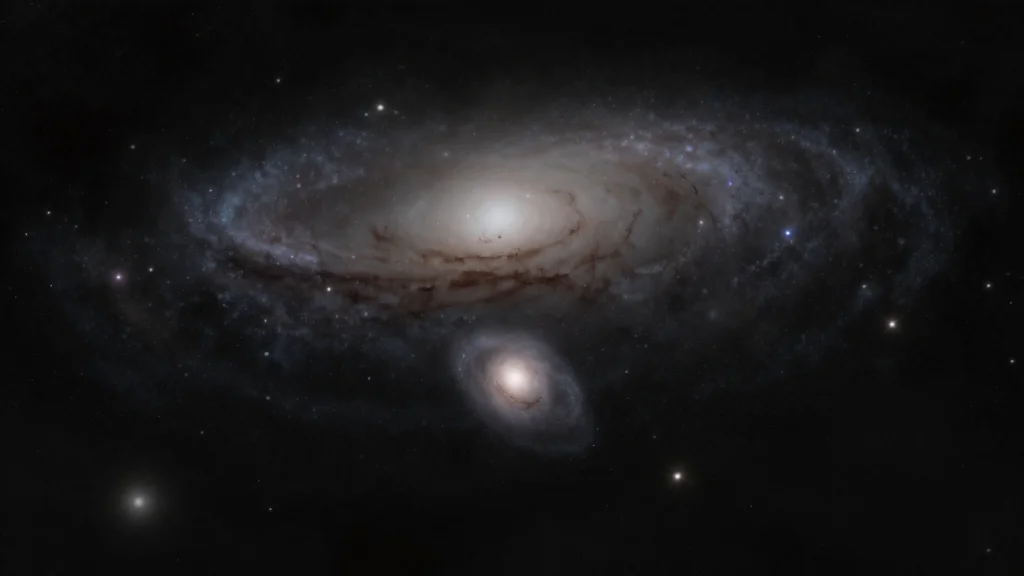
Milky Way’s “Little Cousins” May Hold Clues About Infant Universe
Astronomers have examined the Milky Way’s faint dwarf satellite galaxies—its “little cousins”—to extract clues about the universe’s infancy. By analyzing stellar ages and chemical compositions, the team linked these nearby dwarfs to the first generations of galaxies that formed after...
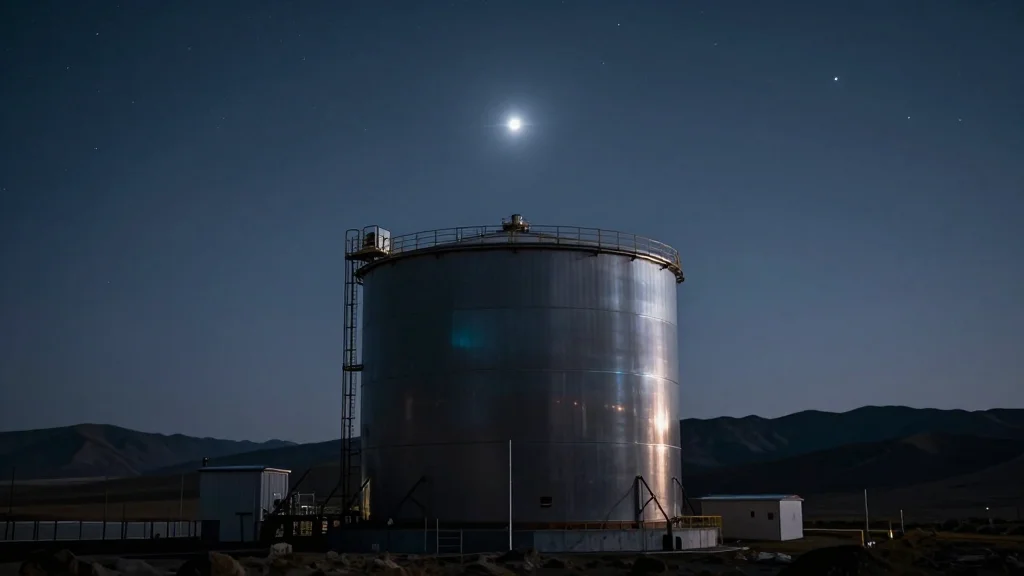
LHAASO Discovers "Aquila Booster," Challenging Theoretical Limits of Particle Acceleration in Pulsar Wind Nebulae
The Large High‑Altitude Air Shower Observatory (LHAASO) has identified a new ultra‑high‑energy gamma‑ray source dubbed the “Aquila Booster” within a pulsar wind nebula. The detection records photons exceeding 1 PeV, far beyond the energies predicted by conventional acceleration models. Researchers propose...
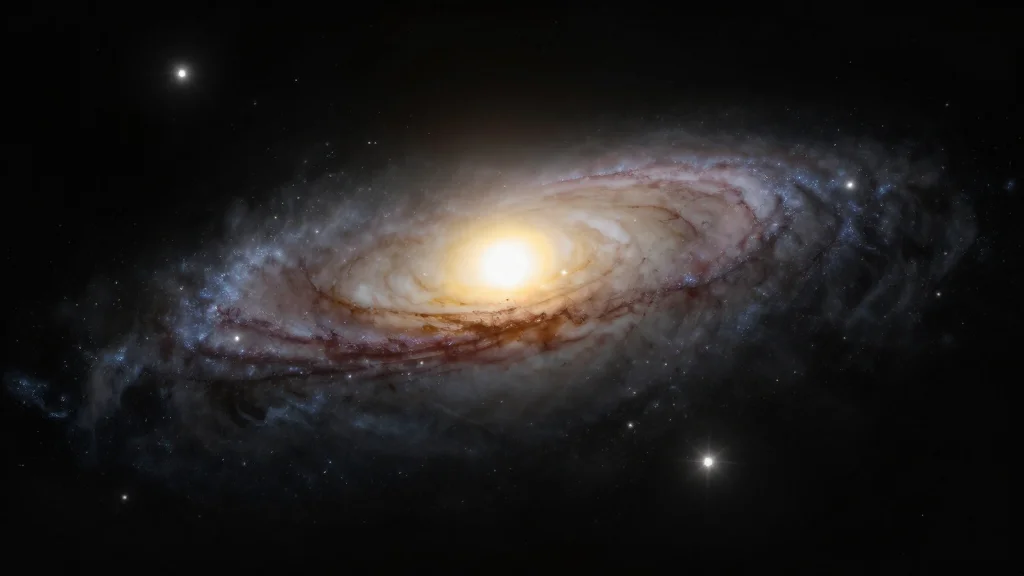
Sombrero Galaxy: The Universe’s Dusty Brimmed Hat Revealed Like Never Before
Astronomers using NOIRLab's latest infrared instruments have produced the sharpest view yet of the Sombrero Galaxy (M104), unveiling intricate dust structures and hidden star‑forming regions. The high‑resolution images resolve the iconic dust lane to 0.1 arcsecond, allowing a more precise...
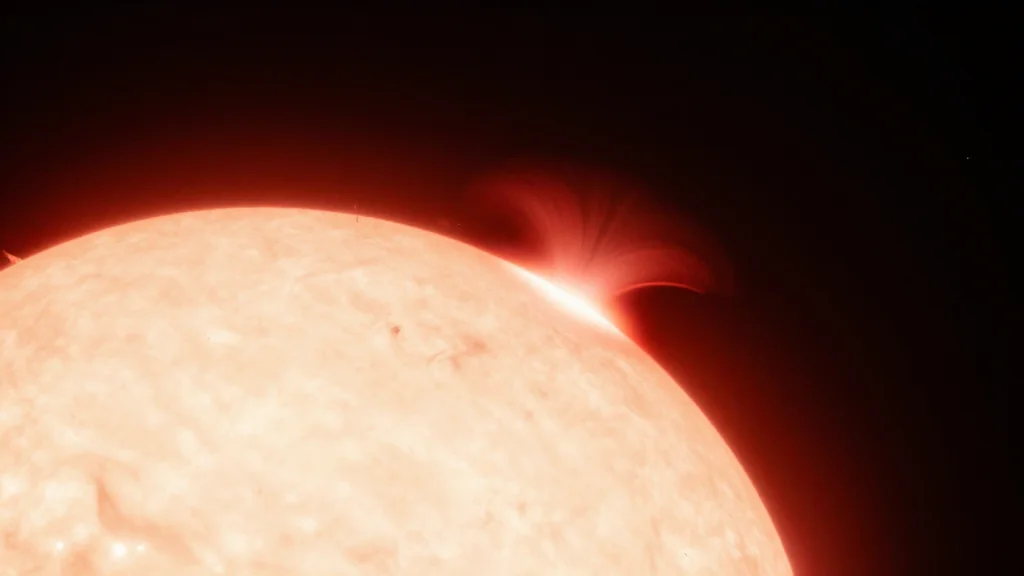
Solar Prominences: Supply Mechanisms in the Sun’s Corona
A new study examines how solar prominences acquire mass from the Sun’s lower atmosphere and transport it into the hot corona. Researchers identify magnetic flux‑tube siphoning, thermal instability‑driven condensation, and mass loading as primary supply mechanisms. High‑resolution data from Solar...
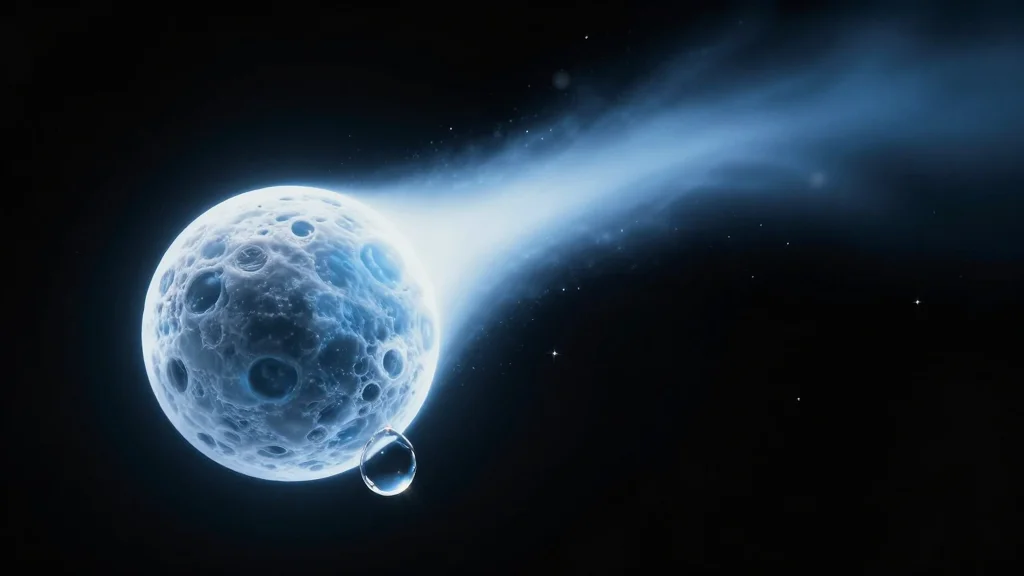
3I/ATLAS Contains 30X More Semi-Heavy Water Than Comets In Our Solar System
Astronomers have detected semi‑heavy water (HDO) in the interstellar object 3I/ATLAS at levels roughly 30 times higher than those measured in comets from our solar system. The measurement, obtained with NRAO radio facilities and ALMA, reveals an unusually high deuterium‑to‑hydrogen...
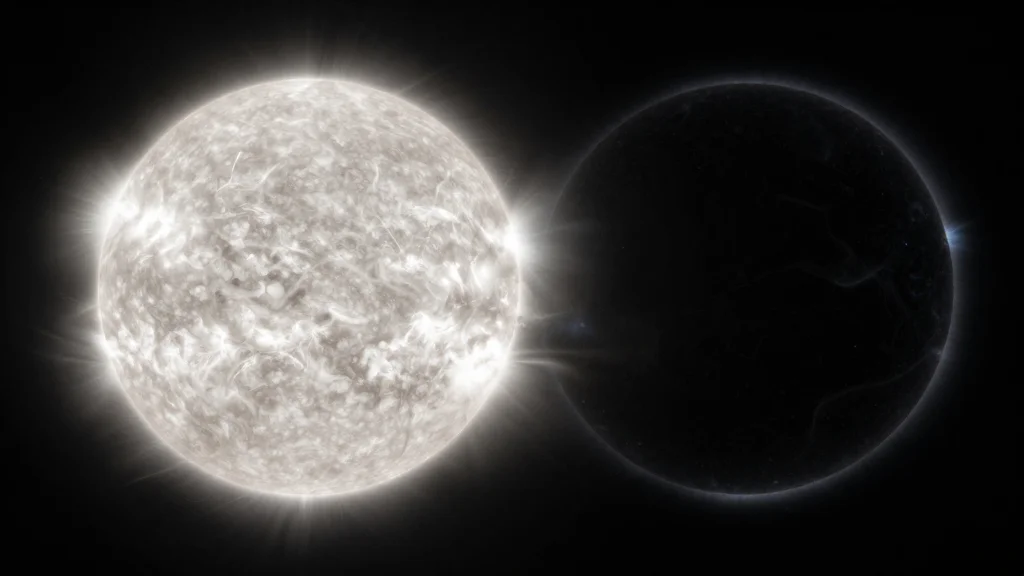
NSF-NOAA GONG Maps Hidden Magnetism on the Sun’s Far Side
The NSF‑NOAA Global Oscillation Network Group (GONG) has begun delivering daily magnetograms of the Sun’s far side, revealing magnetic activity that was previously hidden from Earth‑based observation. Using helioseismic holography, the network translates acoustic waves into magnetic field maps, enabling...