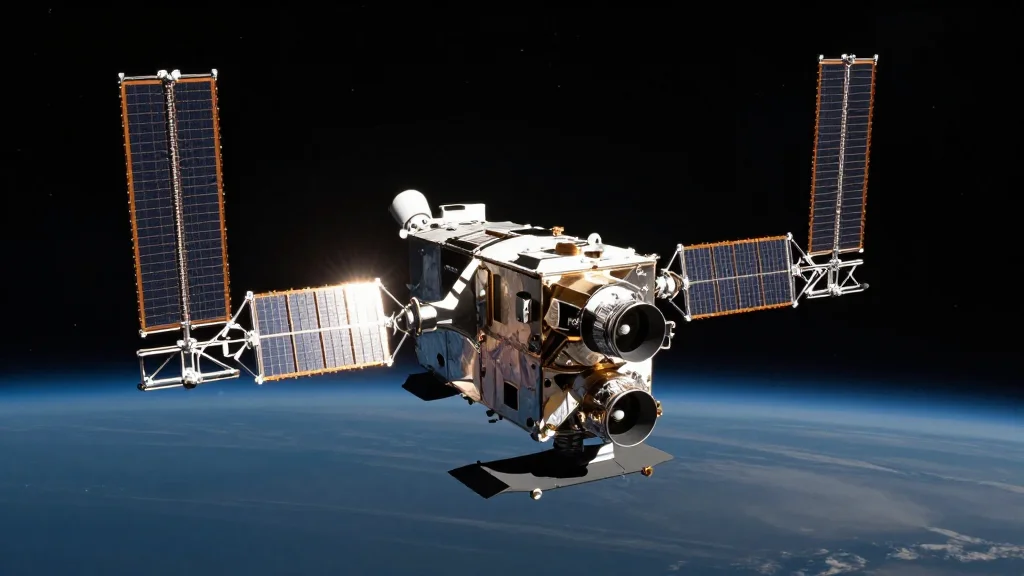
CHEOPS Space Mission Extended
The European Space Agency has approved a two‑year extension to the CHEOPS (CHaracterising Exoplanet Satellite) mission, pushing its operational horizon to the end of 2029. The extension adds roughly €30 million (≈$32.5 million) in funding, allowing the spacecraft to observe an additional 300 exoplanet candidates. ESA will also upgrade on‑board software to improve photometric precision and enable rapid response to transient events. The decision follows a successful first phase that delivered over 300 high‑precision light curves and refined the masses of dozens of super‑Earths.
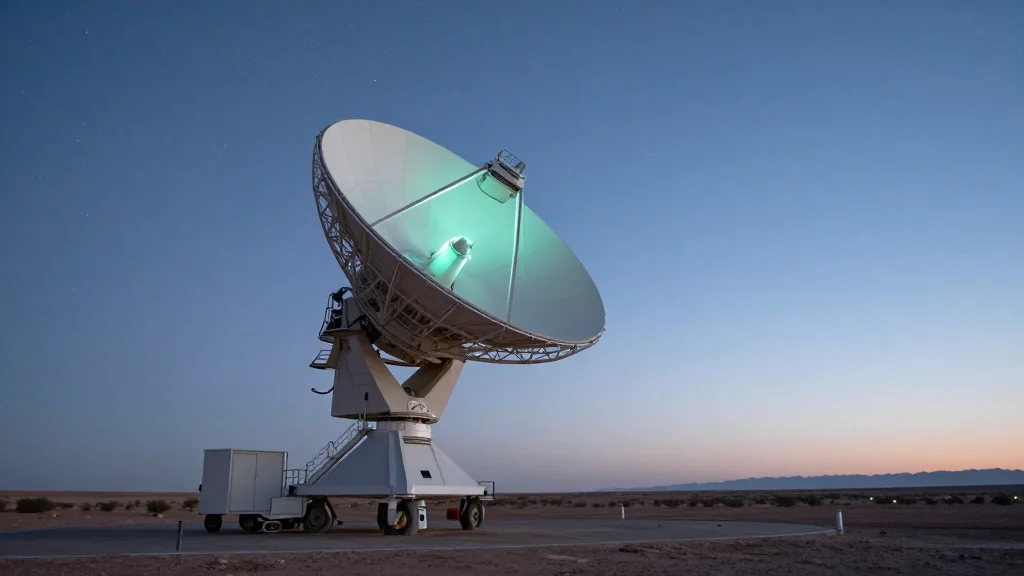
Caltech Readies to Build World's Most Sensitive Radio Telescope
Caltech announced plans to construct the Caltech Ultra‑Deep Radio Array (CUDRA), a radio telescope array that will deliver roughly ten times the sensitivity of today’s Very Large Array. The project, funded with about $200 million from the NSF, DOE and private...
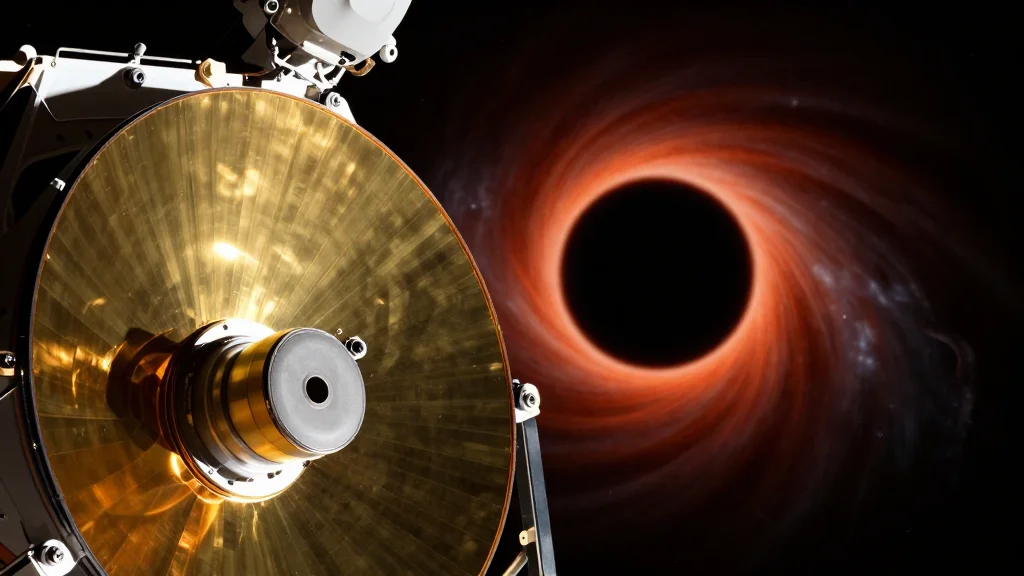
JWST Measures Mass of a Dormant Black Hole From the Early Universe for the First Time
The James Webb Space Telescope has, for the first time, directly measured the mass of a dormant black hole that existed when the universe was less than a billion years old. Using NIRSpec spectroscopy of the surrounding star cluster, researchers...
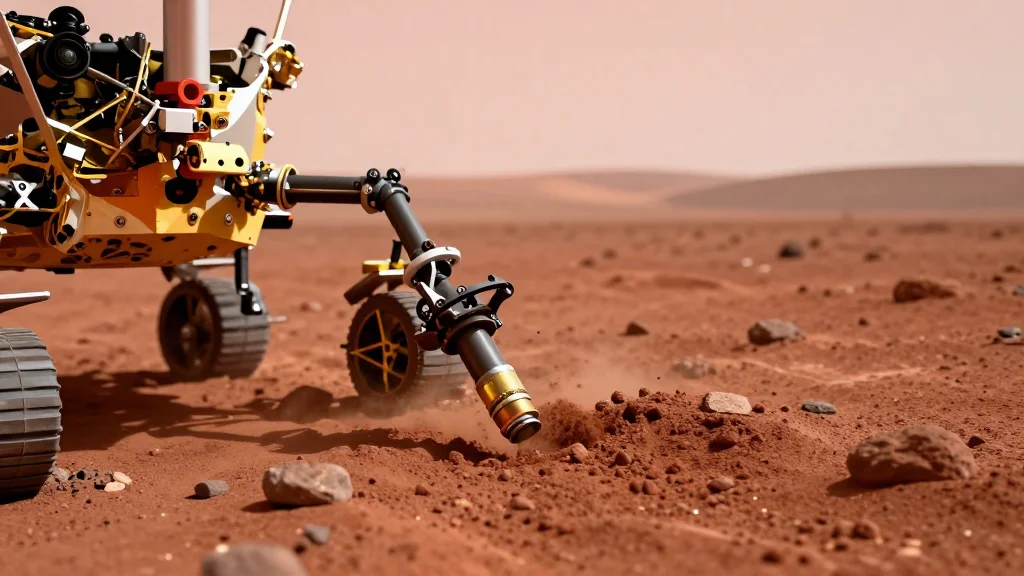
ExoMars Rover Targets Vast Bed of Clay in Search for Life
The European Space Agency’s ExoMars rover, Rosalind Franklin, will target the expansive clay‑rich plain of Oxia Planum on Mars to hunt for signs of past life. The site’s ancient, water‑altered clays are believed to have preserved organic molecules and possible biosignatures. The...
Scientists Surprised to Find Brightness "Gap" In Ancient Star Cluster
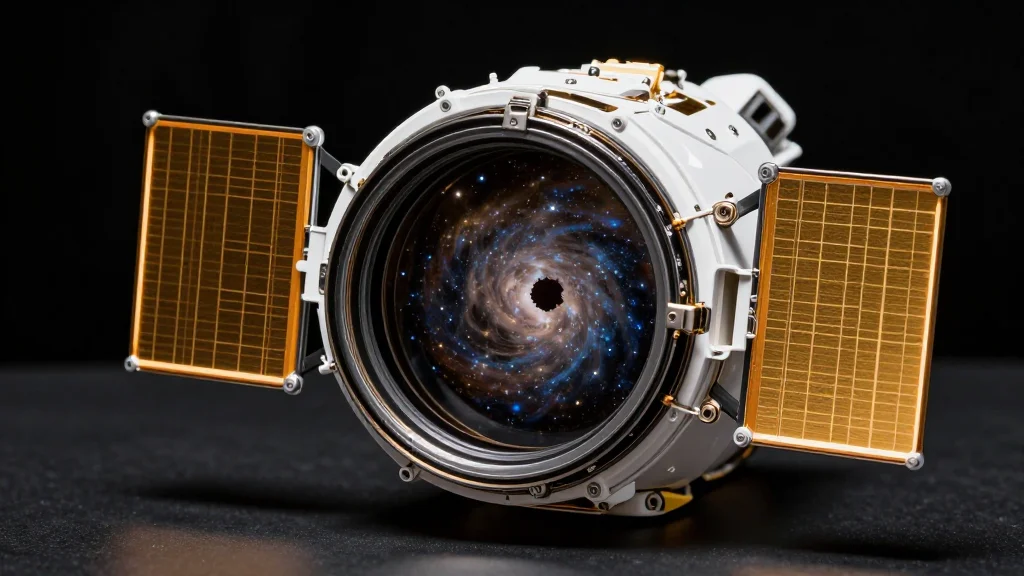
Astronomers using Hubble and the James Webb Space Telescope have uncovered a distinct brightness gap in an ancient Milky Way globular cluster. The gap appears as a void in the cluster’s Hertzsprung‑Russell diagram, spanning roughly two magnitudes of luminosity. Researchers...

Researchers Study Impact Flashes to Detect Missile and Meteorite Composition
Southwest Research Institute (SwRI) scientists have demonstrated that the brief optical flash generated when a projectile strikes a target can be spectrally analyzed to reveal the projectile’s material composition. Using a high‑speed spectrometer and laser‑rangefinder, the team recorded over 50...
Rare Meteorite Provides Evidence of Giant Early Planet
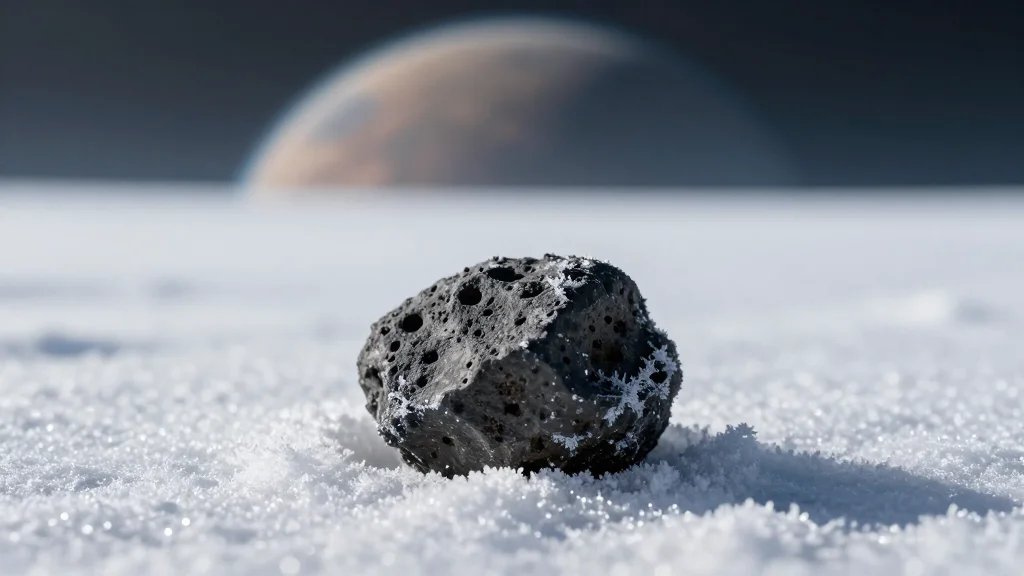
A newly studied meteorite recovered from Antarctica contains a unique suite of isotopic signatures that point to the existence of a massive, now‑lost planetary body in the early Solar System. Laboratory analysis shows anomalous ratios of tungsten, molybdenum and oxygen...
Strange Winds Reveal Strongest Hints Yet of Magnetic Activity in Exoplanets
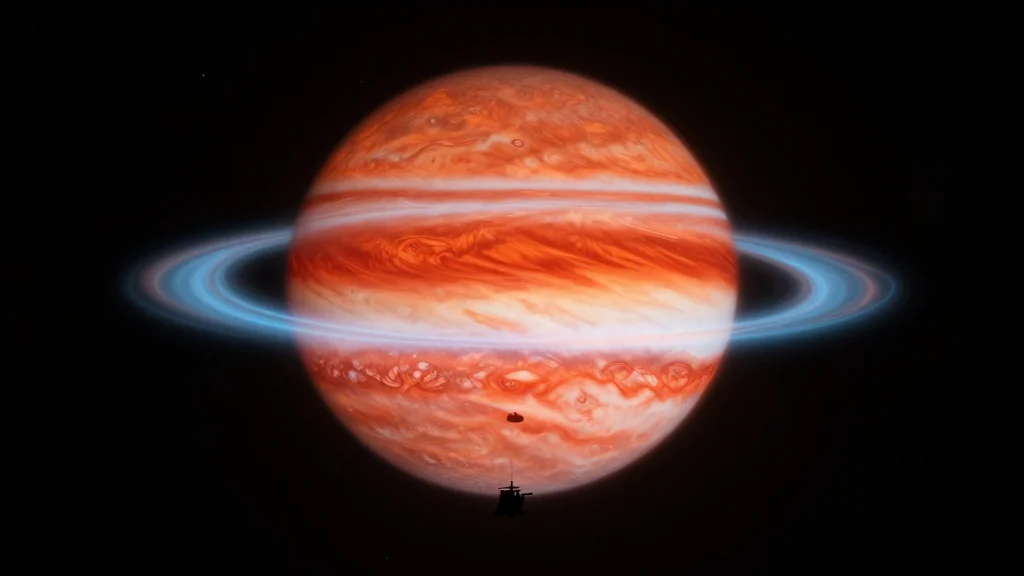
Astronomers have detected unusually fast, ion‑driven winds on several hot‑Jupiter exoplanets, providing the clearest evidence yet that these worlds possess magnetic fields. Using high‑resolution spectroscopy from the Hubble Space Telescope and ground‑based observatories, the team measured wind speeds exceeding 5 km s⁻¹...
Lab Recreates Flight-Like Heat to Support NASA’s Dragonfly Mission to Titan
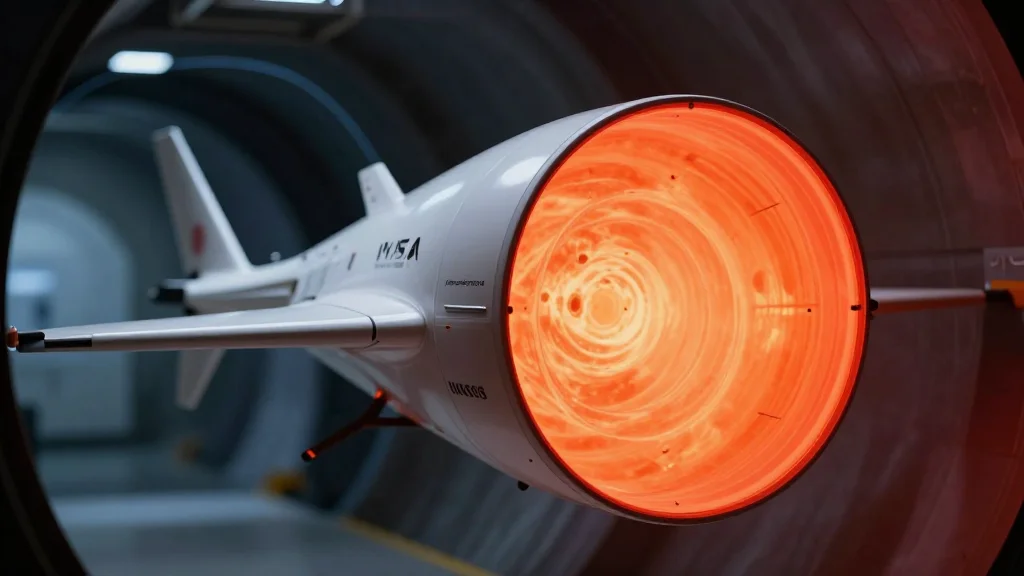
Sandia National Laboratories has successfully recreated the extreme heat conditions a spacecraft will encounter during entry into Titan’s dense atmosphere, supporting NASA’s Dragonfly rotorcraft mission. Using a plasma wind tunnel, engineers generated heat fluxes and temperatures up to roughly 1,200 °C...
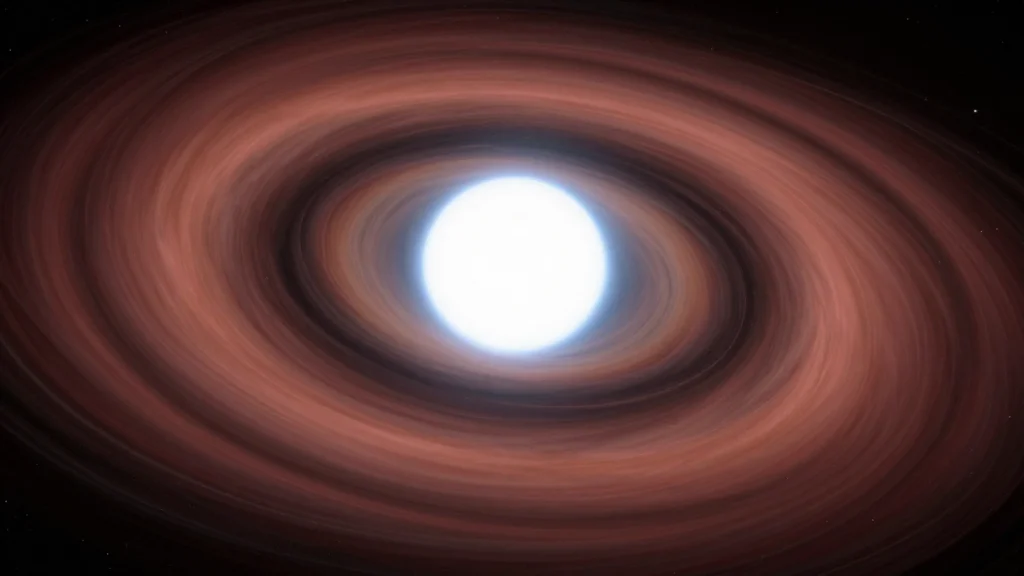
First Ever Live Observation of the Rotation of a Planetary Nursery
Astronomers using the Atacama Large Millimeter/submillimeter Array (ALMA) have recorded the first live, real‑time rotation of a protoplanetary disk—often called a planetary nursery—surrounding the young star V883 Ori. The team measured a rotation period of roughly 30 years and detected spiral...
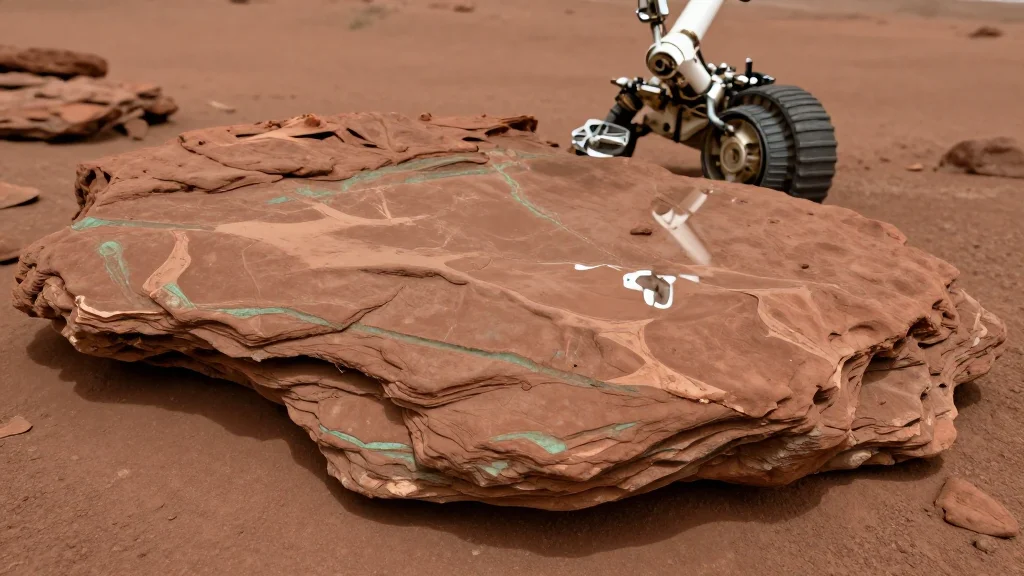
NASA Uses Mineralogical Marker to Understand Ancient Martian Climate
NASA scientists have identified a specific mineralogical marker—phyllosilicate‑rich clay deposits—in sedimentary layers explored by the Curiosity rover in Gale Crater. Radiometric dating places these deposits at roughly 3.5 billion years old, pointing to a period when Mars experienced a warmer, wetter...
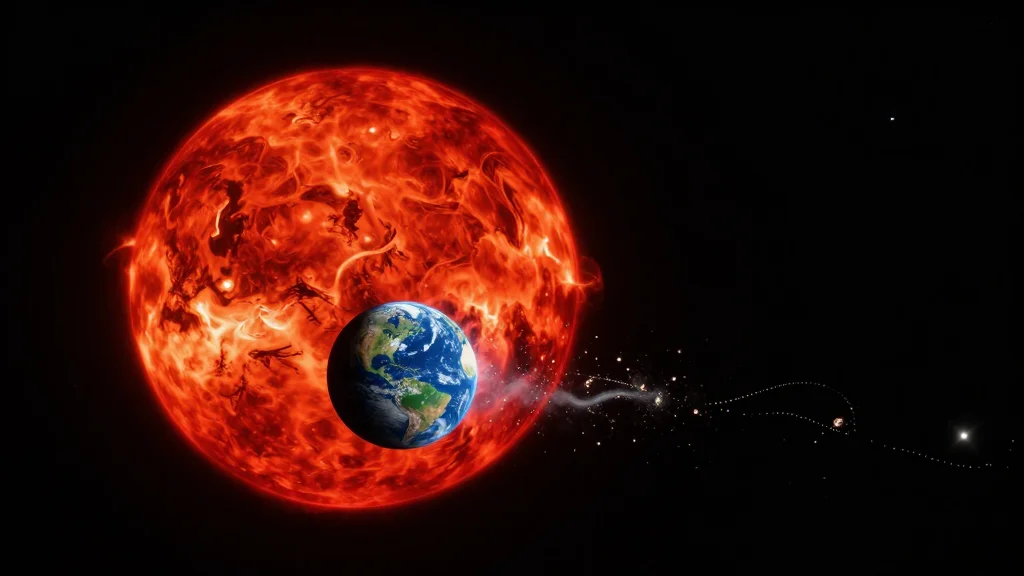
Red Dwarf Stars Detected “Eating” Earth-Like Planets
Astronomers have directly detected red dwarf stars devouring Earth‑like planets, marking the first observational evidence of such catastrophic events. Using infrared data from the James Webb Space Telescope and ground‑based observatories, researchers identified streams of metallic debris and vaporized material...
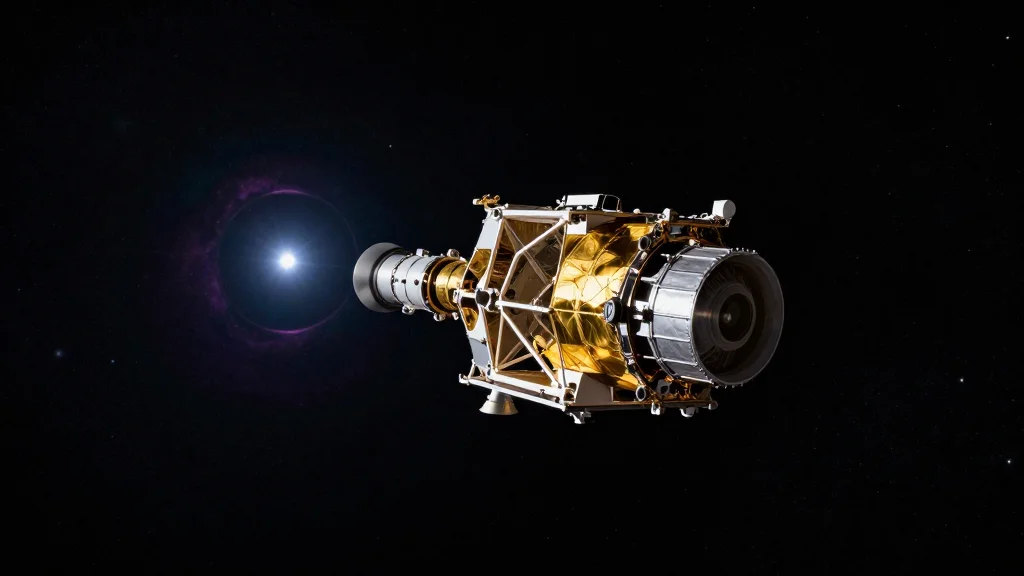
NASA’s Roman Mission Preps to Unveil New Populations of Faraway Worlds
NASA’s Nancy Grace Roman Space Telescope, slated for a 2027 launch, is gearing up for its first major exoplanet microlensing survey. The mission will scan a wide swath of the infrared sky, targeting distant planetary systems that lie beyond the reach of...
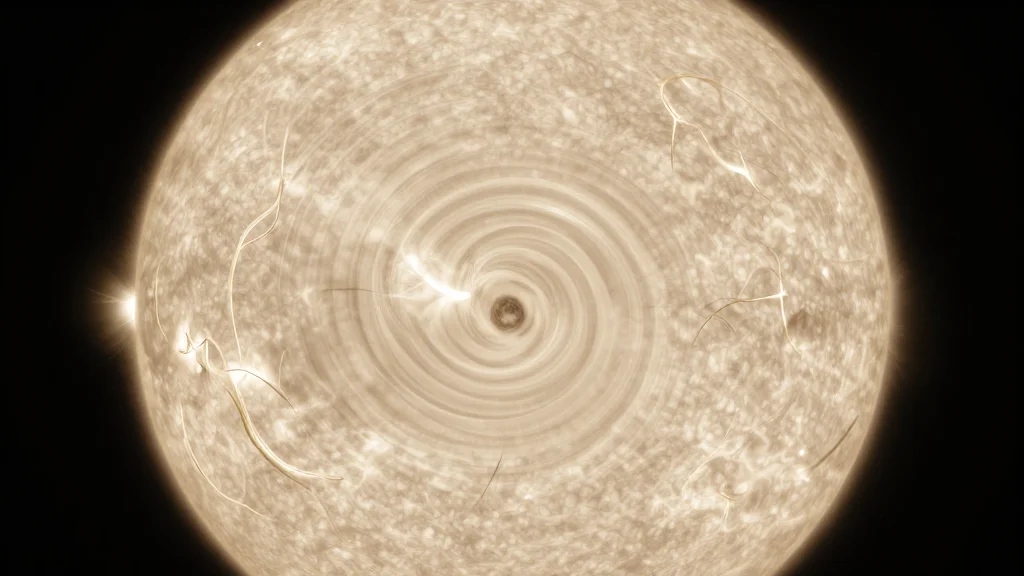
Listening to the Sun Reveals Previously Hidden Changes to Solar Cycle
Researchers at the University of Birmingham have used solar acoustic observations to uncover subtle, previously hidden changes in the Sun’s magnetic cycle. By analyzing data from the Global Oscillation Network Group and NASA’s Solar Dynamics Observatory, they identified an early...
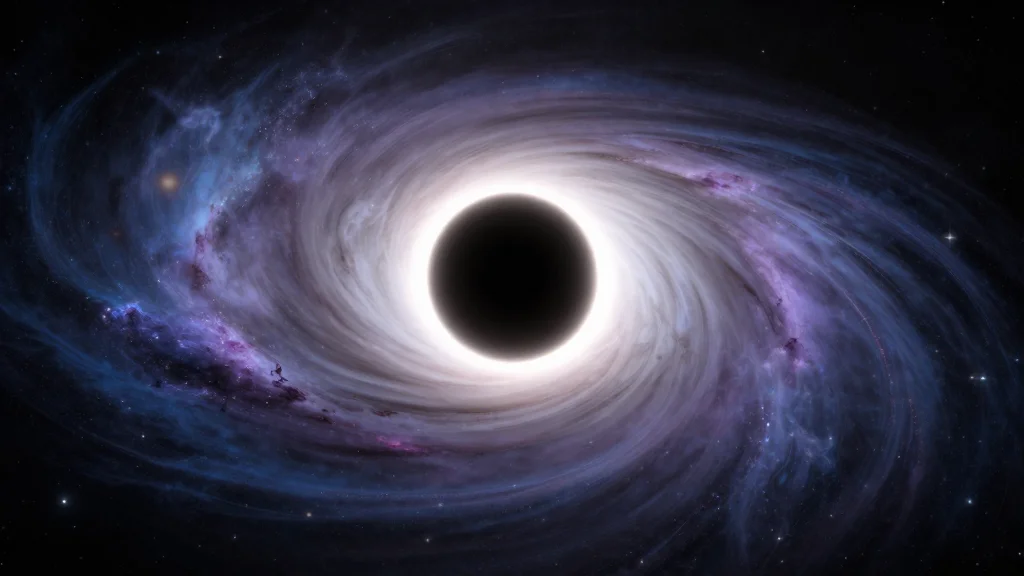
NASA’s JWST Reveals Black Hole That Formed Before Its Galaxy
NASA’s James Webb Space Telescope has identified a supermassive black hole weighing about one billion solar masses at a redshift of roughly 7.5, when the universe was less than 700 million years old. The host galaxy’s stellar mass is an order...