
Recent Posts

News•Mar 1, 2026
Bettors Profit Hugely From Suspiciously Timed Wagers on Iran War
Bettors on the prediction platform Polymarket earned roughly $1 million by wagering that the United States would strike Iran on February 28, 2026, the same day President Donald Trump announced the attack. Bloomberg identified six newly created accounts that bought shares at a dime each just hours before explosions were reported in Tehran. Lawmakers, including Sen. Chris Murphy and Rep. Mike Levin, called for investigations and legislation to curb insider trading on prediction markets. The episode revives concerns about transparency and regulation of platforms such as Polymarket and Kalshi.
By Asia Times – Defense

News•Feb 28, 2026
Before Trump Bombing, Oman FM Called US-Iran Deal ‘Within Reach’
Hours before President Donald Trump announced air strikes on Iran, Oman's foreign minister Badr Albusaidi appeared on CBS's Face the Nation and declared a U.S.-Iran nuclear deal within reach. He said Iran had pledged zero stockpiling of weapons‑grade material and...
By Asia Times – Defense
News•Feb 28, 2026
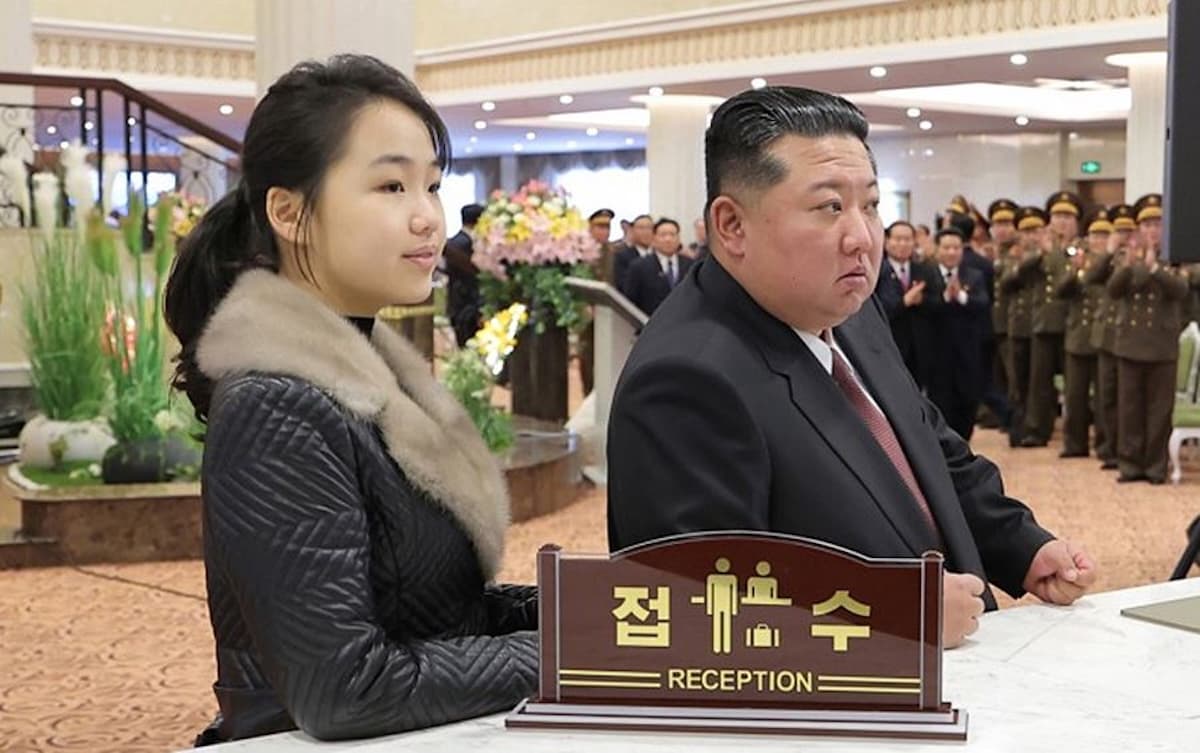
Kim’s Daughter Is a Princess – but Not Necessarily Crown Princess
South Korea’s National Intelligence Service (NIS) says Kim Jong Un has identified his roughly 13‑year‑old daughter as a possible successor, citing recent public appearances in matching leather jackets at the Workers’ Party Congress. The agency also cautions that a male heir...
By Asia Times – Defense

News•Feb 27, 2026
A Revitalized US Indian Ocean Strategy Cannot Ignore Africa
The article argues that the United States’ Indo‑Pacific strategy is incomplete because it largely ignores the western Indian Ocean and Africa, where China has established a growing military footprint, notably its base in Djibouti and expanding ties in Mauritius and...
By Asia Times – Defense
News•Feb 27, 2026
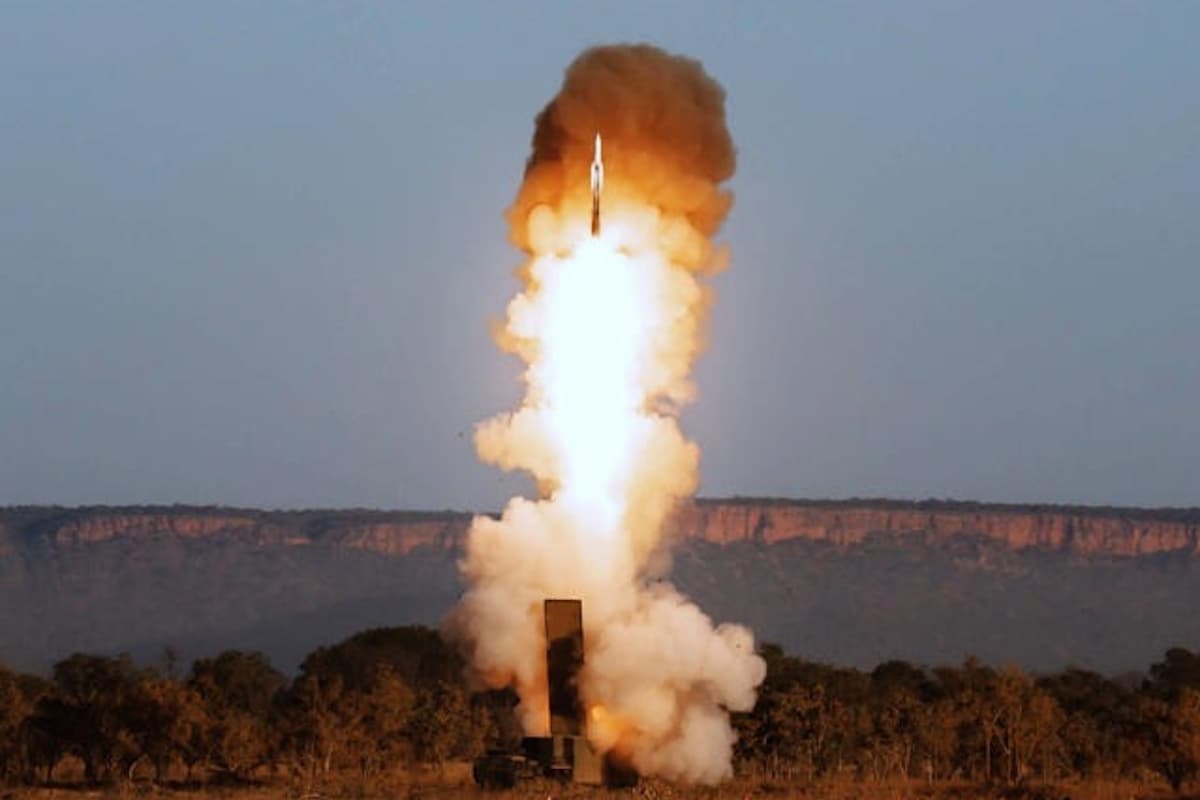
US Missile Deliveries to Philippines Are Pointless and Escalatory
The United States announced plans to deploy additional advanced missiles in the northern Philippines, positioning them as a deterrent against Chinese aggression near Taiwan and the South China Sea. Washington argues that mobile, land‑based systems complicate any Chinese offensive and...
By Asia Times – Defense

News•Feb 26, 2026
Myanmar’s Resistance Winning Ground but Losing the Narrative
The Myanmar military has turned its information operations into a decisive battlefield, deploying state media, Russian cognitive‑warfare expertise, and costly U.S. public‑relations firms to portray the National Unity Government (NUG) as corrupt and fragmented. Domestically, propaganda attacks the NUG and...
By Asia Times – Defense

News•Feb 24, 2026
Trump’s ‘Pro-Israel’ Policies Are Israel’s Biggest Liability
Donald Trump’s tenure produced headline‑grabbing pro‑Israel actions, including the Abraham Accords, the Jerusalem embassy move, and the killing of Qasem Soleimani, which were celebrated as diplomatic victories. Yet the article argues that his maximalist, transaction‑focused style has created strategic liabilities for...
By Asia Times – Defense

News•Feb 23, 2026
With Three Contestants, the Globe’s New Great Game Is On
Analysts label today’s geopolitical rivalry a "New Great Game" pitting the United States against a China‑Russia alliance. The contest spans Central Asia, the Middle East, the Arctic and the Indo‑Pacific, driven by competition for fossil fuels, rare‑earth minerals and strategic...
By Asia Times – Defense

News•Feb 23, 2026
China’s Missile Reach Forcing US Pacific Air Power Reset
China’s expanding missile and surveillance capabilities are turning U.S. forward airbases in the Pacific into high‑value targets, prompting the Air Force to abandon its Cold‑War‑era expeditionary model. A Hudson Institute report warns that without a three‑tiered “Edge‑Force, Pulsed‑Force, Core‑Force” redesign,...
By Asia Times – Defense
News•Feb 22, 2026
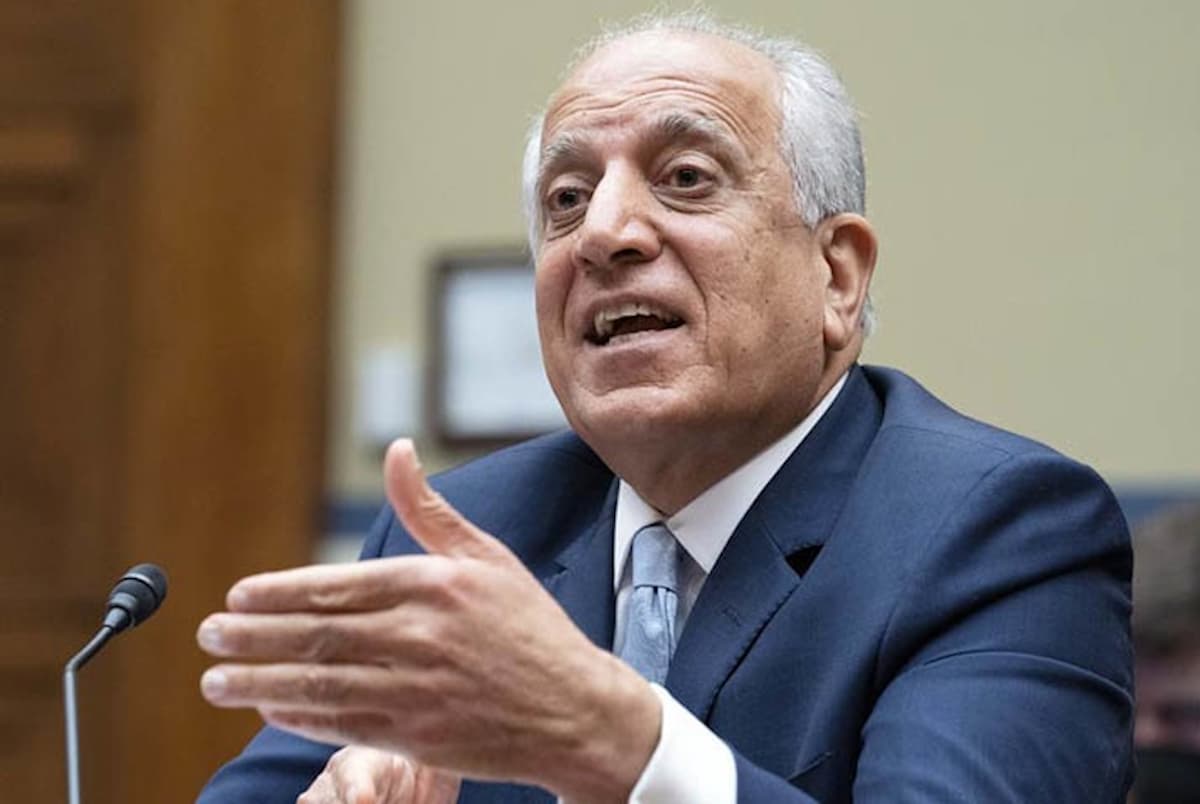
Architect of Botched Doha Agreement Angling for a Comeback
Zalmay Khalilzad, the former U.S. special envoy who crafted the 2020 Doha Agreement, is signaling a return to Afghan diplomacy under a prospective second Trump administration. The Doha deal, widely blamed for the rapid Taliban takeover and the chaotic U.S....
By Asia Times – Defense

News•Feb 20, 2026
China’s Submarine Surge Testing Pacific’s Undersea Balance
China’s nuclear‑submarine production has accelerated dramatically, with the Bohai shipyard launching more hulls in 2021‑25 than the entire previous decade and overtaking the United States in annual launches for the first time. The yard now produces roughly two Type‑093B attack...
By Asia Times – Defense

News•Feb 18, 2026
China Gives Lithuania Punishing Silent Treatment over Taiwan
In 2021 Lithuania permitted a Taiwanese representative office to use the name "Taiwan" rather than "Taipei," directly challenging Beijing's One‑China policy. China answered not with public sanctions but with a silent diplomatic freeze, withdrawing embassy staff and removing Lithuania from...
By Asia Times – Defense