
Shangri-La 2026: US Heft, Chinese Reluctance, Indian Reckoning
The 2026 Shangri‑La Dialogue in Singapore underscored a shifting Indo‑Pacific power triangle. The United States, represented by Defense Secretary Pete Hegseth, maintained its hegemonic presence, using the forum to reaffirm its strategic vision. China, despite its massive $336 billion defense budget, sent a downgraded delegation amid high‑level corruption probes, signaling diplomatic discomfort. India, for only the second time in the forum’s history, arrived with a 15% budget boost to $91 billion and record defence exports, marking a decisive, though still limited, rise.
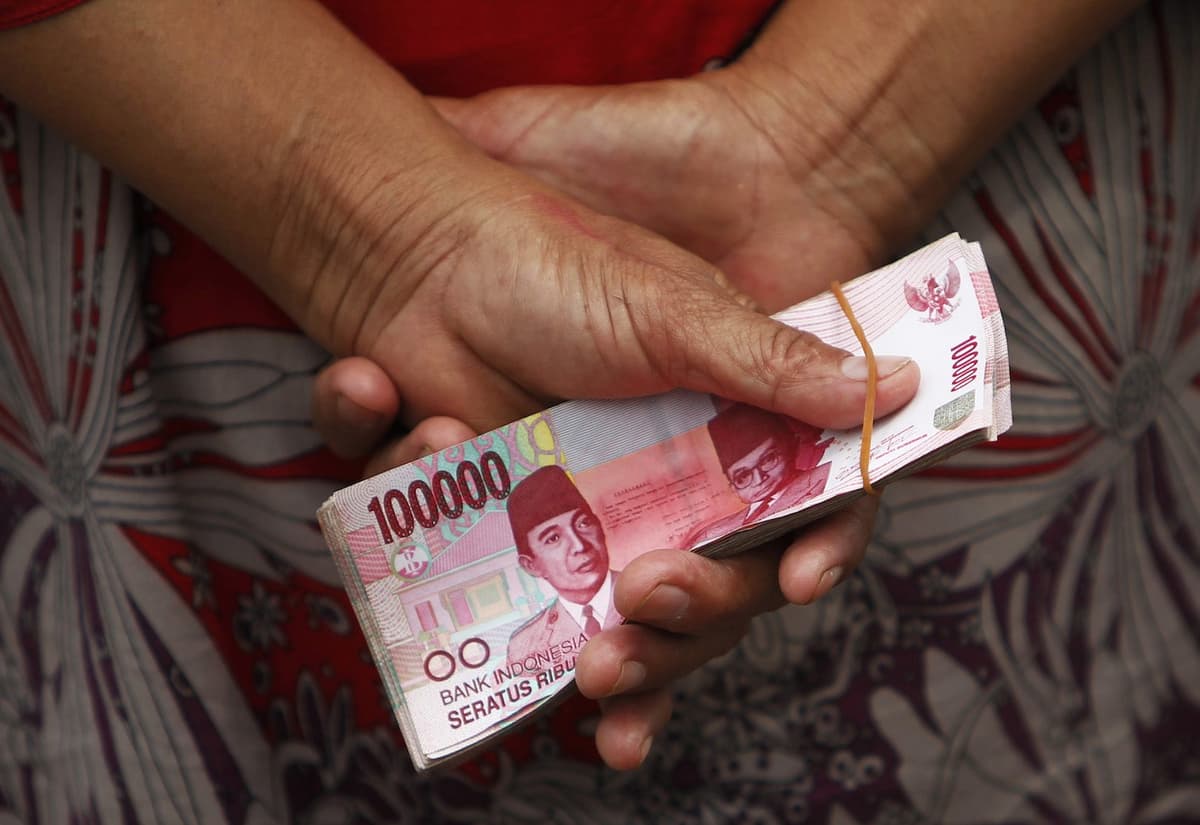
The Leakage and Lies Keeping Indonesia’s Rupiah Weak
Indonesia’s massive trade surpluses have failed to strengthen the rupiah because exporters routinely under‑invoice and use aggressive transfer pricing to shift profits offshore. Government estimates place cumulative revenue loss at roughly $908 billion (about 15,400 trillion rupiah) from 1991‑2024, with a single...

A Credible and Safe Path to Chinese Financial Liberalization
China seeks deeper global market access and renminbi internationalization, yet fears the instability that rapid capital‑account liberalization has caused in other emerging economies. Traditional debates frame the choice as either faster openness with higher risk or cautious control with limited...
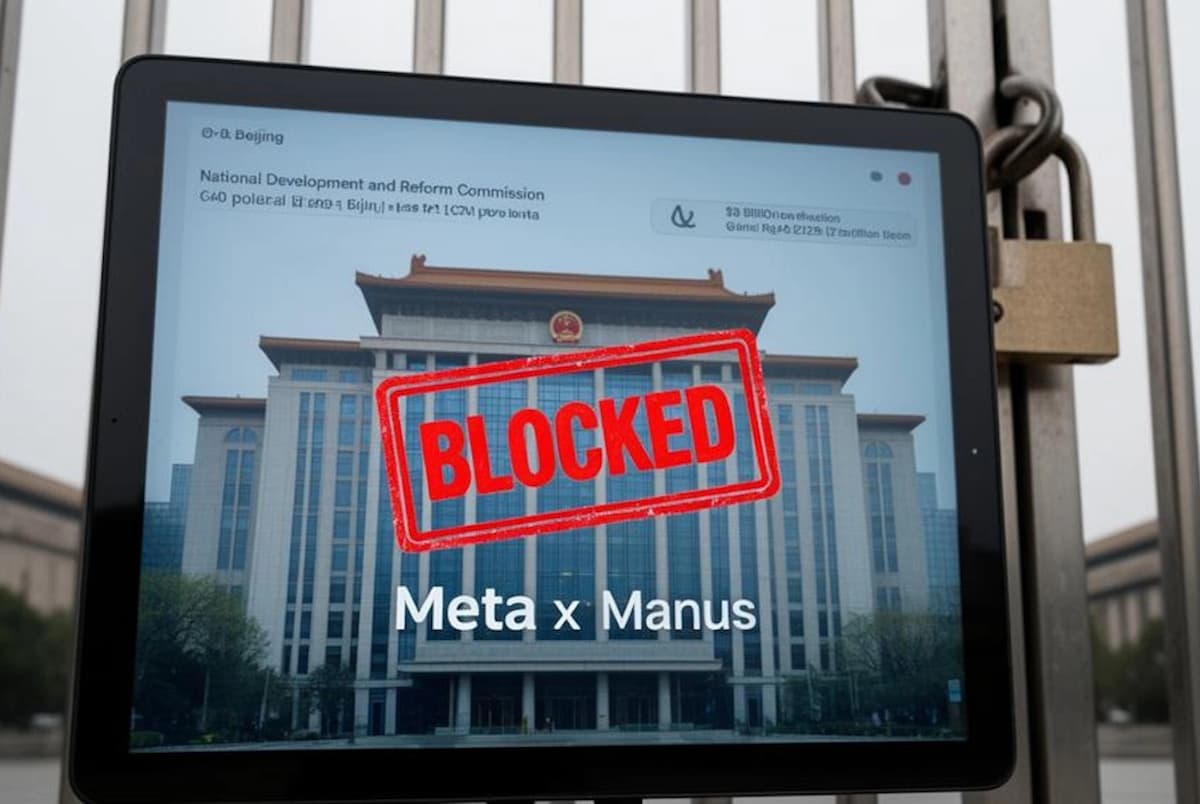
Why ‘Singapore Washing’ Will Never Be the Same
China’s National Development and Reform Commission blocked Meta’s planned $2 billion acquisition of AI‑agent startup Manus, the first major enforcement against the so‑called “Singapore washing” model. The move revealed that relocating a Chinese‑origin firm to Singapore does not shield it from...
Taiwan’s Boom a Leveraged Bet on AI Irrational Exuberance
Taiwan’s stock market vaulted into the world’s top five, driven by an AI‑fuelled semiconductor surge that lifted TSMC 46% this year and pushed the benchmark to a $4.95 trillion valuation. The chipmaker alone represents about 42% of the index, anchoring the...
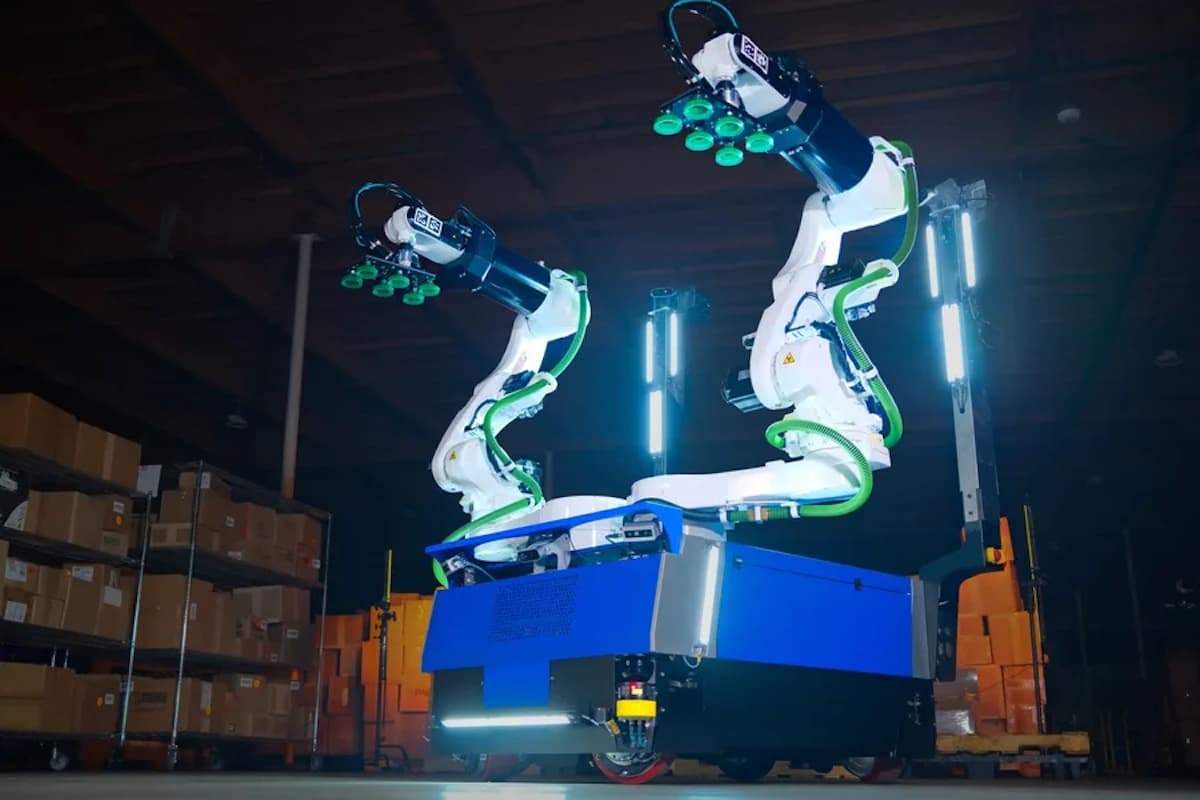
Kawasaki Heavy Industries Opens Physical AI Center in Silicon Valley
Kawasaki Heavy Industries (KHI) opened a Physical AI Center in San Jose, California, to fuse artificial intelligence with robotics for real‑world applications. The lab partners with Nvidia, Analog Devices, Microsoft and Fujitsu to develop end‑to‑end solutions, starting with healthcare and elder‑care....
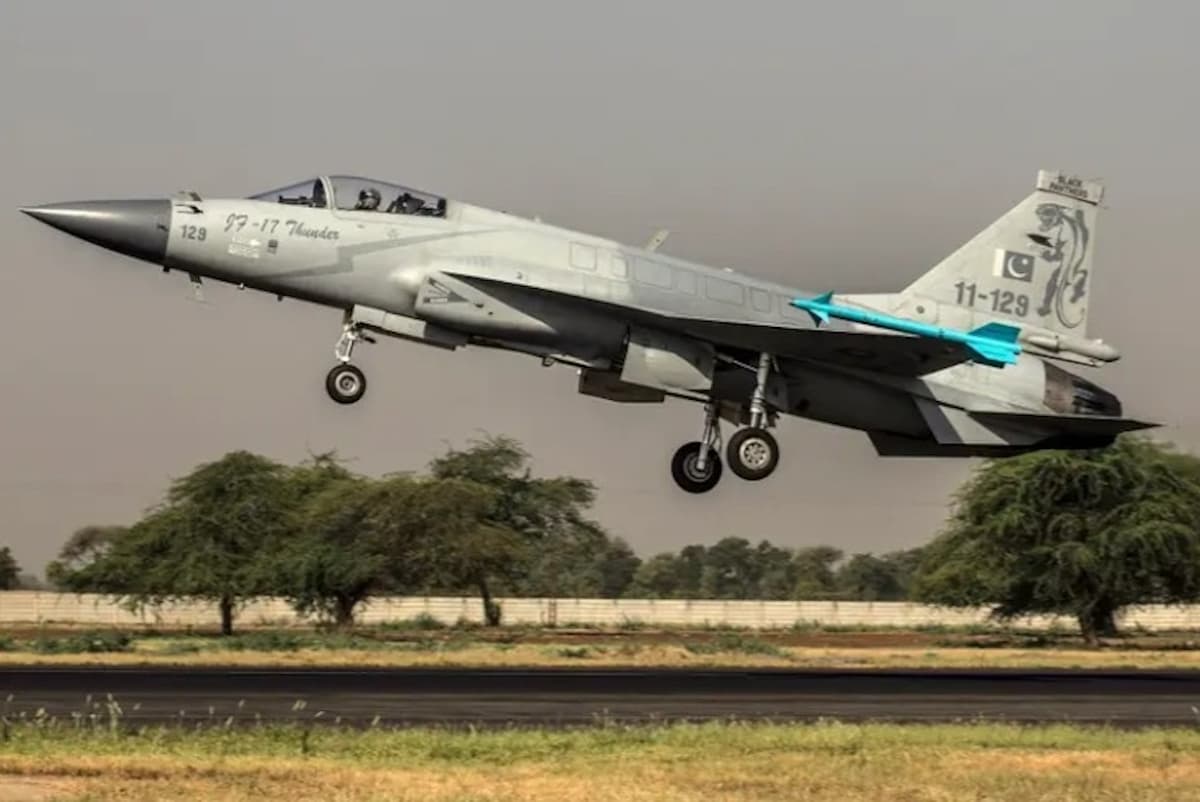
Bangladesh’s JF-17 Fighter Bid Rattles India’s Eastern Flank
Bangladesh is moving toward acquiring China‑Pakistan‑built JF‑17 Thunder Block III fighters, after Pakistan delivered a fully operational flight simulator. The new multirole jets would replace aging MiG‑29 and F‑7 aircraft, narrowing the air‑power gap with India but not eroding India’s overall...

Next Power Move in China’s SE Asia Strategy Is Nuclear
China is positioning nuclear technology as a cornerstone of its influence in Southeast Asia, offering turnkey projects, financing and long‑term fuel supply. Countries such as Vietnam, the Philippines and Indonesia are moving toward reactors, while China’s Hualong One design dominates...

AI Boom, Not Oil Shock, Driving Real Yields Structurally Higher
Ten‑year U.S. Treasury yields are hovering near 4.5% even as breakeven inflation stays modest, reflecting a structural shift rather than a temporary oil or geopolitical shock. Investors are pricing in massive AI‑driven capital spending by firms like Microsoft, Amazon, Alphabet...
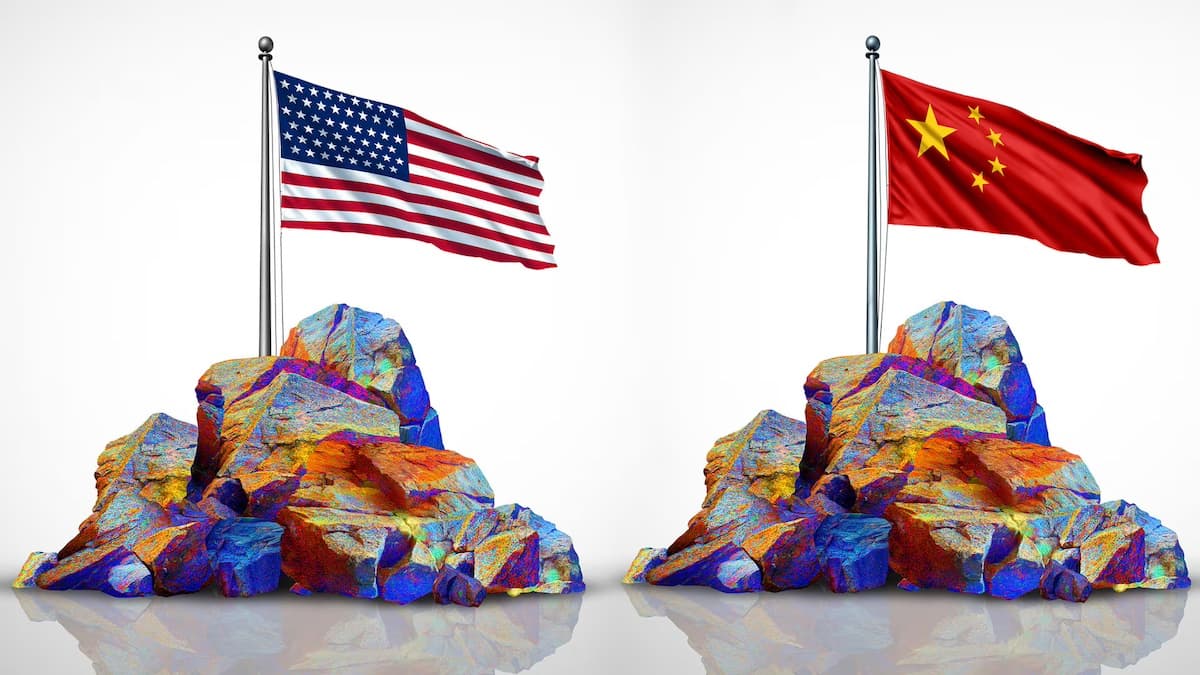
Resource Dominance Reshaping Trump’s Rivalry with China
The May 2026 Trump‑Xi summit turned a routine trade meeting into a showcase for resource diplomacy. China pledged to buy at least $17 billion of U.S. agricultural products annually through 2028 and signaled interest in more U.S. oil to hedge Hormuz risks....
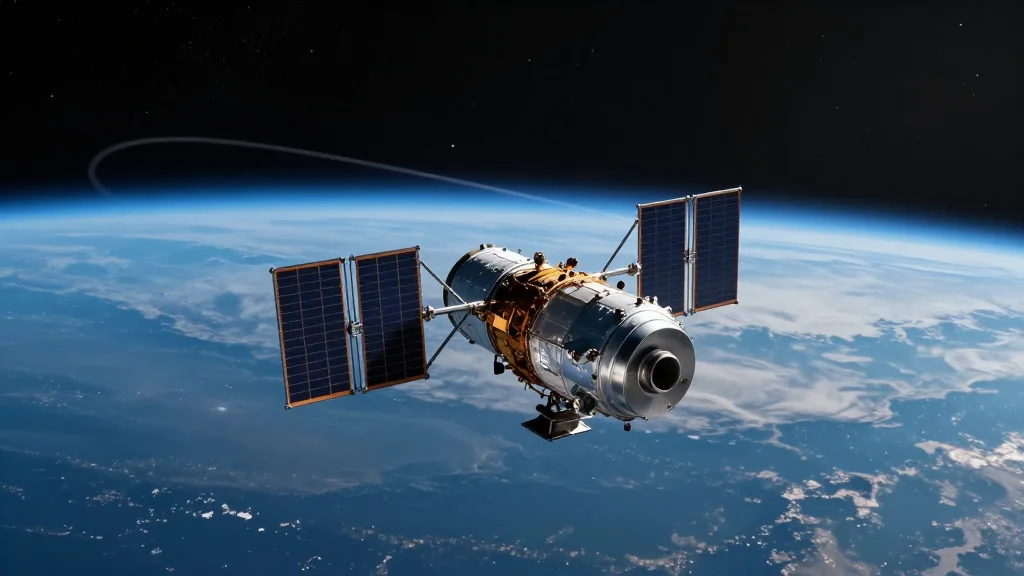
Russia’s Military Satellite Moves Signal New Ukraine War Surge
Between May 14 and 20, Russia repositioned five of its newly launched Cosmos military satellites to an orbital inclination of 97.8°, aligning them with the Finnish‑American SAR satellite ICEYE‑X36 that Ukraine uses for battlefield intelligence. ICEYE‑X36, launched on a SpaceX Falcon 9, has already...

Blowing up the World
The article argues that the recent blockade of the Strait of Hormuz is the latest symptom of a broader fragmentation of the post‑Cold‑War trade order. President Donald Trump claimed on social media that a multilateral peace deal would soon reopen...

Azov’s Drones Return to Mariupol as Ukraine Expands Its Kill Zone
On May 8, Ukraine’s 1st Azov Corps released footage of reconnaissance and strike drones patrolling the Russian‑occupied city of Mariupol, the first aerial operation by the famed Azov unit since its 2022 stand at Azovstal. The flights, described as a “patrol,”...

Beijing Bans Nvidia’s Top Graphics Card to Back Domestic Rivals
Beijing has added Nvidia's RTX 5090D V2 graphics card to its banned‑goods list, ending the sale of a Blackwell‑based GPU that was marketed to Chinese gamers and AI hobbyists. The ban follows the Trump‑Xi summit and reflects escalating U.S. export controls that...

US Air Losses over Iran May Grimly Foreshadow China War Risks
The Congressional Research Service reports that the United States lost or damaged 42 aircraft during the February 2026 Operation Epic Fury campaign against Iran, including four F‑15E fighters, an F‑35A, an A‑10, multiple KC‑135 tankers, an E‑3 AWACS, and 25 drones. Iranian air...