
Asian Currencies Wilting in the Iran War’s Heat
Asian currencies are sliding as the Iran‑Israel conflict pushes oil above $120 a barrel and fuels capital outflows. In India, the rupee fell to a fresh record low of 95.34 per dollar, prompting the RBI to lean on its $700 billion reserve pool, cap bank foreign‑exchange exposure at $100 million and tighten NDF rules. Indonesia’s rupiah has slipped back to the 17,000 per dollar level, the first breach since the 1997‑98 crisis, while Bank Indonesia readies further monetary tightening. Japan intervened for the first time since 2024, sending the yen up 3%.
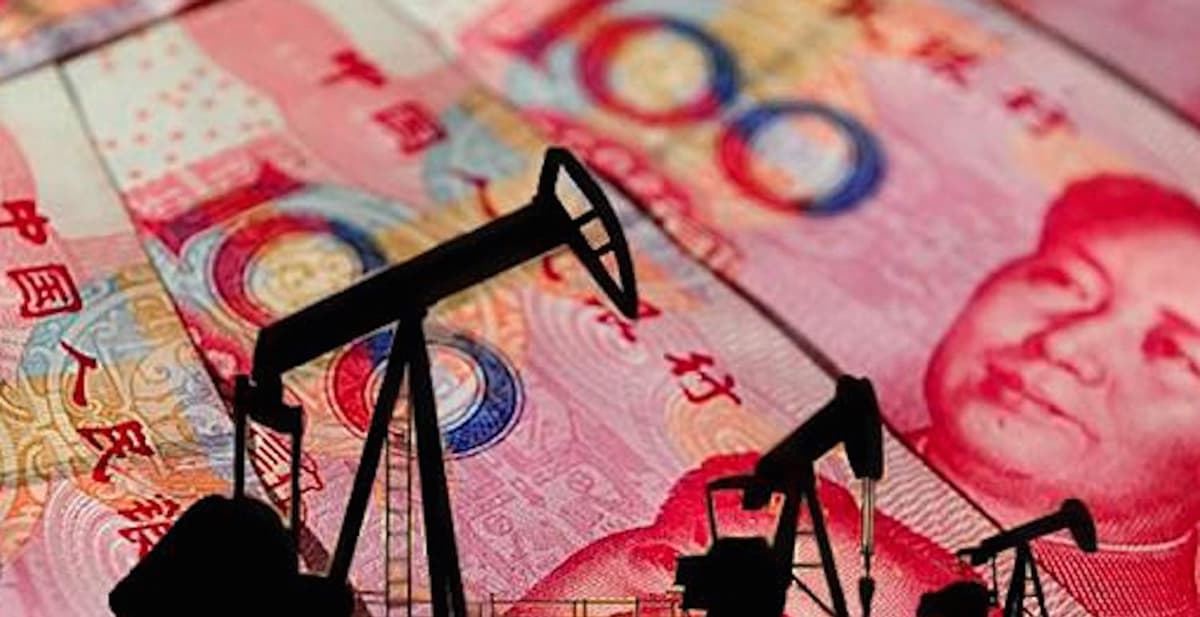
UAE’s OPEC Exit Hands Asia a Petroyuan Moment
On May 1, 2026 the United Arab Emirates formally quit OPEC after nearly six decades, ending its participation in the cartel that underpins the petrodollar system. The departure frees Murban crude from the organization’s dollar‑only pricing rules, allowing contracts to...

What Alternatives Do Gulf States Have to the Strait of Hormuz?
The Strait of Hormuz, which moves roughly 20 million barrels of oil and a fifth of global LNG each day, remains largely closed two months into the Iran‑UAE conflict. Saudi Arabia's East‑West Petroline and the UAE's Adcop together supply only 3.5‑5.5 million...
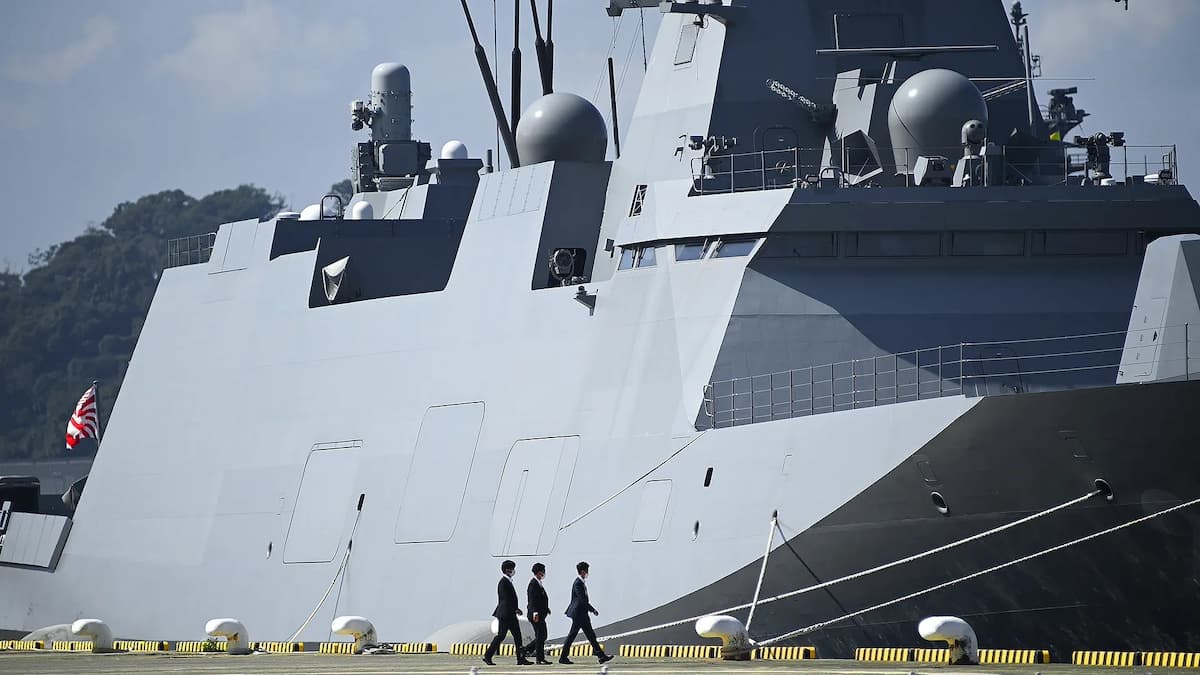
Japan-Australia Frigate Deal About Far More than 11 Warships
The “Mogami Memorandum” signed aboard the JS Kumano in Melbourne formalizes a $14.4 bn contract for 11 next‑generation Mogami‑class frigates for the Royal Australian Navy. Japan will build the first three vessels in Nagasaki and the remaining eight at Henderson, Western Australia,...

India’s Softer Tone on Bangladesh Hits a Hard Note in Assam
Assam Chief Minister Himanta Biswa Sarma publicly said he hopes India‑Bangladesh relations worsen, prompting Bangladesh to summon India’s acting High Commissioner on April 30. The remarks expose a clash between Assam’s anti‑migration rhetoric and New Delhi’s broader push to reset ties...

Iran Ceasefire Owes to Rapidfire Depletion of Key US Weapons
The United States announced a cease‑fire with Iran on April 7, 2026 after 40 days of fighting, but the pause comes as U.S. weapon stocks are rapidly dwindling. In the first month of Operation Epic Fury the military expended more...

Taiwan’s Cheng Will Face a Tough Crowd on US Visit
Cheng Li‑wun, chair of Taiwan’s Kuomintang, will travel to the United States in June after recent talks with China’s leader Xi Jinping. She intends to pitch a cross‑Strait peace formula while still courting U.S. arms sales, a stance that clashes with...

North Korean Oppression Is a Security Strategy, Not a Side Issue
During an April 22 House Armed Services Committee hearing, Gen. Xavier Brunson described China and Russia as the two halves of an Oreo with North Korea sandwiched between, highlighting a new strategic alignment. The article notes that Pyongyang has deployed...

Seoul Pivots Southward Again, Restructuring for Strategic Autonomy
South Korea’s new Southern Pivot, driven by President Lee Jae Myung, seeks strategic autonomy by upgrading ties with Singapore, Indonesia, the Philippines, India and Vietnam. In 2026 the administration elevated each relationship to a higher partnership tier, including a unique...

Trump’s Golden Dome Exposed as False Sense of Security
A recent Senate hearing highlighted that the United States’ homeland missile defenses are ill‑matched to today’s diverse, high‑speed threats. The Ground‑Based Midcourse Defense, the sole system against intercontinental ballistic missiles, has a 57% success rate in 21 tests and fields...
UAE’s OPEC Exit Signals New Global Oil Order
The United Arab Emirates announced its exit from OPEC and OPEC+, citing a need for greater production flexibility that aligns with its broader diversification into logistics, finance, aviation, and technology. The move highlights growing strategic divergence among Gulf states, as...
Three Ways South Korea Can Buy Alliance Insurance
South Korea is weighing three "alliance‑insurance" moves to reduce reliance on an increasingly unpredictable United States. The options include fast‑tracking membership in the Comprehensive and Progressive Agreement for Trans‑Pacific Partnership (CPTPP), lifting its long‑standing ban on lethal arms sales to...

Singapore’s AI Neutrality Is Cracking Under US-China Pressure
Singapore’s long‑standing claim of political neutrality is being tested as U.S. and Chinese pressures converge on its AI ecosystem. This week Chinese regulators forced Meta to unwind its $2 billion acquisition of Singapore‑based AI startup Manus, signaling that a company’s origin...
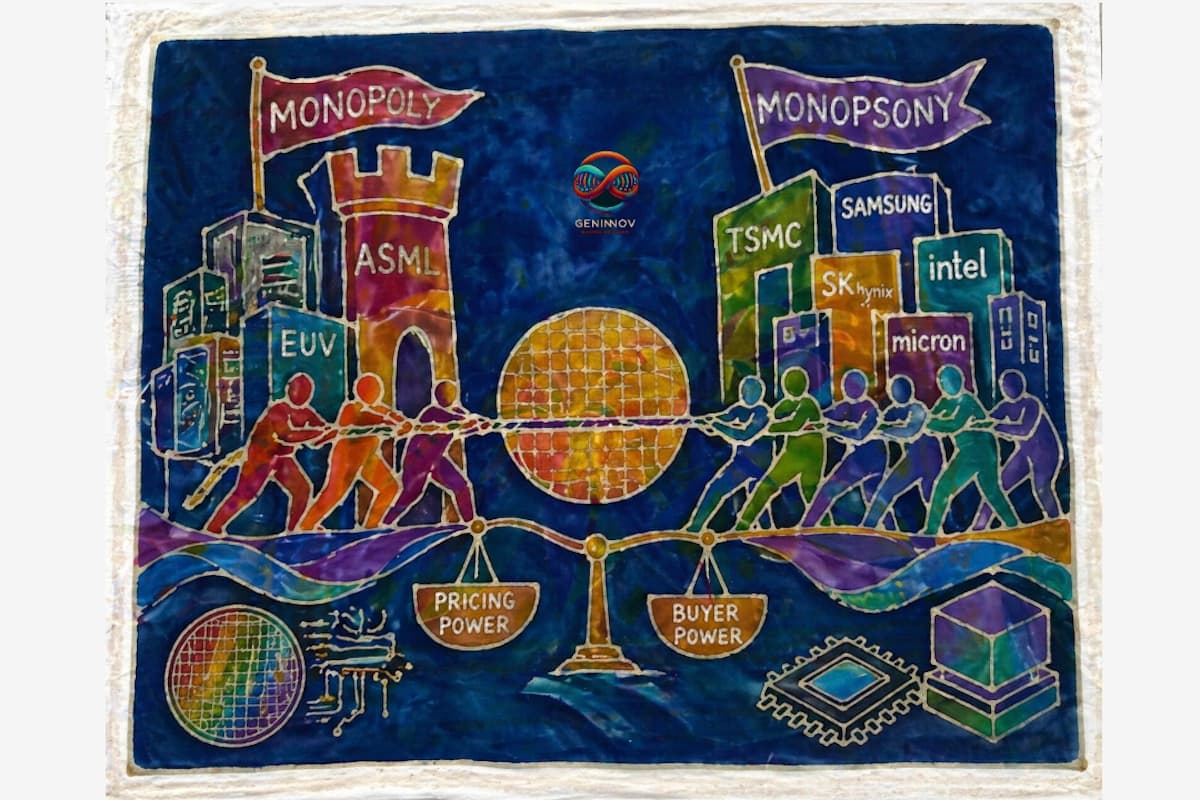
ASML as the Last Polite Monopolist
TSMC has publicly challenged ASML’s €350 million (≈$381 million) price for its upcoming High‑NA EUV lithography tools, highlighting a rare clash between the world’s sole EUV supplier and its dominant fab customer. The article argues that while equipment catalogs are open, the...

Trump Uses Assassination Try to Justify Expanding Spying Powers
President Donald Trump used the recent White House Correspondents’ Dinner shooting to argue for extending Section 702 of the Foreign Intelligence Surveillance Act, which is set to expire Thursday. Section 702 allows the U.S. intelligence community to collect foreign communications without a...
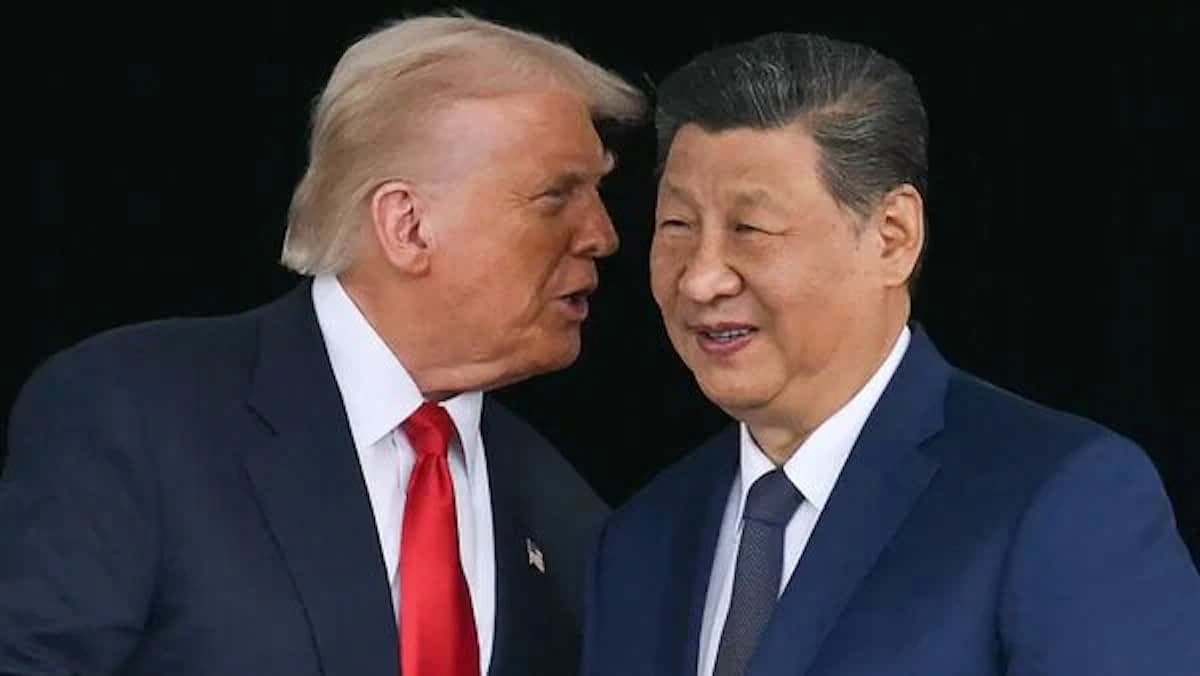
Trump’s ‘Madness’ Masks Calculated Quest for a Bipolar World
Since returning to the White House in January 2025, Donald Trump’s foreign policy has appeared erratic—insulting allies, threatening tariffs, and launching bold military actions in Venezuela and Iran. Beneath the chaos lies a calculated effort to forge a bipolar world order...
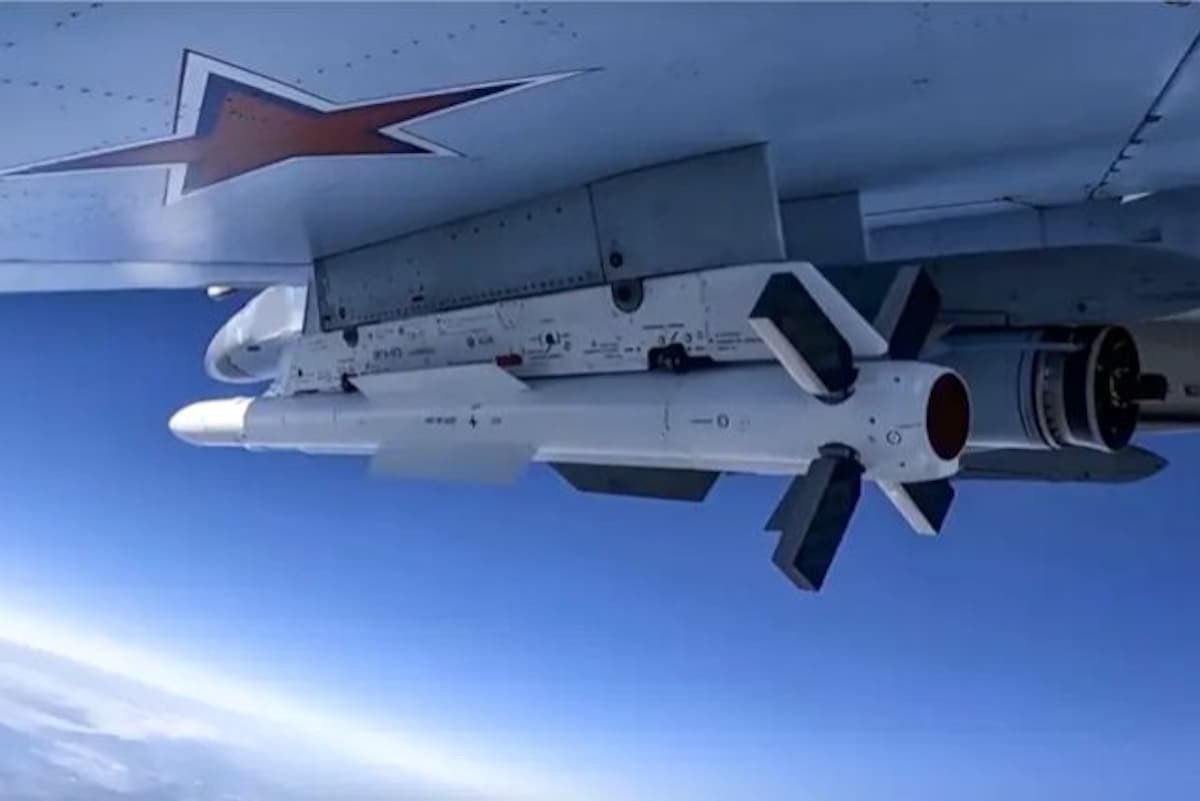
India Turns to Russian Missiles to Counter China-Backed Pakistan
India has signed a $1.2 billion contract to buy roughly 300 Russian R‑37M ultra‑long‑range air‑to‑air missiles, slated for delivery within 12‑18 months and integration onto Su‑30MKI fighters. The Mach 6, 300‑400 km missile is intended to neutralize high‑value Pakistani assets such as AEW&C...
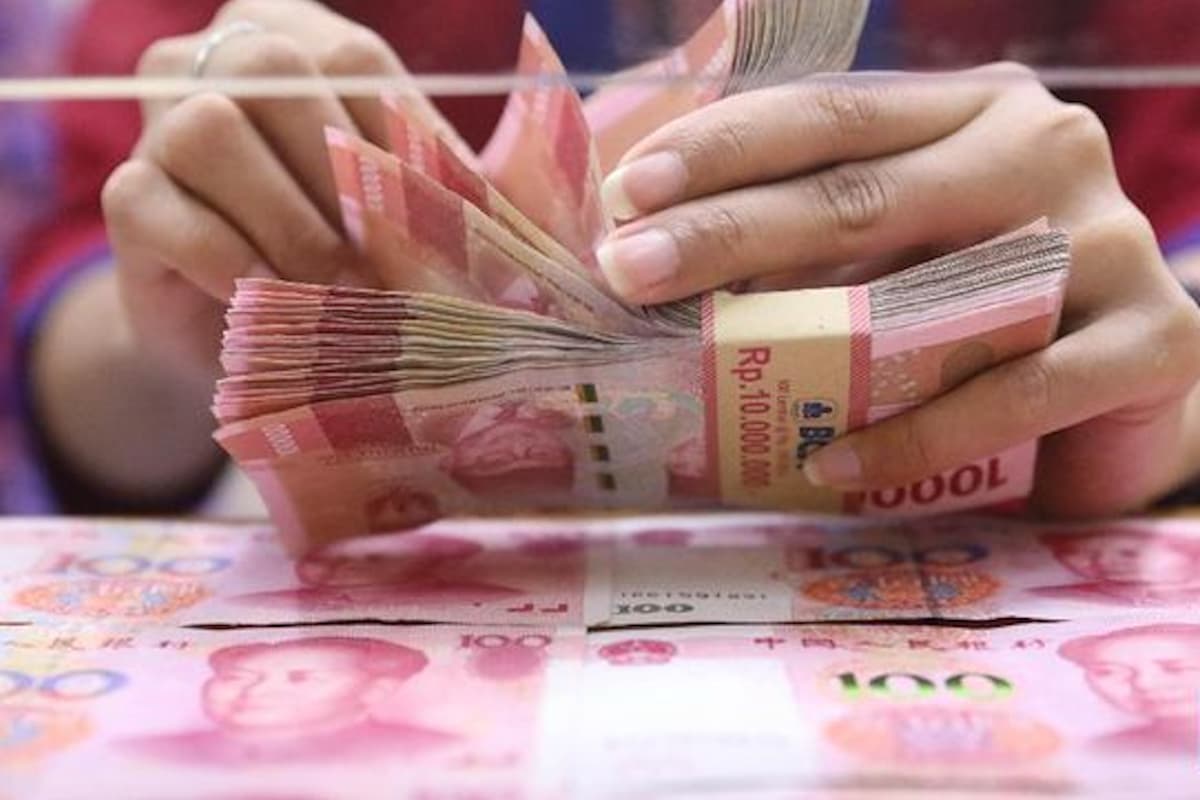
China’s Sovereign Debt to Debut in SE Asia’s Largest Economy
China and Indonesia have signed a reciprocal sovereign bond agreement allowing China to issue yuan‑denominated bonds in Indonesia’s domestic market and Indonesia to sell rupiah‑denominated bonds in China. The deal marks the first institutionalized opening between two of Asia’s largest...
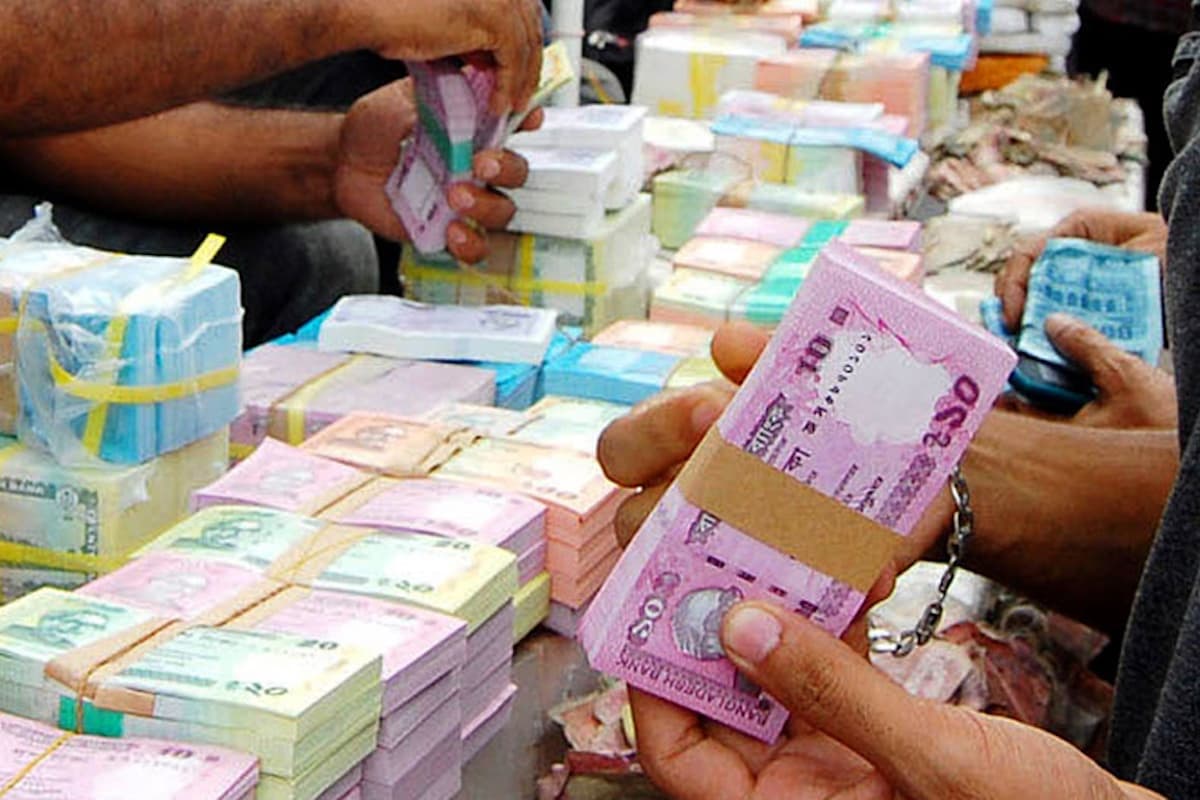
Bangladesh Risks New Inflation Surge by Printing Money
Bangladesh’s central bank injected roughly US$1.65 billion of high‑powered money in February, pushing reserve‑money growth to 13.35% year‑on‑year—more than double the pace a year earlier. The expansion comes as the new government seeks to fund welfare programmes amid a weak fiscal...

Geocultural Forces Reshaping China’s Economic Map
China’s latest provincial GDP per‑capita rankings show Jiangsu and Zhejiang leapfrogging Guangdong, reshaping the nation’s economic map. Guangdong’s share of top‑25 cities by GDP per capita has dropped from nine in 2005 to three today, while Jiangsu and Zhejiang have...
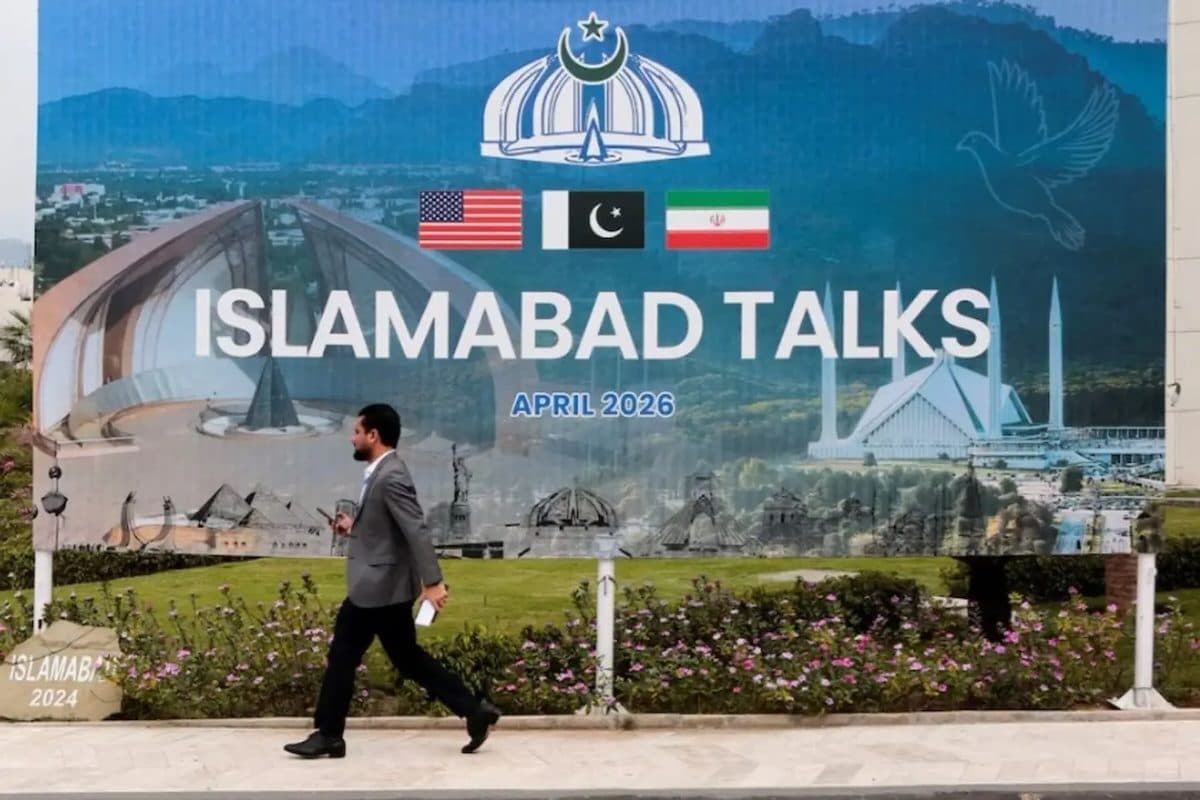
Iran Diplomat Leaves Islamabad, Trump Cancels US Delegation Trip
President Donald Trump abruptly canceled a planned visit by envoys Jared Kushner and Steve Witkoff to Islamabad, ending a last‑minute push for direct talks with Iran. The decision came hours after Iran’s foreign minister Abbas Araghchi departed Pakistan, accusing the...
Iran War Is Accelerating SE Asia’s Drift From America
The US‑Israel‑Iran war is prompting Southeast Asian countries to reassess their security ties with Washington. Recent friction over a US‑Indonesia defence pact and over‑flight rights highlights growing wariness of American commitments. A 2026 ISEAS‑Yusof Ishak Institute survey shows a narrow...
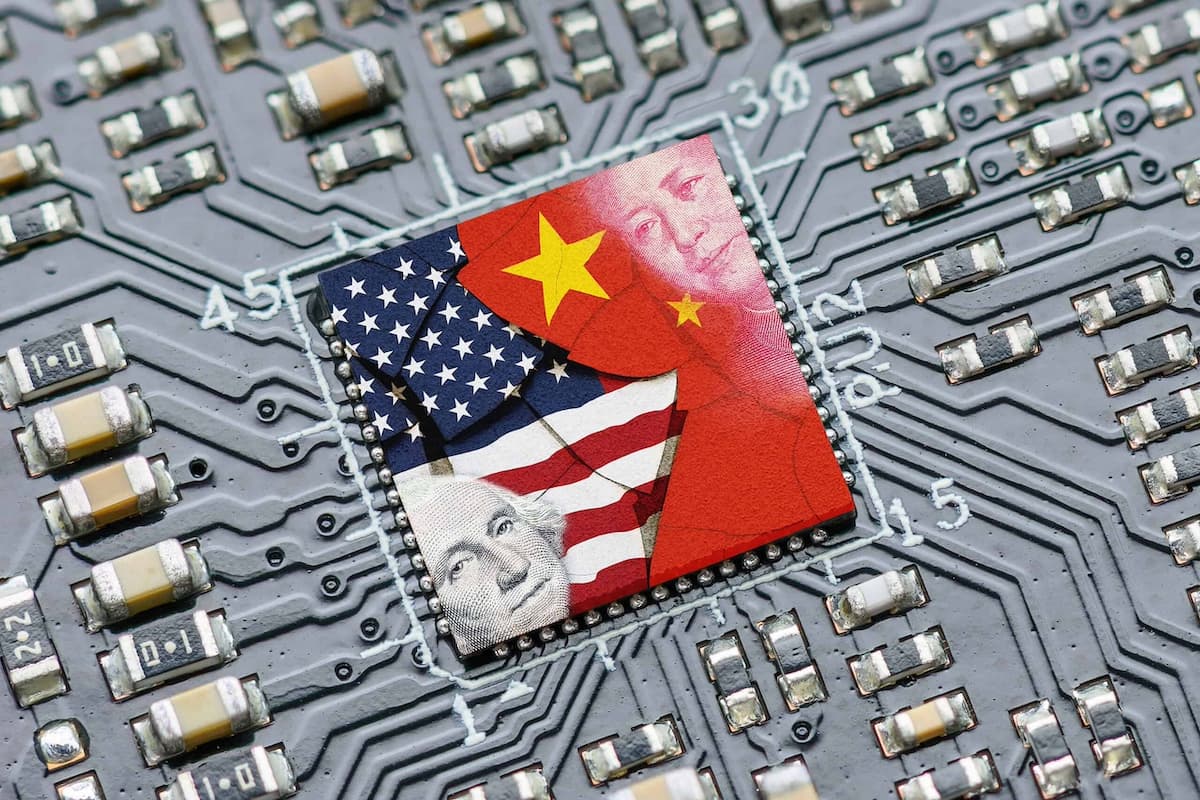
US Chasing AGI Myth While China Builds the AI Future
The United States has built its AI strategy around the ill‑defined goal of artificial general intelligence, prompting massive but uncertain investments. Researchers cannot agree on a single AGI definition, making policy targets unstable. China, meanwhile, emphasizes rapid AI deployment across...

US Sounds Alarm on China’s AI Distillation as DeepSeek V4 Debuts
The White House announced plans to curb unauthorized AI model distillation after evidence that Chinese firms, notably DeepSeek, are extracting capabilities from U.S. frontier models. DeepSeek unveiled its V4 system, claiming performance close to GPT‑5.2 and Gemini‑3.0‑Pro, using a new...
Hegseth Calls Iran War Trump’s ‘Gift to the World’
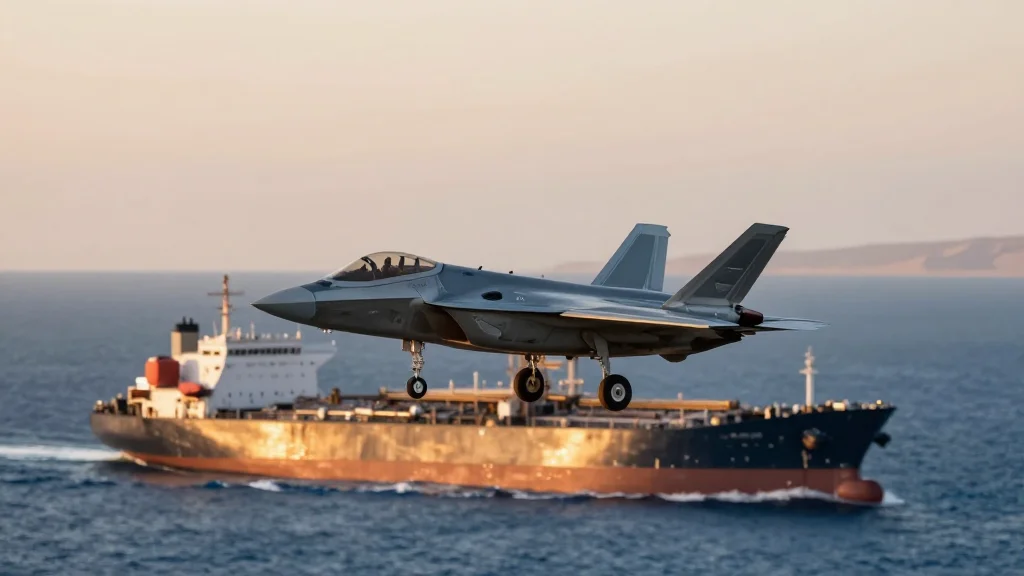
U.S. Defense Secretary Pete Hegseth again lauded President Donald Trump’s decision to launch a war with Iran, calling it a “gift to the world” despite the conflict’s $60 billion price tag for American taxpayers. The war has triggered a global oil...
Why Japan Should Help Pay for Indonesia’s Coal Exit
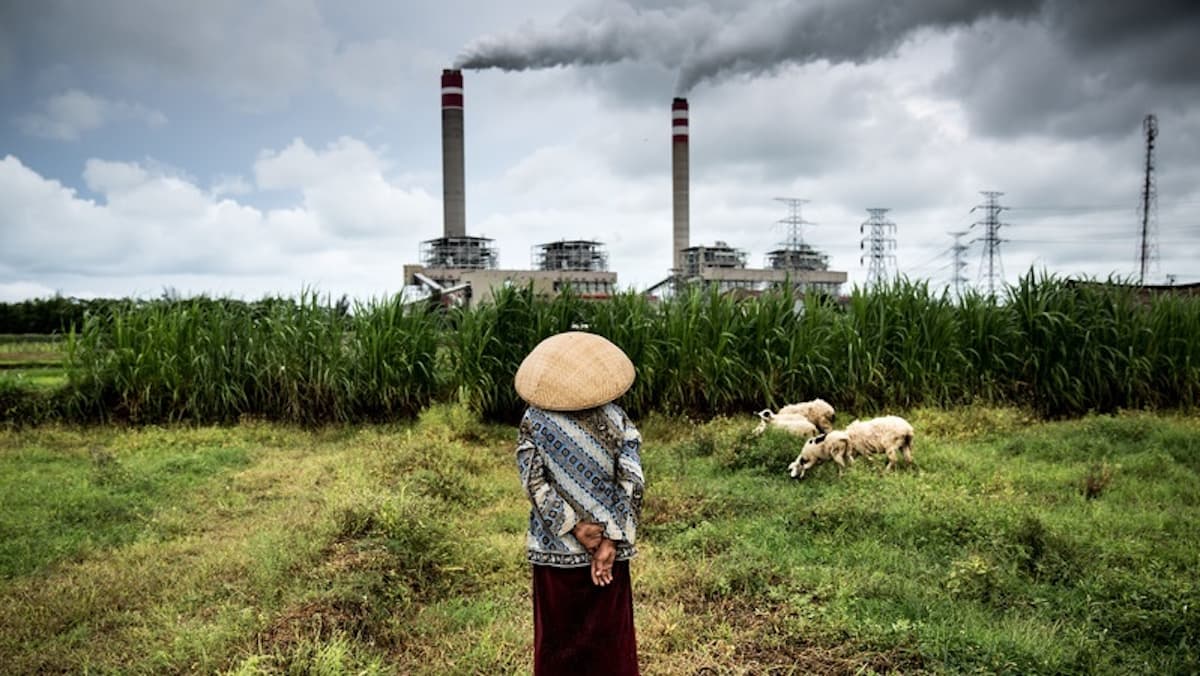
Indonesia, one of the world’s largest coal producers, faces a pivotal transition as it pledges net‑zero emissions and renewable expansion. The authors argue that a bilateral Japan‑Indonesia just‑transition fund, focused on coal‑dependent provinces such as West Java and East Kalimantan,...
Trump Should Just Finish the Job on Iran
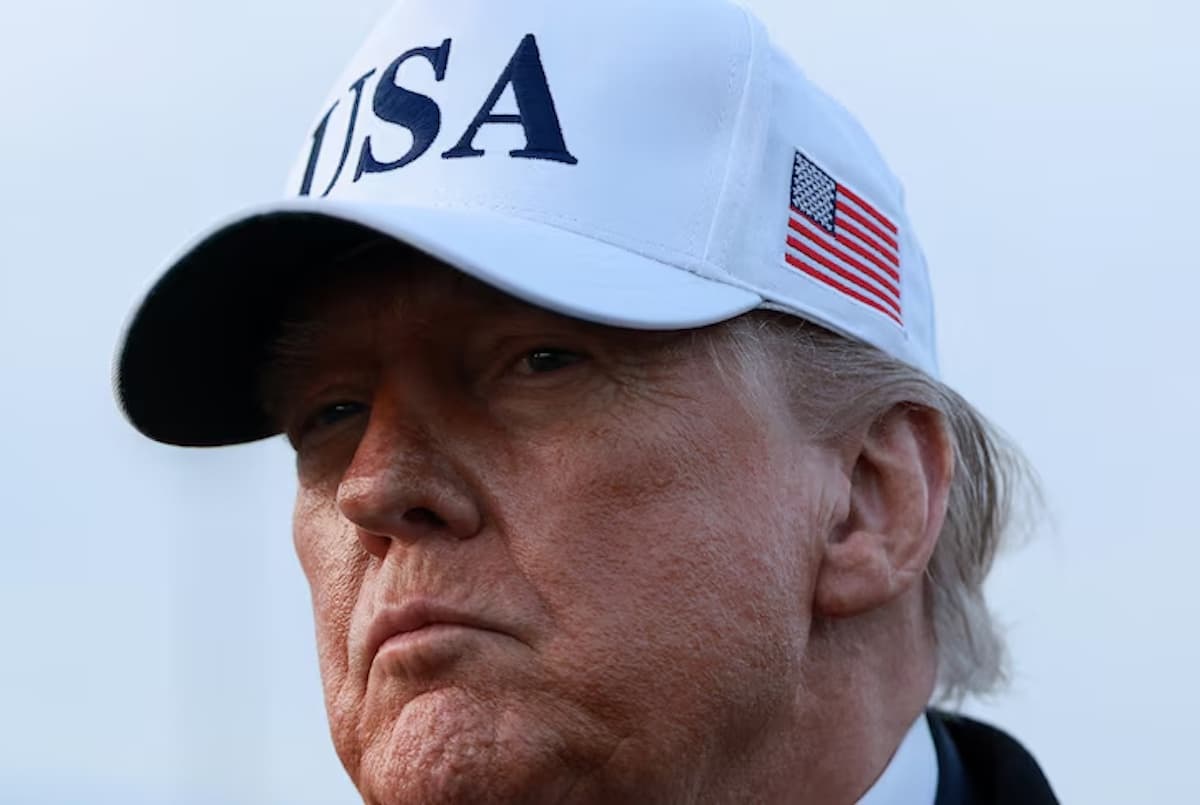
President Trump halted Operation Epic Fury in April 2026 after two weeks of heavy strikes on Iran, declaring an indefinite cease‑fire while naval blockades in the Strait of Hormuz persisted. Admiral Brad Cooper had asked for an extra 14 days to finish a...

AI Boom Is Hiding Korea’s Next Crisis
South Korea’s KOSPI surged to a record 6,400 in early 2026, propelled by AI‑driven demand for semiconductors from Samsung and SK Hynix. Despite the rally, the economy faces deep structural challenges, including chaebol concentration, soaring household debt, and a rigid...
Global Shipping Order May Never Recover From Hormuz
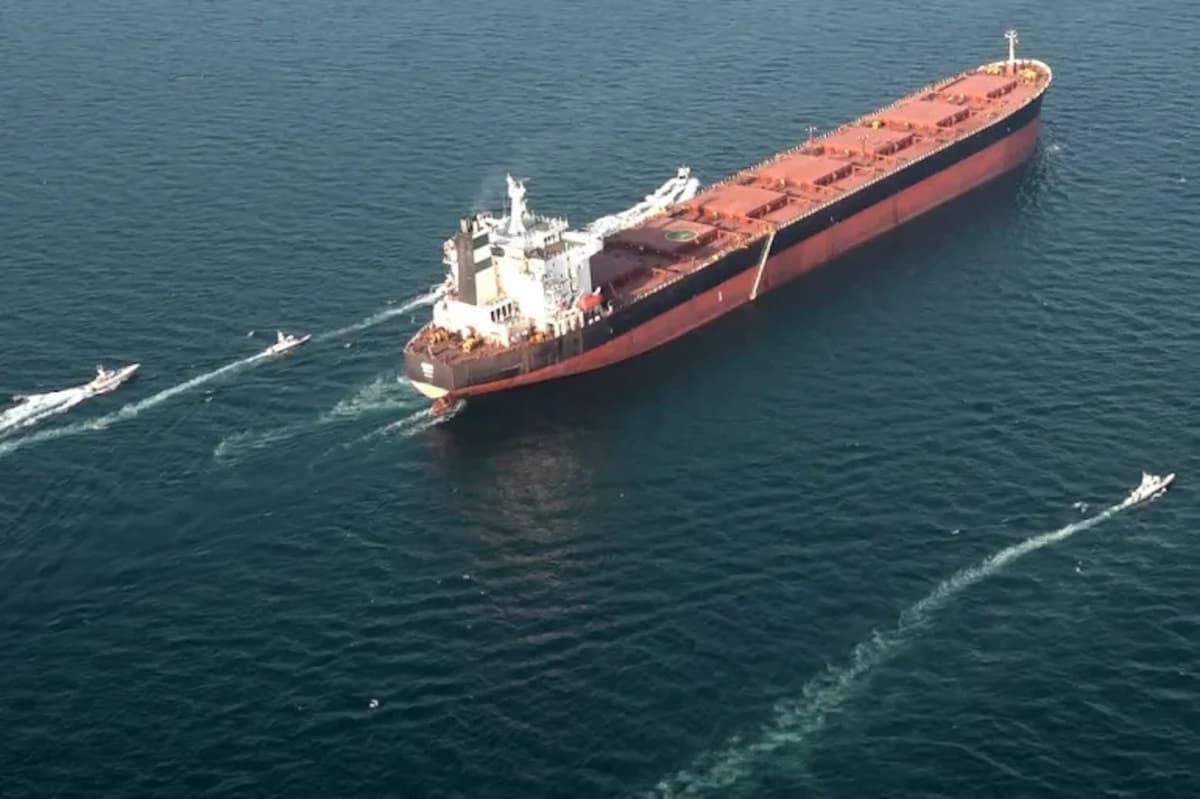
Escalating U.S.–Iran confrontations in the Strait of Hormuz have caused shipping traffic to plunge, despite a new $40 billion U.S. maritime insurance fund aimed at stabilizing the route. The strait, which moves roughly 25% of global oil and 20% of LNG,...
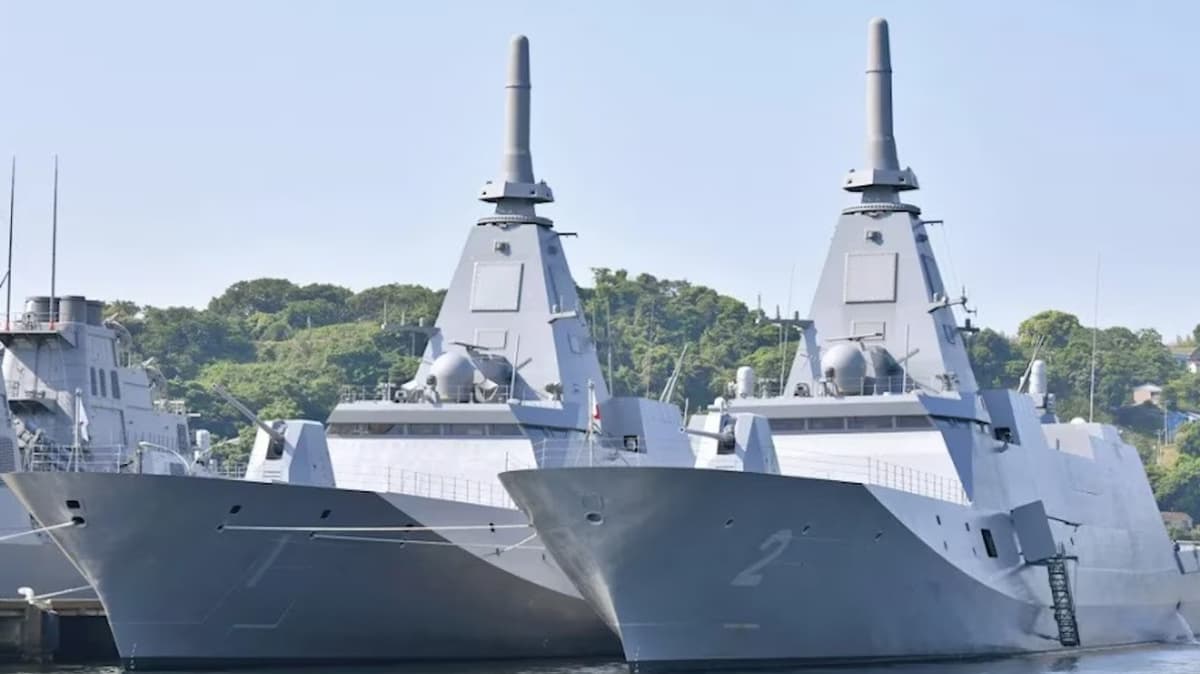
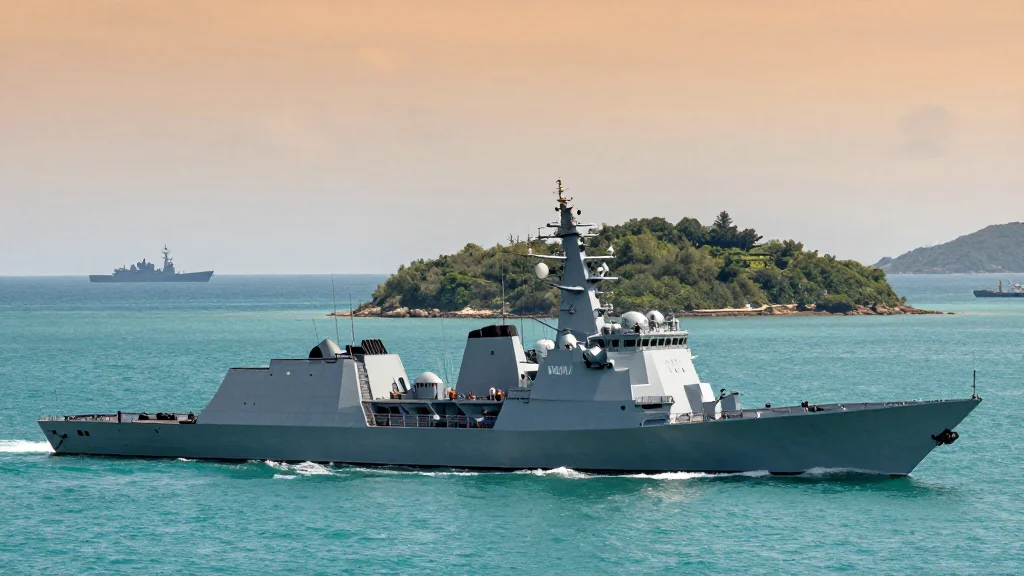
China’s Rising Threat Looms over Japan-Australia Frigate Deal
Japan and Australia have signed a A$10 billion (≈US$6.8 billion) contract to deliver 11 next‑generation frigates, with three built by Mitsubishi in Japan for delivery by 2029 and eight to be assembled in Western Australia. The anti‑submarine, surface‑strike and air‑defence vessels will...
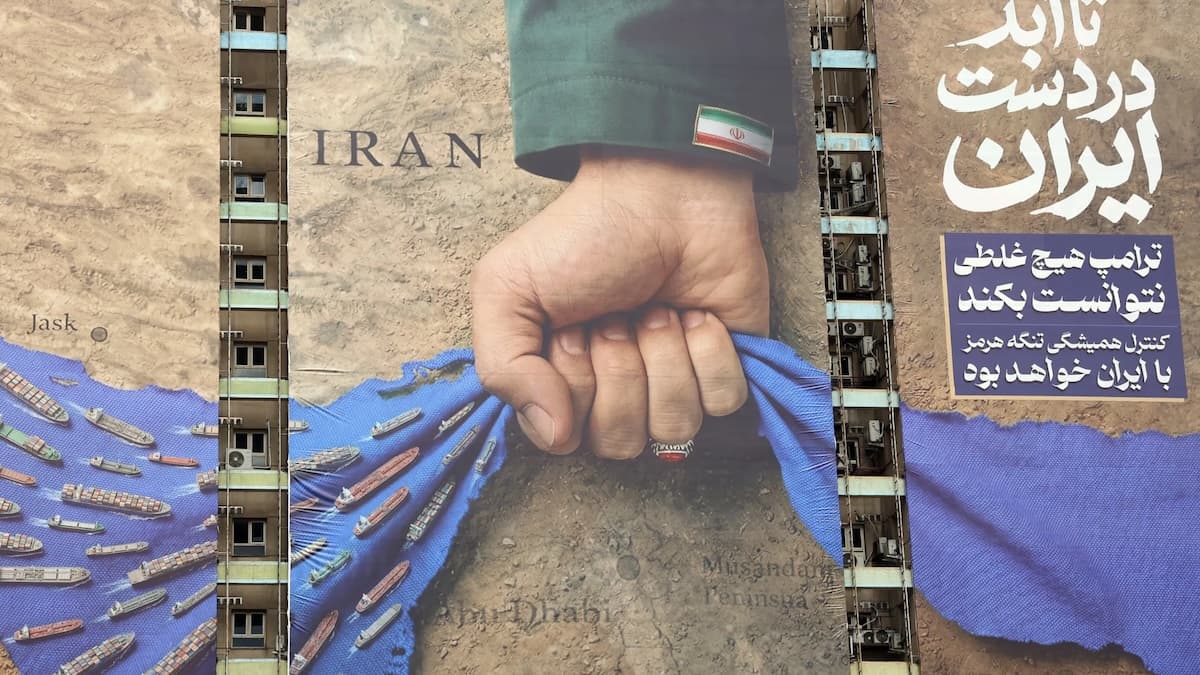
Middle East Conflict Looks Increasingly Like a War Nobody Can Win
The ongoing war between the United States, Israel and Iran has settled into a stalemate where military superiority does not translate into political victory. Tehran’s objective is simply to survive and outlast its opponents, leveraging the Strait of Hormuz and...
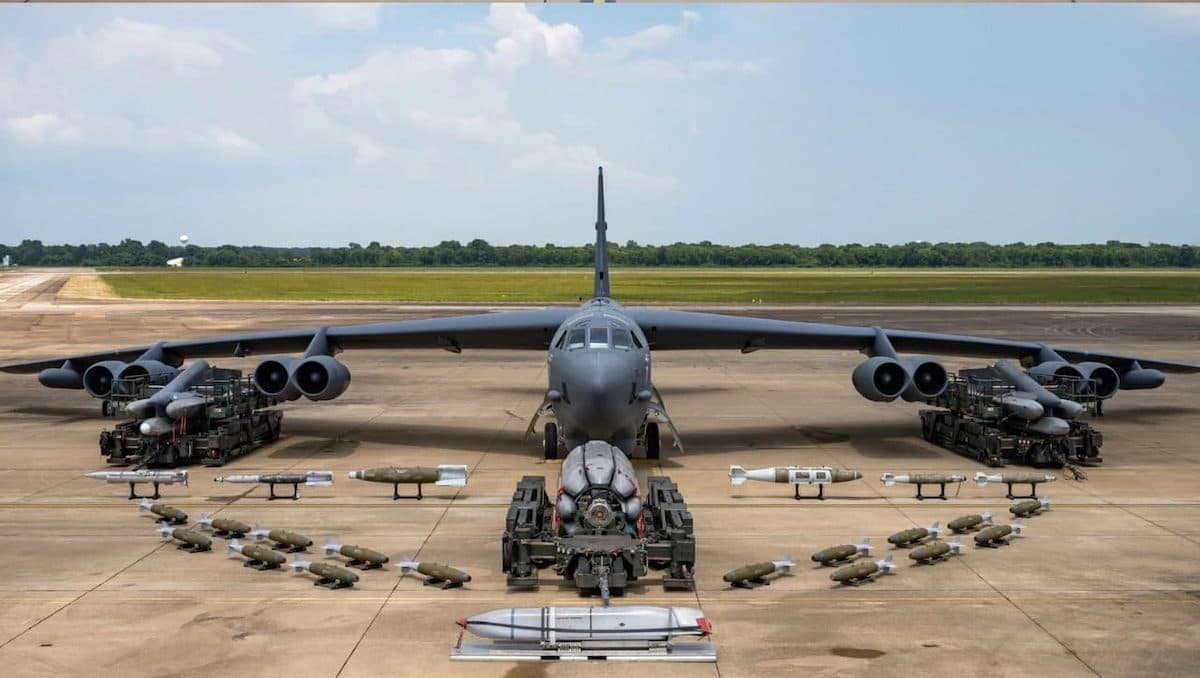
Spy Drones Are Compromising America’s Nuclear Triad
In early March, a series of high‑altitude drones repeatedly breached the airspace of Barksdale Air Force Base, a key site for the U.S. B‑52 strategic bomber fleet. The incursions forced a halt to flight operations, evaded handheld jammers, and displayed...
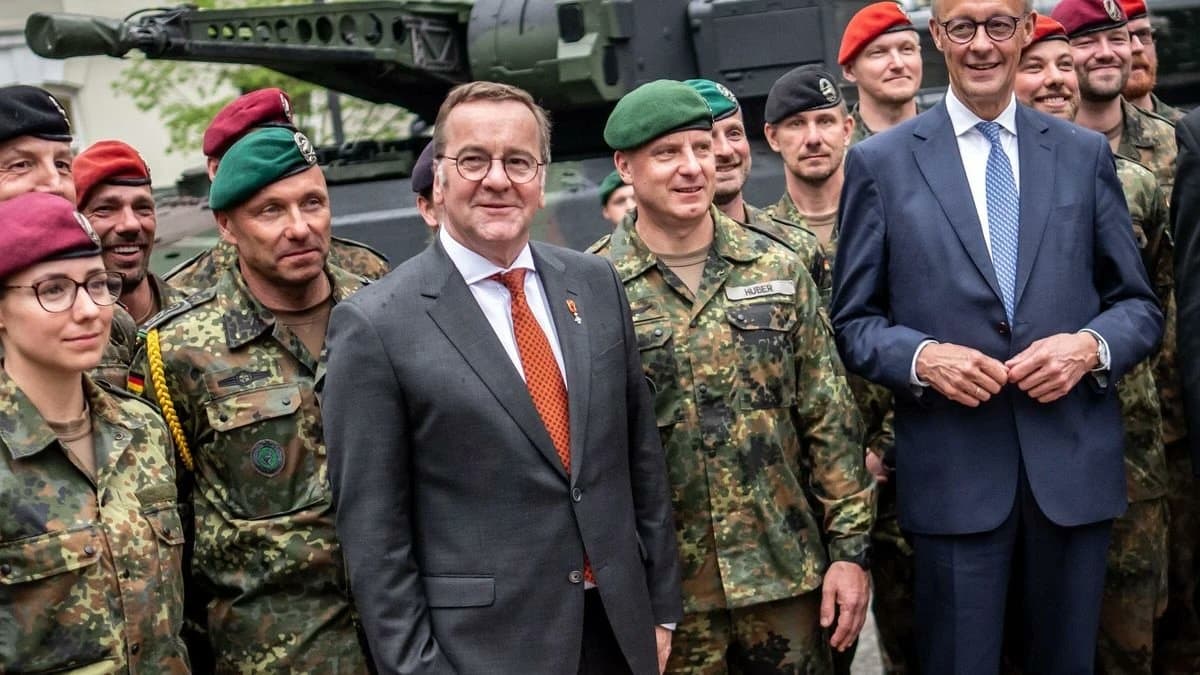
Merz Rearming Germany to Free Europe From Big Power Intimidation
Germany unveiled a $1 trillion re‑armament program aimed at transforming the Bundeswehr into Europe’s most powerful conventional force. The plan calls for expanding troop strength from 200,000 to 460,000 and fielding AI‑enabled air‑defence, long‑range missiles, drones and deep‑strike rockets by 2035....

ICC Confirms All Charges as Duterte Goes on Drug War Trial
The International Criminal Court confirmed three crimes‑against‑humanity counts against former Philippine president Rodrigo Duterte, covering 49 incidents and 78 victims from his 2011‑2019 drug war. The pre‑trial chamber found substantial grounds to hold Duterte responsible as an indirect co‑perpetrator, ordering...

Petroyuan Will Mature in Bursts of Crisis
The petroyuan – oil trades settled in Chinese yuan – is gaining traction not through a slow ideological shift but via crisis‑driven operational choices. Recent Indian and African transactions show firms opting for yuan when U.S. sanctions or routing constraints...

OpenAI Is Burning Billions — and an IPO Won’t Stave Off Bankruptcy
OpenAI is preparing an IPO that could raise $50‑$100 billion, but its business model remains deeply loss‑making. In 2025 the company generated $4.3 billion in revenue while posting losses between $7 billion and $13 billion, driven by high GPU costs, massive R&D spend and...

Trump’s Iran War: Three Goals, Three Failures, One Debacle
Former President Donald Trump launched a U.S.-Israeli assault on Iran in June 2025 aiming to contain Tehran, eliminate its nuclear program, and claim regime change. While the strike killed Supreme Leader Ayatollah Khamenei and senior officials, it installed his hard‑line...

Japan Is Becoming the Hinge of Indo-Pacific Deterrence
Japan is emerging as the central hub of Indo‑Pacific deterrence, highlighted by its first live‑fire participation in the Philippines‑led Balikatan exercises and a new frigate co‑production deal with Australia. Recent joint maritime drills involving the United States, Australia, and the...
Why US, Israel and Iran Are Headed for a Frozen Conflict
The article argues that the war between the United States, Israel and Iran is likely to settle into a frozen conflict rather than a comprehensive peace. It cites three drivers: President Trump’s habit of treating cease‑fires as victories, the asymmetric...
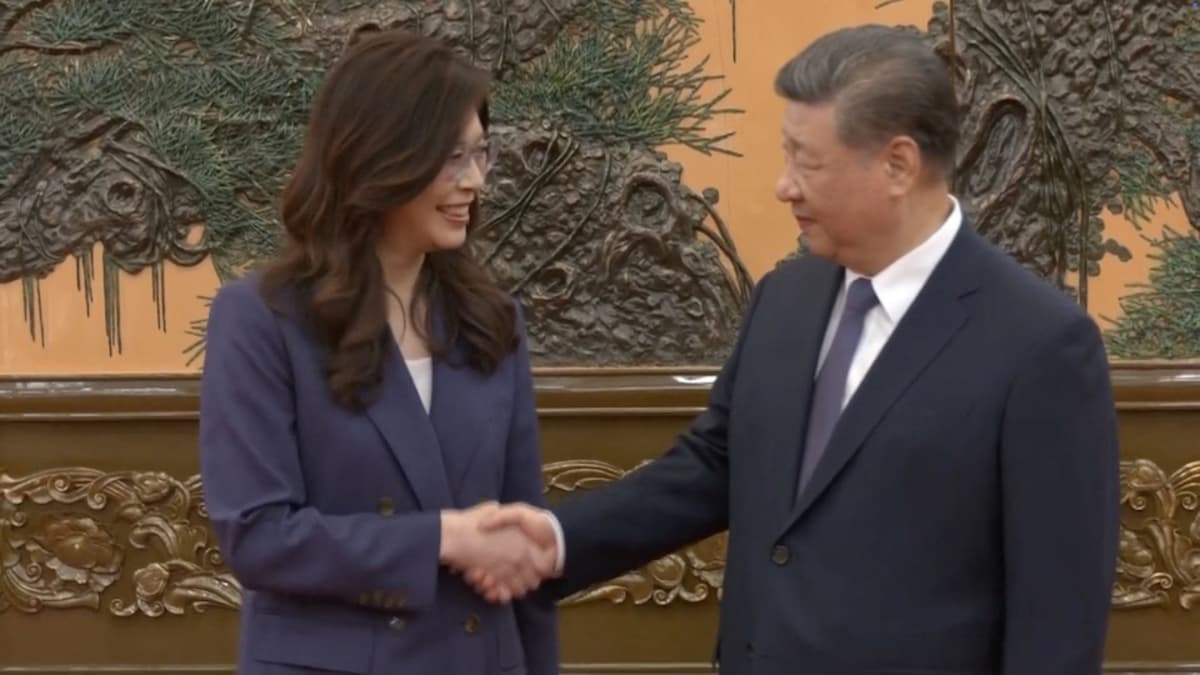
Taiwan’s KMT Offers US an Off-Ramp From War with China
Taiwan’s opposition party, the Kuomintang, sent leader Cheng Li‑wun to Beijing for a week, where she met President Xi Jinping and framed Taiwan’s identity as culturally Chinese. Cheng highlighted shared heritage and proposed limited cross‑strait cooperation, signaling a diplomatic shift away...

F/A-XX Fighter Tests Future of US Carrier Power Against China
The U.S. Navy will choose a contractor for its next‑generation carrier‑based fighter, the F/A‑XX, in August, with Boeing and Northrop Grumman as the front‑runners. The new aircraft is designed to replace the F/A‑18 Super Hornet in the 2030s, emphasizing stealth, extended...

US, China Forge Rival Fusion Chains as Europe Weighs Role
The United States and China are intensifying their rivalry by racing to commercialize fusion energy, a potentially limitless, carbon‑free power source. Beijing has invested $6‑13 billion in a suite of projects, while Washington is accelerating domestic capabilities through public funding and...
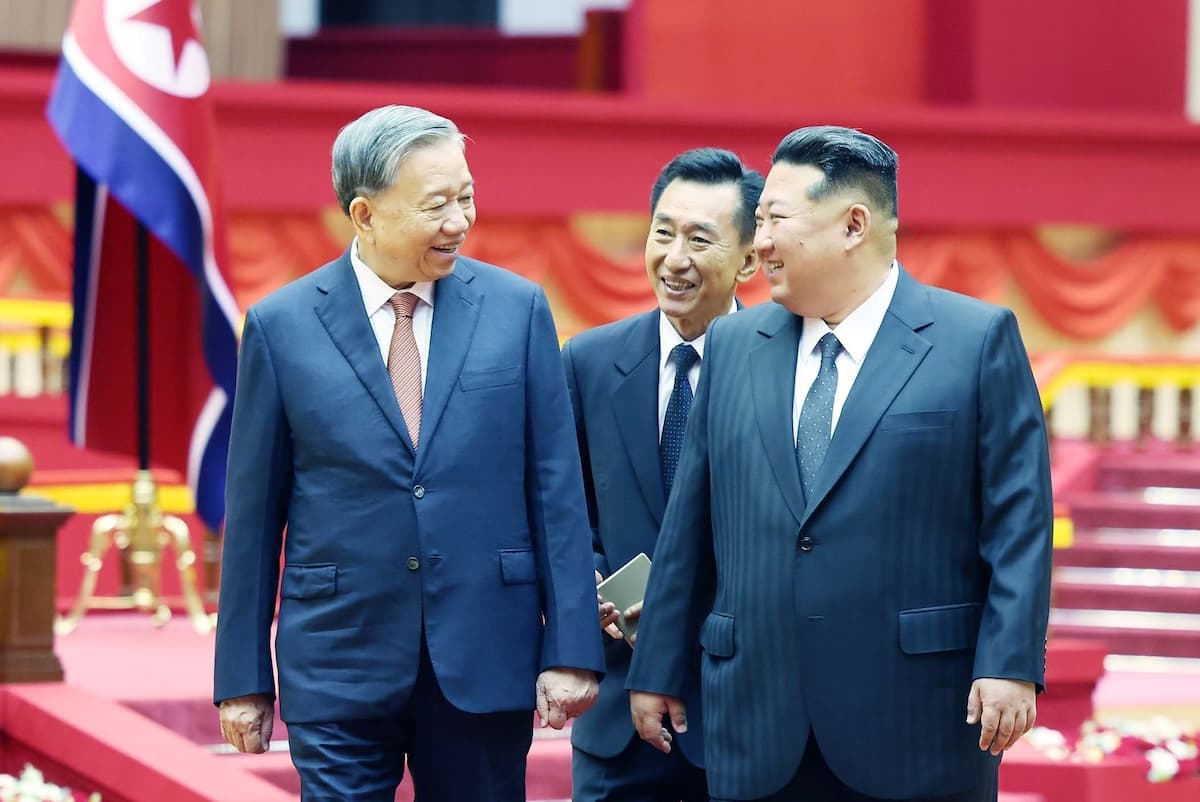
Southeast Asia Holds the Key to Unlocking Korean Impasse
Inter‑Korean diplomacy remains stalled, prompting Southeast Asian states to step in as mediators. Vietnam, Indonesia and Laos are leveraging historic ties with Pyongyang—Vietnam’s “bamboo diplomacy,” Laos’s ASEAN chair role, and Indonesia’s restored embassy—to facilitate back‑channel dialogue. Simultaneously, they are deepening...
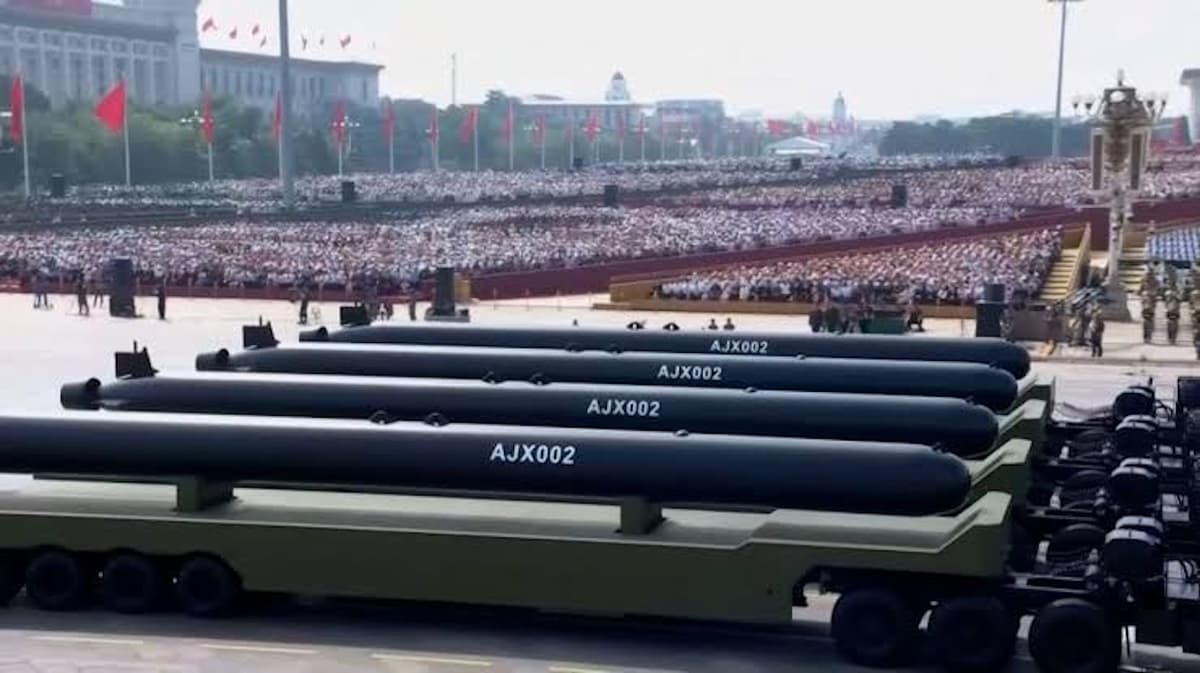
China’s Drone-Laid Mines Aim to Trap US in a Taiwan War
China’s People’s Liberation Army is fielding the AJX002 extra‑large unmanned underwater vehicle, a stealthy XLUUV capable of carrying up to 20 naval mines over a 1,000‑nautical‑mile radius. The drones are designed for offensive minelaying along the First Island Chain, aiming...

Next, an Iran Nuclear Deal with Chinese Characteristics
Former President Trump is signaling a renewed push for an Iran nuclear agreement that would lean on Chinese diplomatic and logistical support. The proposed framework would revive the core of the 2015 Joint Comprehensive Plan of Action, limiting Iran’s uranium...
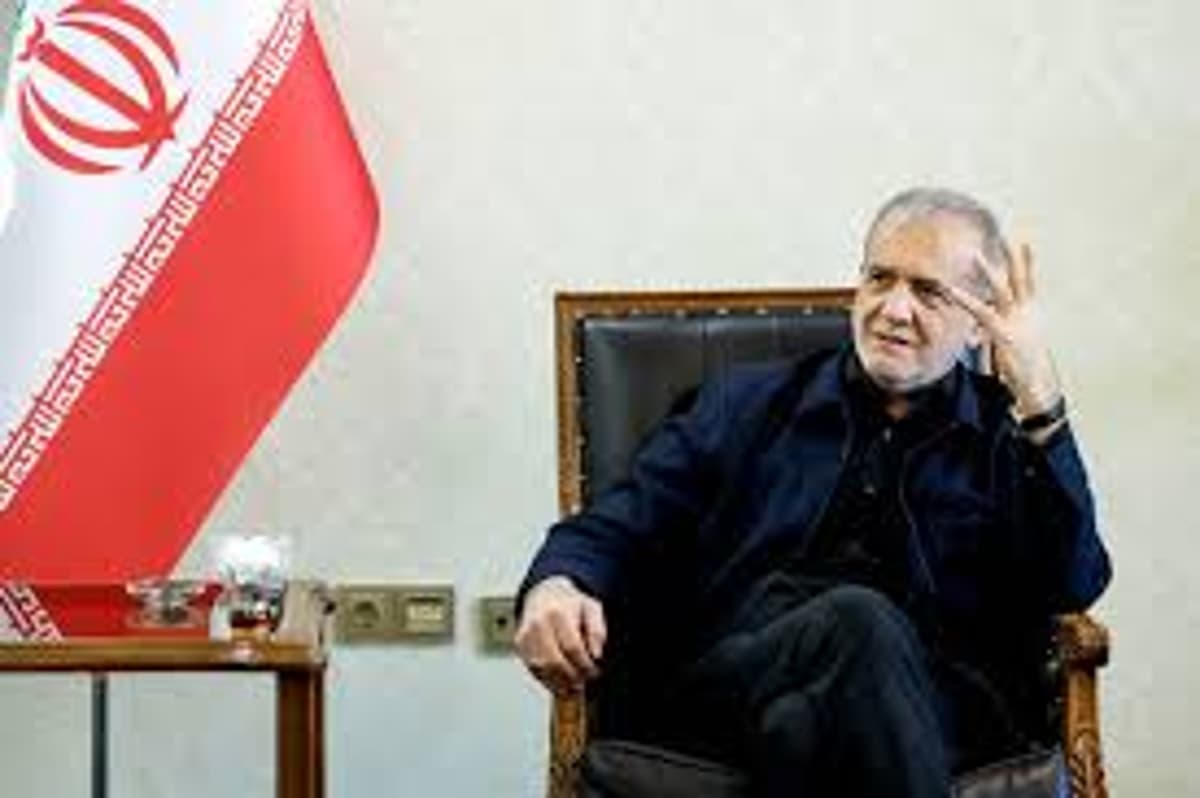
Iran Top Diplomat Says Country May Rejoin Islamabad Peace Talks
Iran’s foreign ministry spokesperson said Tehran is weighing a return to the Trump‑led peace talks in Islamabad after the previous round collapsed amid accusations of U.S. maximalist demands and a recent seizure of an Iranian‑flagged cargo ship. President Masoud Pezeshkian...

Wartime-Level Northern Marianas Typhoon Hit Tests US Commitment
Super Typhoon Sinlaku ripped through the Commonwealth of the Northern Mariana Islands, leaving Saipan, Tinian and Rota in wartime‑level ruin. FEMA is heading the emergency response, while the U.S. military eyes the islands as a future training and logistics hub,...
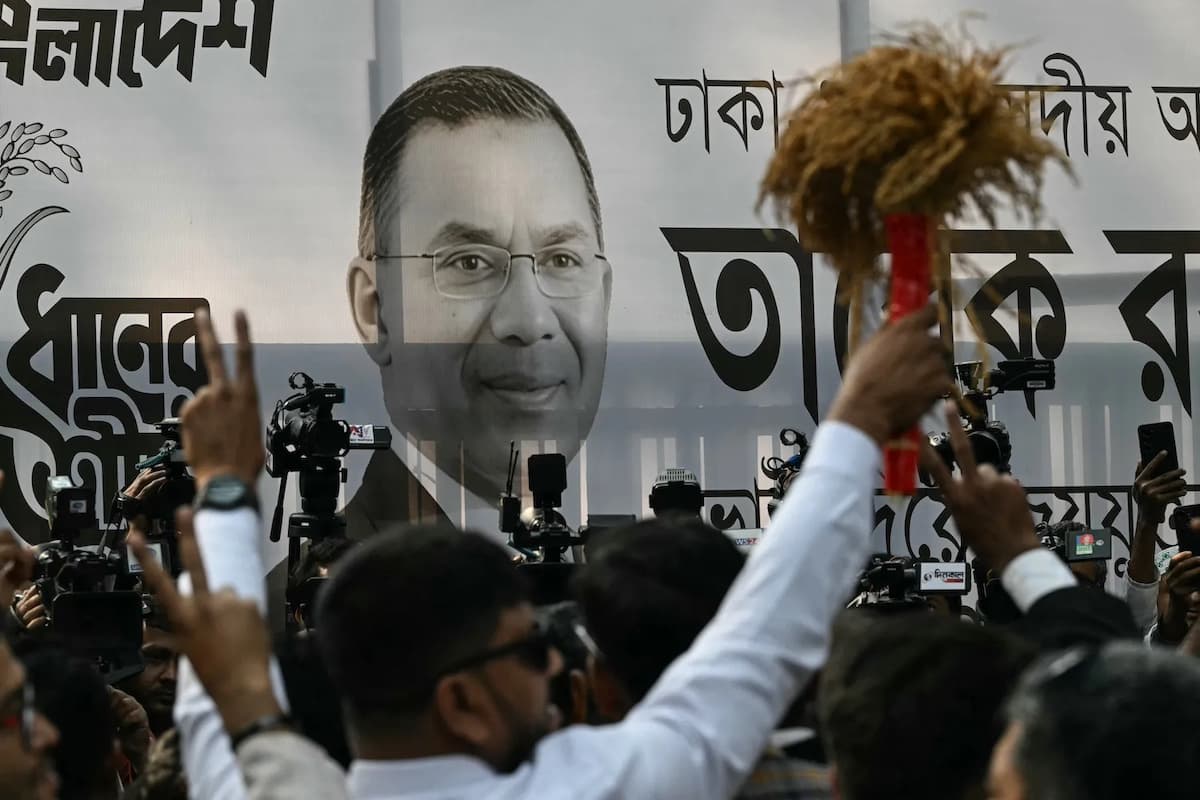
‘Friendship to All’ No Longer Good Enough for Bangladesh
Bangladesh’s long‑standing "friendship to all" doctrine is no longer sufficient in a multipolar world where major powers vie for strategic advantage. The article argues that Dhaka must shift from passive non‑alignment to a proactive, multi‑aligned approach that leverages its geographic...

Strategic Autonomy or Ambiguity? India’s Gulf Dilemma
India’s Gulf policy is marked by cautious strategic autonomy amid the Iran‑Israel‑US crisis. New Delhi’s reliance on energy imports through the Strait of Hormuz, deep economic ties with Gulf states, and a sizable diaspora constrain overt diplomatic action. While Pakistan...

Token Inequality: AI Haves and AI Have-Nots
The article warns that generative‑AI is becoming a resource‑scarce commodity, creating a stark "token inequality" between well‑funded enterprises and ordinary users. Large tech firms are burning billions of tokens daily, while smaller companies face throttling, shrinking quotas and steep price...