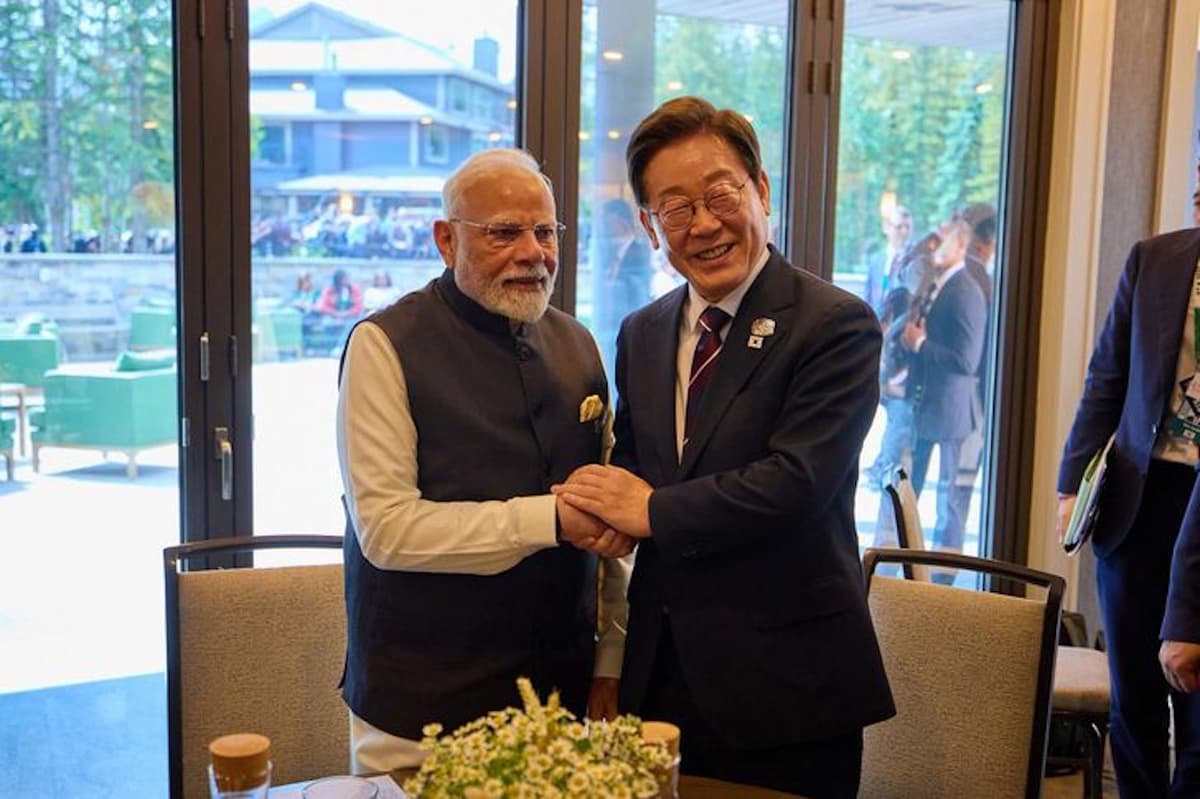
Recalibrating the India-South Korea Strategic Partnership
President Lee Jae‑myung's three‑day visit to India is framed as a strategic inflection point rather than routine diplomacy. South Korea faces a deepening split between its US‑anchored security alliance and a trade dependence of 20‑25% on China. India‑South Korea trade already exceeds $27 billion, with ambitions to reach $50 billion and over $10 billion Korean investment in India. The visit seeks to move beyond transactional MoUs toward deeper defence, technology and maritime cooperation to bolster regional autonomy.
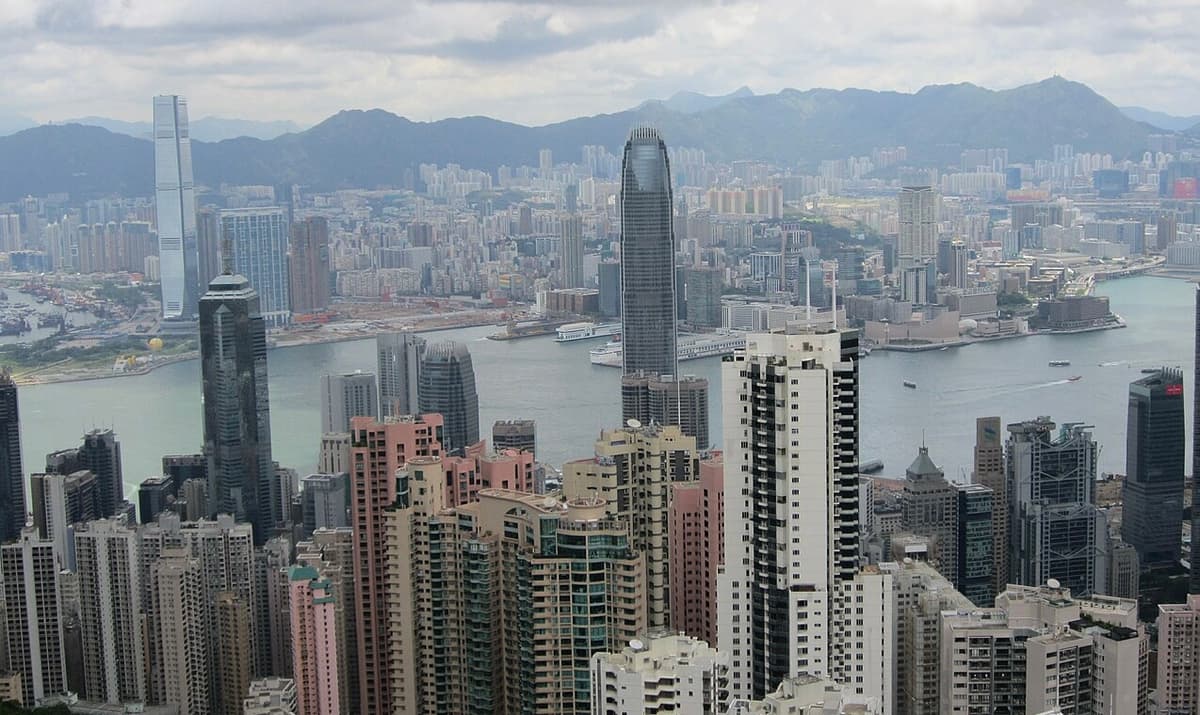
Hong Kong Banks Dependent on SWIFT Are Warned of New US Sanctions
The U.S. Treasury warned two Chinese banks that processed roughly $9 billion of Iran‑oil payments that flowed through Hong Kong, Oman and the UAE, threatening secondary sanctions. Hong Kong banks rely on SWIFT for global settlements and have already closed accounts linked to...

US Starting to Respond to Challenge of Massive Drone Incursions
The U.S. is beginning to counter a surge in unauthorized drone incursions, tracking 34,000 drones along the southern border in 2025 and testing autonomous systems such as the Army’s Project Golden Shields at Fort Hood. At the same time, the...
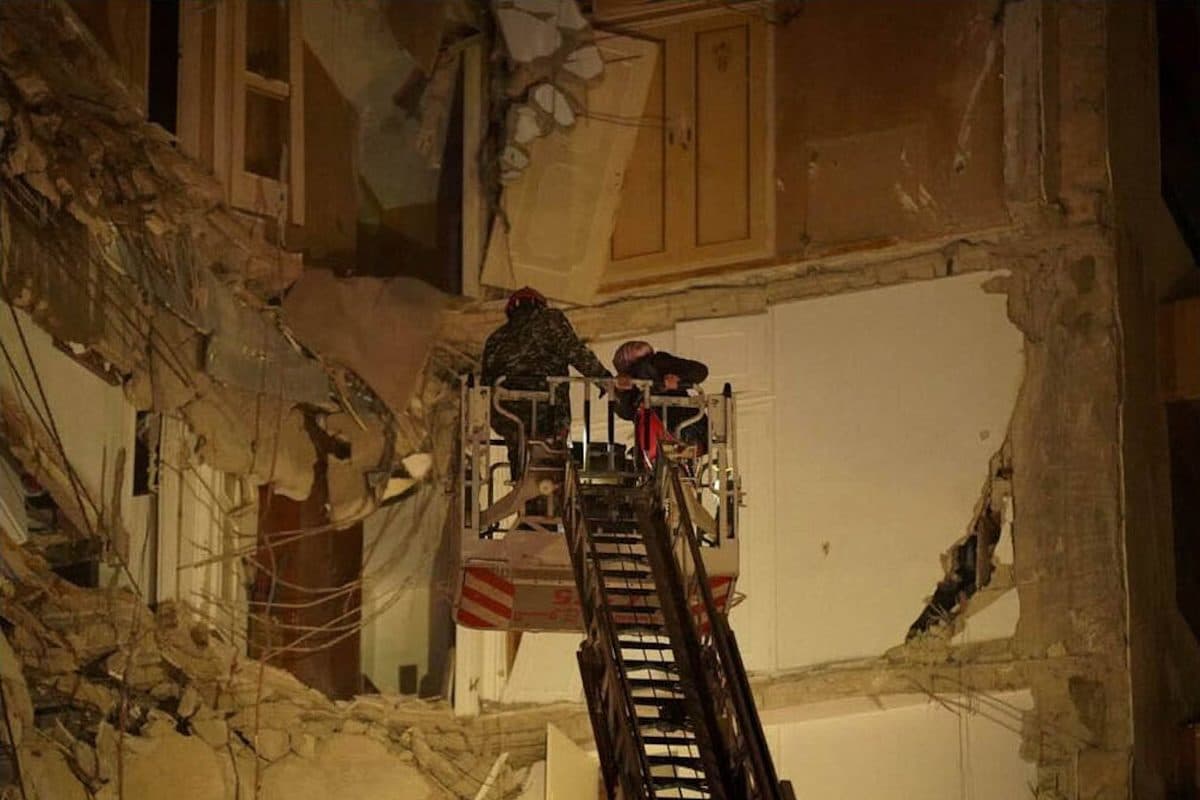
Trump Says Israel and Lebanon Have Agreed to 10-Day Ceasefire
U.S. President Donald Trump announced on social media that Israel and Lebanon have agreed to a 10‑day ceasefire starting Thursday evening, and he plans to host Lebanese President Joseph Aoun and Israeli Prime Minister Benjamin Netanyahu at the White House...

Alarm Bells Follow New Report of Looming US Plan to Attack Cuba
A USA Today report citing unnamed sources claims the Pentagon is quietly preparing for a possible military operation against Cuba after President Donald Trump repeatedly hinted at taking the island. Trump’s recent remarks, including a flippant comment about stopping by...
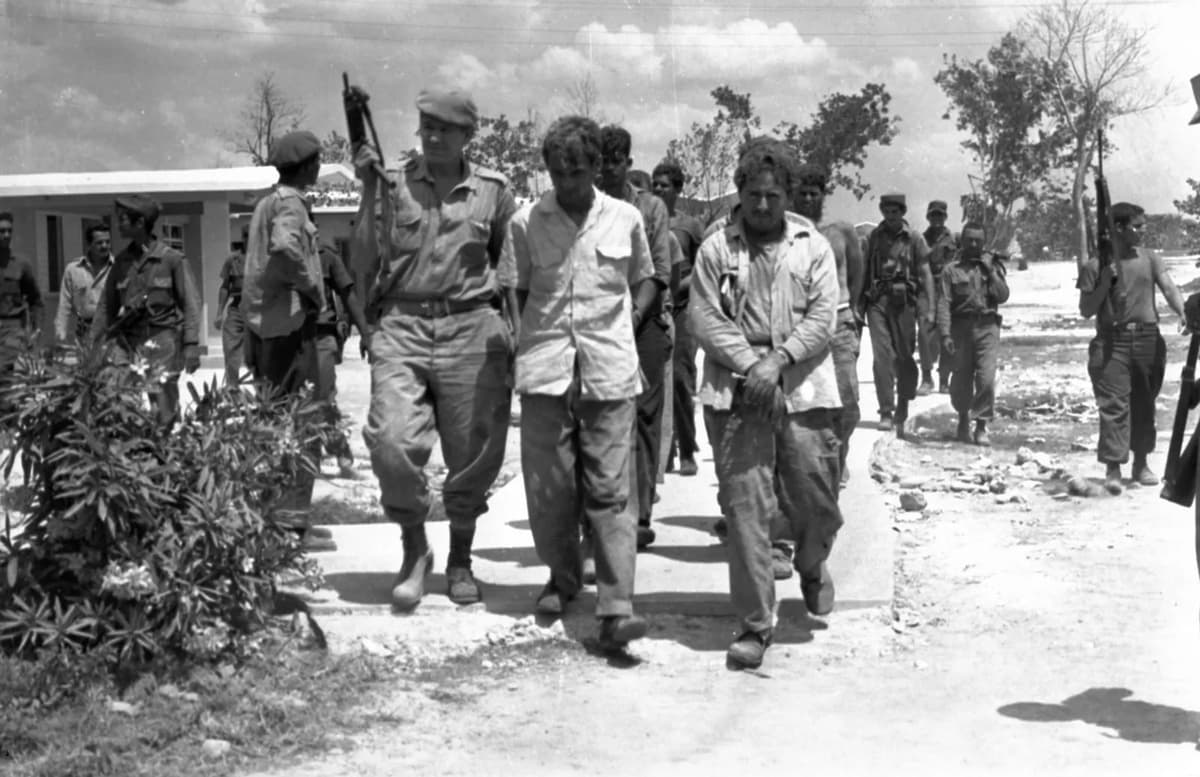
Cuba: The Bay of Pigs Invasion 65 Years Later
On the 65th anniversary of the Bay of Pigs, the National Security Archive released a trove of declassified documents revealing President Kennedy’s contemplation of CIA restructuring after the fiasco. A secret memo shows White House aide Arthur Schlesinger studying the...

The Legendary Cyberpunk Anime ‘Akira’ Demands a Rewatch
The 1988 cyber‑punk classic *Akira* returns to UK, Irish, French and Spanish cinemas on April 17, with Australia and New Zealand following in early May. Directed by manga creator Katsuhiro Otomo, the hand‑drawn film blends dystopian neo‑Tokyo visuals with a story about...

China’s Satellite Boost Gives Iran a US Targeting Edge
Iran has reportedly acquired a Chinese‑built TEE‑01B low‑Earth‑orbit spy satellite and, with alleged Russian intelligence support, is using the high‑resolution imagery to monitor U.S. military installations across the Middle East. The satellite delivers sub‑meter panchromatic detail and a rapid 1.2‑hour...
Indonesia Losing Its Sovereign Way Between US and China
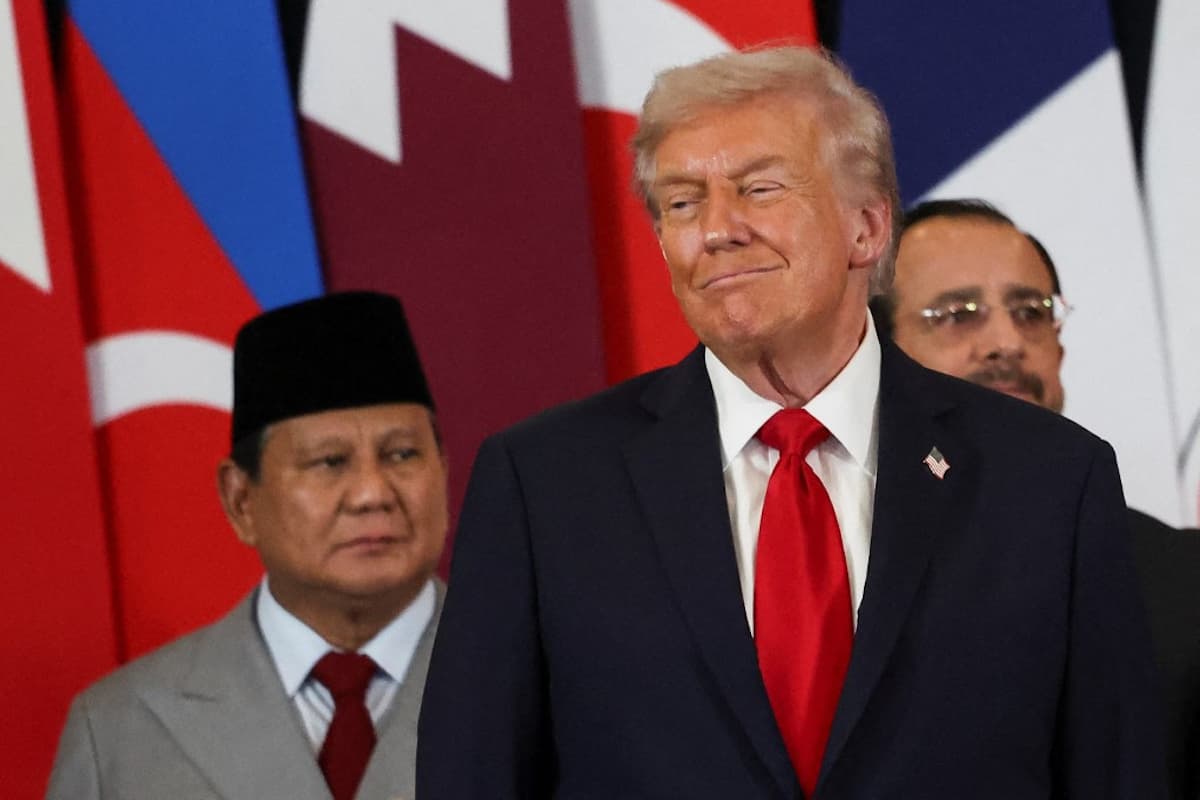
Indonesia is reviewing a U.S. proposal that would grant broad overflight rights for military aircraft, prompting its foreign ministry to warn of entanglement in South China Sea tensions. The debate follows a 2024 strategic partnership with China that deepened ties...

Russia’s Navy Deterred Estonia From Boarding Its ‘Shadow Fleet’
Estonia’s navy announced it will no longer board Russian “shadow fleet” vessels in the Gulf of Finland after Russian corvettes began patrolling near idle tankers, raising the risk of military escalation. The decision reflects how a modest increase in Russian...

In Hormuz War of Words, US Illustrates Threat with ‘Drug Boat’ Hit
President Donald Trump threatened to extend his administration’s boat‑bombing campaign to any Iranian vessel that approaches a newly declared U.S. blockade of the Strait of Hormuz. The warning was accompanied by a kinetic strike on a Pacific‑based vessel labeled a...

US Hormuz Blockade, Tariffs Jolt China
China called on the United States and Iran to resume negotiations after Washington launched a naval operation to close the Strait of Hormuz and threatened a 50% tariff on China for allegedly supplying air‑defence systems to Tehran. The U.S. also...

Trump Needs A-10s to Go After Iranian Speedboats and Patrol Ships
The Trump administration has imposed a naval blockade of Iran’s ports, allowing only non‑Iranian vessels to transit the Strait of Hormuz. To counter Iran’s 3,000‑4,000 missile‑armed speedboats and 133 patrol ships, officials argue the A‑10 Thunderbolt II is the most suitable...

Dueling Hormuz Blockades Push World to the Brink
US President Donald Trump announced a US Navy blockade of the Strait of Hormuz effective April 13, targeting vessels entering or leaving Iranian ports. Iran has responded with a de‑facto toll‑booth regime, charging up to $2 million per ship and laying mines...

China Tech Companies Going Gangbusters in the Gulf
Chinese autonomous‑driving firms Baidu (Apollo Go) and WeRide debuted fully driverless robotaxi services in Dubai in early April, marking the first city outside China with multiple Chinese operators running commercial fleets side‑by‑side. Baidu’s sixth‑generation RT6 vehicles and WeRide’s Geely‑based GXRs use...

To Lam’s Vietnam Drifting Perceptibly Closer to China
Vietnam’s new president‑party chief To Lam has begun his first overseas trip by visiting China, followed by a planned meeting with U.S. President Donald Trump. His dual role eliminates previous diplomatic friction, allowing him to negotiate directly with both superpowers. In...

Five Emerging Themes for the Indo-Pacific From Trump’s Iran War
The Trump‑led war on Iran is reshaping strategic calculations across the Indo‑Pacific. Analysts identify five emerging themes: heightened nuclear proliferation risk, doubts about the reliability of U.S. deterrence, urgent need for missile‑and‑drone defenses, a push for diversified energy and critical‑mineral...

Iran Has Weakened US in the Great Power Game
The United States’ brief war against Iran, ending with a 14‑day cease‑fire, exposed strategic vulnerabilities that Russia and China are exploiting. Washington’s unilateral action diverted attention from broader Indo‑Pacific and Western Hemisphere priorities, weakened its credibility as a mediator, and...

Time to Give the Trump-Putin-Orban Axis a Slap in the Face
Hungary’s April 12 parliamentary election pits long‑time premier Viktor Orban against challenger Peter Magyar, with the outcome poised to affect both the EU’s internal cohesion and Ukraine’s war effort. The article highlights that the United States and Russia, represented by Donald Trump and Vladimir Putin,...

China’s Middle East Billions Still Woefully Reliant on US Gunboats
China has pledged roughly US$145 billion in Middle East investments and construction contracts, yet it maintains only a single overseas military base in Djibouti. The region’s energy flow—especially through the Strait of Hormuz, which carries about 70% of China’s oil imports—remains...

Indonesia Can’t Stay Silent on China’s UUV Incursion
A Chinese‑built unmanned underwater vehicle (UUV) marked “CSIC” was recovered by a fisherman in Indonesia’s Lombok Strait, a vital maritime corridor linking the Pacific and Indian Oceans. The incident exposes a gap in Indonesia’s under‑sea domain awareness and challenges its...

Japan’s Unsustainable Pacifist Delusion
Japan’s post‑war pacifist constitution is increasingly at odds with its expanding security role. While the Strait of Hormuz crisis highlights Japan’s reliance on Gulf oil, Tokyo cites Article 9 to limit direct action, even as it fields long‑range missiles and eases...

US Lawmakers Seek to Block China’s DUV Lithography Access
Bipartisan U.S. lawmakers introduced the MATCH Act to block Chinese chipmakers from acquiring deep‑ultraviolet (DUV) immersion lithography systems, related parts, and servicing. The bill coordinates export controls with allies, targeting firms such as SMIC, CXMT, Huawei, Hua Hong and YMTC,...

For South Korea, an Alliance in Question
South Korea’s alliance with the United States, built on decades of costly sacrifices such as deploying 320,000 troops to Vietnam, is now being questioned as Washington adopts a more transactional stance. The U.S. began pulling back its forces in the...

Trump Aides Caught with Pants Down as Iran War Gooses Inflation
The U.S. Bureau of Labor Statistics reported that March CPI rose 0.9% month‑over‑month, driven by a 10.9% jump in energy prices and a 21.2% surge in gasoline. Annual inflation hit 3.3%, the highest rate since April 2024, as the Trump‑initiated...

US Isn’t Losing Soft Power in SE Asia — It’s Ceding It to China
The United States’ soft‑power advantage in Southeast Asia is eroding, not because of a structural collapse, but due to deliberate policy cuts and a shift toward Christian‑nationalist messaging that resonates poorly in the region. Data from the Brand Finance Global...

Iran Ceasefire: Too Many Brokers, Too Little Leverage
On April 7 a cease‑fire between the United States, Israel and Iran was announced, with Pakistan acting as lead broker and China providing support, while Qatar, Turkey and Egypt shuttled proposals. Within hours the truce collapsed as attacks resumed, underscoring that...

Mooted South China Sea Oil Deal with China Draws Fire in Manila
The Philippines is weighing a joint oil‑exploration pact with China despite a national energy emergency and soaring fuel prices. Lawmakers and nationalist groups have condemned the talks, arguing they send the wrong signal to a territorial aggressor and could compromise...

China Drills for US Nuclear Attack in a Taiwan War
China’s Eastern Theater Command conducted nuclear‑response drills simulating a US nuclear strike in a Taiwan war, focusing on rapid CBRN detection and decontamination. The exercise reflects Beijing’s preparation for a limited nuclear escalation if a Taiwan conflict intensifies. Analysts warn...

Trump’s Iran Misfire Yields a Loser’s Ceasefire
Donald Trump reversed his own incendiary threats against Iran by announcing a 14‑day cease‑fire on Iran’s terms, marking a stark diplomatic whiplash. Tehran’s 10‑point plan, which includes sanction removal, acceptance of uranium enrichment, and control of the Strait of Hormuz,...

The Winner of Trump’s Iran War? Iran
President Donald Trump announced a two‑week cease‑fire on April 7, ending the 39‑day US‑Israel war on Iran. The conflict saw roughly 13,000 Iranian targets struck, many of which were later identified as decoys, while Iran retained about half of its ballistic...

US Has Left Malaccan States No Choice but to Charge Tolls
The United States’ aggressive navigation policies have weakened the rules‑based maritime order, leaving Malaysia, Singapore and Indonesia to contemplate de‑facto tolls on the Strait of Malacca. By treating the Panama Canal and the Strait of Hormuz as strategic assets, Washington...

Fujitsu at the Core of Japan’s AI Independence Drive
Fujitsu is developing an AI inference device that merges its own neural processing units (NPUs) with Arm‑based Monaka CPUs, slated for production at Rapidus using a 1.4‑nm process co‑developed with IBM. The chip is designed for ultra‑low power consumption—100‑1000× less...

Slopaganda: US, Iran Deploy AI Slop as Weapons of War
The article introduces “slopaganda,” AI‑generated content used as propaganda by the United States and Iran during recent geopolitical tensions. It cites viral videos that mix real war footage with movie, game and Lego‑style clips, including AI‑crafted portrayals of Donald Trump...
The Gift Card Israel Uses to Buy US Weapons
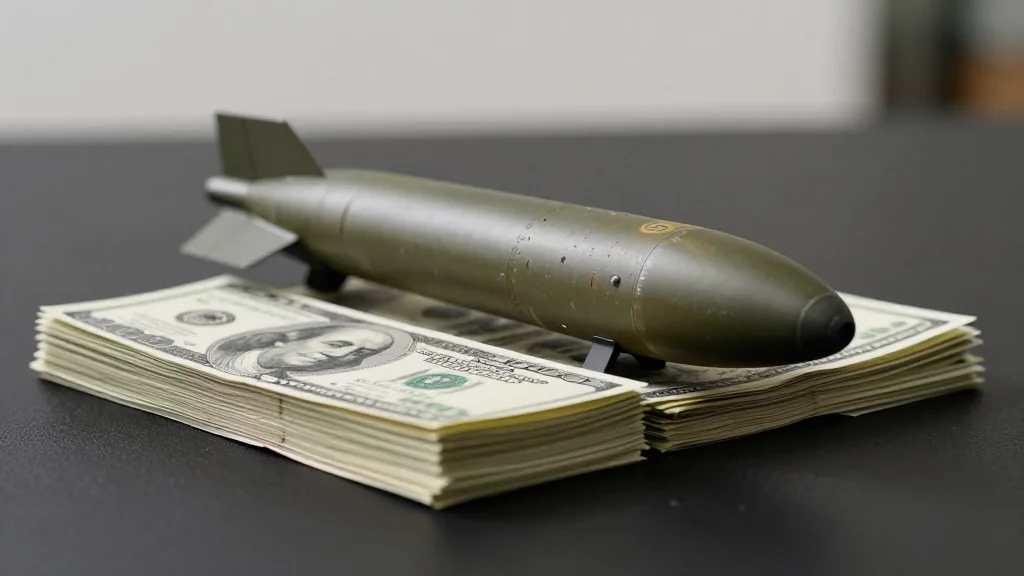
The article reveals that U.S. taxpayers fund the vast majority of Israel’s weapons purchases, with $17.8 billion—81% of $22 billion in sales from 2021‑2024—covered by the Foreign Military Financing (FMF) program. Senators Sanders, Van Hollen, Merkley and Welch filed joint resolutions to...

US, Israel and Iran Agree to Two-Week Ceasefire
President Donald Trump announced a two‑week cease‑fire between the United States, Israel and Iran, halting U.S. and Israeli airstrikes on Iran in exchange for Tehran reopening the Strait of Hormuz. The deal, brokered by Pakistan and China, follows intense diplomatic...

US-China Space Race Shifts Into a Higher Lunar Gear
China announced an accelerated timetable for its crewed lunar program, targeting a 2030 landing after NASA’s Artemis II crewed flyby. The Long March 10A heavy‑lift rocket will make its maiden flight in mid‑2026, serving as the core booster for lunar‑transfer missions. A dual‑launch...

The Iran War Doesn’t Immediately Jeopardize Taiwan
The article argues that the U.S. war in Iran does not create an immediate threat to Taiwan, but it reshapes strategic calculations in the Indo‑Pacific. It examines whether Washington’s willingness to intervene in Iran signals a readiness to defend Taiwan,...

Kharg Struck as Trump Threatens to Wipe Out Iranian Civilization
U.S. forces launched strikes on Iran's Kharg Island, the nation’s primary oil export hub, while President Donald Trump warned he would wipe out the Iranian civilization if Tehran failed to reopen the Strait of Hormuz by his 8 p.m. ET deadline....

US Diverts JASSM-ER Missiles to Iran, Risking Deterrence vs China
The United States has redirected roughly two‑thirds of its JASSM‑ER long‑range cruise missile inventory to the Iran conflict, leaving only about 425 of the original 2,300 missiles available worldwide. The shift pulls missiles from reserves earmarked for the Pacific and...

Friction to Fracture: Iran War Breaks Indonesia-Iran Ties
Iran detained two Indonesian oil tankers, the VLCC Pertamina Pride and the PIS Gamsunoro, in the Strait of Hormuz, prompting a diplomatic showdown. The seizure was linked to lingering grievances over Indonesia’s 2023 confiscation and upcoming auction of the Iranian‑flagged...

Pakistan Shouldn’t Put All of Its Guns in China’s Basket
Pakistan relies on China for roughly 80% of its imported defence hardware, including a $5 billion deal for eight Hangor‑class submarines, four of which will be built locally. The article argues that Pakistan should diversify by deepening its naval partnership with...

Silicon and Steel Contest for the Bay of Bengal
The Bay of Bengal is transitioning from a traditional naval contest to an "infrastructure diplomacy" race, where deep‑sea ports and undersea fiber‑optic cables are the new strategic assets. New steel anchors such as Bangladesh's Matarbari, Myanmar's Kyaukphyu, and India's Great...

China Cranks South China Sea Buildup While Iran Consumes US
China has accelerated land reclamation at Antelope Reef, expanding the artificial island to roughly 6.1 km² and preparing a 2.7‑km runway, bolstering its A2/AD capabilities in the South China Sea. Simultaneously, the United States has redeployed two carrier strike groups and...

Taiwan Opposition Leader’s China Trip Is Fraught with Risk
Taiwan’s Kuomintang chairwoman Cheng Li‑wun will travel to mainland China from April 7‑12, marking the party’s first high‑level visit since 2016. The trip comes just weeks before a U.S.‑China summit between President Donald Trump and Xi Jinping, heightening concerns that Beijing...

Canada Has the Antidote to Asia’s Energy Anxiety
The article argues that Canada’s Alberta province can serve as a stable, abundant oil source for energy‑hungry Asian markets amid heightened Middle‑East supply risks. While Alberta holds the world’s third‑largest proven oil reserves and ample natural‑gas and electricity for liquefaction,...

Hormuz Blockade Driving a Gulf Logistics Revolution
Iran's blockade of the Strait of Hormuz forced Gulf states to fast‑track a network of alternative logistics corridors, including the Oman‑UAE Green Corridor, a Saudi‑UAE trade bridge, and the Gulf Shuttle maritime service. New ultra‑heavy‑lift cranes, expanded rail capacity and...

NVIDIA’s $2 Billion Sprinkler Remaking the AI Supply Chain
NVIDIA is deploying roughly $2 billion in equity stakes across seven listed AI‑infrastructure suppliers, turning its venture‑style investments into a systematic supply‑chain financing tool. The approach replaces traditional long‑term contracts or pre‑payments with minority ownership that aligns incentives and secures priority...

Japan’s Super Aegis Ships: Potent Deterrence or Sitting Ducks?
Japan’s Ministry of Defense has moved two 12,000‑ton Aegis System Equipped Vessels (ASEV) into production, targeting commissioning in 2028 and 2029. The ships will mount 128 vertical launch cells, SPY‑7 radar, and a mix of SM‑3, SM‑6 and Tomahawk missiles,...

Another Fed Rate Cut Still Possible but Far From Guaranteed
The Federal Reserve kept its policy rate unchanged at 3.5‑3.75 % after the March 2026 meeting, with only one dissenting vote for a cut. The latest dot‑plot shows 12 of 19 policymakers still expect at least one more reduction this year,...