
NEC’s Orbital Transfer Vehicle Has Cislunar Combat Potential
Japan’s NEC Corporation has secured a JAXA grant to develop an Orbital Transfer Vehicle (OTV) that can ferry multiple small satellites to diverse orbits, including geostationary and cislunar destinations. The project builds on NEC’s legacy of lunar and deep‑space missions such as Kaguya, Hayabusa and Hayabusa2. NEC will complete feasibility studies and design work by March 2027, with a prototype slated for launch by 2032. The technology is pitched as a civil logistics enabler but carries clear dual‑use potential for Japan’s growing military space ambitions.

Bond Tremors From Washington to London to Tokyo Upend Asia
Bond markets worldwide are under pressure as yields spike in the United States, United Kingdom and Japan, driven by geopolitical tensions, rising oil prices and persistent inflation. The 30‑year US Treasury yield jumped to 5.18%, the highest level since 2007,...
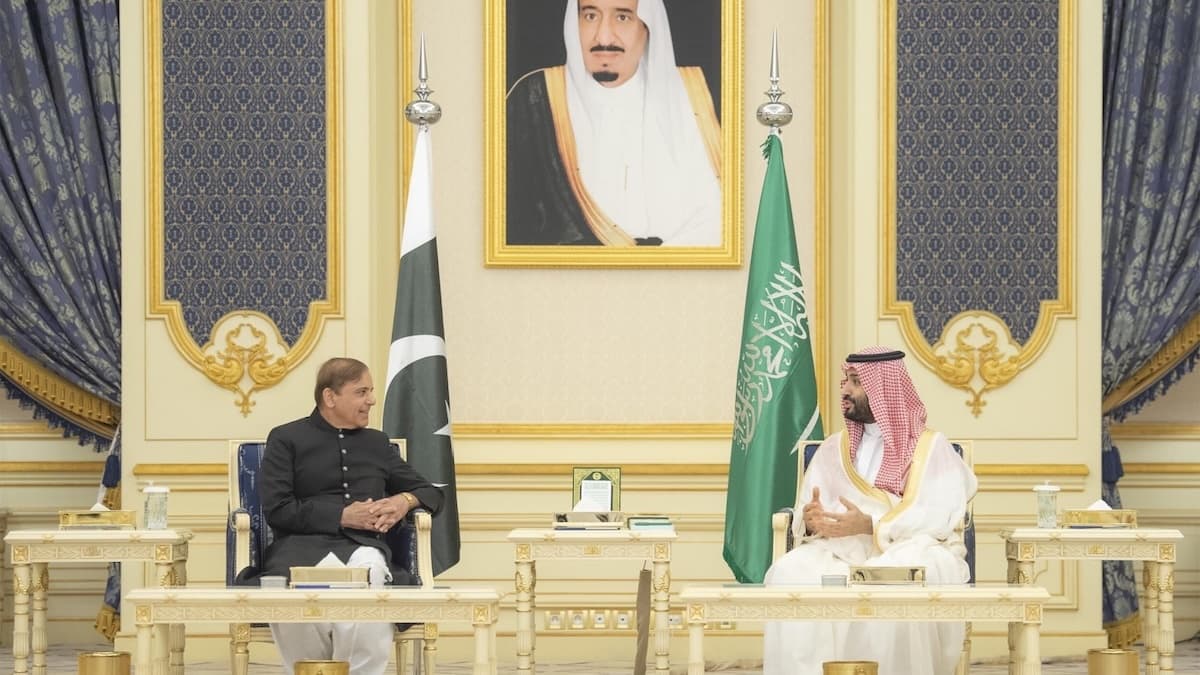
Pakistan’s Saudi Deployment Reveals a New Gulf Security Reality
Pakistan has deployed roughly 8,000 troops, a JF‑17 fighter squadron, drone units and a Chinese‑origin HQ‑9 air‑defence system to Saudi Arabia under a confidential mutual‑defence pact signed in 2025. The move, reported by Reuters, signals a sizable military contribution far...
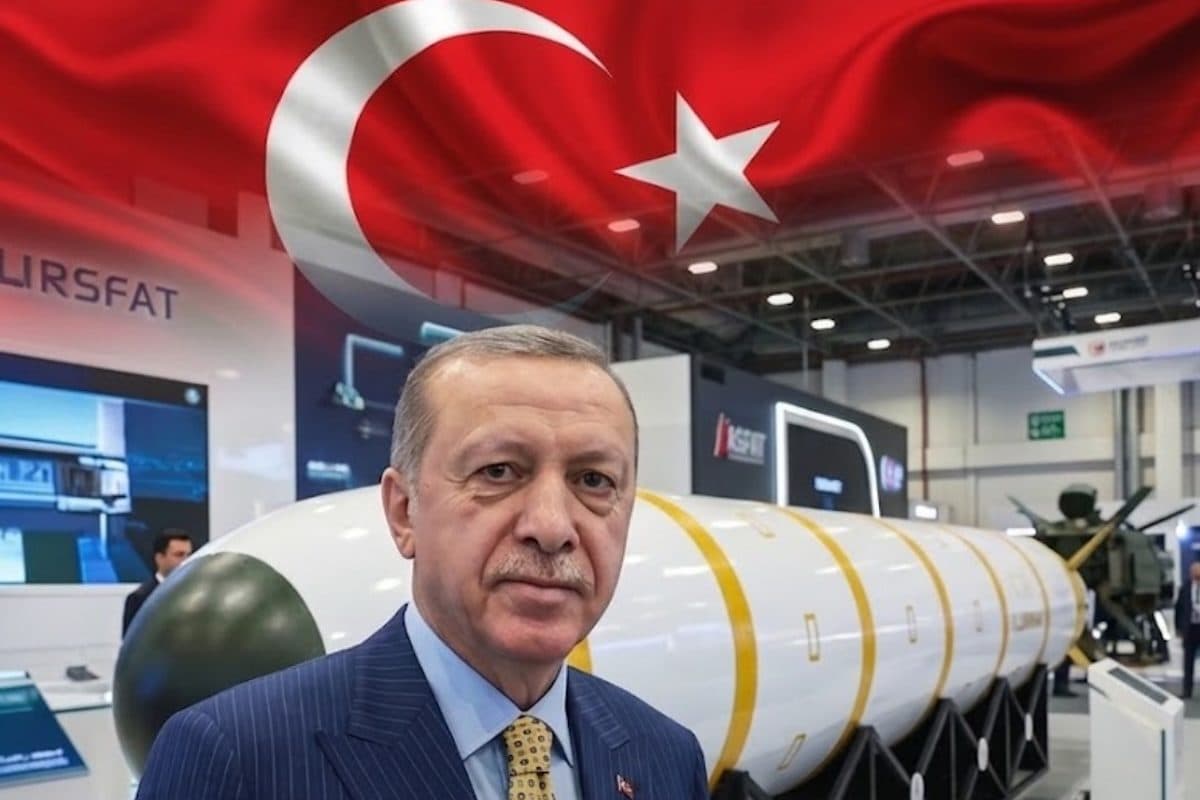
New Turkish ICBM Signals Nuclear Deterrence Ambitions Beyond NATO
Turkey displayed a mock‑up of the Yildirimhan intercontinental ballistic missile at the SAHA 2026 defense expo, touting an 18‑meter, 6,000 km range system capable of delivering a 3‑ton warhead at Mach 25. Officials emphasized the missile as a milestone in Ankara’s quest for...
The 3-Body Problem of the Dollar-Yen Exchange Rate (Hint: China)
In early 2025 the yen slipped back toward 160 USD/JPY despite a narrowing interest‑rate gap between the Fed and the Bank of Japan. The article argues that the yen’s weakness is not explained by bilateral rate differentials alone but by a...
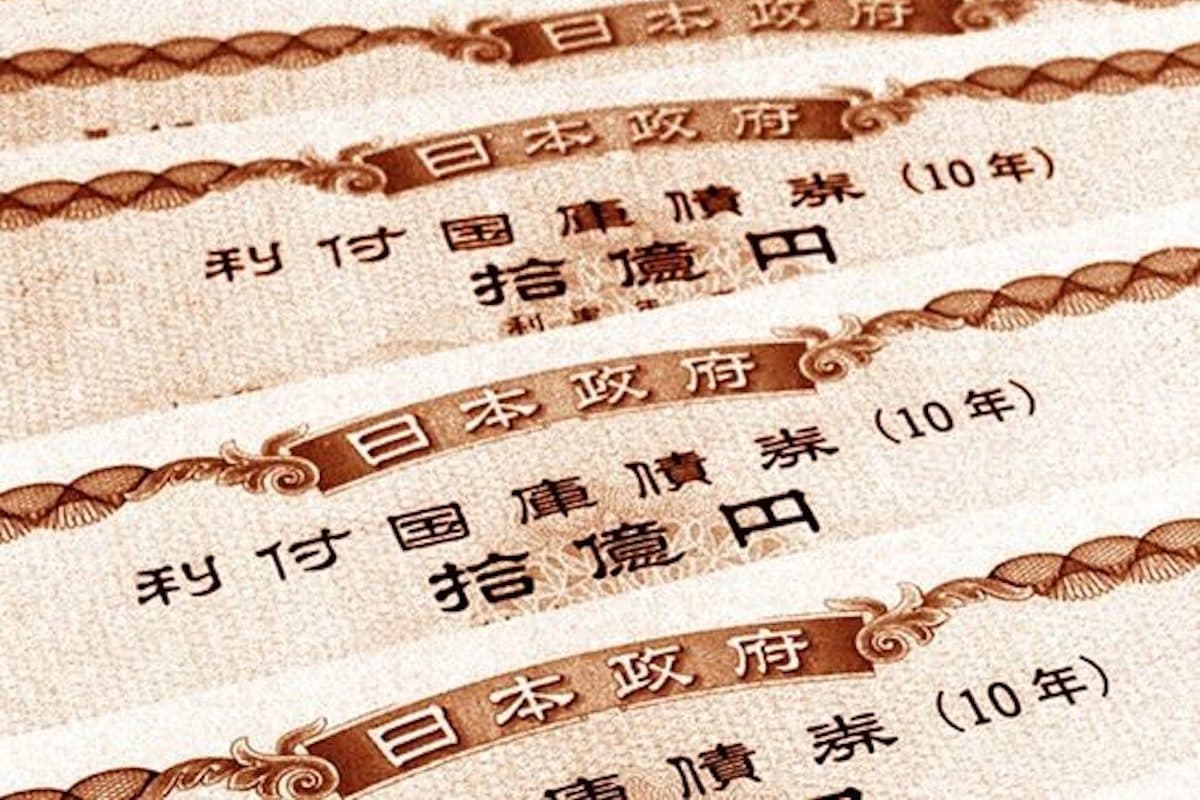
Bond Markets Overpowering the AI Trade
Investors are still chasing AI‑driven equities while bond markets regain dominance. U.S. 10‑year Treasury yields have risen to 4.63% and Japan’s 30‑year government bond yield topped 4.2%, ending a decade of ultra‑low rates. Higher sovereign yields threaten the cheap‑capital environment...
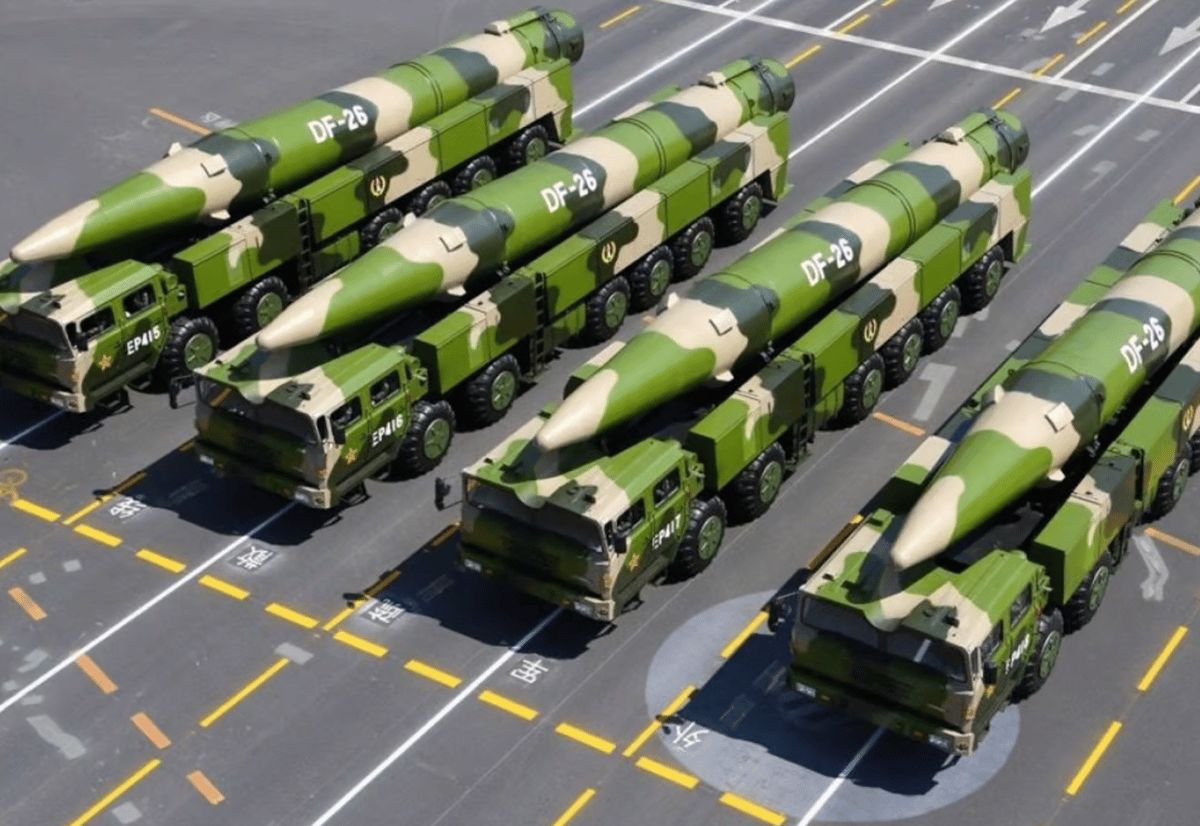
China Ramps up Missile Buildup for a Taiwan War
China has dramatically accelerated its missile production in 2025, with 81 publicly listed firms now supplying key components—more than double the number in 2013. Revenue from these firms surged 20% to roughly $28 billion, even as broader corporate earnings fell. The...

Asia Is Quietly and Quickly Buying up America
Asian corporations are rapidly reversing the historic flow of capital by acquiring U.S. assets at unprecedented scale. Landmark deals this year include Sun Pharma’s $11.75 billion purchase of Organon, Mitsubishi’s $7.5 billion buy of Aethon Energy’s natural‑gas portfolio, and Toyota Industries’ $43 billion...
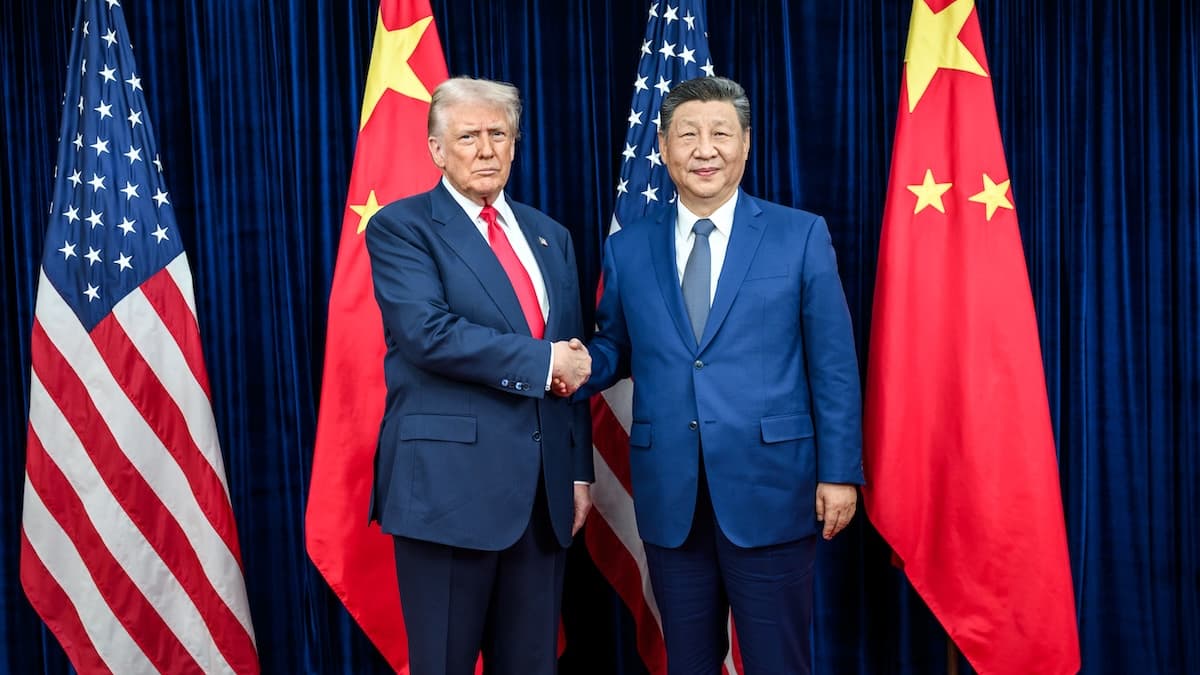
Trump-Xi Summit to Weigh US Energy Sales Amid Hormuz Crisis
The Trump‑Xi summit in Beijing will place U.S. energy sales at the top of the agenda, as Washington seeks to revive Chinese purchases of American oil, LNG and petrochemicals. Chinese imports of U.S. crude dropped to virtually zero after a...
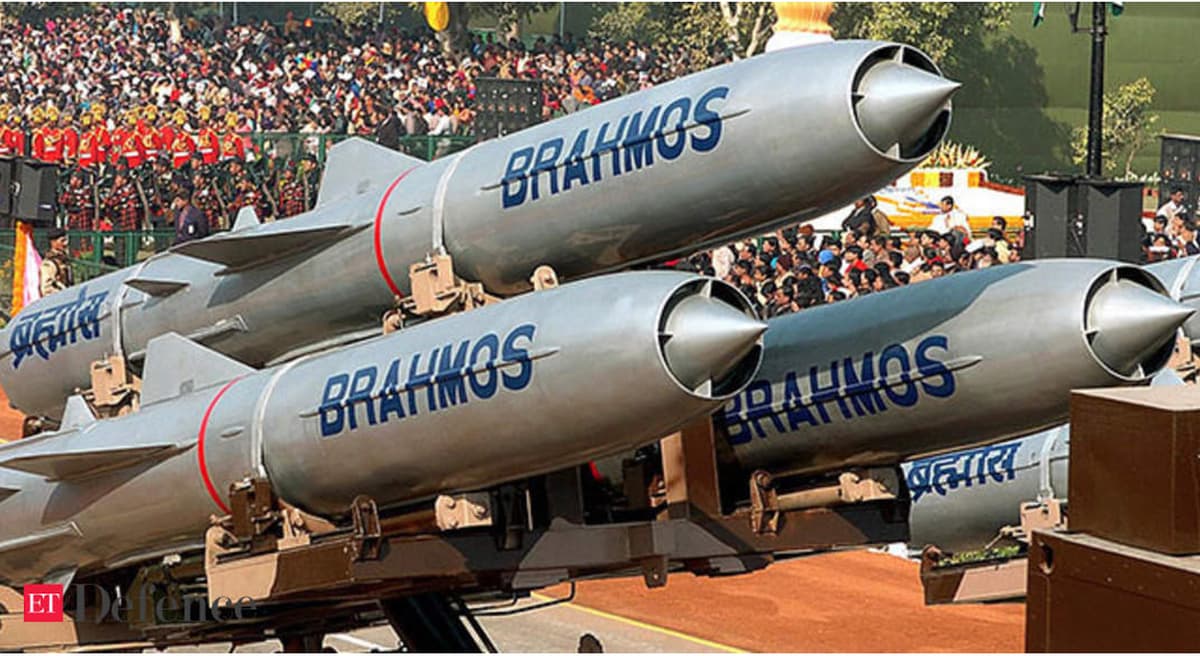
India-Vietnam BrahMos Missile Deal a Hot Shot at China
Vietnam is moving toward purchasing India’s BrahMos supersonic cruise missile in a deal valued between $629 million and $700 million, potentially adding training and logistical support. The acquisition would make Vietnam the third foreign buyer after the Philippines and Indonesia, expanding a...
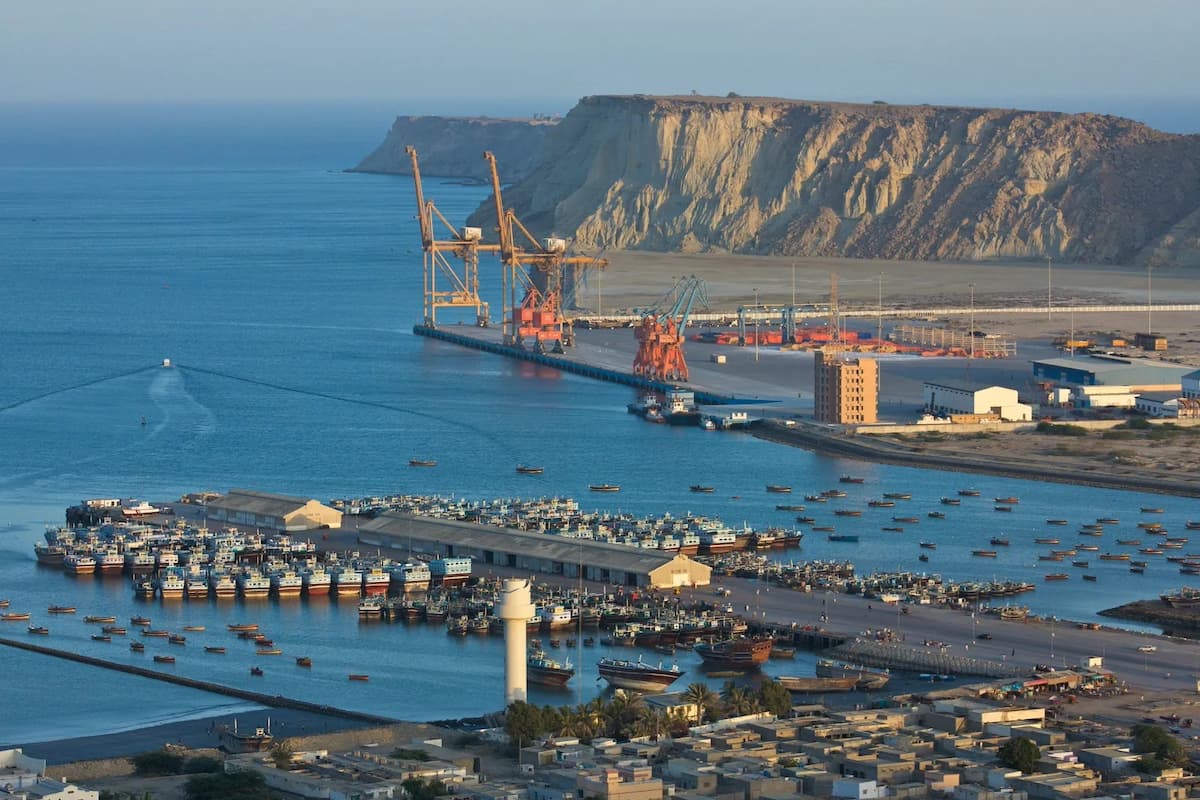
Gwadar’s Moment Has Finally Arrived for Pakistan
In April 2026 Gwadar Port processed about 11,000 standard containers, eclipsing the 8,300 handled across all of 2025. The surge was triggered by disruptions in the Strait of Hormuz, prompting shippers to reroute through the deep‑water, 400 km‑proximate port. Decades of China‑Pakistan...
New Trump Sanctions on Chinese Firms: Leverage on Xi or Overkill?
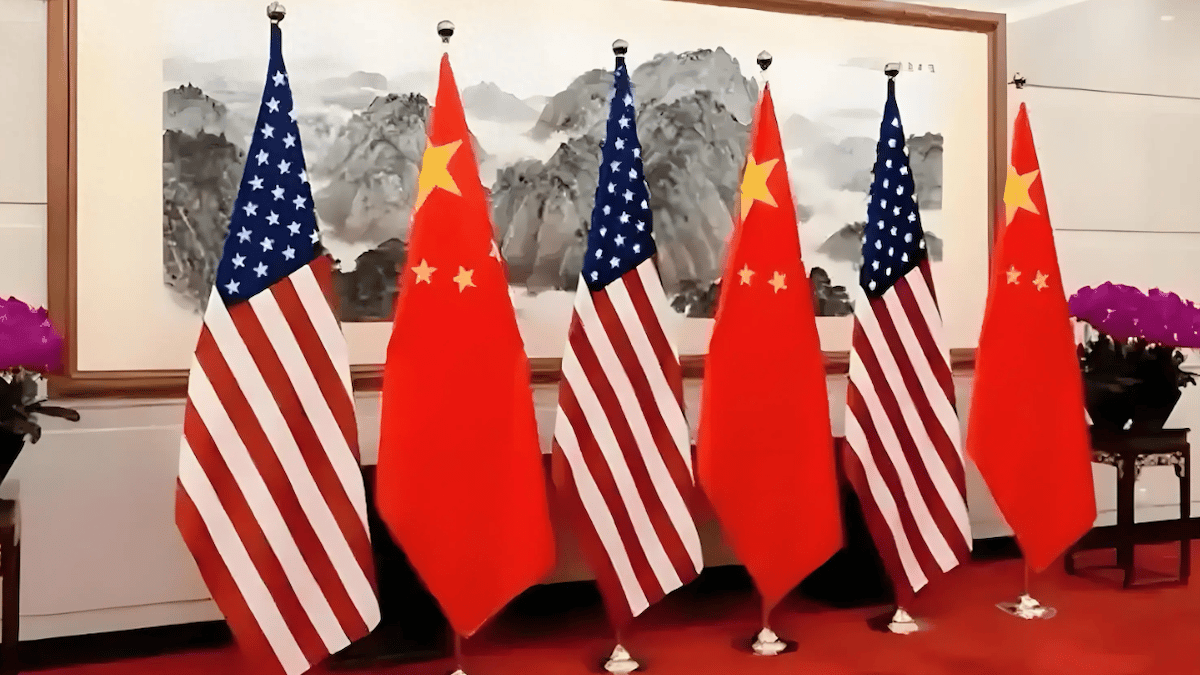
The U.S. Treasury’s Office of Foreign Assets Control sanctioned ten mainland China and Hong Kong entities and individuals for supplying Iran with drone materials, missile components, and satellite‑imagery support. The designations target carbon‑fiber suppliers, procurement agents, financiers, and two satellite‑imagery...
Trump’s Coming Kowtow to Chinese Dictator He Admires and Envies
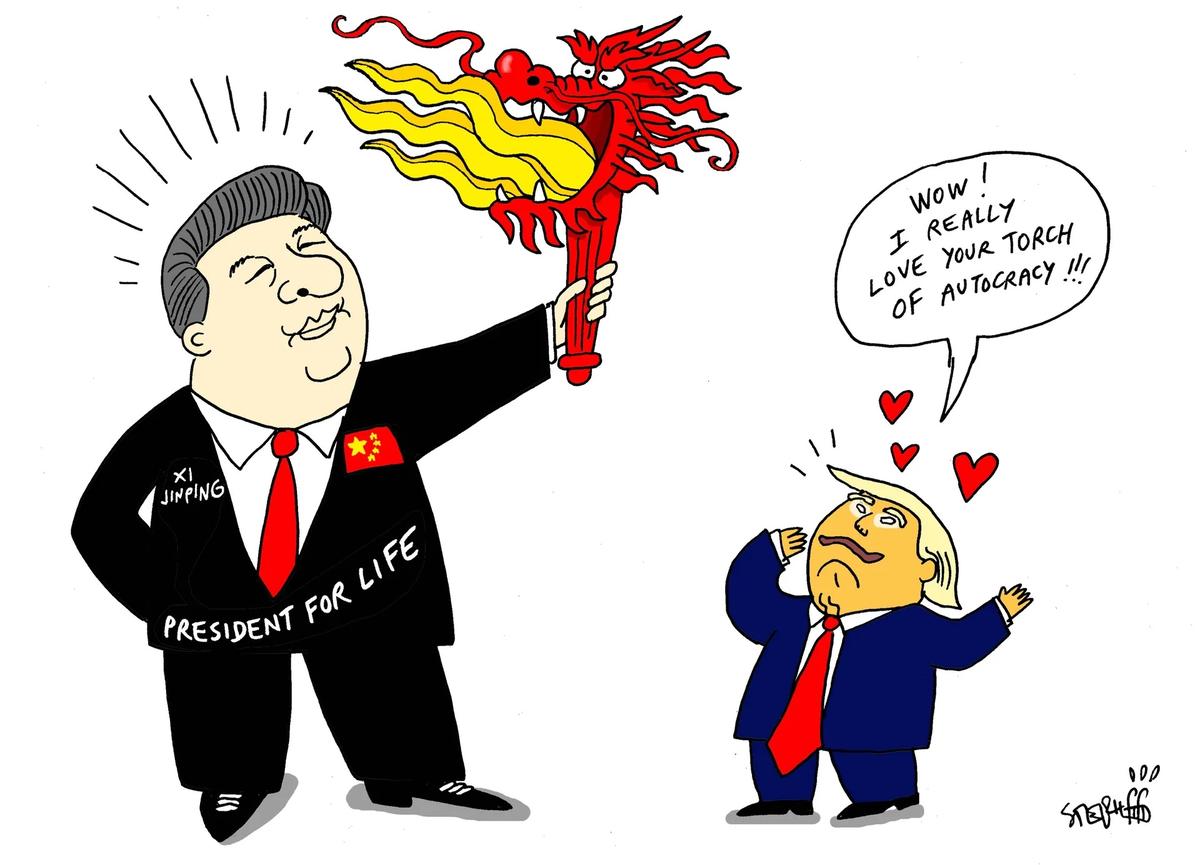
On May 14, Donald Trump will travel to Beijing for the first of four planned meetings with President Xi Jinping. While the agenda was billed as a step toward stabilizing the U.S.-China trade war, the dominant issue is Iran, where...
View From Tokyo: Has Iran War Changed Confidence in the US?
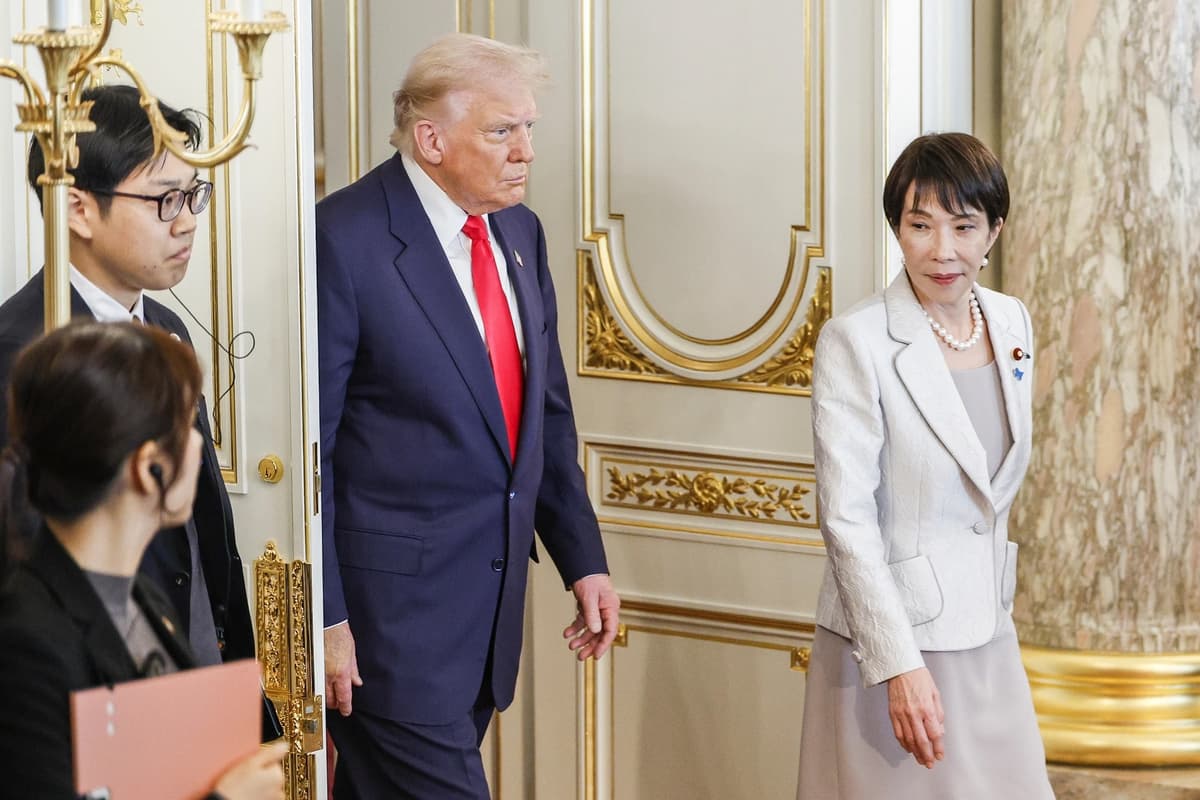
The article assesses how the U.S.‑Iran war under the Trump administration is eroding confidence in the United States among Japanese media, scholars and some policymakers, while trust in the broader U.S. government remains more resilient. Recent Japanese polls show 75‑86%...
The False Promise of a US-Iran Quick Fix
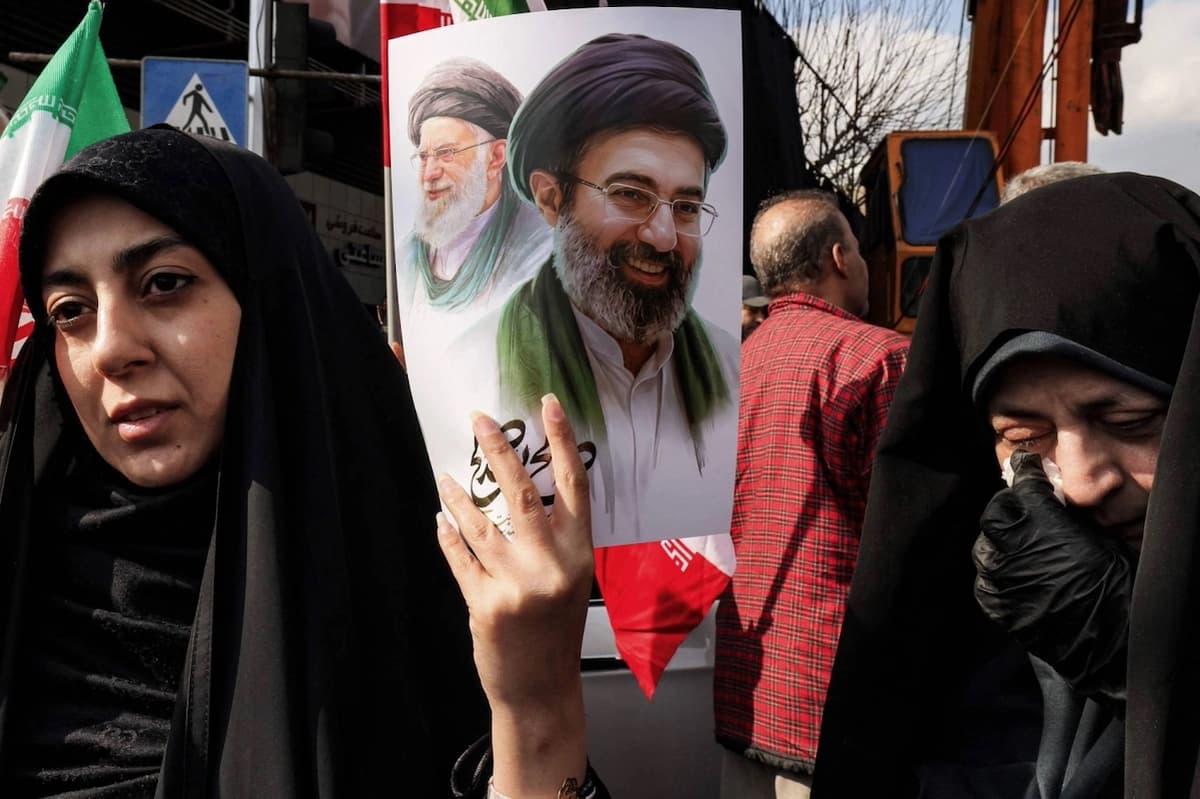
Washington is weighing a narrow bilateral agreement with Iran aimed at reopening the Strait of Hormuz and easing tanker traffic. The proposal focuses on a cease‑fire, security guarantees and limited sanctions relief, but critics warn it mirrors past quick‑fix attempts...

Why the US Must Deter Russia and China in the North Pacific
The 2025 National Security Strategy and 2026 National Defense Strategy omit the North Pacific, despite its growing strategic relevance. Alaska’s air‑defense assets, the Bering Sea gateway, and abundant critical minerals make the region a vital link between homeland security and...
When the World’s Greatest Power Can’t Win
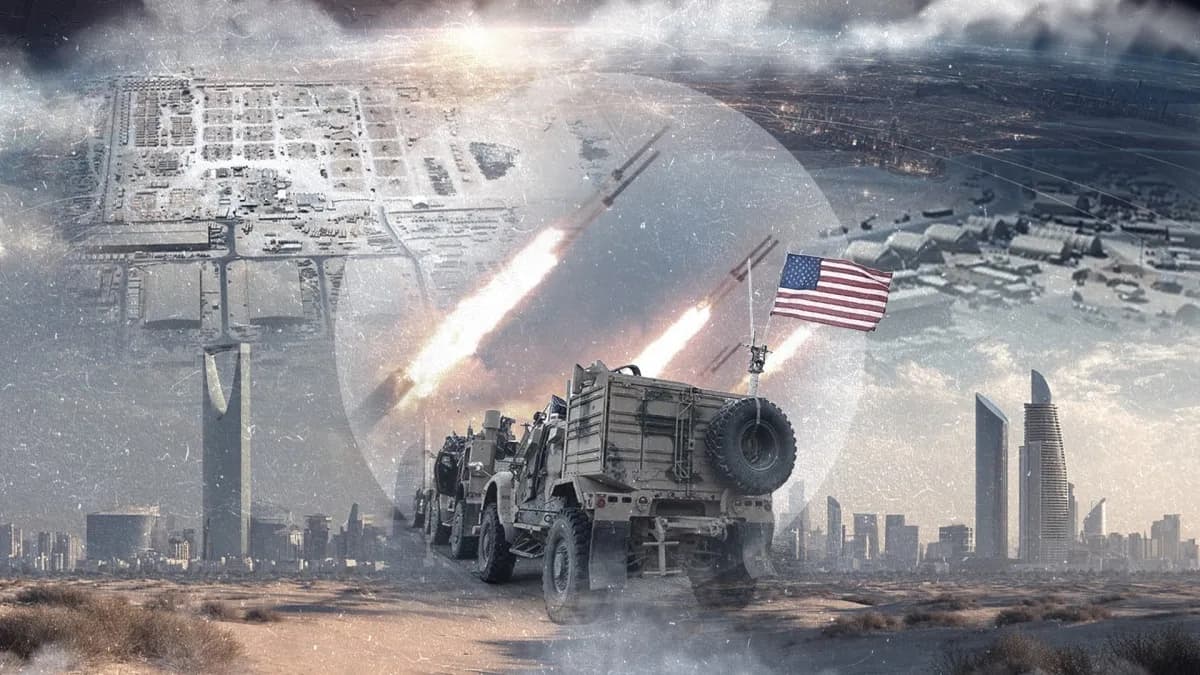
The United States continues to wield unmatched military and financial power, yet its latest confrontation with Iran reveals a growing inability to translate that strength into decisive political results. Persistent sanctions and pressure have driven Tehran closer to China and...
Nuclear Holocaust Threat Just Another Day in Trump World
President Donald Trump escalated rhetoric by threatening a nuclear strike that would "blow up" Iran’s entire civilization amid renewed clashes in the Strait of Hormuz. The United States launched self‑defense strikes on Iranian military sites, while Tehran accused Washington of...

Post-Pax World Needs a Post-Cartesian Mind
Ravi Kant argues that the emerging global order will be organized around data, innovation, capital and supply‑chain networks rather than the territorial and military foundations of Pax Britannica and Pax Americana. He frames this shift as a move from a Cartesian‑Newtonian worldview—where...

US, EU and China Profoundly Split on AI Intimacy
AI companions are proliferating, prompting divergent regulatory approaches in China, the United States, and the European Union. China introduced the first dedicated anthropomorphic‑AI rules in December 2025, focusing on emotional safety with mandatory age verification, exit options, and personal liability for...
No Promised US Manufacturing Boom as Trump Tariffs Ruled Illegal
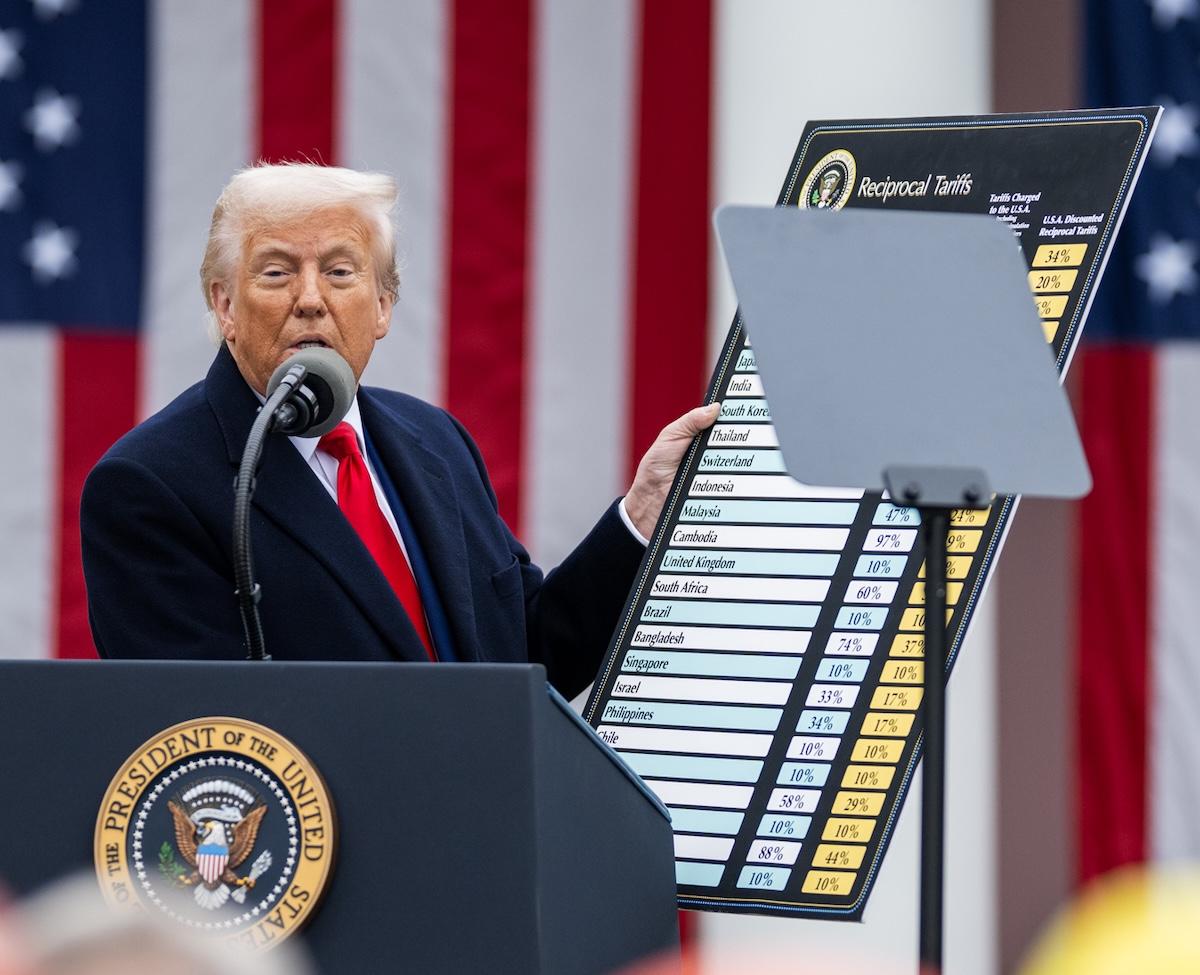
A three‑judge panel of the U.S. Court of International Trade ruled 2‑to‑1 that President Donald Trump's sweeping 10% tariffs on most imports were unlawful, a decision the administration is expected to appeal. The ruling, which only blocks tariff collection for...
Trump Claiming Iran War ‘Win’ – Here’s the Reality
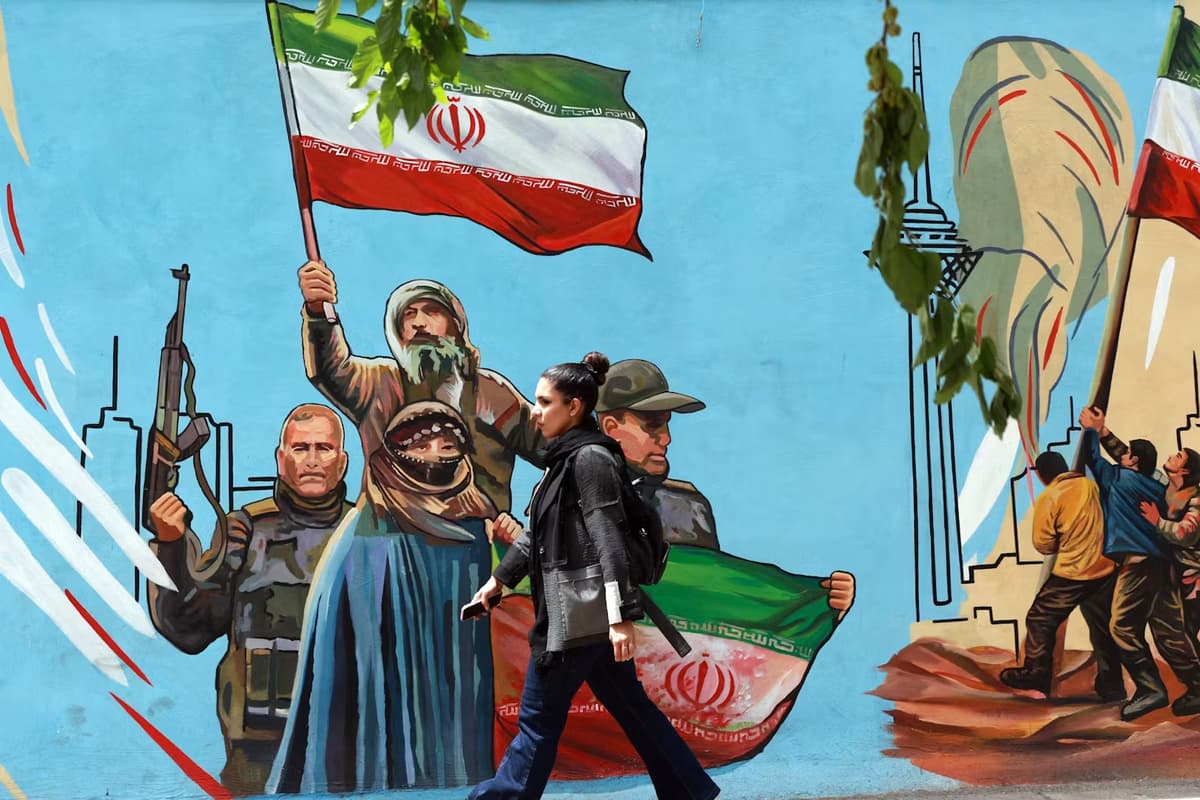
President Donald Trump has declared the two‑month‑old war with Iran a victory, even as Secretary of State Marco Rubio publicly shifted the mission to reopening the Strait of Hormuz for civilian traffic. On May 5 Trump abruptly suspended the Navy’s “Project...
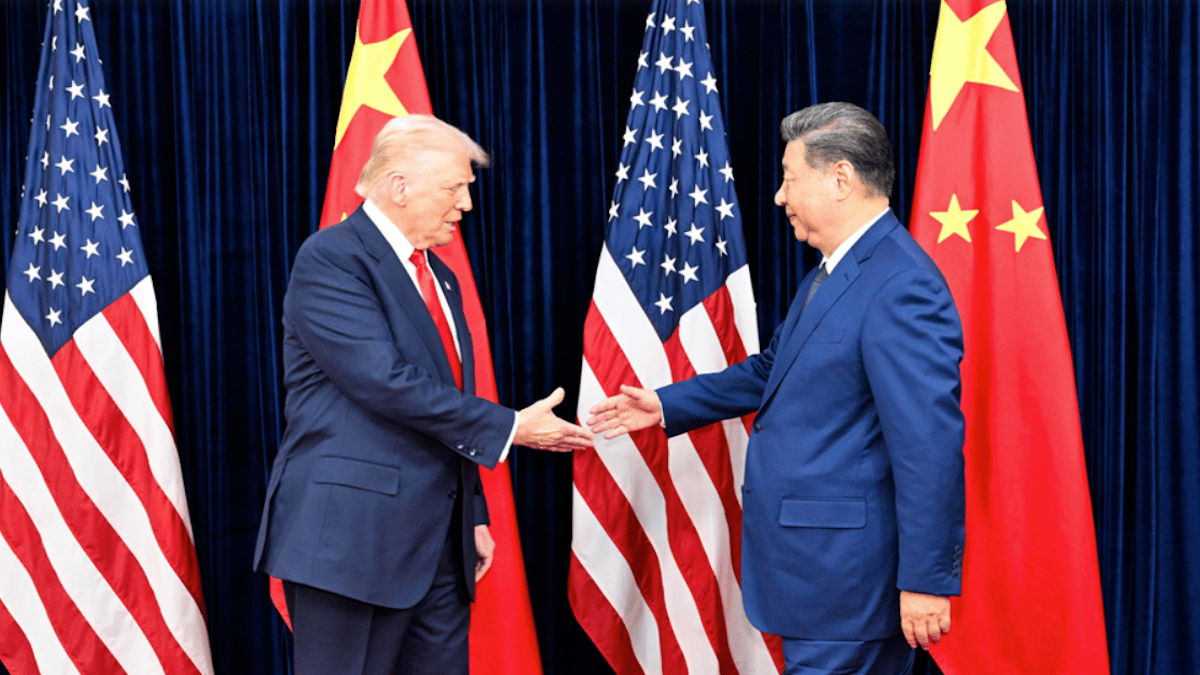
Trump-Xi Summit Set to Weigh Iran Oil, Taiwan and US Exports
The Trump‑Xi summit will convene in Beijing on May 14‑15, tackling a packed agenda that includes Iranian oil sanctions, Chinese “teapot” refineries, Taiwan arms sales, and the release of Hong Kong media mogul Jimmy Lai. U.S. officials stress that while Iran‑related oil...

Drones and Ancient Revolutions in Military Affairs
The piece likens today’s drone boom to ancient military revolutions such as the chariot, the composite bow, and iron weaponry, showing how breakthrough tech reshapes battlefield balance. Chariots added unprecedented mobility, composite bows extended range and penetration, and iron smelting...

Hard and Psychological Power Shown in South China Sea Exercise
The Balikatan exercise in the Philippines brings together troops from the United States, the Philippines, Japan, Australia, New Zealand, Canada and France for intensive combat training. Conducted in the northern Philippines and the Luzon Strait, the drills simulate a scenario...
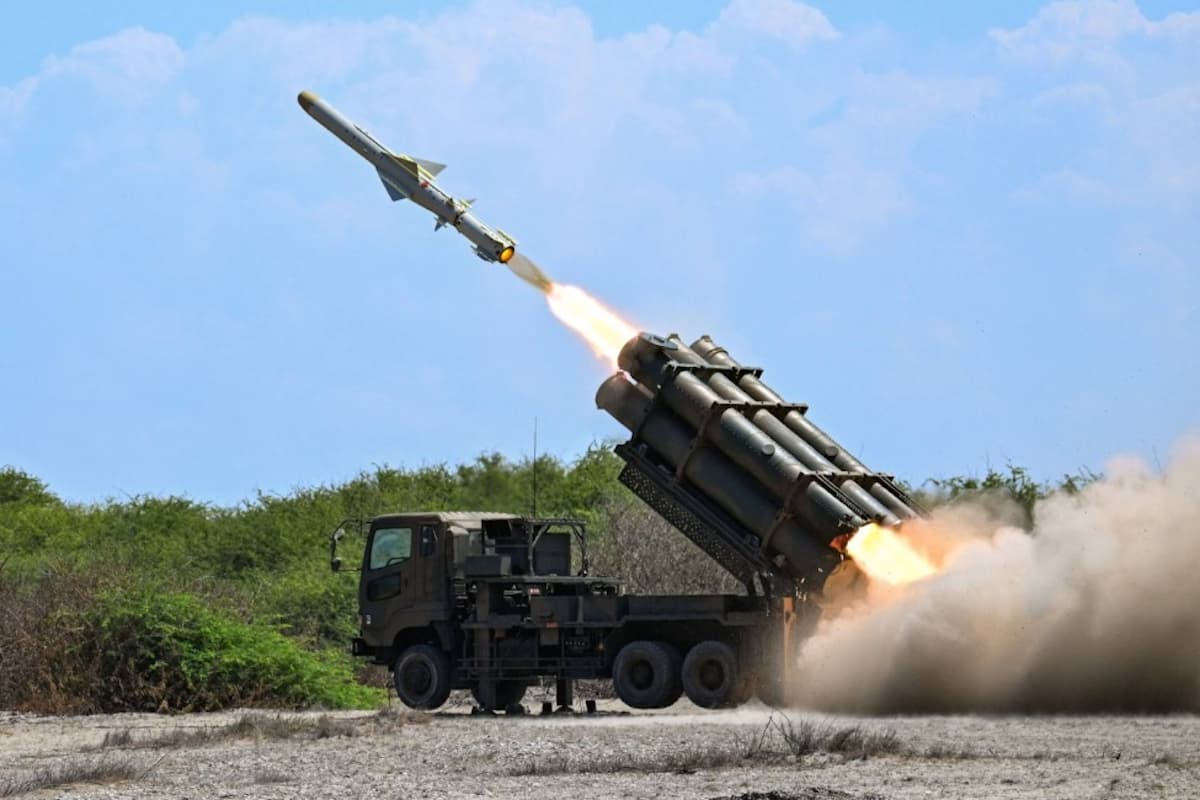
US, Japan Missile Drills Put Philippines in China’s Line of Fire
During the Balikatan exercises, the United States and Japan launched missiles from Philippine territory for the first time. Japan’s Ground Self‑Defense Force fired two Type 88 anti‑ship missiles that sank a decommissioned navy vessel 75 km offshore, while the U.S. Army fired...
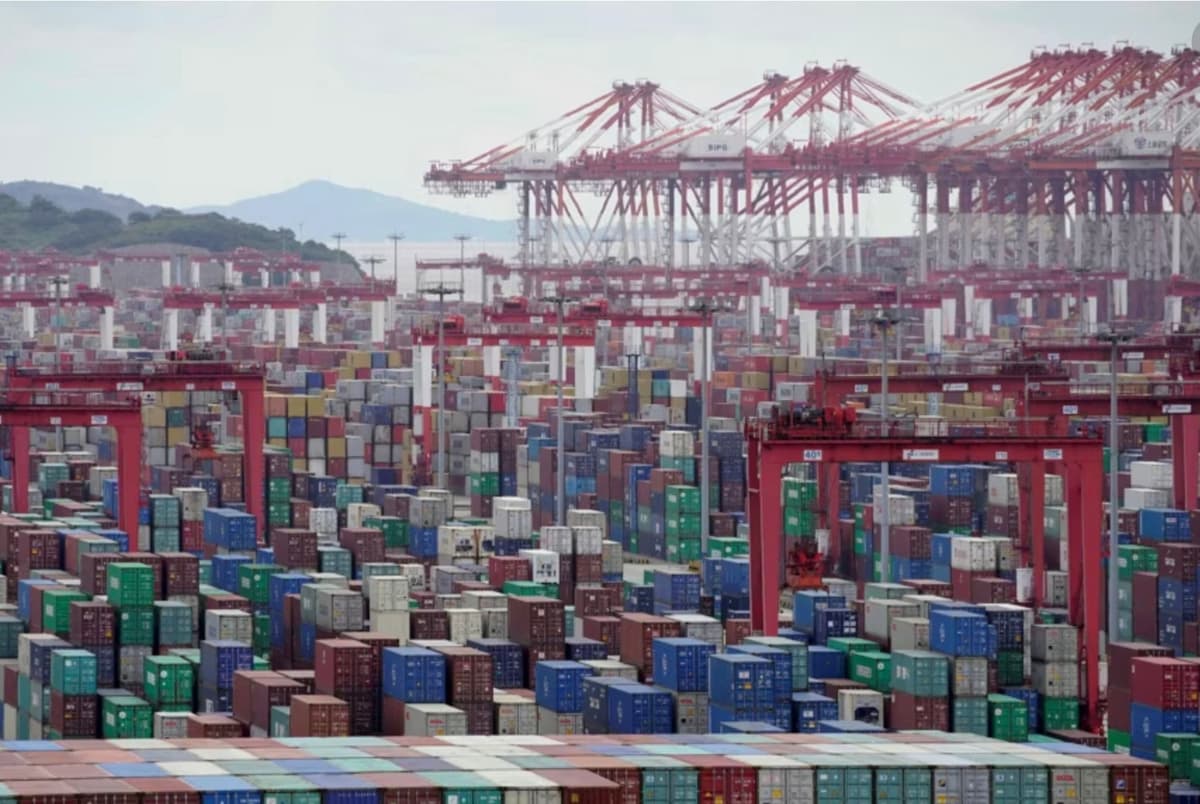
Designed to Hurt Asia, Trump’s Tariffs Did the Opposite
The Trump administration’s 2025‑2026 tariffs on Asian exporters were intended to shrink the U.S. trade deficit, but the 2025 data show record deficits with Vietnam, Taiwan, Thailand, Malaysia and Indonesia. Legal setbacks forced a switch to Section 122 tariffs and a...
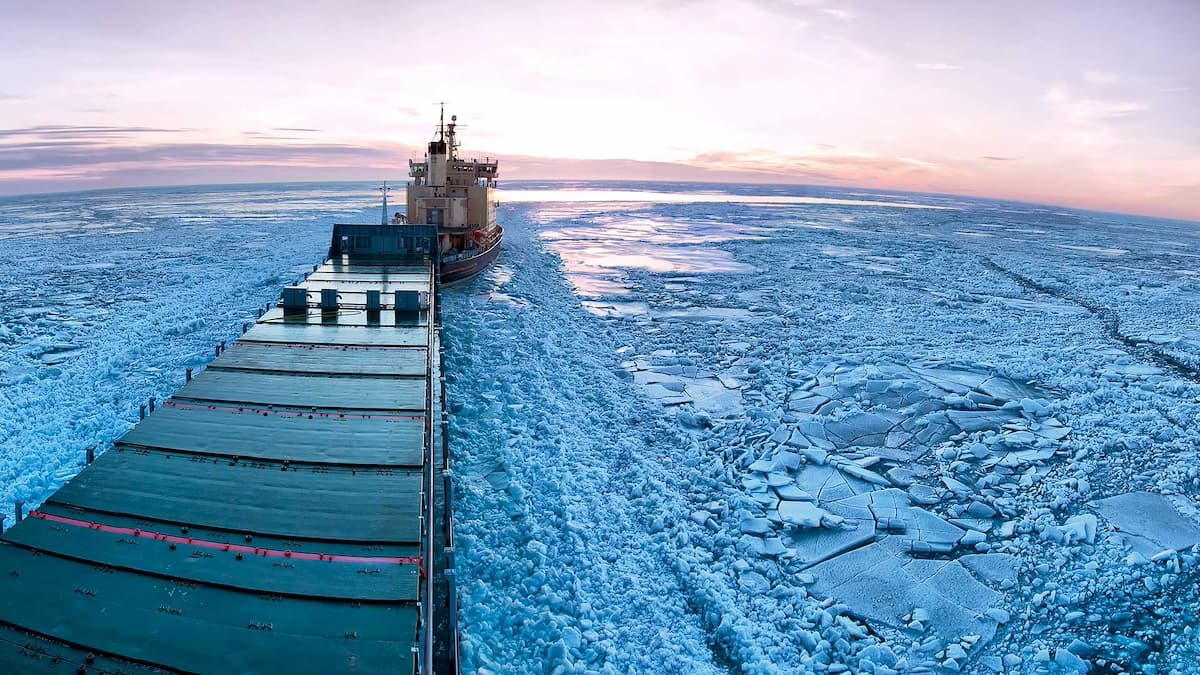
Hormuz Crisis Heats up Asia’s Arctic Scramble
The May 2024 Hormuz shutdown exposed Asia’s over‑reliance on a single oil chokepoint, prompting a rapid pivot toward Arctic routes. The arrival of a Russian‑crude tanker from Sakhalin highlighted a deliberate bypass of Hormuz, signaling that Asian capitals are already testing...

Crunch Time for Japan-Russia as Energy and Security Collide
Japan received a Sakhalin‑2 oil tanker at Taiyo Oil’s Imabari refinery, underscoring its push to diversify energy supplies beyond the Persian Gulf. At the same time, Terra Drone announced a strategic investment in Ukrainian drone maker WinnyLab, expanding Japan’s defence‑technology...

Nearly $1 Billion in Oil Shorts Bet Just Before Iran Peace Report
A trader placed a $920 million crude short—about 10,000 contracts—just before a report that the United States and Iran were nearing a peace memorandum. Within two hours oil prices fell 12%, allowing the position to generate roughly $125 million in profit. Prices...

Victory in Iran Is Nothing Short of Finishing It Off
President Trump abruptly paused Project Freedom, the U.S. Navy escort of commercial vessels through the Strait of Hormuz, and hinted at a possible diplomatic deal with Iran. The opinion piece argues that the pause mirrors past U.S. missed opportunities to...

India’s Energy Risk Surges as Sea Routes Turn Strategic
India’s energy security is increasingly threatened by the strategic weaponisation of maritime chokepoints. About half of its crude oil and 90% of LPG/LNG imports travel through the Strait of Hormuz, while over a third of its overall trade depends on...
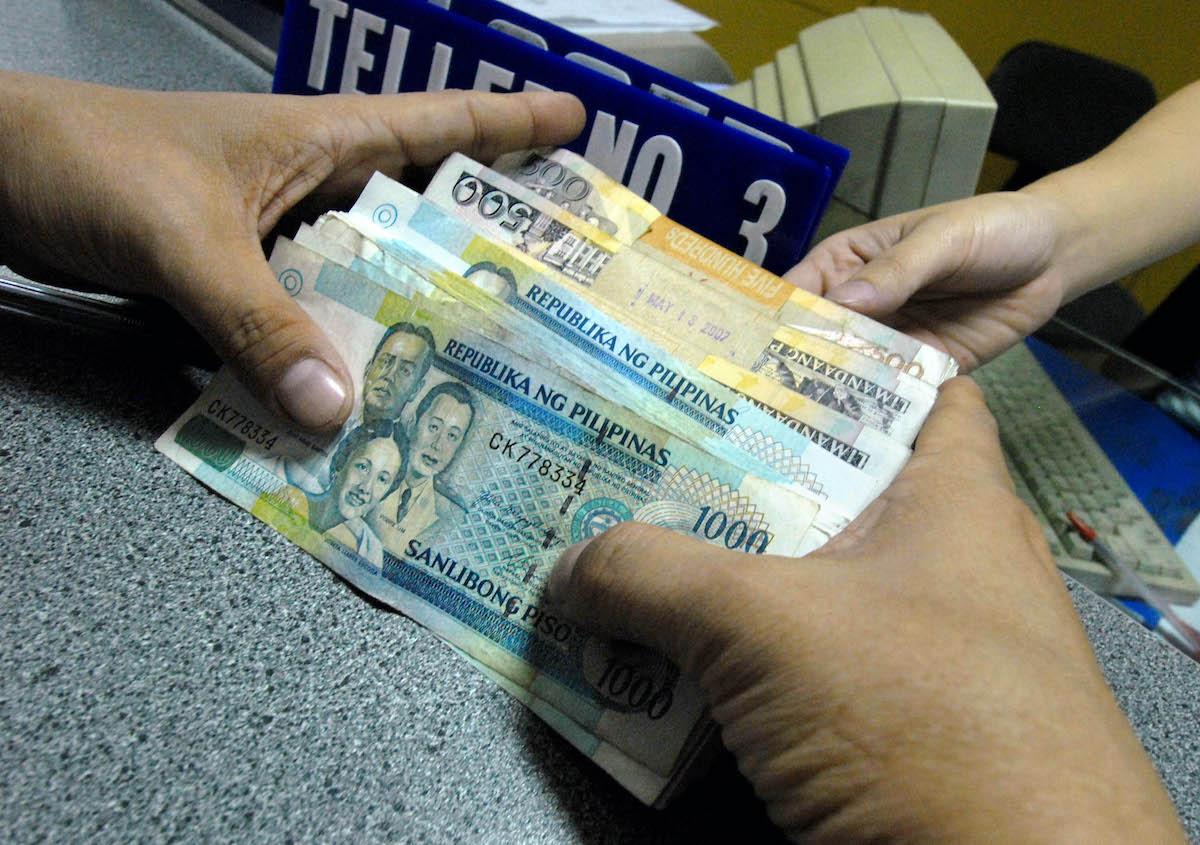
Philippines First to Lose a Grip on Iran War-Stoked Inflation
Philippine inflation surged to 7.2% year‑on‑year in April, roughly double the 3.4% Q1 growth, as oil and fertilizer price spikes from the Iran‑Israel conflict hit the economy. The jump is expected to push inflation toward 8% in the second quarter,...
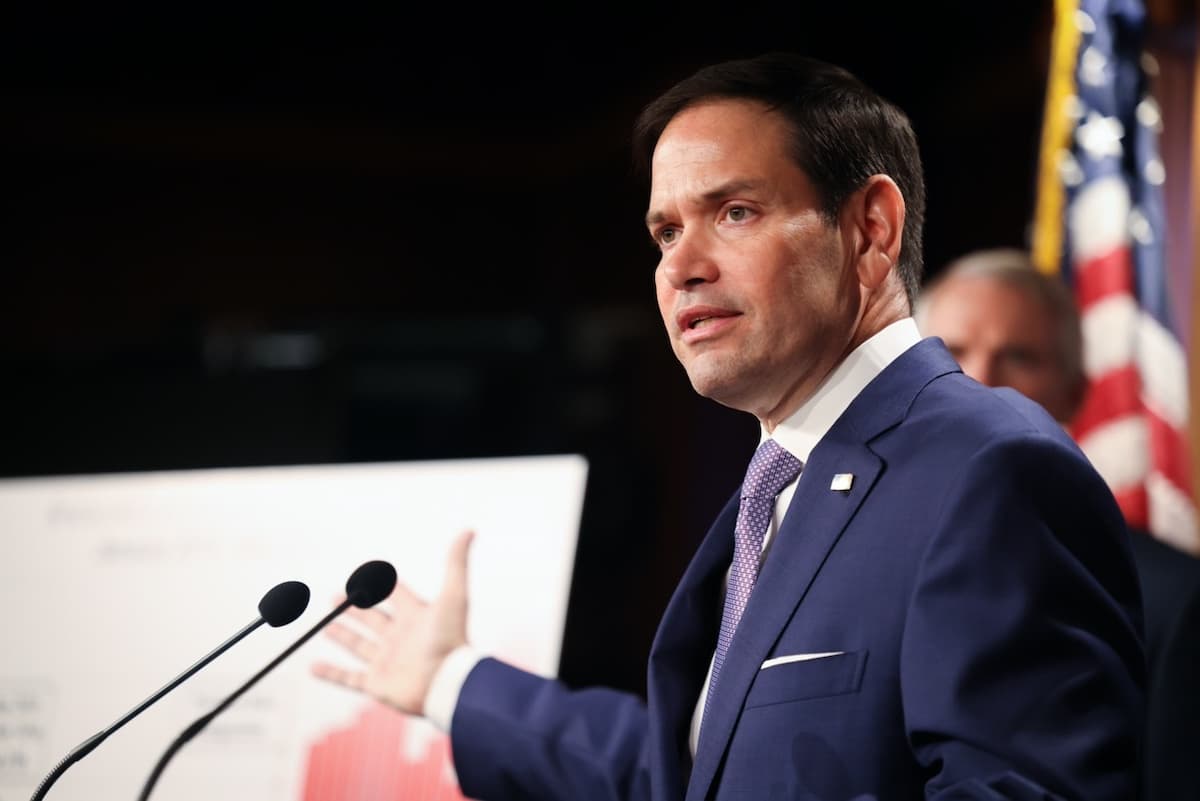
Rubio Is Right About Iran’s Economic Nuke — That’s the Problem
U.S. Secretary of State Marco Rubio warned that Iran’s control of the Strait of Hormuz functions like an economic nuclear weapon, a threat amplified by the mines Tehran has scattered across the waterway. A German frigate, the Fulda, is already...

China’s J-35AE for Pakistan Risks Nuclear Escalation with India
China is poised to export its J‑35AE fifth‑generation stealth fighter to Pakistan, with reports of a potential order of about 40 aircraft. The platform would give Islamabad a deep‑strike capability that could threaten Indian nuclear infrastructure, reshaping the conventional‑counter‑force balance...

Asia Fracturing Into Energy Security Haves and Have-Nots
Asia’s once‑uniform growth story is fracturing into tiers defined by energy security. Wealthy economies such as Japan, South Korea and Singapore can leverage massive foreign‑exchange reserves to secure fuel and stabilize currencies, while lower‑resilience nations face soaring inflation, weaker currencies...

US Fast-Tracks New Ship-Killer Missile to Point at China
The U.S. Army is fast‑tracking Increment 4 of its Precision Strike Missile, an anti‑ship variant capable of striking maritime targets up to 1,000 km away and operating from HIMARS launchers. The system is designed for GPS‑denied environments and aims to fill a...

Korea and Taiwan: When an AI Boom Lifts a Nation
Korea and Taiwan are reaping unprecedented AI‑driven windfalls as Samsung, SK Hynix and TSMC surge into the world’s most profitable firms. The profit‑sharing model channels billions of dollars into employee bonuses—up to $477,000 per engineer at SK Hynix—fueling a sharp rise in...
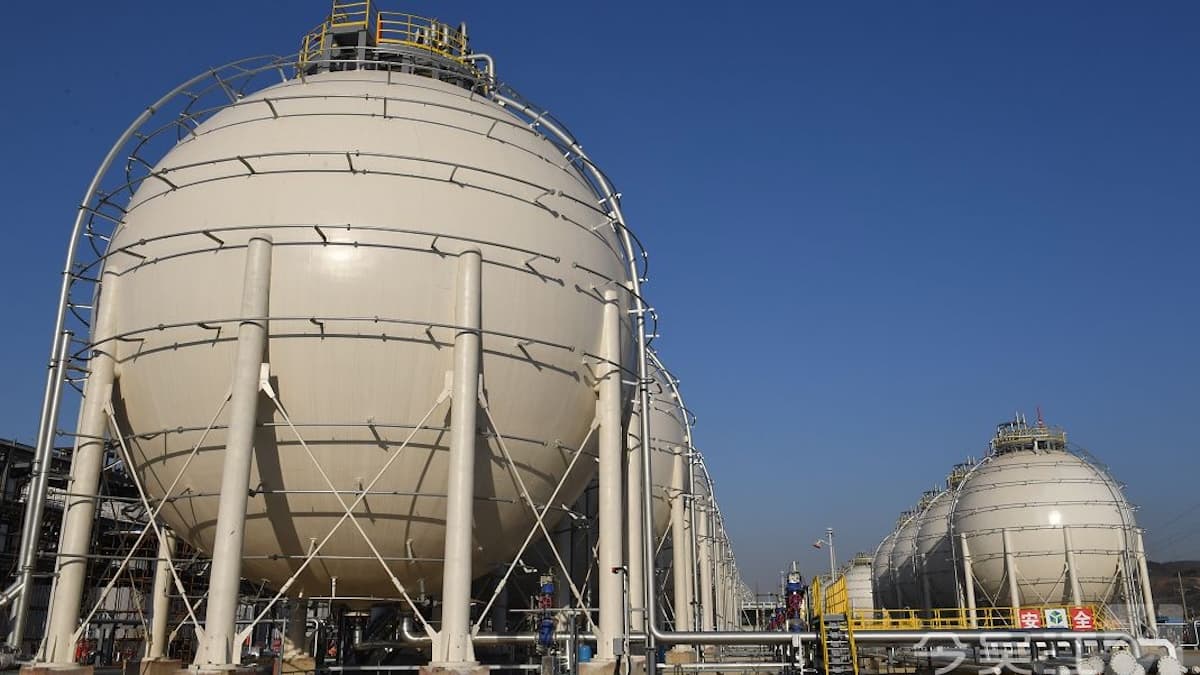
China Invokes Rules to Blunt US Sanctions on ‘Teapot’ Refiners
China invoked its five‑year‑old Blocking Rules for the first time to refuse enforcement of U.S. sanctions on five mainland “teapot” oil refiners, including newly designated Hengli Petrochemical (Dalian). The Ministry of Commerce ordered Chinese companies and banks not to comply...

Have Any Lessons Been Learned From US Failures in the Iran War?
The United States suffered notable setbacks in the 2026 Iran conflict, losing two AWACS platforms and three F‑15 fighters while Iranian forces struck high‑value bases across the Middle East. Friendly‑fire from a Kuwaiti F‑18 downed the F‑15s, and an Iranian...
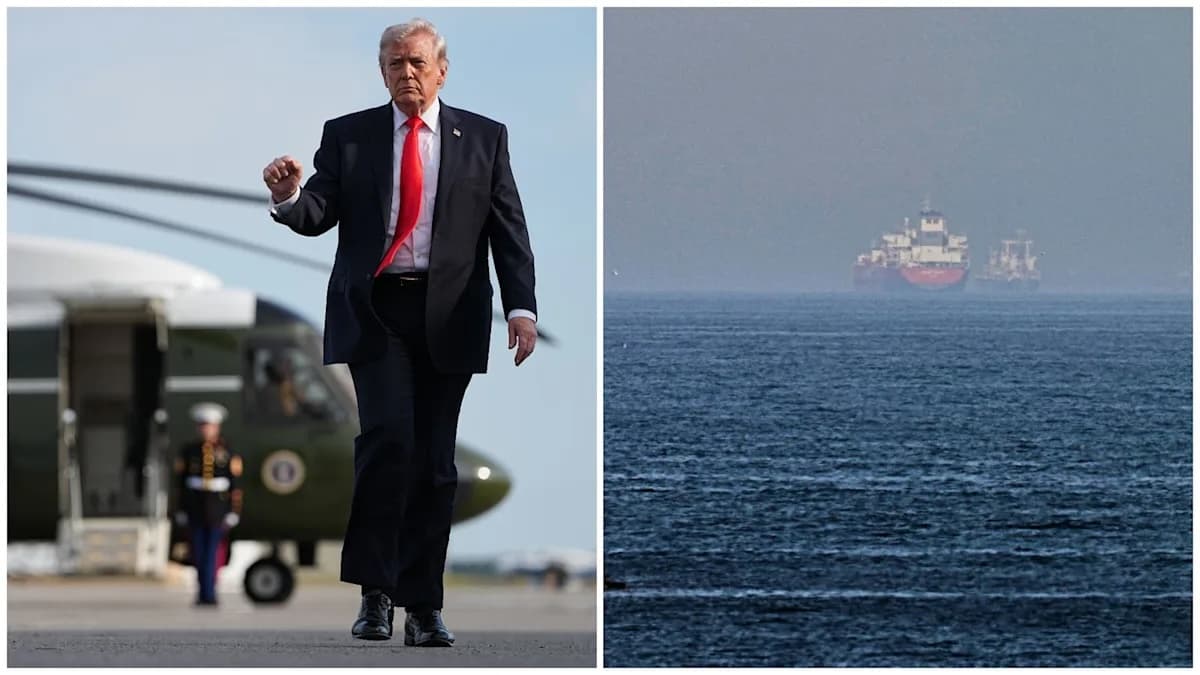
Trump Team Denies Iran Hit US Warship Entering Hormuz Strait
The Trump administration denied Iranian reports that a U.S. Navy frigate was hit by two missiles in the Strait of Hormuz. Iranian state media claimed the warship entered without permission and was struck, while CENTCOM posted a fact‑check asserting no...
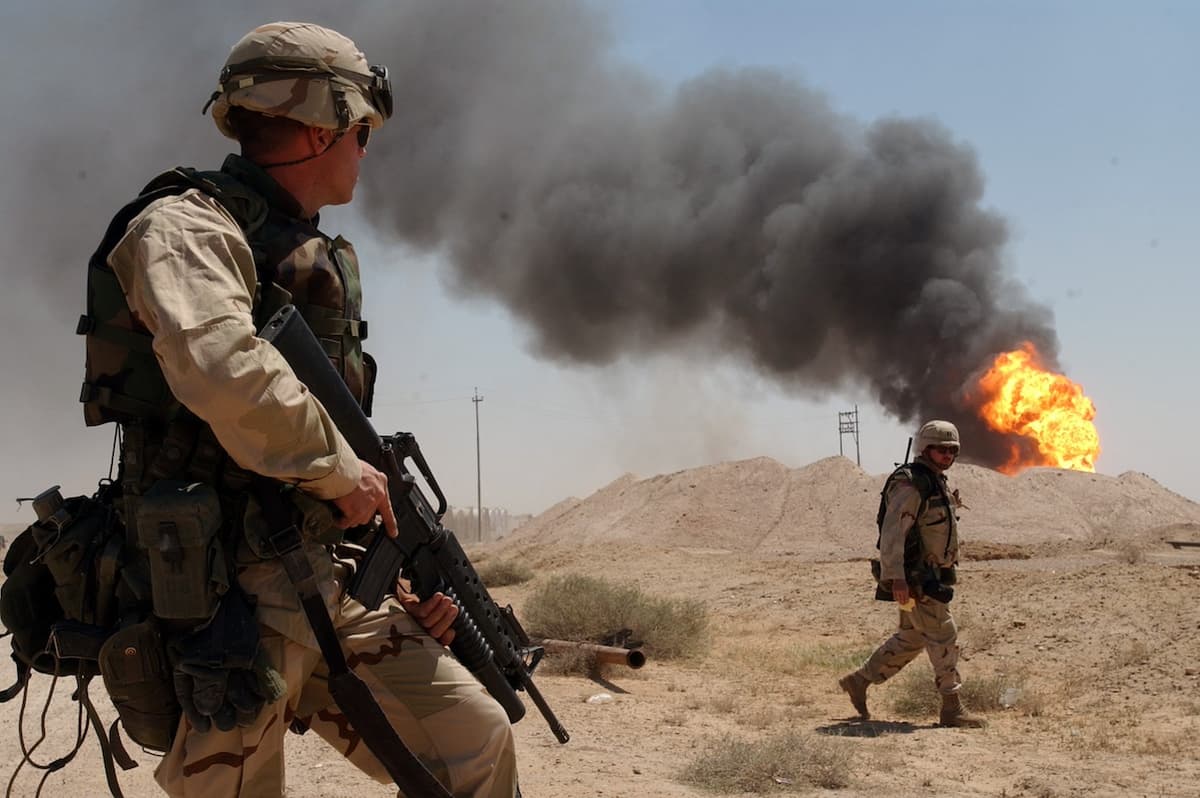
West Asia’s Old Security Order Is Dead and Gone
The long‑standing security architecture of West Asia has unraveled as costly wars in Gaza and the Iran‑Israel confrontation exposed the limits of military power. Israel’s finance ministry estimates $11.5 billion in war expenses, while the U.S. Pentagon reports a $25 billion price...
Global Fragmentation Is Rewiring Asia’s Economic Future
Asia’s post‑war boom thrived on predictable globalization, cheap energy and integrated supply chains, lifting millions out of poverty. Today, escalating U.S.–China rivalry and geopolitical friction turn that interdependence into a conduit for shocks, from oil disruptions in the Strait of...
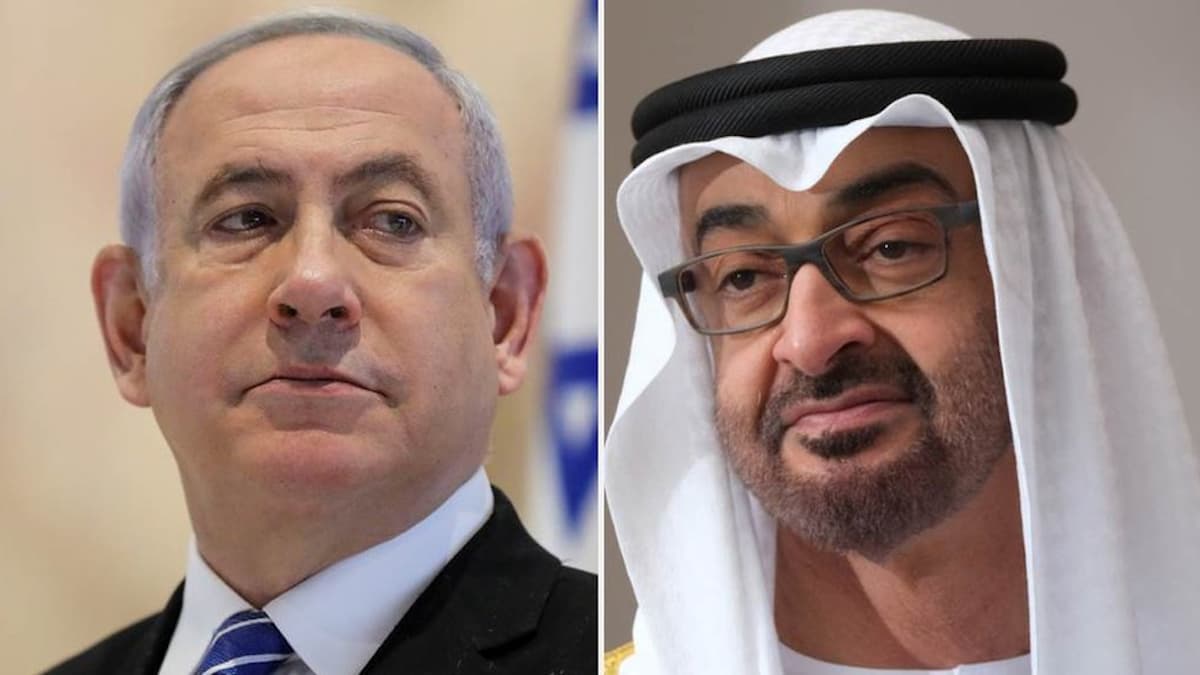
UAE-Israel Ties Useful but Nowhere Near a Middle East Reset
The Abraham Accords have produced a pragmatic but limited partnership between the United Arab Emirates and Israel. Trade between the two reached $3.2 billion in 2024 and defense cooperation now includes Edge Group’s purchase of Elbit’s Hermes 900 drone and an Israeli‑operated...

US vs China: Two Armies, Two Theories of the Body
The U.S. Department of Defense announced on April 21 that flu vaccinations will be voluntary for active, reserve, and civilian personnel, ending a practice that has existed since 1945. In contrast, China’s People’s Liberation Army maintains mandatory flu shots as...

Price Wars, Tech Wars: China’s Auto Bloodbath Rages On
The 2024 Beijing auto show expanded to three times its previous floor space, displaying 1,451 vehicles and unveiling 181 new models. China is cutting EV purchase‑tax exemptions by 50% in 2026 and ending them in 2027, prompting a 20.3% dip...
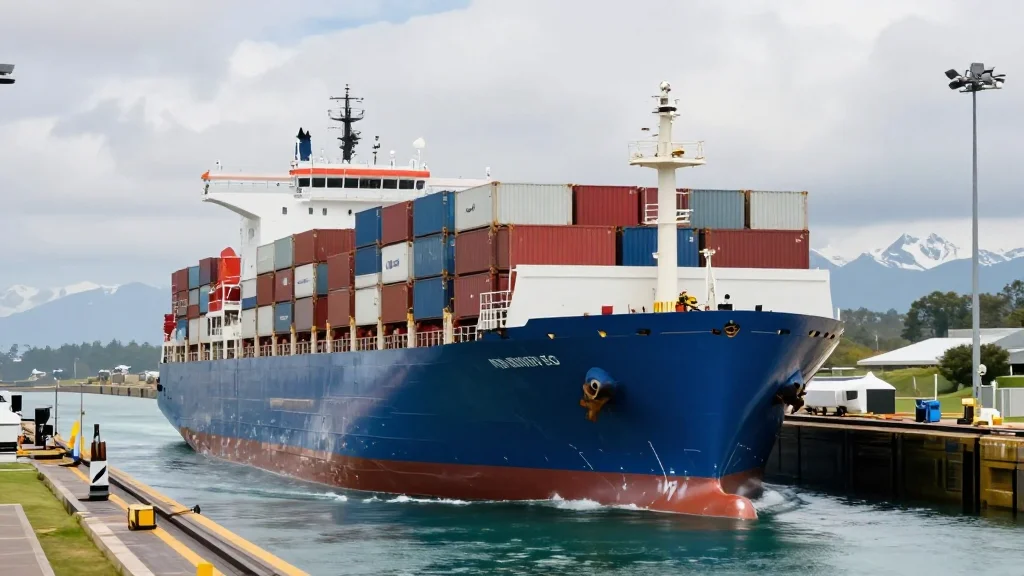
Donroe Doctrine Is Becoming Everything China Feared
The U.S. State Department, joined by Panama and five Latin American nations, issued a joint statement denouncing recent detentions of Panama‑flagged ships at Chinese ports and accusing China of politicizing maritime trade. The declaration is part of a broader law‑fare...

A Tang Spring that Survived an Emperor’s Flight
The handscroll *The Court Lady Guoguo’s Spring Outing*—originally a Tang masterpiece by Zhang Xuan, now known through a Song‑era copy—offers a rare visual record of elite Tang court life. It depicts a nine‑person, eight‑horse procession, with scholars debating whether the...

Brouhaha over Iran War Costs to US Taxpayers
The Pentagon’s acting comptroller told Congress the Trump‑era Iran war has cost $25 billion, but independent analysts argue the true outlay is far higher. Estimates range from $33 billion to $35 billion for the first 39 days, with one expert citing $29 billion in...
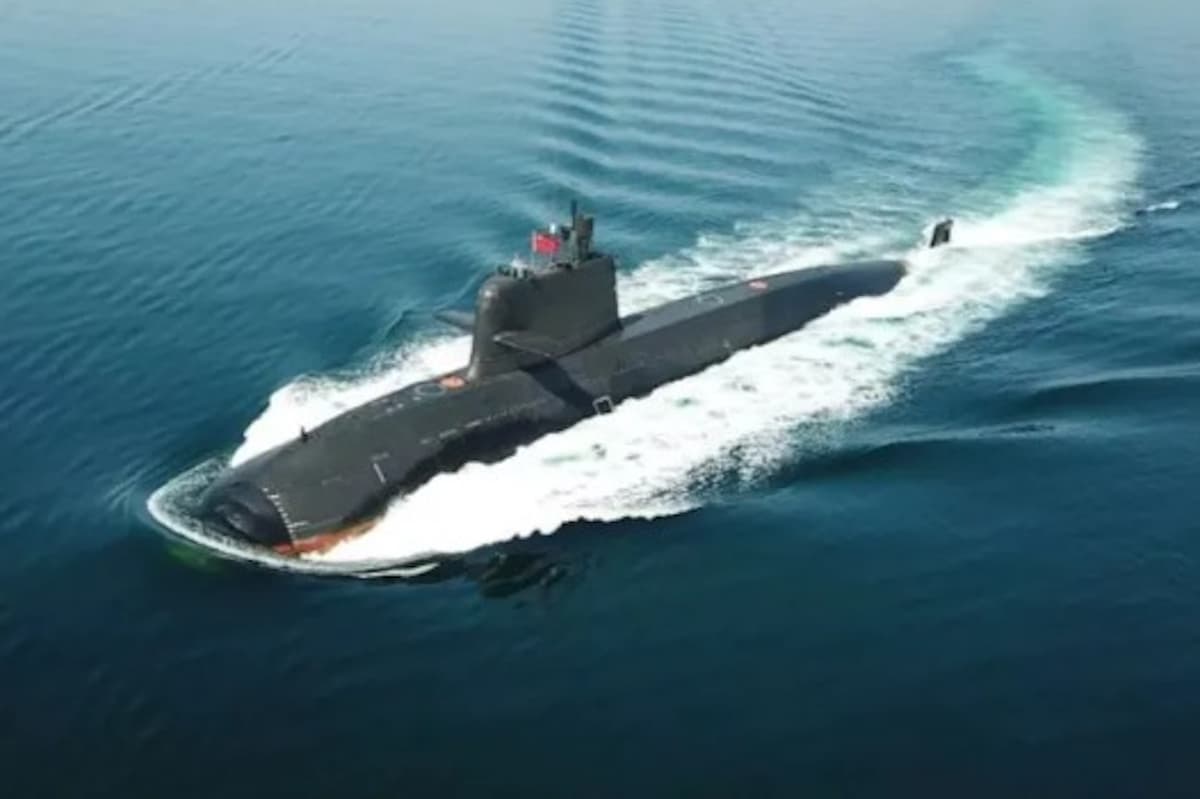
Pakistan’s Hangor Subs Tighten China Link, Test India at Sea
Pakistan commissioned its first Chinese‑built Hangor‑class submarine, PNS/M Hangor, marking a milestone in a broader eight‑submarine program that blends Chinese construction with domestic production under technology transfer. The Hangor class, derived from China’s Yuan design, features air‑independent propulsion, modern sensors and...