Waymo Starts Public Rides with New Ojai Robotaxi in Los Angeles, San Francisco and Phoenix
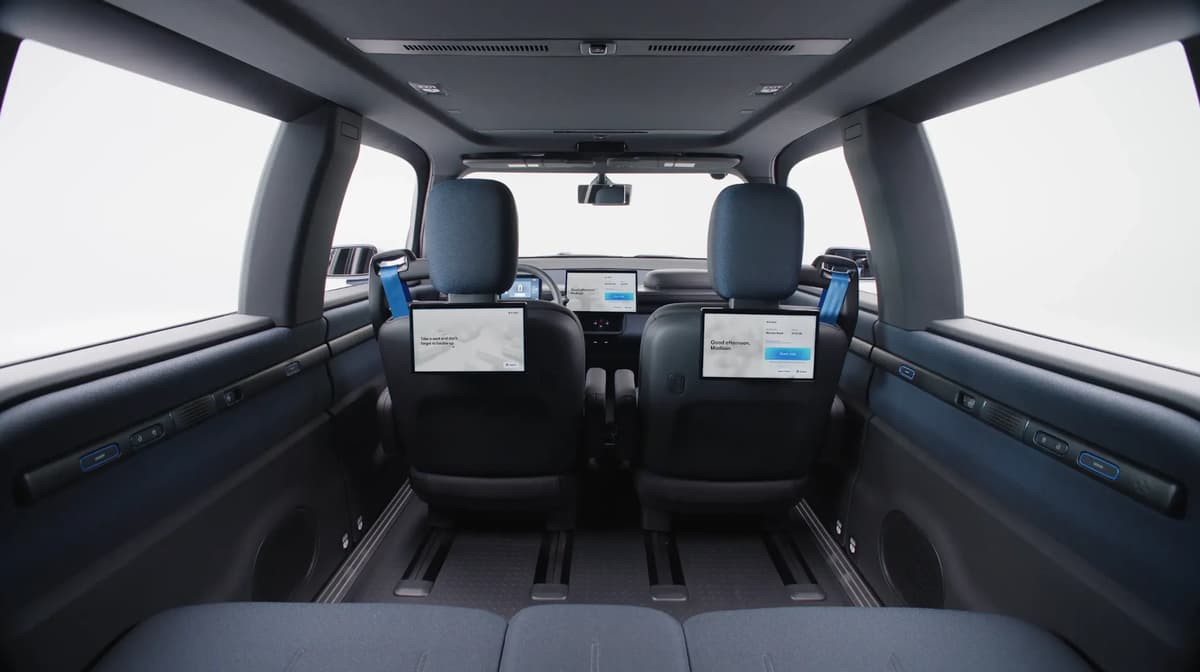
Waymo announced that its newest robotaxi, the Ojai, will begin public service in Los Angeles, San Francisco and Phoenix within weeks. The Ojai introduces the sixth‑generation Waymo Driver, promising smoother navigation and advanced safety. Its cabin features elevator‑style doors, a low step‑in height, a flat floor and three large LED screens for personalized climate and audio settings. Waymo markets the vehicle as an “oasis on wheels,” shifting the experience away from a conventional car feel.
New Companies Join PAVE UK to Promote Self-Driving Education
Wayve, Uber and Nissan have joined the Partners for Automated Vehicle Education United Kingdom (PAVE UK) initiative, expanding its roster of industry partners. The trio plans to launch autonomous‑vehicle trials in London later this year to showcase the technology and engage...

Nvidia Expands Drive Hyperion Level 4-Ready AV Ecosystem
Nvidia has broadened its Drive Hyperion ecosystem, a Level 4‑ready robotaxi platform that integrates Nvidia’s high‑performance Drive AGX compute, Halos safety OS and multimodal sensors. The expansion adds partnerships with Foxconn, VinFast, Uber and Humain, each targeting deployments in Taiwan, Southeast Asia,...

INTERVIEW: Christian Lichtmannecker, Head of Business Development – Autonomous Mobility, Mobileye, and Co-Founder and Board Member, PAVE Europe
Christian Lichtmannecker, head of business development for autonomous mobility at Mobileye, discussed the company’s strategy at the 2026 Automated Mobility Summit in Zurich. Mobileye’s self‑driving technology powers the VW ID Buzz demo vehicle, and the firm is scaling pilots with partners...
WeRide and Renault Once Again Offer Autonomous Bus Service at Roland-Garros Tournament
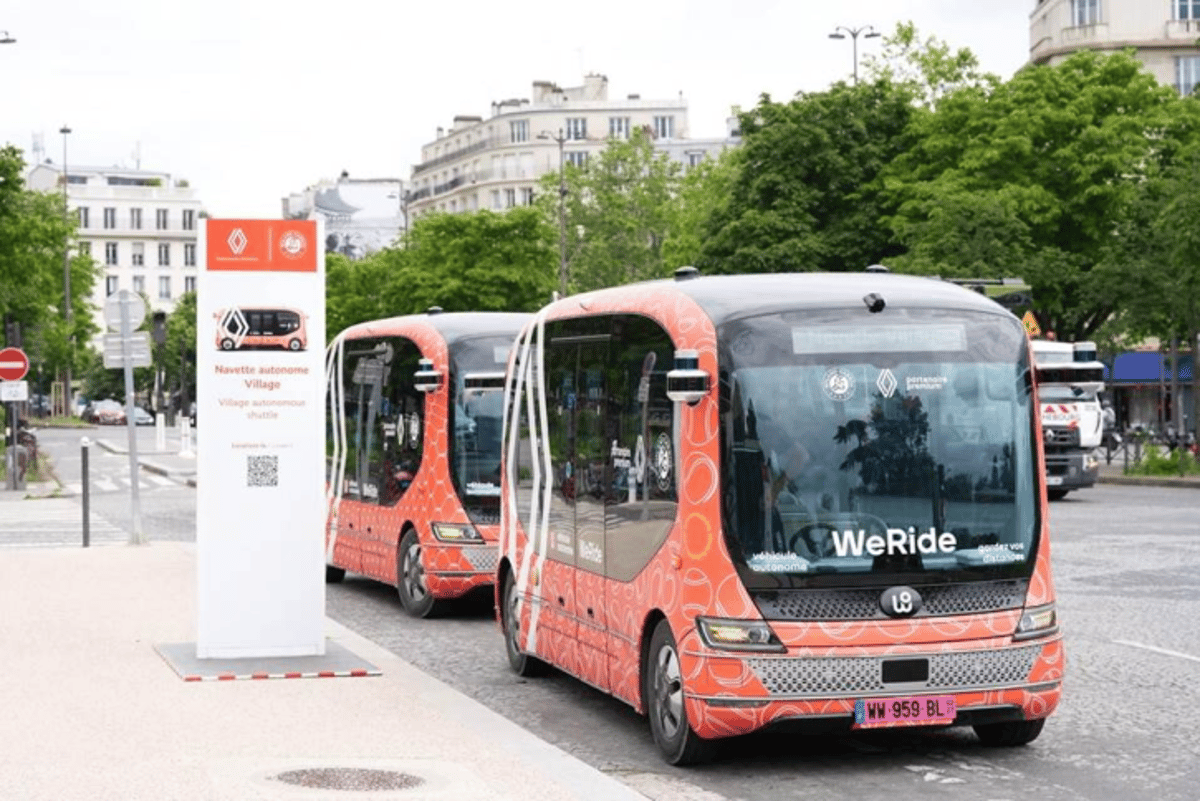
WeRide, in partnership with Renault Group, is operating its autonomous Robobus at the Roland‑Garros French Open for the third consecutive year. The driverless shuttle runs a 2.8 km loop connecting three key venues, with 12‑minute trips and extended daytime and night‑time...

SPEAKER INTERVIEW: Uscale Managing Director Axel Sprenger on the Results of the Company’s ADAS Satisfaction Study
Uscale’s managing director Axel Sprenger will unveil findings from a new ADAS Satisfaction Study at the Autonomous Vehicle Tech Expo in Stuttgart. The survey of 4,000 drivers with vehicles three years old or newer revealed that many owners underuse or...

SPEAKER INTERVIEW: Mircea Gradu, VP of Vehicle Engineering, Karma/Chair of FISITA Board
Mircea Gradu highlighted the rapid move toward safety‑case‑based regulations for automated driving, noting UNECE's February 2026 draft and the U.S. DOT's new audit framework. He detailed a three‑phase validation pipeline—simulation, X‑in‑the‑loop testing, and live deployment at 25 Orange County intersections—that...

INTERVIEW: Matt Fisch, Chairman and CEO, AEye
AEye CEO Matt Fisch describes the company’s mission to give machines sight through advanced lidar, positioning it as a cornerstone of the emerging "physical AI" era. The firm’s ultra‑vision platform offers long‑range, high‑resolution perception that outperforms traditional cameras and radar,...

Rapid Adoption of Automotive Ethernet Raises Standardization and Cost Concerns
Tech Insights forecasts automotive Ethernet sockets will climb from about 962,000 in 2025 to 3.42 million by 2032, pushing the average per‑vehicle ports from 11 today to 27 by 2030. The rapid growth is driven by higher‑bandwidth sensors, autonomous‑driving workloads and...

Kodiak AI Announces Autonomous Trucking Pilot in Canada
California‑based Kodiak AI announced its first international pilot, deploying autonomous trucks equipped with the Kodiak Driver system on West Fraser Timber’s log‑hauling routes in Alberta, Canada. The trial, slated for later this year, will move timber from forest sites to...
Inside Lucid’s Autonomy-Ready Architecture for Next-Gen Robotaxi Operations
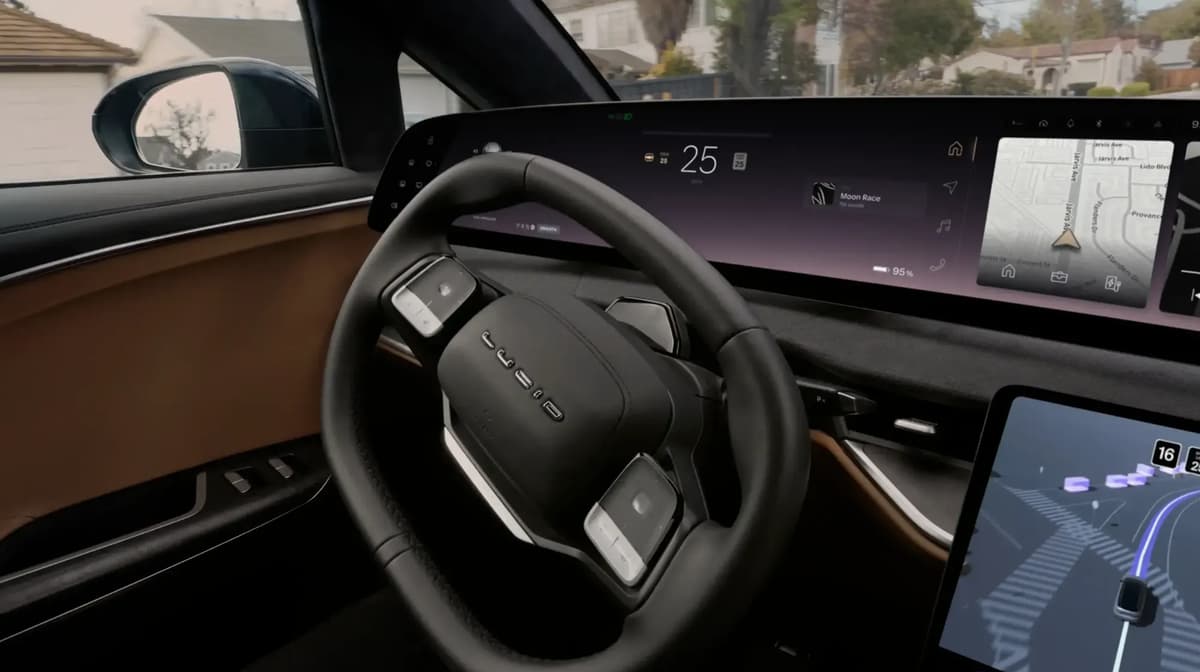
Lucid Motors is engineering an autonomy‑ready platform for a next‑generation robotaxi service with Uber and Nuro, designing the Gravity vehicle architecture around self‑driving from the outset. The platform embeds redundant steering and braking systems, high‑resolution sensors, and a fail‑operational brake...
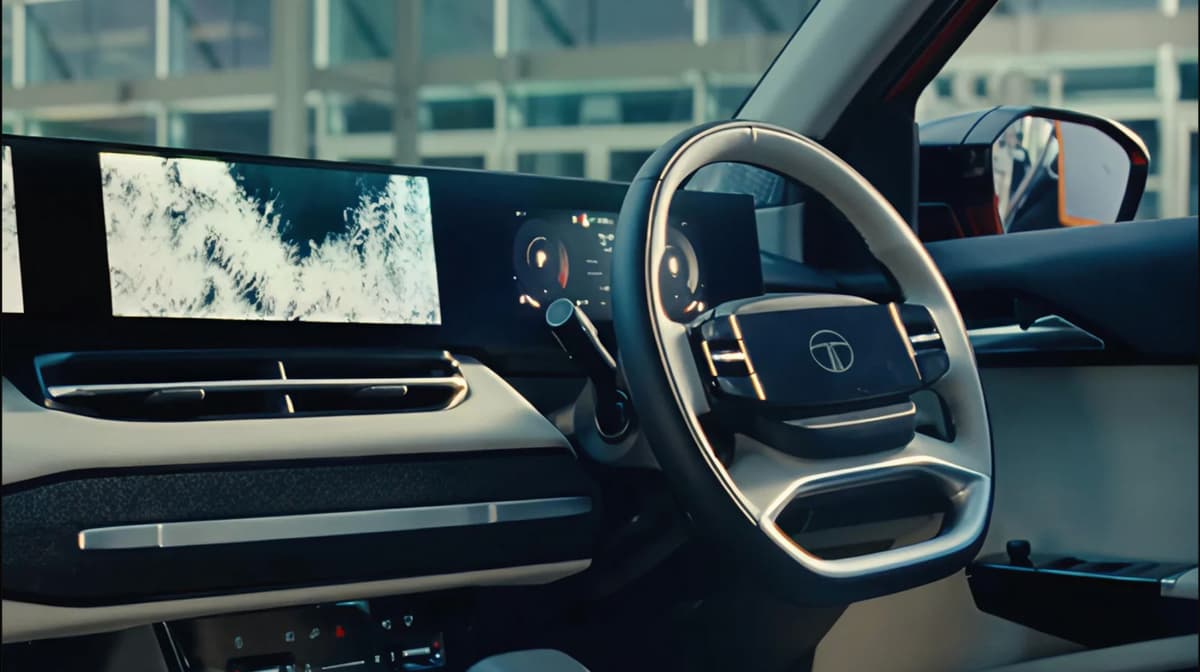
ESync Alliance Expands Adoption of SDVs with Tata Sierra Program
The eSync Alliance announced that its OTA and remote‑diagnostics specifications have been adopted for the production of Tata Motors' new Sierra, marking the first software‑defined internal‑combustion‑engine (ICE) vehicle in India. Delivered by Excelfore, the implementation embeds open, standards‑based OTA updates...
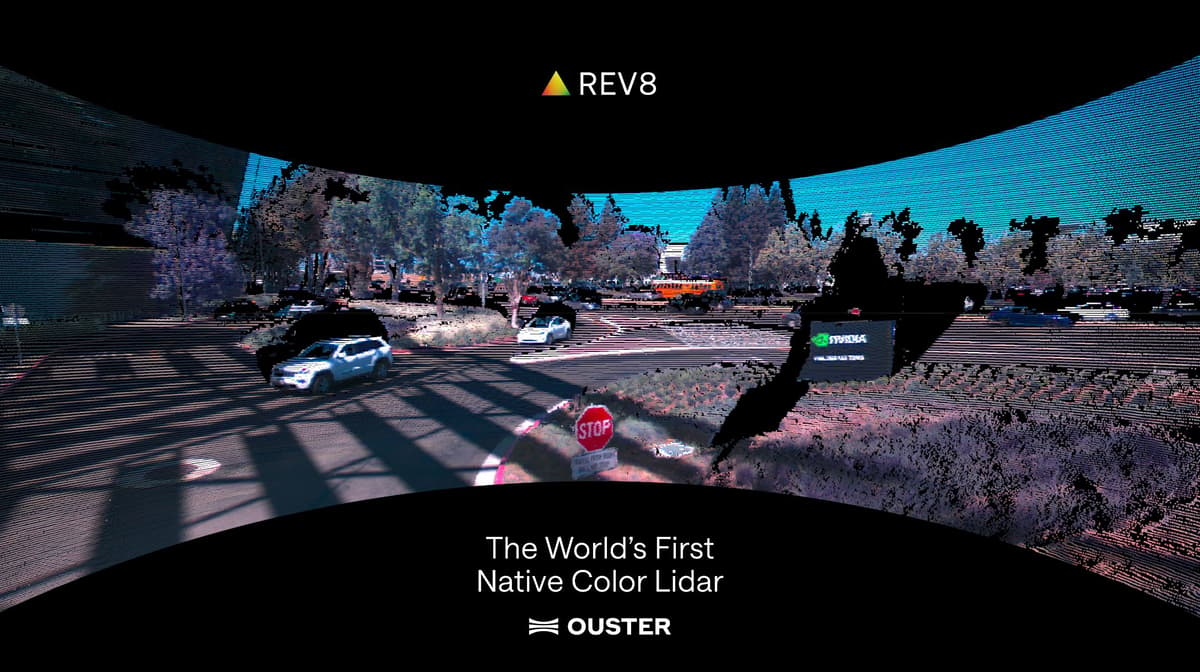
Native-Color Rev8 Lidar From Ouster Targets Level 4 AV Development
Ouster announced that its Rev8 OS family of digital lidar sensors is now qualified for Nvidia's Drive Hyperion platform, a key step toward Level 4 autonomous vehicle development. The Rev8 line introduces the world’s first native‑color lidar and the OS1 Max model,...

DMV Updates AV Rules to Improve Accountability, First Responder Coordination and Public Safety
The California Department of Motor Vehicles has adopted new autonomous‑vehicle regulations that open the state to heavy‑duty AV testing and deployment. Manufacturers must complete 50,000 miles of light‑duty or 500,000 miles of heavy‑duty testing and submit a safety case before...

Kodiak AI and Bosch Test Hardware Components for Autonomous Trucking Platform
Bosch has begun supplying camera and actuation hardware to Kodiak AI, integrating early‑prototype sensors into the company’s SensorPods and testing Bosch’s camera samples for its autonomous trucking platform. The partnership, announced in January 2026, has moved from strategic alignment to joint...