
Returning People to Work Starts With Returning Them to Life – I Learned That as a Mother. Mental Health Recovery,...
Mental health conversations are finally entering the workplace, prompting a shift from diagnosis‑centric claims handling to a holistic view of recovery. The article draws on a mother’s eight‑year sobriety story to illustrate how sleep, nutrition, movement and social connection can accelerate healing for injured workers. It also outlines California’s stringent privacy protections—HIPAA, CMIA and Evidence Code §1016—that limit access to psychiatric records unless a patient authorizes disclosure or the condition is directly at issue in litigation. Ultimately, the piece urges claims professionals to integrate lifestyle strategies into return‑to‑work programs while respecting confidentiality.

New York State Announces Efforts to Bolster Maternal Mental Wellbeing
New York State’s Office of Mental Health announced over $18.4 million to expand the HealthySteps program, adding 38 new sites and boosting capacity by roughly 25%. In 2025 HealthySteps screened more than 108,000 new mothers for perinatal depression, part of a...

Administrative Overload: The Mental Health Toll on Your Staff and Your Business
A new Edge survey finds that 76.4% of U.S. healthcare leaders consider administrative work overwhelming, and 75.5% say the burden has risen sharply over the past year. Hiring delays exacerbate the problem, with the average time to fill a healthcare...
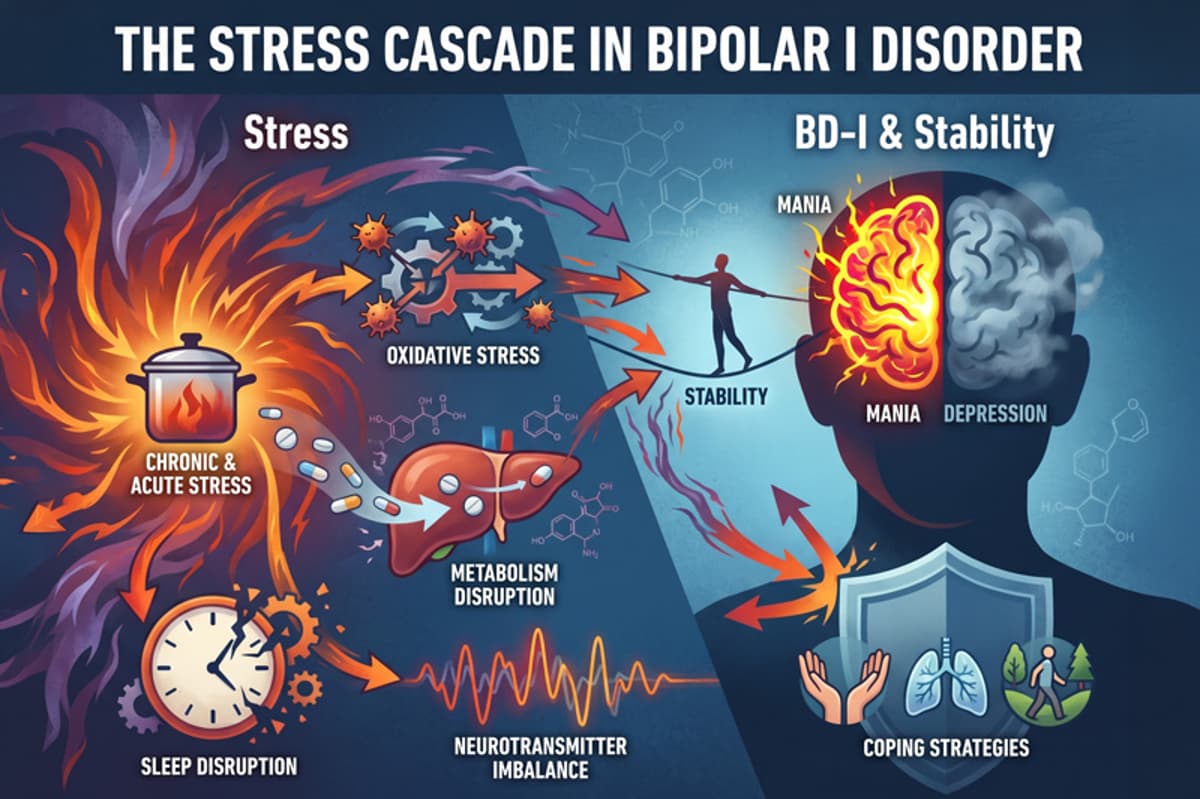
Recognizing the Role of Stress in Bipolar I Disorder Management
National Stress Awareness Month highlights how both chronic and acute stress intensify symptoms of bipolar I disorder (BD‑I). Stress elevates cortisol, disrupts sleep, and can alter medication metabolism, creating a feedback loop that destabilizes mood. Clinicians often overlook stress in...

Mentorship and Leadership in Advancing Behavioral Health Equity
Carmen Collado, a veteran nonprofit leader and COO of Community Counseling & Mediation, reflects on a 35‑year career dedicated to behavioral health equity. She highlights a pioneering foster‑care mental‑health pilot that achieved a 99% placement stability rate and was adopted...
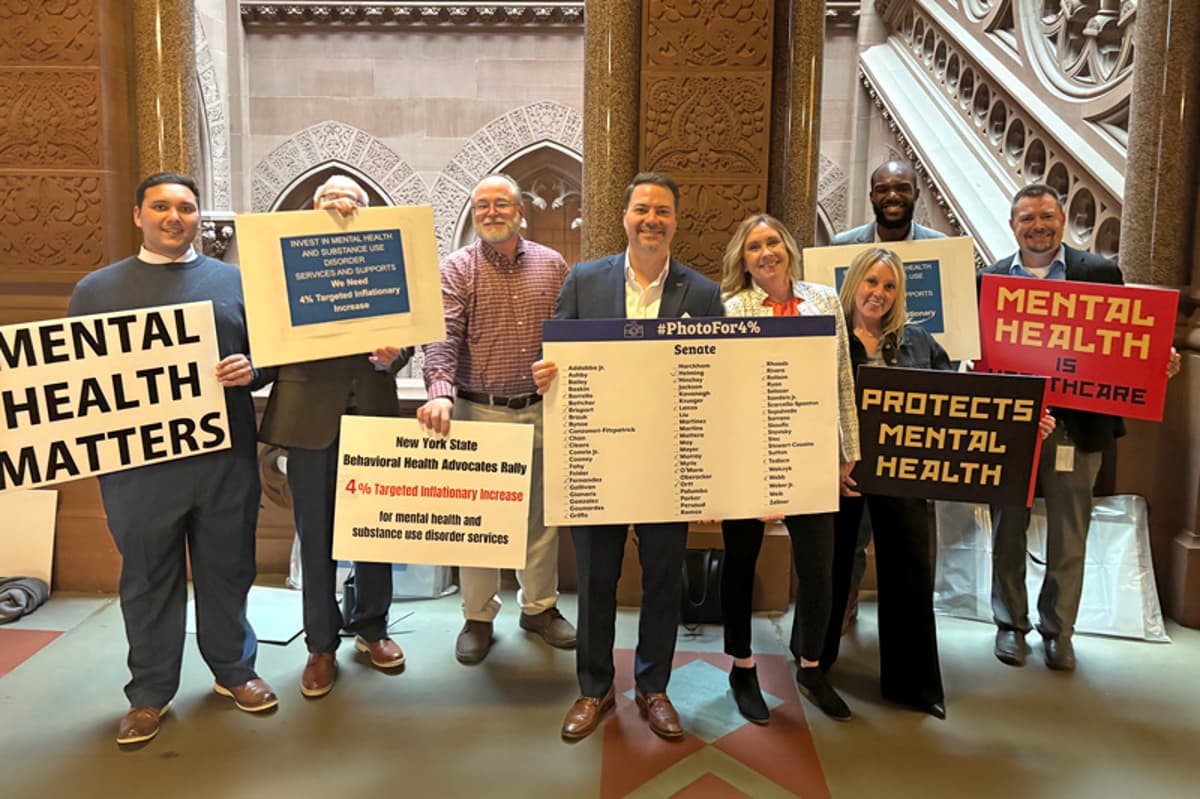
New York Behavioral Health Advocates Rally at Capitol, Win Support of 100+ Legislators for Critical Funding Increase
The Mental Health Association of New York State (MHANYS) and 11 partner organizations launched the “Photo for 4%” campaign, drawing more than 100 state legislators to the Capitol to endorse a targeted 4% inflationary increase in the FY 2026‑27 budget. Advocates...

Peer Support and Case Management: Complementary, Not Interchangeable
The article clarifies that case managers and peer support specialists, while both essential in behavioral health, serve distinct functions and should not be used interchangeably. Case managers coordinate services, handle Medicaid, housing, and compliance, whereas peer specialists provide relational, lived‑experience...
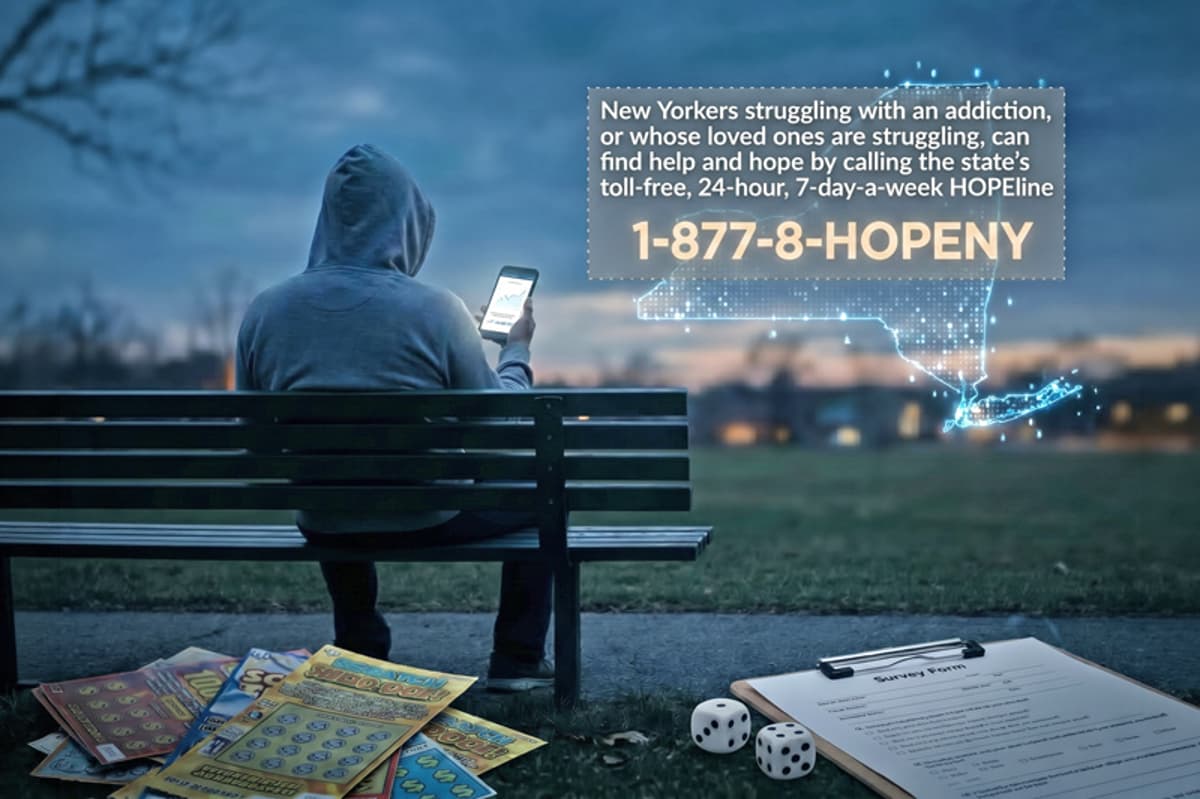
Governor Hochul Announces Launch of New 10-Year Statewide Effort to Assess Gambling Addiction and Behaviors in New York State
Governor Kathy Hochul announced a decade‑long, statewide survey to assess gambling behaviors and problem‑gambling prevalence among New Yorkers aged 18 and older. The New York State Office of Addiction Services and Supports (OASAS) will administer questionnaires, interviews and focus groups,...

The Rise of AI Companions and What It Means for Youth Mental Health
Young people are increasingly turning to AI chatbots as emotional companions, using them to vent, seek advice, and fill gaps when human support is unavailable. Early studies show modest short‑term reductions in anxiety and distress, highlighting potential therapeutic benefits in...
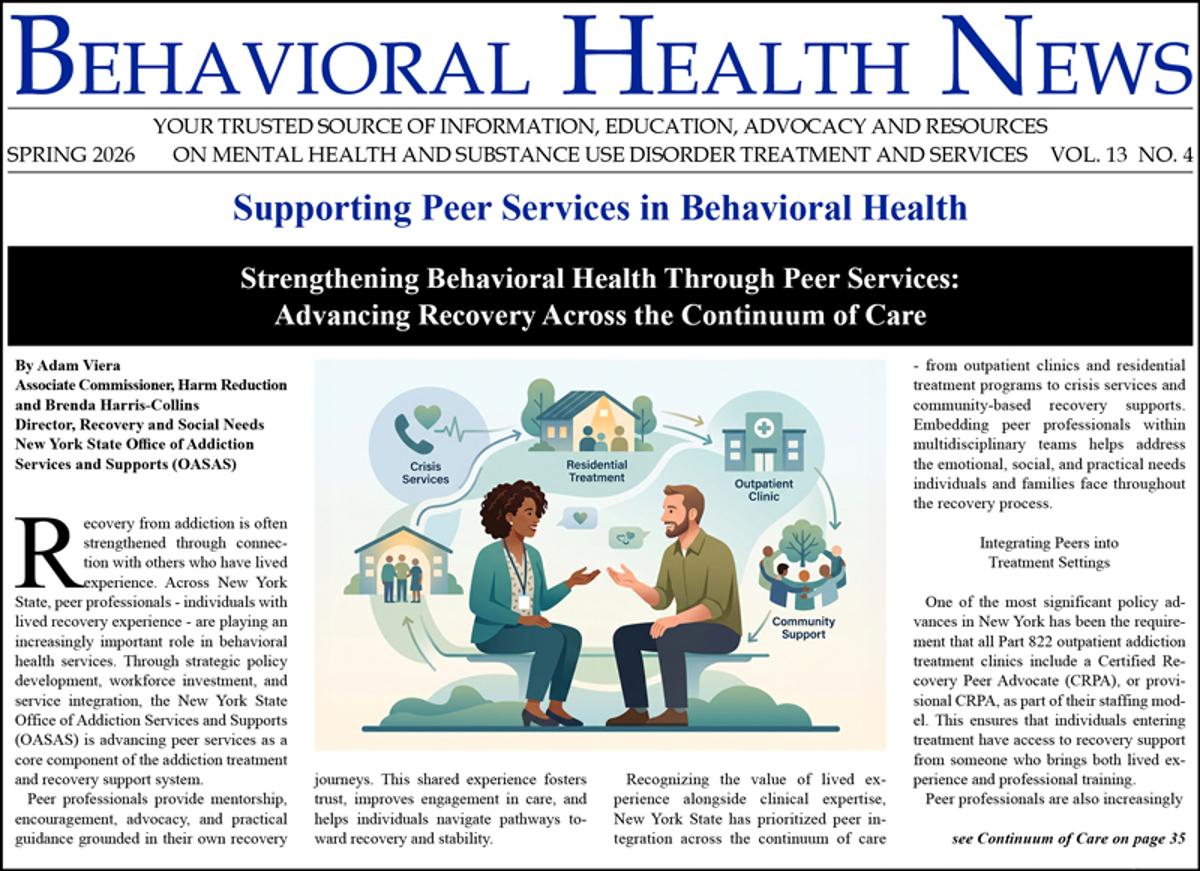
BHN Spring 2026 Issue
The Spring 2026 issue of Behavioral Health News spotlights the expanding role of peer services across the behavioral health continuum. It features a collection of articles that examine peer integration in crisis response, outpatient programs, workplace mental health, and state‑level...

Peer Supervision: A Model for Enhanced Vocational and Emotional Support
A New York community health agency launched a Peer Supervision and Support Work Group to address rising instability among its peer workforce, including housing loss and substance‑use relapse. The initiative introduced three core programs—Enhanced Orientation, Life Skills Group, and Vocational...

Peering In: A Look at Mental Health Peer Providers and How They Help People Recover
Emily Grossman, a recovered bipolar II patient, became a certified peer specialist after traditional routes proved too costly. She now works in community mental health centers and runs her own practice, training clinicians on recovery‑oriented, person‑centered care. The article argues...

Your Leadership Style Will Shape Your Organizational Culture
Leadership style is the primary driver of an organization’s culture, shaping values, behaviors, and employee attitudes. Leaders influence culture through the decisions they make, the way they communicate, and the behaviors they model, creating either a climate of trust and...

Addiction Recovery: The Role of Peer and Alumni Support
Addiction treatment programs are increasingly adding peer‑support and alumni networks to smooth the high‑risk transition from residential care to everyday life. Peer support delivers nonclinical, lived‑experience guidance, while alumni groups offer structured check‑ins, social reinforcement, and resource navigation. Evidence shows...

How Psychiatric Office Support Directly Improves Mental Health Treatment Outcomes
Serenity Mental Health Centers highlights how patient‑centered psychiatric care—anchored by robust office support—directly lifts treatment outcomes. By assigning each patient a team of seven or more staff, from care coordinators to psychiatrists, the clinic creates a strong therapeutic alliance that...