
Restrictive US Abortion Laws Negatively Affecting Physicians in Addition to Their Patients
A new BMJ rapid response highlights how restrictive abortion bans across most U.S. states are harming physicians as much as patients. Only 13 states provide a clear health‑exception, leaving doctors in the remaining 37 states uncertain about legal limits. The ambiguity forces clinicians to delay or avoid life‑saving interventions such as treating ectopic pregnancies, and to spend unpaid hours navigating bureaucratic hurdles. The authors also note a 30‑50% surge in out‑of‑state patients, straining clinic capacity and increasing physicians' emotional and logistical burdens.

Re: The Power of the Markets: The Scandal that Keeps on Taking
A letter to the BMJ criticizes the pharmaceutical industry’s reliance on experimental trials that deny patients post‑trial access to new drugs. It argues that powerful, profit‑driven groups manipulate regulations, limiting transparency and compromising the NHS’s ability to provide affordable treatments....

When Risk Becomes Disease
Elspeth Davies, diagnosed with melanoma in situ at 17, describes a life of constant medical surveillance that blurs the line between being at risk and having disease. Scholars argue that modern health practices increasingly treat risk itself as a disease,...

Re: The United States Is Driving a Public Health Emergency of International Concern
In a recent BMJ rapid response, James Dickson critiques Herder et al.’s emphasis on the legal mechanism of a Public Health Emergency of International Concern (PHEIC). He argues that declaring a PHEIC cannot overcome the political realities that drive global health...

It's Time to Think About Inequality When Addressing Youth Mental Health
A recent BMJ rapid response argues that rising socioeconomic inequality is a primary driver of worsening youth mental health in Western nations. It cites UK data showing 75% of 18‑24‑year‑olds believe wealth is essential for success and 64% doubt hard...

The Problem of Childcare Is Compounded for Dual-Doctor Couples
A BMJ letter highlights how childcare challenges intensify for dual‑doctor couples, especially trainees juggling frequent rotations and long commutes. The author notes the scarcity of on‑site nurseries, the complexities of less‑than‑full‑time (LTFT) arrangements, and persistent gender expectations that place childcare...

Goodbye Balint, Goodbye Neighbour and Goodbye General Practice ?
The author contends that the traditional general‑practice model—rooted in time‑based observation, simple tools, and communication frameworks from Balint, Neighbour and Pendleton—is being displaced by rapid diagnostic technology and artificial intelligence. Screening programmes, instant imaging and AI‑driven patient research have turned...

From Despair to Alliance: Faith Communities and Public Health as Partners in Reclaiming Society's Moral Compass
Professor Raman Bedi argues that the commercial determinants of health—exemplified by a $28,000‑per‑year price tag for a 95% effective HIV prevention drug and a booming wellness market of unproven products—have eroded shared moral values. He contends that faith communities, with...

Re: The Power of the Markets: The Scandal that Keeps on Taking
Lenacapavir, a once‑monthly injectable for HIV, is priced at $28,000 per patient annually by Gilead Sciences. In a BMJ rapid response, surgeon Simon Bell argued the price reflects the high cost of drug development and that Gilead is not obligated...

Re: Are Fit Notes Fit for the 21st Century?
A recent BMJ letter highlights persistent flaws in the UK fit‑note system, noting that only 6% of notes use the ‘may be fit for work’ option and that prolonged certification correlates with higher mortality. The author cites a BBC investigation...

Re: Make Compassion Visible in Emergency Medicine Again
In a response to Iain Beardsell’s article, emergency‑medicine consultant Chris Turner argues that the profession’s growing systemic strain has dulled compassion, turning clinicians into inadvertent partners in a failing system. He cites moral injury from the shift between risk mitigation...

Re: Machine Learning Based Screening of Potential Paper Mill Publications in Cancer Research: Methodological and Cross Sectional Study
In a rapid response to a BMJ study, Professor Min Dai argues that the machine‑learning model used to flag potential paper‑mill articles in cancer research suffers from serious methodological flaws. The training set, drawn largely from the Retraction Watch database,...

Re: Doctors’ Distinct Work and Professional Role Can’t Be Parcelled Into Generic Tasks for “Tiers” Of Healthcare Staff
Retired GP Ann Bowman wrote to the BMJ in support of a recent article warning against overly generic task‑allocation across healthcare tiers. She acknowledges the pitfalls of "taskification" but points out that resident doctors still perform routine procedures such as...

Re: Glucagon-Like Peptide-1 Receptor Agonists and Risk of Substance Use Disorders Among US Veterans with Type 2 Diabetes: Cohort Study
A BMJ cohort study emulating a target trial found that US veterans with type 2 diabetes who were prescribed glucagon‑like peptide‑1 (GLP‑1) receptor agonists experienced significantly fewer incident substance‑use disorders (SUDs) and related adverse events compared with those on sodium‑glucose...

Re: Doctors Condemn Expansion of GMC’s Appeal Powers After Government “Betrayal”
Doctors have publicly condemned the UK government’s decision to broaden the General Medical Council’s (GMC) appeal powers, calling it a betrayal of professional trust. An independent review commissioned by the GMC, led by Norman Williams, had previously recommended that the regulator...

The Policy Target Is Not Screen Time Alone but Design
A recent BMJ letter argues that policy should focus on social‑media design rather than total screen time. It cites mixed evidence on adolescent mental health, noting that features such as infinite scroll, autoplay and opaque recommendation algorithms can drive compulsive...

Re: Who Would Want to Be a Clinical Academic? Pathway to a Sustainable Workforce
A recent BMJ rapid response highlights a deepening crisis in the UK clinical academic workforce, noting that only 40% of physicians are engaged in research and that recent cuts to incentives—National Clinical Impact Awards now capped at £20,000–£40,000 (≈$25,000–$50,000) versus...

Re: Increase in Remote Overseas Primary Care Consultations
A growing number of UK‑trained GPs are delivering primary‑care consultations from overseas locations, often in low‑tax jurisdictions such as Dubai. This trend raises questions about which regulatory body has authority over remote diagnoses, prescriptions, and liability. Critics argue that doctors...

Re: The United States Is Driving a Public Health Emergency of International Concern
A trio of European epidemiologists reaffirmed that the United States’ 2024 withdrawal from the World Health Organization satisfies the International Health Regulations’ criteria for a Public Health Emergency of International Concern (PHEIC). They cite their February 2025 LinkedIn analysis, which...

Re: Prognostic Score for Predicting Respiratory Admissions Among Patients with Chronic Obstructive Pulmonary Disease in Primary Care: Development and Validation...
Researchers responded to feedback on their COPD admission risk score, noting that among six candidate predictors only diabetes remained statistically significant. The model, built on the Birmingham Lung Improvement Studies (BLISS) dataset, was externally validated in the ECLIPSE and CPRD...

From Principle to Practice in End of Life Care
Emily Mayar, an internal medicine trainee, argues that the growing debate on assisted dying should not eclipse the everyday challenges of delivering high‑quality end‑of‑life care. She highlights how unclear treatment escalation plans, staffing shortages, and time pressures on acute wards...

Re: Men Need Fair Information About Screening for Prostate Cancer
A recent letter highlights how the European Randomized Study of Screening for Prostate Cancer’s 23‑year data are being misread. The trial showed one prostate cancer death prevented for every 456 men invited to PSA screening, but the accompanying statistic of...
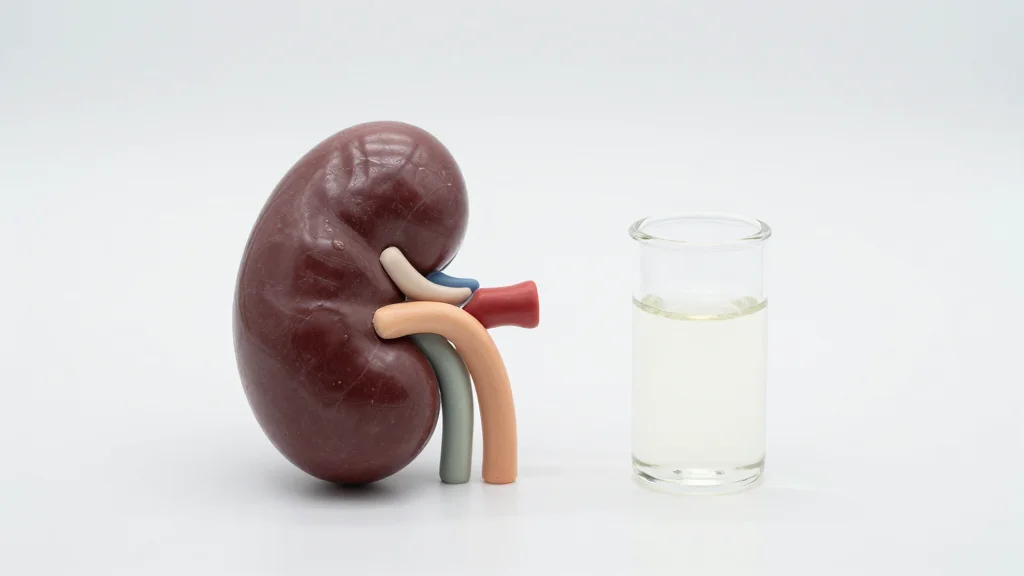
Re: Accuracy of Glomerular Filtration Rate Estimation Based on Creatinine and Cystatin C for Monitoring Moderate Chronic Kidney Disease in...
A recent BMJ prospective cohort study examined how well glomerular filtration rate (GFR) equations that use creatinine, cystatin C, or both track kidney function in adults with moderate chronic kidney disease (CKD). All equations showed low sensitivity but high specificity...

Re: The Growing Threat of Domestic Wood Burning Stoves—And Industry’s Legal Attempts to Shut Down Clean Air Campaigns
A recent BMJ rapid‑response highlights the rising public‑health threat posed by domestic wood‑burning stoves, which emit high levels of fine particulate matter and carbon monoxide. The article notes that industry groups are filing lawsuits to block local clean‑air campaigns and...

A Silent Strike by the Young Physicians in Japan
Japan’s young physicians are quietly abandoning core specialties, with trainee numbers under 30 dropping 48% in internal medicine, 36% in general surgery, and 17% in paediatrics since 2006. At the same time, entry into cosmetic medicine has exploded 16‑fold, luring...

Re: RSV Vaccination Programme Expanded to 3 Million More Older People
The UK health authorities have announced an expansion of the RSVpreF (Abrysvo) vaccination programme to include an additional three million adults aged 60 and older. Clinical trial data published in the New England Journal of Medicine confirm the vaccine’s ability...

Re: New and Emerging Treatments for Anxiety Disorders
In a letter to the BMJ, GP Gabriel Symonds challenges the premise that anxiety disorders stem from brain pathology, arguing there is no objective evidence for such a claim. He emphasizes that anxiety is a symptom triggered by distressing life...

Re: Prognostic Score for Predicting Respiratory Admissions Among Patients with Chronic Obstructive Pulmonary Disease in Primary Care: Development and Validation...
Physicians Di Micco and Siniscalchi commend the BLISS prognostic score, which estimates two‑year respiratory admissions for COPD patients in primary care. They argue that real‑world outcomes are heavily influenced by acute comorbidities such as pulmonary embolism, COVID‑19, and cancer, as well...

Re: Tessa Richards: BMJ Editor Who Championed Patients
The letter honors Tessa Richards for reshaping the BMJ’s approach to patient involvement, turning the journal into a global exemplar of patient partnership. Her early advocacy led to patient editors, peer reviewers, and mandatory PPI statements becoming integral to BMJ’s...

Re: Medical Training Prioritisation Bill Passes but Clarification Still Needed on IMGs, Leaders Say
The Medical Training (Prioritisation) Act 2026 has been enacted, establishing training‑place priority based on where doctors studied rather than citizenship. In 2025, 25,257 overseas‑trained doctors competed with 15,723 UK‑trained doctors for just 12,833 posts, highlighting a strained recruitment pipeline. The...

Enhancing the Clinical Utility of Emerging Anxiety Models Through Religion-Informed Adaptations
The letter highlights a critical gap in emerging anxiety‑disorder treatments: their limited applicability to religiously themed obsessive‑compulsive disorder, or scrupulosity. It proposes adapting Positive Affect Treatment and exposure‑based protocols with religion‑informed elements such as sacred savoring and faith‑based expectancy violation....

Trust in Healthcare Is Already Eroding in the UK.
A Somali doctor warns that the UK’s hostile‑environment policies and NHS‑Home Office data‑sharing are eroding trust among Somali migrants, prompting avoidance of primary, mental health and vaccination services. The letter cites stark disparities: only 14% of Somali respondents accessed needed...

Possibility of Heightened Risk of Resistant TB Following Drug Treatment of Latent TB Owing to Lack of Confirmatory Tests to...
Latent tuberculosis infection (LTBI) affects millions, yet treatment relies on regimens without a gold‑standard test to confirm cure. Current diagnostics—tuberculin skin test and interferon‑gamma release assay— suffer false results and cannot differentiate active disease, leaving clinicians unable to monitor drug...

Re: Meningitis: Fatal Outbreak in Kent Is Less Targeted Strain B, Officials Confirm
Public health officials confirmed a fatal meningococcal group B outbreak in Kent, highlighting a less‑targeted strain. The letter notes that vaccination coverage among university students has slipped since the COVID‑19 pandemic, increasing vulnerability in high‑density campuses. It urges routine provision of...

Re: Seeing Healthcare From Both Sides of the Bedrail
A junior doctor at age 25 was diagnosed with an aggressive stage‑II sarcoma after her initial request for imaging was denied because her symptoms did not fit classic cancer criteria. The delay highlighted how strict adherence to typical presentation guidelines...

Re: Abu-Sitta Case: New Regulator Joins Appeal Effort on Doctor Cleared of Supporting Terrorism
The Professional Standards Authority has announced it will support the General Medical Council’s appeal of the Medical Practitioners Tribunal Service’s decision that cleared Dr Ghassan Abu‑Sitta of terrorism‑related misconduct. The appeal follows a petition signed by thousands of doctors demanding the...

Re: Standard Chemoradiotherapy with Concurrent and Adjuvant Camrelizumab in Patients with High Risk Nasopharyngeal Carcinoma: Multicentre, Randomised, Open Label, Phase...
A phase‑3 BMJ trial reported that adding camrelizumab to standard chemoradiotherapy improved 36‑month progression‑free, distant‑metastasis‑free and locoregional‑recurrence‑free survival in high‑risk nasopharyngeal carcinoma. The protocol combined two concurrent cycles with 17 adjuvant cycles, yet only 61.9% of patients completed the full...

Beyond Language and Geography: Recognising Study Significance (Re: Language and Geographical Bias Limits Global Health Research)
In a rapid response to Ndong’s BMJ commentary, Professor Shigeki Matsubara acknowledges that non‑English and regionally focused papers often receive less global attention, potentially narrowing the evidence base for evidence‑based medicine. He argues that the core issue is not language...

Re: Palantir: Coalition Urges NHS Organisations to Refuse to Use Controversial Tech Giant’s Software
A coalition of patients, clinicians and civil groups is urging NHS organisations to reject Palantir Technologies' £1 billion Federated Data Platform, which aggregates sensitive patient information across the service. Over 50,000 patients have formally objected, and the British Medical Association has...

Re: Scarlett McNally: Bone Cement—Relying on Fewer Suppliers May Be Unstable, but Standardisation Is Beneficial Overall
The National Joint Registry (NJR) issued a formal response to a BMJ article that incorrectly claimed the new Zimmer Biomet bone cement had been evaluated using NJR data. The NJR clarified that the cement has not yet been used in the...

Re: Health Related Economic Inactivity in Young People in the UK
A letter to the BMJ highlights how a decade of austerity has eroded the UK health service and community support, leaving young people disproportionately affected by COVID‑driven educational disruption and isolation. The author argues that the government’s label of "economically...

Interpretive Restraint After a Well Conducted Negative Trial
A multicentre, double‑blind, placebo‑controlled trial gave women with polycystic ovary syndrome (PCOS) 4,000 IU vitamin D daily for up to 90 days before IVF. The regimen raised serum 25‑hydroxyvitamin D levels but did not increase live‑birth rates after the first embryo...

The Hepatitis B Birth Dose Trial That Triggered the WHO Alarm
The World Health Organization issued a formal warning on 13 February 2026 about a proposed randomized trial in Guinea‑Bissau that would withhold the hepatitis B birth‑dose vaccine from roughly half of 14,000 newborns. The study seeks to measure non‑specific effects...

Bridging Promise and Evidence in Psychedelic Medicine
Jacobs and colleagues present a state‑of‑the‑art review of psilocybin and MDMA‑assisted therapies, highlighting their potential for treatment‑resistant depression and PTSD. The authors emphasize the distinct, session‑based paradigm that leverages acute neurobiological changes to produce lasting clinical benefits. However, they also...

Environmentally Sustainable Prescribing of Diabetes Medication
The BMJ rapid response argues that environmentally sustainable prescribing of diabetes medication must extend beyond the waste generated by GLP‑1 agonist pens. It details how the chemically intensive production of peptide drugs and the disposable nature of insulin pens, pumps...

Benefits of Arts and Distraction Observed Within Palliative Care; a Reminder that Medicine Is More than Just ‘’Medicines’’
A hospice clinician observes that arts‑based activities and simple distractions dramatically eased a patient’s acute pain episode, complementing standard analgesics. The letter references the "total pain" model, which frames pain as physical, psychological, social, and spiritual, and cites recent research...

Re: The Impact of Skin Tone on Performance of Pulse Oximeters Used by NHS England COVID Oximetry @Home Scheme: Measurement...
A recent BMJ letter highlights a study showing pulse oximeters used in NHS England’s COVID Oximetry @home scheme perform less accurately on patients with darker skin tones. The author cites the U.S. FDA’s January 2025 draft guidance, which calls for...

Re: Medical Training Prioritisation Bill Passes but Clarification Still Needed on IMGs, Leaders Say
The UK Medical Training (Prioritisation) Bill 2026 passed, aiming to give preference to doctors trained within the country. Critics argue the bill’s wording unintentionally excludes refugee and asylum‑seeking physicians who have completed NHS‑funded training. Leaders of the UK National Refugee...

Mind and Body Approach
In a rapid‑response letter to the BMJ, specialist doctor Laura Jarvis thanks Barbara Holtzman for her piece on chronic pain and highlights the Institute of Psychosexual Medicine’s mind‑body approach. The letter describes how psychotherapy‑based training helps patients link emotional trauma to physical...

Tetris and PTSD Symptoms: A Medical Perspective on Benefits, Limits, and Escalation
A Bayesian adaptive trial with 99 trauma‑exposed healthcare workers showed that a brief, guided Tetris‑based imagery‑competing task significantly reduced intrusive memories at four weeks and maintained benefits over follow‑up. The authors stress that the intervention targets a specific PTSD symptom...