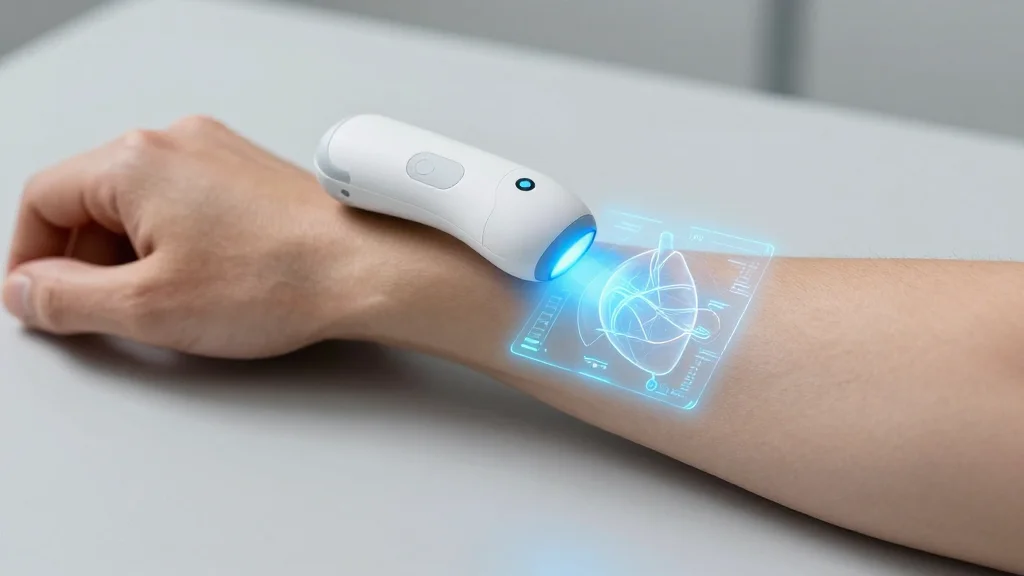
Goodbye Balint, Goodbye Neighbour and Goodbye General Practice ?
Why It Matters
The erosion of the relational, continuity‑based GP model threatens patient trust, care quality, and could inflate system costs if AI replaces nuanced clinical judgement.
Key Takeaways
- •Balint, Neighbour, Pendleton models once defined GP communication
- •AI diagnostics and screening reduce reliance on clinical judgement
- •Patients now arrive with AI‑generated expectations and agendas
- •Unchecked AI integration could erase the relational craft of general practice
Pulse Analysis
The legacy of general practice is built on a simple toolkit—pen, tongue depressor, and, most importantly, time. Decades ago, physicians relied on the "time as test" philosophy, using structured communication models from Balint, Neighbour and Pendleton to navigate uncertainty and foster patient trust. This craft‑based approach emphasized listening, reassurance, and continuity, creating a community anchor that extended beyond pure medical treatment. While those methods remain taught in medical schools, their daily relevance is increasingly challenged by a flood of diagnostic technologies and data‑rich screening programmes that promise earlier disease detection.
Today’s primary‑care encounter is reshaped by instant access to imaging, laboratory results, and AI‑generated health insights. Patients arrive armed with information from chatbots and symptom checkers, expecting immediate answers and often presenting pre‑formed agendas. The consultation has morphed into a negotiation of test results, prescription options, and cost considerations, reducing the space for reflective dialogue. This shift mirrors a broader healthcare trend toward transactional efficiency, where the physician’s role is reframed as a conduit for technology rather than a steward of holistic care. The allure of AI—its ability to process the entire NHS record, predict risk, and deliver empathetic responses—promises cost savings but also raises questions about the loss of nuanced clinical judgement.
If the profession does not proactively redesign primary care, AI will dictate its evolution, potentially marginalizing the relational elements that underpin patient outcomes. Policymakers and educators must balance technological integration with training that preserves communication skills, shared decision‑making, and continuity of care. Structured curricula that blend AI literacy with the timeless principles of patient‑centred consultation can safeguard the GP’s role as a trusted advocate. Ultimately, a hybrid model—leveraging AI’s analytical power while retaining the human craft of medicine—offers the most resilient path forward for sustainable, high‑quality primary care.
Goodbye Balint, Goodbye Neighbour and Goodbye General Practice ?
Comments
Want to join the conversation?
Loading comments...