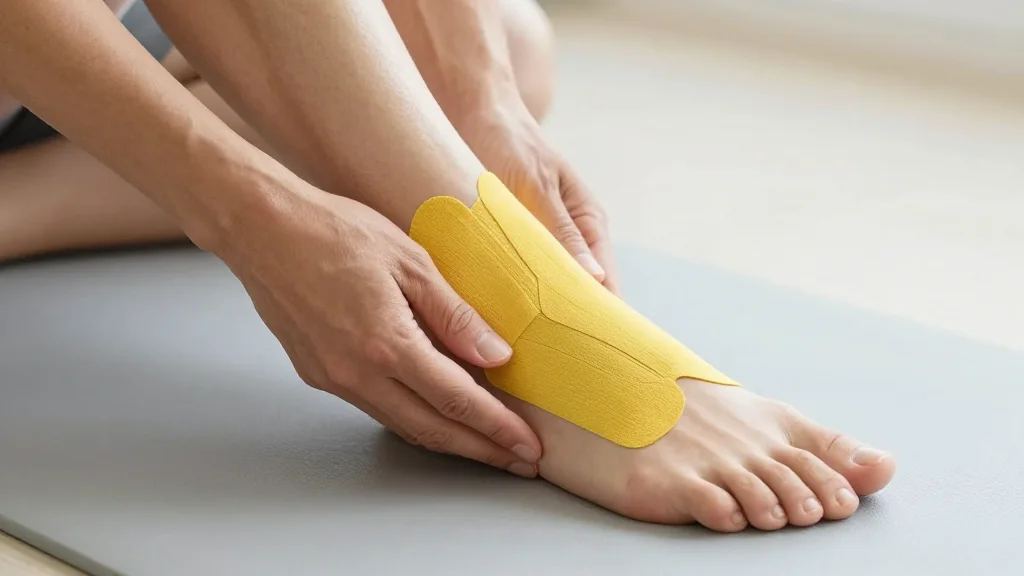
Were One for All: The 6th World Congress of Sport Physiotherapy
The 6th World Congress of Sport Physiotherapy (WCSPT) returns to Bern, Switzerland on 4‑5 December 2026 at the new Bernexpo centre. Organized by the Swiss Sports Physiotherapy Association and IFSPT, the event will feature 42 speakers from 21 nations and a two‑day pre‑conference course. The scientific programme centres on the freshly updated International Sports Physiotherapy Competencies, integrating AI, new technologies, and a stronger focus on equity and inclusion. Simultaneously, IFSPT rebrands as the International Sports and Exercise Physiotherapy Association (ISEPA) after completing the Erasmus+ Sports Comp project.
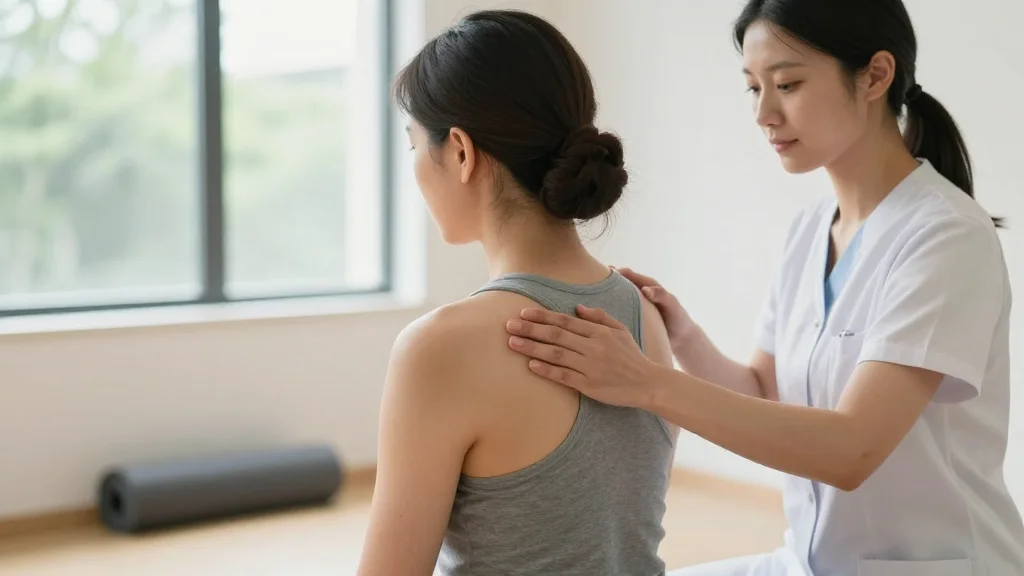
Role of Exercise Physiologists in Mental Health Support and Recovery: 2026 Exercise and Sports Science Australia (ESSA) Consensus Statement
Exercise and Sports Science Australia (ESSA) has released a 2026 Consensus Statement that formally defines the role, scope and integration pathways for accredited exercise physiologists (EPs) within mental‑health services. Developed through a four‑step Delphi process with 24 experts and endorsed...
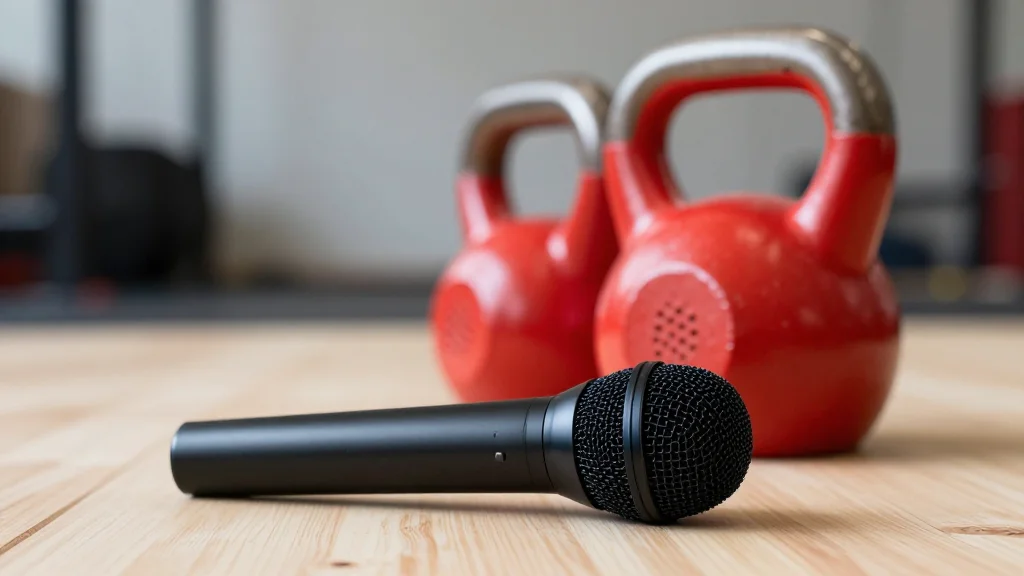
Speech Analysis for Assessing Physical Competence Under the Concept of Physical Literacy (PhD Academy Award)
A PhD thesis by Rui Si Ma demonstrates that speech characteristics can serve as reliable indicators of physical competence. Using machine‑learning and deep‑learning models, the research extracts vocal features that correlate with exercise intensity, enabling non‑invasive fitness assessment. The methodology is designed...
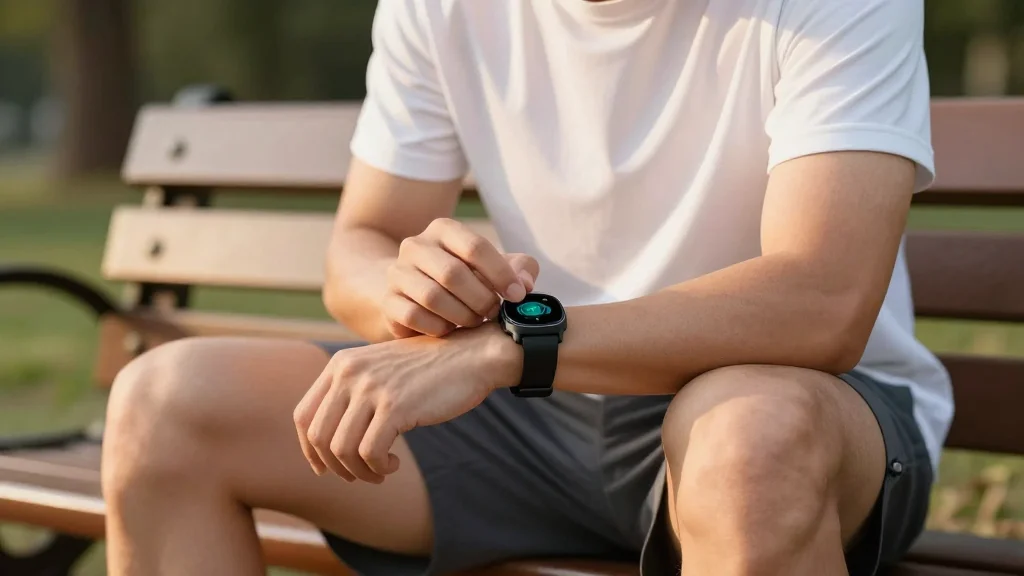
Post-Exertional Malaise and the Myth of Cardiac Deconditioning: Rethinking the Pathophysiology of Long Covid
Post‑exertional malaise (PEM) affects roughly 80% of long‑COVID patients, triggering delayed symptom flare‑ups that can last days or weeks. New research argues that cardiac abnormalities seen in these patients—such as preload failure, inflammatory scarring, and endothelial damage—are distinct from classic...
Optimising Exercise Training Prescription in Cardiac Rehabilitation Beyond Clinical Guideline Recommendations
The article reviews current cardiac rehabilitation exercise guidelines and proposes a more individualized, higher‑intensity prescription. It highlights that high‑intensity interval training (HIIT) and interval‑based resistance protocols can boost peak VO₂ and functional capacity without raising adverse events when supervised. The...
ChAnGe Project: Cardiopulmonary and Strength Analysis in Gender Transition
The ChAnGe project, led by Dr. Marco Vecchiato at the University Hospital of Padova, investigates cardiopulmonary function and muscular strength in transgender and gender‑diverse (TGD) individuals beginning gender‑affirming hormone therapy (GAHT). Since November 2024 the study has enrolled 16 TGD participants...
Post-Activation Performance Enhancement as a Multi-Purpose Tool for Developing Power Output in Youth Athletes, Preserving Functional Ability of the Ageing...
The PhD Academy‑Awarded study examined post‑activation performance enhancement (PAPE) across three populations: trained youth athletes, middle‑aged recreational athletes, and team‑sport players at risk of ACL injury. Researchers tested acute bilateral and unilateral lower‑body PAPE under varied volume‑load conditions and evaluated...
Association of Leisure-Time Physical Activity at Different Phases of Life with Work Ability at the End of Working Life: A...
A 45‑year Finnish cohort study links higher lifetime leisure‑time physical activity (LTPA) to better work ability at ages 55‑64, with a latent LTPA factor showing a significant β = 0.22 (p < 0.001). All life stages—adolescence, mid‑adulthood and late adulthood—contribute to the LTPA score....
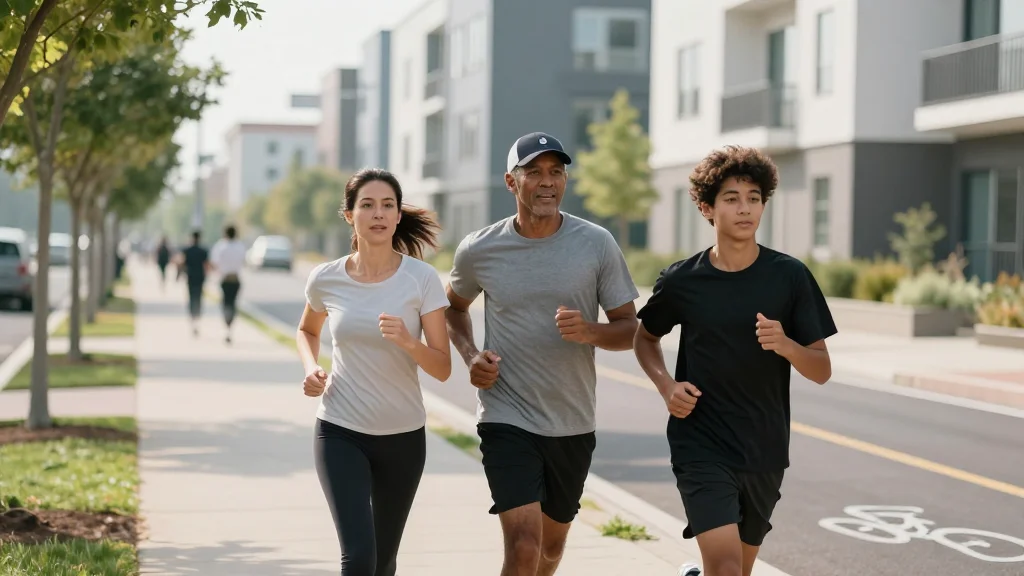
Moving Beyond Individual-Level Factors: Evidence-Based Strategies to Advance Structural Competency in Sports and Exercise Medicine
The editorial calls for sports and exercise medicine to shift focus from individual behavior to structural determinants of musculoskeletal health. It highlights persistent racial and ethnic disparities in physical activity and rehabilitation outcomes, rooted in housing policies, economic inequities, and...
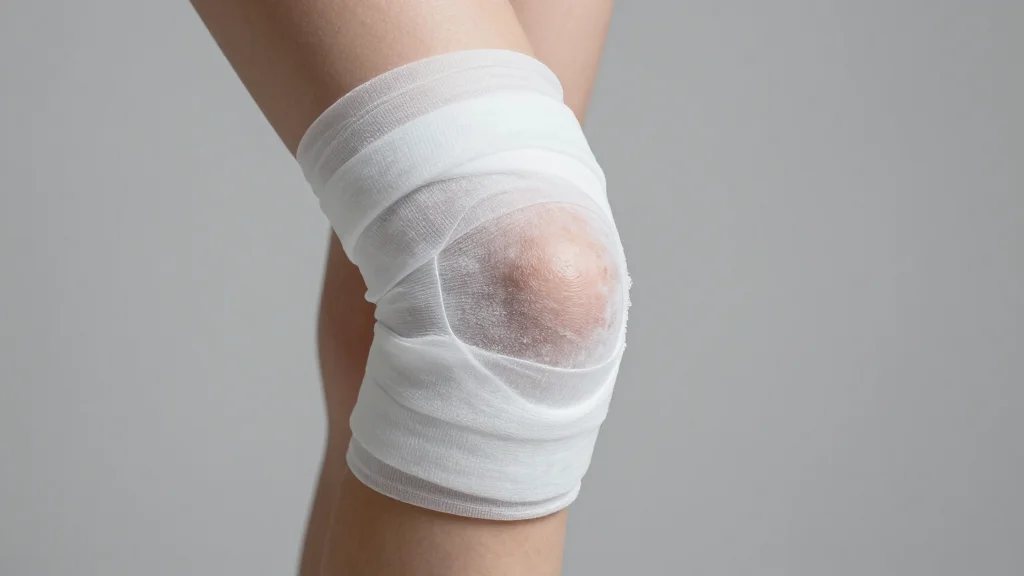
Effectiveness of Cryotherapy on Pain Intensity, Range of Motion, Swelling and Function in the Postoperative Care of Musculoskeletal Disorders: A...
A systematic review and meta‑analysis of 28 randomized trials involving roughly 3,000 postoperative patients evaluated cryotherapy’s impact on pain, range of motion, swelling, and function after musculoskeletal surgery. The analysis showed statistically significant pain reductions (MD −0.77 to −0.41) and modest improvements...
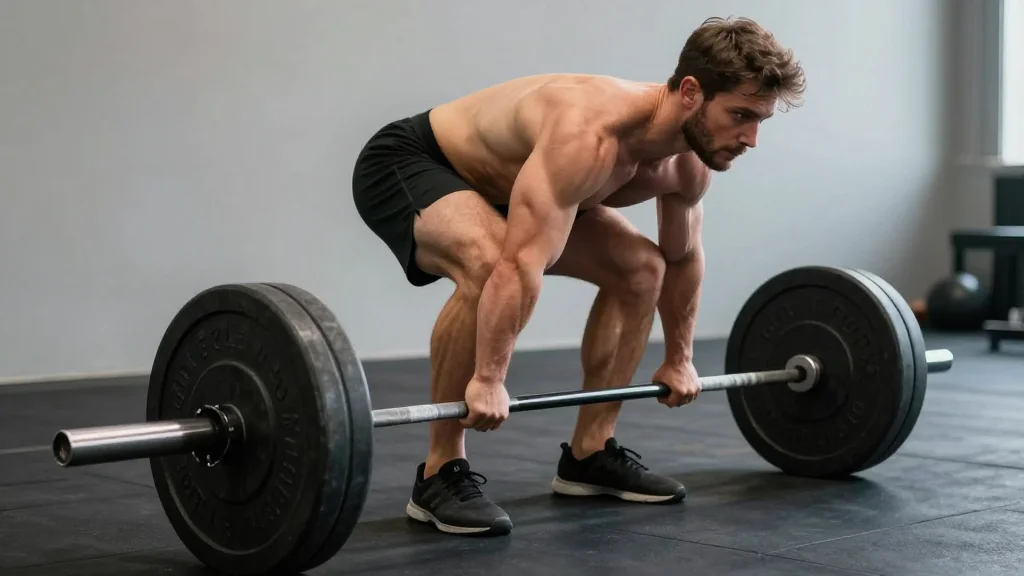
Hamstring Force and Stretch During Progressively Increasing Running Speeds and the Eccentric Phase of Resistance Training Exercises Commonly Used for...
The study quantified hamstring muscle forces and stretch during seven common resistance‑training exercises and four treadmill speeds, using MRI‑informed EMG‑driven musculoskeletal modelling. The bilateral Romanian deadlift generated the greatest peak forces and stretch, surpassing even maximal‑speed sprinting, while the hip...
It Is Not All About Strength: Rethinking Mechanistic Assumptions in Exercise-Based Rehabilitation for Musculoskeletal Pain Relief
The editorial challenges the long‑standing belief that increasing muscle strength is the primary driver of pain relief in exercise‑based rehabilitation for musculoskeletal conditions. It reviews systematic reviews and mediation analyses across Achilles tendinopathy, patellar tendinopathy, rotator‑cuff shoulder pain, patellofemoral pain,...
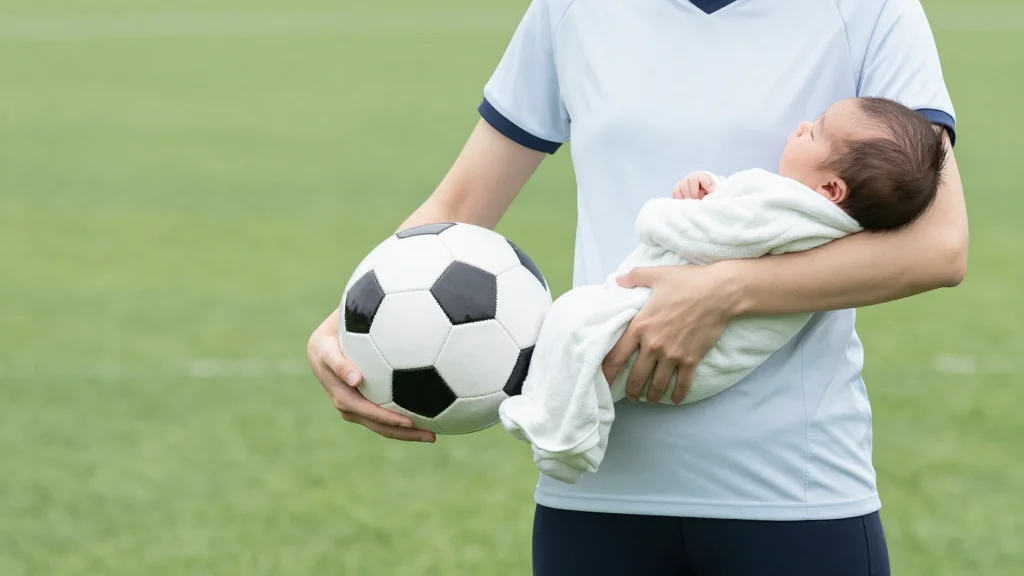
Stepping Into Play: A FIFA Decision Aid for Football Participation After Childbirth
The British Journal of Sports Medicine published a study describing the FIFA Stepping into Play decision aid, designed to guide football participation after childbirth. Developed through a five‑phase knowledge‑to‑action process, the tool integrates health‑screening, biopsychosocial questionnaires and a seven‑stage training framework....
Taking the Best From the Two Worlds: The Benefits of Combining Athlete Mental Health Screening with Brief Clinical Intake Interviews
The editorial in the British Journal of Sports Medicine advocates pairing the Sport Mental Health Assessment Tool (SMHAT‑1) with brief clinical intake interviews by sport psychologists. The authors report that this hybrid model was applied in over 4,000 screenings of...
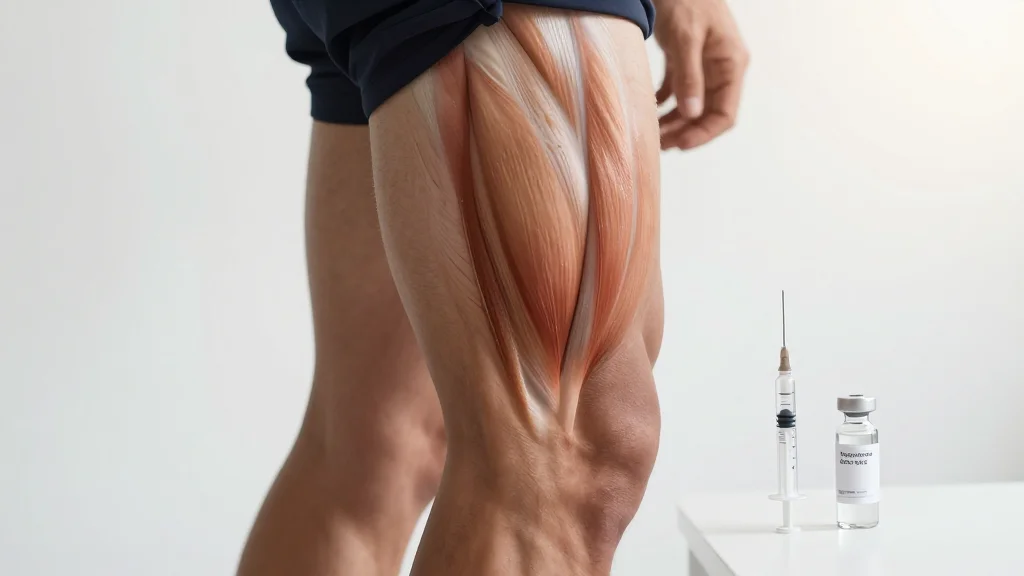
Effects of Percutaneous Platelet-Rich Plasma Injection on Return-to-Play After Acute Hamstring Muscle Injury: A Systematic Review and Meta-Analysis
Platelet‑rich plasma (PRP) is increasingly used to accelerate healing of acute hamstring strains, a common cause of missed competition. A 2026 systematic review and meta‑analysis of six randomized controlled trials involving 277 athletes evaluated PRP’s impact on return‑to‑play (RTP). The...
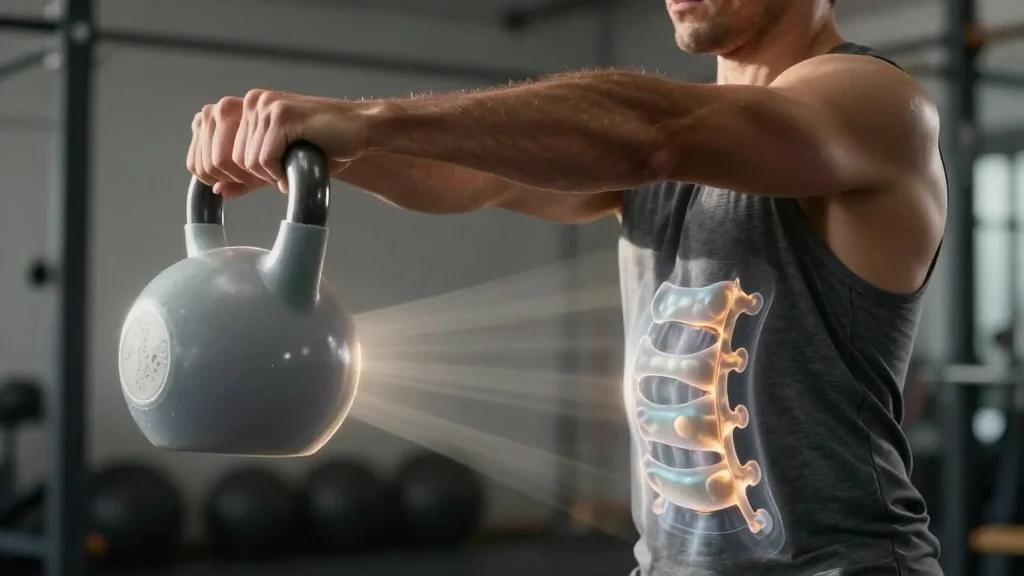
Rethinking the Disc: From Degenerative Narrative to Adaptive Potential
The editorial challenges the long‑standing view that intervertebral discs inevitably degenerate, arguing that discs are mechano‑responsive tissues capable of structural and metabolic adaptation. It highlights how dynamic loading during physical activity facilitates nutrient exchange, counteracting the disc’s avascular nature. By...
Dual-Energy X-Ray Absorptiometry per Cent Fat Z-Score as a Predictor of Menstrual Status in Adolescent and Young Adult Female Athletes
A retrospective study of 388 female athletes shows that a dual‑energy X‑ray absorptiometry (DXA) derived % fat Z‑score predicts menstrual status more accurately than traditional BMI or percent expected body weight (% EBW). Using a cutoff of < −1.0, sensitivity for detecting amenorrhoea rose...
CONCUSS Randomised Clinical Trial of Vergence/Accommodative Therapy for Concussion-Related Symptomatic Convergence Insufficiency
The CONCUSS randomized trial compared immediate versus delayed office‑based vergence/accommodative therapy with movement (OBVAM) for concussion‑related convergence insufficiency in patients aged 11‑25. After six weeks, 88% of the immediate group achieved success on near point of convergence and positive fusional...
Sports Medicine in the Transfer Portal and Name, Image and Likeness Era
The article examines how the NCAA’s Transfer Portal and the emerging Name, Image and Likeness (NIL) market are reshaping collegiate sports medicine. Since the portal’s 2018 expansion, over 21,800 Division I athletes entered in 2022, with 57% completing transfers, creating...
Developing a Sexual Assault Emergency Action Plan: Modified Delphi Consensus Recommendations From the American Medical Society for Sports Medicine
Sexual assault affects a significant portion of athletes, yet disclosures remain low and clinicians often feel unprepared. A modified Delphi study of 24 experts and athlete survivors identified 90 consensus items for a sexual‑assault emergency action plan (EAP) tailored to...
Optimal Movement Behaviours for Postconcussion Symptom Recovery in Children and Adolescents: A Compositional Analysis of the PedCARE Cohort
Researchers analyzed accelerometer data from 259 concussed youths to identify daily movement‑behaviour patterns that minimize post‑concussion symptom burden. Using compositional data analysis, they found that optimal recovery involves more sleep and less sedentary time early on, sustained above‑average moderate‑to‑vigorous activity,...