Creating a Basic Standard for Medical Coverage at Para-Sport Events
The British Journal of Sports Medicine article calls for a baseline medical standard for para‑sport events, echoing the International Paralympic Committee’s code that guarantees equitable health care for athletes. While the Summer and Winter Paralympic Games already operate under detailed medical guides—such as those for Paris 2024 and Milano‑Cortina 2026—many smaller para‑sport competitions fall short of these benchmarks. The authors argue that the lack of uniform standards creates safety gaps and medicolegal ambiguity for clinicians and organizers. Establishing minimum requirements would enable consistent risk management and improve athlete protection across all levels of para‑sport.
'I Coach Them, I Treat Them, I Listen to Them: The Multifaceted Role of the Coach - a Qualitative Study...
A qualitative study of 16 elite‑sport stakeholders in Senegal reveals that injury prevention is largely informal and driven by coaches, who also assume medical, educational and emotional duties due to absent multidisciplinary systems. Financial constraints, logistical hurdles, cultural norms and...
Improving Social Support Among Sports Medicine Practitioners: A Call to Action
A new editorial in the British Journal of Sports Medicine highlights the growing mental‑health crisis among sports medicine practitioners, noting that roughly one‑third have sought psychological treatment. The authors cite research linking burnout to inadequate social support and argue that...

South African Sports Medicine Association: From Silos to Synergy - Integrating Science, Medicine and Performance
The South African Sports Medicine Association will host its 21st Biennial Congress in Stellenbosch from 29‑31 October 2026, centering on the theme “From silos to synergy: Integrating science, medicine and performance.” The program showcases research linking moderate‑intensity activity bouts to reduced cardiovascular...
From Research to Practice: Barriers to Implementation of Psychologically Informed Practice in the Sports Setting
The British Journal of Sports Medicine article highlights psychologically informed practice (PiP) as a whole‑person approach that improves rehabilitation outcomes but remains underused in sports settings. While most evidence stems from non‑sport populations, the authors argue that system‑level barriers—such as...

Stay in Play: A FIFA Decision Aid for Football Participation During Pregnancy
The British Journal of Sports Medicine published a study describing FIFA’s new “Stay in Play During Pregnancy” decision aid, designed to guide amateur and professional female footballers and their multidisciplinary teams on safe participation throughout pregnancy. The aid, built using...
Mental Health Lead: Towards a New Role Within the Athlete Support Team?
Athlete support teams are increasingly adding a dedicated Mental Health Lead (MHL) to coordinate mental‑health initiatives across high‑performance sport. The role, now mandated in leagues such as the NBA and advocated by the Australian Football League and Cricket Australia, oversees...
Impact of Physical Activity Patterns on Major Adverse Cardiovascular Events in Adults with Hypertension
A UK Biobank analysis of 38,960 adults with hypertension followed for an average of 7.9 years found that both short (≤3 min) and long (>5 min) bouts of moderate‑intensity activity reduced the risk of major adverse cardiovascular events (MACE). Short bouts of...

Pressure Points: Ethical Dilemmas in Sports Mental Health Research Involving Athletes
The British Journal of Sports Medicine editorial highlights growing ethical dilemmas in mental‑health research involving elite athletes, where power imbalances, commercial pressures, and public scrutiny heighten risk. It argues that researchers must embed safeguards—such as clear referral pathways, confidentiality protocols,...
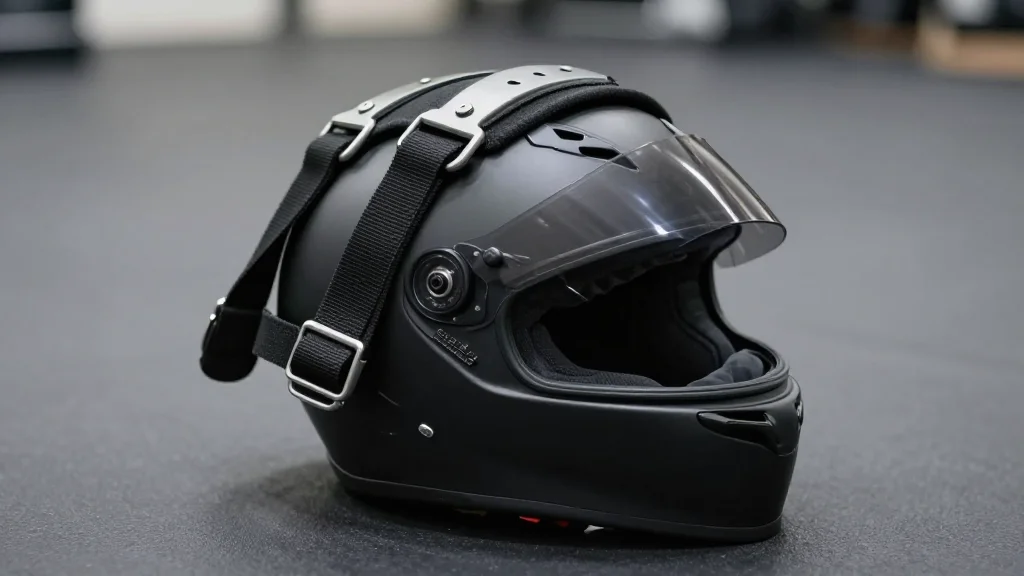
Physiological and Health Demands of Formula 1 Motor Racing: A Comprehensive Review with Driver Performance Coach Insight
A new review in the British Journal of Sports Medicine combines existing research on motor‑car driver physiology with interviews of three elite Formula 1 performance coaches. The analysis finds that F1 drivers are not unusually fit aerobically or in body size,...
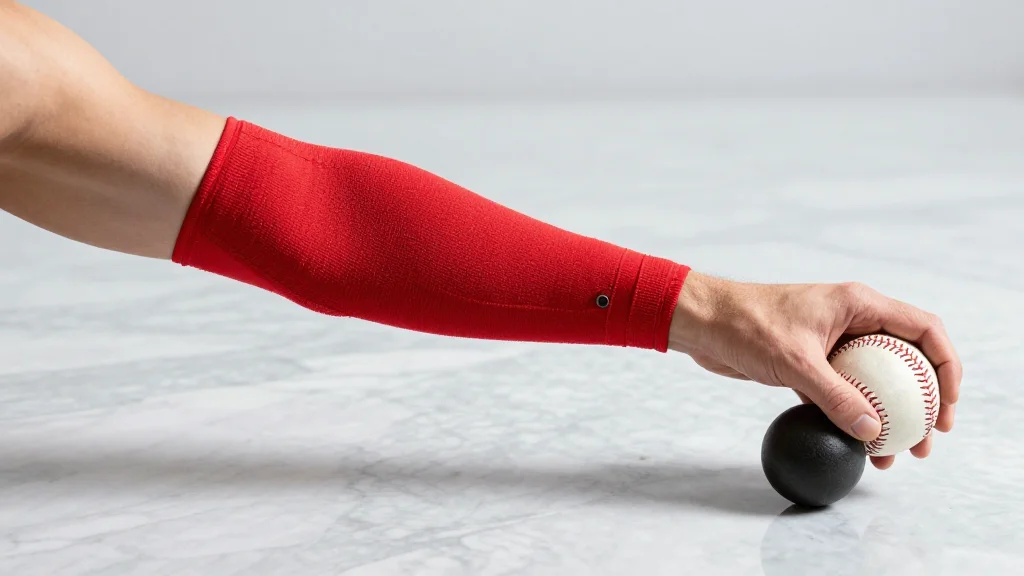
Workload, Injury Prevention and the Quest for Greater Pitching Velocity in Adolescent Baseball Players: The Sports Medicine Conundrum
A new peer‑reviewed study highlights a surge in elbow and shoulder injuries among adolescent baseball pitchers, with overuse accounting for up to 57% of cases. The research links rising pitch counts, early sport specialization, and weighted‑ball velocity programs to higher...

Call to Assess, Prescribe and Promote Physical Activity in Clinical Practice: Building on the ACTIVATE Consensus
The British Journal of Sports Medicine published an editorial describing the ACTIVATE consensus, a set of evidence‑based recommendations created by 27 experts from 13 countries to embed physical‑activity assessment, prescription and promotion into routine care for patients with non‑communicable diseases....
ACTIVATE: Physical Activity Assessment, Prescription and Promotion in Clinical Practice by Healthcare Professionals - a Consensus Study Initiated by the...
The International Federation of Sports Physical Therapy launched the ACTIVATE consensus to standardize how clinicians assess, prescribe, and promote physical activity for patients with non‑communicable diseases. A panel of 27 experts from 13 countries, including three patient representatives, used surveys,...
Physical Activity and Exercise 'Snacks: A Small Step Towards Big Gains in Severe Mental Illness
A new editorial in the British Journal of Sports Medicine highlights "exercise snacks"—brief, ≤5‑minute bouts of moderate‑to‑vigorous activity performed several times a day—as a promising tool for people with severe mental illness (SMI). Prior meta‑analyses show these micro‑workouts improve cardiorespiratory...
Beyond the Benefits: Understanding and Addressing Exercise Addiction in Todays Era of Fitness
The British Journal of Sports Medicine editorial highlights exercise addiction (EA) as a growing behavioural disorder, affecting roughly 8 % of the general population and up to 40 % of athletes or those with eating disorders. EA mirrors classic addictions with tolerance,...