Cancer as a Window Into Mitochondrial Biology
Recent cancer research has revealed mitochondria as highly plastic organelles, capable of dynamic metabolic rewiring rather than being static powerhouses. Studies show that tumors exploit uridine‑derived ribose, ATP hydrolysis, and glutathione import to survive nutrient stress and resist chemotherapy. Mutations in mitochondrial DNA further reprogram glycolysis and influence immunotherapy outcomes. The authors argue that deeper exploration of these mitochondrial behaviors could unlock new oncology therapies and broader biomedical insights.

Is an Emerging Pharmacotherapeutic Era for Rare Mitochondrial Diseases Here?
After decades of therapeutic void, mitochondrial disease care is entering a new pharmacologic era. In the past year the FDA approved elamipretide (Forzinity) for Barth syndrome and deoxynucleoside therapy (Kygevvi) for TK2 deficiency, marking the first disease‑specific drugs for these...
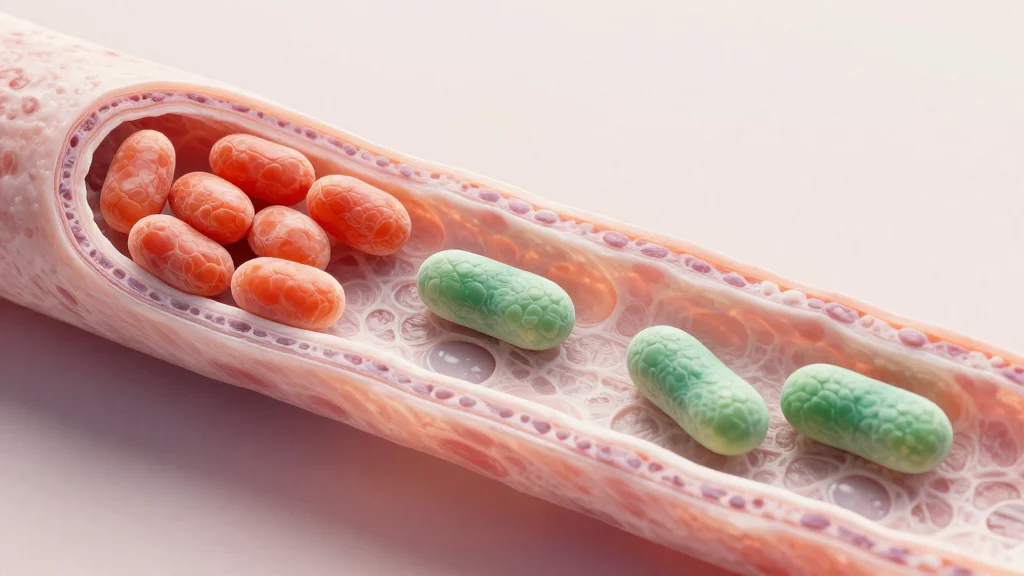
Functional Specialization Within the Mitochondrial Network: Are All Mitochondria Created Equal?
Recent research challenges the view of mitochondria as a uniform ATP‑producing network, presenting evidence that distinct subpopulations coexist within tissues and even single cells. Morphological differences, organelle contacts, and biochemical profiling reveal mitochondria specialized for catabolic, anabolic, or signaling roles,...
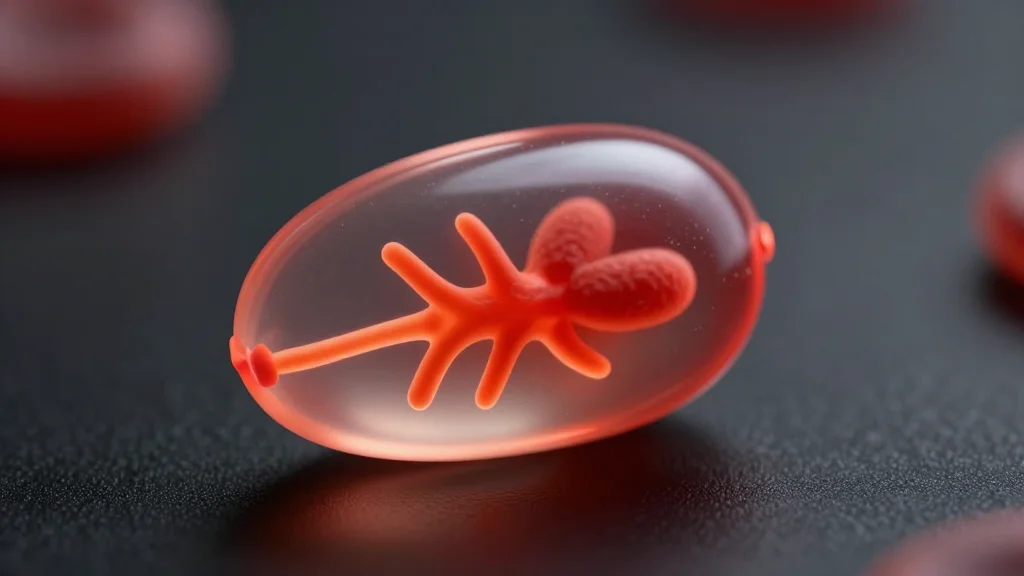
Special Packaging Enables Effective Mitochondrial Delivery
Researchers have engineered "mito‑capsules" by wrapping donor mitochondria in erythrocyte‑derived plasma membranes, a technique that markedly improves delivery and integration into recipient cells. In vitro, the capsules restored bioenergetic function in mitochondrial disease models, while in vivo studies demonstrated functional...

Exerkine GPLD1 Bridges Liver and Brain
A new study shows that exercise raises the liver‑derived enzyme GPLD1, which cleaves tissue‑nonspecific alkaline phosphatase (TNAP) into soluble forms that improve cerebrovascular signaling. The resulting enhancement of blood‑brain barrier integrity, neurogenesis, and synaptic plasticity translates into better cognition in...
Iron-Dependent Brain Reshaping Links Social Isolation to Anxiety
Researchers led by Wang et al. identified a glucocorticoid‑iron‑α‑synuclein signaling cascade in ventral hippocampal neurons that they term “ferroplasticity.” Social isolation elevates glucocorticoids, which increase neuronal iron via transferrin receptor‑1, freeing α‑synuclein translation and enhancing glutamate release and dendritic spine density....

Fasting Opens a Metabolic Window that Favors Anti-Tumor Immunity
Short‑term fasting reshapes the tumor microenvironment by temporarily increasing intratumoral isoleucine, creating a metabolic niche that cytotoxic CD8⁺ T cells can exploit. The study by Chen et al. shows that a 16‑hour fast elevates isoleucine levels, enhancing T‑cell effector programs and...

Breath Volatilome as a Non-Invasive Reflection of Gut Microbiota-Driven Health and Disease
Researchers have combined metagenomics, volatile organic compound metabolomics, and machine learning to map the relationship between gut microbiota and the human breath volatilome. Using a custom breath‑collection platform in gnotobiotic mice, they demonstrated that specific VOC patterns can predict the...
Sympathetic NPY Signaling at the Crossroads of Neuro-Tumoral Metabolism
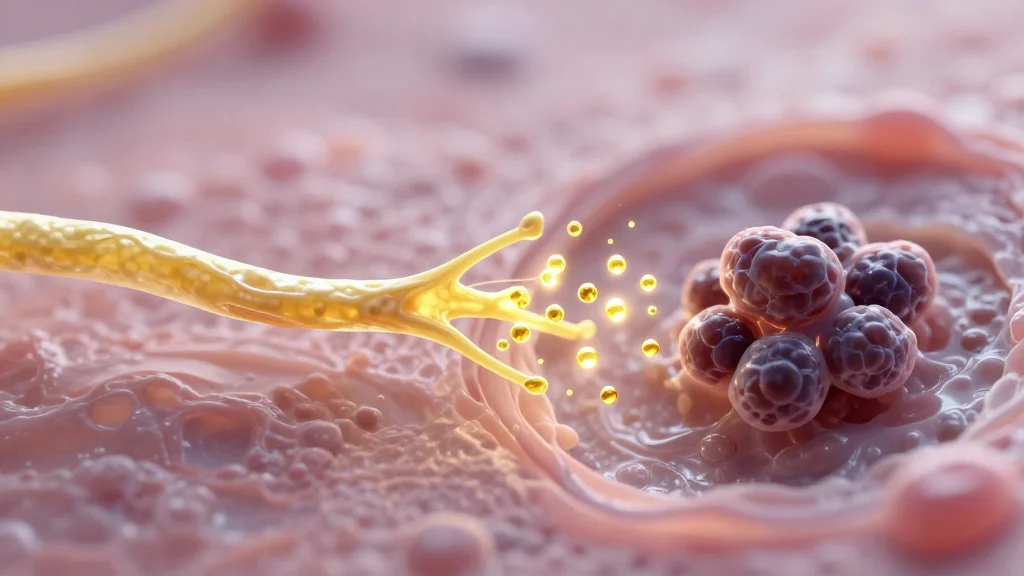
Recent research highlights that peripheral sympathetic neurons co‑release norepinephrine and neuropeptide Y (NPY), with NPY uniquely sustaining energy expenditure and cellular proliferation outside the brain. In contrast to its central functions, peripheral NPY acts as a metabolic accelerator, promoting growth signals...

Polyunsaturated Lipids Kill Senescent Cells by Ferroptosis
Researchers led by Zhang published in Cell Press Blue identified two polyunsaturated lipids that selectively trigger ferroptosis in senescent cells. The study demonstrates that senescent cells are uniquely vulnerable to iron‑dependent lipid peroxidation, and that these lipids can clear them...

Vitamin C Slows Primate Aging by Targeting Iron-Driven Lipid Peroxidation
Researchers led by Liu et al. identified a conserved iron‑driven lipid peroxidation pathway that accelerates aging in primates, mediated by the enzyme ACSL4. The study demonstrates that vitamin C directly binds and inhibits ACSL4, curbing ferroptotic damage and extending healthspan...

Fat Bursts T Cells to Drive Joint Inflammation
Researchers led by Weyand et al. discovered that the fatty‑acid‑rich synovial environment of rheumatoid arthritis drives CD4⁺ T cells to store lipid droplets, which precipitate gasdermin‑D‑mediated pyroptosis. The exhausted T cells undergo mitochondrial and ER stress, migrate lipid droplets to...