
Glyphosate Could Be Boosting Spread of Multidrug-Resistant Bacteria
Researchers in Buenos Aires discovered that multidrug‑resistant bacteria from Argentine hospitals are also highly resistant to glyphosate, a widely used herbicide. Comparative testing showed similar resistance in environmental strains from the glyphosate‑free Paraná Delta, suggesting a genetic link via efflux‑pump mutations. The study raises concerns that glyphosate exposure in wastewater or soils could select for bacteria that survive both antibiotics and herbicides. Further work is needed to confirm causality and assess real‑world glyphosate concentrations.
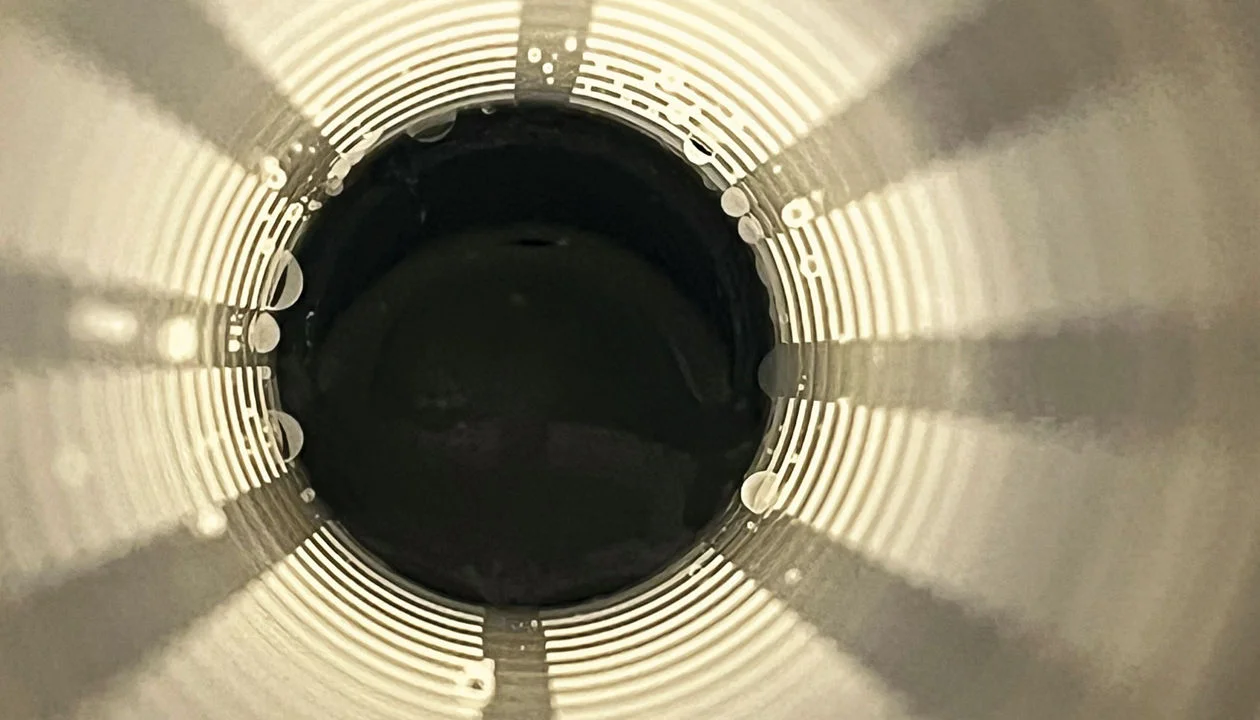
Surprisingly Simple, Sustainable Lithium Extraction
Researchers at Princeton unveiled two low‑impact lithium extraction techniques that could dramatically accelerate supply growth. The porous‑string method uses capillary‑wicking cotton fibers to concentrate lithium chloride up to 6% in a process up to twenty times faster than conventional evaporation,...

New Drug Candidates Debut in Atlanta
At the ACS Spring 2026 meeting in Atlanta, the Medicinal Chemistry division unveiled six new drug candidates transitioning from discovery to clinical testing. The molecules, presented by researchers from Biohaven, Bristol Myers Squibb, Regor Therapeutics, Olema Oncology, FoRx Therapeutics, and Iambic Therapeutics,...

Lead-Rich Ash and Dust Traveled Far Afield of 2025 Los Angeles Fires
Researchers from Caltech analyzed ash and dust after the 2025 Eaton fire in Los Angeles, discovering unexpectedly high lead levels inside homes up to 11 km from the blaze. Indoor windowsills and uncleaned surfaces, such as a garage bench, recorded lead...
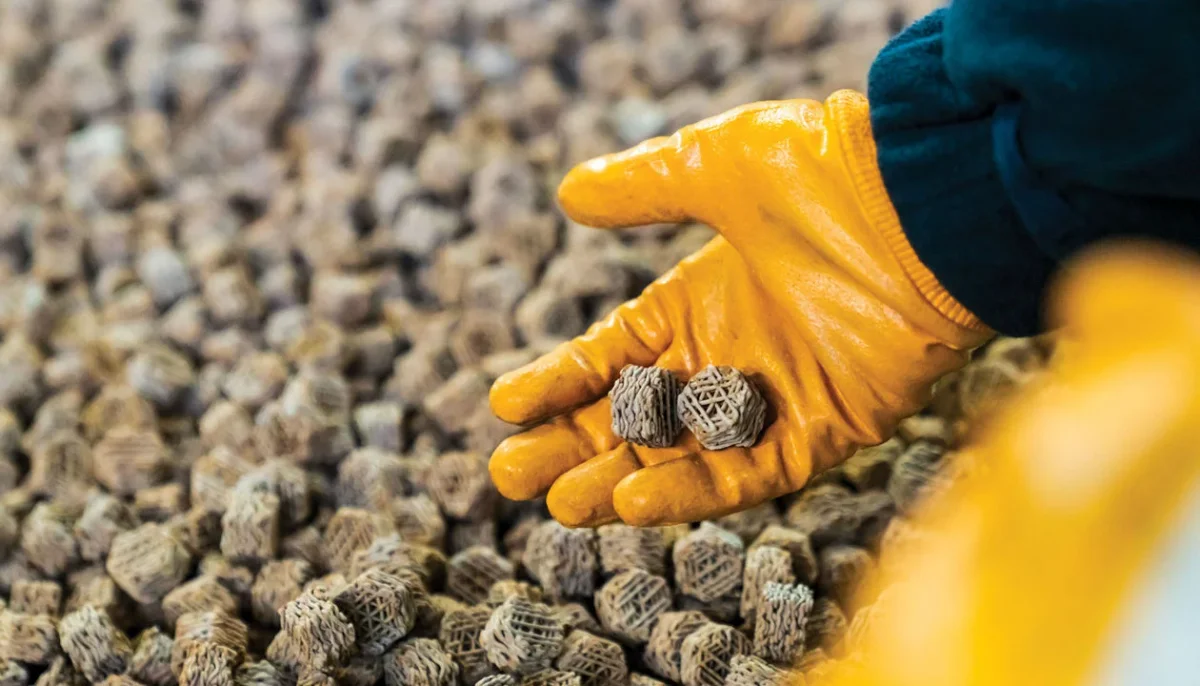
March 24 Business Watch: Helium Capacity Taken Out in Qatar; Novartis to Pay $2 Billion for Small Molecule
Missile strikes in Qatar’s Ras Laffan industrial zone knocked 14% of the complex’s helium capacity offline, removing roughly 5% of global supply. Novartis agreed to pay $2 billion for Synnovation Therapeutics' PI3Kα inhibitor portfolio, bolstering its oncology pipeline. Ecolab announced a...
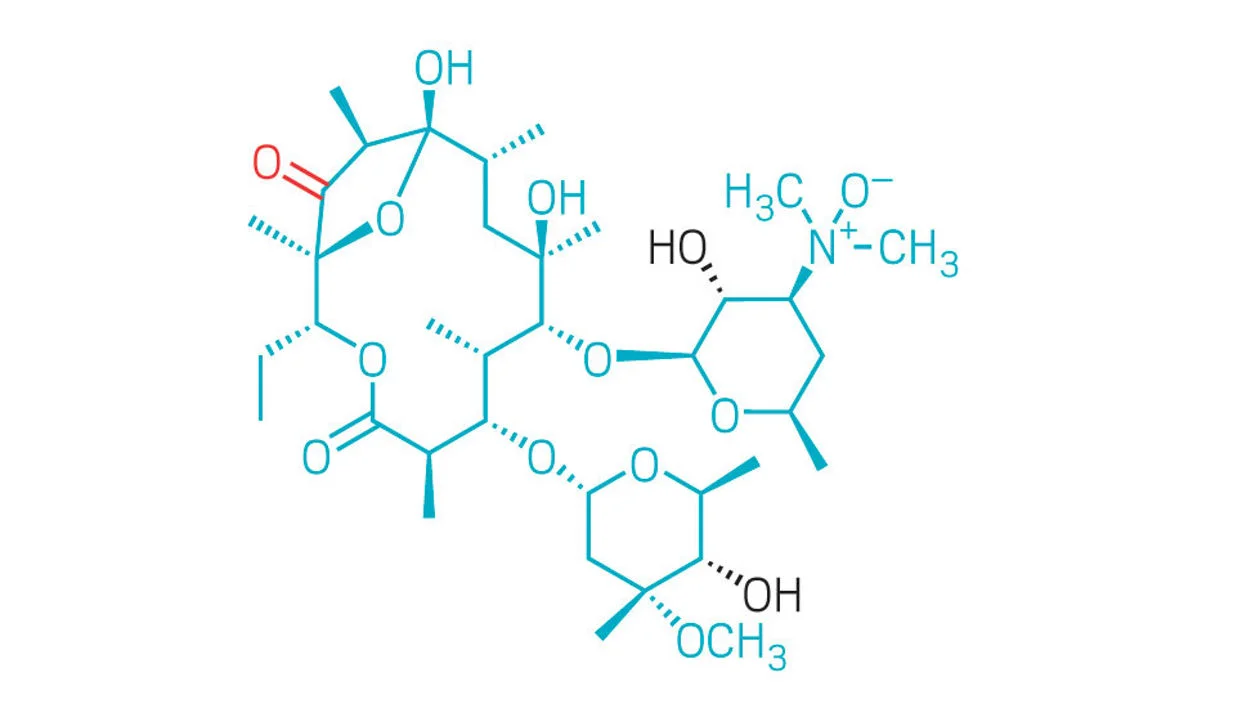
Antibiotics Selectively Supercharged Against MRSA
Yale and Cornell chemists have devised a metal‑free aminoxyl catalyst that oxidizes a single secondary alcohol in the macrolide antibiotic erythromycin A. The catalyst, paired with mCPBA, proved highly selective, but analogous macrolides clarithromycin and azithromycin required different reagents to achieve...
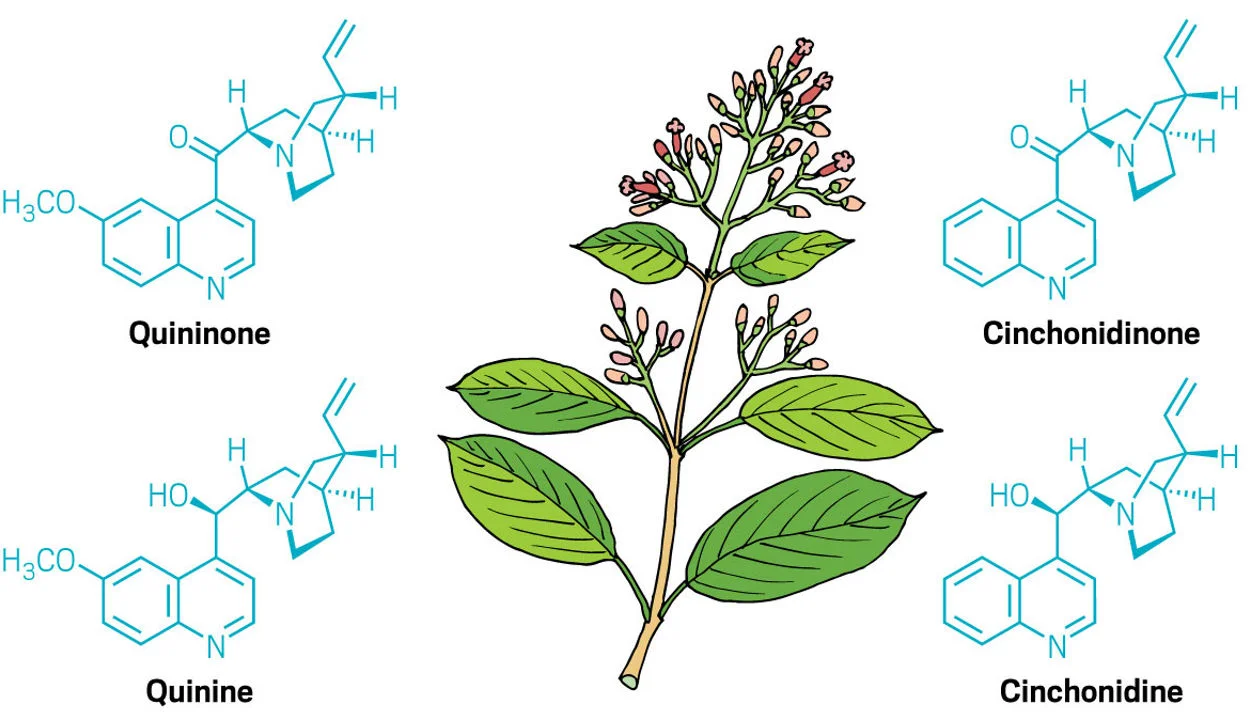
Chemists Decipher Cinchona Alkaloid Biosynthesis
Researchers at the Max Planck Institute and the University of Georgia have pinpointed the gene cluster that builds the quinoline‑quinuclidine core of cinchona alkaloids, including the antimalarial quinine. Their work uncovered a previously unknown quaternary‑amine intermediate, dubbed cinchonium, and showed...
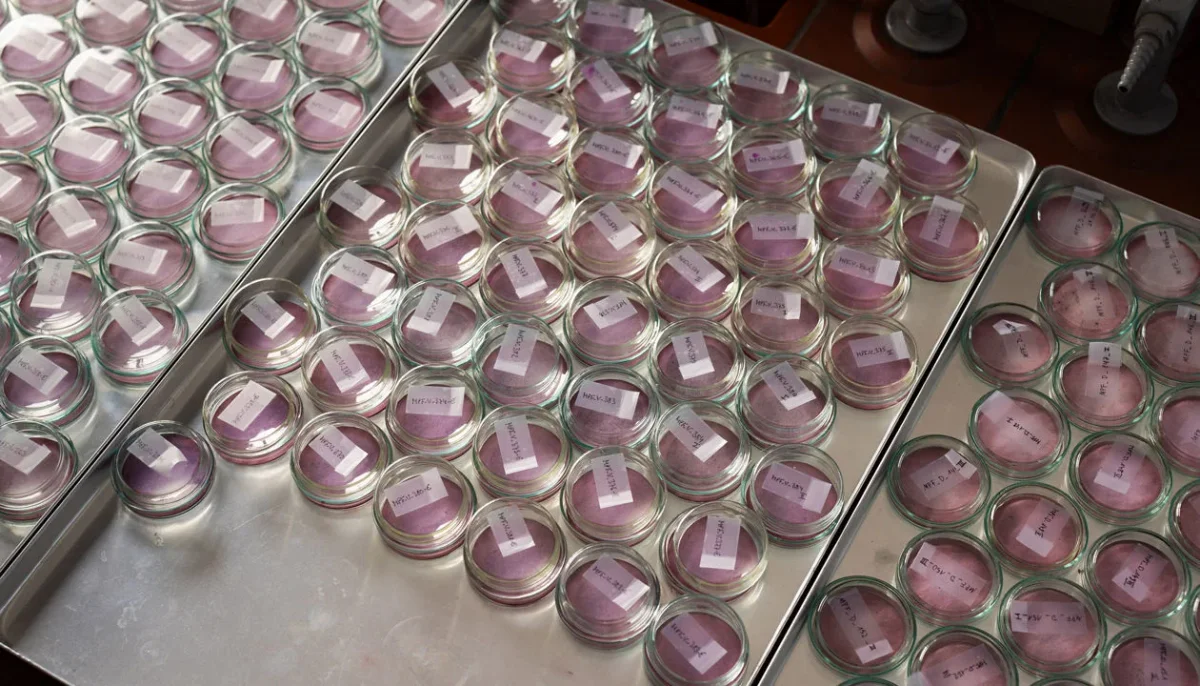
How Do You Study Microplastics when They’re Everywhere?
Microplastics are now found in virtually every environment, making laboratory contamination a critical obstacle for researchers. Labs such as the University of Hamburg and the Minderoo Foundation’s facility are adopting plastic‑free protocols—glass or steel tools, cotton lab coats, and specialized...

Indian Fertilizer, Specialty Chemical Industries Hit by US-Iran War
The United States‑Iran conflict has shut the Strait of Hormuz, choking the flow of liquefied natural gas that underpins India’s ammonia imports. Ammonia shortages forced Alkyl Amines Chemicals and Balaji Amines to suspend production of key amines, while fertilizer makers...

Boosting Mass Spec’s Sensitivity and Throughput with Parallelization
Researchers at Rockefeller University unveiled MultiQ‑IT, a prototype ion trap with 486 parallel openings that captures roughly 1,000 times more ions than conventional mass spectrometers. By allowing simultaneous entry and exit of ions, the device dramatically improves sensitivity and throughput for...

Chemistry of Ancient Vietnamese Tooth Blackening Revealed
Researchers at the Australian National University examined two 2,000‑year‑old molars from northern Vietnam. Using non‑invasive SEM‑EDS analysis they identified iron and sulfur residues, indicating that ancient peoples mixed iron salts with tannin‑rich botanicals to blacken teeth. A modern animal tooth...
A Radical New Way to Alkylate Aromatic Rings
Cambridge chemists have unveiled a photocatalytic, transition‑metal‑free method to alkylate electron‑poor aromatic rings, termed the “anti‑Friedel‑Crafts” reaction. The process relies on a light‑generated radical ion pair formed from a bulky amine base and a phthalimide ester, enabling selective C‑C bond...

Samples From Asteroid Ryugu Contain All Five Nucleobases
In December 2020 Hayabusa2 returned 20 mg of Ryugu dust to Earth, and a Japanese‑U.S. team has now identified all five DNA/RNA nucleobases in the material. Using a refined extraction protocol and high‑resolution mass spectrometry, the researchers detected adenine, guanine, cytosine,...

Ultrasound-Activated Nanoparticles Breach Bacterial Biofilms
Scientists have engineered silica‑based nanoparticles that encapsulate rifampicin and release it only when exposed to low‑frequency ultrasound. The ultrasound both propels the particles through the protective matrix of bacterial biofilms and triggers cavitation that opens the particles, delivering the antibiotic...
Analytical Chemists Answer the Call on PFAS
Analytical chemists are accelerating PFAS measurement capabilities as global pressure mounts to curb these persistent chemicals. At Pittcon in San Antonio, instrument makers showcased LC/MS and solid‑phase extraction technologies that achieve parts‑per‑trillion detection limits. Labs are also shifting to PFAS‑free...
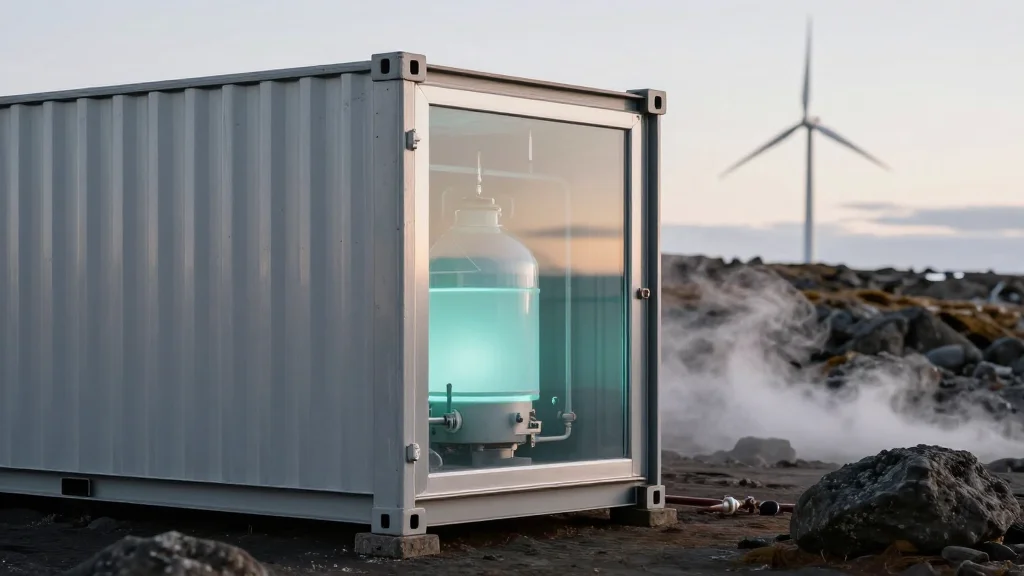
New Technology Promises to Protect Farmers From the Next Fertilizer Shock
Geopolitical turmoil, especially the Iran war, has halted urea production in Qatar and disrupted key shipping routes, driving U.S. nitrogen prices up over 20 % as farmers brace for spring planting. The crisis has revived interest in decentralized fertilizer technologies that...
Editorial: Economic Headwinds Buffet Industrial Chemists
Shintech, a unit of Shin‑Etsu, announced a $3.4 billion expansion of PVC capacity in Louisiana, underscoring the U.S. chemical sector’s reliance on cheap energy. At the same time, two smaller specialty‑chemical plants—VanDeMark in New York and PMC Biogenix in Tennessee—filed WARN notices, eliminating...

March 13 Policy Watch: FDA Streamlines Its Process for Approving Biosimilar Drugs
The FDA released draft guidance that lets biosimilar developers use foreign comparator data and, in some cases, replace clinical studies with chemical analysis, potentially cutting development costs by $20 million. Simultaneously, the agency launched the Adverse Event Monitoring System (AEMS), a...

Growing Crystals Tiny and Large
Researchers at Rice University confirmed that Thomas Edison’s 1879 carbon‑filament bulb unintentionally produced graphene when a 110 V current was applied for 20 seconds. Building on James Tour’s Flash Joule Heating method, they replicated the process, showing a cheap, rapid route...
University of California Backs Plan for $23 Billion Research Bond
University of California is backing S.B. 895, a bipartisan bill proposing a $23 billion general‑obligation bond to fund research across the state. The bond would create the California Foundation for Science and Health Research to award grants and loans to universities,...

Reading DNA Sequence and Epigenetic Modification State in 1 Molecule
Researchers at the University of Pennsylvania have unveiled an integrated sequencing workflow that simultaneously reads DNA sequence and distinguishes cytosine modifications—5‑methylcytosine (5mC) and 5‑hydroxymethylcytosine (5hmC)—on a single molecule. The method creates a hairpin duplex, incorporates deamination‑resistant analogs on the copy...
Do You Believe in Green Chemistry?
The article argues that belief in green chemistry is essential for its broader adoption, noting that the 12 principles introduced in 1998 remain peripheral in many sectors. It highlights how educators’ values shape students’ perception of sustainable practices, turning safety...

How Chinese Labs Race for the Next ‘First-in-Class’ Breakthrough
China’s 2025 R&D outlay surged to 3.9 trillion yuan, with basic research surpassing 7% of total spending for the first time. The new five‑year plan prioritises self‑sufficiency, funneling billions into frontier chemistry, biotech, and advanced materials. State‑backed agencies and tech giants...
Wine-Making Waste Helps Recycle Cobalt and Nickel From Batteries
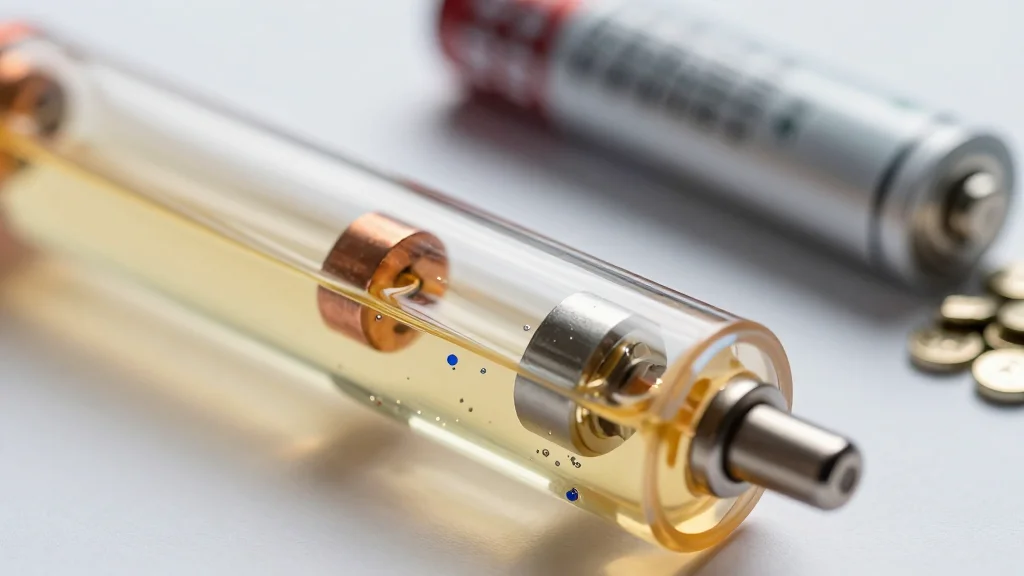
Researchers at Johns Hopkins University have demonstrated an electrochemical process that uses tartaric acid, a wine‑making by‑product, to separate cobalt and nickel from lithium‑ion battery leachates. By applying sequential voltages, the method achieves over 99% cobalt purity and 96.5% nickel...
March 10 Business Watch: Syngenta Ends Paraquat Production; Moderna Settles Lipid Patent Case
Syngenta announced it will cease production of the herbicide paraquat in June, shutting its Huddersfield plant that accounts for less than 1% of its global sales. The move comes amid mounting health concerns linking paraquat to Parkinson’s disease and growing...

First Radiocarbon Dating of Ancient Art in France’s Dordogne Caverns
A French research team used non‑invasive spectroscopy to identify charcoal pigments in the Font‑de‑Gaume cave and collected four microscopic samples for accelerator mass spectrometry. Radiocarbon analysis dated three of the samples to between 13,162 and 13,461 years ago, confirming the...
2 Start-Ups Expand Plans to Make Fuel From Carbon Dioxide
AirCo announced a $15 million U.S. Air Force partnership to field‑deploy modular, container‑based reactors that turn captured CO₂ and hydrogen into jet‑fuel alkanes, using direct‑air‑capture and small modular nuclear reactors for heat and power. The first commercial‑scale unit is slated for...

New AI Agent Is ‘a Paradigm Shift’ for COF Synthesis
Researchers led by Nobel laureate Omar Yaghi have created an AI agent built on GPT‑4o that automates the entire covalent organic framework (COF) synthesis workflow. The system achieved a 350 % increase in crystallinity for a benchmark COF and discovered a...

Shintech to Invest $3.4 Billion in US Vinyl Chemicals
Shintech, the U.S. arm of Japan's Shin‑Etsu Chemical, announced a $3.4 billion expansion at its Plaquemine, Louisiana complex, adding a 625,000‑ton ethylene cracker, a 500,000‑ton vinyl chloride monomer plant, and a chlor‑alkali unit producing 310,000 t of caustic soda and 280,000 t of...

Upcycling Waste Glass to Silicon Carbide Nanowires
Rice University researchers led by James Tour have demonstrated a fluorine‑assisted flash Joule heating (FAF) process that transforms waste glass and coal residues into silicon carbide (SiC) nanowires in seconds. By packing ground glass, carbon black and sodium fluoride into...

Iran War Threatens Global Helium Supply
The Iran‑Qatar conflict has forced QatarEnergy to shut down the Ras Laffan helium plant, removing roughly one‑third of the world’s helium supply from the market. Experts warn that if the shutdown extends beyond two weeks, the disruption could linger for months,...
European Cleantech Firms Secure More Cash
European cleantech start‑ups Celtic Renewables, Photoncycle and Nanomox announced fresh capital injections of $13.3 million, $17.5 million and $3.2 million respectively. The funds will expand a large‑scale biorefinery in Scotland, move solid‑state hydrogen storage from pilot to commercial scale, and build an ionic‑liquid‑based...

The Chemical Industry Promises Another Year of Cutbacks
The chemical sector entered 2026 with a renewed wave of cost‑cutting after 2025 earnings slumped across major players. BASF aims to trim $2.7 billion in costs, Dow expands its $2 billion streamlining plan, and Eastman leverages a new methanolysis plant for modest...

Can Recycled Lab Gloves Capture Carbon Dioxide?
Chemists at Aarhus University have up‑cycled discarded nitrile gloves into polyamine membranes that capture carbon dioxide. By hydrogenating the rubber with a ruthenium pincer catalyst, the team converts nitrile groups into amines, creating a non‑porous sorbent. The resulting material achieves...
Covalent Organic Frameworks Electrify Carbon Capture
Researchers at Northwestern University have created an electrically driven carbon‑capture system using quinone‑functionalized covalent organic frameworks (COFs). The open‑flask synthesis produces gram‑scale COF powders that can be spray‑coated onto electrodes, enabling CO₂ adsorption and release via electrochemical redox cycles without...
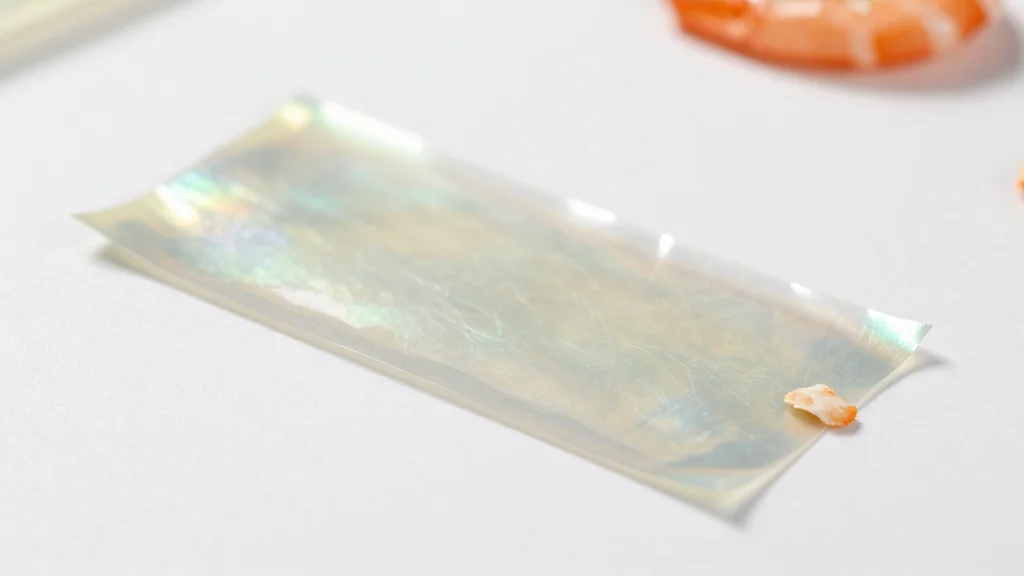
This Biomaterial Becomes Stronger when Wet
Researchers at the Institute for Bioengineering of Catalonia have created a nickel‑linked chitosan material that becomes stronger when wet, achieving nearly a 50 % increase in tensile strength. By incorporating small amounts of nickel ions, the polymer forms water‑bridged networks that...
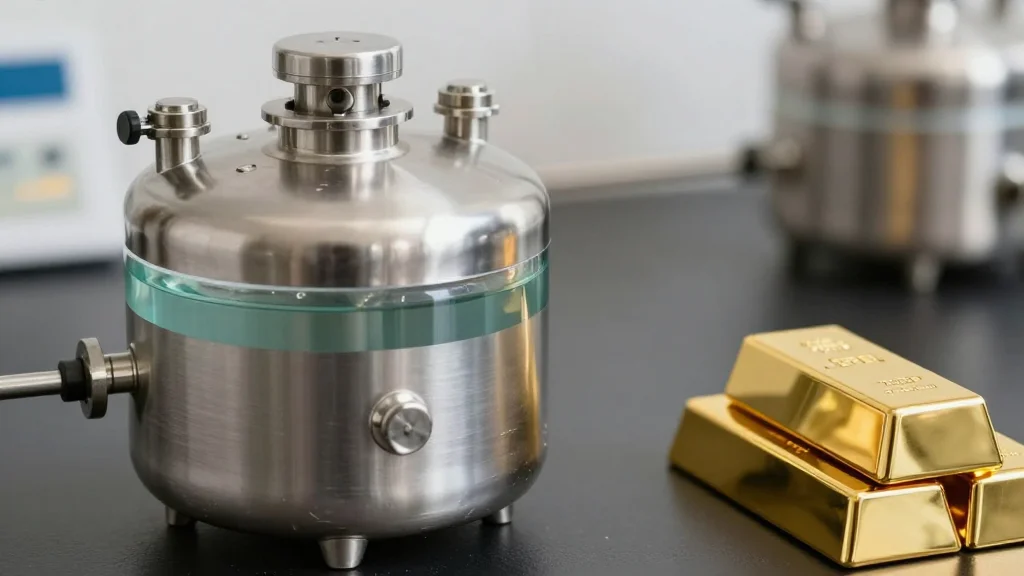
Turning Europe’s Crisis Into an Opportunity
Bondalti Chemicals is investing $90 million in new electrolyzers, a 30 MW solar farm and a 12 MW battery system while pursuing a $411 million acquisition of Spain’s Ercros. The upgrades aim to cut greenhouse‑gas emissions, reduce electricity consumption and double chlorine capacity to...

Japanese Chemical Firms Pivot From China to India
Japanese chemical giants such as Mitsui Chemicals and Sumitomo Chemical are scaling back their China operations and redirecting capital to India. Investment in China dropped 46% year‑over‑year in 2024, while the number of Japanese sites in India rose to 5,205,...

New Report Confirms Business and Economic Benefits of Using Green Chemistry
The Gordon and Betty Moore Foundation announced a $93.4 million, seven‑year Green Chemistry Initiative, the first chemistry‑focused effort in its 25‑year history. A new report, Green Chemistry in America 2026, surveyed 300 R&D leaders and 3,000 consumers, revealing strong industry support for...
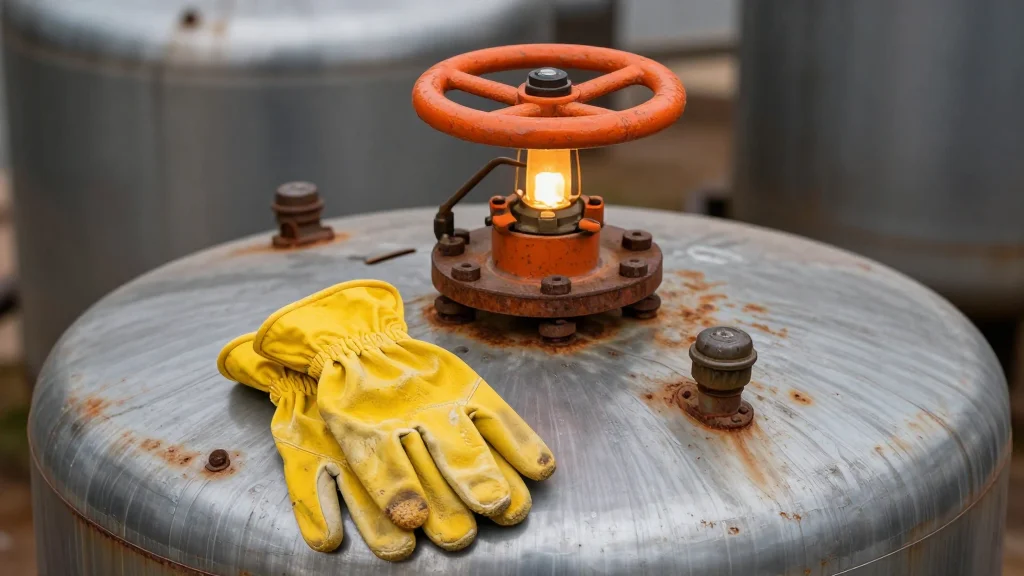
EPA Moves to Rescind Much of a 2024 Chemical Safety Rule
The U.S. Environmental Protection Agency has issued a proposal to roll back most of the 2024 amendments to its Risk Management Program (RMP) rule, which governs safety at roughly 11,000 chemical manufacturing, storage, and warehousing facilities. The 2024 rule introduced...
ACS Nigeria 11th Annual Symposium Focuses on Emerging Technologies and Chemistry for Sustainable Development
The American Chemical Society Nigeria Chapter hosted its 11th Annual Symposium from Feb. 8‑11 at the University of Ibadan, spotlighting “Emerging Technologies in Chemistry for Sustainable Development.” The event featured international academics and industry leaders, including speakers from Cambridge and Bristol...
Feb. 20 Policy Watch: Trump Orders More Glyphosate and Phosphorus Production
President Donald Trump invoked the Defense Production Act on Feb. 18 to prioritize domestic production of glyphosate‑based herbicides and elemental phosphorus, granting liability protection to Bayer, the sole U.S. phosphorus supplier, amid thousands of cancer lawsuits and an upcoming Supreme Court...

Europe Promises Protection for Chemical Makers
European leaders announced a package of measures to rescue the ailing EU chemical sector at the European Industry Summit in Antwerp. The European Commission introduced antidumping duties on imported ABS (5.2%‑21.7%) and BDO (up to 142.5%), targeting South Korean, Taiwanese,...