Business Watch: Braskem Gets a New Majority Owner; Lilly Buying Ajax for $2.3 Billion
Brazilian chemical giant Braskem is set to change its ownership as Novonor sells its 50.1% stake to private‑equity firm IG4 Capital for about $3.7 billion, while retaining a 4% share. The transaction values Braskem, which posted $12.7 billion in 2025 sales, and follows Petrobras’ approval of the sale. In the pharmaceutical arena, Eli Lilly agreed to acquire blood‑cancer specialist Ajax Therapeutics for up to $2.3 billion, gaining access to the JAK2 inhibitor AJ1‑11095 currently in Phase 1 trials. Both moves underscore heightened M&A activity as companies seek growth amid geopolitical supply shocks and evolving therapeutic landscapes.
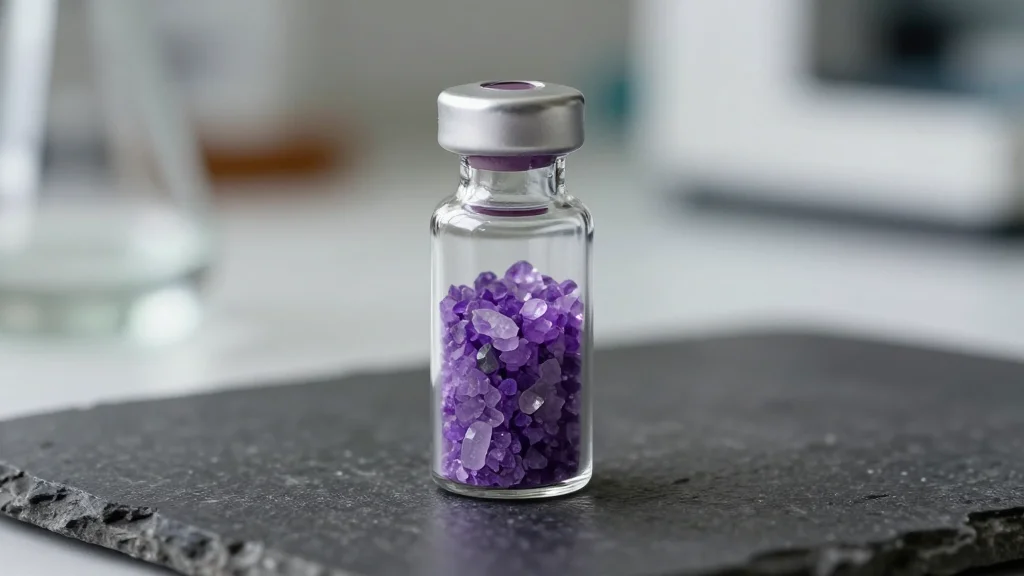
Sandwiching Ligands Finally Make Iron(I) Stable in Air
Researchers at Karlsruhe Institute of Technology have synthesized a new iron(I) complex where two durene ligands sandwich the metal, rendering it stable enough to handle in air. The purple‑crystalline reagent avoids the spontaneous ignition that plagues traditional iron(I) compounds and...

This Volcanologist Peers Into ‘Crystal Balls’ to Forecast Eruptions
Teresa Ubide, a volcanologist at the University of Queensland, uses laser‑ablation mass spectrometry to read microscopic growth rings in clinopyroxene crystals, treating them as “volcanic crystal balls” that record magma chemistry before eruptions. Her 2024 Nature Geoscience paper shows that...
Randomized Radical Reaction Leads to Selective Cyclizations
A new “radical sampling” strategy reported in JACS (2026) enables selective formation of six‑membered nitrogen heterocycles such as piperidines and morpholines from simple aldehyde and amine precursors. The method uses a light‑activated catalyst to generate radicals that compete between rapid...
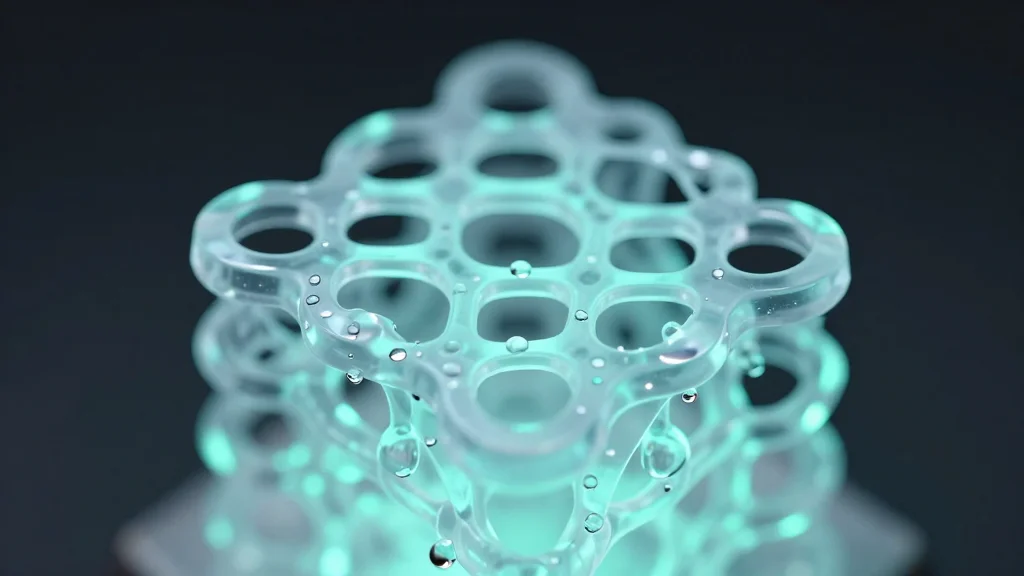
Morphing Metal-Organic Material Harvests Water From Thin Air
Researchers at the University of Sherbrooke have created a metal‑organic material that opens nanoscopic cavities when exposed to ultraviolet light, allowing it to capture water from the air. The photochemical reaction expands the crystal lattice by about 3 %, creating paired...

One of the Heaviest Rings yet Joins the Ranks of Aromatic Molecules
Researchers at the University of Manchester have isolated a triangular bismuth ring sandwiched between uranium (or thorium) atoms, creating one of the heaviest all‑metal aromatic systems reported. X‑ray diffraction confirmed a near‑perfect triangular geometry, while magnetic calculations demonstrated a continuous...

Policy Watch: FDA Moves to Implement Trump Order on Psychedelic Drugs
President Trump’s recent executive order tasked the FDA and ARPA‑H with accelerating psychedelic research. In response, the FDA issued Commissioner’s National Priority Vouchers to three firms—Compass Pathways, Transcend Therapeutics and the Usona Institute—fast‑tracking review of psilocybin and methylone candidates for...

C&EN Weekly Chemistry News Quiz, April 24
Chemistry publisher C&EN released its weekly quiz highlighting recent breakthroughs across multiple sectors. The quiz confirms that dynamic maleimide‑NHS linkages let thermoset plastics be recycled up to a dozen times, while NASA’s Perseverance rover identified aromatic organics beneath Mars’ surface....

As Congress Weighs TSCA Changes, US Chemical Regulation Hangs in the Balance
Congress is drafting modest revisions to the Toxic Substances Control Act, primarily to reauthorize the EPA's user‑fee program before its September deadline. The agency grapples with staffing turnover, a $17 million IT modernization effort, and mounting litigation that hampers its ability...

Dow Forecasts Earnings Surge in Wake of War
Dow expects a sharp rebound in the second quarter, projecting roughly $12 billion in revenue and $2 billion in earnings before tax, driven by war‑induced price spikes and higher output in North America. The first‑quarter report showed sales down 6% to $9.8 billion...

Novel Chemical Reactor Boosts Methane Conversion
Researchers at the National University of Singapore unveiled a dual‑temperature chemical reactor that separates methane activation and product formation into hot (≈1,400 °C) and cool (≈400 °C) zones. The design uses an electrically heated molybdenum filament followed by a palladium catalyst, delivering...

Sci Hub Has Created a New AI Chatbot. Is It Any Good?
Sci‑Hub, the controversial repository of millions of paywalled papers, has launched an AI chatbot called Sci‑Bot that queries its own database and returns answers with linked references. The alpha version handles only a single question per session and cannot continue...

Synthetic Smart Proteins that Function as Biological Switches
Researchers at Queensland University of Technology have used artificial‑intelligence design to create synthetic proteins that function as programmable biological switches. The engineered proteins combine receptor and reporter domains, enabling them to detect small molecules, peptides or nucleic acids and generate...
Business Watch: Inovyn Sells Off Italian Chlor-Alkali Assets; Lilly to Buy Kelonia
Inovyn, the Ineos Inovyn unit, agreed to sell its Italian chlor‑alkali sites at Rosignano and Tavazzano to Esseco Industrial, with the transaction slated for completion by year‑end and financial terms undisclosed. The sale lets Inovyn concentrate on its PVC and...
Making Thermosets that Can Be Recycled 12 Times
Researchers at the New Mexico Institute of Mining and Technology have created a modified epoxy thermoset that can be recycled up to 12 times using reversible Diels‑Alder bonds. By adding ethyl and methyl groups to the maleimide cross‑linker, they slowed...
First Do No Harm: Hospitals Are Trying to Decarbonize Anesthesia
Hospitals worldwide are eliminating high‑impact anesthetic gases, especially desflurane, to curb their climate footprint. Studies show a 27% drop in anesthetic‑related greenhouse gases after bans, and modeling suggests switching entirely to sevoflurane could slash emissions by 73%. Initiatives such as...
National Lab Research SLAM Event Brings Chemistry to Capitol Hill
On April 15, the Department of Energy sent 17 early‑career scientists from its national labs to Capitol Hill for a three‑minute pitch competition, with chemistry dominating the agenda. Twelve presenters showcased work ranging from AI‑driven mineral extraction to quantum‑ready nitrides...

C&EN Weekly Chemistry News Quiz, April 17
C&EN’s weekly quiz highlighted several breakthrough chemistry stories: researchers uncovered a new family of plant‑derived antivirals called dicitriosides, and a simple 1 % water‑etch bath was shown to suppress dendrite growth on lithium‑metal anodes, a key step toward longer‑range electric vehicles....
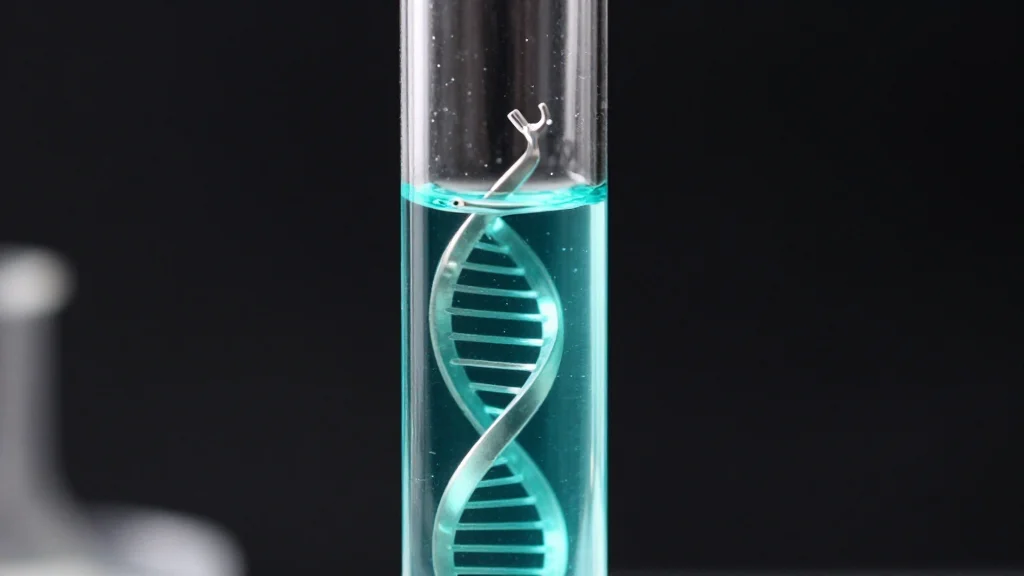
Policy Watch: FDA Issues Draft Guidance on Genome-Editing Safety
The FDA released a draft guidance urging sponsors to use next‑generation sequencing to evaluate off‑target effects of CRISPR‑Cas9 and other gene‑editing therapies, recommending short‑read or long‑read approaches based on the type of DNA alteration. The guidance dovetails with a February...

Iran War Is Benefiting some European Chemical Makers
European chemical giants such as BASF and Evonik are seeing a sharp profit surge as the Iran‑Israel conflict disrupts Middle‑East and Asian chemical shipments. Damage to facilities and the closure of the Strait of Hormuz have forced European buyers to...

Opinion: Middle East Hostilities Expose a Chemical-Nonproliferation Blind Spot
Recent Israeli strikes on Iranian petrochemical facilities and retaliatory attacks across the Gulf have released large quantities of nitrogen oxides, sulfur compounds and other toxic gases. These incidents highlight a blind spot in the Chemical Weapons Convention, which bans chemical...
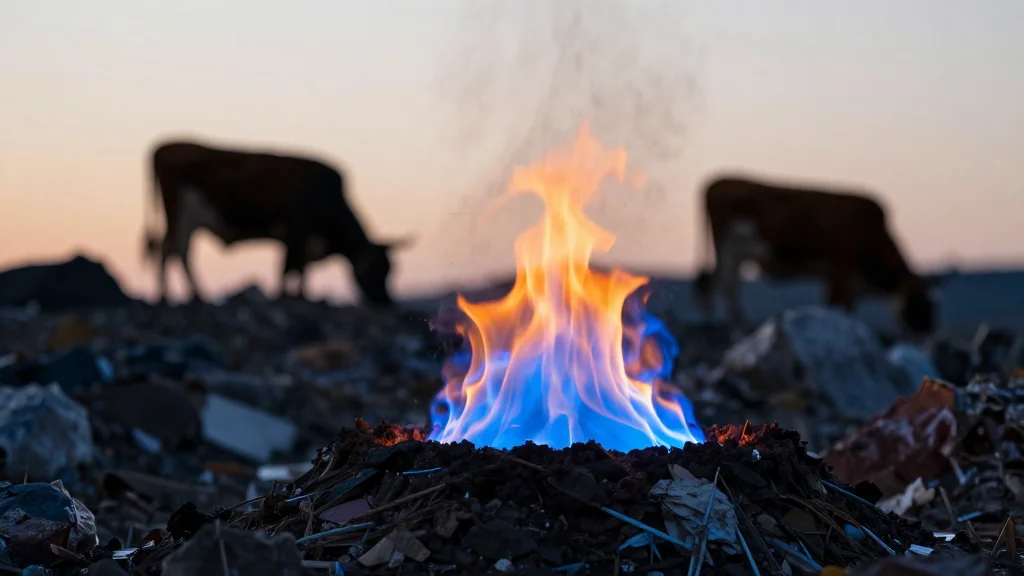
Satellite Data Reveal Rising Methane Levels
A Harvard‑led study using TROPOMI and GOSAT satellite data shows global methane concentrations rose 59% between 2019 and 2024. Emissions spiked in 2021, driven by livestock, landfills and wastewater, accounting for 25% of the increase before returning to 2019 levels...
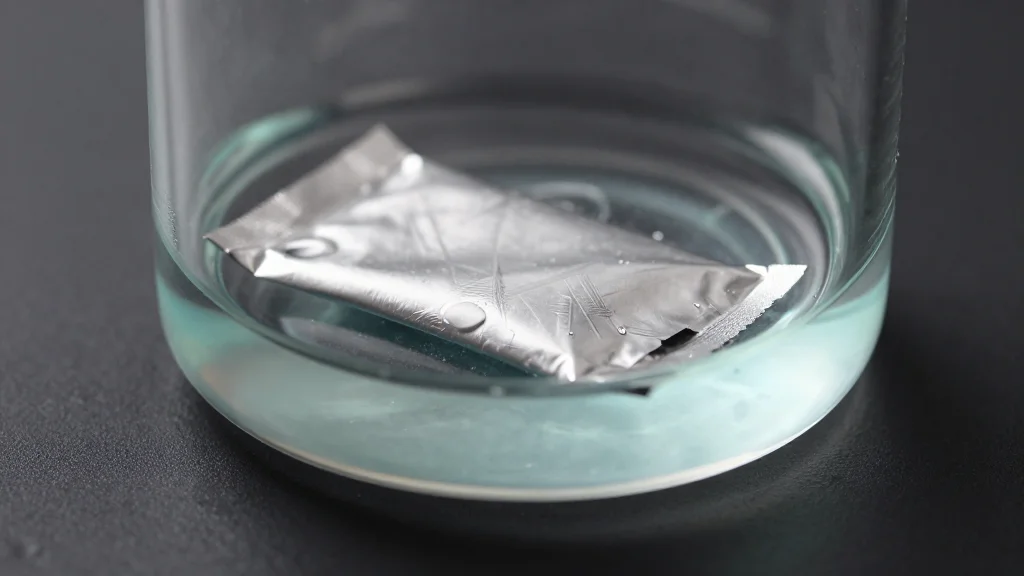
Simple Bath Readies Lithium-Metal Anodes for Long-Range EVs
A new water‑based etching process stabilizes lithium‑metal anodes, preventing dendrite growth. Soaking lithium foil in a 1 % water‑dimethyl sulfoxide solution for 20 minutes aligns crystal facets to a quasicrystalline (110) orientation, enabling uniform lithium plating. Lab‑scale Li‑FePO4 cells with treated...
Hidden Antivirals Discovered in a Plant-Derived Supplement
Researchers identified a new family of trace molecules, dubbed dicitriosides, hidden in a 90 %‑purity isoquercitrin supplement. These triterpenoid‑cinnamate compounds exhibit nanomolar potency against Ebola, Zika and SARS‑CoV‑2, outperforming the original mixture by roughly 25‑fold. The antiviral activity was isolated to...
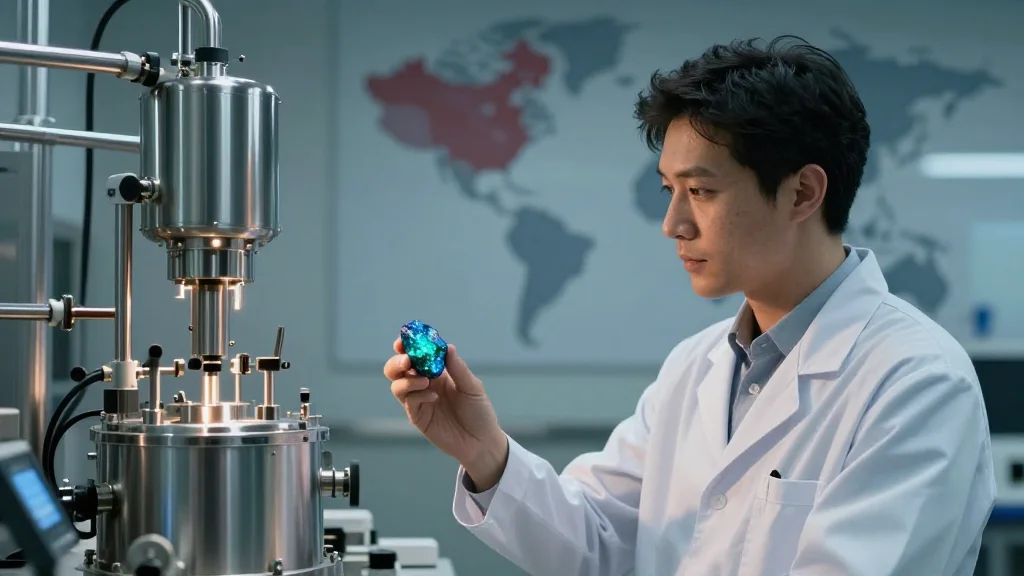
US and French Rare Earth Companies Partner in Bid to Catch up with China
USA Rare Earth is taking a 12.5% stake in France’s Carester to accelerate rare‑earth separation capabilities in both the United States and Europe. Carester will use its expertise to scale a Colorado‑based process and to fund a commercial‑scale plant in...

Trump Administration Withdraws on Fighting for NIH Cap on Indirect Costs
The Trump administration has abandoned its legal challenge to the NIH’s proposed 15 % cap on indirect‑cost reimbursements, a policy that would have eliminated roughly $6.5 billion in funding for research institutions. The cap, introduced in February 2025, was blocked by a...

Expansion Microscopy Tool Kit Corrects Distortion of Blown-Up Cells
Researchers have unveiled an expansion microscopy toolkit that uses genetically encoded protein nanocages as internal rulers to correct uneven swelling of organelles. By measuring these nanoscale cages, the system quantifies local expansion factors and digitally reconstructs distortion‑free 3‑D images. The...
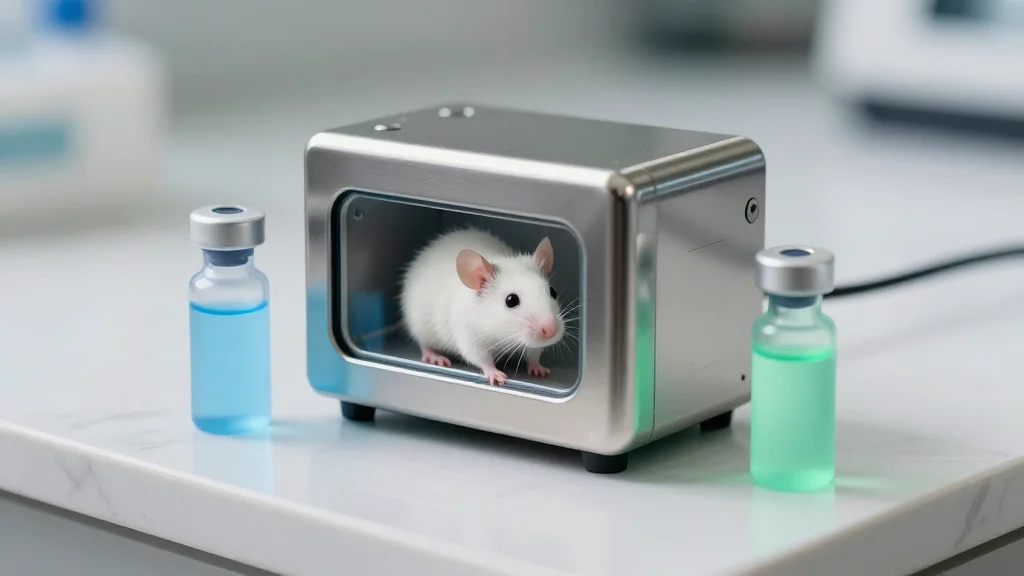
An Implantable Living Pharmacy Produces Drugs in the Body
Scientists from Northwestern, Rice, and Carnegie Mellon unveiled a sub‑cutaneous implant called HOBIT that can synthesize multiple biologic drugs inside the body. The device houses engineered cells in an alginate hydrogel and an electrocatalytic oxygenator that supplies oxygen, enabling sustained...
Apr 10 Policy Watch: HHS Updates Criteria for Selecting Vaccine-Committee Members
The U.S. Health and Human Services Department renewed the Advisory Committee on Immunization Practices charter, shifting from professional‑society representation to a broader, geographically and specialty‑balanced membership. The EPA finalized a rule extending permissible natural‑gas flaring to 72 hours and easing...
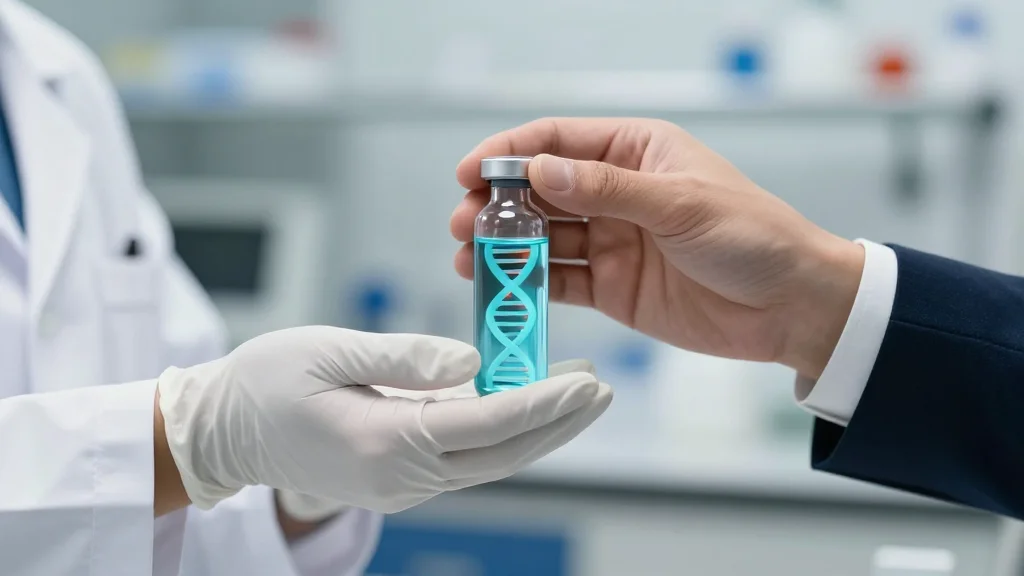
With Cash to Burn and Patent Cliffs Looming, Pharma Giants Are Buying More Biotechs
Big‑pharma M&A activity has accelerated in 2026, with 14 deals over $500 million in Q1 alone—nearly half the total deals recorded in 2025. Gilead’s $7.8 billion purchase of Arcellx and Eli Lilly’s $6.3 billion acquisition of Centessa illustrate a push into cell‑therapy, autoimmune and...
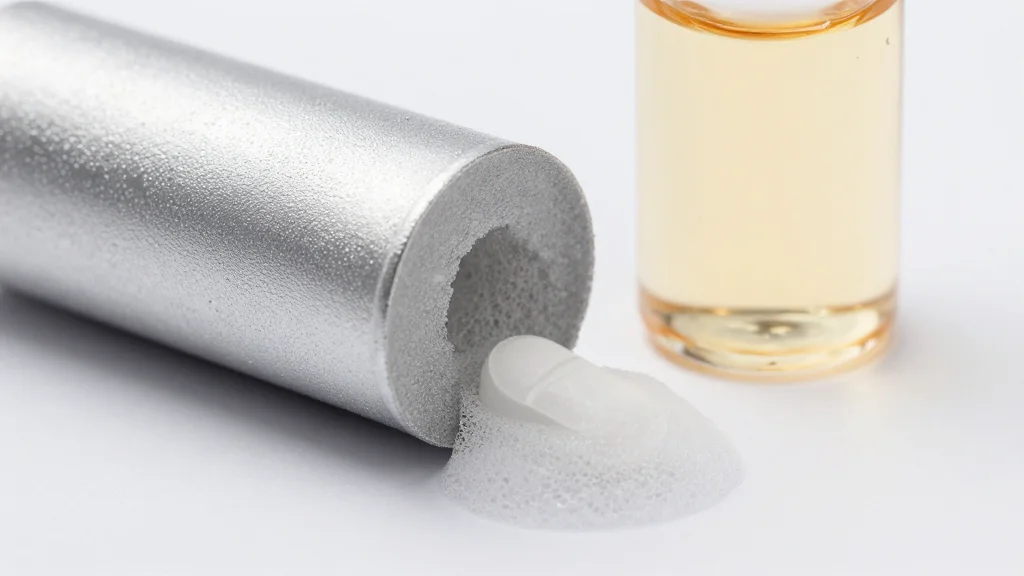
Nickel Foam Reaction Yields Valuable Aromatic Amines
Researchers at Queen’s University have introduced a nickel‑foam‑based protocol that reduces nitroaromatic compounds to aromatic amines using inexpensive battery‑grade nickel. The method operates under ambient conditions, tolerates air, moisture, and halogen substituents, and avoids high‑pressure hydrogen or precious‑metal catalysts. Demonstrated...

How Bathwater Forensics Can Provide DNA Data
Researchers demonstrated that bathwater can serve as a viable source of forensic DNA. Using short tandem repeat (STR) profiling, they showed that DNA from a bather becomes detectable after just one minute of immersion and yields complete genetic profiles after...
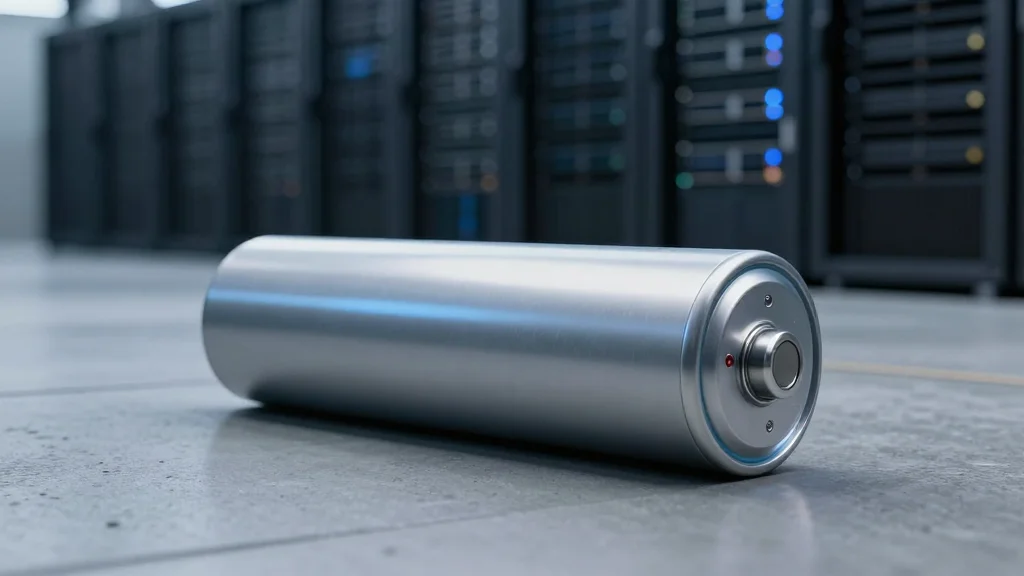
Long-Duration Batteries Are a Winner in the AI Boom
Long‑duration energy‑storage technologies are gaining traction as AI‑driven data centers seek rapid, multi‑day power solutions. Form Energy secured contracts to deliver iron‑air batteries for Crusoe and a record‑size Google site, while Eos highlighted zinc‑based batteries as its fastest‑growing segment. A...

April 7 Business Watch: Iran War Hits Persian Gulf Facilities; Trump Throws Tariffs on Pharma
War in Iran escalated this week as drones struck petrochemical facilities in the United Arab Emirates and Kuwait, and an Israeli airstrike hit Iran's Mahshahr complex, forcing Borouge to suspend its 5 million‑tonne polyethylene and polypropylene output. The attacks have choked...

A Breath Test Reveals Infections Deep Inside Tissues
UCSF researchers have created a breath test that injects ^13C‑labeled sugars into the bloodstream, allowing bacteria deep in tissues to convert them into detectable ^13CO₂. In mouse models of muscle, bone, lung and bloodstream infections, the test identified infection within...
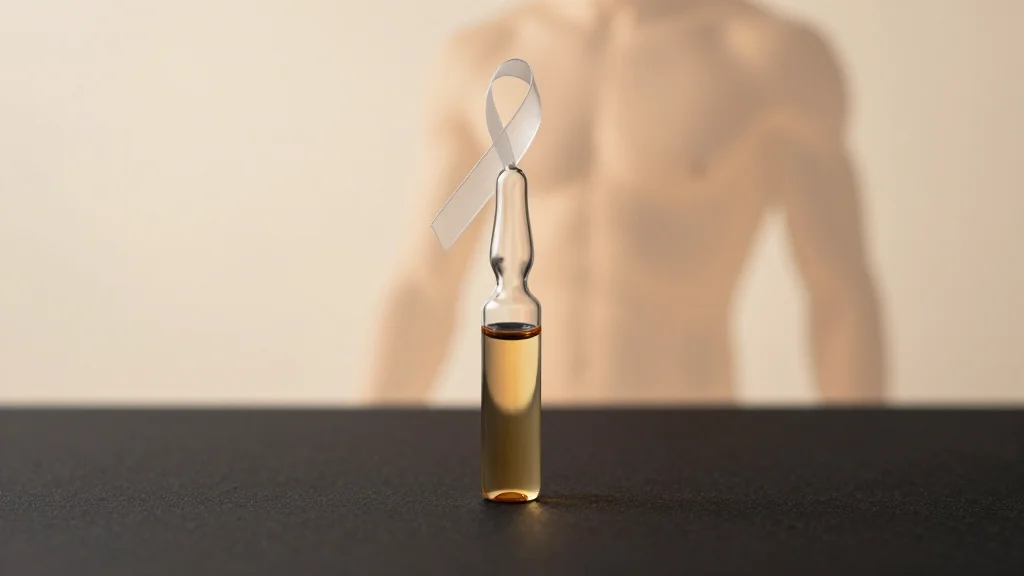
Can Amylin Weight-Loss Drugs Compete in a World of GLP-1s?
GLP‑1 drugs have dominated obesity and diabetes treatment, but side effects and muscle loss are prompting a search for alternatives. Amylin analogs—long‑acting peptides that mimic the hormone amylin—are re‑emerging, with Novo Nordisk’s CagriSema, Lilly’s eloralintide, Roche’s petrelintide and others showing...

A ‘Molecular Fence’ Helps Turn Carbon Dioxide Into Fuel
Researchers in China have introduced a “molecular fence” that confines reaction intermediates on an electrocatalytic surface, dramatically improving the conversion of carbon dioxide to ethylene. The fence, built from benzo‑2,1,3‑thiadiazole molecules, achieves 64% selectivity toward ethylene while suppressing hydrogen side‑reactions....
Be on Your Best Behavior
Behavioral‑based interviewing asks candidates to recount specific past actions to predict future performance. The article outlines how interviewers recognize these questions, interpret their intent, and expect answers framed with the STAR method. It advises job seekers to customize stories, practice...

Contrails Form Even when Airplanes Produce Less Soot
A German Aerospace Center study found that contrails still form even when aircraft engines cut soot emissions by a thousand‑fold using lean‑burn technology. The research identified liquid sulfate aerosols and tiny engine‑oil droplets as alternative ice‑nucleating particles. While the new...
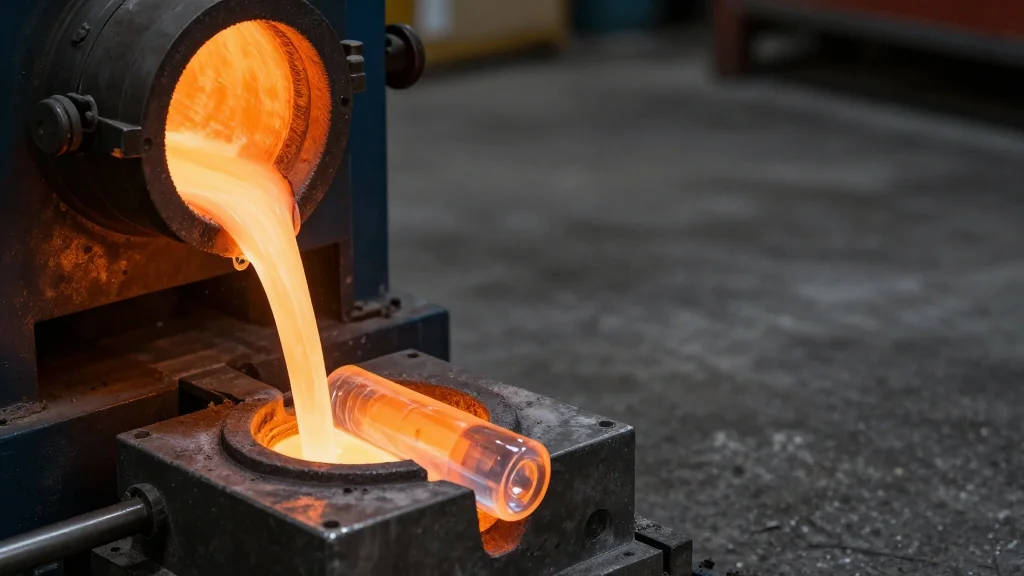
Uncovered: Turning Nuclear Waste Into Glass
The Hanford Site’s new vitrification plant, which went online in October 2025, is converting the complex, low‑level nuclear waste stored in 177 underground tanks into stable glass logs. By mixing waste with glass‑forming frit and melting it, the process immobilizes radionuclides,...

Letters to the Editor on Courtroom Computers and Thermal Batteries
Two letters to the editor revisit historic and technical debates. One recounts the first use of a Texas Instruments Silent Series 700 computer in a 1970s EPA courtroom, highlighting its luggable design and rapid data retrieval via thermal‑paper terminals. The other...
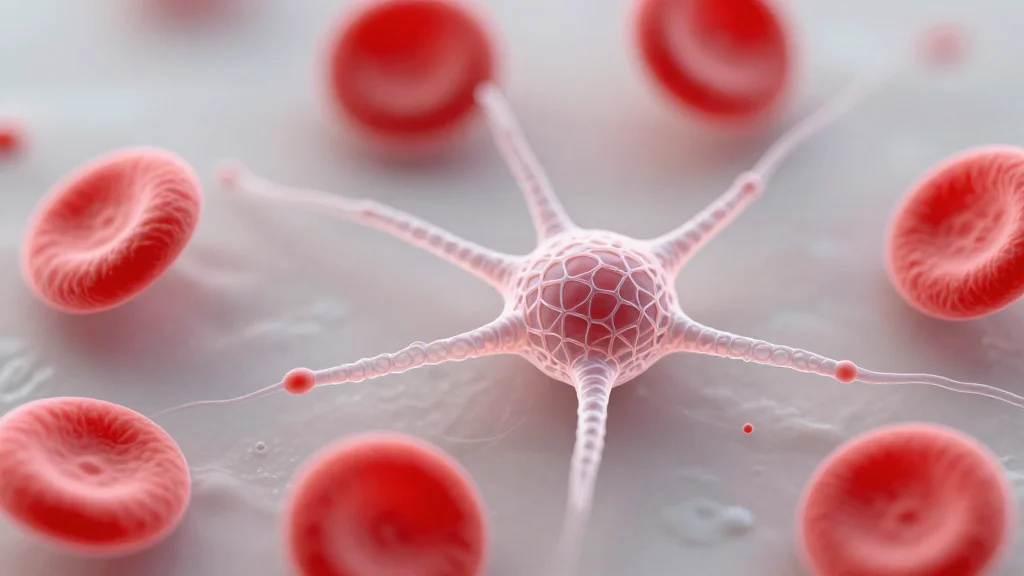
Blood Proteins Can Help Build Conductive Polymers in the Brain
Researchers at Purdue University discovered that iron-containing blood proteins can catalyze the in‑vivo polymerization of n‑doped poly(benzodifurandione) (n‑PBDF), forming conductive polymer meshes around neurons in mice. The method replaces copper salts with naturally abundant hemoglobin and myoglobin, eliminating toxicity concerns...
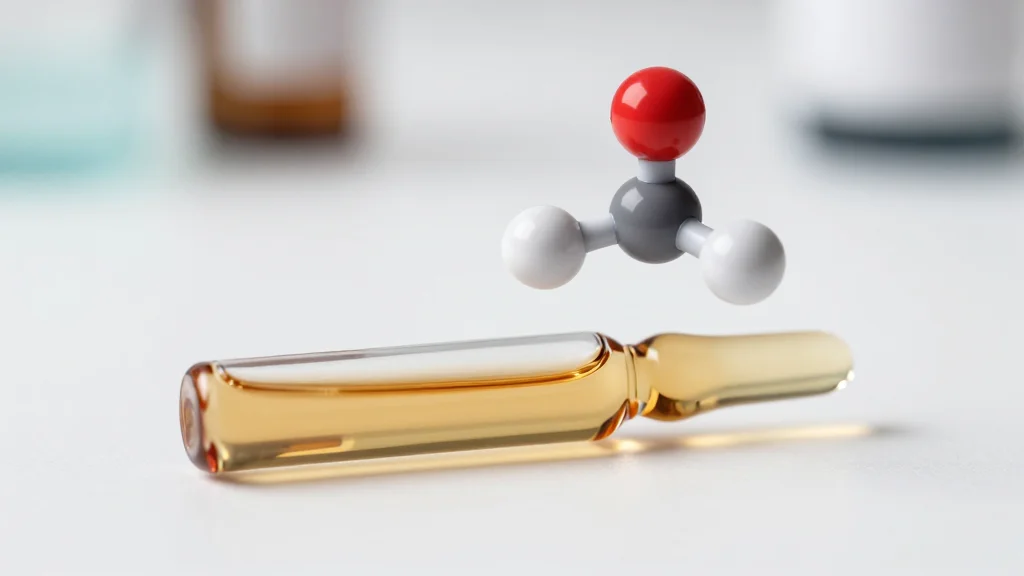
New Opioid Painkiller Has Surprisingly Few Side Effects
Scientists have identified a new opioid, N-desethyl‑fluornitrazene (DFNZ), derived from the long‑abandoned nitazene class, that delivers strong pain relief in rodents without causing respiratory depression or high addiction potential. The molecule acts as a μ‑opioid‑receptor superagonist yet exits the brain...

Editorial: Facts Are in Crisis. What Are We Going to Do?
The editorial warns that facts are in crisis as generative‑AI tools enable the fabrication of scientific data and journalism faces a surge of fraudulent sources. Expensive, high‑tech research makes independent replication difficult, while trusted data repositories are disappearing. Publishers are...
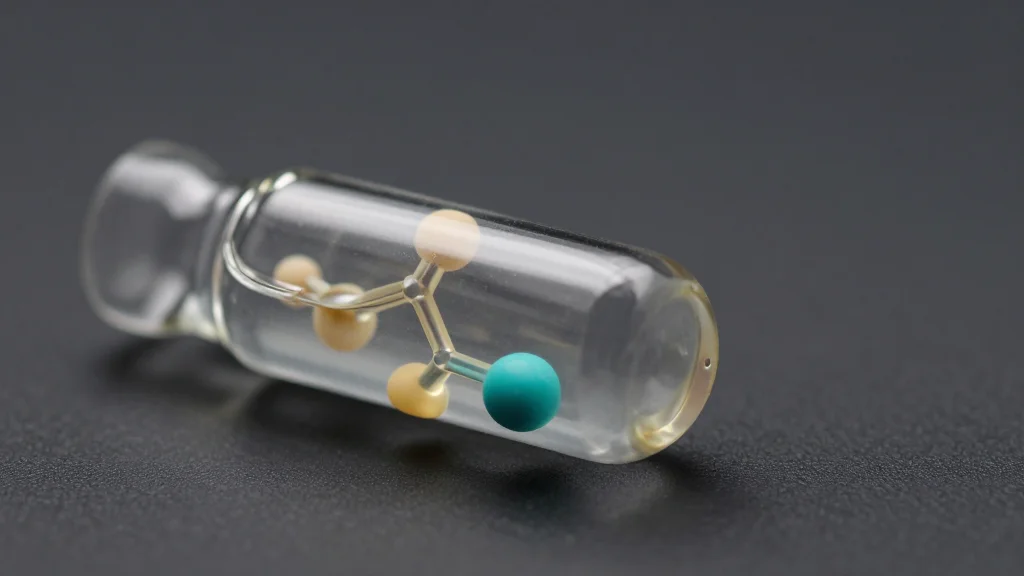
Atom Swapping Arrives for 5-Membered Cyclic Ethers
Researchers at the National University of Singapore have unveiled a skeletal‑editing method that replaces the oxygen atom in five‑membered saturated cyclic ethers with nitrogen, sulfur, carbon or selenium. The protocol uses triphenylphosphine and N‑bromosuccinimide to generate a dibromo intermediate, which...
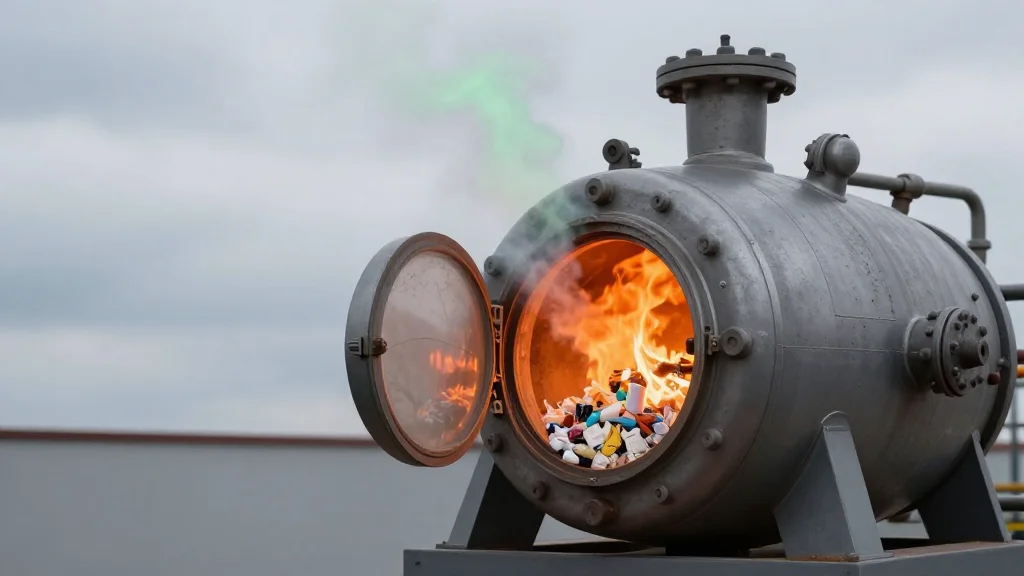
EPA Wants to Let Plastic Incinerators Skirt Clean Air Act
The U.S. Environmental Protection Agency has proposed removing plastic‑pyrolysis facilities from the Clean Air Act’s incinerator definition, effectively stripping them of federal emission controls. The change is tucked inside a natural‑disaster permitting rule, prompting criticism that it was hidden from...

Public Health Experts Call for Stricter Glyphosate Regulation
A coalition of 17 public‑health researchers and advocates from North America and Europe issued a joint statement calling for stricter regulation of glyphosate after a University of Washington symposium. They cite compelling evidence linking the herbicide to cancer, particularly non‑Hodgkin...
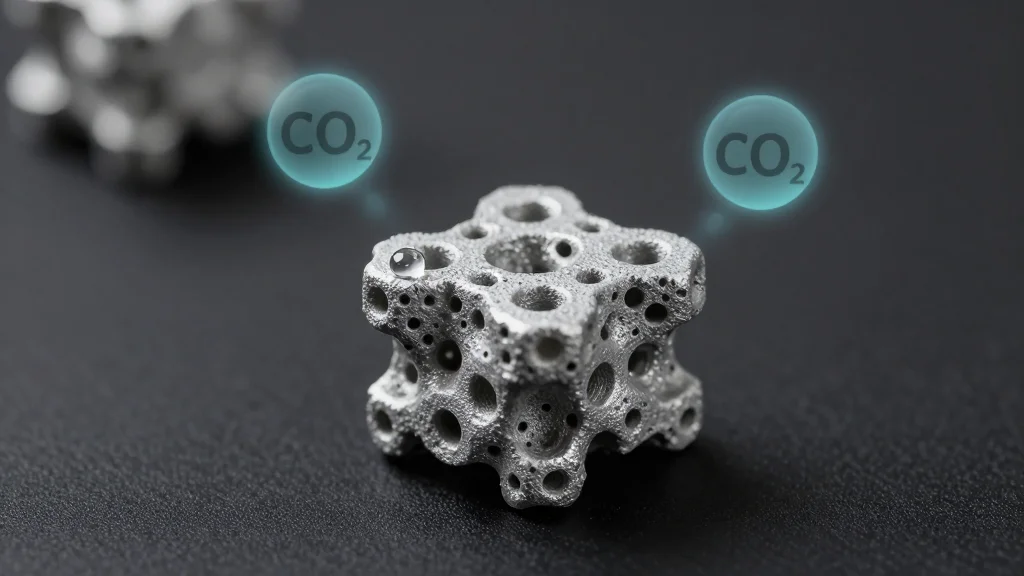
Cluster Catalyst Turns Carbon Dioxide Into Methanol at Low Heat
Researchers at Stanford and Stony Brook unveiled a platinum‑molybdenum cluster catalyst embedded in a zirconium‑based MOF that converts CO₂ to methanol at 180 °C, far below the 250 °C typical of industrial processes. The uniform single‑atom Pt sites deliver higher per‑pass yields...

Lessons From a Nobel Laureate’s Keynote, ‘Organic Chemistry and AI for Our Planet’
Nobel laureate Omar Yaghi delivered the inaugural ACS 150th keynote at the Spring 2026 meeting, emphasizing the synergy between organic chemistry, metal‑organic frameworks and artificial intelligence. He highlighted how undergraduate risk‑taking sparked the creation of covalent organic frameworks (COFs) and how mentorship...
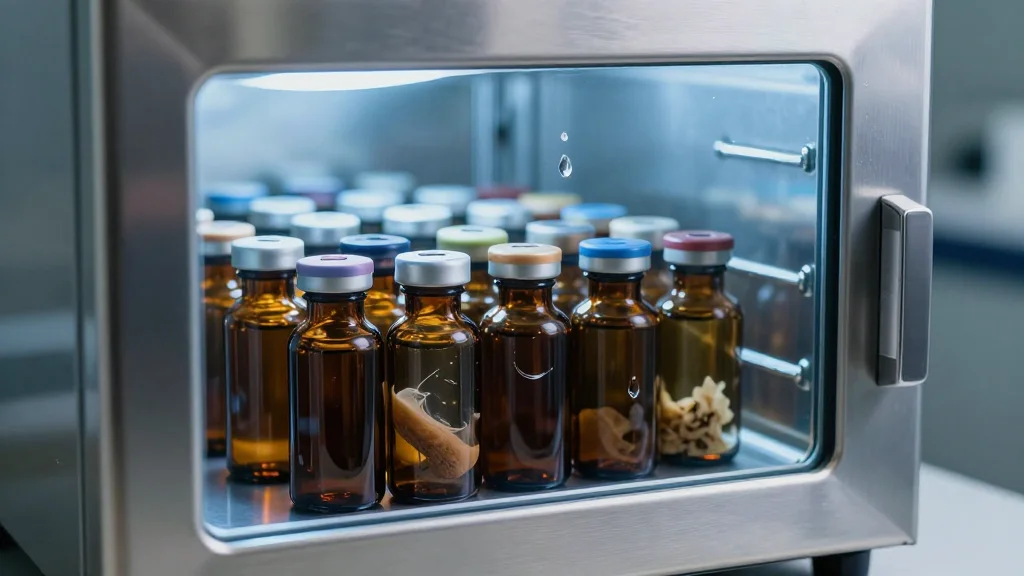
A ‘Doomsday Vault’ of Microbes Could Save Species—Including Us
The Microbiota Vault Initiative (MVI), launched in 2023 at the University of Zurich, aims to preserve global microbial diversity by storing fecal, fermented‑food, soil, water and air samples. Its pilot phase collected 1,200 stool and 190 fermented‑food specimens from seven...