
A Practical Quick Start Guide for Reliable Machine Vision Applications
Machine vision is now a cornerstone of Industry 4.0, enabling quality assurance, metrology, assembly inspection and robotics across manufacturing. A practical quick‑start guide breaks integration into four phases—preparation, design, implementation and deployment—and outlines concrete steps for each. The guide stresses early documentation of performance requirements, systematic component selection, and rigorous acceptance testing before field installation. By treating vision projects as disciplined system‑integration efforts, manufacturers can achieve reliable, measurable results and avoid costly rework.
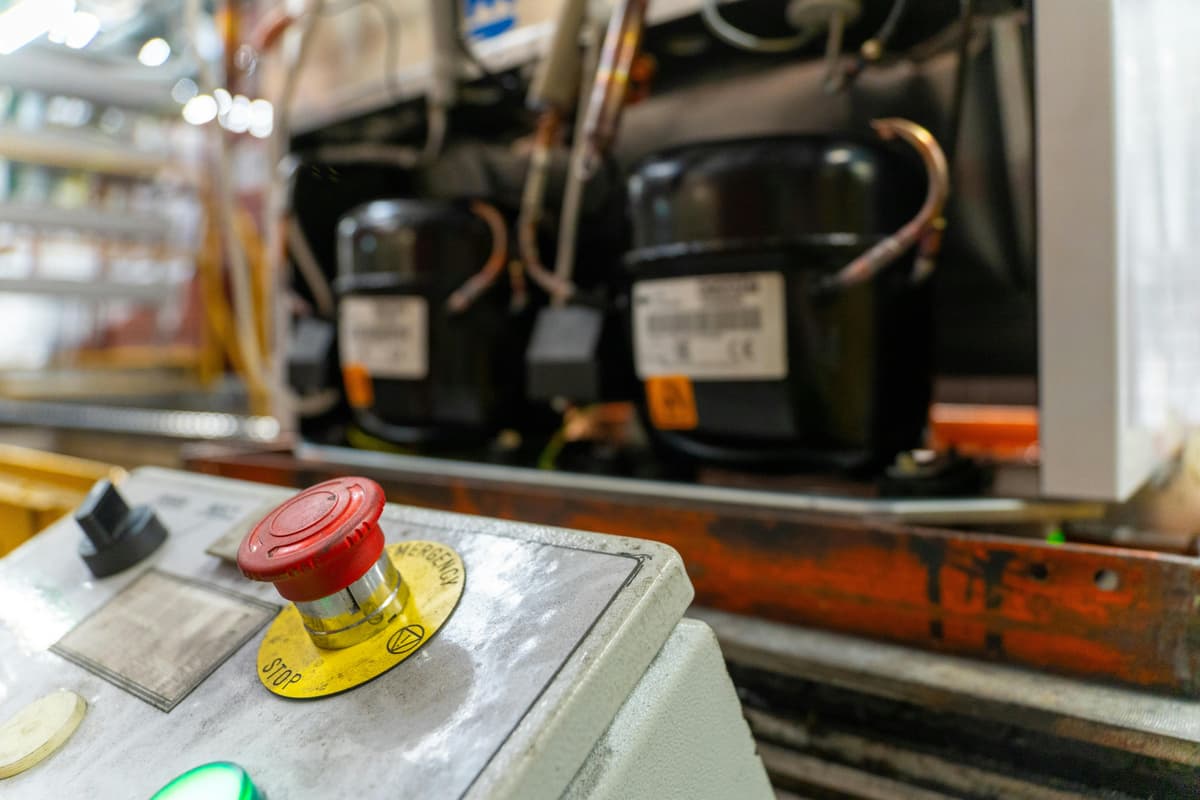
Why Your E-Stop Button Logic Can Be a Liability
The article warns that programming stop buttons as normally‑closed (NC) contacts creates a hidden safety risk, because a broken wire leaves the machine running. It advocates using normally‑open (NO, XIC) contacts so loss of power automatically disables the output, matching...

The Reliability and Accuracy of Machine Vision Systems
The Control Intelligence podcast episode “Closing the loop in factory inspection with artificial intelligence” examines how AI‑driven machine‑vision systems are raising reliability and accuracy in production quality checks. It details how sub‑millimeter defect detection paired with real‑time decision loops can...
Shore Capital Plans to Build Industrial Automation Distributor
Shore Capital Partners has appointed Aurelio Banda as an executive operating partner to spearhead the creation of an industrial automation distribution platform. Banda will source and evaluate acquisition targets while shaping a commercial strategy centered on technical expertise, applications support,...

When Can You Run a Motor in Overload Status?
Running an electric motor at 175% of its rated load triples I²R heating and pushes the equipment beyond its thermal design limits, violating NEMA MG‑1 standards. The resulting temperature rise cuts insulation life in half for every 10 °C increase, accelerating winding...

I/O's Evolution From Massive Relay Panels to Distributed Intelligence
The article traces the shift from bulky, centrally wired relay panels to modern distributed I/O architectures in factory automation. Early PLCs relied on massive panels and proprietary serial links, driving high material costs and limited flexibility. The adoption of Ethernet‑based...

Industrial Security, Thermal Management and Longevity for Edge Controllers
AutomationDirect’s C2‑NRed module brings Node‑Red edge functionality to Click Plus PLCs without requiring a separate gateway. It runs an embedded Linux environment alongside the deterministic PLC scan cycle, communicating over the backplane while keeping control logic isolated. The module offers native...

NSF Initiative Aims for AI-Readiness
The National Science Foundation launched the AI‑Ready America initiative to build a nationwide network of AI coordination hubs, one in each state, territory and the District of Columbia. Up to 56 hubs will be eligible for up to $1 million per...

Virtual Commissioning and Real-Time Data: A Deep Dive Into Digital-Twin Technology
Digital twins are evolving from static CAD models to behaviorally accurate, data‑driven 3D replicas that ingest real‑time signals such as torque, speed, and energy. By integrating decentralized drives, edge computing, and AI‑assisted diagnostics, manufacturers can keep virtual models synchronized with...

2026 North American Profinet Plugfest Takes Place in Minnesota
Emerson hosted PI North America’s fourth North American Profinet Plugfest in Eden Prairie, Minnesota, on April 15‑16, 2026. The two‑day event drew 36 engineers from 13 companies, who tested seven controllers and 15 devices ranging from drives to virtual PLCs. Participants...

The Future of Automation Returns to Chicago with 1,000+ Exhibitors and 200 Speakers
Automate 2026 returns to Chicago June 22‑25, expecting over 50,000 visitors, more than 1,000 exhibitors and 200 speakers. Hosted by the Association for Advancing Automation, the show will showcase robotics, AI, motion control, digital twins, and vision systems. Highlights include...
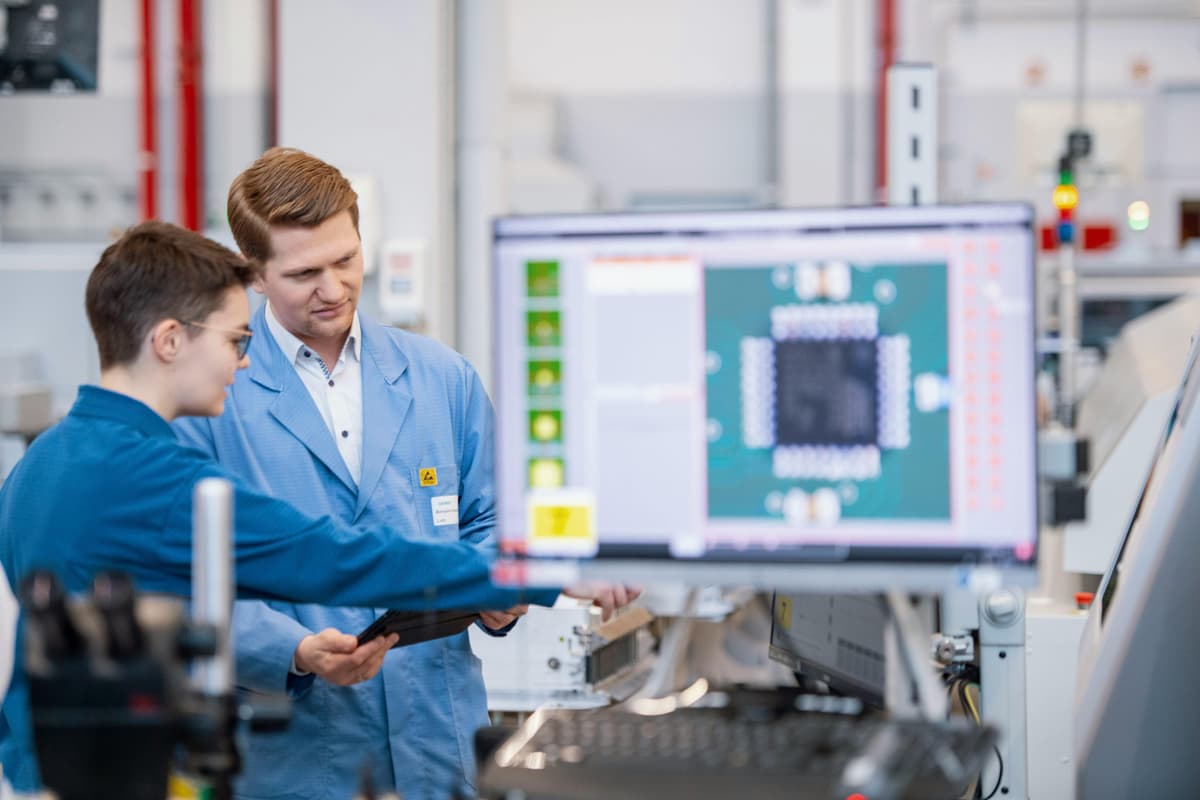
Creating the Missing Layer: Why Orchestration Is Essential for Industrial AI Success
The article argues that an orchestration layer is essential to bridge AI insights with the deterministic requirements of the factory floor, providing the trust and governance manufacturers need. It cites rising energy costs from AI compute, a projected 7.9 million manufacturing...

Duravant Renames Company It Acquired
Duravant, a leading automation‑technology provider, announced that the Matthews Automation Solutions unit it bought in 2025 will operate under the new name Pyramid. The rebrand highlights Pyramid’s warehouse execution system (WES) and warehouse control system (WCS) software, as well as...

Combine 3D Imaging Tools with Engineering Principles for Better Design
3‑D laser scanning and digital twins are increasingly used to visualize plant geometry, but they are supplements, not replacements, for traditional engineering analysis. The article stresses that relying solely on high‑fidelity imaging can miss critical human context such as maintenance...
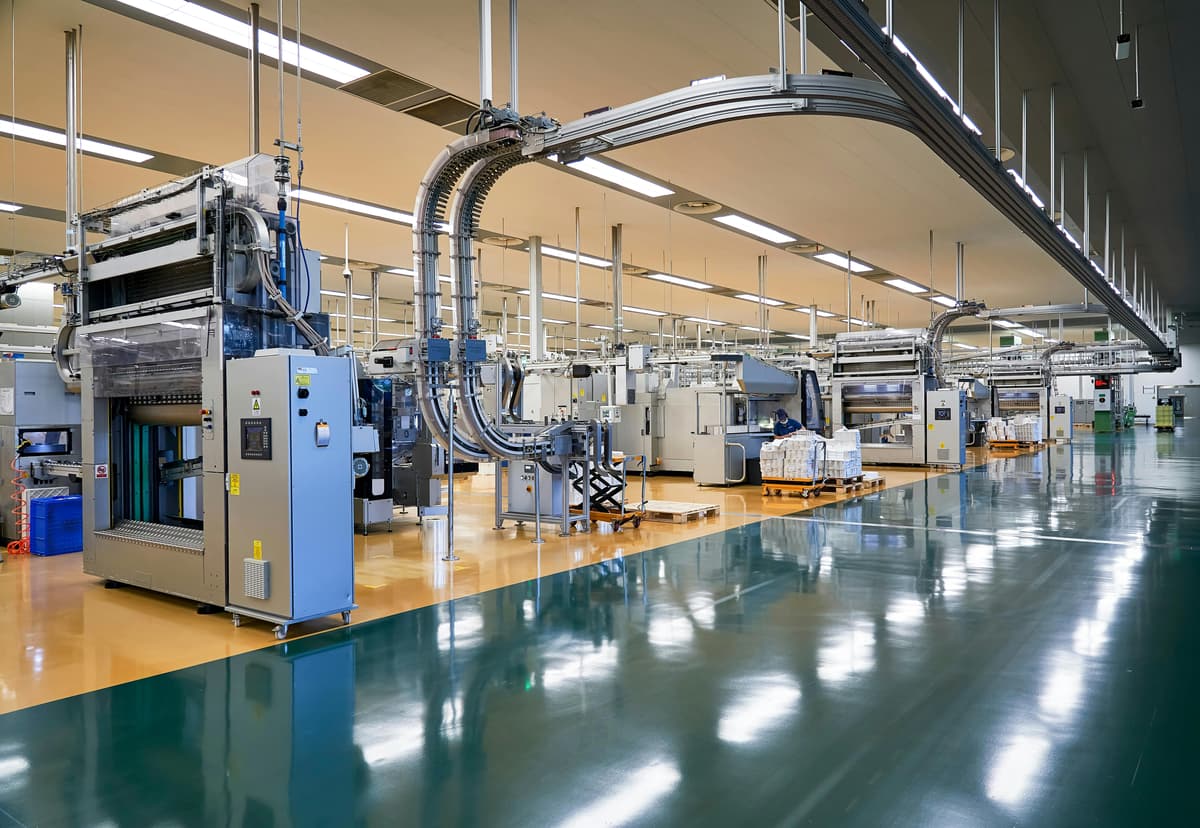
How to Solve the SKU Changeover Bottleneck with a Self-Learning Vision System
High‑mix manufacturers struggle with vision systems that take hours or weeks to commission, causing many short‑run SKUs to go uninspected. Self‑learning vision platforms solve this bottleneck by building a normal‑operation baseline directly on the production line within minutes, eliminating manual...