
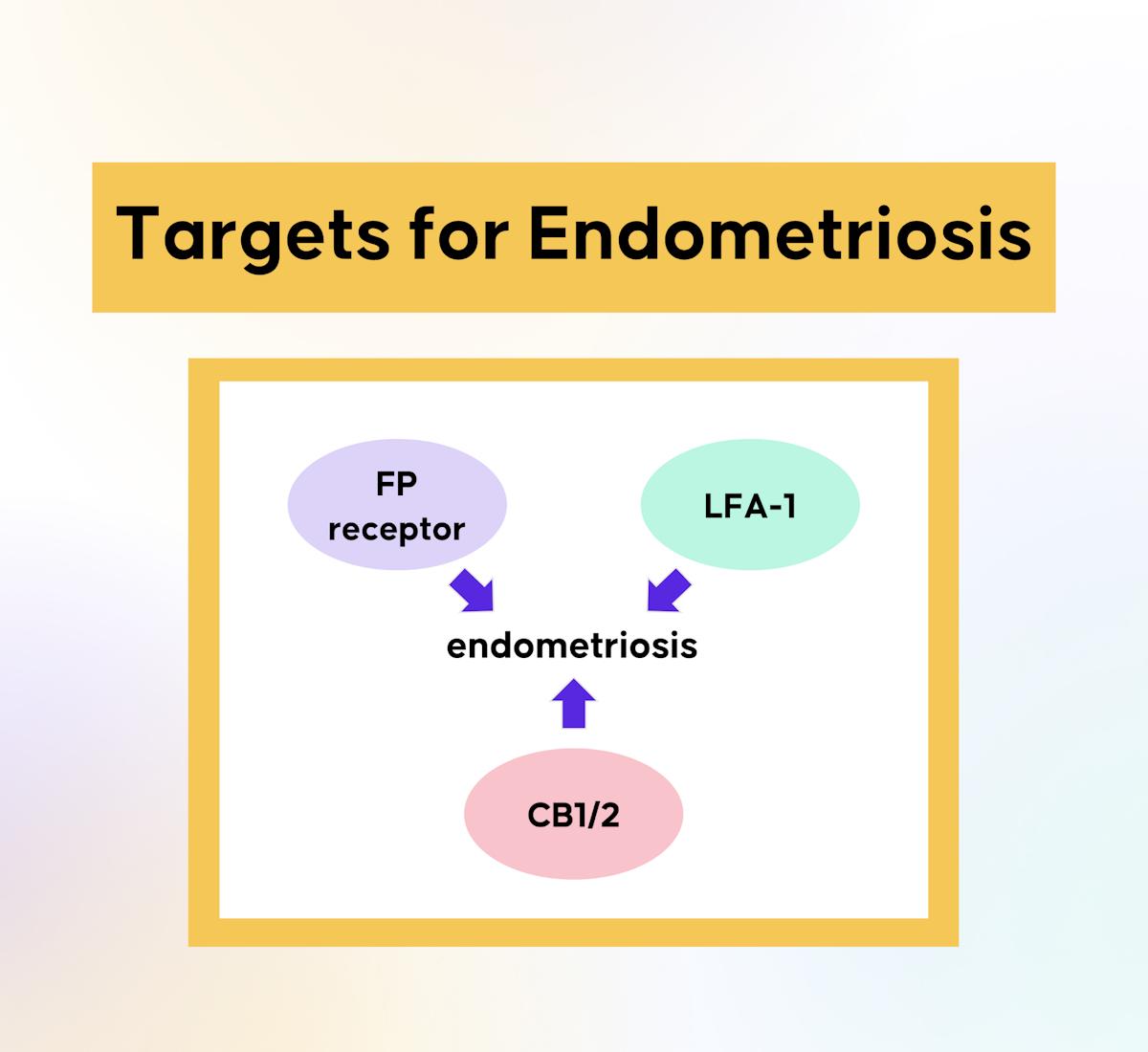
Endometriosis Inspires Re-Examination of Known Targets at the Inaugural HERS Meeting
The inaugural Hormone Endometriosis Research Society (HERS) meeting used endometriosis as a lens to revisit established drug targets, revealing fresh therapeutic angles. Researchers presented data linking progesterone‑receptor modulators, anti‑inflammatory pathways, and the emerging biomarker GDF15 to disease regression. Genetic profiling showed surprising overlap between endometriosis and ovarian‑cancer signaling, prompting cross‑disease drug‑repurposing discussions. Industry partners announced a $30 million collaborative fund to accelerate target validation and early‑stage trials.
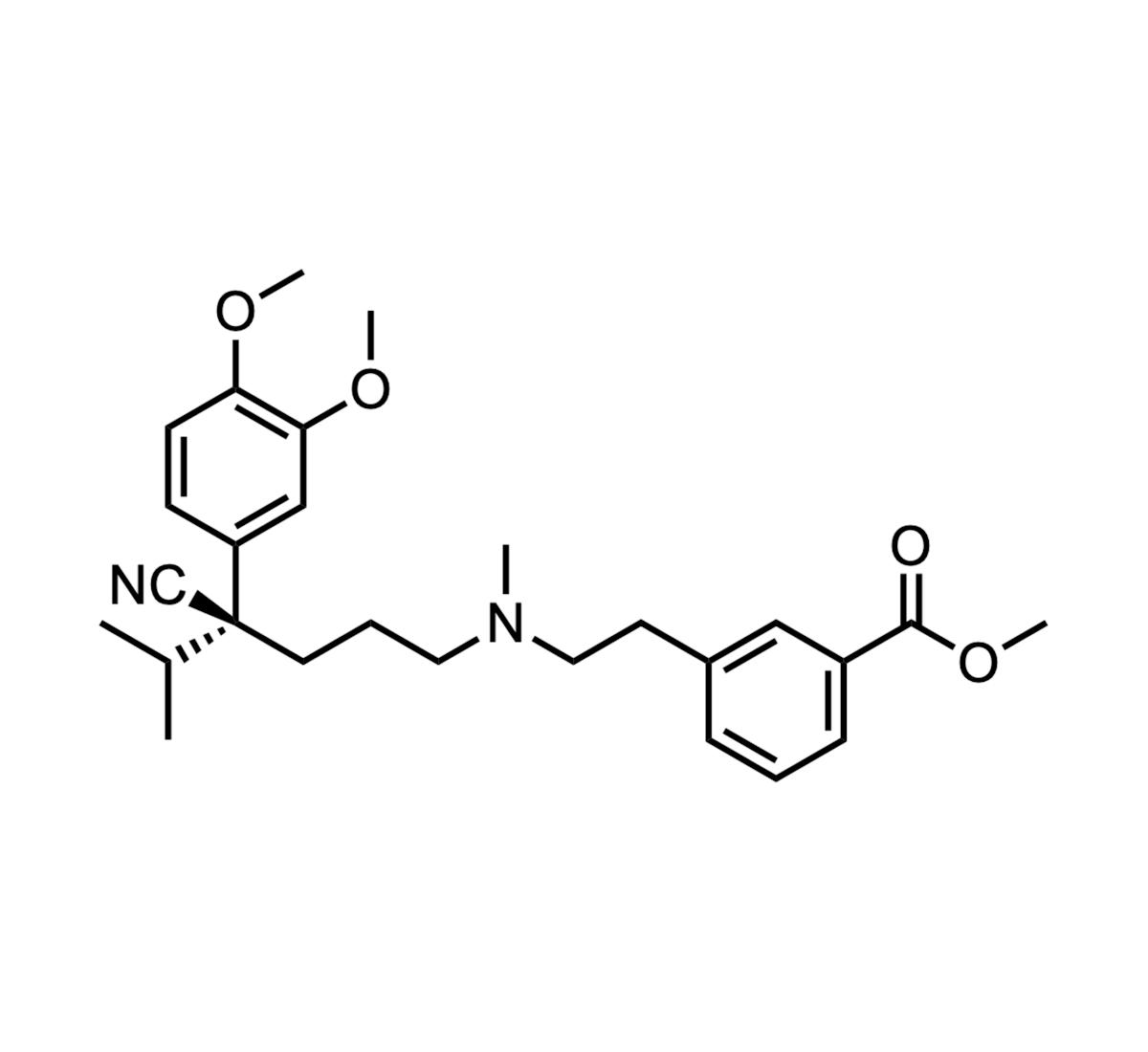
Etripamil
Etripamil (Cardamyst®) received FDA approval as a rapid‑acting, intranasal L‑type calcium channel blocker for converting acute paroxysmal supraventricular tachycardia (PSVT) episodes to sinus rhythm in adults. The drug leverages an ester‑sensitive phenylalkylamine scaffold to achieve fast onset and a short...

Metabolic Stability in Peptide Therapeutics
Peptide therapeutics are gaining traction but remain hampered by poor metabolic stability, limited permeability, and rapid clearance. The article outlines four primary metabolic pathways—hydrolysis, oxidation, reduction, and conjugation—and examines the hurdles of oral delivery, in‑vitro tools, and experimental workflows used...
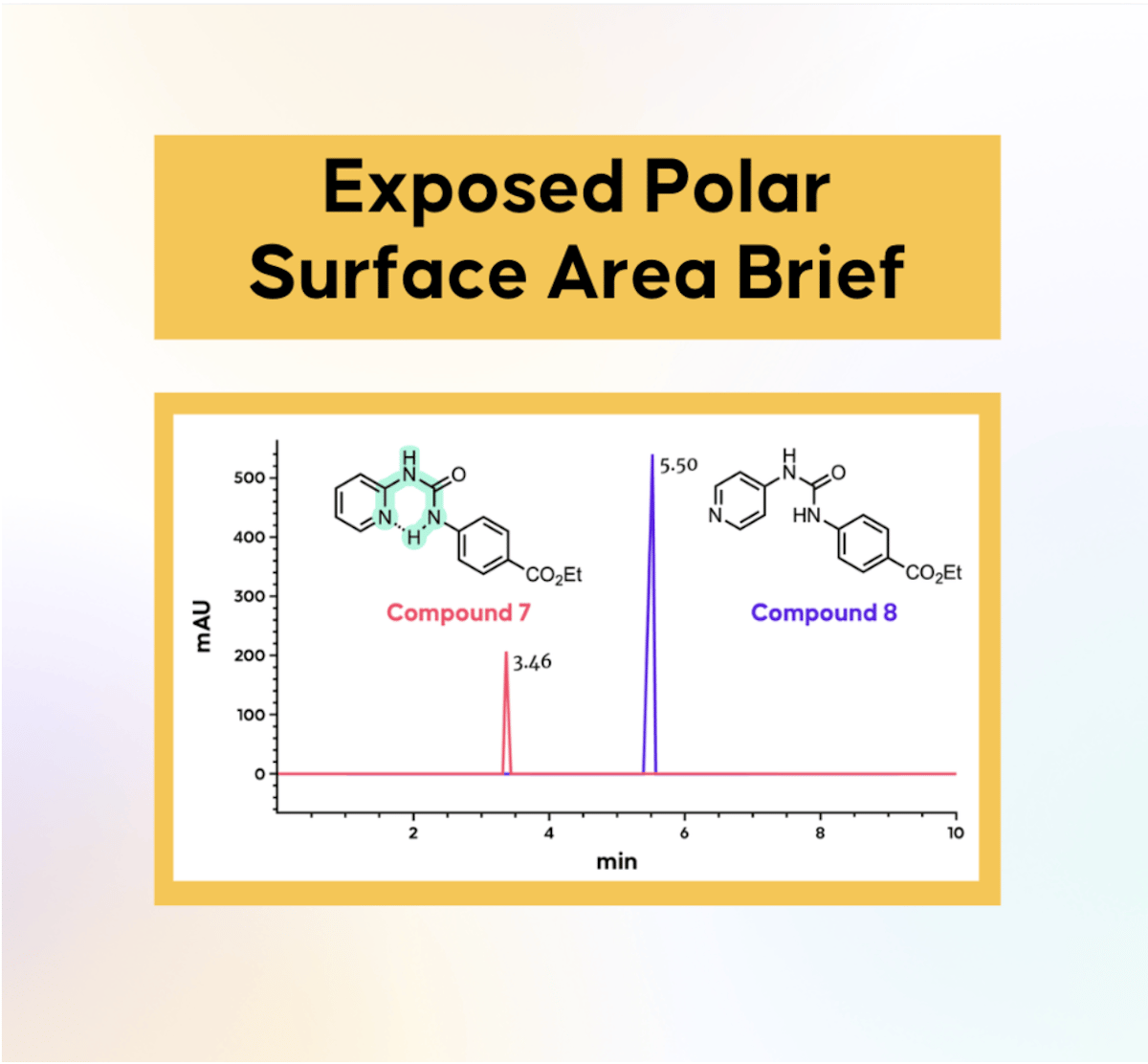
EPSA: A Useful Metric Across Chemical Space
The article highlights EPSA (Experimental Polarity Surface Area) as a robust metric for assessing molecular polarity across broad chemical space. Unlike traditional PSA, EPSA is derived from supercritical fluid chromatography, offering experimental insight into a compound’s three‑dimensional polarity profile. The...
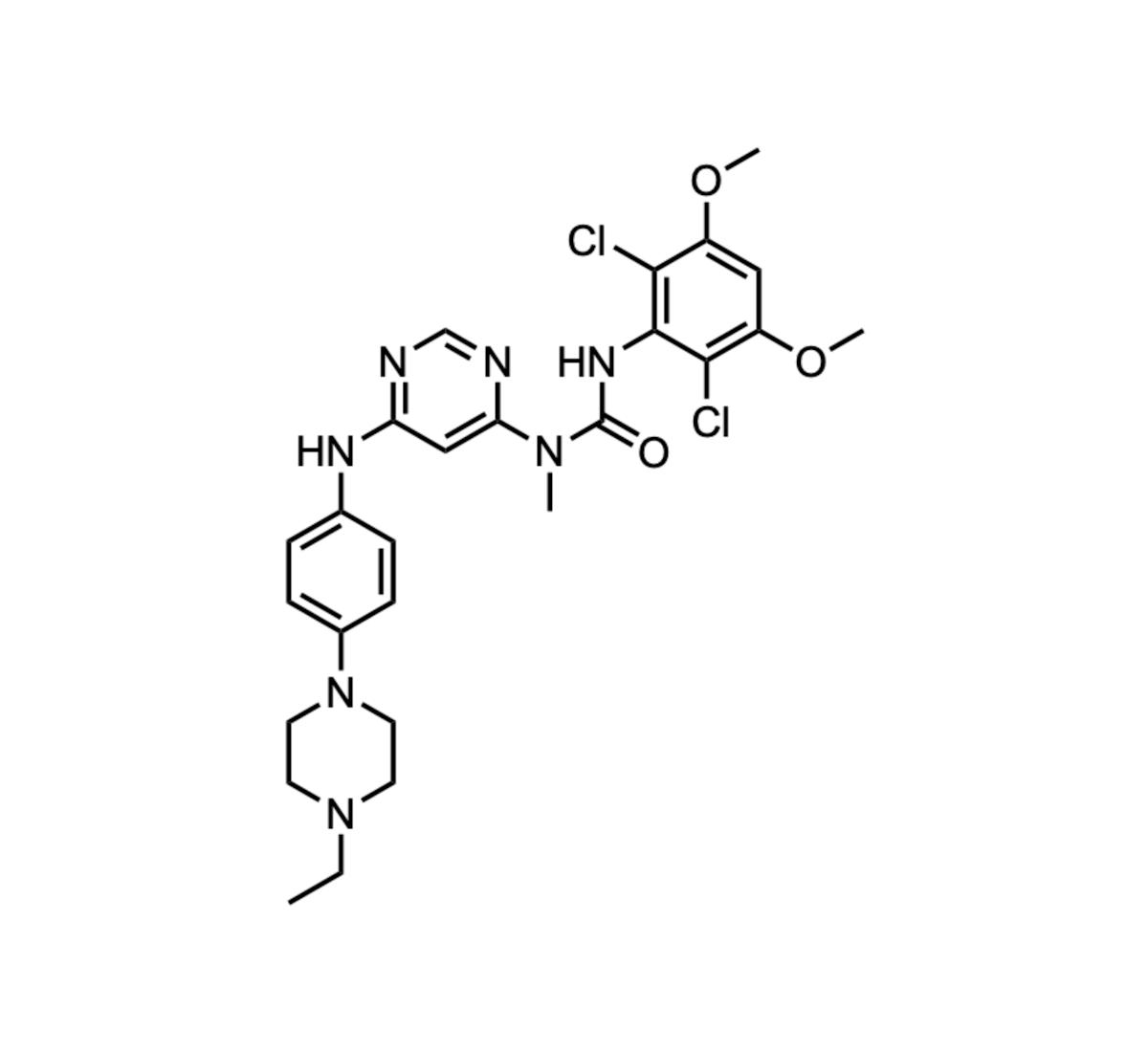
Infigratinib
Infigratinib, a pan‑FGFR inhibitor previously approved for cholangiocarcinoma, is being repurposed to treat achondroplasia. After its FDA accelerated approval was rescinded in 2024 due to enrollment challenges, BridgeBio reported that the Phase 3 PROPEL 3 trial met its primary endpoint in February 2026....
IAM1363
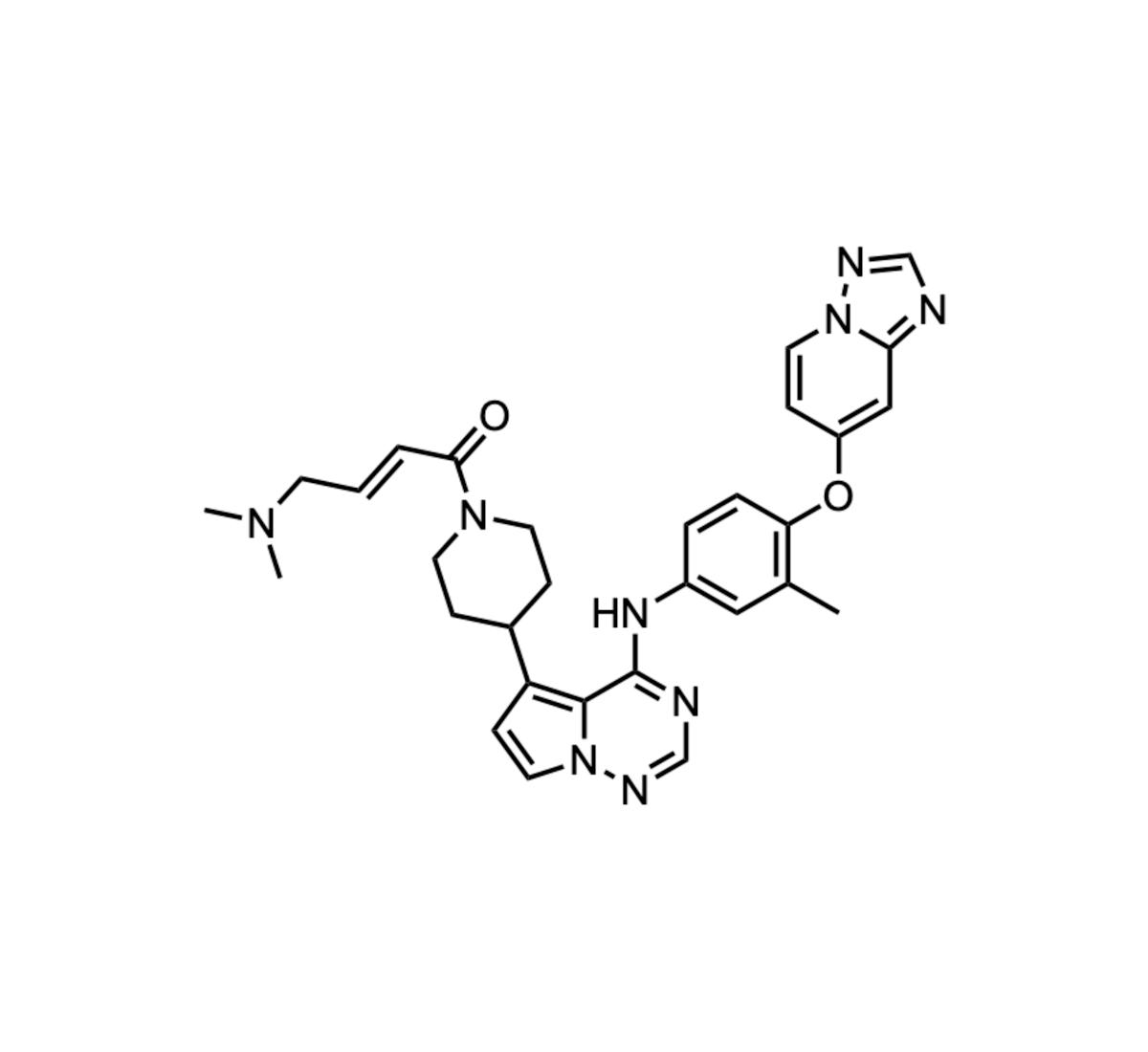
Iambic Therapeutics of San Diego announced the initiation of a Phase 1 clinical trial for an oral covalent inhibitor targeting HER2‑mutant cancers. The molecule, identified through an AI‑guided high‑throughput screening campaign, binds irreversibly to the mutant HER2 kinase domain. Preclinical data...

Module 4, Section 2: All About Assays
The Module 4, Section 2 briefing provides a concise overview of modern assay platforms used in early‑stage drug discovery. It references key literature on PRMT5 fragment‑based screening that produced the MRTX1719 candidate, as well as thermal‑shift, surface plasmon resonance (SPR), and polymerase...
OP-3136
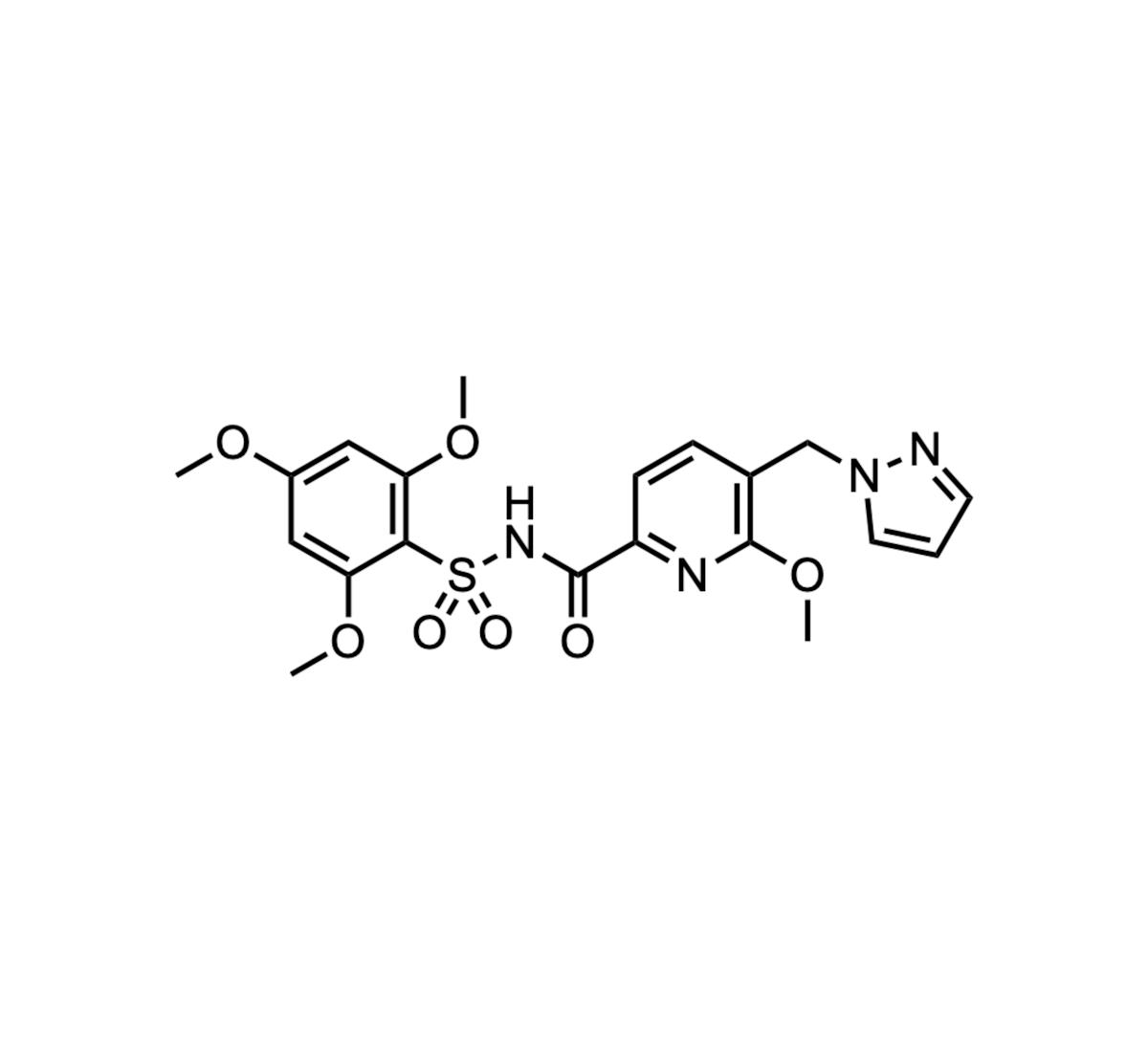
OP‑3136, a KAT6A‑selective inhibitor, entered Phase 1/2 trials for advanced hormone‑receptor‑positive breast cancer. The drug mimics the pyrophosphate of acetyl‑CoA using an acyl‑sulfonamide scaffold, delivering high specificity for the epigenetic writer KAT6A. Olema Pharmaceuticals is testing OP‑3136 in combination with SERDs...

Varenicline
Varenicline (Chantix) received FDA approval in 2006 as a partial α4β2 nicotinic receptor agonist, offering a middle‑ground approach between nicotine replacement and bupropion. Its mechanism delivers enough receptor activation to ease cravings while antagonizing nicotine’s rewarding effects. The drug quickly...
March 2026 Patent Highlights
The March 2026 Patent Highlights page aggregates the latest drug‑discovery milestones, from 38 first‑time small‑molecule approvals by Europe’s EMA, China’s NMPA and Japan’s PMDA to a deep dive on protein‑structure advances and machine‑learning tools. It spotlights a newly optimized HPK1 inhibitor...
GDC-4198
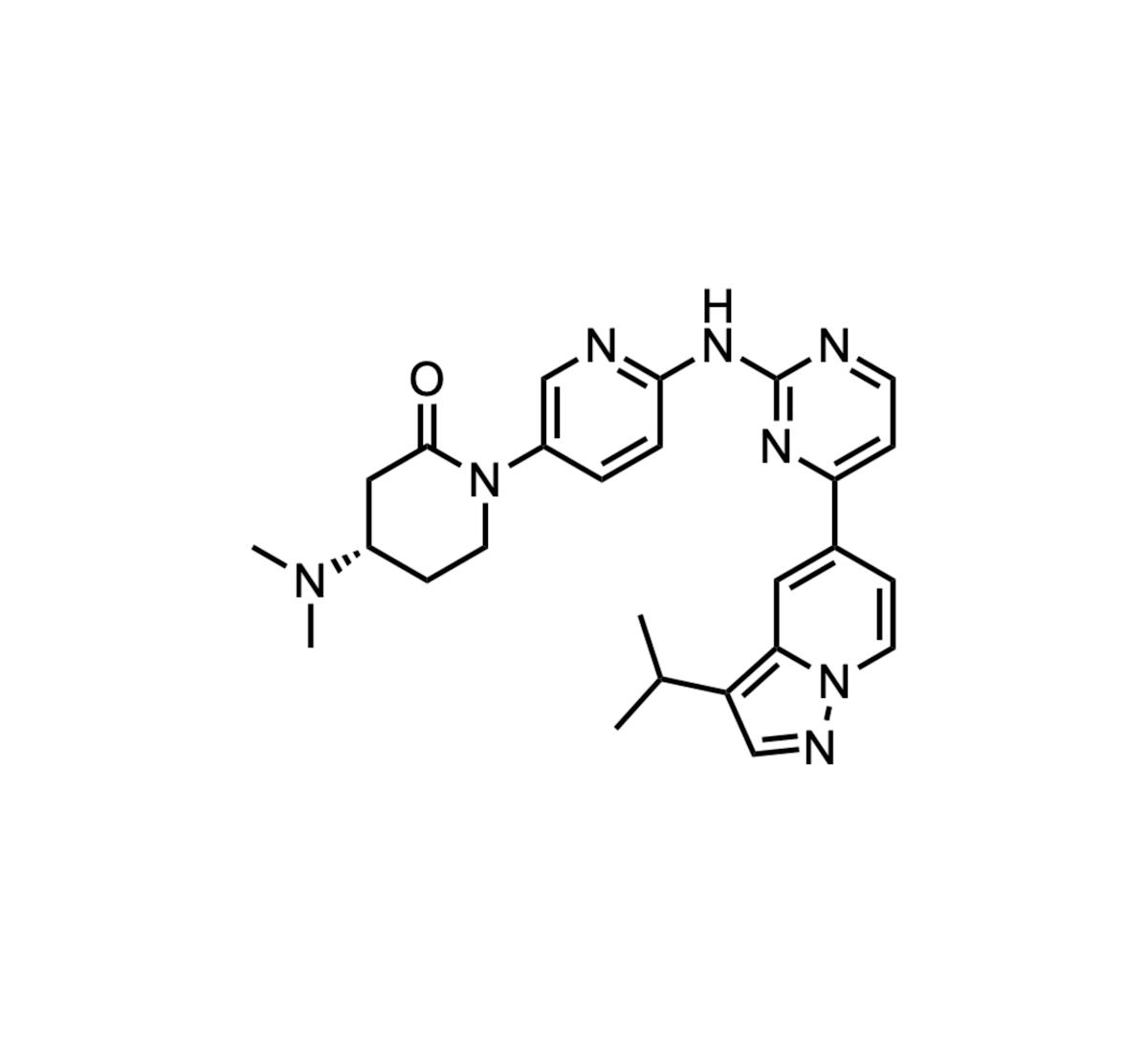
Regor Therapeutics discovered GDC‑4198, an oral CDK4/2 inhibitor now owned by Genentech. The drug is in Phase 1/2 trials for advanced solid tumors, with a focus on breast cancer. It combines low‑nanomolar CDK4 potency with comparable CDK2 activity and roughly 20‑fold...

Module 4, Section 1: Liganded Structures
Protein structure determination has accelerated dramatically thanks to breakthroughs in experimental techniques and machine learning. The first lecture of the Protein Structure & Target Pharmacology module outlines how to choose expression systems and structural assessment methods. It highlights practical applications...
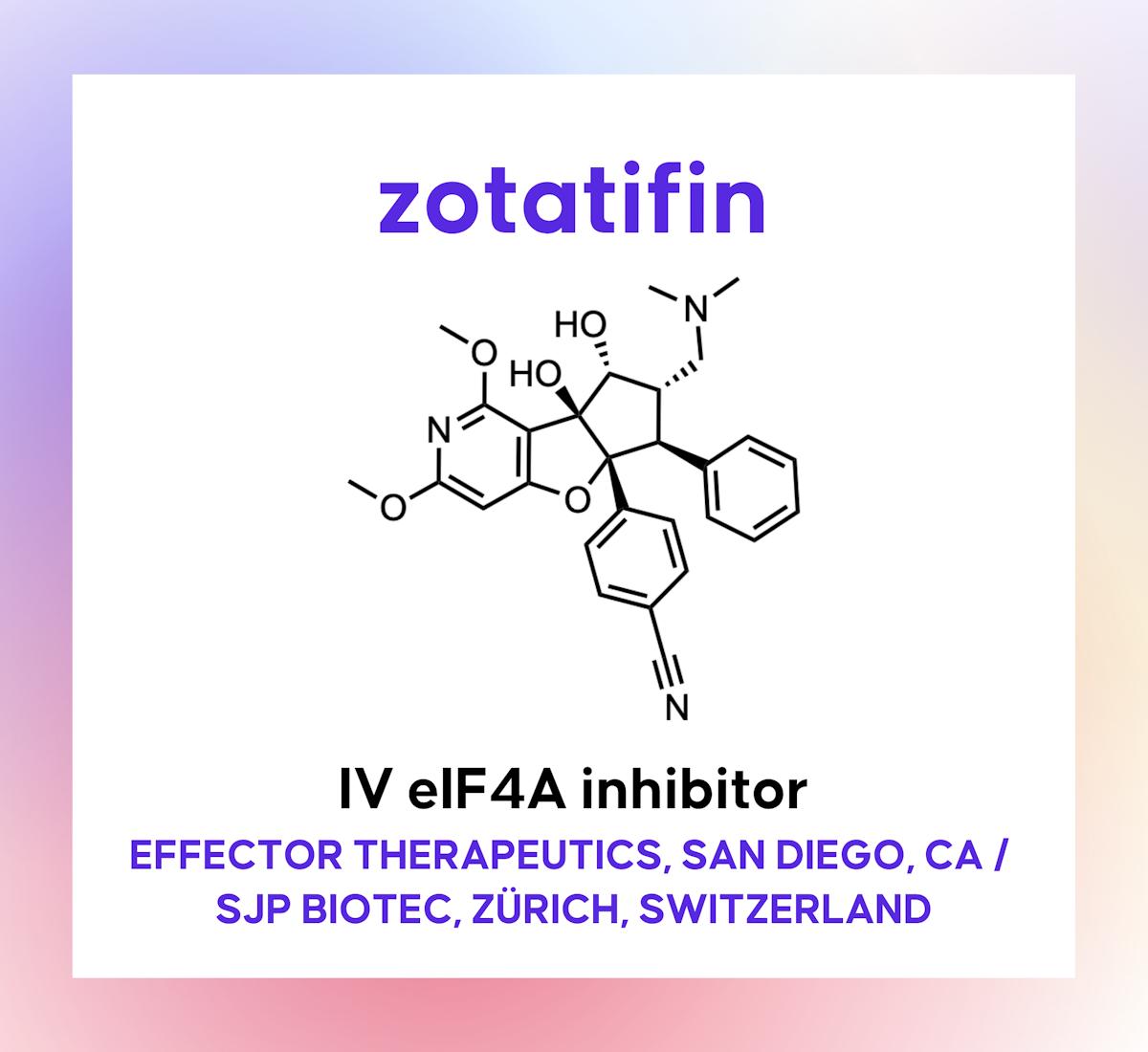
Zotatifin
Effector Therapeutics and Switzerland’s SJP Biotec have entered Phase 2 trials of zotatifin, an intravenous eIF4A inhibitor, in selected advanced solid tumors. The study targets cancers such as breast, lung and pancreatic that rely heavily on dysregulated protein translation. Early Phase 1...
Discovery of a Small Molecule HPK1 Inhibitor for Immuno-Oncology
A biotech firm has disclosed a novel small‑molecule inhibitor of hematopoietic progenitor kinase 1 (HPK1) that demonstrates potent immuno‑oncology activity in preclinical models. The compound achieves sub‑micromolar potency, oral bioavailability, and drives up to 70% tumor regression when combined with...

AACR San Diego 2026: New Drugs on the Horizon
The AACR 2026 Annual Meeting in San Diego unveiled 11 first‑time disclosed oncology candidates spanning small‑molecule degraders, bispecific antibodies, T‑cell engagers and ADCs. Highlights include NEO‑811, a CRBN‑mediated molecular glue targeting HIF‑1β for VHL‑deficient renal cancer, and AZD8359, a STEAP2‑directed T‑cell...
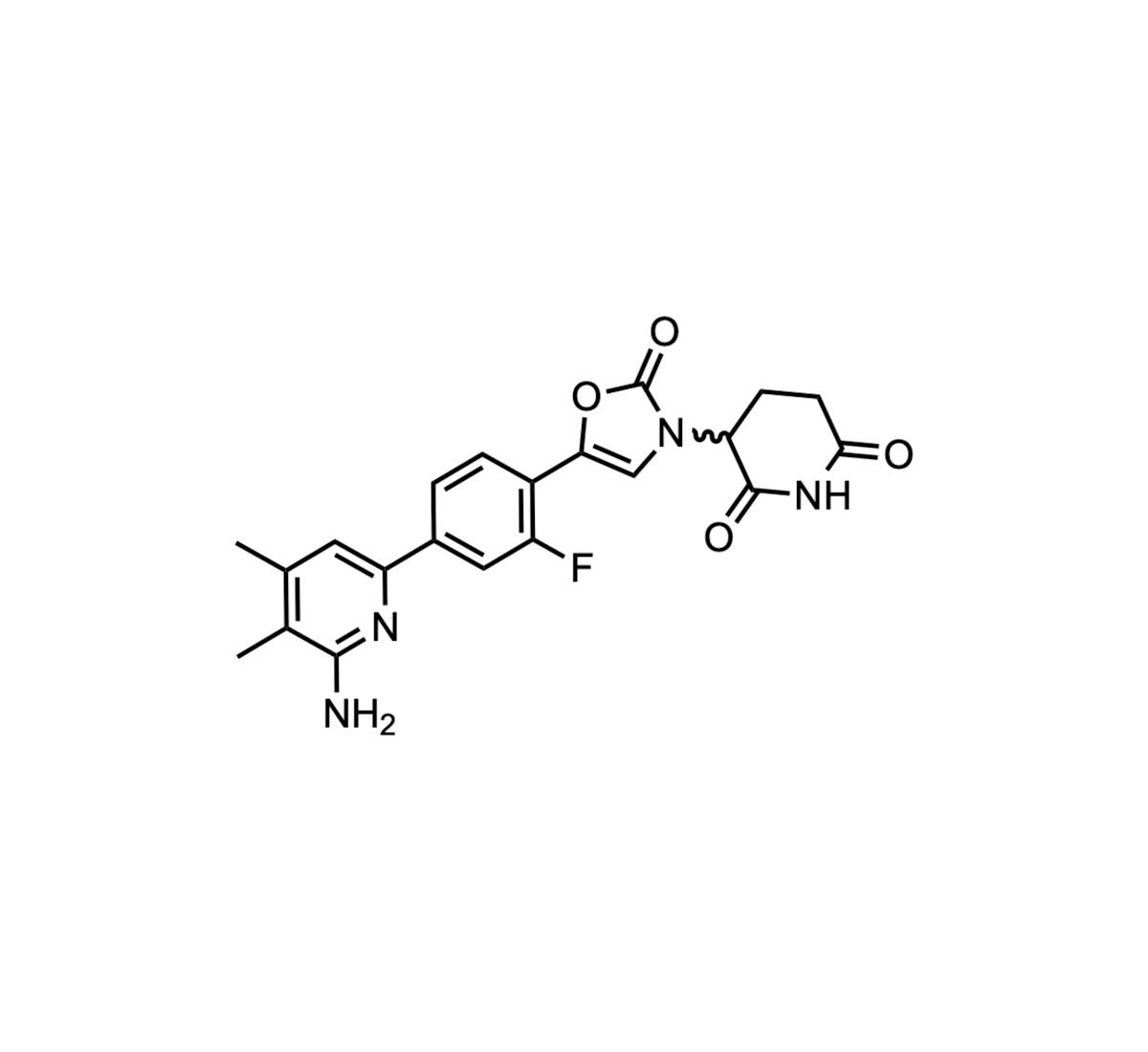
BMS-986482
Bristol Myers Squibb disclosed BMS-986482, a CRBN‑mediated degrader that targets the IKZF1‑4 transcription factors, at the ACS Spring 2026 First‑Time Disclosures session. The molecule entered a combined Phase 1/2 study aimed at patients with advanced solid tumors, marking BMS’s entry into...

BHV-2100
Researchers from KU Leuven, CISTIM Leuven and Biohaven Therapeutics have announced that an oral TRPM3 antagonist has entered Phase 2 clinical testing for the acute treatment of migraine. The program leveraged a cell‑based high‑throughput screen of more than 200,000 compounds to...

Orforglipron
Orforglitron, an oral non‑peptide GLP‑1 receptor partial agonist developed by Eli Lilly and Chugai, received FDA approval for chronic weight management. The drug distinguishes itself from oral semaglutide by requiring no fasting or special dosing constraints, enabling once‑daily administration. Clinical trials...

Module 3 Quiz
Drug Hunter’s online learning platform has released a Module 3 quiz covering the Hit Discovery section of its pharmaceutical curriculum. The quiz is part of a broader, subscription‑based course that guides users through early‑stage drug‑target identification. Learners must sign in or...
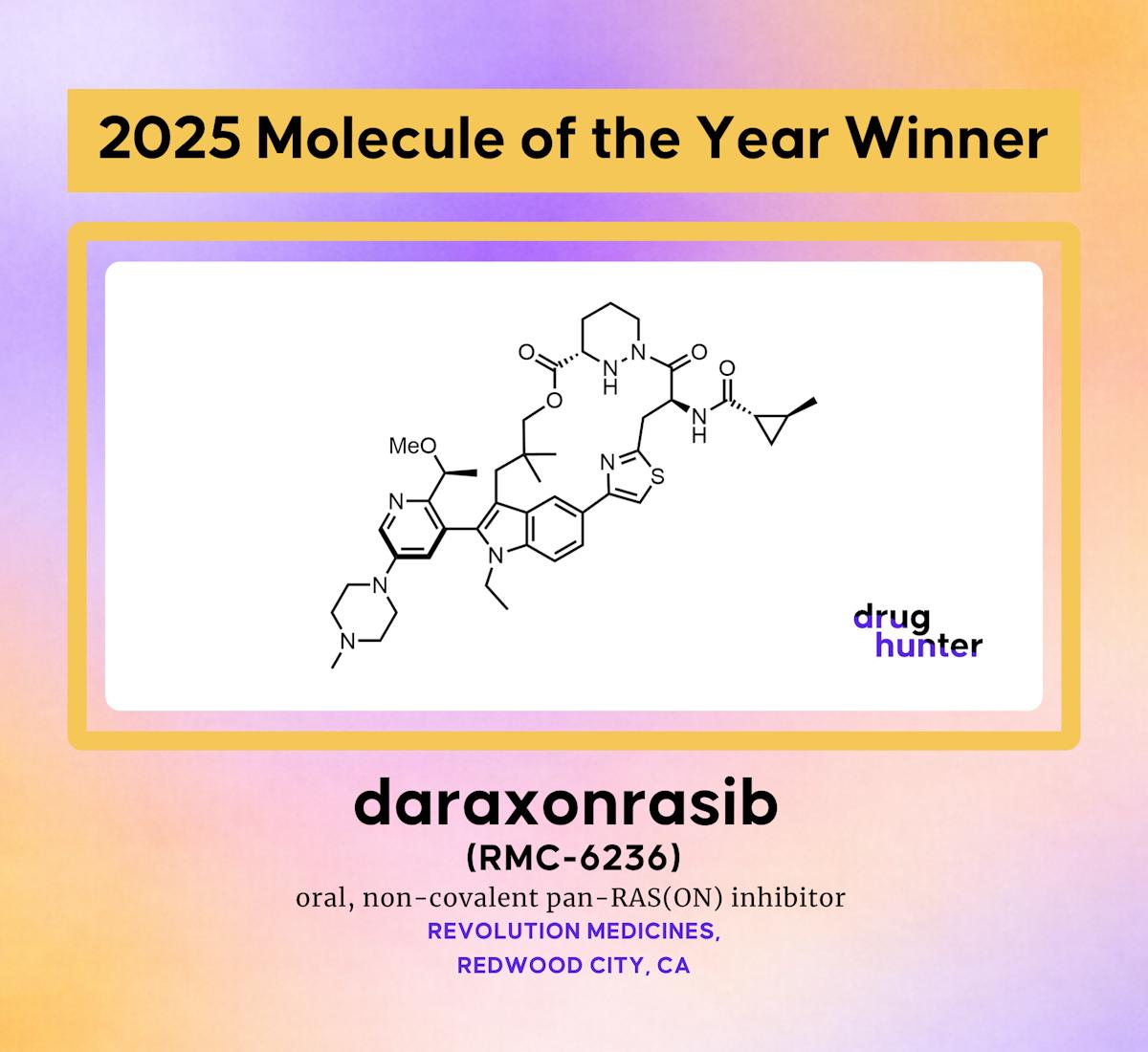
Daraxonrasib (RMC-6236): The 2025 Molecule of the Year
Revolution Medicines’ daraxonrasib (RMC‑6236) was crowned 2025 Molecule of the Year after winning 50% of community votes. The oral, tri‑complex molecular glue inhibitor uniquely targets the active GTP‑bound state of KRAS, NRAS and HRAS, covering both mutant and wild‑type isoforms....
Relacorilant (CORT125134)
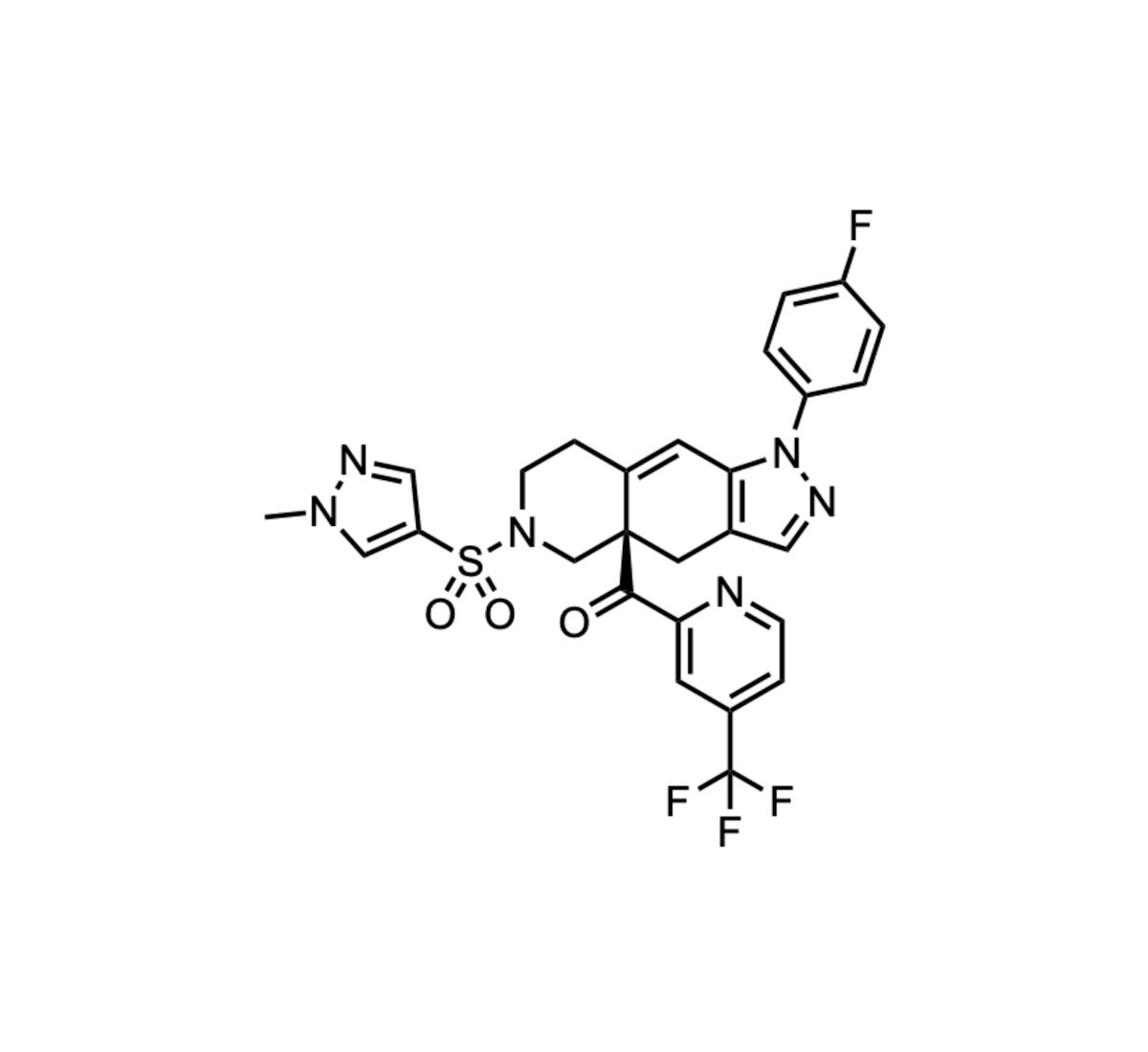
Corcept Therapeutics received FDA approval for relacorilant, branded Lifyorli, in combination with nab‑paclitaxel for platinum‑resistant ovarian cancer. The oral agent is a selective glucocorticoid‑receptor antagonist that blocks cortisol signaling without binding other steroid receptors, differentiating it from older cortisol‑pathway drugs....

TNO155
TNO155, also known as batoprotafib, is an oral, allosteric SHP2 inhibitor that stabilizes the phosphatase in its inactive conformation. Developed by Novartis in Cambridge, MA, it emerged from a 1.5 million‑compound high‑throughput screen combined with structure‑based drug design, becoming the first...

Quemliclustat
Quemliclustat (AB680) is a highly potent (5 pM) selective CD73 inhibitor that completed a Phase I trial in healthy volunteers, demonstrating a pharmacokinetic profile suitable for biweekly intravenous dosing. Early clinical data showed promising activity, prompting a successful Phase II study in pancreatic...

Module 3, Section 2: Quality Not Quantity
The article emphasizes a shift in high‑throughput screening toward curated, high‑quality compound libraries rather than sheer volume. It cites literature on global pharmacological mapping that shows enhanced hit relevance when nonspecific inhibitors are minimized. Phenotypic versus target‑based discovery is highlighted...

Soquelitinib
Corvus Pharmaceuticals announced soquelitinib (CPI‑818), an oral covalent inhibitor that irreversibly engages ITK at Cys442 while sparing the related kinase RLK. The selectivity addresses the broader off‑target activity seen with earlier covalent ITK agents such as ibrutinib. Soquelitinib is currently...

Asundexian
Bayer’s oral factor XIa inhibitor asundexian (BAY 2433334) has delivered positive Phase 3 data in the OCEANIC‑STROKE trial, positioning it as a potential first‑in‑class therapy for secondary stroke prevention. The drug aims to block pathological clot formation while minimizing the bleeding complications common...

A Deep Dive Into INN Proposed List 134
The World Health Organization released its International Nonproprietary Names (INN) Proposed List 134, introducing 124 new drug names slated for future approval. The list features a notable influx of antiviral and oncology agents, as well as the first biosimilar designations...

AZD5004
Elecoglipron (ECC5004/AZD5004), an oral small‑molecule GLP‑1 receptor agonist, completed Phase 2 trials in type 2 diabetes and obesity, meeting primary endpoints in the SOLSTICE and VISTA studies. AstraZeneca licensed global rights from Eccogene for an upfront payment of $185 million and potential milestones...

Avutometinib and Defactinib
The FDA granted accelerated approval to the oral co‑pack Avutometinib and Defactinib for adults with KRAS‑mutated, recurrent low‑grade serous ovarian cancer (LGSOC) after prior therapy. The regimen pairs a RAF/MEK inhibitor with a FAK inhibitor, marking a rare “novel‑novel” combination...

Module 3, Section 1: HitID Screens
The module introduces HitID screens, outlining key strategies for early-stage drug discovery. It references recent literature on medicinal chemistry optimization, successful hit‑to‑clinical transitions, DNA‑encoded library (DEL) approaches, ultra‑low‑molecular‑weight crystallographic screening, and fragment‑based drug discovery (FBDD). By consolidating these sources, the...

QPX7728
Xeruborbactam (QPX‑7728) is a broad‑spectrum β‑lactamase inhibitor designed to revive the activity of β‑lactam antibiotics against multidrug‑resistant Gram‑negative bacteria. Developed by Qpex Biopharma and Shionogi, the molecule targets both serine‑ and metallo‑β‑lactamases, addressing a key resistance mechanism. Preclinical data show...

Dose as the Ultimate MPO Endpoint
Tristan Maurer’s Flash Talk framed dose as the definitive multiparametric optimization (MPO) endpoint for small‑molecule drug design. He argued that dose integrates exposure, pharmacology, and mechanism‑driven effects, making it the linchpin for balancing potency, ADME, and safety. The presentation highlighted...

Imatinib
Imatinib (Gleevec®/Glivec®) is an oral ATP‑competitive inhibitor of the BCR‑ABL fusion tyrosine kinase, approved by the FDA in 2001 for Philadelphia chromosome‑positive chronic myeloid leukemia and other malignancies. The drug emerged from high‑throughput screening, structure‑activity relationship optimization, and structure‑based drug...

Thermal Stability Assays as Tools to De-Risk Discovery
Thermal stability assays, especially differential scanning fluorimetry, are gaining traction as early‑stage de‑risking tools in drug discovery. By measuring protein melting temperatures, these assays reveal ligand‑induced stabilization, enabling rapid hit validation and prioritization. The article outlines best‑practice workflows, data‑interpretation guidelines,...

Valbenazine
Valbenazine (Ingrezza®), an oral selective VMAT2 inhibitor from Neurocrine Biosciences, received FDA approval for treating tardive dyskinesia and Huntington’s disease‑associated chorea. In the Phase 3 KINECT‑3 trial, a once‑daily 80 mg dose produced a statistically significant reduction in AIMS dyskinesia scores after...

Zalsupindole
Delix Therapeutics announced the results of a Phase 1b study of zalsupindole, a selective 5‑HT2A receptor partial agonist, in patients with major depressive disorder. The trial, published in the January 2026 issue of ACS Chemical Neuroscience, demonstrated favorable safety, tolerability, and early...

Module 2 Quiz
Drug Hunter’s online curriculum includes a Module 2 Quiz that tests learners on target identification and validation concepts. The quiz is part of a broader course designed for drug discovery professionals and requires full platform access via subscription or sign‑in. It...
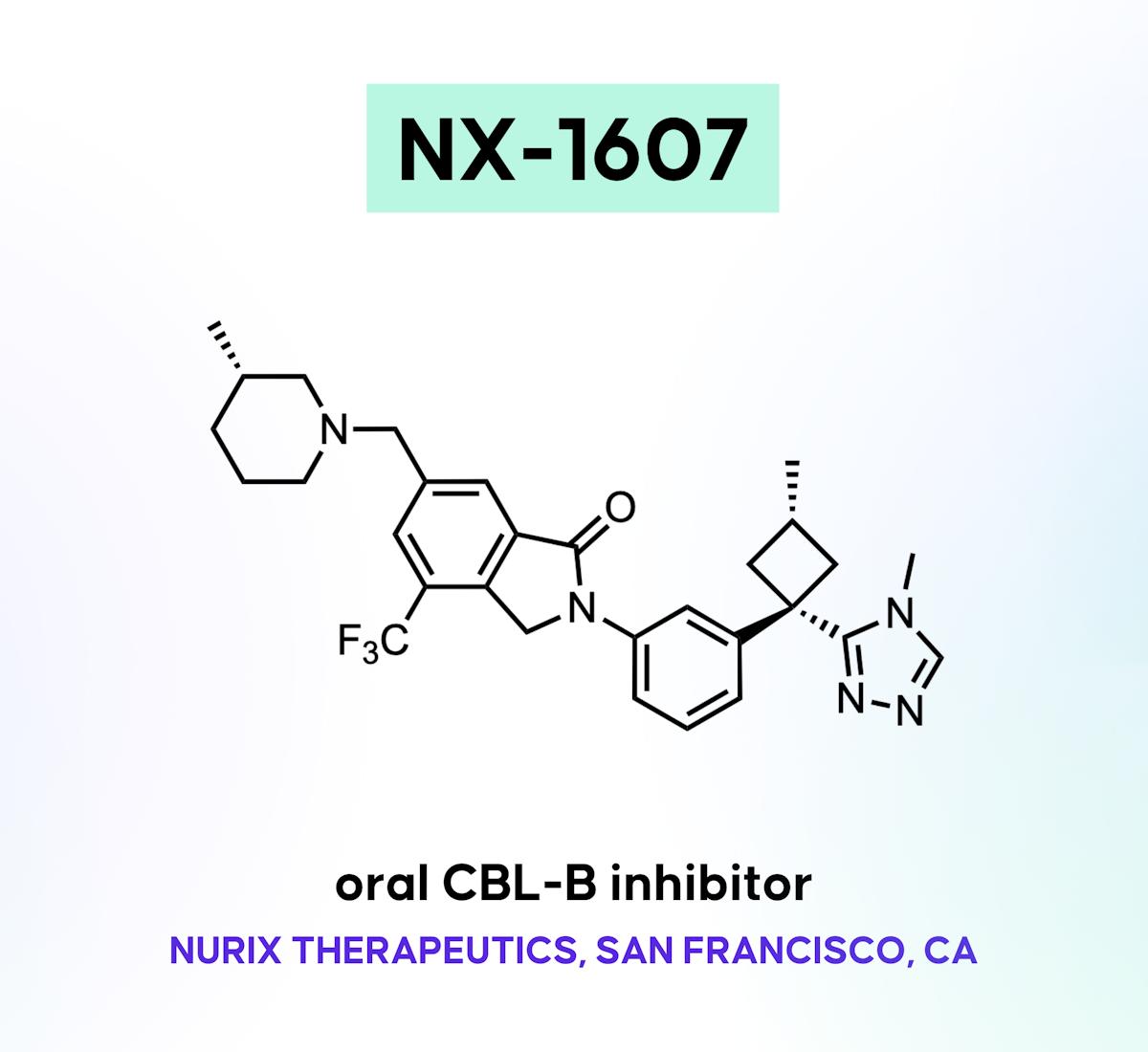
NX-1607
Nurix Therapeutics has launched NX-1607, the first orally bioavailable small‑molecule inhibitor of the immune regulator CBL‑B, into a Phase 1a/1b trial for advanced cancers. CBL‑B modulates activation of T, B and NK cells, and NX-1607 locks the protein in an inactive...
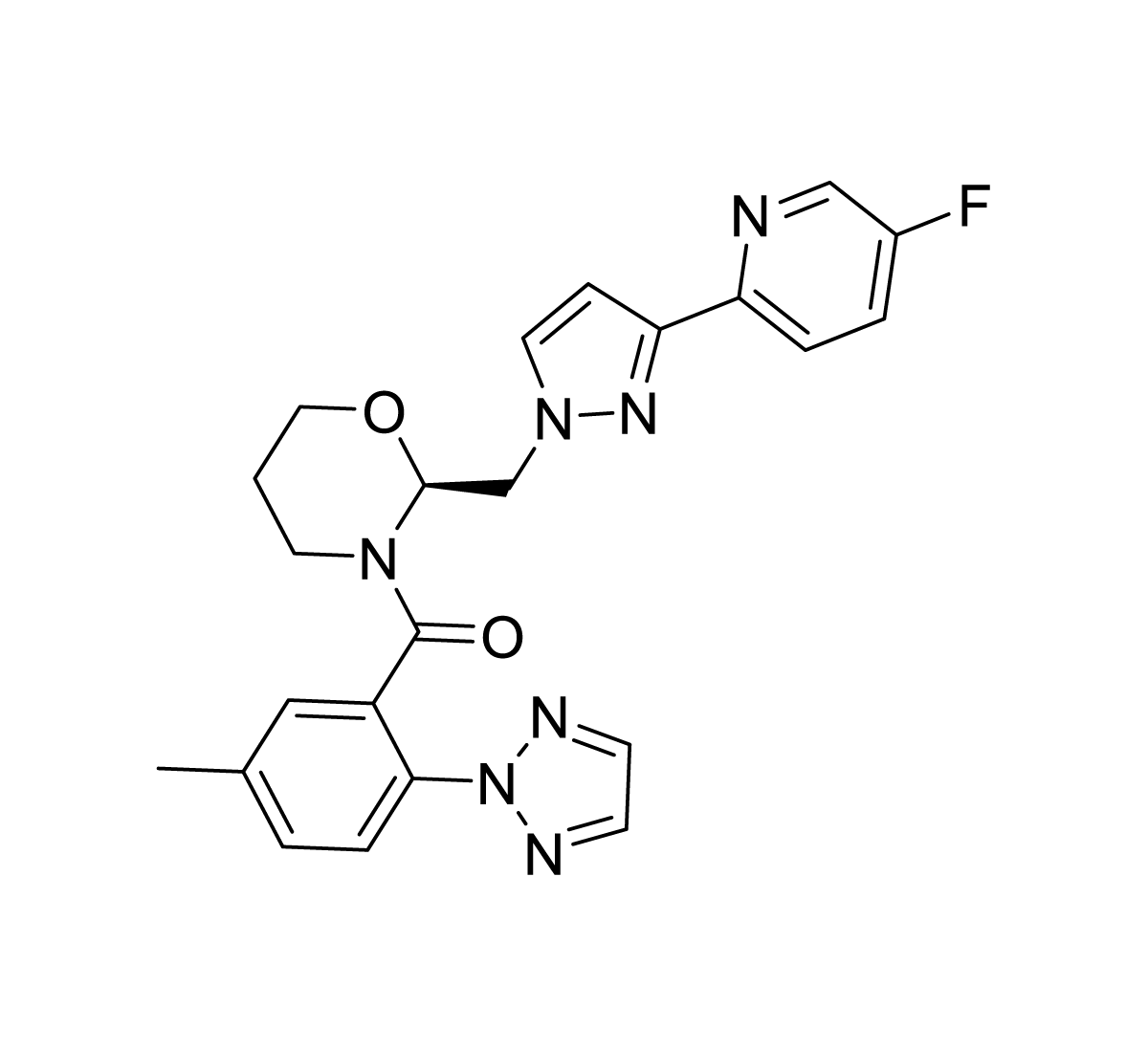
ORN0829
Taisho Pharmaceutical’s vornorexant (TS‑142), marketed as Vorzzz®, received Japanese regulatory approval in August 2025 as a dual orexin‑1/2 receptor antagonist for insomnia. The drug distinguishes itself from existing DORAs through rapid absorption and a short elimination half‑life, aiming to minimize...

Module 2, Section 3: Target Validation
The module on target validation walks through how phenotypic and target‑based strategies intersect in immune‑focused drug discovery. It highlights recent literature on TYK2 pseudokinase stabilization as a mechanism to block T‑cell signaling, and cites Icotrokinra and Deucravacitinib as successful examples....
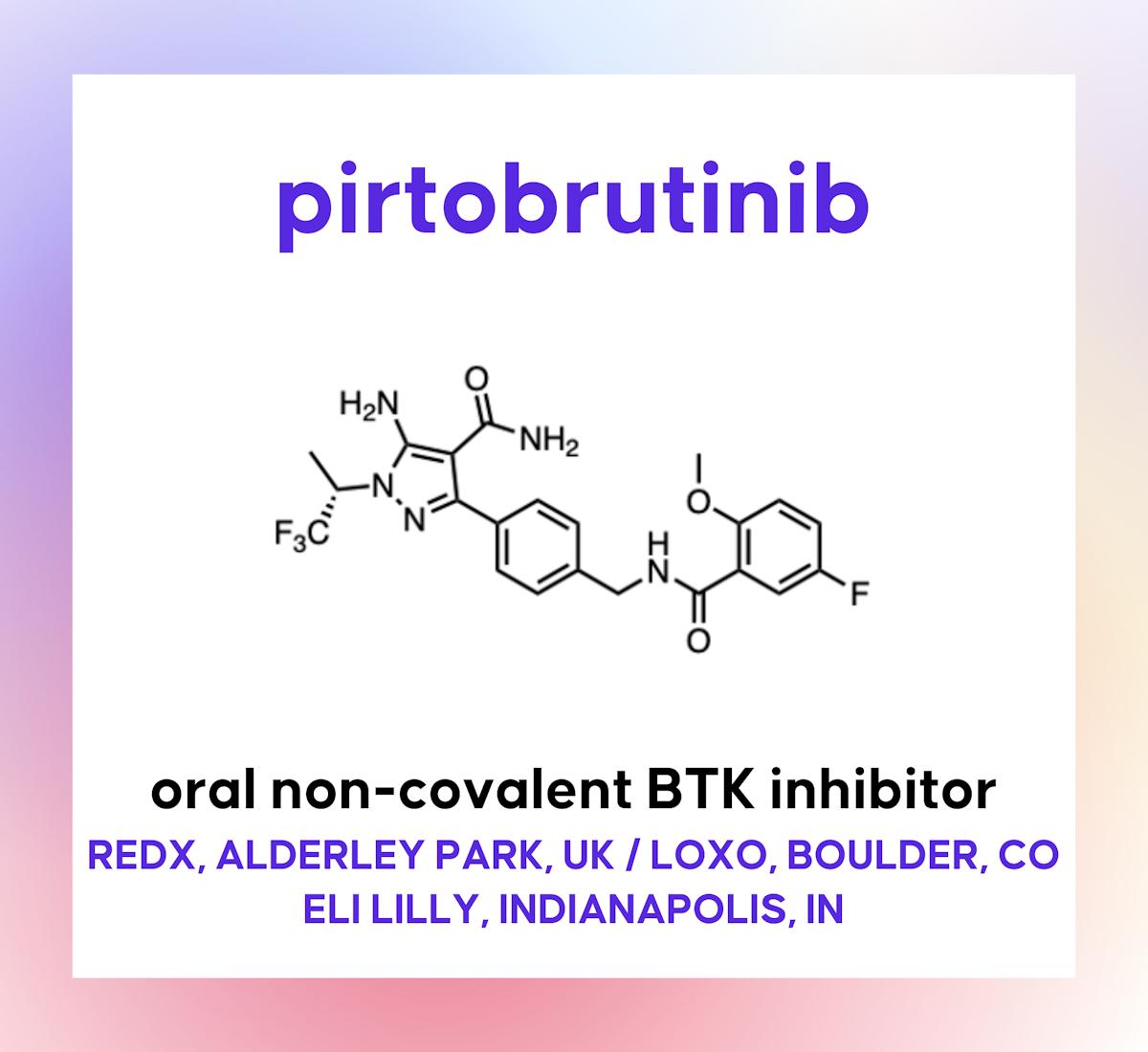
Pirtobrutinib
Late 2025 saw the FDA grant traditional approval to pirtobrutinib, an oral, reversible BTK inhibitor targeting multiple B‑cell malignancies. The drug demonstrated robust efficacy in BTK‑resistant chronic lymphocytic leukemia and small lymphocytic lymphoma, backed by positive Phase 3 data and early...
2025 Non-US Novel Large Molecule Drug Approvals
In 2025, Europe’s EMA, China’s NMPA, and Japan’s PMDA each granted first‑time approvals for novel large‑molecule therapeutics. Oncology accounted for the largest share of these approvals, while endocrinology—driven largely by GLP‑1‑based agents—was the second biggest category. The approvals span a...

INN-Coming: Insights on the Industry’s Latest Disclosures
The WHO’s INN proposed list 134, released in early 2026, reveals several late‑stage drug candidates that were previously hidden from public view. Notably, two NLRP3 inhibitors—abdenoflast and parunoflast—appear to map to Eli Lilly’s newly acquired Ventyx assets VTX2735 and VTX3232, both showing promising...

Module 2, Section 2: The Druggable Interactome
The Module 2, Section 2 lecture introduces the druggable interactome, compiling key resources that map the human druggable genome, protein expression, kinase families, transcription‑factor proteomics, GPCRs, and ion‑channel complexes. It highlights quantitative estimates—over 3,000 proteins deemed druggable and hundreds of actionable kinases—while...
January 2026 Patent Highlights
The January 2026 Patent Highlights roundup spotlights a wave of new intellectual‑property activity across several cutting‑edge drug discovery areas. Notable filings include lysine‑directed covalent inhibitor chemotypes, strategies to balance potency with drug‑like properties, refined target‑selection frameworks, dozens of Polθ synthetic‑lethal patents...

Dotinurad (FYU-981)
Dotinurad (FYU‑981), marketed as Urece®, is a URAT1 inhibitor approved for gout and hyperuricemia in Japan and China. The drug was chemically refined from the older uricosuric benzbromarone to retain potency while eliminating rare hepatotoxic events. Crystalys Therapeutics is now...

Karma-Karma-Karma Chameleon
Balancing potency with oral bioavailability remains a core hurdle as drug candidates grow larger and more complex. Researchers now focus on "chameleonicity"—the ability of a molecule to toggle between polar and lipophilic conformations—to reconcile solubility and permeability. The article outlines...

Module 2, Section 1: Target Selection Strategy
The module outlines a five‑dimensional framework for target selection, linking biological relevance, drugability, disease impact, competitive landscape, and development risk. It contrasts first‑in‑class and best‑in‑class strategies, highlighting how pioneering mechanisms can command premium market positions. The content identifies oncology as...

Tradipitant
Vanda Pharmaceuticals received FDA approval for tradipitant (Nereus®), an oral selective NK1 receptor antagonist, to treat motion‑induced nausea and vomiting. The approval marks the first new drug for motion sickness in more than four decades, highlighting a significant regulatory milestone....

Aceclidine
Aceclidine (Vizz®) received FDA approval in 2025 as an ophthalmic solution for presbyopia, targeting age‑related near‑vision loss. The drug acts as a pupil‑selective muscarinic agonist, inducing miosis without significant ciliary muscle activity, thereby enhancing depth of focus through a pinhole...