
German Sustainability Code Expands Digital Tool
The German Sustainability Code (DKN) has broadened its free digital platform, originally launched in 2011, to better support corporate sustainability reporting across multiple industries, including textiles. The upgraded tool now offers expanded functionalities such as sector‑specific templates and real‑time data validation. It remains a government‑provided service at no cost, aiming to simplify ESG disclosures for German companies. The enhancement aligns the platform with evolving EU sustainability standards.

Turbulent Insight Into Textile Fibre Shedding
Scientists from Chile and the UK have created a laboratory method that captures real‑time movement and deformation of individual textile fibres under washing‑like conditions. The technique reveals how yarn design, fabric structure and wash parameters affect fibre shedding. Tests show...

Fresh Call for UK Fashion Watchdog Amid Damning Survey
A new survey of UK clothing producers, analyzed by academics from the University of Leicester, University of Nottingham and the trade‑justice charity Transform Trade, reveals that unfair purchasing practices remain pervasive across the sector. The study found that brands and...
Call for India Textile Inventory Partner
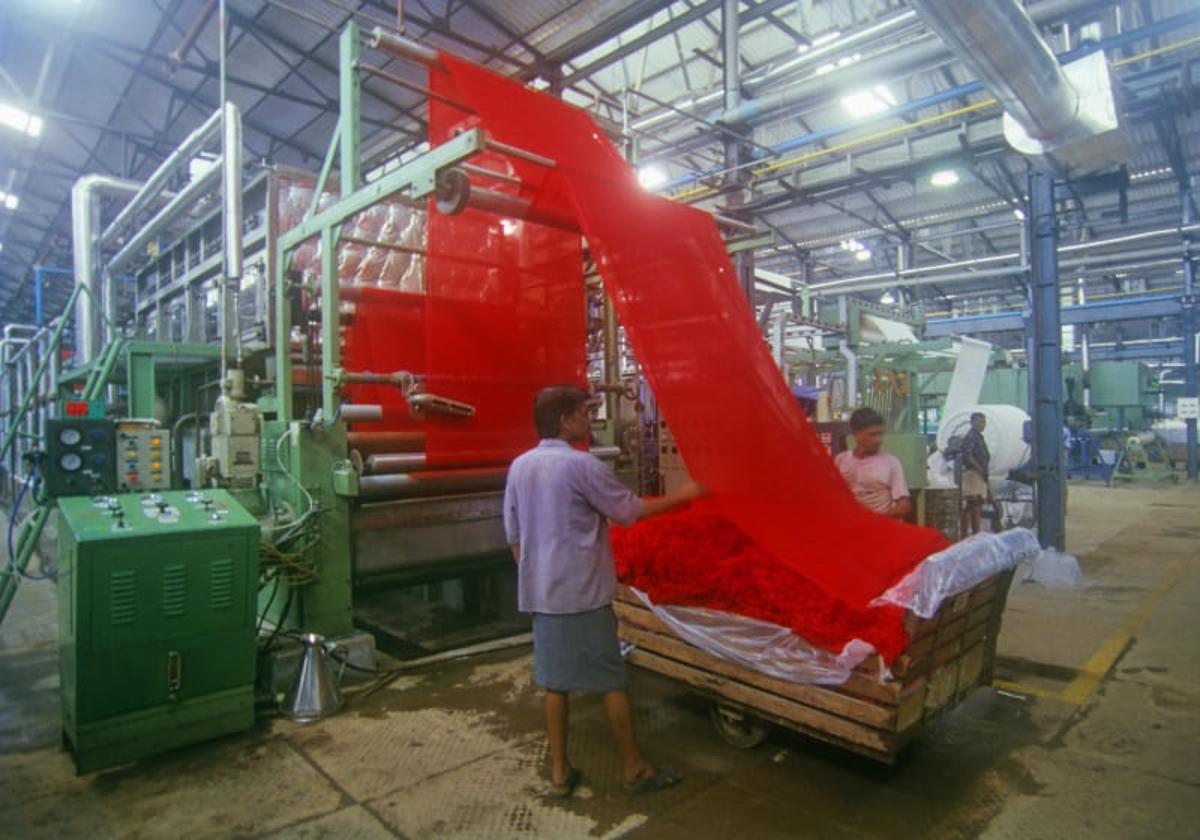
UNEP has launched a call for proposals to create a national Life Cycle Inventory (LCI) database for India’s textile sector. The initiative, part of the UNEP InTex Programme, seeks implementing partners to compile comprehensive data on material and energy flows...
Study Backs Cotton to Viscose Route
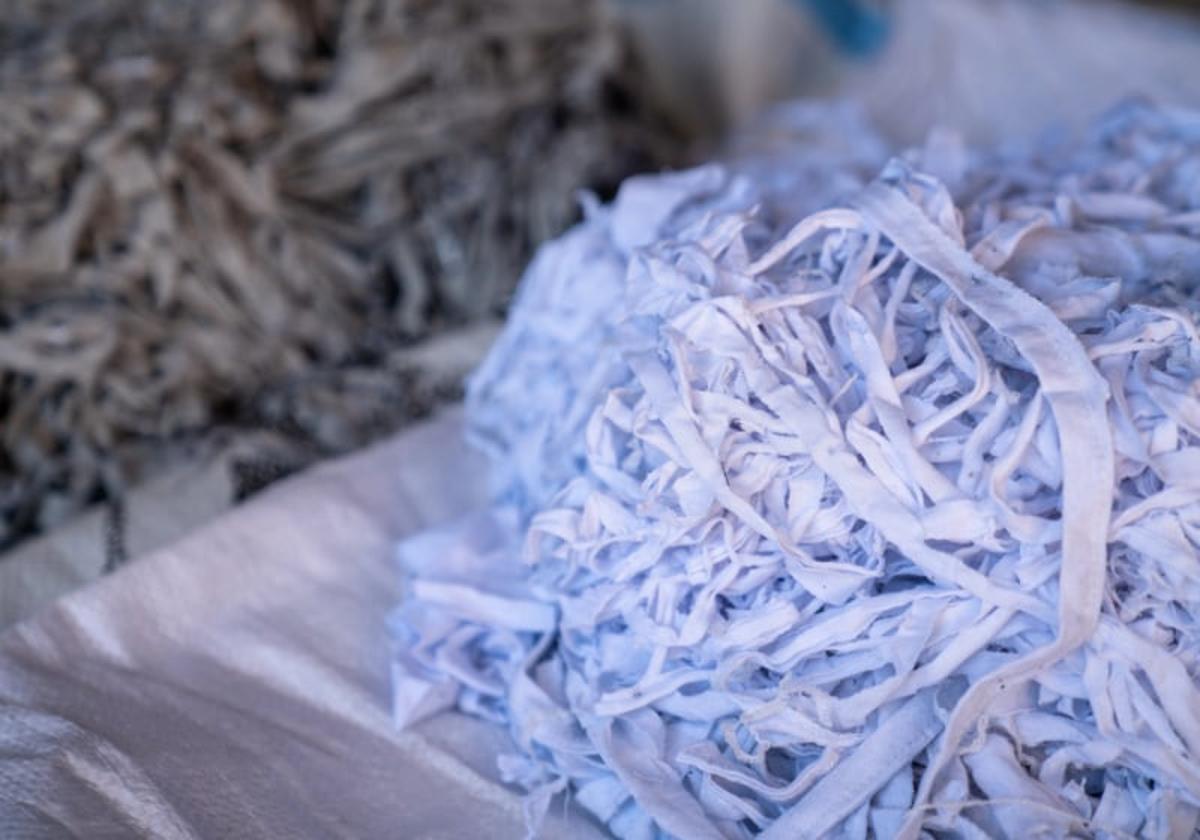
Scientists at Karlstad University have shown that highly purified recycled cotton waste can directly replace virgin wood pulp in viscose production. Using pulp derived from the Circulose process, the research demonstrated comparable fiber quality to traditional wood pulp. The findings...

CottonConnect Consults on New Standard
London‑based social enterprise CottonConnect has released a draft Version 1.0 of its REEL Chain of Custody (CoC) Standard for public consultation. The standard seeks to extend the REEL cotton programme’s traceability from the gin through to finished textile products, offering a...

Carbon-Negative Textile Ink From Sewage Sludge
A cross‑industry collaboration has created a carbon‑negative screen‑printing ink for apparel, using pigment extracted from municipal sewage sludge. The ink’s production sequesters more CO₂ than it emits, delivering a net‑negative carbon footprint while repurposing a waste stream. Early trials show...