
Rana Plaza’s Legacy Still Tests Brand Safety Vows
Thirteen years after the Rana Plaza collapse, the International Accord on health and safety is entering a new negotiation round, testing how far global fashion brands will commit to binding factory‑safety measures. The Accord has completed more than 48,000 inspections, remedied roughly 81% of identified hazards, trained over 2.5 million workers and established 12,600 safety‑committee members. Survivors, organized under the International Rana Plaza Alliance, now accuse the ILO‑run donor fund of opaque compensation and demand a voice in how their story is told. The upcoming talks will be judged on both safety metrics and survivor inclusion.
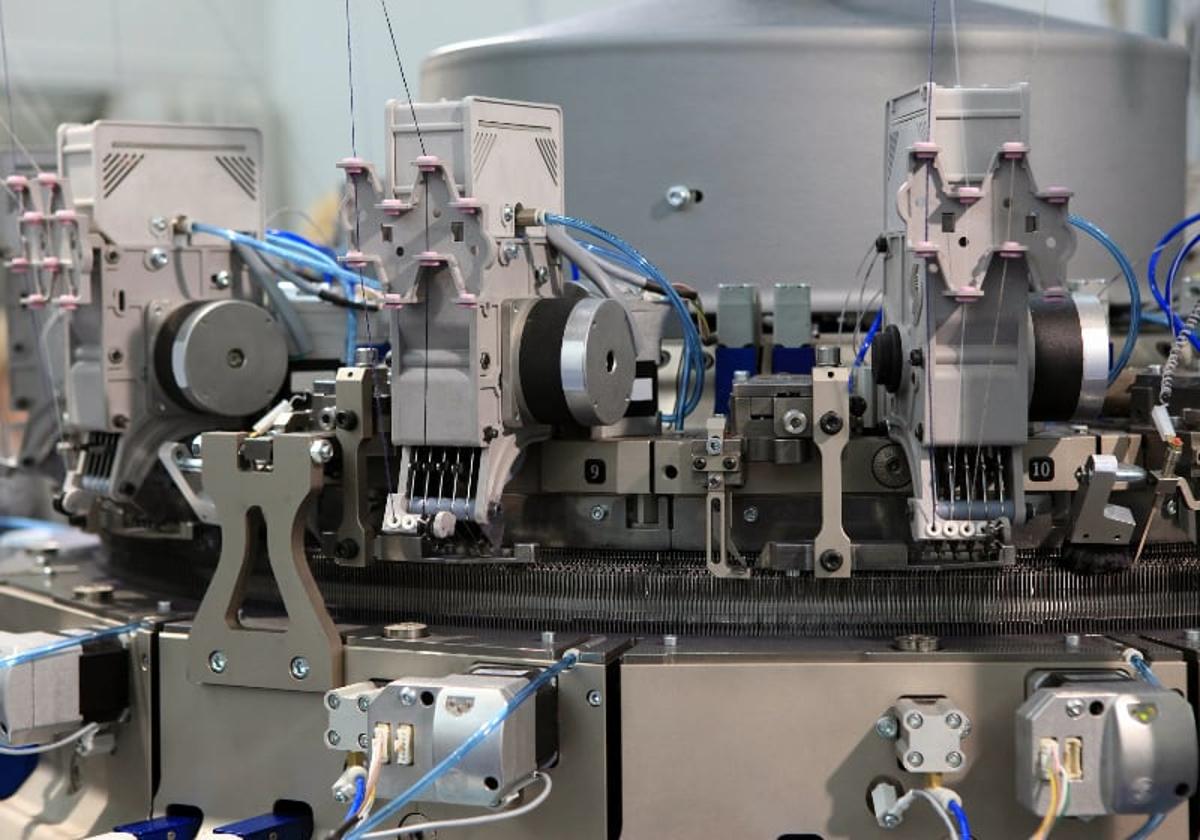
China’s Smart Clusters Raise EU Textile Sector Stakes
A new study warns that China’s rapidly expanding smart‑factory clusters are outpacing Europe’s textile machinery sector. European suppliers must evolve into system architects that deliver fully integrated, digitally managed production lines by 2035 or risk becoming peripheral sub‑suppliers. The report...

LSKD and Samsara Eco in Circular Nylon Deal
Australian activewear label LSKD has entered a decade‑long partnership with enzymatic‑recycling specialist Samsara Eco to source circular nylon 6,6. Starting in 2028, the brand will replace its conventional nylon 6 with Samsara’s enzymatically recycled material produced on the EosEco platform....

Shahi Scales Fibre52 Cotton Pretreatment
Shahi Exports, India’s largest apparel exporter, has teamed with US‑based Innovo Fiber to install the Fibre52 cotton pretreatment system across its integrated knit facilities. The rollout will cover roughly 3,000 tonnes of annual knit capacity, making it the biggest industrial‑scale deployment...
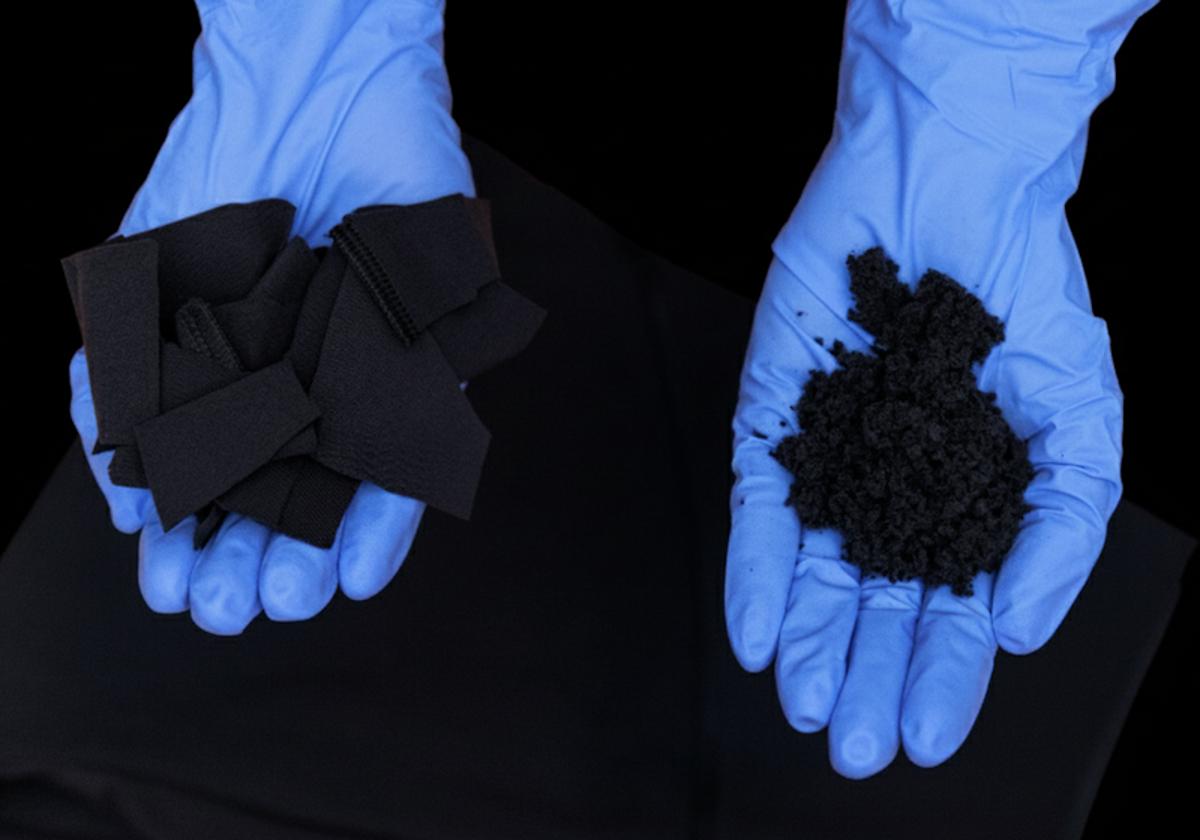
Epoch to Open World’s Largest Nylon Biorecycling Plant
Epoch Biodesign, a UK biotech specializing in enzymatic recycling, will launch the world’s largest nylon 6,6 biorecycling demonstration plant at Imperial College London’s Grapht Works hub. The facility, slated for the third quarter of 2026, aims to process hundreds of tonnes of...

Trio Set to Scale Polyester-to-Polyester Recycling
French firm Axens, together with IFPEN and Japan’s JEPLAN, completed a semi‑industrial trial of the ‘Rewind’ polyester‑to‑polyester recycling process. The test used a 1,000‑tonne‑per‑year demonstration unit in Kitakyushu, Japan, converting polyester‑rich textiles collected in France into tens of tonnes of...
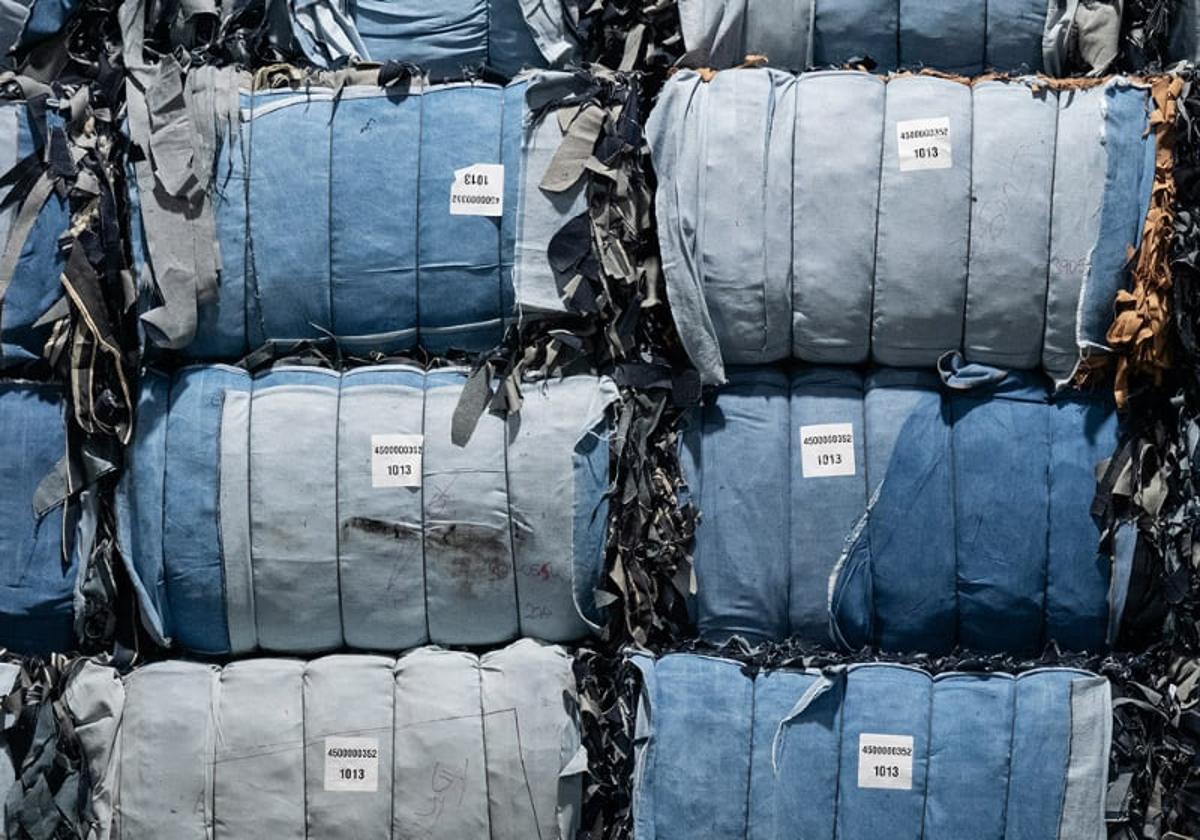
Circulose Steps up Commercial Lyocell Ambitions
Swedish recycling specialist Circulose has inked a deal with China Textile Academy Green Fibre (CTA) to supply pulp derived from textile waste for commercial lyocell fiber production. The agreement introduces both standard and non‑fibrillating pulp grades, a clear off‑take commitment,...
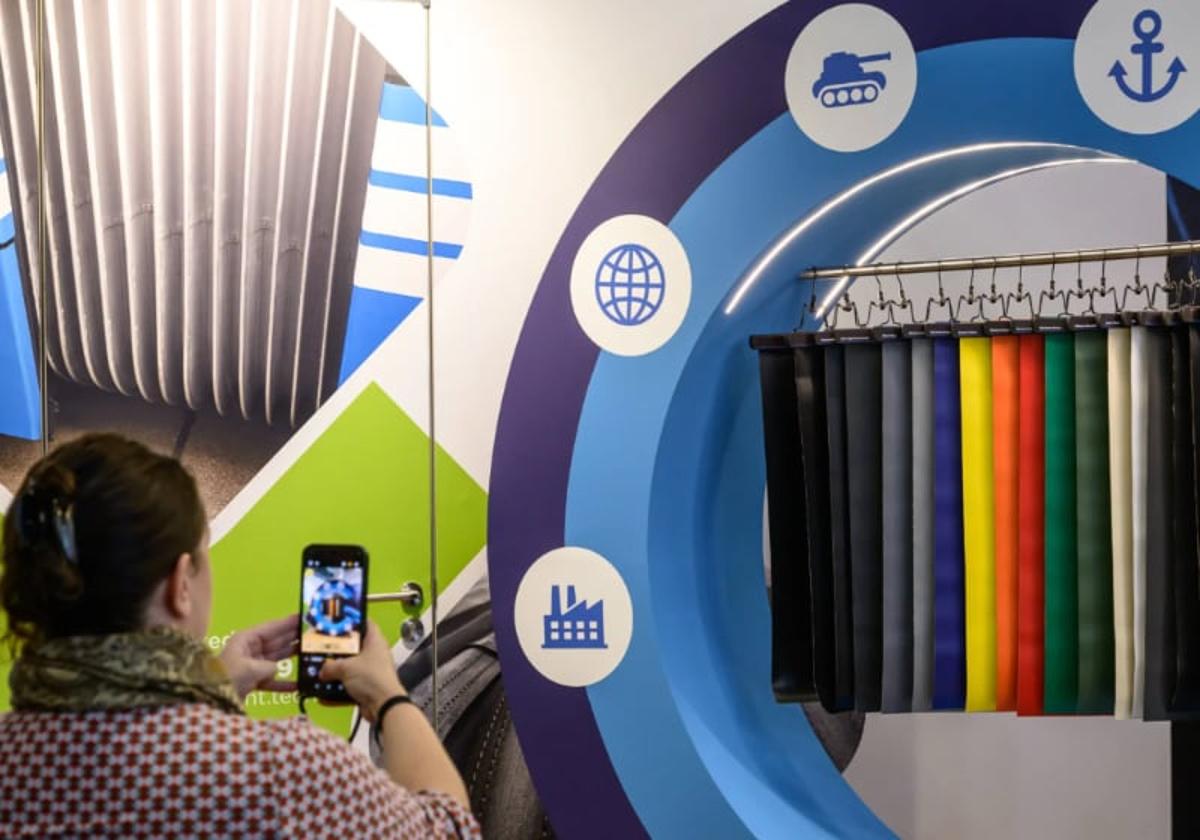
Dutch Lead Circular Textiles Push at Techtextil
The Netherlands made its debut as a national exhibitor at Techtextil Frankfurt, presenting a public‑private pavilion that brings together 11 Dutch companies to showcase a complete circular textile chain—from fibre recycling to digital traceability. The effort is backed by several...

Levi’s Targets Regenerative Cotton Boost in Pakistan
Levi Strauss & Co. launched the Levi’s Regenerative and Resilient Landscape Initiative (LRI) in January 2026 in Jalalpur Pirwala, a key cotton‑growing area of Pakistan’s Punjab province. Within the first three months, the program has enrolled almost 600 farmers to adopt...

Worldly Tackles Audit Turmoil with AI
Worldly unveiled an AI‑driven Supplier Compliance Management platform to centralize social audit data for apparel and consumer‑goods brands. The solution aggregates third‑party audits, brand‑specific assessments, and Higg Facility Social Labour Module inputs, then automatically aligns findings with each brand’s Code...
New Law a ‘Turning Point’ for Bangladesh Garment Workers
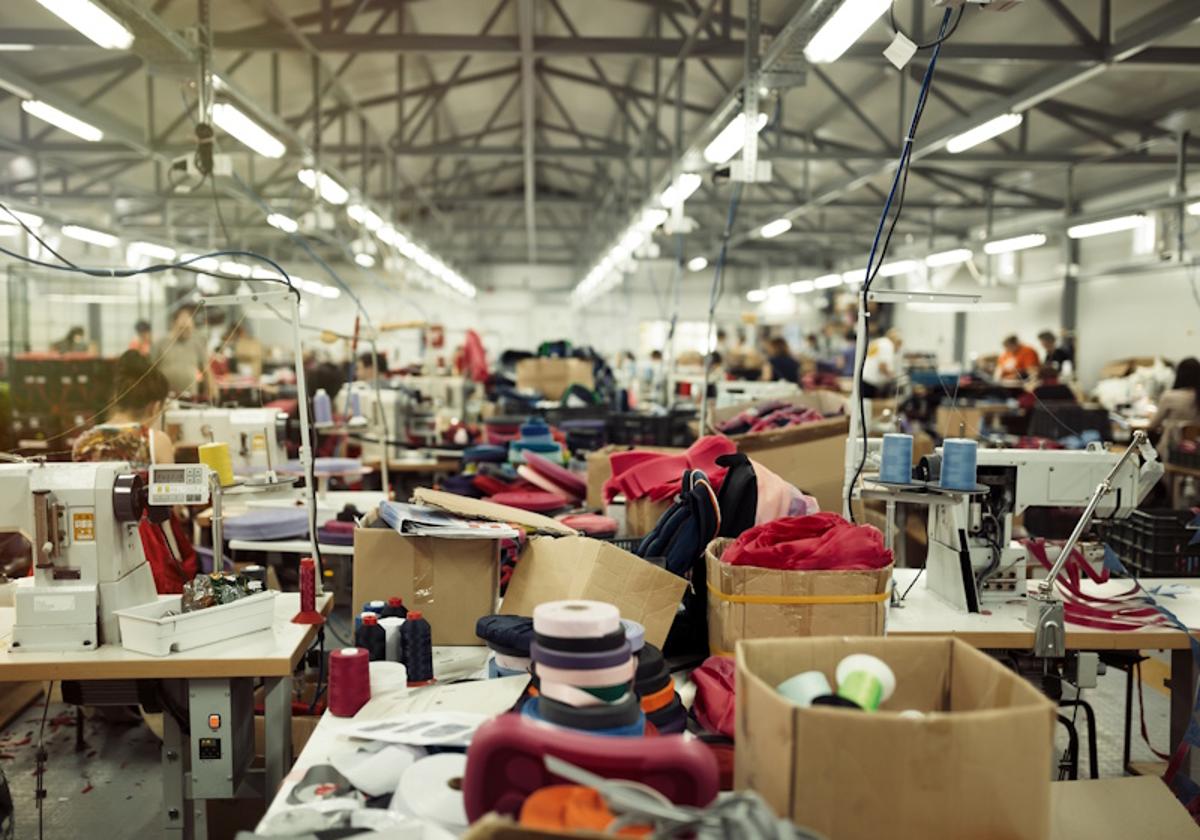
Bangladesh enacted the Labour (Amendment) Act 2026, dramatically lowering the thresholds for union formation. Workers can now organize with as few as 20 employees in factories under 300 staff and with 400 employees in sites exceeding 3,000 workers. The reform...
Regen Cotton Farmers Surge in India, Tanzania
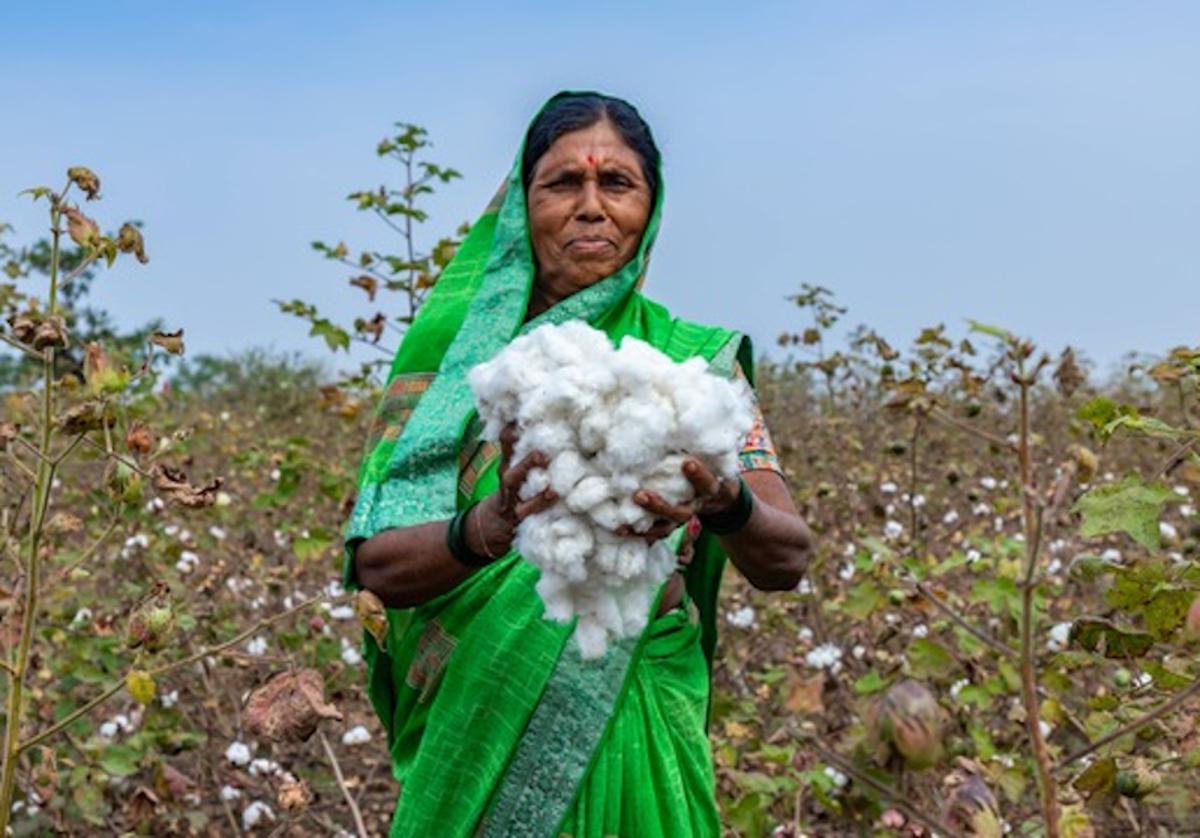
The Aid by Trade Foundation (AbTF) reports that more than 42,000 smallholder farmers in India and Tanzania now meet its Regenerative Cotton Standard (RCS) after independent third‑party verification. Approximately 5,000 farmers in Maharashtra, India, and 37,000 in Tanzania earned certification,...

Tariffs Push Garment Workers Into Crisis
New research from the Business and Human Rights Resource Centre shows that U.S. tariffs introduced in 2025 prompted apparel brands to abruptly alter sourcing locations, pricing structures, and order volumes. These rapid adjustments transferred financial risk to suppliers and, ultimately,...

Gulf Blockade Piles Pressure on Textile Chemicals
The ongoing Gulf blockade is tightening the supply chain for textile chemicals, as the Strait of Hormuz—responsible for about 20% of global oil—faces operational disruptions. Senior executives from major suppliers, including Transfar and Tanatex, say the crisis has moved from...

Energy Crunch Tightens Cotton Outlook
Geopolitical tensions in the Middle East have driven oil prices higher, inflating energy costs for cotton growers and mills. The USDA now projects global cotton output to drop by roughly 3.9 million bales in the 2026/27 season. Rising energy expenses have...

Study Finds New Way to Trap PFAS in Water
Scientists at Flinders University in South Australia have engineered a novel molecular‑cage adsorbent that targets short‑chain per‑ and poly‑fluoroalkyl substances (PFAS) in water. The approach, detailed in Angewandte Chemie, leverages cavity‑directed aggregation to lock PFAS molecules within a nanoscopic host...

New Bid to Scale AI-Driven Cotton Programme
US agricultural data platform FarmRaise has partnered with AI‑powered crop developer Avalo, Inc. to expand Avalo’s AI‑driven cotton innovation programme. The collaboration will deliver structured field‑level data capture, streamlined grower workflows, and real‑time visibility across US cotton operations. By standardizing...

Fusion Enzyme ‘Boosts Polyester Textile Recycling’
UK researchers from the University of Portsmouth and the University of Manchester have engineered a new fusion enzyme that can break down polyethylene terephthalate (PET) even when reactors contain roughly 20% plastic by weight. The redesign targets polyester textile waste,...
Textile Sector Survey Fears Stagflation Return
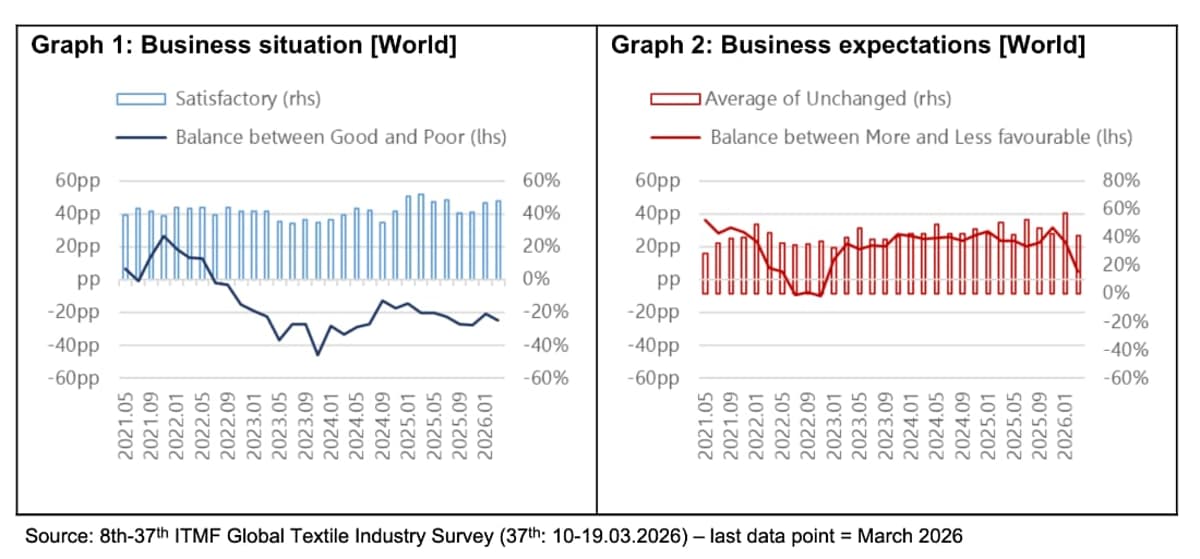
The International Textile Manufacturers Federation’s 37th Global Textile Industry Survey shows confidence plunging as the US/Israel‑Iran war and energy disruptions dominate concerns. The global business‑situation balance fell to –25 percentage points, while forward‑looking expectations slipped to +5 points, the lowest...

Spinnova Restarts Trials at Demo Factory
Finnish textile innovator Spinnova has begun trial runs at its Woodspin demo factory in Jyvaskyla, marking the first step toward restarting commercial production after an 18‑month disruption. The trials will concentrate on boosting production efficiency, leveraging technological solutions already proven...

Lenzing Expands Renewable Energy Portfolio
Austrian fibre producer Lenzing has commissioned a 14 MW power‑to‑heat (P2H) facility at its industrial site. The system converts renewable electricity directly into process heat and is fully integrated with the plant’s existing heat network. This installation is positioned as a...

Geopolitics Derails Textile Climate Plans
Geopolitical tensions and war‑driven energy shocks are eroding confidence across the global textile value chain, according to the International Textile Manufacturers Federation’s 37th Global Textile Industry Survey released in March 2026. The survey shows industry confidence at its lowest point...

UNEP Urges Textile Environmental Permit Overhaul
The United Nations Environment Programme released a report warning that outdated and fragmented environmental permitting systems are impeding the shift to a circular textile value chain. The analysis covers the national environmental laws of ten leading textile producers, including China,...

Inside Reju’s €400m Recycling Blueprint
Reju has secured a €135 million (≈ $147 million) Dutch state grant for its polyester regeneration hub, a project with a total capital outlay estimated between €350 million and €400 million (≈ $382‑$436 million). The hub, to be built at Chemelot Industrial Park, aims for a final...

Syre and Jeplan in Polyester Recycling Push
Swedish textile‑to‑textile recycler Syre has formed a strategic partnership with Japanese chemical‑recycling specialist Jeplan to accelerate commercial deployment of next‑generation polyester recycling. The alliance combines Syre’s global technology integration and brand network with Jeplan’s decade‑long expertise operating PET chemical recycling...

Debt-Laden Spiber to Get Fresh Start
Japanese biotech firm Spiber, known for its fermentation‑derived Brewed Protein fibre, has relaunched as “New Spiber” after navigating a severe debt crisis. The restructuring retains the company’s unicorn status, with a valuation exceeding $1 billion, but excludes certain U.S. operations from...

Have Brands Hit a Brick Wall on Climate Commitments?
Cascale’s Decarbonisation Progress Report reveals that 38% of energy across roughly 10,000 factories still comes from coal, while renewable sources account for a mere 2%. Purchased electricity makes up less than one‑fifth of total consumption, with gas dominating Tier 1 sites...
Garment Water Reuse Shifts From Pilots
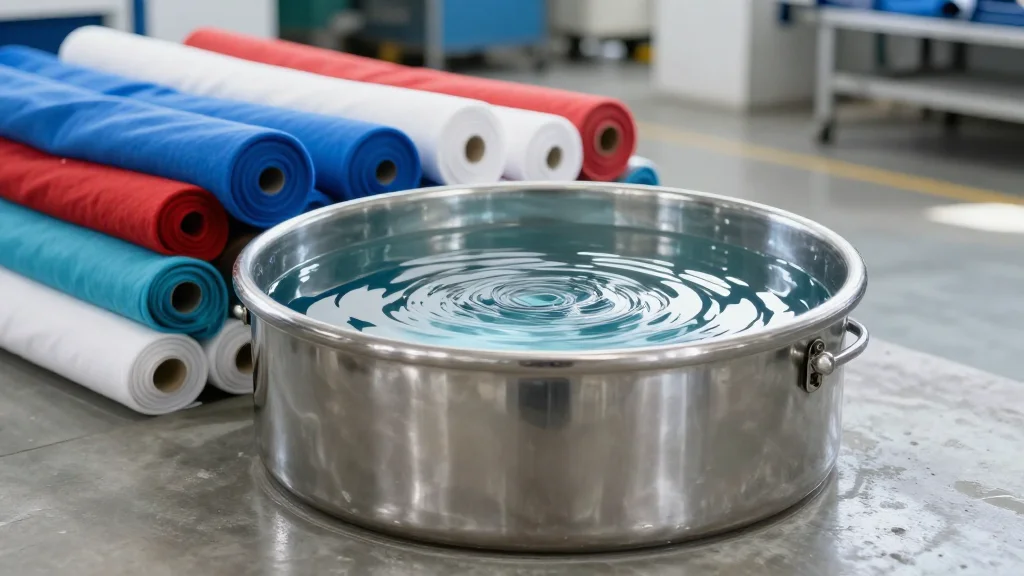
Bangladesh’s ready‑made garment sector, responsible for nearly 80% of the country’s export earnings, is moving water‑reuse from pilot projects to mainstream operations. The industry targets a 20% cut in total wastewater across the Greater Dhaka watershed, where 5.3 million cubic metres...

Climate-Resilient Push for Ethiopia’s Mills
The International Labour Organization and Japan have launched a one‑year initiative to make Ethiopia’s leather, textile and garment sector more climate‑resilient, productive and socially responsible. The program will target 40 factories in major industrial hubs, delivering enterprise‑level capacity building and...

Shein Claims Consumer Data Shows Circular Habits
Shein released its 2025 Global Circularity Study, a survey of shoppers across the Americas, Asia‑Pacific, Europe, the Middle East and Africa. The research finds that consumers of Shein apparel frequently reuse garments, repair them, and pass them on to others,...

Renasens Closes €10m Seed to Scale Textile Recycling
Swedish deep‑tech startup Renasens closed a €10 million seed round (about $11 million) to build a pilot plant in Borås, Sweden, for its waterless, chemical‑free textile recycling platform. The technology uses supercritical carbon dioxide to dissolve polymer chains, enabling the separation of...

Fusion Enzyme Boosts Polyester Textile Recycling – Study
Researchers at the University of Portsmouth and the University of Manchester have engineered a “plastic‑eating” enzyme that dramatically speeds the depolymerisation of PET, the polymer used in polyester clothing. The enzyme remains highly active even at the high substrate concentrations...

ICAC Warns Cotton Farming ‘Under Threat’
The International Cotton Advisory Committee warned that cotton farming faces mounting threats from soaring input costs, climate‑driven disruptions, and insufficient policy support. Dr. Keshav Kranthi presented data showing farmer margins shrinking as pest pressures and extreme weather intensify. Meanwhile, apparel...

EU Faces Cotton Traceability Call over DPP Rules
Cotton Diaries, a global cotton advisory group, has released a report urging the European Union to embed full supply‑chain traceability—including the gin stage—into its upcoming Digital Product Passport (DPP) regulations. The report, titled “Is cotton traceability too complex – or...
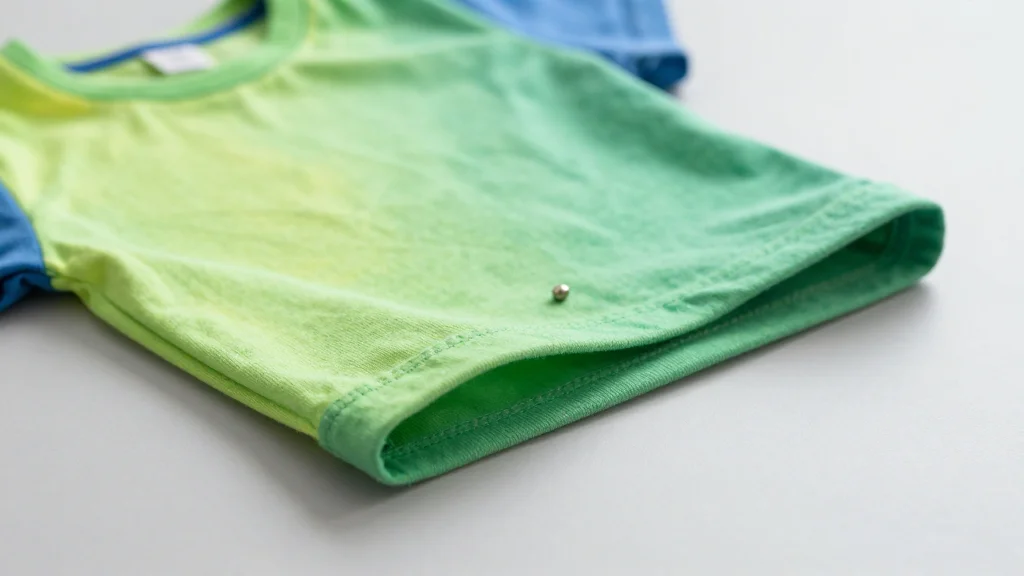
Illegal Lead Levels Found in Kids Fast Fashion
New research presented at the American Chemical Society’s Spring 2026 meeting reveals that several children’s shirts sold by fast‑fashion and discount retailers contain lead concentrations far above U.S. federal limits. The study indicates that even brief chewing of these fabrics,...

Plasma Tech Targets PFAS ‘Forever Chemicals’
Researchers at the University of Minnesota are applying for $862,000 in state funds to scale a liquid‑phase plasma reactor that can destroy per‑ and polyfluoroalkyl substances (PFAS) in water. The system is designed to treat up to 60 gallons per...

Latin America Ups Cotton Traceability Drive
Latin America, home to both major cotton species, is launching a coordinated effort to become the global benchmark for traceable, sustainable cotton fibre. The International Cotton Advisory Committee reports that the region cultivates 2.7 million hectares, supporting 28.67 million producers and influencing...

Scientists ‘Crack’ PFAS-Free Waterproof Challenge
Researchers at the Chinese Academy of Sciences have unveiled a single‑step durable water‑repellent (DWR) treatment that deposits a fluorine‑free silica shell directly onto individual yarns. The process creates a covalently bonded, superhydrophobic coating that retains breathability and mechanical resilience even...

Lenzing Claims Emissions Targets Remain on Track
Austrian fibre manufacturer Lenzing reported significant progress toward its emissions reduction goals in its 2025 sustainability report, titled “Lead Transformation – Generate Impact.” The company cut scope 1 and 2 greenhouse‑gas emissions by 16%, dropping from 1.69 million to 1.42 million tonnes CO₂e, and...

EU Pays More for Bangladesh Garments
A RAPID study shows Bangladeshi garment exporters receive 5‑18% higher prices in the EU than in the US for their top ten products. For T‑shirts, German buyers pay a 20‑27% premium, while trousers fetch 9‑15% more. Exporters typically charge about...

Brussels Pressed on Online Import Loopholes
In 2025 the EU received an estimated 5.8 billion parcels, overwhelming customs systems. A coalition of European apparel, footwear and clothing groups is urging the EU to bring forward the “deemed importer” obligations for online marketplaces such as Shein and Temu,...

Tracking Devices Expose Sellpy Supply Chain
A German TV investigation tracked twelve Sellpy‑listed garments for 18 months, revealing that items marketed as recycled or donated often vanished into opaque global waste streams. The findings directly contradict Sellpy’s corporate messaging about supporting a circular economy. Sellpy, majority‑owned...

US Launches Sweeping Forced-Labour Trade Probe
The U.S. Trade Representative has opened Section 301 investigations into 60 of America’s largest trading partners for failing to block imports made with forced labour. The probe zeroes in on cotton, garment and apparel supply chains, with China’s Xinjiang region a...

Punjab Pushes for Cleaner Textile Clusters
Punjab’s industry and commerce minister Sanjeev Arora announced at the Progressive Punjab Investors’ Summit 2026 that the state will position its dyeing and finishing sector as a sustainable, high‑quality textile hub. The government pledged to leave no stone unturned in...

Xinjiang Textile Production Surging, Official Claims
Xinjiang’s textile sector reported a sharp expansion in 2025, with yarn output climbing 20% and fabric production jumping 36%. The surge generated roughly 46,800 new jobs, according to senior regional official Wang Kuiran. The growth occurred despite ongoing U.S.-led sanctions...

H&M and EY Call for Decarbonisation Financing Boost
H&M Group and EY have published a white paper urging a surge in financing for supply‑chain decarbonisation across the fashion and textile sector. The report outlines a structured framework that directs capital toward Scope 3 emissions reductions while protecting long‑term margins...

Record Uptake for Family-Friendly Factory Project
The Ethical Supply Chain Program (ESCP) announced a record uptake of its Family‑Friendly Factory initiative. Participation surged among apparel and textile manufacturers in China and Vietnam. The 2025 Worker Well‑Being Impact Report links the program to efforts to mitigate labour...

L2 Brands Earns Fair Labor Accreditation
L2 Brands has been awarded Fair Labor Accreditation by the Fair Labor Association after a multi‑year review of its social‑compliance systems. The accreditation recognizes the company’s efforts to improve worker wellbeing across its supply chain, which includes 18 contract factories...

Partnership Targets Central America Eco Textiles Expansion
Spanish textile manufacturer Nextil Group has entered a framework partnership with El Salvador’s clothing producer Varsity to scale sustainable textile production across Central America. The collaboration falls under Nextil’s NextGreen platform, which emphasizes circular manufacturing processes. By targeting the U.S. market,...

Rubi Raises a Further $7.5m for CO2 Materials
Rubi, a startup developing carbon‑capture‑derived textile materials, announced an additional $7.5 million financing round. The new capital builds on its earlier funding and is earmarked for scaling up production of CO₂‑based polymers. Rubi plans to use the money to expand its...