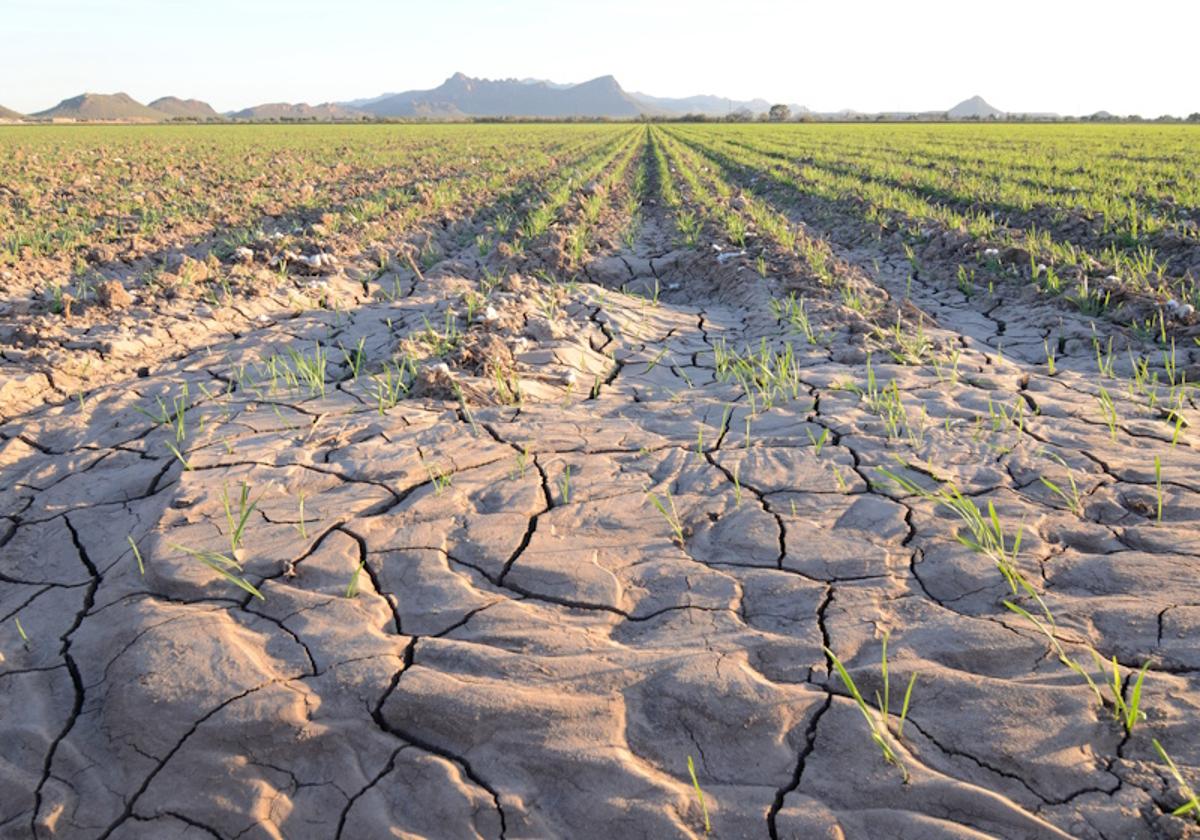
Dry Soils Weaken Cotton’s Carbon Sink
New climate research shows that rising temperatures and drought are diminishing cotton’s ability to act as a carbon sink. Dry soils in major cotton‑growing regions retain less water, which directly lowers soil carbon storage. The findings highlight a gap in current sustainability programs, even though practices like cover cropping, reduced tillage, and compost addition already exist. Researchers say these measures must be scaled up quickly to restore cotton’s carbon balance.

Plasma Tech Targets PFAS-Free Outdoor Gear
Swiss research institute Empa, in partnership with textile manufacturers, is developing a plasma‑based coating under the EC0Tex project to create PFAS‑free, water‑repellent yarns for outdoor apparel. The technology uses fluorine‑free substances, delivering durable repellency while cutting chemical consumption. Backed by...

BCI Growers Cut Cotton Emissions 54%
A consortium of U.S. cotton growers licensed under the Better Cotton Initiative (BCI) achieved a 54% reduction in greenhouse‑gas emissions during the 2024‑25 season, compared with regional averages. When carbon removal benefits are accounted for, the net reduction rises to...
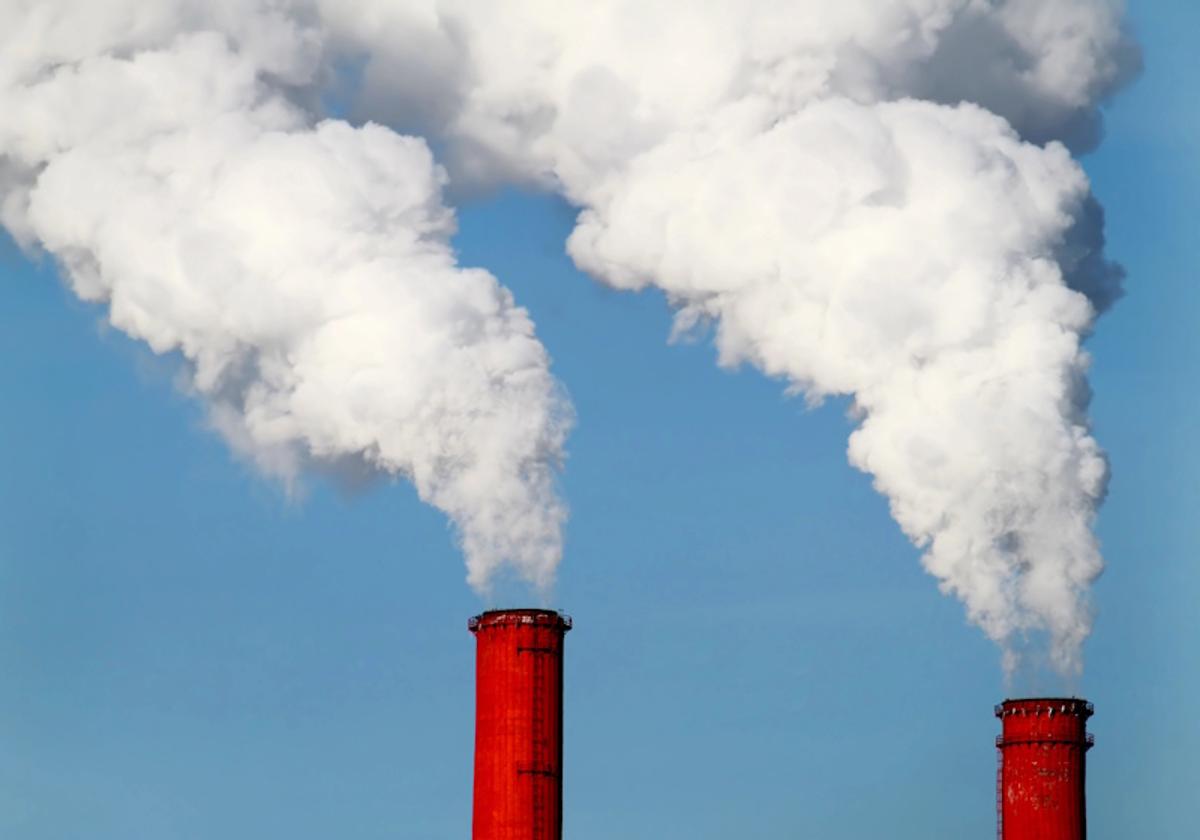
Aii Reset Puts Focus on Major Suppliers
The Apparel Impact Institute (Aii) is reshaping its decarbonisation programmes to concentrate on a smaller number of large, capital‑intensive supplier projects. Since 2018, Aii has worked with more than 1,500 factories, achieving over 1.1 million tonnes of CO₂e reductions and unlocking...
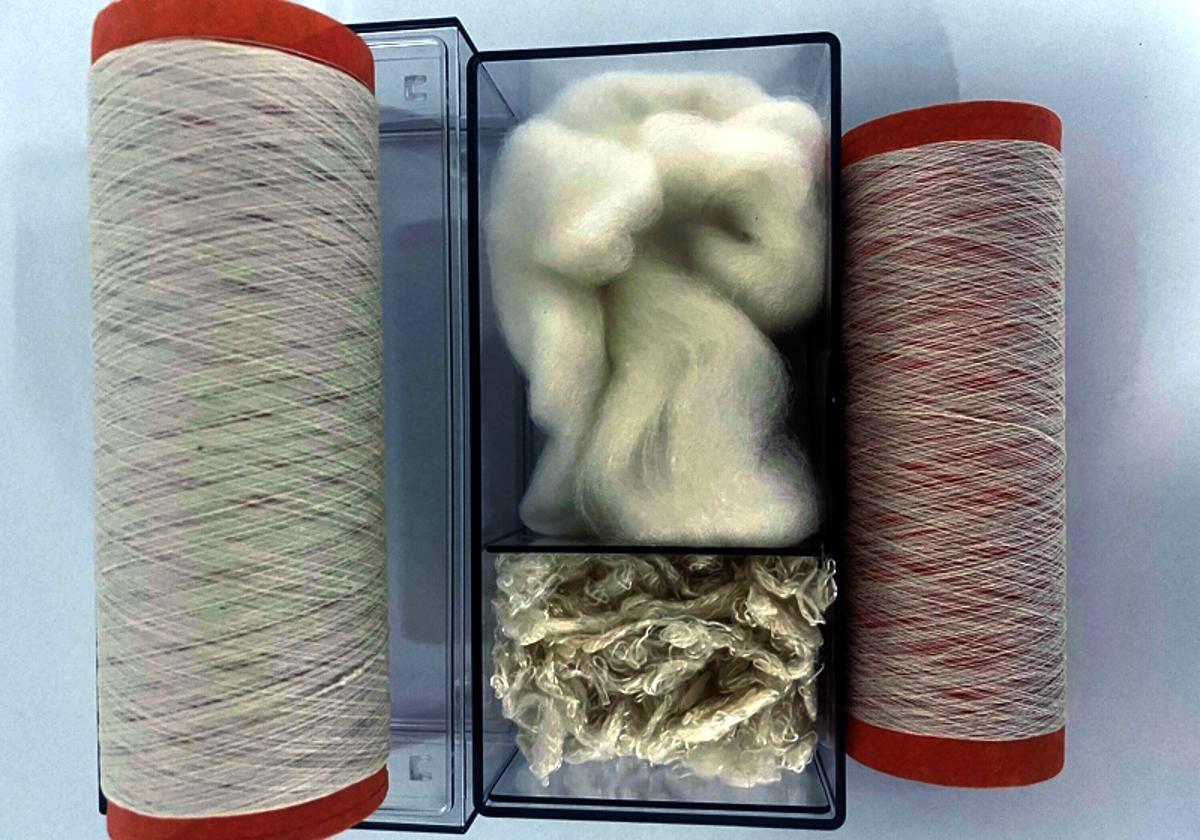
German Institute Claims Cellulose Breakthrough
The German Institutes of Textile and Fiber Research (DITF) announced the InnoCell project, producing cellulose staple‑fiber yarns for apparel using its patented HighPerCell process. HighPerCell dissolves cellulose in ionic liquids and spins it into yarns within a closed‑loop system, recovering...

Strong Start to 2026 for Zalando
Zalando kicked off 2026 with a robust first‑quarter, driven by the integration of About You and an aggressive rollout of AI‑powered logistics and merchandising tools. Group gross merchandise value (GMV) jumped 21.7% to €4.3 billion and revenue rose 23.8% to €3 billion, while...

CFOs Urged to Embed Sustainability in Finance
A new industry report urges fashion sector CFOs to embed environmental, social, and governance (ESG) considerations into core financial processes. It recommends integrating ESG metrics into budgeting, tying executive compensation to sustainability performance, and adopting standardized reporting frameworks such as...
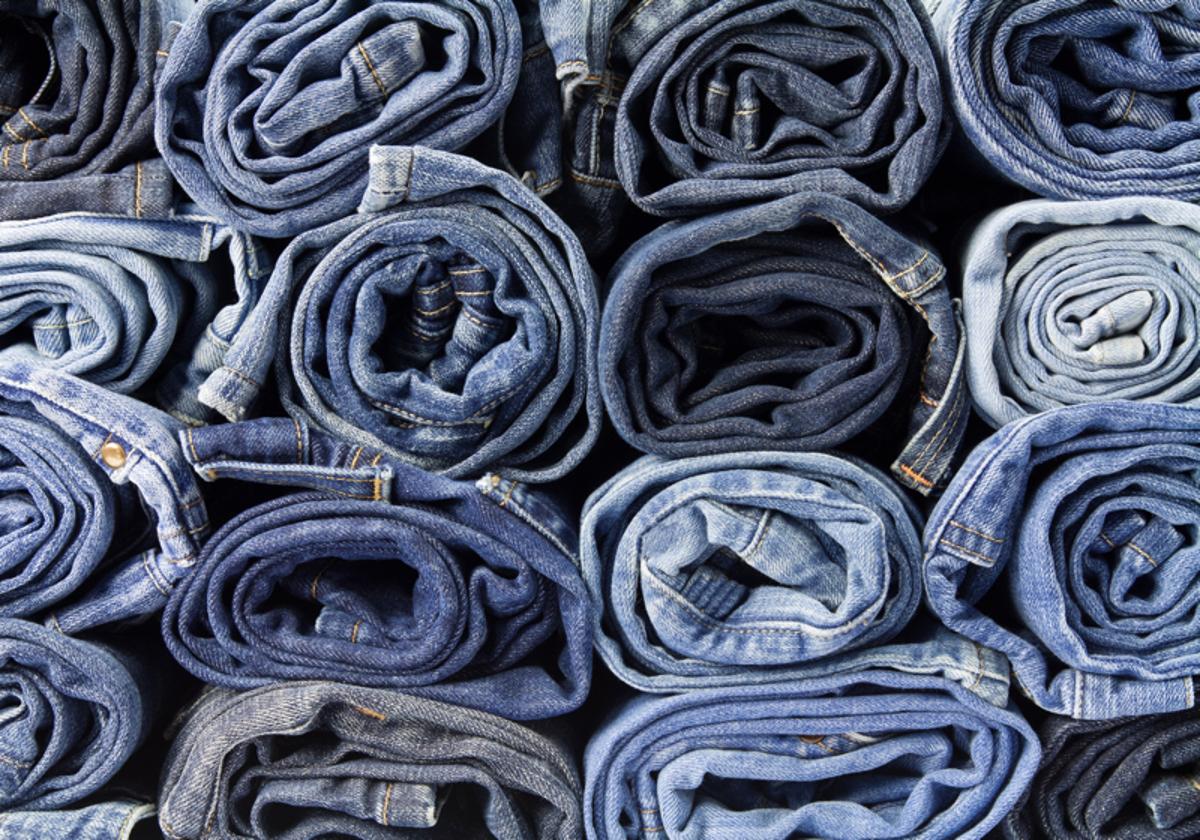
Report Urges Greater Progress in Eco Denim Finishing
The Denim Industry Progress & Insights 2025 report, compiled from Jeanologia’s Environmental Impact Measurement (EIM) platform, shows measurable gains in water and energy efficiency across global denim‑finishing operations. However, the study flags chemical usage as the most persistent environmental hurdle, with...
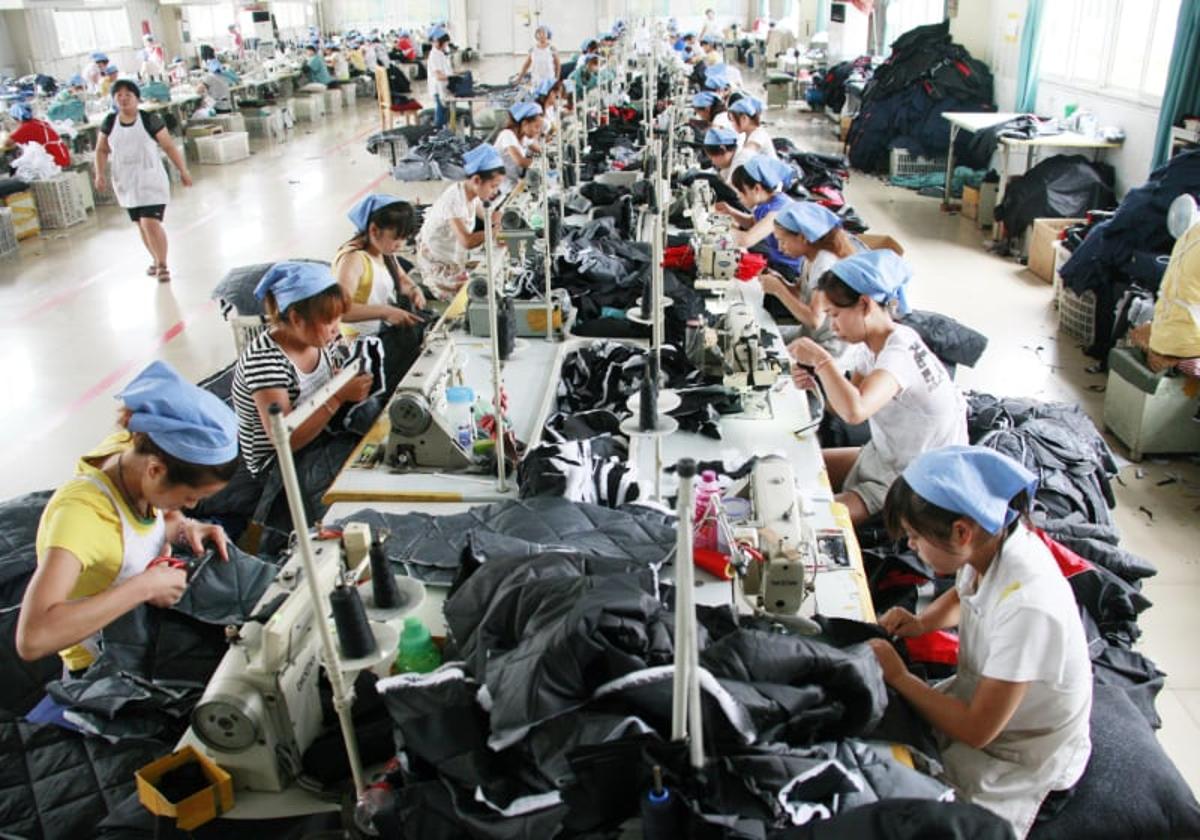
Manifesto Urges Fashion to Cut Output, Raise Pay
The Clean Clothes Campaign, backed by trade unions and environmental NGOs, released a manifesto urging the fashion sector to align its decarbonisation strategies with living‑wage standards and enforceable rights. It argues that voluntary sustainability schemes are inadequate as climate‑driven disruptions—heatwaves...
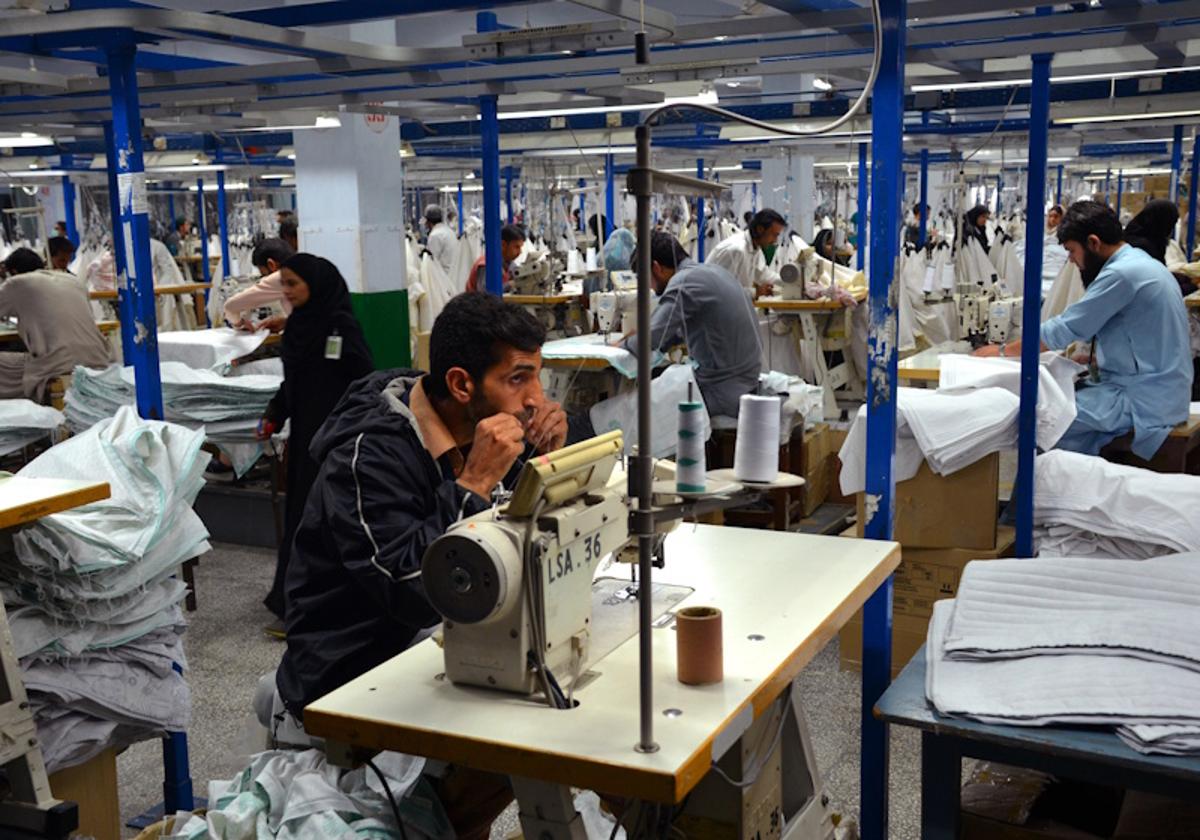
Pakistan Defends Record on Forced Labour
Pakistan has formally responded to a U.S. Trade Representative Section 301 investigation that targets 60 economies over alleged forced‑labour imports, putting its textile and apparel sector under scrutiny. The probe could trigger punitive tariffs on Pakistani garments, which represent the bulk...
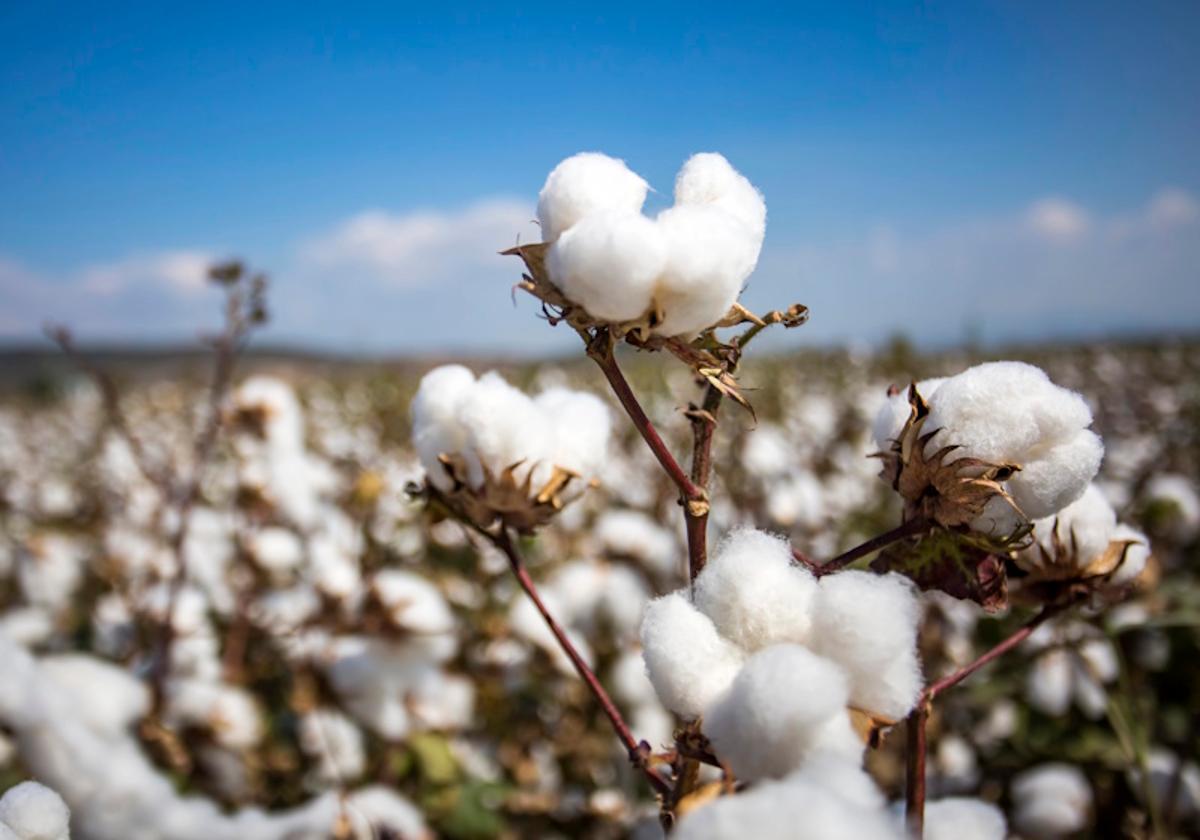
ICAC Launches Carbon Credits Initiative
The International Cotton Advisory Committee (ICAC) unveiled a carbon‑credit program aimed at cotton growers. The scheme promises participants up to $200 per hectare in extra revenue by monetizing sustainable farming practices. By linking soil‑health improvements to verifiable carbon offsets, the...
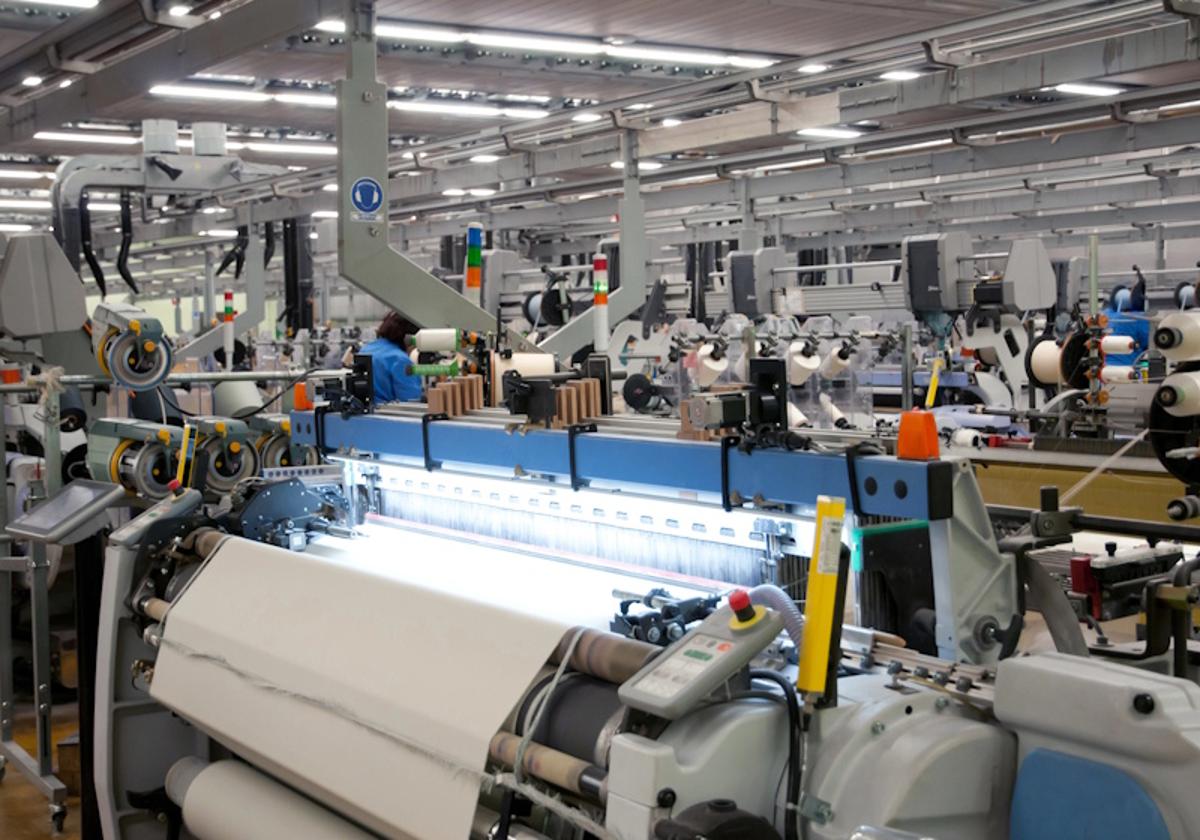
OS Hub Partners Link Data on Millions of Factories
The Open Supply Hub has launched the OS Hub Spotlight, a new tool that aggregates environmental and social data from ten leading providers for millions of textile and garment factories worldwide. By unifying metrics from organizations such as Amfori, Climate...

Santini and Polartec Launch Eco Cycling Jersey
Italian cycling apparel maker Santini and U.S. textile innovator Polartec have unveiled the Aero Race jersey, the first commercial product using Polartec Power Dry with Recycled Carbon fabric. The new jersey claims a carbon footprint up to 66% lower than...

Temu and Shein ‘Hollowing Out’ German Retail
A new report finds Chinese ultra‑fast‑fashion platforms Temu and Shein are draining Germany’s retail economy. The study quantifies an annual net value‑added loss of €2.4 billion (about $2.6 billion). While EU retailers shoulder costly compliance with the Packaging Act, GDPR and product‑safety...

Probiotics Extend Life of Apparel and Footwear
The Lab, a biotech fashion‑care brand, launched the "Take Care of the Things You Love" campaign to promote probiotic‑based cleaning products that protect and extend the life of sneakers, hats, apparel, denim and accessories. The range uses beneficial bacteria to...