
Will the UK’s Oil and Gas Tax Intervention Shield Consumers From Energy Price Volatility?
UK Chancellor Jeremy Reeves announced a package of tax reforms aimed at preventing oil and gas firms from exploiting the foreign‑branch exemption, which has allowed them to pay little or no UK corporation tax on energy trading profits. The changes, together with an increased Energy Profits Levy now set at 38% through 2030, are projected to generate roughly £300 million ($380 million) a year for the Treasury. Revenues will fund measures such as free bus fares for children, food‑price relief and tax breaks for family attractions. Reeves also pledged additional support for the most energy‑intensive businesses through the British Industry Competitiveness Scheme.
Ofgem Unveils Next Phase of UK Electricity Grid Regulation
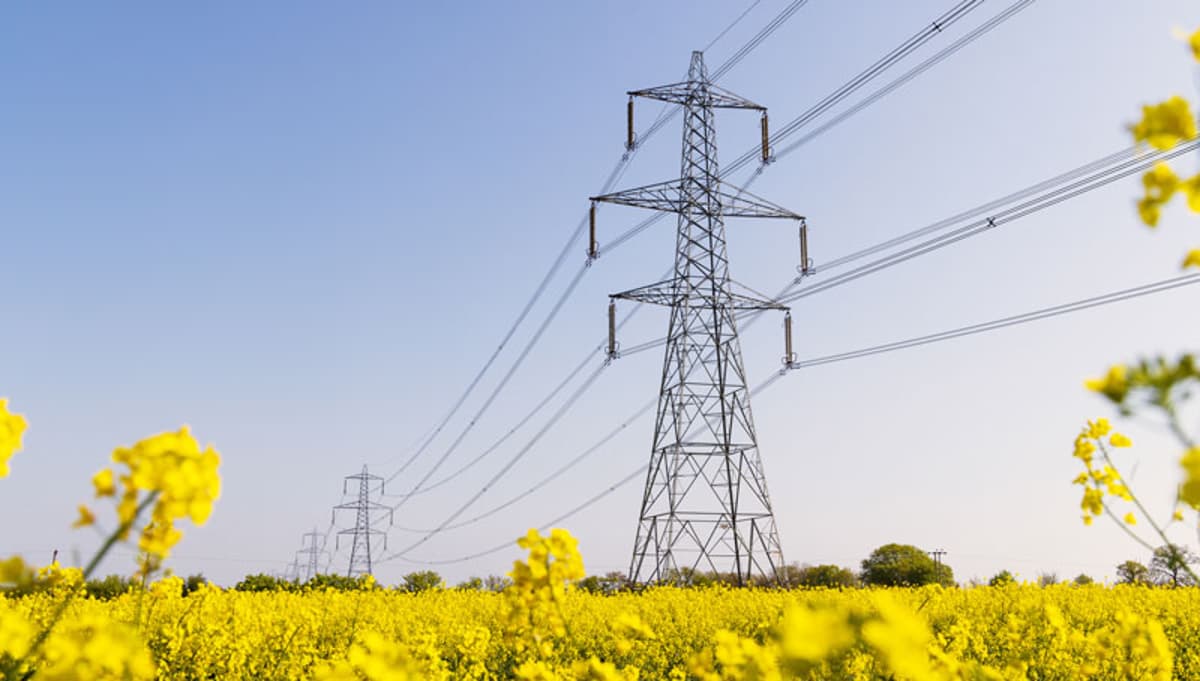
Ofgem released its ED3 sector‑specific methodology, introducing a "build‑and‑flex" strategy that requires distribution network operators (DNOs) to combine reinforcement projects with flexibility solutions. The regulator argues this hybrid approach will avoid premature, costly network builds and keep consumer electricity bills...

Renewables Overtake Gas in Global Power Generation for the First Time
For the first time, wind and solar power accounted for 22% of global electricity generation in April, edging out gas at 20%, according to Ember. Global renewable output rose 13% year‑over‑year, led by China (14% increase), the EU (13%) and...

Commonhold Buildings Law Could Help Tackle Dual Housing Affordability and Climate Crises
The UK government’s Commonhold and Leasehold Reform Bill, announced in the recent King’s Speech, will ban leasehold for new flats, cap ground rents at £250 (≈$320) and push existing leasehold apartments toward commonhold ownership. With 72% of English flats currently...

Government Failing to Prepare UK for Climate Impacts, CCC Warns
The Climate Change Committee’s new "A Well‑Adapted UK" report warns that the UK is ill‑prepared for escalating climate risks, citing record heat, floods and wildfires. It projects that without a £11 bn annual investment, over 90% of homes could overheat, river...

Built Environment Not Decarbonising Fast Enough, Says UNEP
The United Nations Environment Programme’s 2025‑2026 Global Status Report for Buildings and Construction warns the sector is 3.5 gigatonnes of CO₂ off the path needed to meet the IEA Net Zero scenario, requiring a 56% emissions cut by 2030. Global floor...

Three-Quarters of Westminster Offices Risk Becoming Unlettable Under New Energy Rules
Research by Robert Irving Burns shows 78% of Westminster offices and 71% of City of London offices fall short of the forthcoming Minimum Energy Efficiency Standards (MEES), which will bar leasing of properties rated C or lower. More than 12,000...

Industry Leaders Invest £188m in Hydrogen-Powered Planes
UK aviation leaders have pledged roughly $239 million to accelerate hydrogen‑powered aircraft development through 2028. The Hydrogen in Aviation Alliance, including Airbus, easyJet, Rolls‑Royce and Bristol Airport, will use the funds for R&D, fuel‑cell systems and supporting infrastructure, complementing a £43 million...

Lidl Launches Own Verified Sustainable Rice in UK First
Lidl announced that SRP‑verified sustainable rice is now available in all its UK stores, marking the first nationwide launch of a climate‑smart staple in the country. The rice meets the Sustainable Rice Platform’s 41 environmental and social criteria, promising lower...

Making Sustainability Practical in Colocation
The International Energy Agency forecasts global data‑centre electricity use to rise from 415 TWh in 2024 to about 945 TWh by 2030, driven largely by AI and digitalisation. In Europe, regulators are tightening reporting under the Energy Efficiency Directive, demanding concrete KPIs...

Community Conflict Poses ‘Enormous Risk’ to Renewables Developers
A new IHRB report reveals that community conflict has cost a renewables developer roughly $200 million over ten years, representing 3.3 GW of stalled capacity and more than $4 billion in unrealized clean‑energy investment. The analysis shows these expenses are often hidden, dispersed...
The Changing Economics of Renewable Electricity Procurement
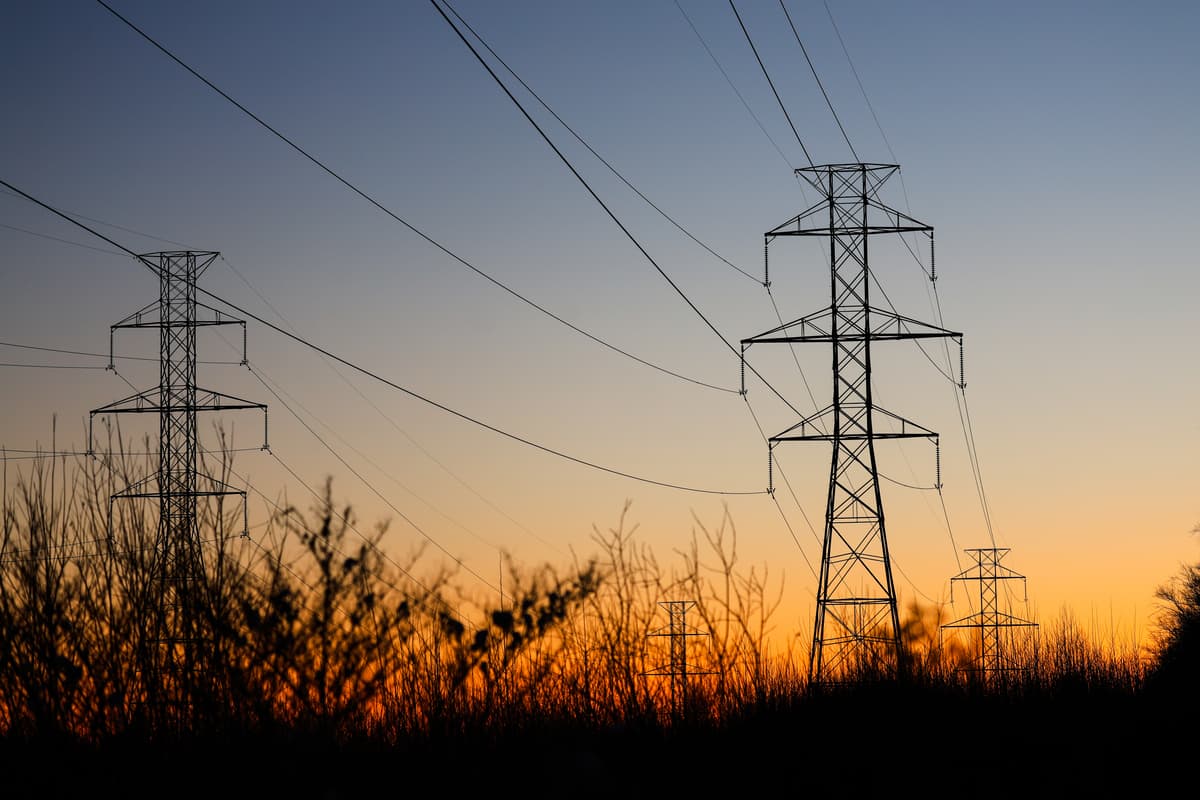
Corporate electricity procurement is evolving from a back‑office sustainability task into a strategic, finance‑driven decision. Companies across transport, retail, hospitality and other sectors face rising demand from fleet electrification and tighter scrutiny of renewable claims. Uncertainty around Renewable Energy Guarantees...

The Seven Pillars of Energy Resilience
Edie’s new guide outlines a seven‑step framework for building energy resilience in enterprises. It starts with a discovery phase to map energy use and rank material risks, then moves through identification, design, financing, construction, operation, and continual optimisation. The model...

Accelerating the EV Transition on the Path to Net-Zero
A cross‑industry roundtable highlighted that fleet electrification is strategically vital but hampered by grid capacity, slow connection timelines, and fragmented policy. While passenger cars and light commercial vehicles demonstrate clear total‑cost‑of‑ownership benefits, heavy‑duty trucks still struggle with range and payload...

Berkeley Targets Net-Zero by 2045 in New Transition Plan
Berkeley Group has unveiled a Net Zero Transition Plan that targets full carbon neutrality across its value chain by 2045, five years ahead of the UK’s national timetable. The plan updates its Science‑Based Targets, committing to an 86% cut in...