
Perfect Storm or Long Overdue Reckoning?
A wave of regulatory reforms—including CAA 2021, CAA 2026, Department of Labor PBM disclosure proposals, and FTC enforcement—are reshaping employer‑sponsored health plans. The changes expand ERISA disclosure requirements to any service provider influencing plan costs, forcing PBMs to reveal rebates, fees, and spread pricing. Together, these measures bring health‑benefit governance into the fiduciary framework long applied to retirement plans. Employers now have the tools to demand transparency, but must move beyond compliance checklists to actively manage plan economics.

The Hidden Aftermath of Natural Disasters: A Rise in Mental Health Leaves
New research from ComPsych shows that extreme weather events trigger delayed but sustained spikes in employee mental‑health leave. In the six months after Hurricane Harvey, Texas and Louisiana employers saw a 59% increase, climbing to 77% after 18 months, far...

The Case for Pregnancy Loss Support at Work
Pregnancy loss affects nearly one million U.S. pregnancies each year, yet most employers lack dedicated support policies. Research shows grief‑related absenteeism and presenteeism cost U.S. companies over $75 billion annually, with turnover expenses potentially doubling salaries. Surveys reveal eight in ten employees...

Screen Time Surges for Desk Workers, Straining Eyes and Productivity
The third annual Workplace Vision Health Report reveals desk workers now log an average 99.2 hours of screen time per week, up from 97 hours last year. Seventy‑one percent say screen‑related eye strain is hurting their performance, equating to roughly...

Alarm over Rising Fuel Costs Adds to Employee Financial Stress
Fuel prices have surged, adding significant commuting costs and broader financial pressure for U.S. workers. A Morgan Stanley at Work 2025 survey shows 84 % of employees—and 95 % of Gen Z—expect employers to provide stronger financial support. Benefit leaders are urged to...

2026 Excellence in Benefits Awards Nominations Are Now Open
Employee Benefit News has opened nominations for its 2026 Excellence in Benefits Awards, seeking to recognize benefit managers and HR leaders who delivered innovative wellness solutions in 2025. Candidates must submit their nominations by April 30, with winners announced on May 18...

CVS Health Joins International Movement to Become Menopause Accredited
CVS Health has become the first U.S. company to receive a menopause‑friendly accreditation from consultancy Midovia. The program adds manager training, peer support, enhanced benefits, and clinician education to address menopause‑related health and productivity issues for its largely female workforce....

As AI Boosts Collaboration, Employees Resist Office Mandates
Artificial intelligence tools are reshaping workplace collaboration, making remote interactions nearly as effective as in‑person meetings. A Byteiota survey shows 80% of employers have lost talent due to return‑to‑office (RTO) mandates, and 41% of workers would consider leaving if forced...

Nearly Half of U.S. Workers Say They're Workaholics, Survey Finds
Monster’s Workaholics Report finds nearly half of U.S. full‑time employees identify as workaholics, with 75% logging more than 40 hours weekly. The survey attributes workaholic tendencies to employer expectations (47%) and personal ambition (44%), while 11% work over 60 hours....

You've Built a Good PTO Policy. Help Workers Enjoy It
Employers are re‑examining paid‑time‑off (PTO) policies as data shows fewer workers fully disconnect during vacations—dropping from 47 % in 2023 to 37 % in 2025, according to Dayforce. Experts argue that leadership modeling, clear communication protocols, and tech tools like automated out‑of‑office...

A Financial Benefit that Matches Trump's $1K Investment in Kids
Acorns introduced an employer‑funded benefit that matches the U.S. Treasury’s $1,000 Trump Accounts newborn investment, giving participating employees a total of $2,000 per child. The program, slated for a July 2026 rollout, expands Acorns Early’s existing 1 % match up to $7,000...

My Journey From Corporate HR to Service Provider
A former corporate HR leader transitioned to a vendor role at Collective Health, using his experience to champion simpler, more transparent employee benefits. He highlights how clear communication and programs like sabbaticals drive employee satisfaction and retention. The shift provides...
A New Employee Benefit News Experience, Designed for Today's Leaders
Employee Benefit News unveiled a redesigned homepage and a new adviser-specific portal on March 10, 2026. The revamp consolidates breaking news, in‑depth analysis, research data, events, and expert perspectives into a single, visually engaging interface. Simplified navigation and clear pathways...

Can Increasing Women's Access to Specialists Decrease Insurance Costs?
Blair Health, a virtual women’s‑health platform, is tackling a $15 billion annual cost gap where female employees spend 18% more out‑of‑pocket than men. By offering specialist‑level care for a flat $200 per employee per year, the startup claims it can redirect...

Trump's Immigration Crackdown Fails to Deliver Jobs for US-Born Workers
One year after President Trump’s immigration crackdown, net migration turned negative in 2025—the first decline in 50 years—yet U.S.-born unemployment rose and labor‑force participation fell. Immigrants continue to dominate manual‑intensive sectors such as construction and food services, leaving firms unable...

What 2026 Open Enrollment Reveals About Cost Pressures Ahead
The latest open‑enrollment cycle shows advisers moving beyond price‑only negotiations toward tackling the underlying drivers of rising medical‑cost risk. Employers are pulling senior leaders—including C‑suite and board members—into benefits decisions, a practice once limited to the public sector. Off‑cycle renewals...

Employers Taking the Wheel with Benefit Design
Employers are increasingly steering benefit design, moving beyond one‑size‑fits‑all health plans toward data‑driven, employee‑centric offerings. A recent Benefit News video highlights levers such as flexible spending accounts, telehealth integration, mental‑health resources, and predictive cost modeling. Companies aim to boost care...

Maximizing Quality and Reducing Costs
Walmart teamed with Cleveland Clinic to launch a Cardiac Center of Excellence serving over a million employees and families. The collaboration introduced bundled pricing, travel‑enabled specialty care, and protocols that reduced unnecessary surgeries while improving outcomes. By standardizing care pathways,...

Why Pet Insurance Is Becoming an Expected Benefit
Pet insurance is shifting from an optional perk to a core employee benefit. Millennials and Gen Z view pets as family members and are demanding coverage directly. Employers recognize that pet insurance bolsters financial wellness and talent retention, while administration fits...

Inside Bank of America's Strategy to Support Its Employees' Caregiving Journeys
Bank of America has rolled out a comprehensive "family arc" benefits program that supports employees from fertility and adoption through child‑care, elder‑care, and college‑savings planning. The package includes up to $20,000 in fertility or adoption assistance, 16 weeks of flexible...

How Employers Can Drive Year-Round Engagement in Benefits
Open enrollment marks the start, not the finish, of benefits engagement. Studies show up to 80% of employees still misunderstand their plans after enrollment, leading to reactive use and higher costs. Employers are shifting to year‑round strategies—seasonal campaigns, personalized outreach,...

This Former CHRO Helps Benefit Leaders Work Successfully with the C-Suite
Cynthia Burks, former Genentech CHRO turned executive coach and board chair, champions data‑driven benefits that move beyond one‑size‑fits‑all programs. She argues HR must sit at the C‑suite table, translating employee value into business language to boost engagement and talent retention....

Why Claims Data Underestimates Mental Health Risk
Employers often rely on isolated claims or EAP call counts, which dramatically understate the true scale of behavioral health issues in the workforce. By aggregating medical, pharmacy, and EAP data—and even website analytics—companies can capture both prevalence and cost, revealing...

This App Helps Employees with ADHD and Anxiety Manage Their Day
NoPlex, dubbed the “chaos management app,” is built to help employees with ADHD and anxiety organize daily tasks and reduce stress. The app offers a free consumer version and a paid, enterprise‑grade tier that employers can purchase per seat. By...

Building a Multi-Generational Approach to Insurance Coverage
Insurers are confronting a widening gap between employee expectations and benefits delivery, as satisfaction with coverage fell to 61% in late 2025, down from 66% the year before. Younger workers demand fast, transparent digital interactions, while older staff prefer hands‑on,...

The AI Skills Gap Is Turning Gen Z Into Workplace Mentors
Reverse mentorship is reshaping workplaces as Gen Z employees teach senior staff AI fundamentals. According to International Workplace Group research, 62% of Gen Z are actively upskilling older colleagues, and 72% report higher team productivity from these interactions. Directors echo the trend,...
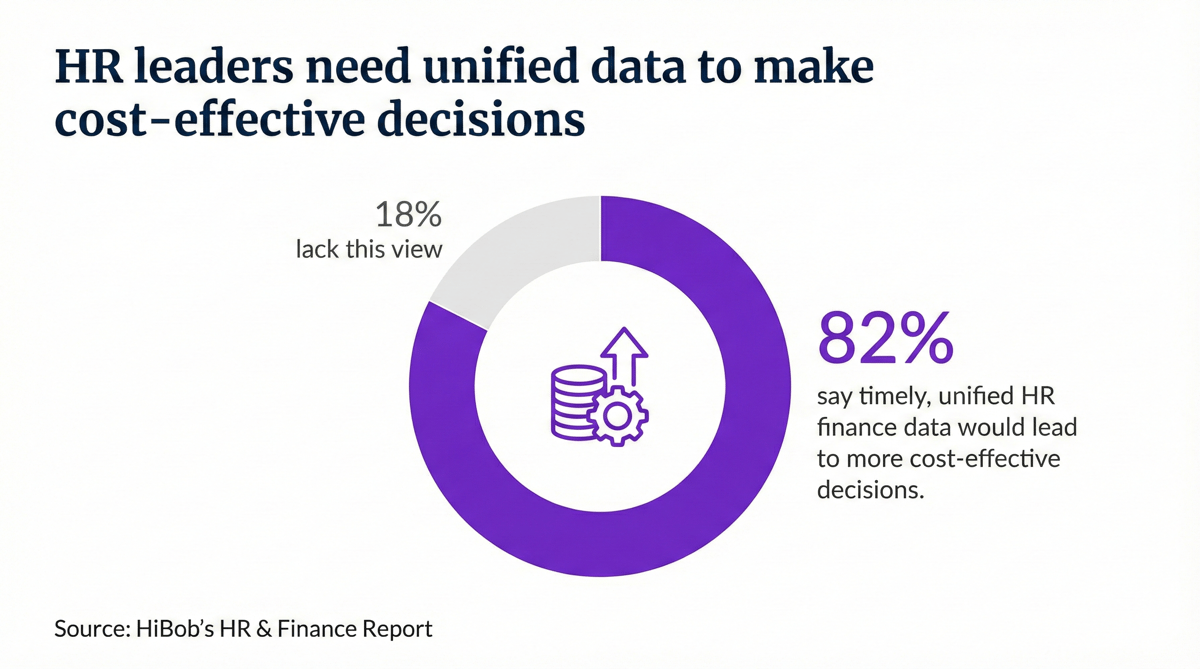
HR Teams Struggle with Decision-Making Due to Data Limitations
A new HiBob HR & Finance Report finds benefit leaders are transitioning from operational stewards to strategic decision‑makers, yet 82% say they lack timely, unified HR‑finance data. The study reveals that 68% cannot make fair pay decisions without integrated data,...
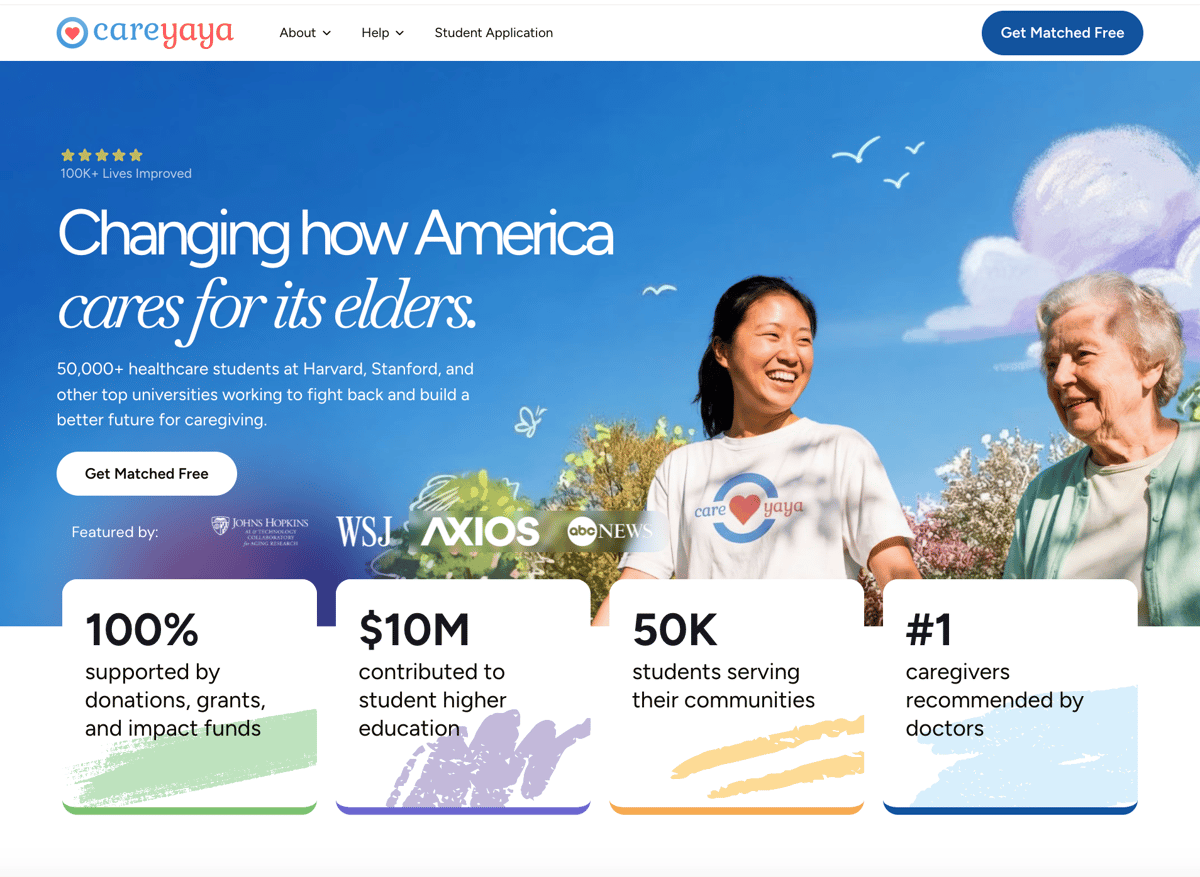
Caregivers Find Much-Needed Relief with This Unique Eldercare Solution
CareYaya, a student‑matching platform, connects college students with seniors and disabled adults to provide non‑medical in‑home assistance. By paying students directly at about $20 an hour, the service reduces care costs roughly 50 % compared with traditional agencies. The app’s algorithm...

Why Leaders Are Putting a Renewed Focus on PTO Policies
A new WTW survey shows 73% of U.S. employers will enhance paid‑leave programs within two years. Leaders cite employee experience, talent attraction, and retention as primary drivers. Caregiver leave is projected to jump from 22% to 39%, while parental and...
Employers Push Critical Illness Plans Amid Health Risks
Employers are increasingly adding critical‑illness insurance to their benefits portfolios to offset gaps left by high‑deductible health plans. A recent Equitable survey shows 31% of American workers filed a critical‑illness claim in the past year, yet only 49% feel confident...

AI in Healthcare Starts Long Before the Exam Room
AI-driven clinical tools are rapidly improving diagnosis and treatment, but they leave patients exposed to hidden financial risks. A case of an autonomous AI ER physician resulted in a $37,000 out‑of‑network bill, highlighting systemic navigation failures. While clinical AI promises...

Pinterest and Maven Team up to Provide Menopause Support to Employees
Pinterest has partnered with Maven Clinic to launch a unified menopause, fertility and parenting support platform for its workforce. The initiative aims to curb the $1.8 billion productivity loss attributed to menopause‑related disruptions in 2023. By consolidating care into a single...
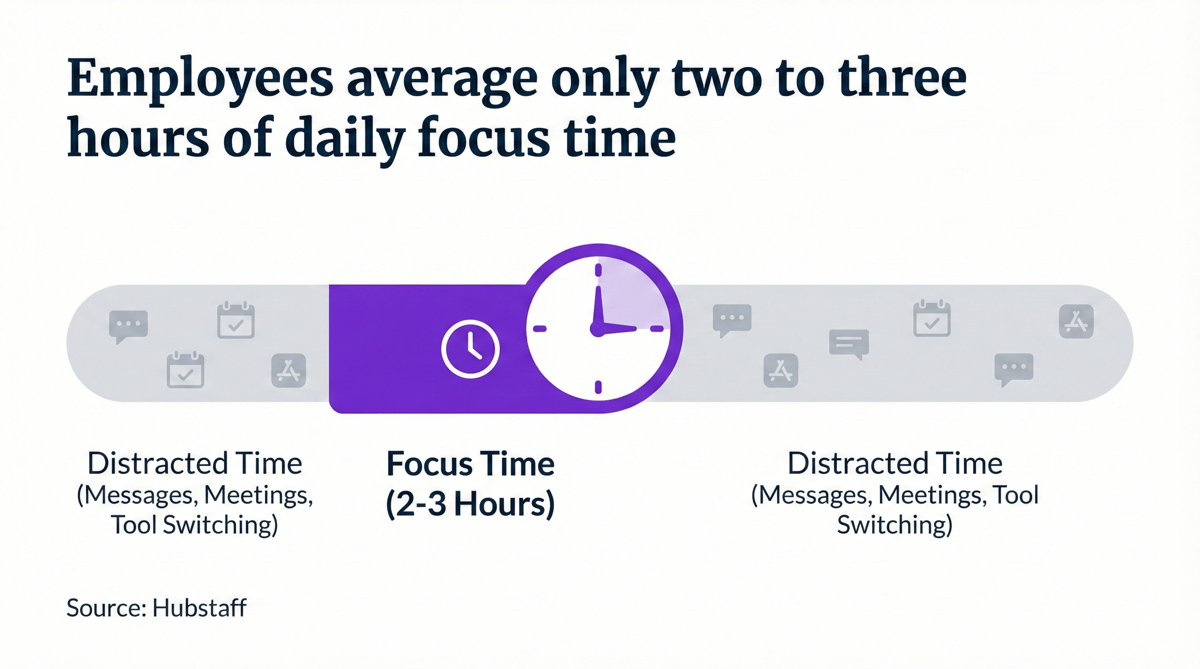
Endless Meetings and Apps Leave Employees Struggling to Focus
Employees are now averaging only two to three hours of uninterrupted focus each day as meeting density and app overload surge. Hubstaff’s 2026 Global Benchmarks Report shows meeting frequency has doubled and organizations run six times more meetings than two...

The Fall of Personalization and Rise of Anticipatory Benefits
Benefit leaders are moving beyond personalization toward anticipatory benefits, as Businessolver unveils an AI‑driven platform called Sophia that predicts employee needs before they arise. The solution mines chatbot transcripts, service calls, and activity data to deliver proactive nudges and alerts,...

A Welcomed Turning Point for Earned Wage Access
The Consumer Financial Protection Bureau issued a December 2025 advisory opinion clarifying that employer‑integrated earned wage access (EWA) is not a loan under the Truth in Lending Act. This guidance removes a major regulatory uncertainty that has limited EWA adoption....
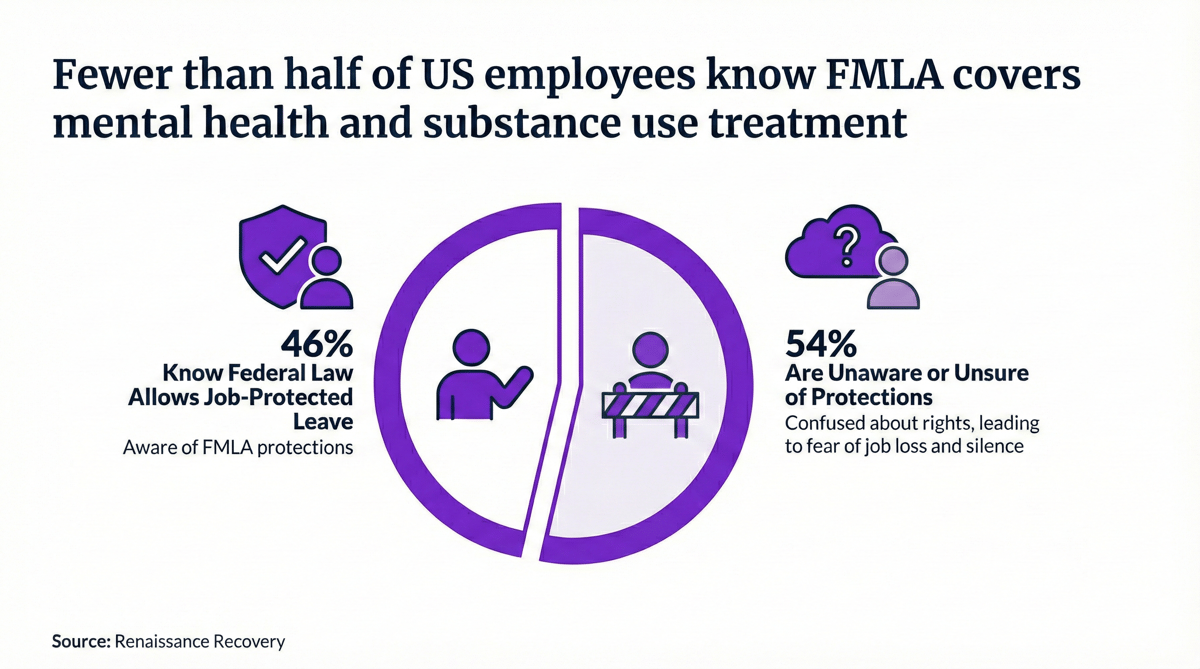
$1 Trillion Lost as Workers Delay Mental Health Care
A nationwide Renaissance Recovery survey found U.S. employees lost more than $1 trillion in earnings over the past five years due to untreated mental‑health and substance‑use disorders. Forty‑one percent said these conditions impaired their ability to work, cutting average income by...

Rethinking Employer Coverage for High-Cost Medications
Employers face a projected 9% rise in health‑benefit costs for 2026, driven largely by soaring prescription drug expenses. GLP‑1 receptor agonists, originally diabetes treatments now popular for weight loss, have become the fastest‑growing cost component, with 79% of employers reporting...
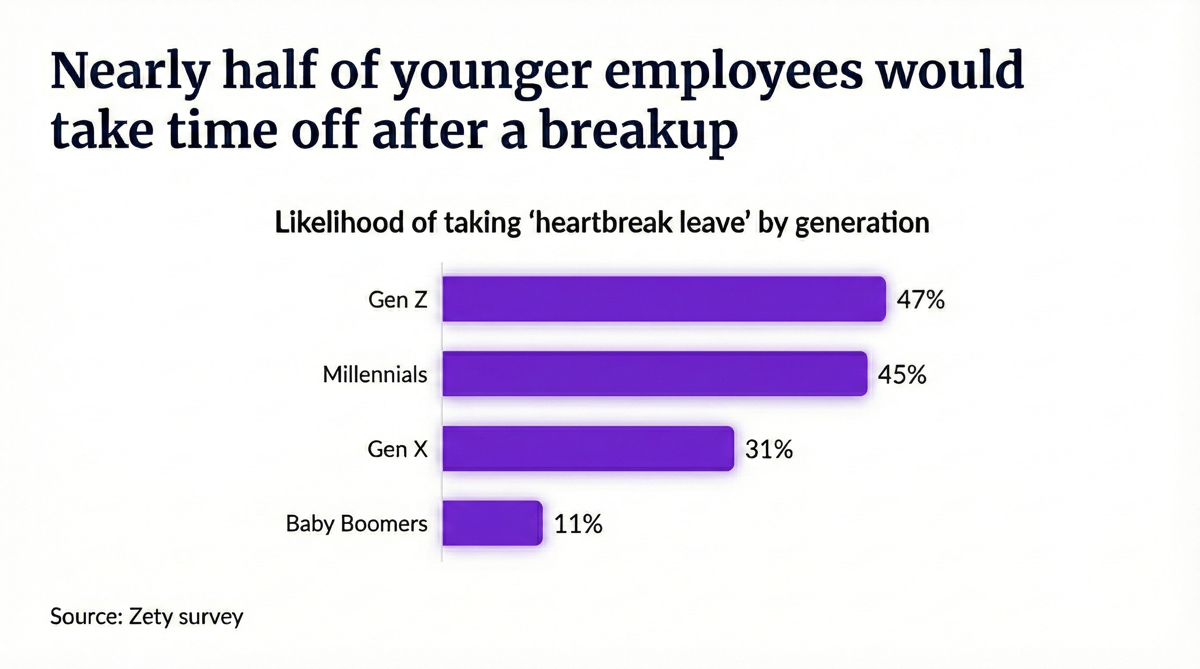
A New Addition to PTO: Heartbreak Leave
A recent Zety survey finds that one in three employees believes companies should offer dedicated “heartbreak leave” and many have already taken time off after a breakup. Younger workers, especially Gen Z and millennials, are most eager for the benefit, with...
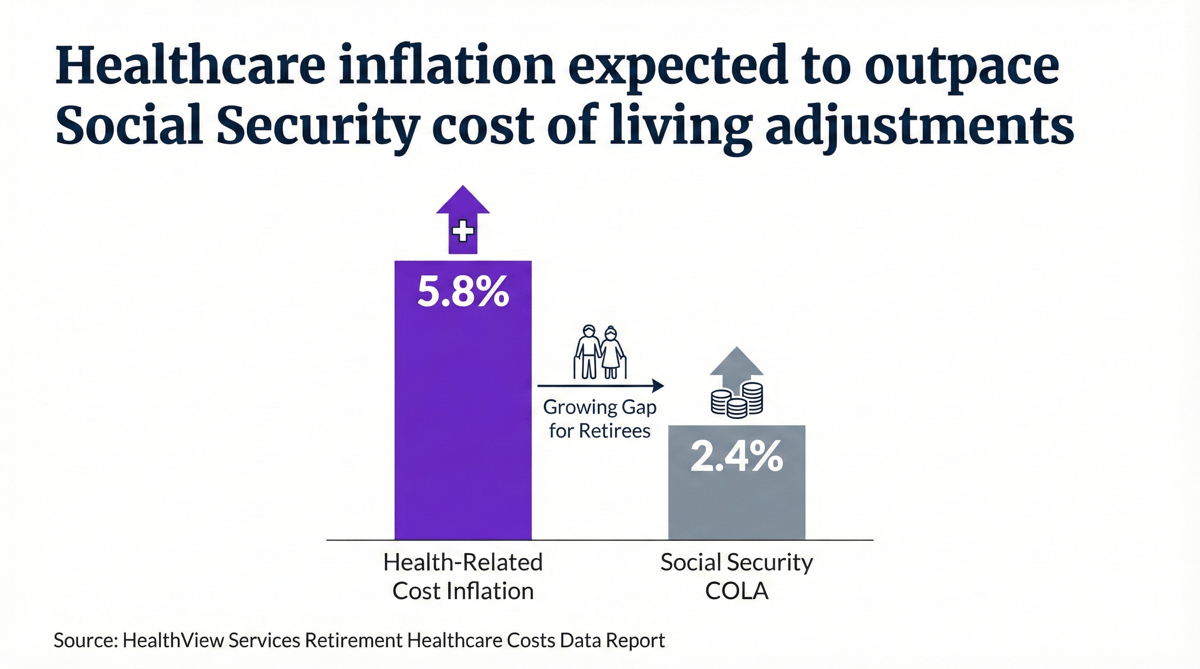
Rising Health Costs Outpace Social Security for Retirees
Health inflation is projected at 5.8% annually, more than double the 2.4% Social Security cost‑of‑living adjustment. Medicare Part B and Advantage premiums jumped 9.7% for 2026, while Part D drug premiums have risen 50% since the 2022 Inflation Reduction Act. The widening...

Why Now Is the Best Time to Re-Engage Employers
The post‑open enrollment window is a critical period for benefits brokers to re‑engage employer clients and translate enrollment insights into actionable strategy for 2026. Employers are pressuring brokers to control rising healthcare costs while employees face mounting financial stress from...

How Employees Can Use LSAs to Pay for Groceries and Other Basic Needs
Employers are turning to Lifestyle Spending Accounts (LSAs) to let staff use benefit funds for everyday needs like groceries, childcare and health services. Data from benefits platform Compt shows 64% of partner firms now use LSAs as their primary benefit,...
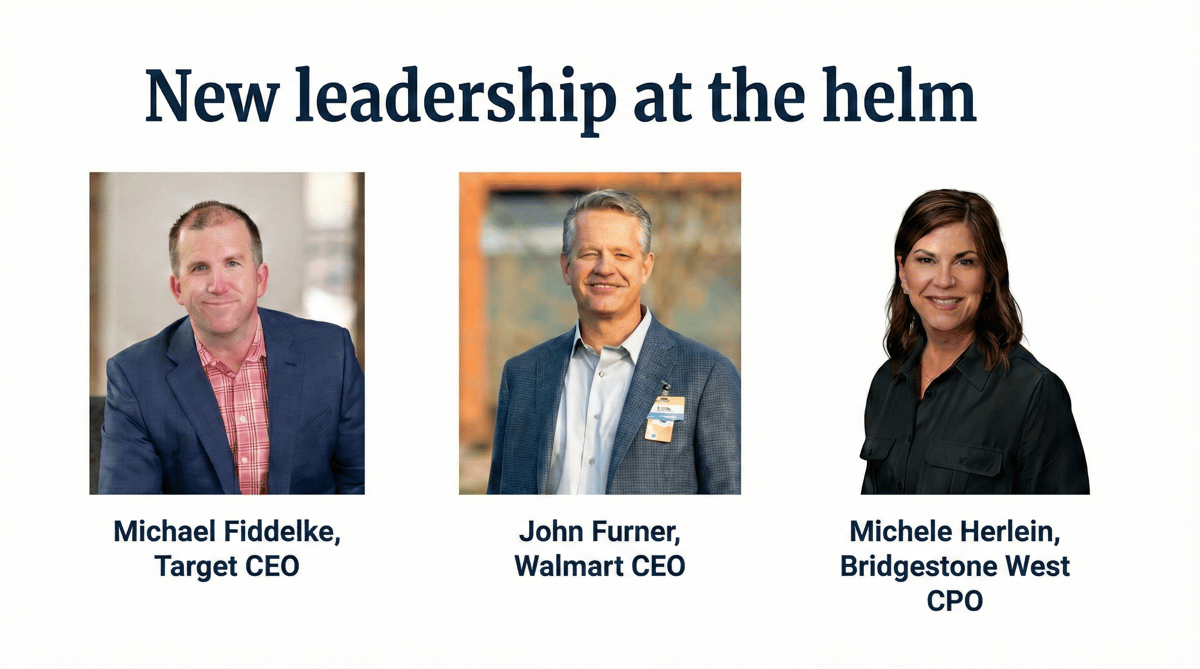
New Leadership at Target, Walmart and Bridgestone West Focus on Employee Connection
New CEOs at Walmart (John Furner) and Target (Michael Fiddelke) and Bridgestone West’s chief people officer (Michele Herlein) are launching people‑first campaigns that prioritize frontline listening and direct employee engagement. Furner began with a company‑wide memo and store visits, while...
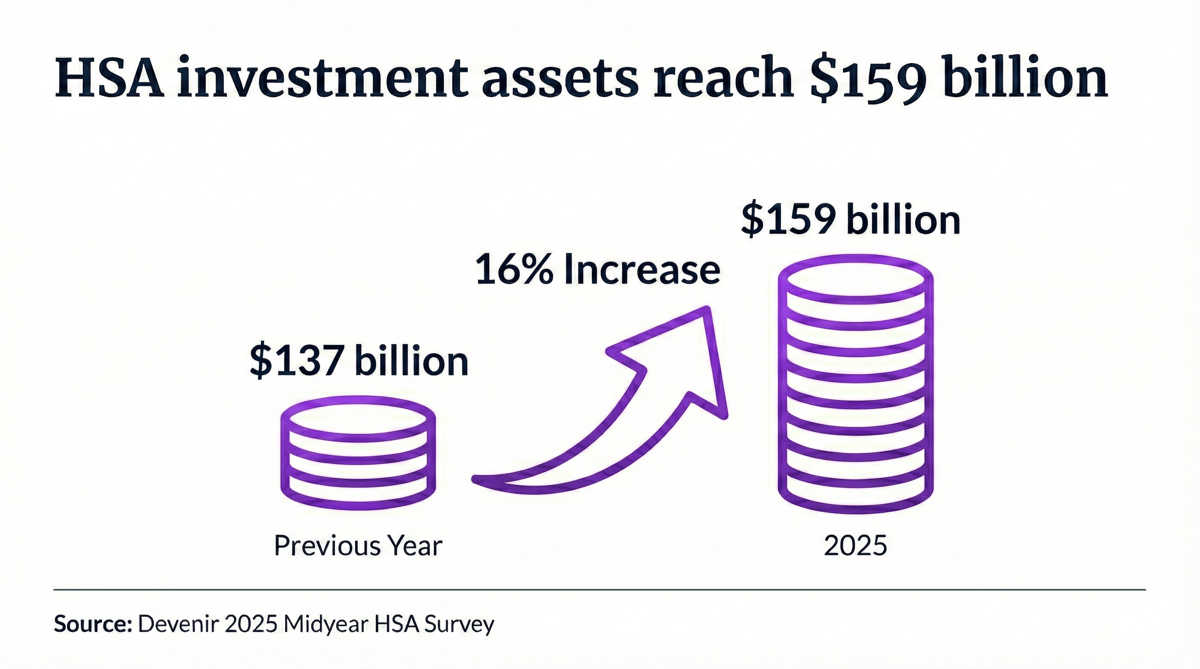
Health Savings Accounts Gain Popularity as Investment Vehicles
Health savings accounts (HSAs) are increasingly being used as investment vehicles, with 4 million accounts – about 10% of all HSAs – holding invested assets, a 23% year‑over‑year rise. Total HSA assets grew 16% to $159 billion, and investment‑linked assets now represent...

Why Your Organization's Greatest Asset Is Its Own Collective Wisdom
The article argues that organizations waste resources on external consultants while the real source of transformation lies in their own collective wisdom. It critiques the reliance on imported best‑practice frameworks in a BANI (Brittle, Anxious, Nonlinear, Incomprehensible) world. By treating...

Included Health's New Plan Design Improves Employees' Access to Quality Care
Included Health unveiled an alternative health‑plan design that blends guided care, AI tools, and a copay‑first pricing model to give employees faster, more affordable access to primary care. The plan replaces traditional PPO/HMO choices with a hybrid that offers broader...