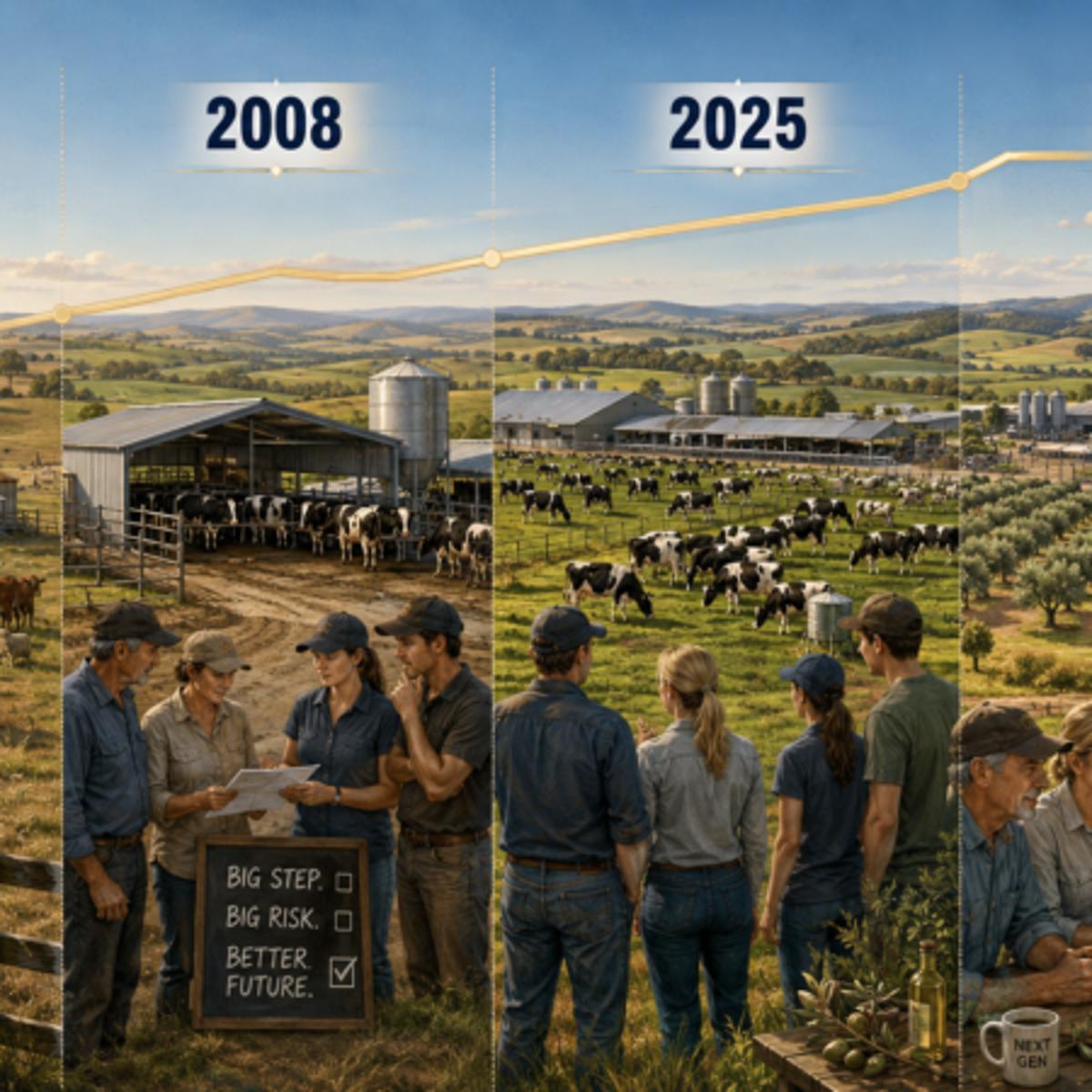
Growing the Family Farm
Over 26 years a family dairy farm grew equity by $8.96 million, achieving a 5.7% CAGR despite a 16‑year flat period. The owners pivoted from sheep and beef to dairy in 2008, then accelerated growth in 2025‑26 by acquiring a 130‑acre block for $900,000 and a 25‑acre olive grove for $1.9 million using additional debt. Leveraging $1.5 million of new financing created “lazy equity” and positioned the business for intergenerational succession, giving each of the four children $2‑3 million in equity.
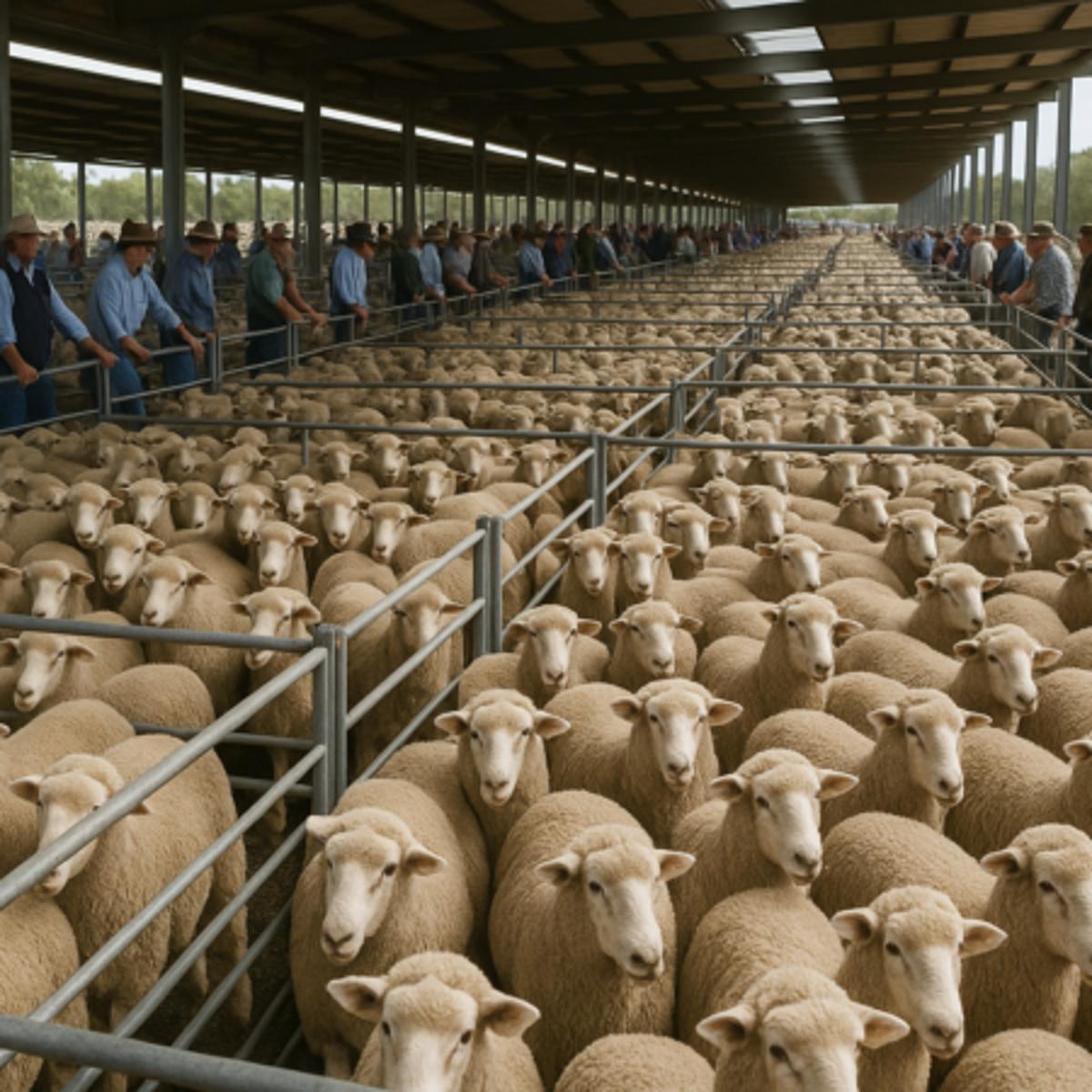
Prices Ease as Northern Supply Improves
April‑May yarding data show a split Australian sheep market, with New South Wales and Western Australia increasing throughput while Victoria and South Australia tighten further. Lamb and sheep prices have softened over the past month, with heavy lamb falling to...

Managed Trade Is Back, and Australian Agriculture Is Exposed
The United States secured a new agreement for China to purchase at least $17 billion of U.S. agricultural commodities annually from 2026‑2028, a figure that looks strong against the $8 billion low‑point in 2025 but is modest compared with the $33‑$38 billion China...

Exclusive: EP3 Launch Fert Tracker
Australian market‑intelligence firm EP3 has launched a prototype real‑time vessel tracking tool that monitors nitrogen fertiliser imports into Australia. The system aggregates commercial and public maritime data, assigning confidence scores to each vessel to identify likely fertiliser cargoes. As of...

Food Inflation Update Mar 2026
Australia’s March 2026 CPI data shows food inflation gaining momentum, led by a sharp 3.2% rise in fruit prices and a 2.0% jump in vegetables. Protein categories remain the primary driver of annual inflation, with beef up 8.3% year‑over‑year and...

Free Webinar: Fertiliser, Fuel and Grain Markets.
Judo Bank and Episode3 are hosting a free webinar to dissect the forces reshaping Australian agriculture in 2026. The session will examine how global conflict, volatile energy prices, fertilizer supply constraints, and shifting grain fundamentals are creating unprecedented uncertainty for...

Beef Export Update April 2026
Australia shipped 140,943 tonnes of beef in April 2026, 11 percent above the same month last year and 61 percent higher than the five‑year average, confirming a strong supply cycle. The United States remained the top buyer with 40,999 tonnes, a 10 percent YoY rise and...

Freight Costs Are Becoming a Farmgate Issue
Freight costs have emerged as a critical, often overlooked factor in agricultural profitability. The Baltic Dry Index has more than doubled year‑over‑year, reflecting tighter shipping conditions, while container rates surged during COVID and remain elevated. Higher shipping expenses increase the...

Cattle Availability Builds as Processor Leverage Returns
Cattle availability in Australia rose in March, driven by strong yardings and processing in New South Wales and Queensland, but the surge was uneven across states. In April, NSW yardings eased while Queensland continued to climb, concentrating supply in the...

Global Cattle Pricing Update April 2026
The EP3 April 2026 cattle price index shows US heavy‑steer at 769 Ac/kg, far ahead of Argentina (480 Ac/kg), Australia (414 Ac/kg) and Brazil (325 Ac/kg). Australian prices slipped 7% year‑to‑date, while US values rose 2% and both Argentina and Brazil gained 9%. The gap...

The Input Spike Leaves a Long Shadow
Input costs for U.S. farmers surged as diesel nearly doubled and fertilizer rose about 80% above pre‑conflict levels, then eased modestly. Because many growers purchased inputs at peak prices, the subsequent price declines do not relieve their cost base. Wheat...
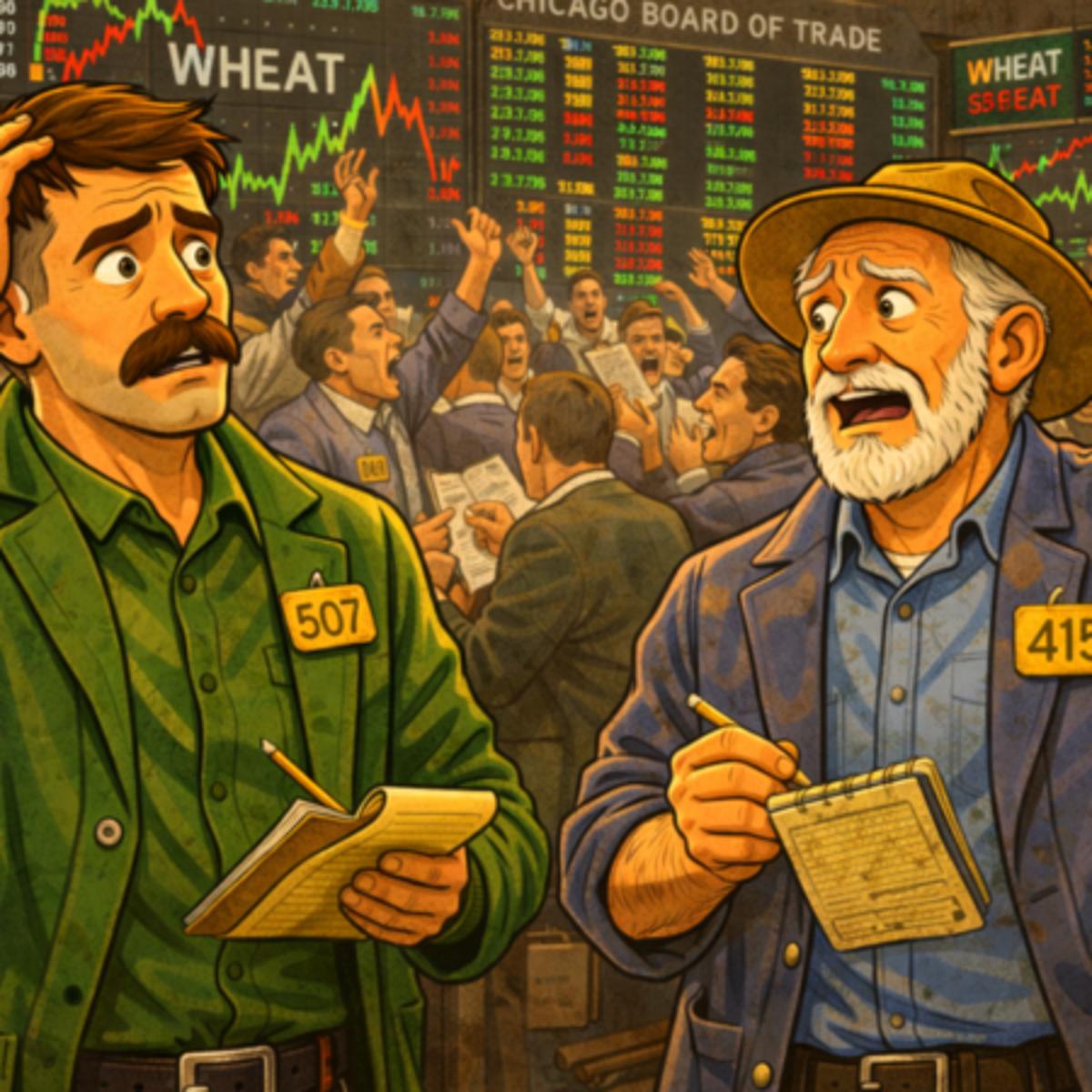
The Grain Rally Farmers Cannot Take at Face Value
Wheat prices have rallied as US winter wheat condition remains weak, with the good‑to‑excellent rating only edging to 31%, keeping a risk premium in place. Rising energy prices—crude, diesel and freight—have pushed fertilizer and transport costs up more than 80%...

Goatmeat Export Update March 2026
Australia exported 4,408 tonnes of goat meat in March 2026, a 13 percent year‑on‑year decline but still 41 percent above the five‑year average. The United States remained the top buyer with 2,179 tonnes, representing half of total shipments and staying 37 percent above the five‑year norm...

Processor Trading Conditions Update
The Beef Processor Trading Conditions (BPTC) index slipped to 14 percent in January 2026, down from 16 percent in December and far below the 72 percent peak a year earlier. Cattle input prices showed modest softening, with heavy steer down 1.1 percent and young...
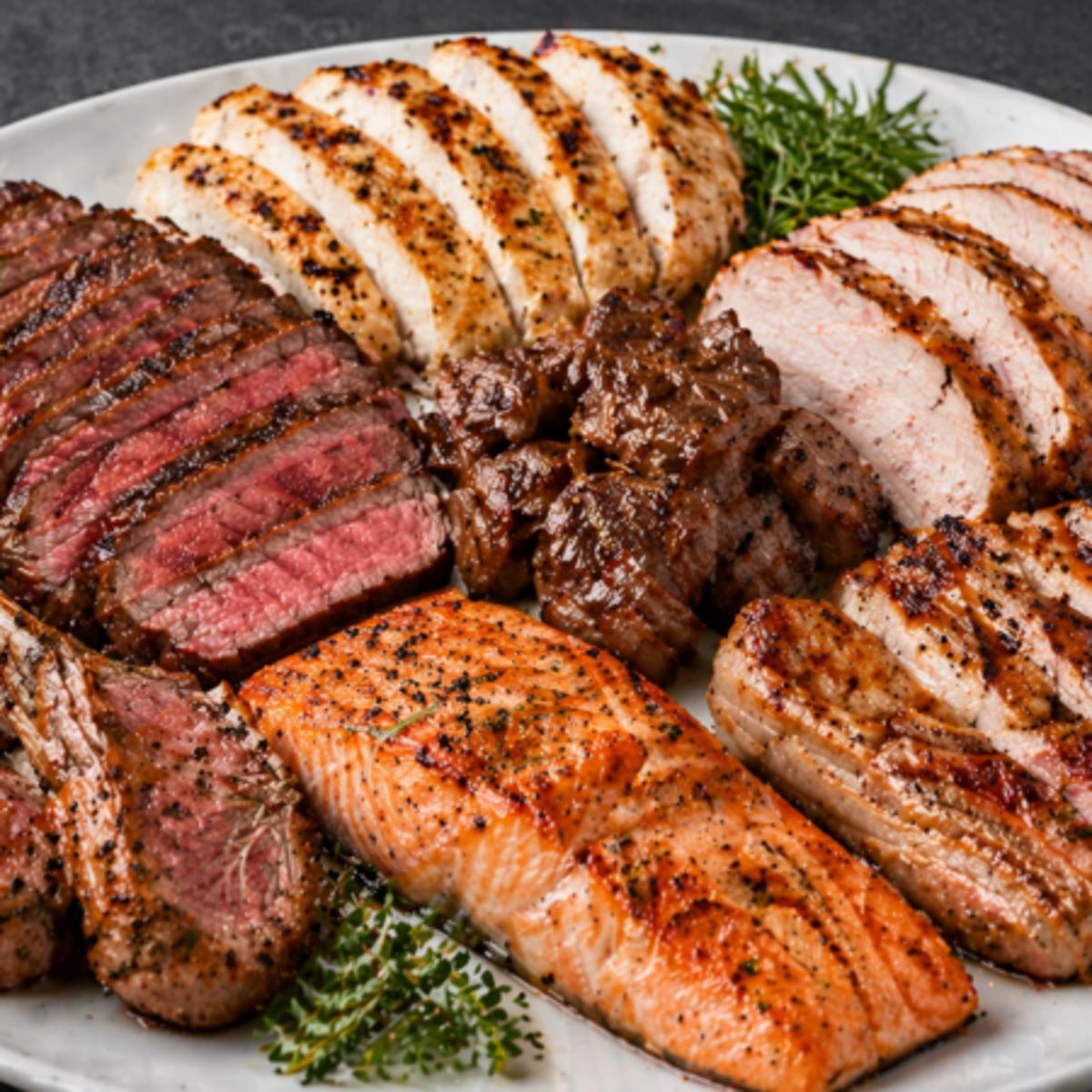
A Changing Diet
The U.S. beef industry has shifted dramatically over the past three decades, with Choice and Prime grades now representing about 85% of production, up from less than half in the early 1990s. At the same time, the adoption of GLP‑1...