
Government Backs Fertiliser Imports, Farmers Gain Certainty, Taxpayers Take the Exposure
The Australian government has introduced an underwriting scheme to backstop fertilizer imports amid supply disruptions caused by tensions in the Strait of Hormuz. The policy guarantees losses for importers who lock in cargoes at high global prices, shifting downside risk to the public balance sheet. This move is designed to ensure fertilizer arrives before the critical planting window, giving farmers the inputs they need. While it secures supply, the arrangement places financial exposure on taxpayers and raises questions about price transparency and oversight.

Market Morsel: Northern Premiums Ready to Wake
Australian grain pricing is increasingly driven by domestic basis rather than global futures. Drying trends and falling subsoil moisture in northern New South Wales and Queensland are tightening local supply. As El Niño risk grows, buyers are moving earlier, creating emerging...

EP3 Brief
The Australian federal government has begun underwriting fertilizer imports, using strategic reserves to absorb price risk and guarantee timely delivery amid ongoing Strait of Hormuz disruptions. Grain production in New South Wales and Queensland faces a potential double‑digit decline as...

More Risk, Less Margin: Why El Niño Matters This Season More than Ever.
A century‑long analysis shows El Niño lowers Australian wheat yields about 15% nationwide, with the effect varying sharply by state. New South Wales and Queensland face the steepest drops—over 20% below expectations in half and more than 70% of El Niño years...
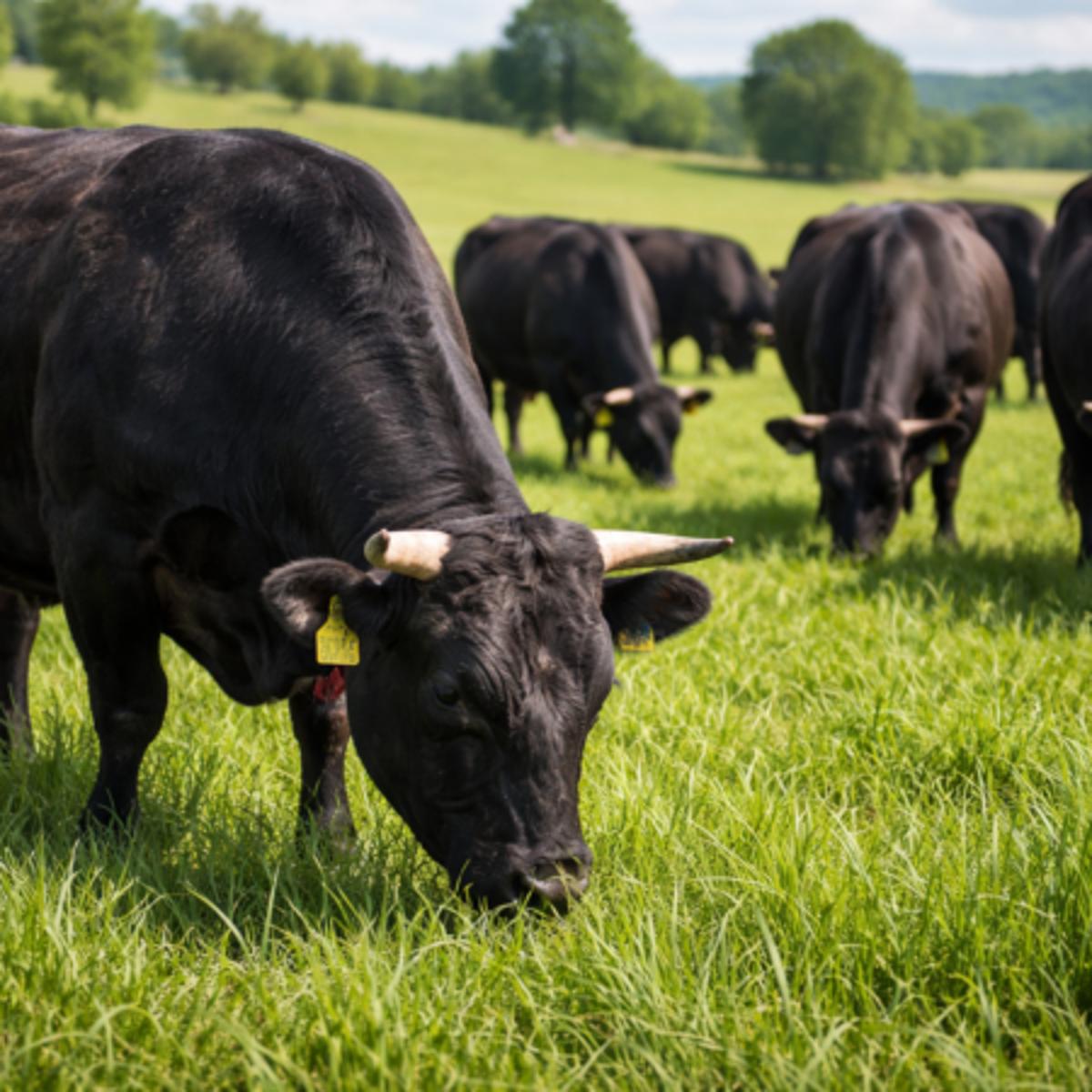
Wagyu Numbers Ease
Australia’s feedlot sector trimmed its average days on feed from 164 days in 2024 to 155 days by the end of 2025. The shift was driven by a 25% drop in Wagyu cattle on feed, falling from over 300,000 head...
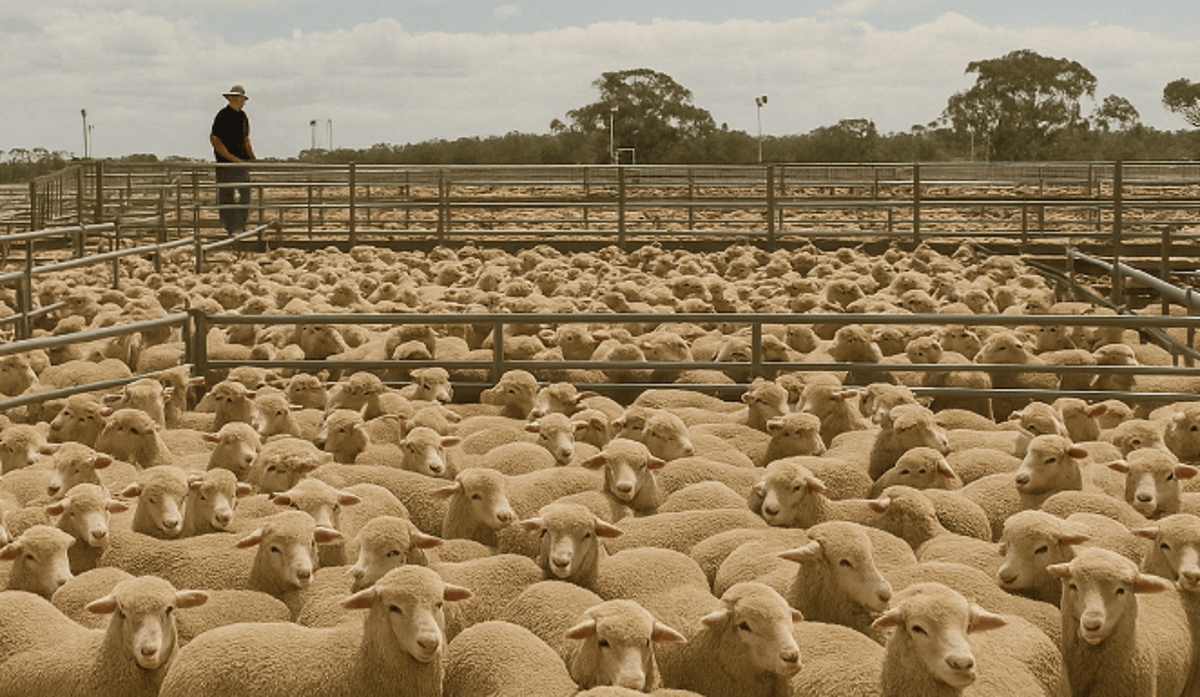
Shorter Easter Week Prompts Tighter Supply
A shorter Easter processing week has sharply reduced sheep and lamb yardings across most Australian states, tightening national supply. In New South Wales, sheep yardings fell from 71% to 38% and lamb yardings dropped from 58% to 40% between the...

Sheepmeat Export Update March 2026
Australian sheep‑meat exports slipped 24% year‑on‑year in March 2026 to 42,656 tonnes, falling below the five‑year average. The United States emerged as the strongest market, posting a 21% increase and accounting for about 18% of total shipments. Exports to China fell...

Beef Export Update March 2026
Australia’s beef exports surged in March 2026, reaching 149,973 tonnes – a 33% increase year‑on‑year and 58% above the five‑year average. The United States remained the top destination with 42,043 tonnes, up 30% YoY and more than double the five‑year norm. China...

Middle Eastern Crisis – Live Updates – WC 6th April 2026
Episode 3’s latest live feed shows Australian landed urea prices soaring to A$1,445‑A$1,495 per tonne (approximately $950‑$990 USD), surpassing the peak levels seen during the first year of Russia’s invasion of Ukraine. Diesel imports are on track to outpace last year,...

Fertiliser Webinar – Sign Up Now.
A free, nationwide webinar on 8 April 2026 will reveal the real state of fertiliser supply in Australia as global demand spikes and freight constraints tighten. Organisers will break down what fertiliser is actually arriving, where shortfalls may occur, and how international...

Grains Remain on the Uncertainty Roundabout
Global grain markets have softened as improved U.S. rainfall forecasts eased bullish sentiment on winter wheat, while USDA reports only 35 % of the crop in good-to-excellent condition, below expectations. Funds have rapidly unwound long positions built on weather risk, pushing...

Processors Chase Cattle as Yardings Turn Uneven
Australian beef processors intensified activity in March, but supply gains are uneven across states. Yardings rose to near‑full capacity in New South Wales (99%) and Queensland (55%) while falling sharply in Victoria, South Australia and Western Australia, prompting processors to...

Global Lamb Pricing Update
Global lamb prices have diverged sharply in 2026. Australian lamb rose 47% to about 1,109 A¢/kg (≈ $7.3 per kg), while U.S. lamb surged 61% to 2,120 A¢/kg (≈ $14 per kg), the highest worldwide. The UK/EU market sits near 1,534 A¢/kg (≈ $10 per kg), and New Zealand remains the cheapest at...

Wagyu Price Update for 2025
Australian Wagyu prices continued their gradual recovery in Q4 2025, with every genetic category posting higher averages than the previous quarter. F1 cattle rose to $1,797 per head, while Full‑blood Wagyu reached $4,418 per head, still well below the 2021‑22 peak...

Fuel Relief or Fuel Risk?
The Australian government’s planned fuel excise cut, worth about 26 cents per litre (≈ 0.18 USD), is expected to lower pump prices. However, analysts warn that in a tight, just‑in‑time supply chain, the sudden price drop could spark a rapid surge in consumer...

Sheep Slaughter Tightens, Lambs Mixed
Australia’s sheep slaughter volumes are contracting sharply across most major producing states as the post‑spring drawdown accelerates, while lamb processing shows a mixed picture. In New South Wales, Victoria and Western Australia sheep throughput fell from 37‑47% to as low...

Why Biofuels Won’t Fix Australia’s Fuel Shortage
Australia imports about 90% of its 55,000 ML annual fuel, making supply vulnerable to Middle‑East conflicts. A$1.1 billion (≈US$730 million) Clean Fuels Program aims to launch domestic biofuel refineries, but even converting all surplus grain and canola would meet only 4% of diesel...

Can We Track Fertiliser Ships Before They Hit the Dock?
A proof‑of‑concept platform now tracks bulk fertilizer shipments bound for Australian ports before they berth, using publicly available shipping data combined with commercial signals. Early trials have successfully identified vessel names, tonnages, arrival dates and end‑customers at ports such as...

Food Inflation Update Feb 2026
Food inflation in February 2026 shows a fragmented pattern, with red meat prices driving overall increases while fresh produce prices decline. Beef rose 7.9% year‑over‑year and lamb/goat 6.8%, whereas vegetables, fruit and eggs fell 1‑2% annually. Monthly data reveal a...
Sheepmeat Export Update February 2026
Australian sheepmeat exports slipped 10% year‑on‑year in February to 46,890 tonnes, yet remained 12% above the five‑year February average. China stayed the top buyer with 9,325 tonnes, but its shipments fell 26% YoY, while the United States imported 8,079 tonnes, down 16% YoY...

Urea Under Pressure: History Says Brace for Impact
Urea prices have surged, pushing the urea‑to‑wheat ratio to 1.83, a 97th‑percentile level that compresses farmer margins. Historical analysis of five major spikes since the 1970s shows elevations lasting from six months to nearly five years, depending on whether the...

Calm Grain Markets, Chaotic Energy Markets
Australian grain markets are holding steady, with wheat around $300‑$330 per tonne and barley modestly firmer, while canola trades in the high $600s‑low $700s. In stark contrast, energy commodities have surged—crude oil sits near $95 a barrel, up about 50 %...

Fertiliser Not Turning Up: Can Your Supplier Walk Away?
Australian farmers are confronting force‑majeure claims from fertiliser suppliers, prompting questions about contract obligations. The Fertiliser Australia Trade Rules provide a standard clause, but actual terms vary, making each contract decisive. Force majeure permits suspension of deliveries only when supply...
Beef Export Update February 2026
Australian beef exports surged to 130,884 tonnes in February 2026, 11 percent higher than a year earlier and 60 percent above the five‑year February average. The United States remained the top buyer, importing 39,949 tonnes – a 14 percent YoY increase and 130 percent above the...

From Toilet Paper to Diesel: Are We Creating the Shortage?
Australia’s diesel imports remain strong, with about 5.8 million tonnes expected by the end of March 2026 – the second‑largest first‑quarter volume on record. Real‑time tanker tracking from LSEG Vessel Explorer captures roughly 90 % of these shipments, confirming that physical supply...

Market Morsel: Making the Most of Wheat Market Volatility
The piece highlights a shift from a tranquil 2025 wheat market to renewed volatility driven by the Middle Eastern conflict. It outlines how weather, geopolitics, trade policy and speculative capital historically cause rapid price swings in grain markets. Seasonal harvest...

Beef Processors Push Hard as Cattle Flow Shifts
Cattle yarding and processing indices rebounded sharply in February 2026 after the typical January lull, but the recovery was uneven across regions. New South Wales, South Australia, Victoria and Tasmania returned to near‑full capacity, while Queensland’s yardings lagged despite a...

Global Cattle Pricing Update
The March 2026 global cattle price review shows the United States firmly ahead, with heavy‑steer values at 761¢/kg live weight. Australia’s prices have surged 30% year‑on‑year to 443¢/kg, while Argentina has climbed to 468¢/kg, now slightly above Australian levels. Brazil remains...

How Exposed Is the Australian Sheepmeat Trade to the Conflict in Iran?
Australian sheepmeat exports to the Middle East and North Africa (MENA) represent about $4.3 billion, or 23 % of total export value. Tasmania is the most exposed state, sending roughly 70 % of its sheepmeat to the region, while Victoria and Western Australia...
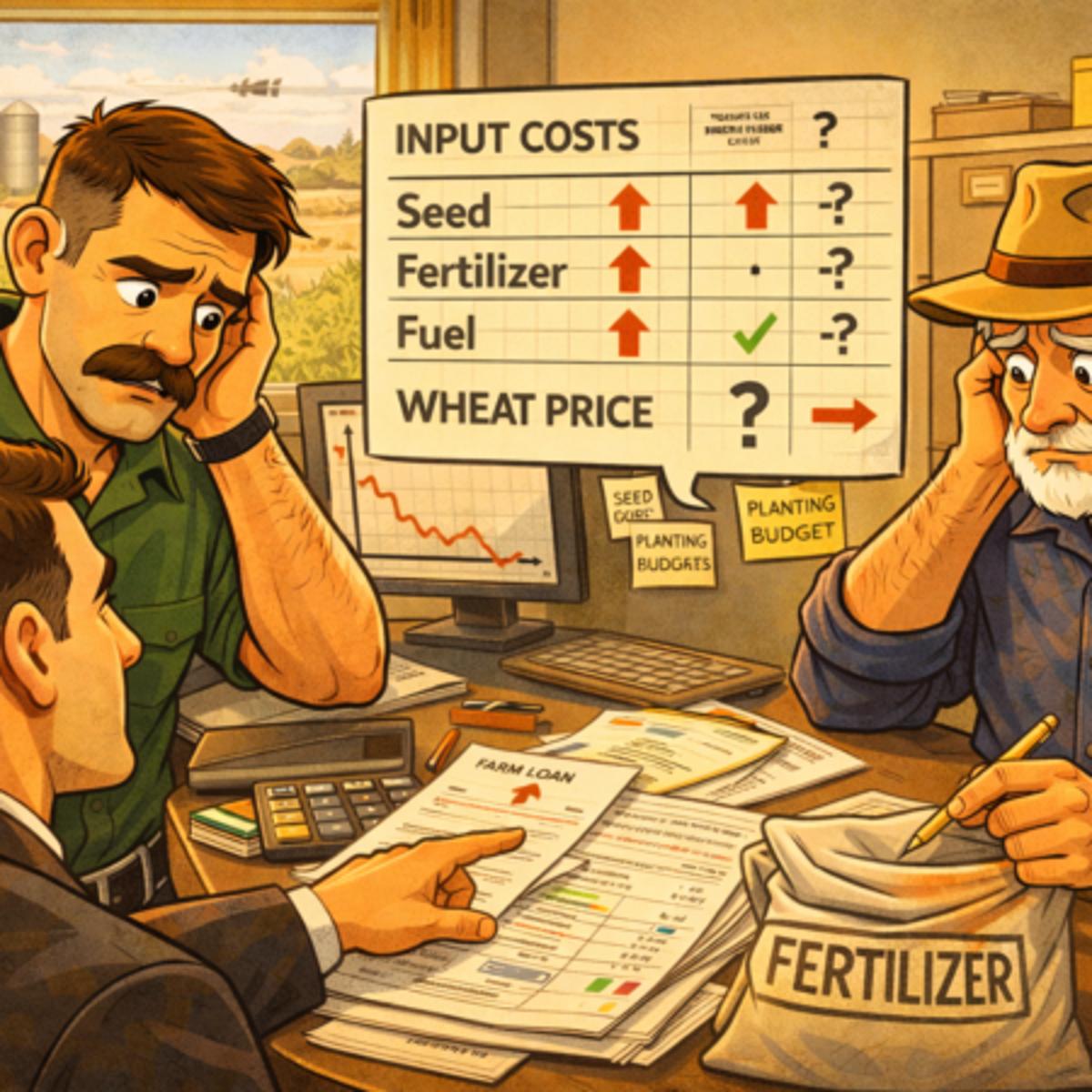
High Input Costs Don’t Guarantee High Grain Prices
A review of CBOT wheat futures from 1990‑2022 shows that the price at seeding is a weak guide to harvest price, with an average swing of $42 per tonne in either direction. Harvest prices exceeded seeding prices in 20 of...

Market Morsel: Why It’s Important to Understand the True Value of Our Grain.
The article explains that grain basis is the difference between local spot prices and futures contracts, serving as the local market adjustment on top of global pricing. In Australia, wheat basis is measured against CBOT wheat futures in Australian dollars...

US Trade Deal Steals a Fifth of Indonesian Wheat Demand From Australia
Indonesia has signed a memorandum of understanding to import roughly 2 million tonnes of wheat annually from the United States, representing about 17% of its total wheat demand. The deal effectively earmarks a fifth of the market for U.S. exporters, removing...

Iran Conflict Creates Opportunity and Risk for Australian Grain
Escalating conflict between Iran, Israel and the United States has forced the Strait of Hormuz shut, pushing crude oil prices up 8‑10% and reverberating through agricultural markets. Higher energy costs raise nitrogen fertilizer prices and boost biofuel demand, tightening grain...