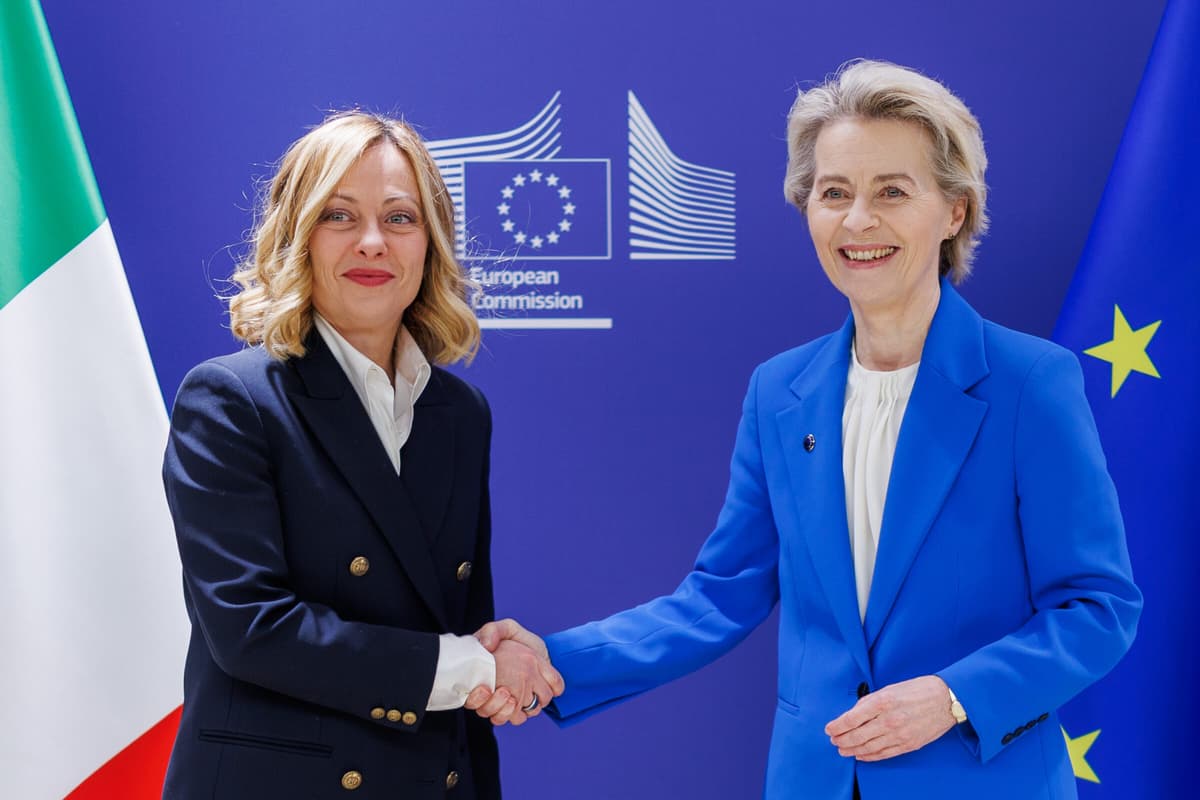
EU Relaxes Debt and Spending Limits for ‘Energy Security’ Investments
The European Commission will broaden the EU fiscal "escape clause" to let member states spend up to 0.3% of GDP annually on energy‑related projects. The move aims to accelerate decarbonisation and curb dependence on imported fossil fuels amid the ongoing Strait of Hormuz blockade. Countries must apply for an exemption, after which the Commission issues a recommendation and the Council gives final approval. Specific eligibility criteria for qualifying investments have yet to be defined.

Listen: Why Don’t Europeans Shoot Down Russian Drones Entering Their Airspace?
Russian drones have repeatedly breached Romanian airspace, most recently causing a fire and injuring two people in Galaţi. The four‑minute incursion highlighted technical limits and legal hesitations that prevent NATO members from shooting down low‑altitude UAVs over populated areas. While...
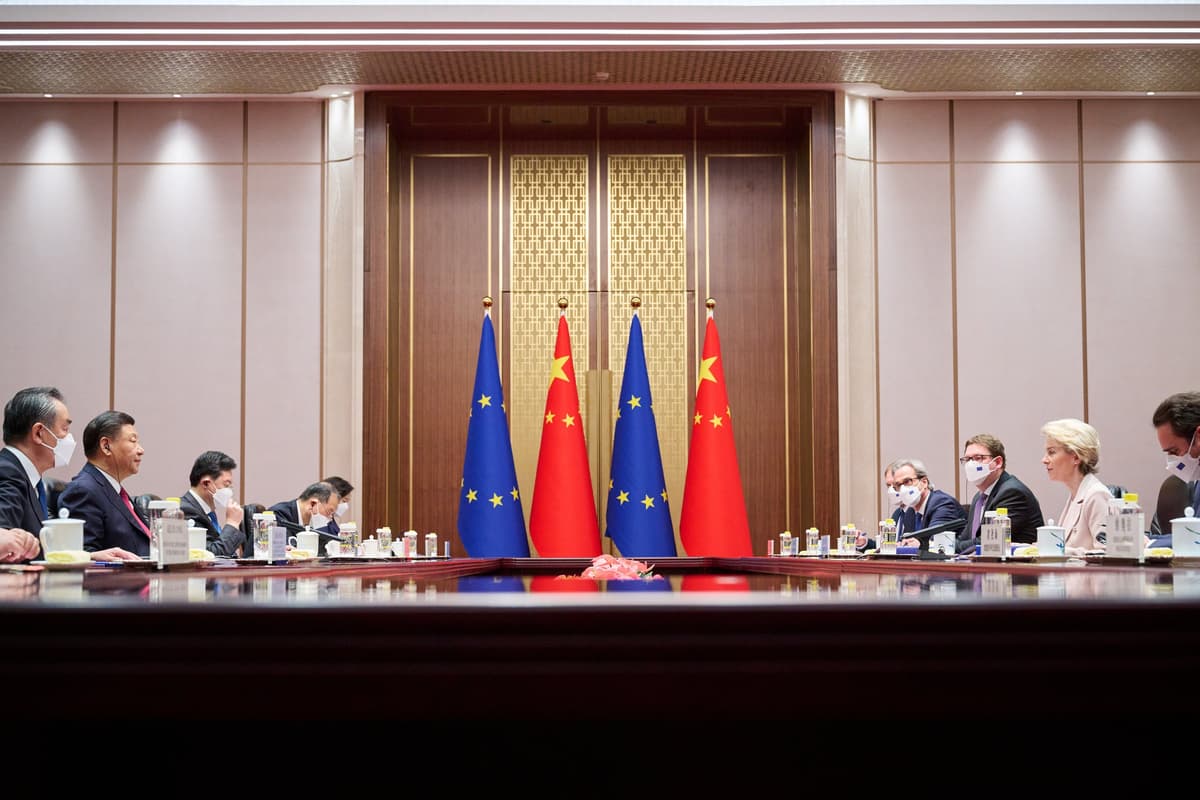
‘De-Risking Not Decoupling’ with Beijing – but What Does the EU Actually Mean?
The European Commission reaffirmed its “de‑risking, not decoupling” stance toward China, labeling Beijing a critical partner while warning that the current trade balance is unsustainable. Officials highlighted China’s massive export share—30% of global shipments—and a €360 billion (≈$396 billion) trade surplus with...
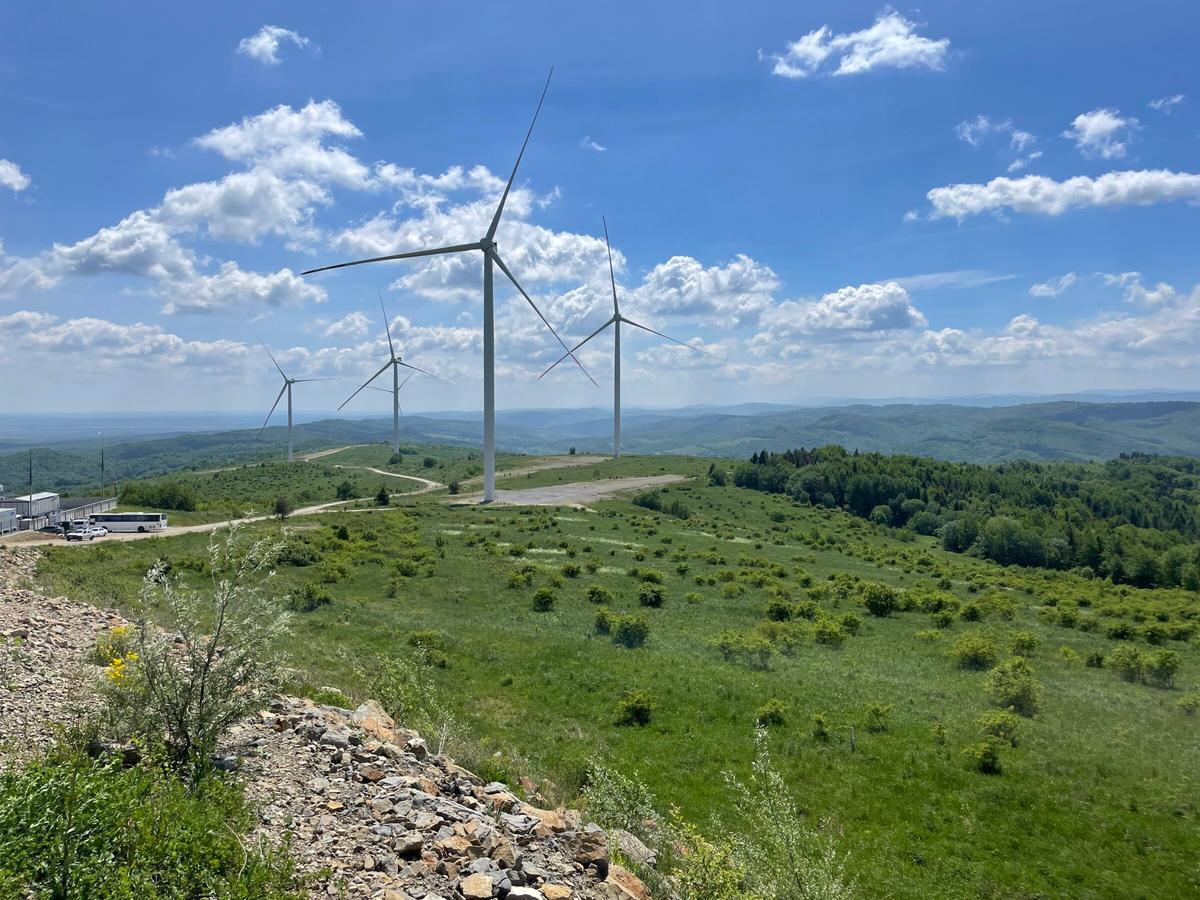
War Is Driving Ukraine’s Green Energy Build-Out, but Lack of Money Is Holding It Back
Ukraine’s war has accelerated a shift to renewable energy as wind, solar and battery projects prove more resilient than gas and coal plants. The Eco Optima joint venture built four 20 MWh battery units and a wind farm during 2023‑24 despite...
Listen: What Are China’s Strategic Objectives Towards Europe?
The EU is split on how to confront China as trade tensions rise, with the bloc’s deficit to Beijing doubling since 2015 and rare‑earth dependencies sparking calls for market opening. Beijing, however, treats Europe as a low‑priority partner, focusing instead...
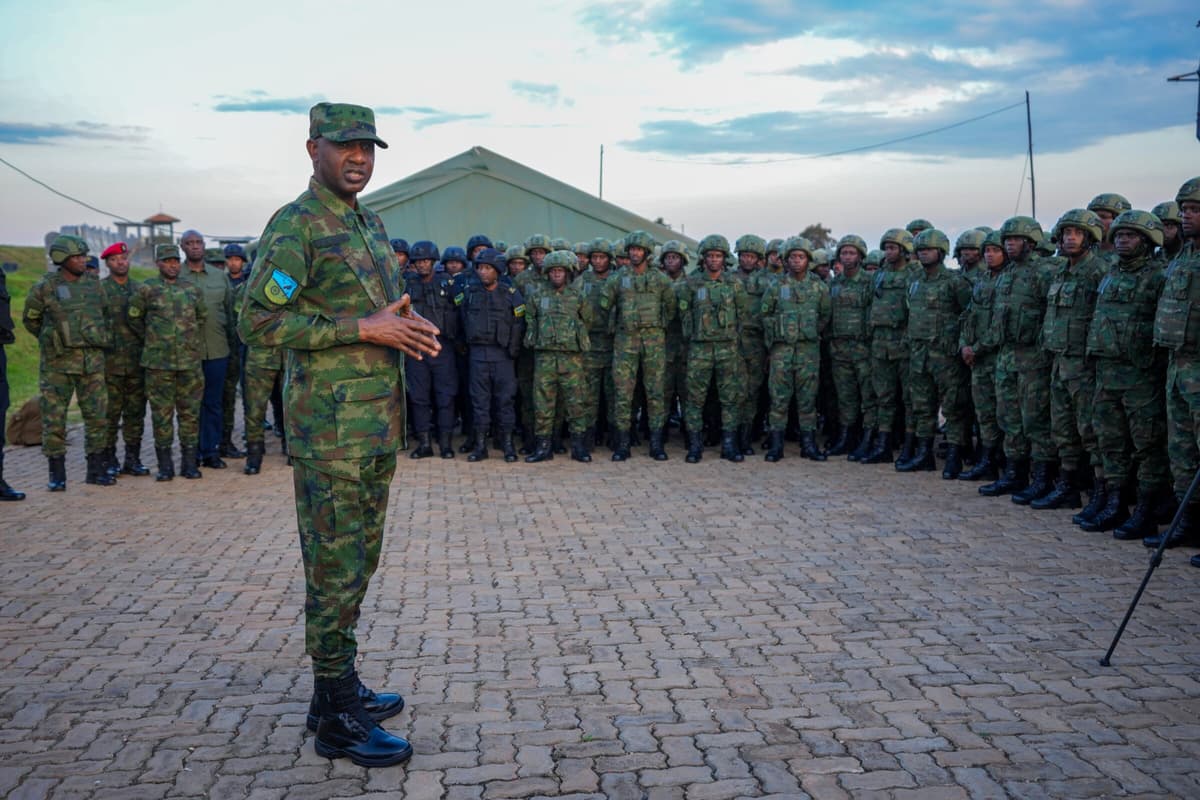
France and Fossil Fuel Giant Total Seek to Keep Rwandan Troops in Mozambique as EU Pulls Funding
France and oil major Total are negotiating ways to keep Rwanda’s Defence Force (RDF) deployed in Mozambique’s insurgency‑hit Cabo Delgado, even as the EU ends its €20 million (≈$22 million) annual funding in May 2026. The RDF mission, in place since 2021,...
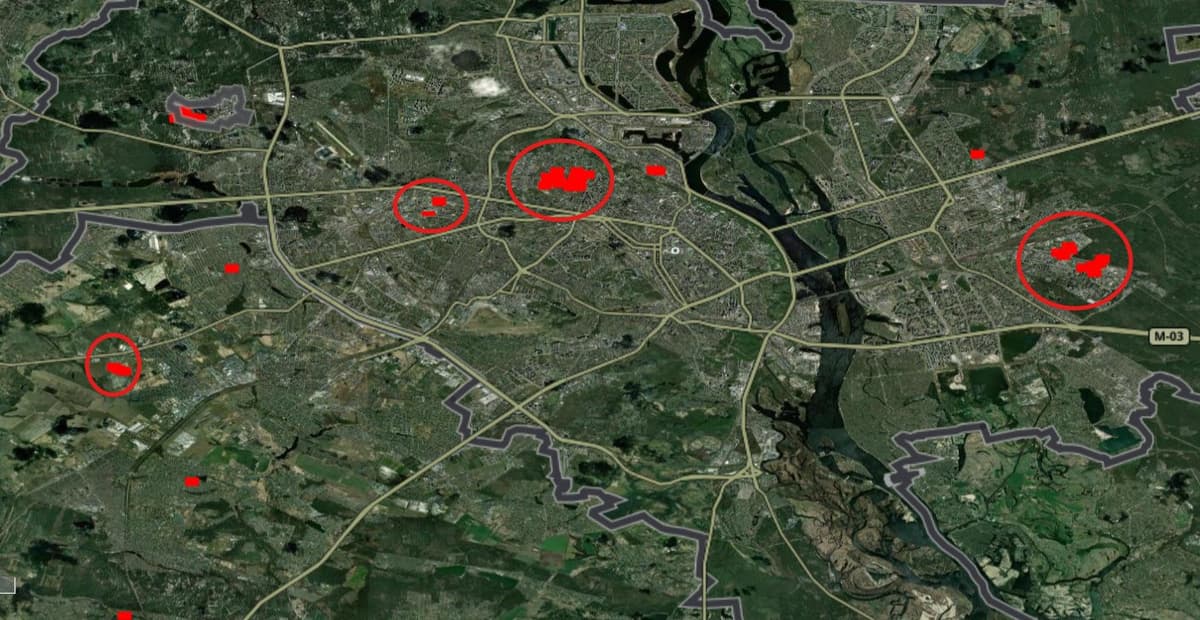
Nuclear-Capable Oreshnik Missile Used on Ukraine — and Pro-War Russians Are Disappointed and Furious with the Results (Ukraine Battlefield Update,...
Russia deployed the nuclear‑capable Oreshnik ballistic missile for the third time, this round without any warhead, relying solely on kinetic impact. The missile was part of a massive air raid on Kyiv that involved roughly 600 drones and 90 missiles,...
![[Interview] Europe’s Data Chief on Sharing Info with US: ‘The Concerns Are Really Big’](/cdn-cgi/image/width=1200,quality=75,format=auto,fit=cover/https://static.euobserver.com/2026/05/DSC_9931-2400x1804.jpg)
[Interview] Europe’s Data Chief on Sharing Info with US: ‘The Concerns Are Really Big’
European Data Protection Supervisor Wojciech Wiewiórowski warned that data‑sharing arrangements with the United States and Israel raise serious privacy risks. His latest annual report noted a sharp rise in complaints about Europol data breaches and highlighted the lack of a...
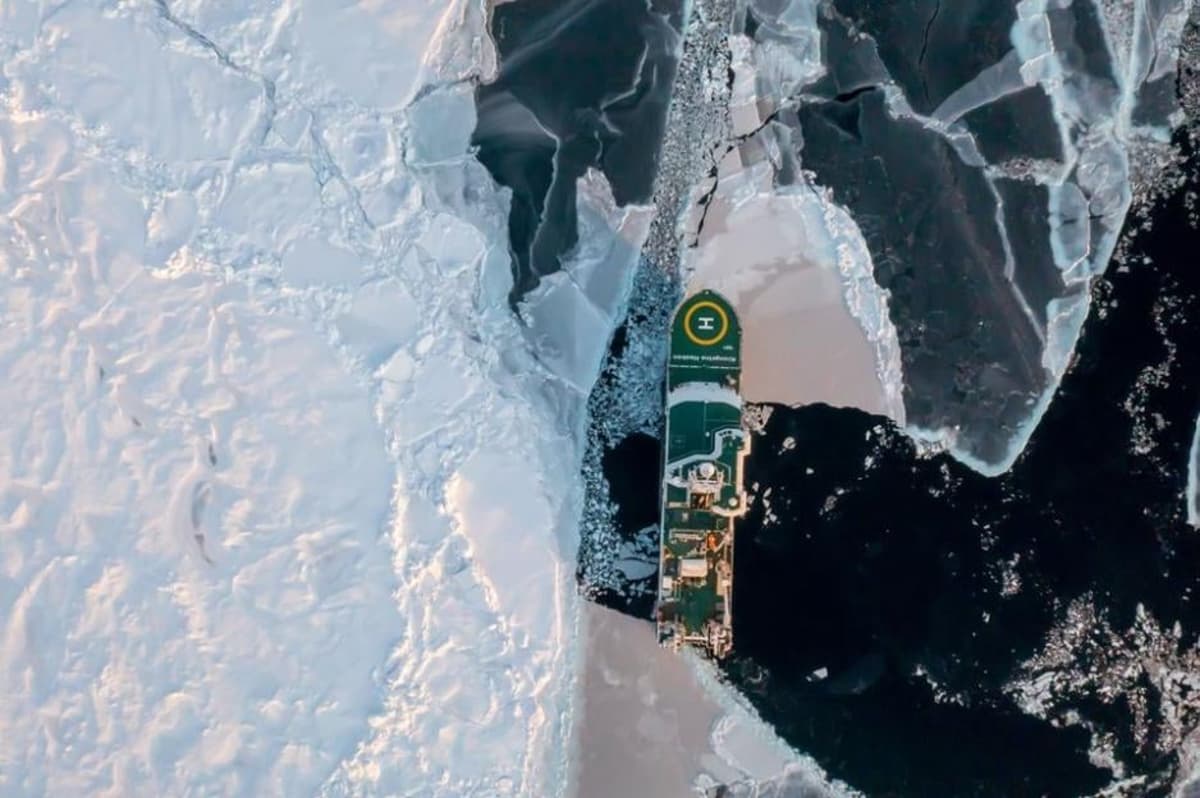
With Hormuz Shut, Norway Urges EU to Rethink Arctic Oil Ban — Despite Analysts and Environmentalists’ Doubts
The EU is re‑examining its 2021 Arctic strategy as the Strait of Hormuz remains effectively closed, prompting concerns over Europe’s oil supply. Norway, through Equinor and a lobby backed by Shell, TotalEnergies and ConocoPhillips, urged the EU to drop its...
Listen: Can the EU Achieve Pharmaceutical Sovereignty?
European reliance on Asian active pharmaceutical ingredients has left the EU vulnerable, as highlighted by medicine shortages during the COVID‑19 pandemic and the Ukraine war. In response, the European Parliament and Council approved the Critical Medicines Act, which adds EU...
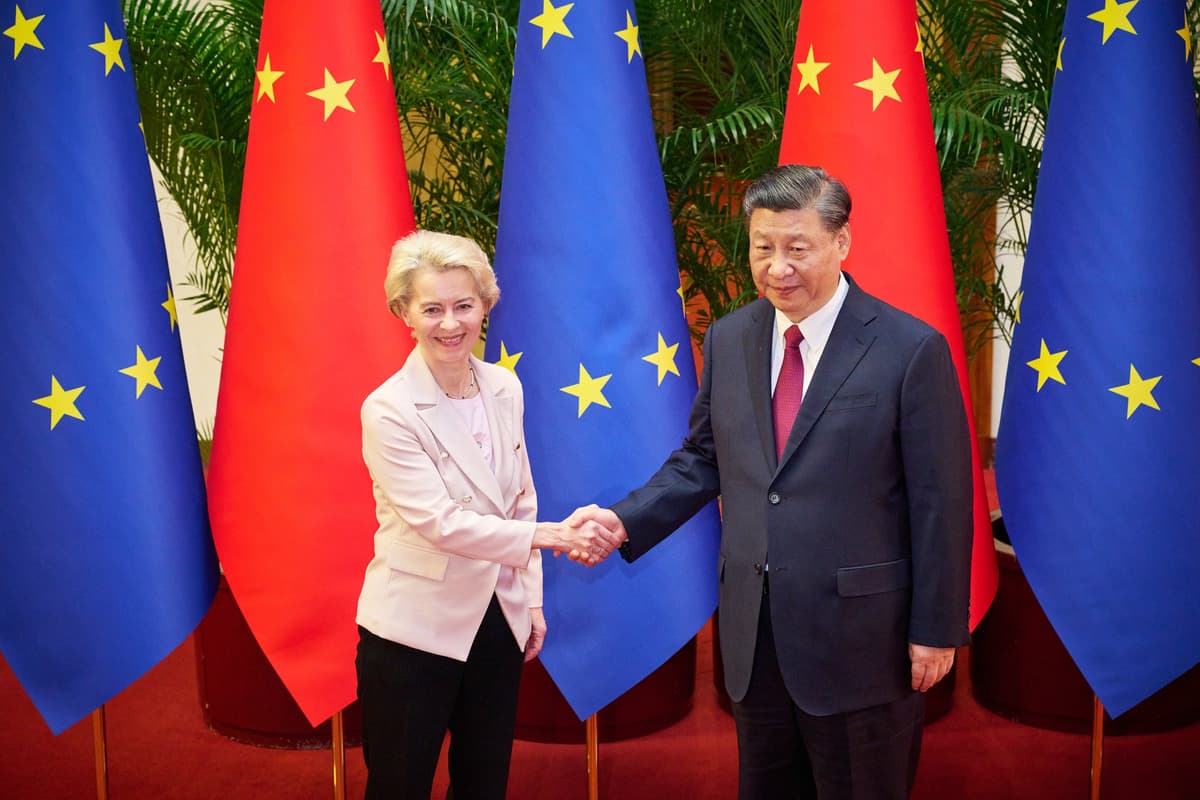
China Threatens Retaliation over New EU Tool to Curb Chinese ‘Overcapacity’
The European Commission is set to discuss an “overcapacity instrument” that would allow the EU to restrict Chinese firms from key markets such as fertilizers, medicines and rare minerals, and could require European buyers to source critical components from at...
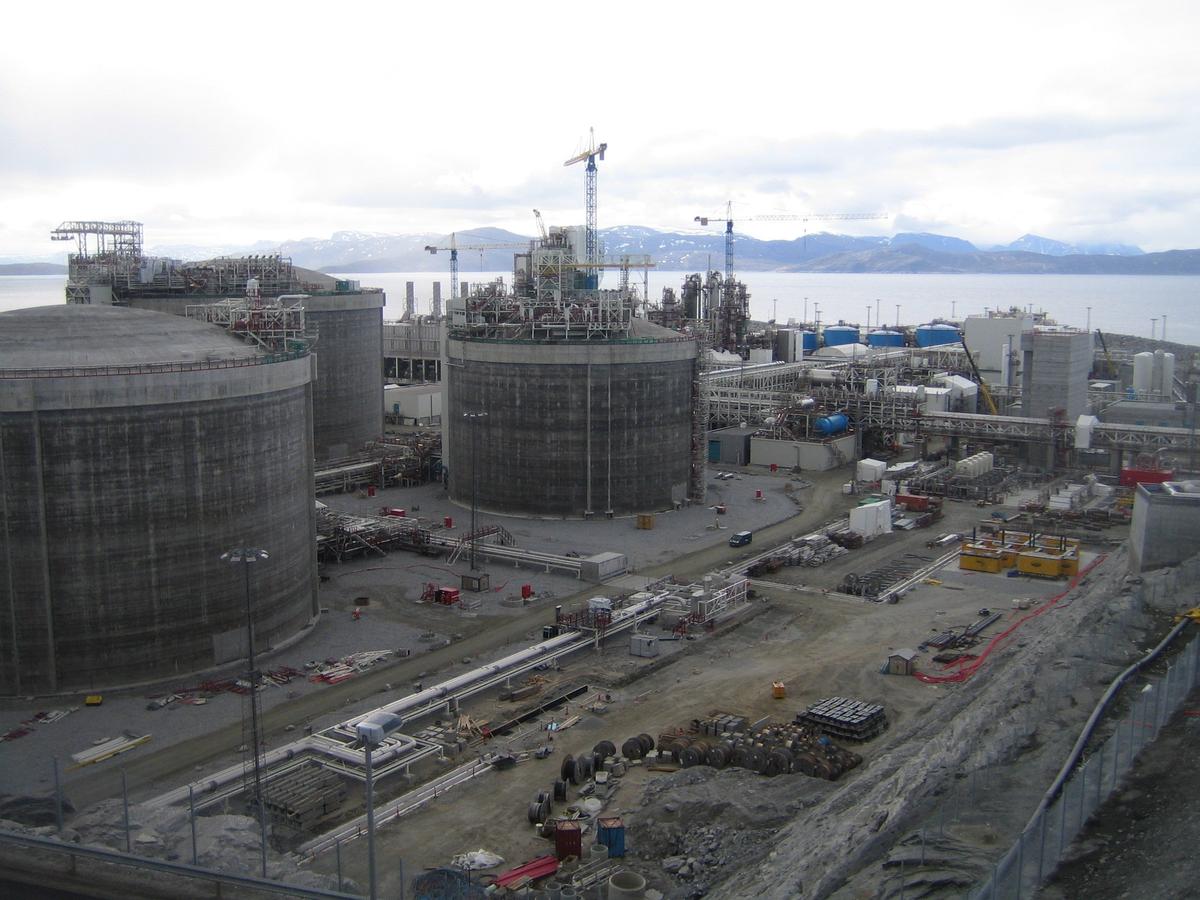
Hormuz Crisis Shows Europe More Exposed to Gas Price Shocks than Before Ukraine War, Study Finds
A new study by researchers from Vienna University of Technology, Oxford, NTNU and Paris Dauphine finds that Europe’s diversification away from Russian gas has left the bloc more vulnerable to gas‑price shocks. The closure of the Strait of Hormuz has pushed...

Brussels Asked for Housing Advice — Then Ignored Its Own EU‑funded Research
The European Union’s Affordable Housing Plan was drafted in crisis mode, emphasizing rapid construction of “affordable” units rather than addressing the structural roots of the housing shortage. Although the Commission assembled a task force, advisory board and commissioned EU‑funded studies,...
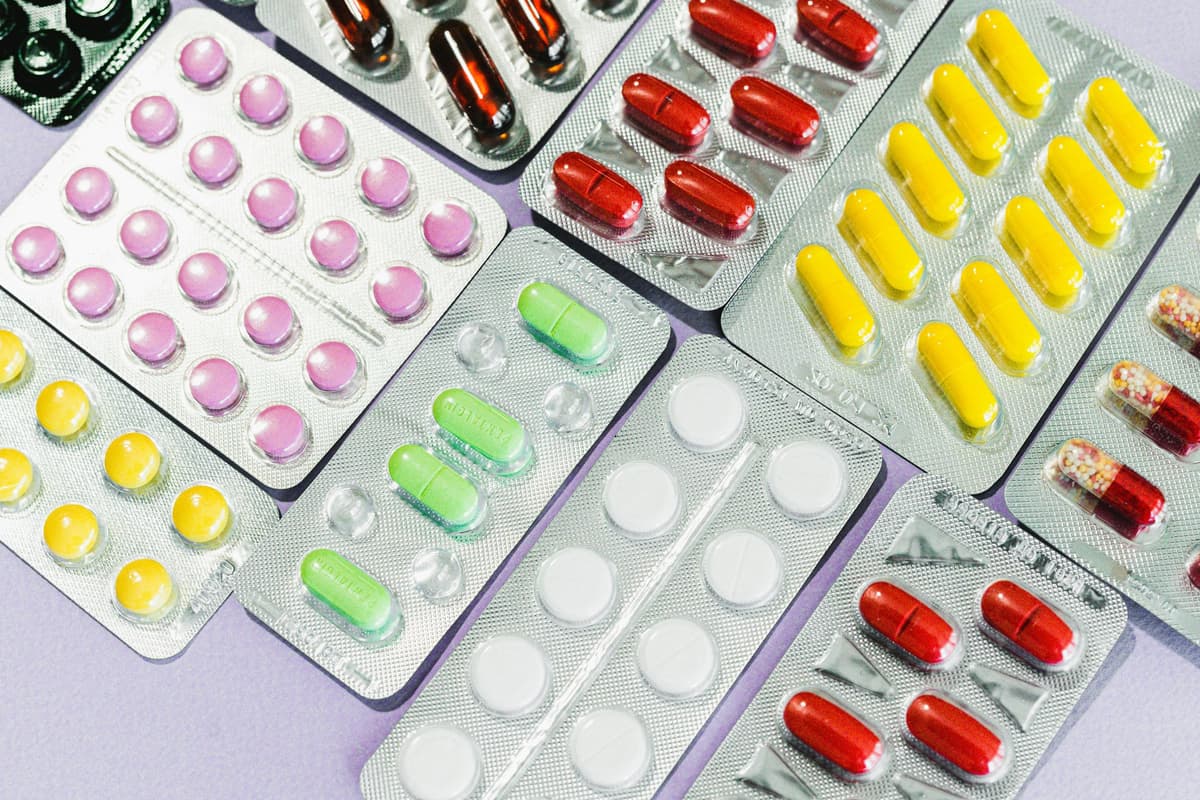
The EU’s Rare Disease Lottery: Why Your Treatment Depends on Whether You Live in Ireland, Germany or Malta
Around 36 million Europeans—one in twelve—live with a rare disease, and treatments known as orphan drugs often carry steep price tags. After EMA approval, each member state must conduct its own health‑technology assessment (HTA) and decide reimbursement, creating a “lottery” of...
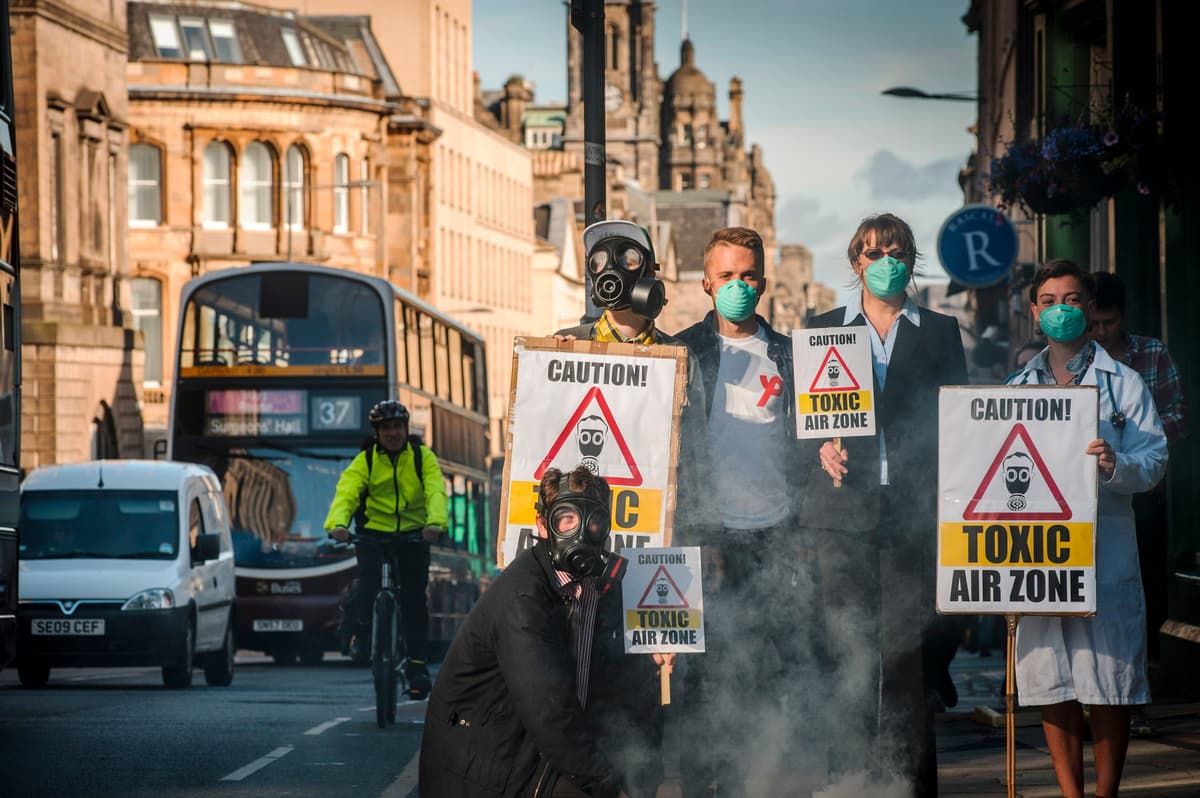
EU Rush to Fix Energy Crisis Risks Stripping Citizens and Nature of Legal Protections
European energy ministers met in Cyprus to discuss cutting reliance on gas from the Strait of Hormuz. The EU Commission’s AccelerateEU proposal seeks to speed up renewable projects by loosening permitting rules, but industry lobbyists are using the same fast‑track...