European Space Agency News
Official ESA news feed with updates on European space missions, satellites, launchers, and technology programs.

Euclid Space Warps: Help Spot Galaxies Bending Spacetime
The Zooniverse‑hosted Space Warps project invites volunteers to hunt for strong gravitational lenses in new images from ESA’s Euclid telescope. In its first tiny slice of data, AI‑assisted citizen scientists uncovered 500 galaxy‑galaxy lenses, and the upcoming Data Release 1 will present 300,000 pre‑selected images from 72 million galaxies. Researchers anticipate more than 10,000 new lenses, a ten‑fold increase over previous finds. The effort aims to sharpen measurements of dark matter and dark energy by exploiting these natural cosmic telescopes.
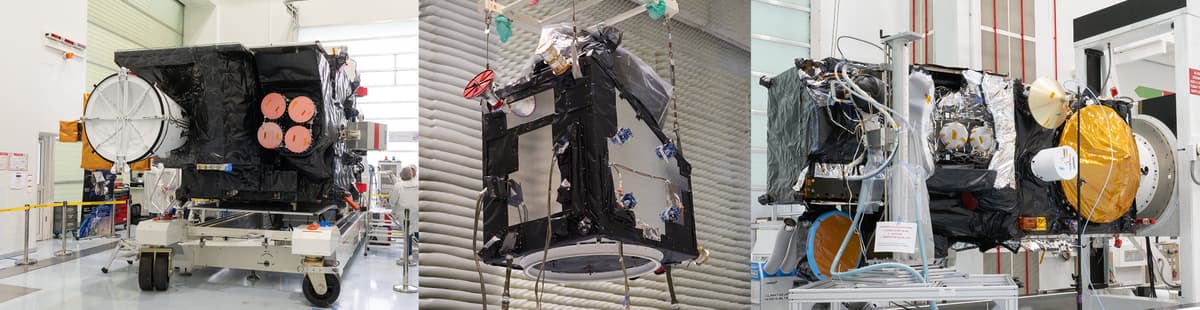
Three ESA-Built Satellites on Show in France
Three ESA‑built Earth observation satellites—FLEX, MTG‑I2 and Sentinel‑3C—have completed functional and environmental testing and were displayed at a media event in Cannes before heading to the French Guiana spaceport. FLEX will map plant fluorescence to refine carbon‑cycle models, MTG‑I2 will boost...

Antarctica’s Vanishing Sea Ice Transforms Marine Life
An ESA‑funded satellite study shows Antarctica entered a low‑ice era about ten years ago, sparking a 70 % rise in summer phytoplankton productivity. The bloom favors salps over the iconic krill, reshaping the Southern Ocean food web. Because salps export far...

First Proba-3 Science: Surprisingly Speedy Solar Wind
The European Space Agency’s Proba‑3 mission has turned artificial eclipses into a repeatable laboratory, delivering 57 artificial solar eclipses and over 250 hours of high‑resolution corona video since July 2025. Using the ASPIICS coronagraph, scientists tracked slow‑wind plasma blobs moving at 250‑500 km s⁻¹,...

Week in Images: 06-10 April 2026
The week’s visual roundup highlights a Sentinel‑2 satellite image of an active lava flow on Réunion’s Piton de la Fournaise, alongside multiple European engineering milestones in NASA’s Orion program and ESA’s Eagle mission‑control. It also showcases a successful ROSE‑L radar...

Week in Images: 30 March - 03 April 2026
The latest "Week in images" roundup showcases a diverse set of space‑related photographs, from a versatile silicon chip to the final glimpse of ESA’s Smile spacecraft. Highlights include the Artemis II launch with Orion and the European Service Module, a rare...

Christine Klein Takes up Duty as Acting Director of Controlling, Finance and Operational Procurement
Christine Klein assumed the role of acting Director of Controlling, Finance and Operational Procurement (D/CFO) at the European Space Agency on 1 April 2026. The new directorate, slated to become operational by 1 June, will centralise financial planning, budget monitoring, procurement and industrial...

Géraldine Naja Takes up Duty as Director of Space Transportation
Géraldine Naja assumed the role of Director of Space Transportation at the European Space Agency on 1 April 2026, while also serving as acting director of the newly named Commercialisation and Industry Partnership directorate. Her appointment follows the retirement of Toni Tolker‑Nielsen, who...

Watch Live: Artemis II Launch
Artemis II, NASA’s first crewed mission to the Moon in over five decades, is slated for launch on 1 April 2026 at 18:24 local time. The European Service Module (ESM) will deploy solar arrays eight minutes after liftoff, provide power and propulsion, and...

Eight More Satellites Added to IRIDE Space Programme
Italy’s IRIDE Earth‑observation programme has added eight new Eaglet II satellites, raising the total constellation to 24 assets in orbit. The launch, performed on SpaceX’s Transporter‑16 from Vandenberg, placed the satellites alongside the first batch deployed in November 2025. Each spacecraft carries...

Celeste’s First Satellites Launched to Explore LEO-Based Satellite Navigation
On 28 March 2026 the European Space Agency launched the first two Celeste satellites aboard Rocket Lab’s Electron from New Zealand, marking the start of a low‑Earth‑orbit (LEO) navigation demonstration. Built by GMV and Thales Alenia Space, the pair will validate new L‑...

Getting to the Core of a Medicane
Medicane Jolina, a rare Mediterranean cyclone, made landfall in Libya in March 2026, providing a high‑resolution case study for scientists. Researchers used a suite of Earth‑observation satellites—including Meteosat, MetOp, NOAA 20/21, and Sentinel‑1—to track its evolution from a cold‑core low to...

Webb & Hubble Capture New Views of Saturn
NASA, ESA, and CSA combined the James Webb Space Telescope’s infrared power with Hubble’s visible‑light imaging to deliver the most detailed, layered view of Saturn to date. The paired observations captured a long‑lived jet stream, remnants of the 2011‑12 Great...

2026 European Space for Sustainability Award Is Now Open for Bold Ideas
The European Space for Sustainability Award, backed by ESA, EISC and ESPI, is now accepting entries from European students and young professionals aged 18‑30. Participants must submit a poster by 3 May 2026 and, if shortlisted, a detailed report by 21 June 2026. Winners...

XRISM Solves Famous Star’s 50-Year Mystery
XRISM’s Resolve spectrometer finally solved the 50‑year mystery of γ Cas by detecting X‑ray plasma moving with an unseen companion. The observations identified a white dwarf accreting material from the massive Be star, confirming the accretion‑driven origin of the system’s unusually...

Tracking Arctic Freshwater Flow From Space
Scientists have used European Space Agency satellite data to create a 20‑year, pan‑Arctic record of river discharge and runoff, revealing that Arctic rivers deliver roughly 4,760 km³ of freshwater to the ocean each year. The new STREAM‑NEXT model, calibrated on the...

Watch Live: First Celeste Launch
On 25 March 2026, ESA’s Celeste low‑Earth‑orbit positioning, navigation and timing (LEO‑PNT) mission will lift off aboard Rocket Lab’s Electron from New Zealand, deploying its first two demonstration satellites. The launch marks the inaugural step of an 11‑satellite constellation designed to test...

Week in Images: 16-20 March 2026
The week of March 16‑20, 2026 was marked by a series of striking space‑related images. NASA’s Artemis II rocket returned to its Kennedy launchpad after a second rollout, while ESA astronaut Sophie Adenot captured the first Cupola view of the εpsilon mission and prepared...

T-20 Days: Smile to Launch on 9 April
The European Space Agency and the Chinese Academy of Sciences will launch the Smile mission on a Vega‑C rocket from French Guiana on Thursday 9 April at 08:29 CEST. The spacecraft will perform the first X‑ray imaging of Earth’s magnetic field and monitor...

ESA Impact: Our Story so Far This Year
In the first quarter of 2026 ESA demonstrated Europe’s autonomous heavy‑lift capability with the successful four‑booster Ariane 6 launch. Copernicus‑3 radar monitored severe flooding in Bordeaux, while astronaut Sophie Adenot joined the International Space Station. A student team prepared a CubeSat...

OHB Sweden to Build Sterna Weather Constellation
The European Space Agency awarded OHB Sweden a contract to build 20 satellites for the EPS‑Sterna weather constellation, with six operational units at any time and two spares. The first six satellites are targeted for launch in 2029, and the...
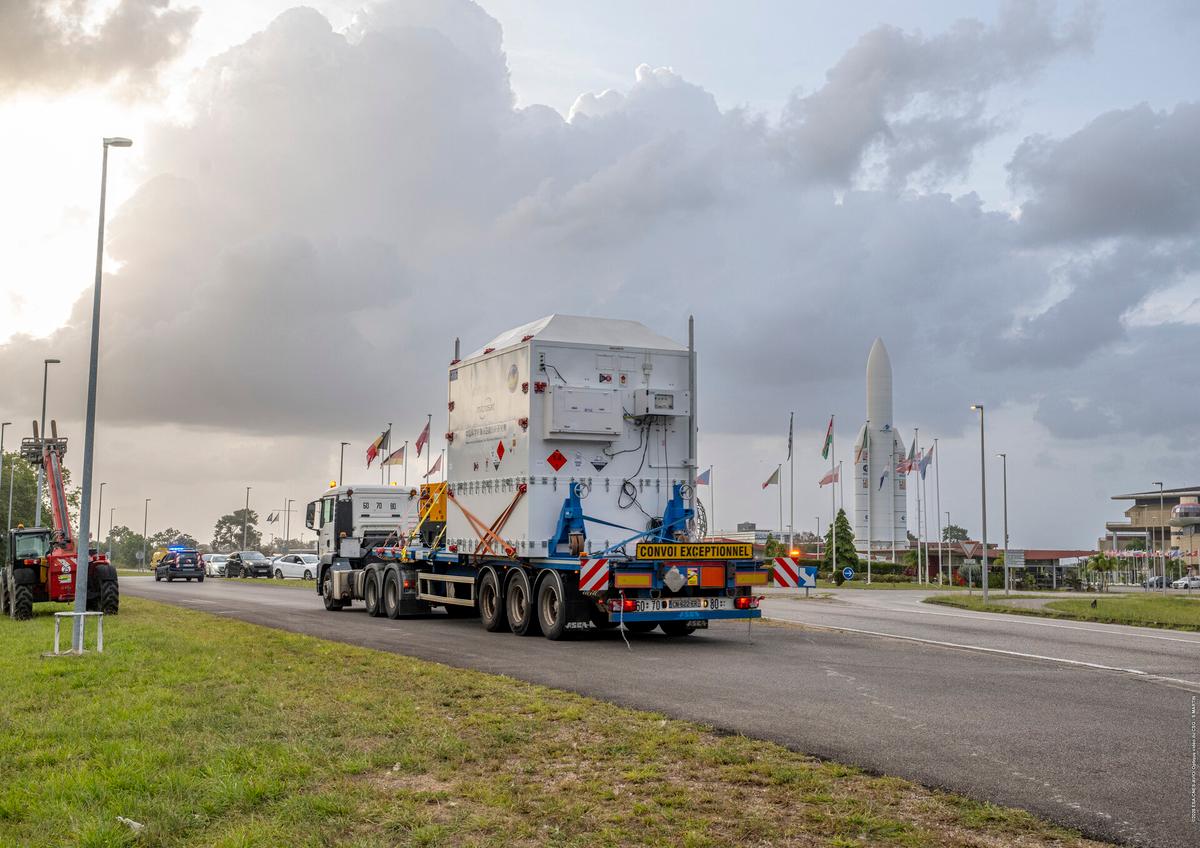
Smile Arrives at Europe’s Spaceport
The ESA‑CAS Smile spacecraft landed at the Guiana Space Centre on 26 February after a two‑week sea voyage aboard the cargo ship Colibri. Over the next weeks the probe will undergo health checks, propellant loading and integration with the Vega‑C launch...
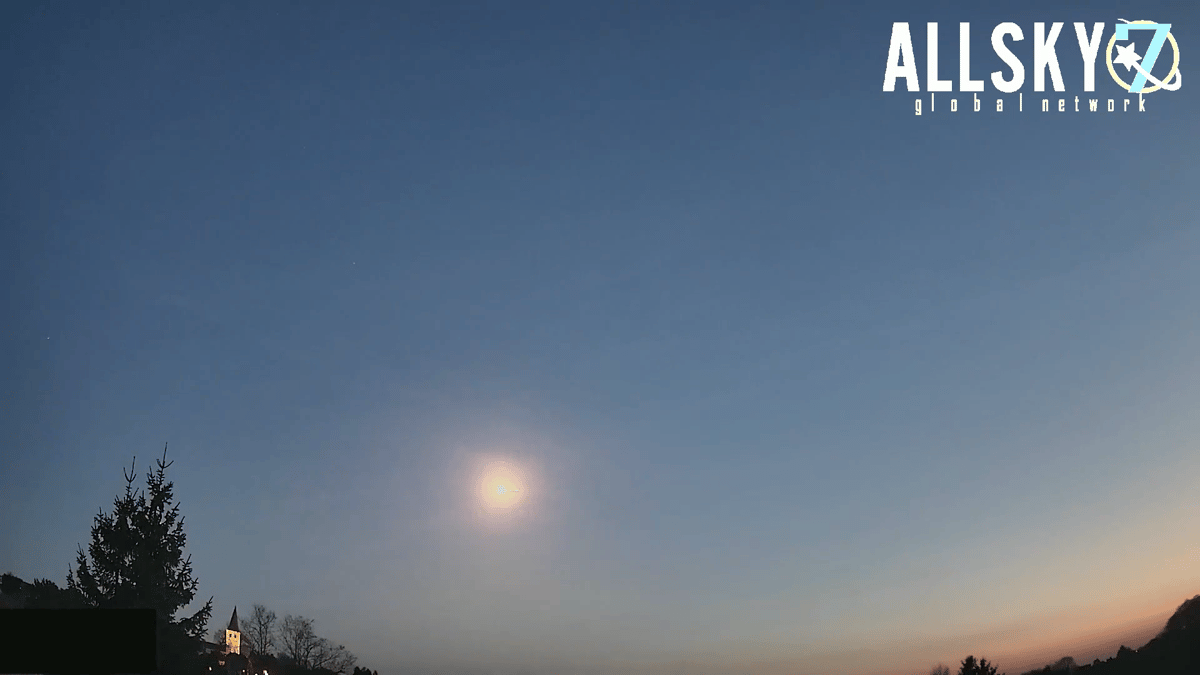
ESA Analysing Fireball over Europe on 8 March 2026
On 8 March 2026 a bright fireball streaked from southwest to northeast across Belgium, France, Germany, Luxembourg and the Netherlands, glowing for about six seconds before breaking apart. The meteoroid, estimated to be a few metres in diameter, left a visible trail...
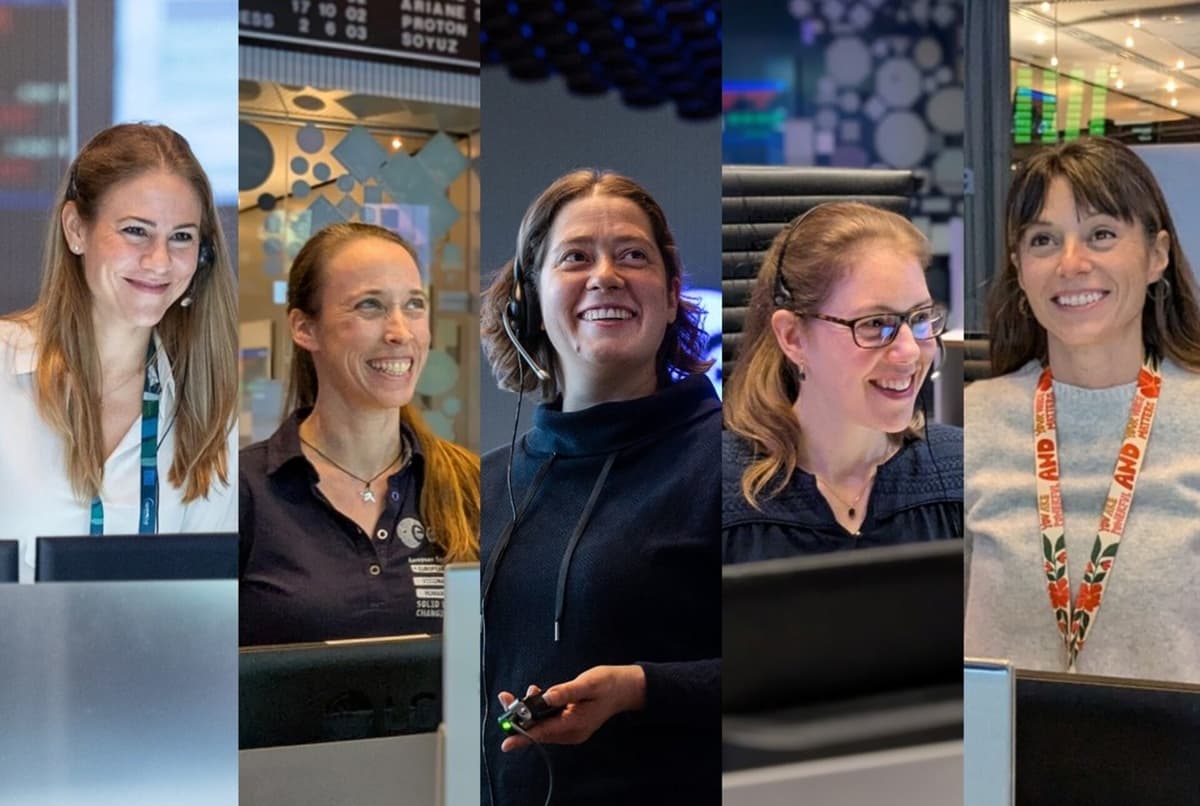
"She Flies Satellites. One Day, I Can Too."
ESA’s European Space Operations Centre (ESOC) spotlighted five senior women who lead spacecraft missions such as JUICE, EarthCARE, and the ExoMars rover, sharing their daily skills and career paths. They highlight the importance of interpersonal communication, calm decision‑making, and human‑centred...
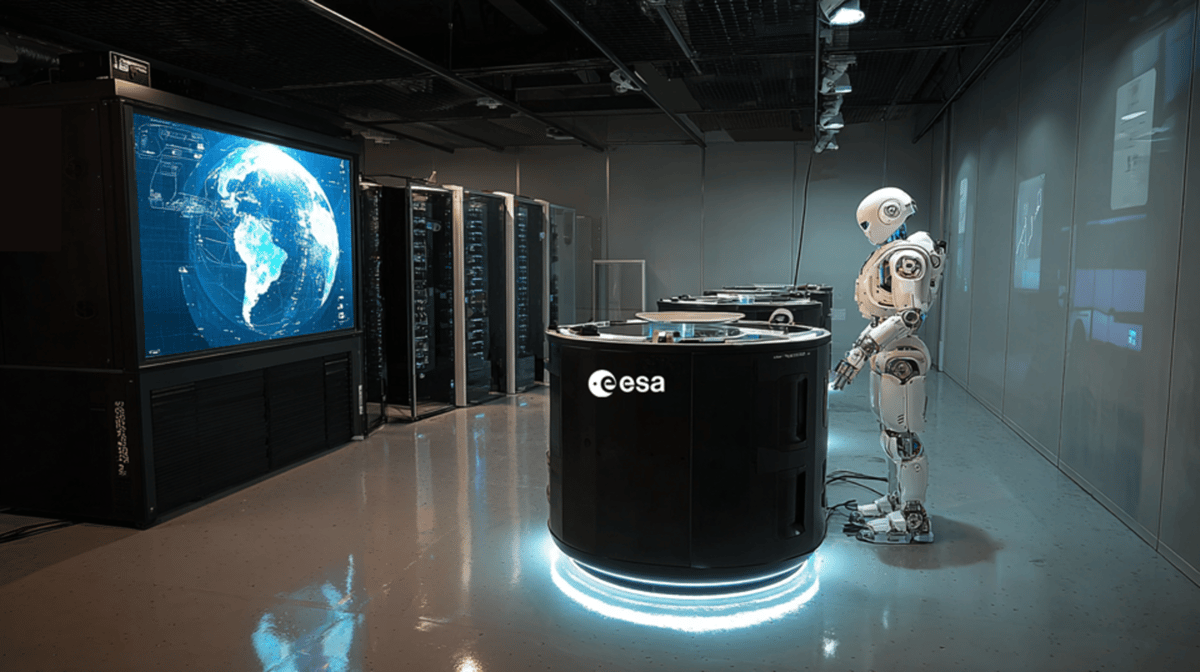
New AI Hub to Empower Space-Enabled Connectivity
The European Space Agency announced a new AI Hub at its ECSAT campus in Oxfordshire, backed by the UK Space Agency. The facility will provide a testbed for AI‑driven satellite and converged communications, extending the capabilities of ESA’s existing 5G/6G...

Asteroid 2024 YR4 Will Not Impact the Moon
Asteroid 2024 YR4, a 60‑metre near‑Earth object, once carried a 4 % chance of striking the Moon in December 2032. New observations with JWST’s NIRCam in February 2026 precisely measured its orbit, eliminating the lunar‑impact risk. The asteroid will safely miss the Moon by...
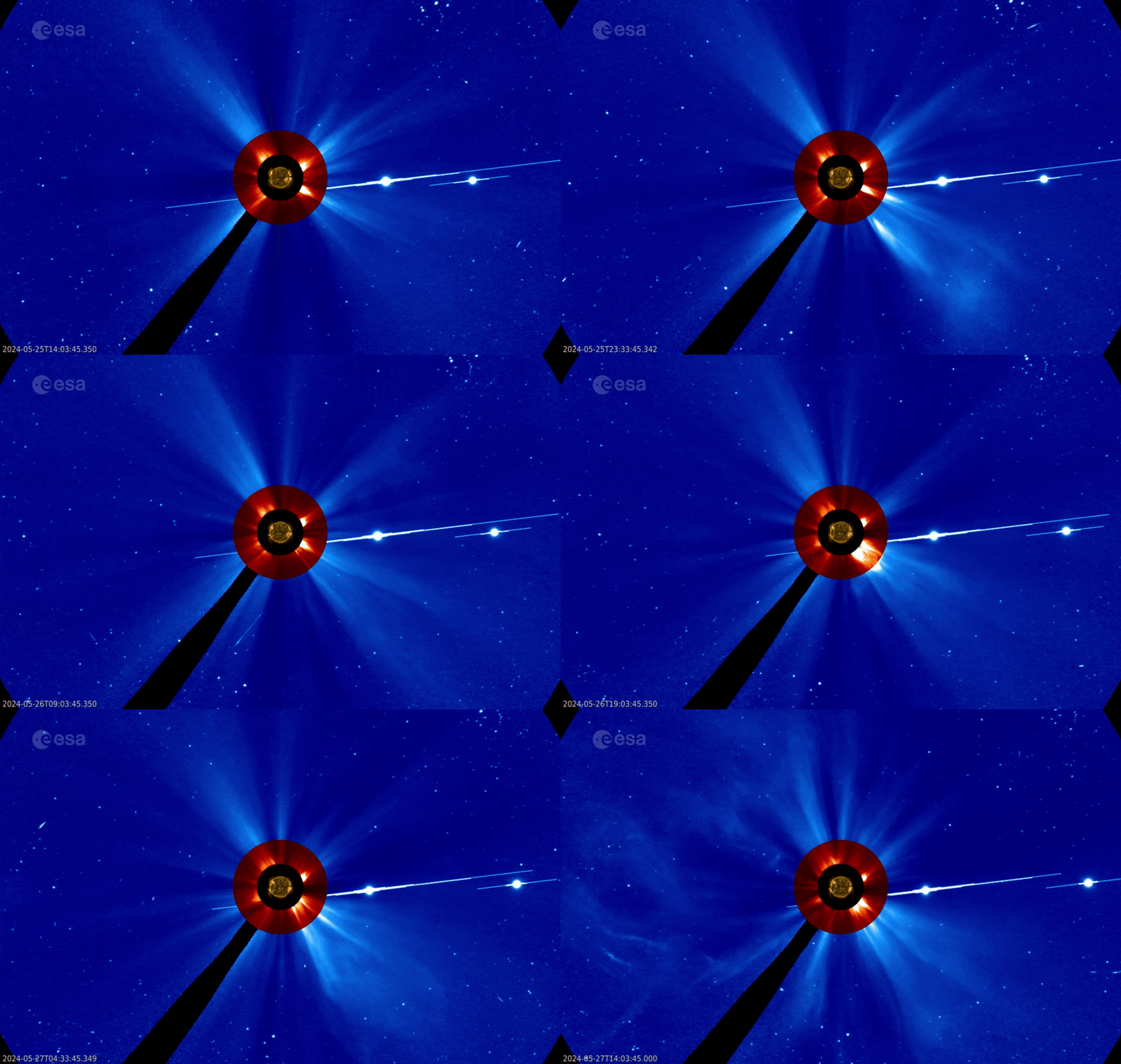
ESA’s Mars Orbiters Watch Solar Superstorm Hit the Red Planet
ESA’s Mars Express and ExoMars Trace Gas Orbiter captured the May 2024 solar superstorm’s effects on the Red Planet, revealing unprecedented electron spikes in the upper atmosphere. A radiation monitor on TGO logged a dose equivalent to 200 Earth days in...

World-First Gigabit-per-Second Laser Link Between Aircraft and Geostationary Satellite
European Space Agency, Airbus Defence and Space, TNO and TESAT have demonstrated the world’s first gigabit‑per‑second laser link between a moving aircraft and a geostationary satellite. During test flights over Nîmes, the UltraAir optical terminal maintained an error‑free 2.6 Gbps connection...
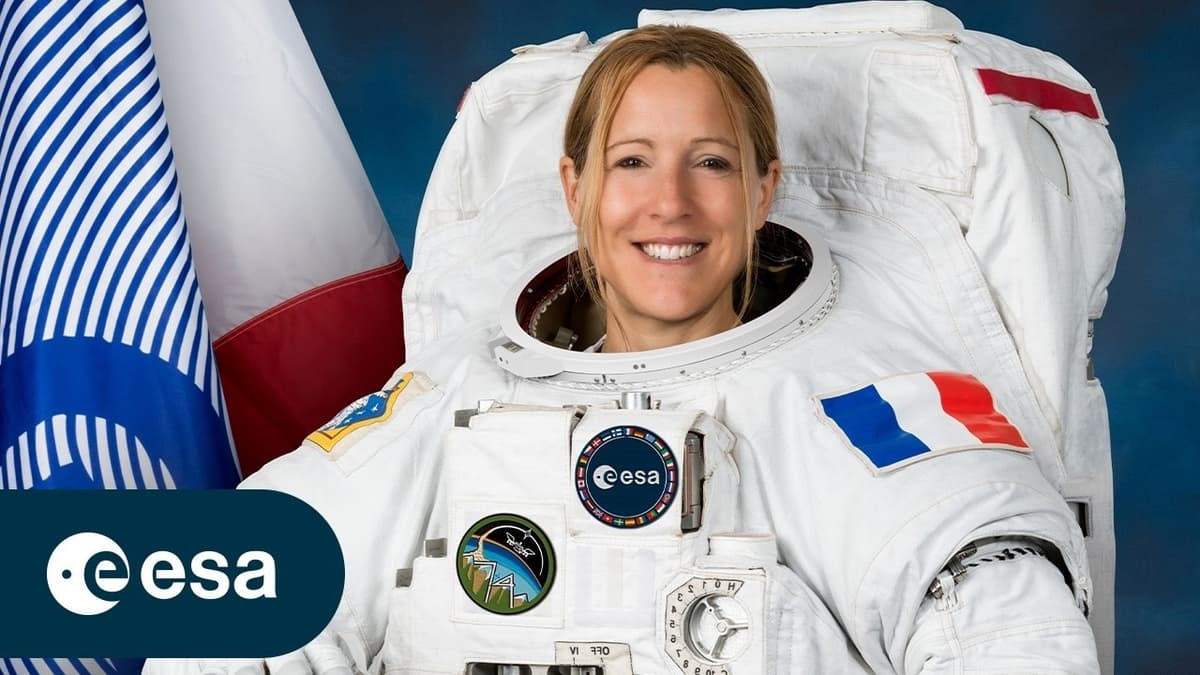
Meet ESA Astronaut Sophie Adenot | Εpsilon Mission
The video profiles ESA astronaut candidate Sophie Adenot, who has been assigned to the agency’s upcoming εpsilon mission. Born in Burgundy, France, Adenot narrates how a childhood fascination with adventure and exploration evolved into a concrete goal of reaching space. Adenot...

Smile Sets Sail for Europe’s Spaceport in French Guiana
The ESA‑China SMILE spacecraft has completed its Atlantic crossing and arrived at Kourou’s Europe’s Spaceport, ready for integration with a Vega‑C launcher. A launch window from 8 April to 7 May 2026 has been set, targeting a comprehensive study of Earth’s response...

Webb Maps Uranus's Mysterious Upper Atmosphere
An international team led by Paola Tiranti used JWST’s NIRSpec to produce the first three‑dimensional map of Uranus’s upper atmosphere, extending to 5,000 km above the cloud tops. The observations reveal temperature peaks of about 426 K between 3,000 and 4,000 km and...
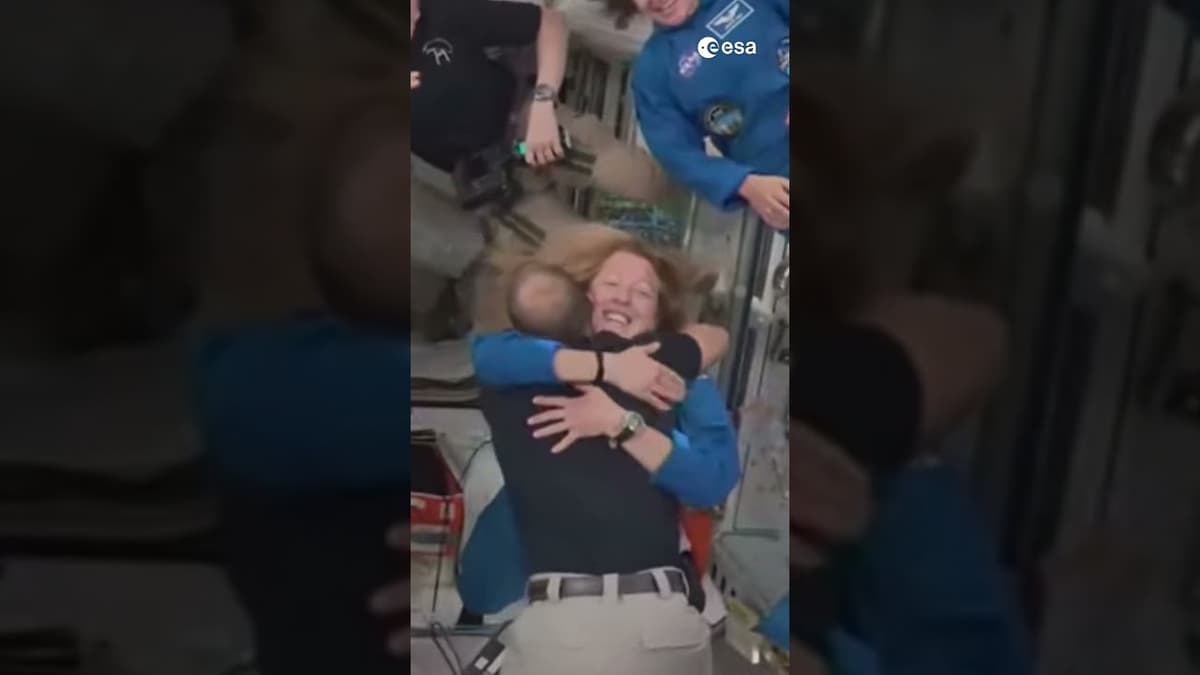
When It's Been Your Dream Since Childhood 👩🚀🚀✨
European Space Agency astronaut Sophie Adenot becomes the first member of the Hoppers class to launch to the International Space Station. She named her nine‑month expedition εpsilon, marking a personal milestone and a first for her cohort. On the ISS,...
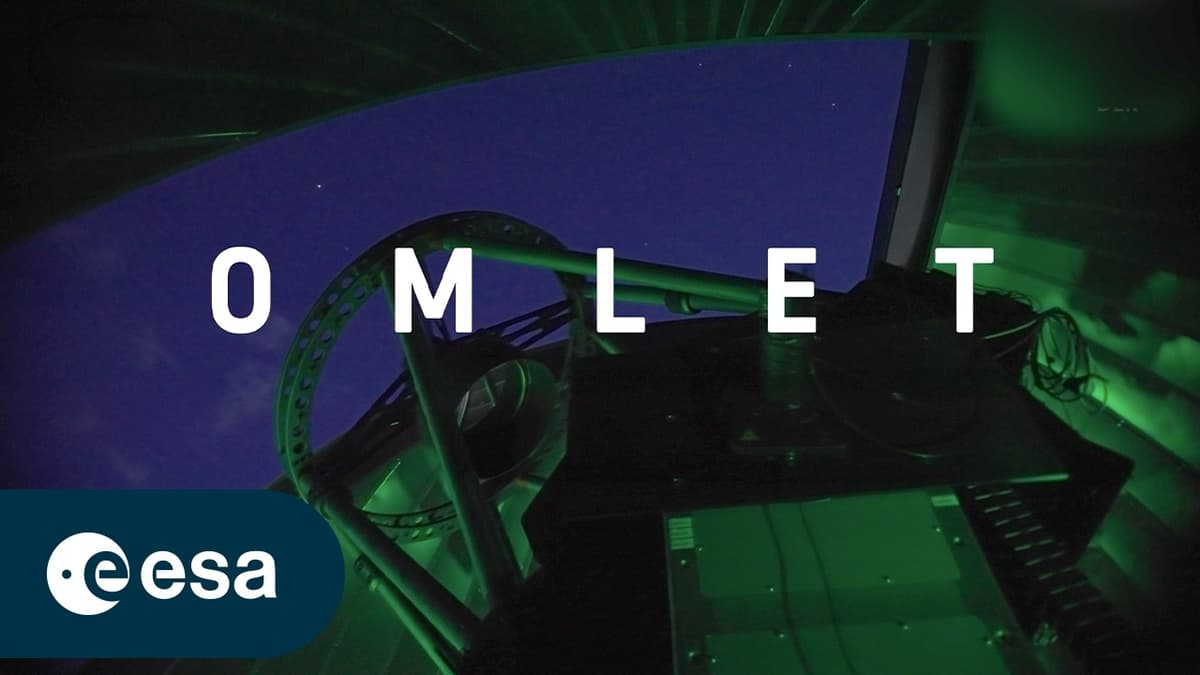
Moving Space Debris Out of the Way with OMLET
The European Space Agency’s OMLET (Orbit Maintenance via Laser Momentum Transfer) project tackles the growing risk of space debris by proposing a ground‑based high‑power laser system that nudges objects in low Earth orbit onto safer trajectories. The initiative, led by...

River Deltas Are Sinking Faster than the Sea Is Rising
New research using a decade of Copernicus Sentinel‑1 radar data shows that many of the world’s major river deltas are sinking faster than global sea‑level rise. More than half of the 40 deltas examined are subsiding at rates above 3 mm...
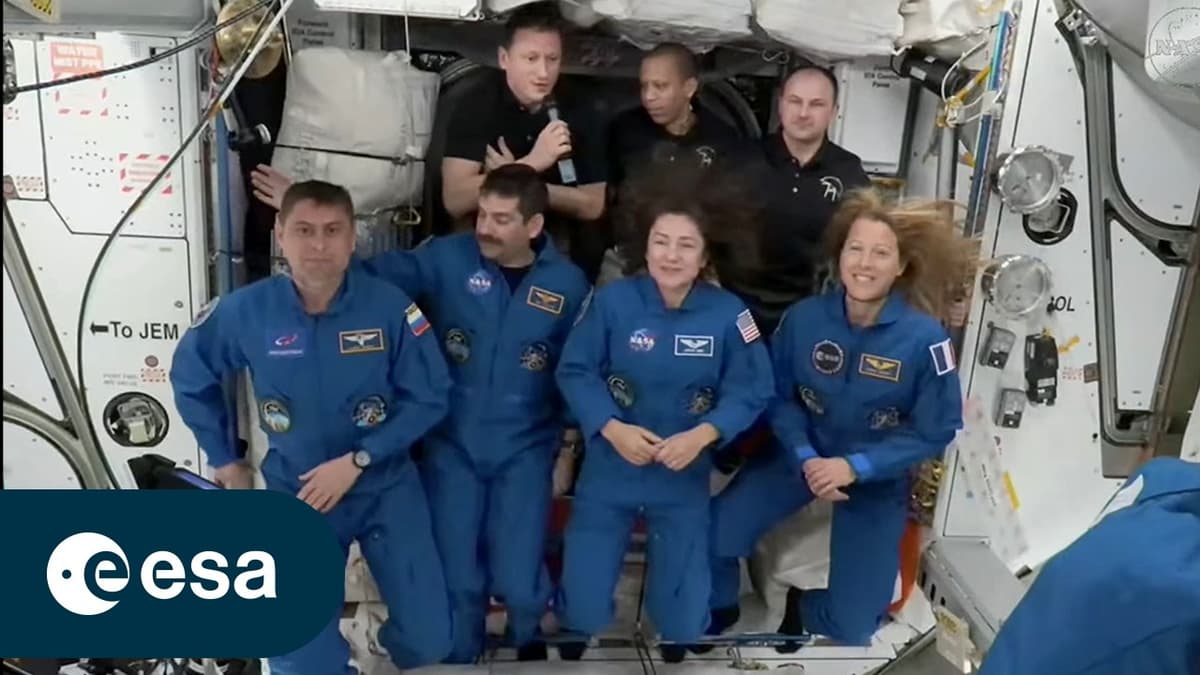
Crew-12 Arrives at the International Space Station | Εpsilon Mission
The video captures SpaceX’s Crew‑12 Dragon capsule’s final approach and docking with the International Space Station, broadcast from Houston’s “big loop” mission control. Controllers announce soft‑capture completion, followed by a seamless hard‑dock, confirming the commercial crew vehicle’s reliable performance. The footage...
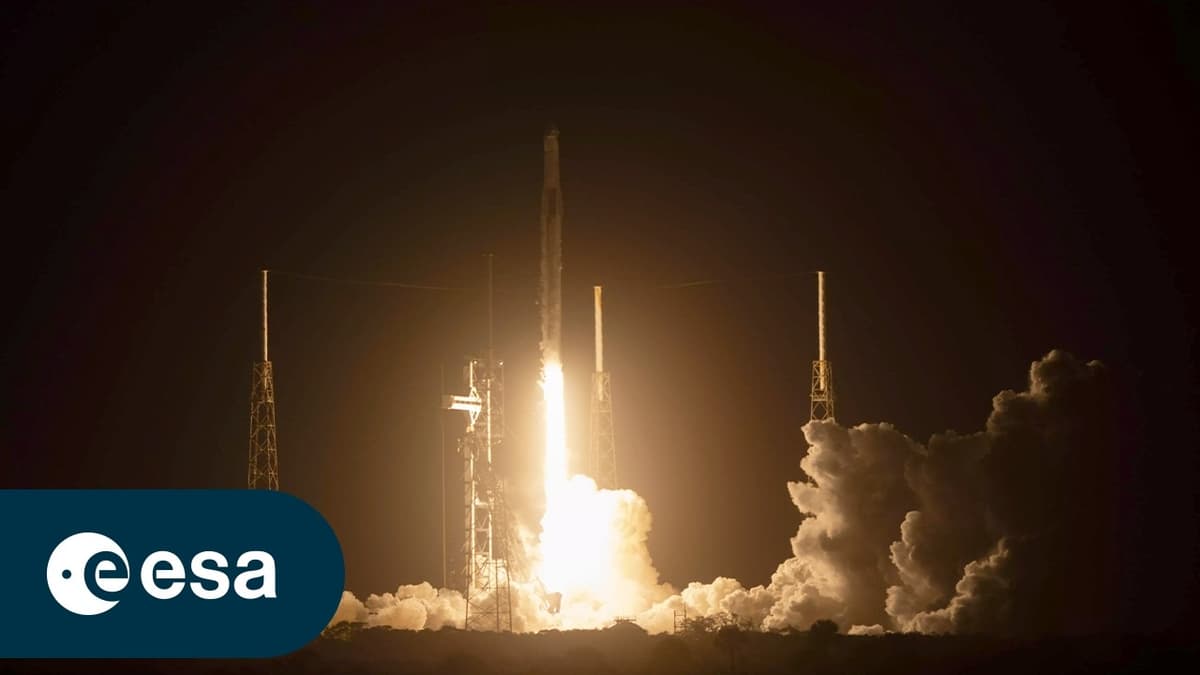
Launch of Crew-12 with Sophie Adenot | Εpsilon Mission
SpaceX’s Falcon 9 rocket launched the Crew‑12 mission, carrying astronaut Sophie Adenot, from Launch Complex 40 at 7 million newtons of thrust, marking another milestone for the commercial crew program. The vehicle performed a controlled pitch‑over maneuver before reaching Max Q, the point of peak...
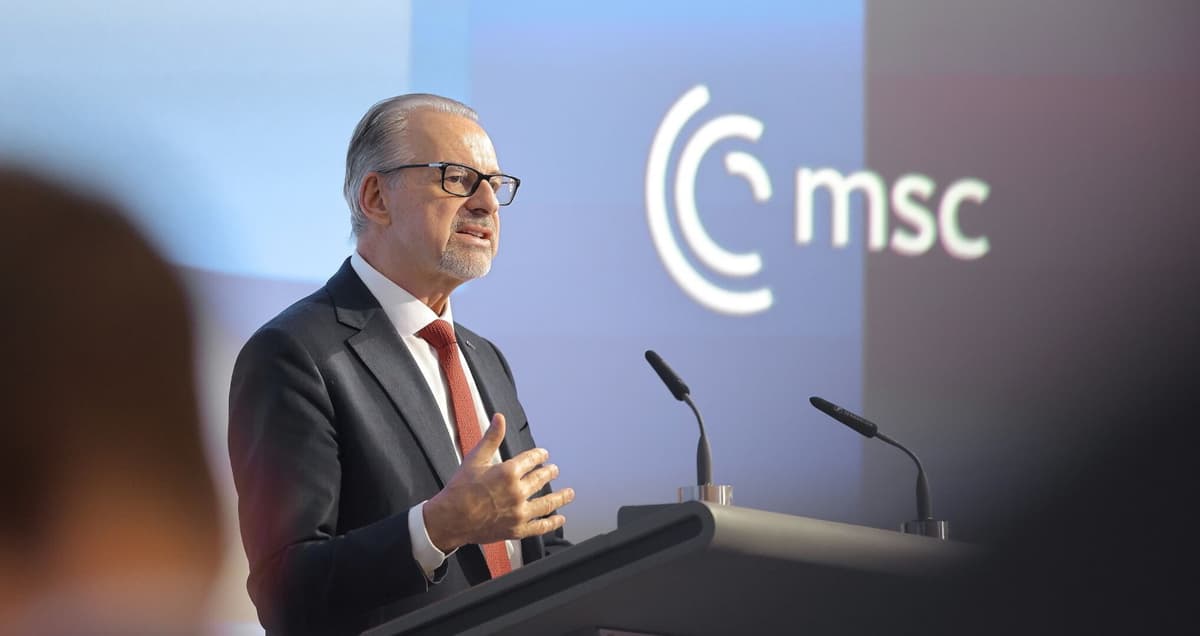
ESA Will Engage Global Leaders at the Munich Security Conference 2026
The European Space Agency will attend the 62nd Munich Security Conference (MSC) from 13‑15 February 2026, with Director General Josef Aschbacher joining heads of state, industry CEOs and security experts. ESA aims to showcase how space systems underpin Europe’s competitiveness,...

ESA Awards Contracts for Ramses Mission to Apophis
The European Space Agency has signed an €81.2 million contract with OHB Italia to build the Rapid Apophis Mission for Space Safety (Ramses), slated for launch in 2028. The spacecraft will rendezvous with near‑Earth asteroid Apophis ahead of its close Earth...

Intense Rainfall Brings Floods Across Iberian Peninsula
Intense winter storms Kristin, Leonardo and Marta drenched the Iberian Peninsula in early February 2026, delivering over 500 mm of rain in 24 hours in parts of Spain and more than 250 mm across the region in a week. The deluge triggered severe...
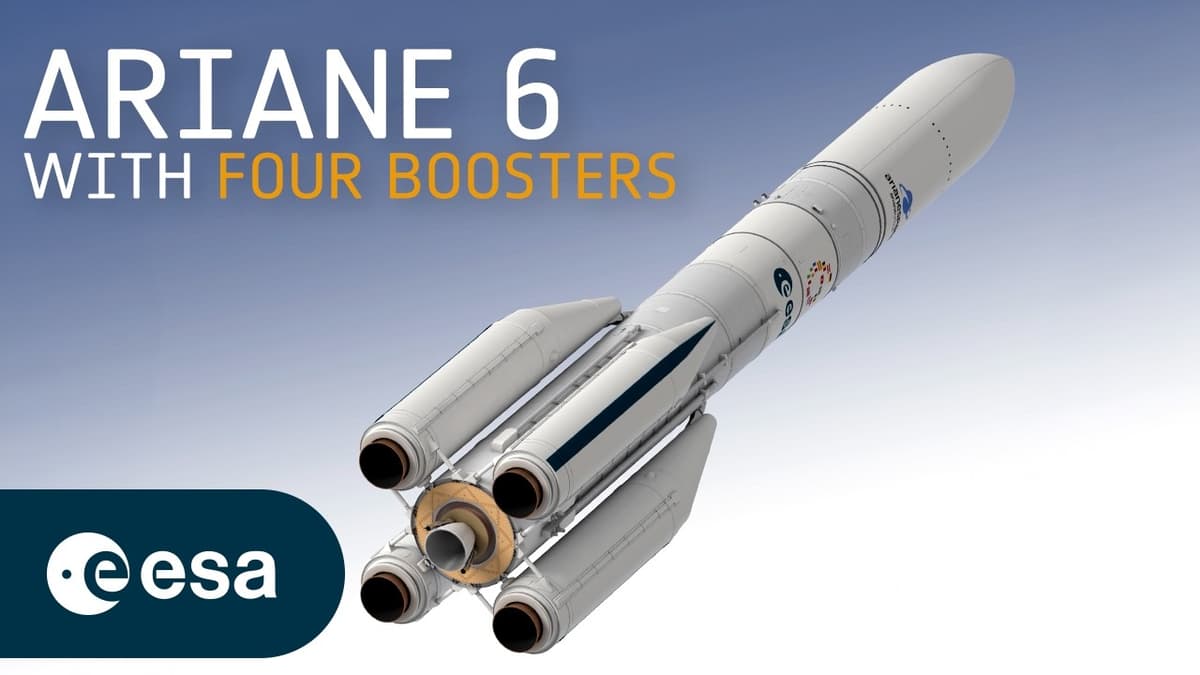
Ariane 6: More Boosters, More Power
The video announces the inaugural flight of Ariane 6’s most powerful configuration, featuring four strap‑on boosters. This modular launch vehicle is designed to scale its thrust, employing two boosters for lighter payloads and four when maximum performance is required. In its four‑booster...

Earth From Space: Olympic View
The Copernicus Sentinel-2 satellite has released a high‑resolution view of northern Italy as the 2026 Winter Olympics open. The image spotlights the main competition venues, from alpine slopes to the Olympic village, illustrating the mission’s precise Earth‑observation capabilities. ESA used...
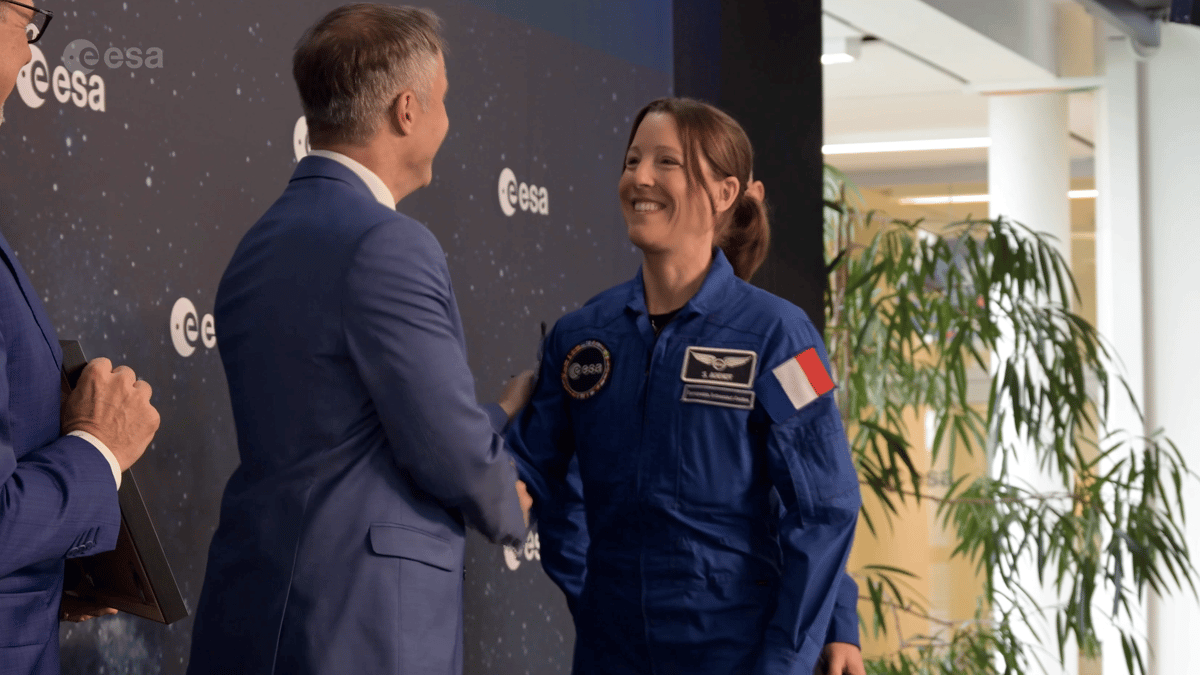
Sophie Adenot Ready for First Space Mission
ESA astronaut Sophie Adenot is set to launch on the εpsilon mission, her first flight to the International Space Station. She will travel alongside NASA and Roscosmos colleagues as part of a multinational crew. On the ISS, Adenot will conduct a...

Explore Mars’s Flaugergues Crater
The European Space Agency released a new Mars Express video that flies around Flaugergues Crater in the planet’s southern highlands. The footage is accompanied by a detailed map showing the spacecraft’s camera path and high‑resolution stills of the crater’s interior....
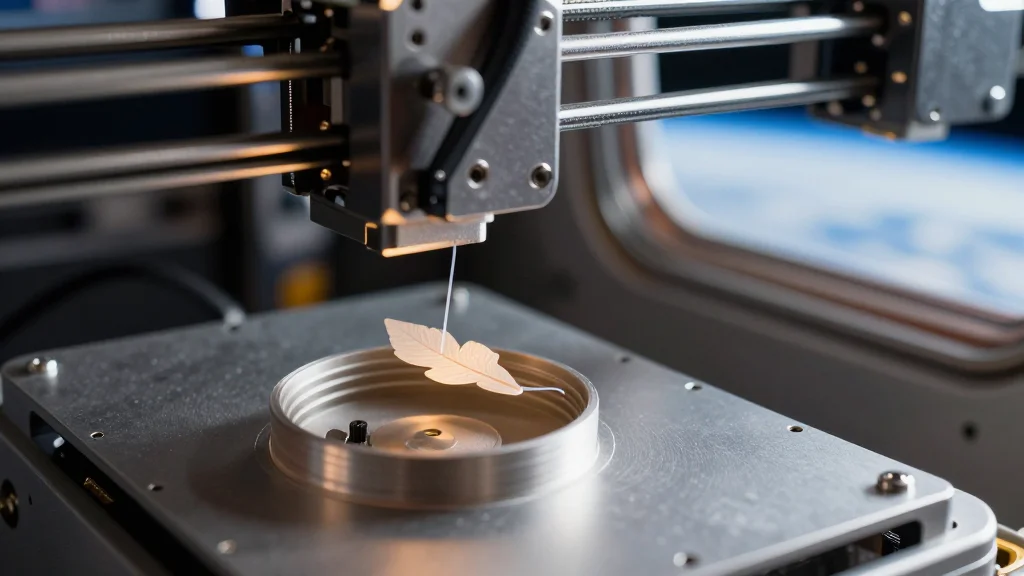
ESA's Sustainability Ambition
The European Space Agency (ESA) is foregrounding sustainability across its portfolio, from clean‑space initiatives and zero‑debris targets to eco‑design of missions. Recent milestones include a metal 3D printer’s first product on the International Space Station and the upcoming EarthCARE satellite...

Week in Images: 26-30 January 2026
ESA’s weekly image roundup for 26‑30 January 2026 highlights a mix of human spaceflight, launch preparation, and Earth observation. The gallery features Roscosmos, NASA and ESA astronauts, the Ariane 6 VA267 booster on the pad, and Sentinel‑2 coastal imagery over China. Additional visuals...
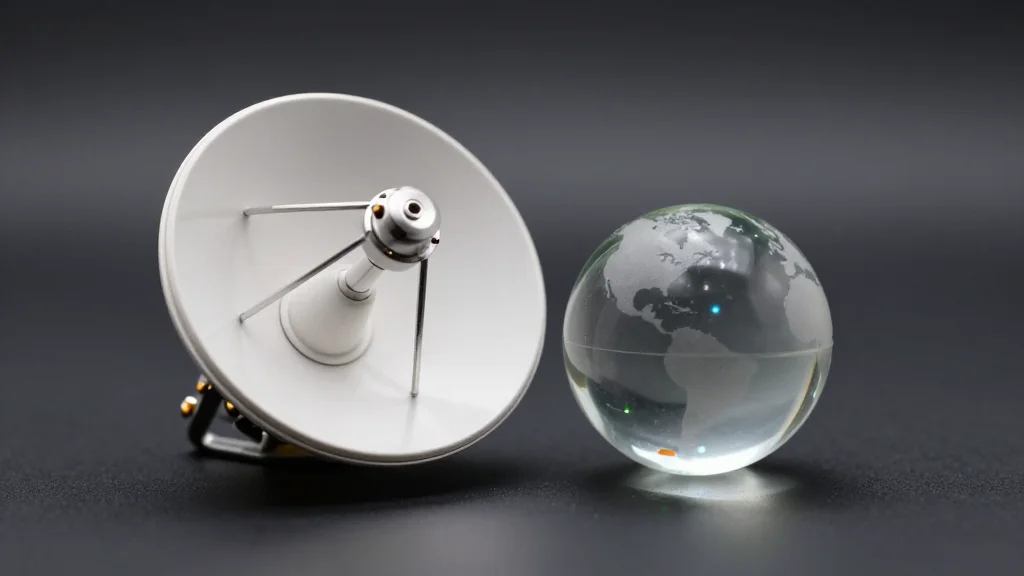
Laurent Jaffart Appointed Director of Resilience, Navigation and Connectivity
The European Space Agency Council approved Laurent Jaffart’s reassignment to the newly created Director of Resilience, Navigation and Connectivity (D/RNC) role, effective 1 February 2026. The position reinforces ESA’s focus on resilience, navigation and connectivity to meet the security and defence priorities of...

Earth From Space: Rudong Coast, China
The European Space Agency released a new Sentinel‑2 image of Rudong County’s coastline on China’s eastern seaboard. The high‑resolution optical data showcases the region’s shoreline, wetlands and nearby maritime traffic. ESA highlighted the image as part of its open‑access Copernicus...
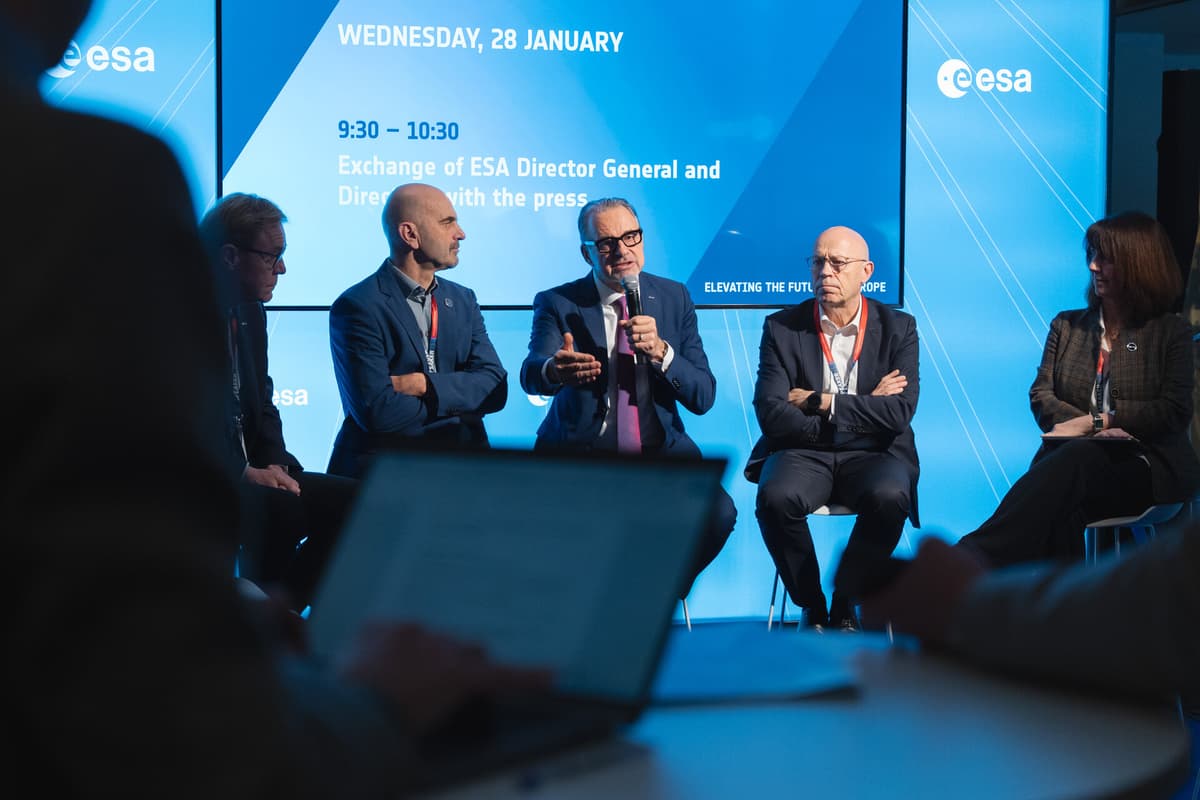
ESA at the European Space Conference - Day 2
ESA wrapped up Day 2 of the 18th European Space Conference in Brussels with Director General Josef Aschbacher delivering a second keynote on space resilience and security. The agency’s directors participated in media interviews, student meetings, and panels covering Earth observation,...
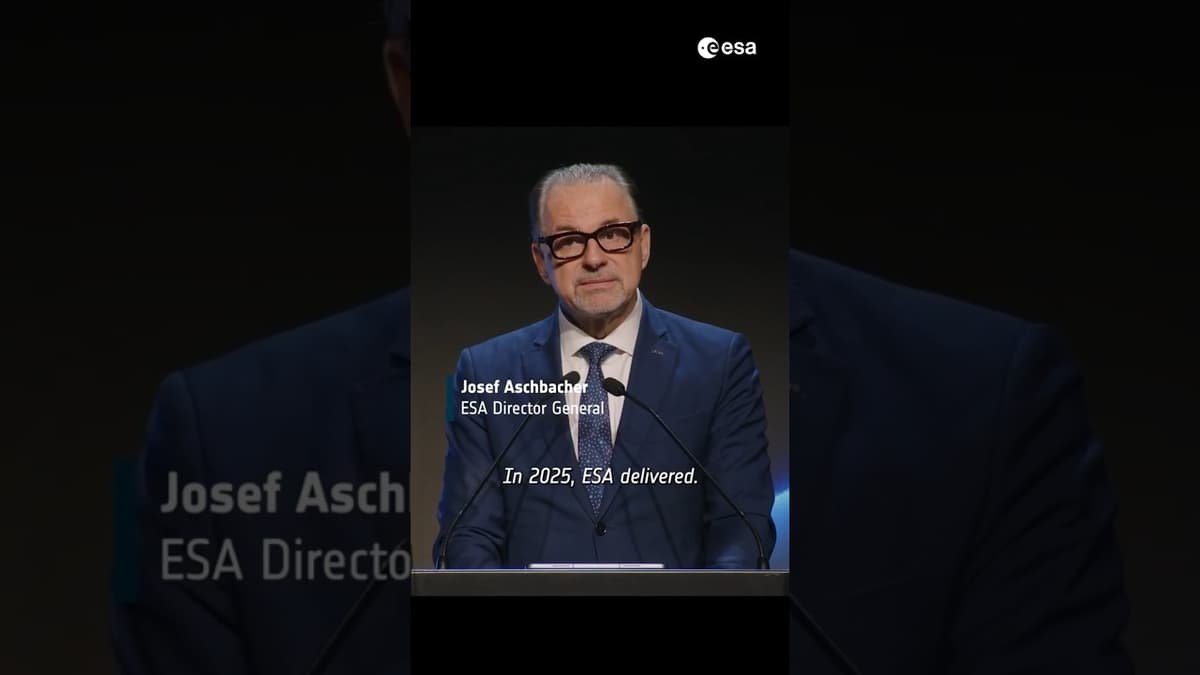
Why Space Is Now a Strategic Priority for Europe
The European Space Agency (ESA) announced that 2026 will be a watershed year for the continent’s space agenda, moving from the 2025 delivery phase into full‑scale implementation. The plan calls for launching 65 missions—roughly half again as many as in...

1400 Quirky Objects Found in Hubble's Archive
Astronomers at ESA deployed an AI‑driven neural network called AnomalyMatch to comb through roughly 100 million Hubble Legacy Archive cutouts in just 2.5 days. The system flagged about 1,400 anomalous objects, of which more than 800 have never been recorded in the...