
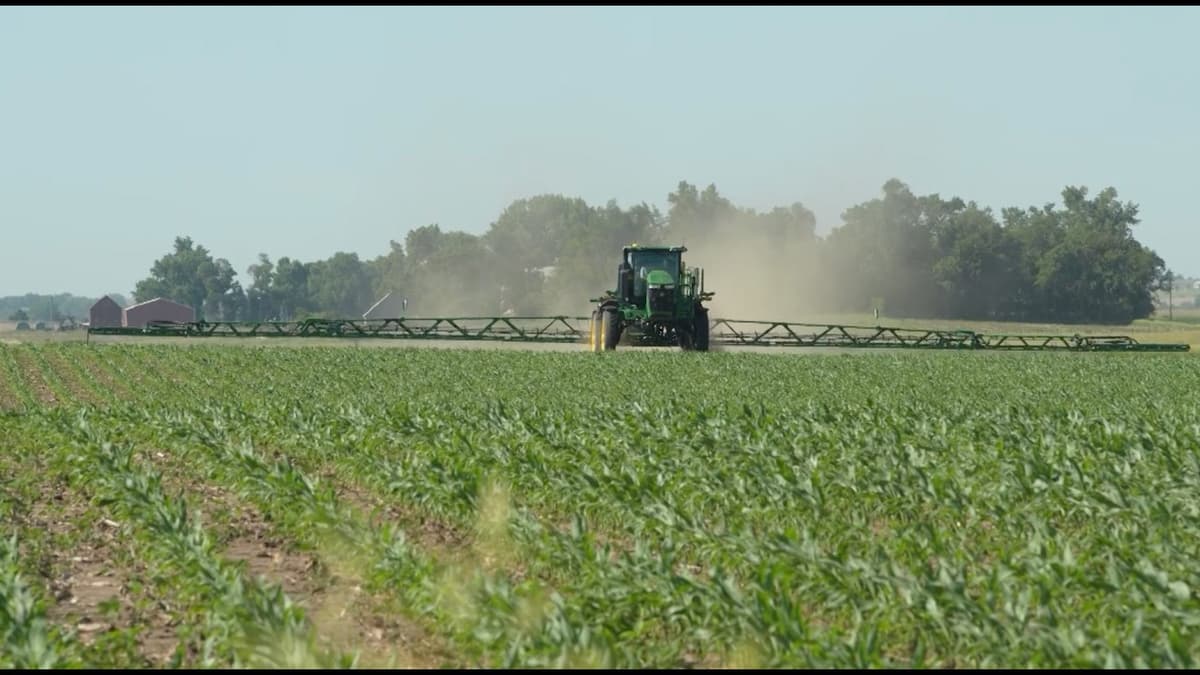
This Week in Agribusiness, April 18, 2026
This week’s agribusiness broadcast from the National Ag Marketers Conference highlighted a major policy shift: the EPA’s 2026 Renewable Volume Obligation was increased by 2 billion gallons, giving clean‑fuel producers a clear market target. Clean‑fuel leaders explained that U.S. biodiesel and renewable diesel capacity now tops 7 billion gallons, and state incentives—such as Illinois’ jump to a 20% biodiesel blend tax credit—are amplifying demand. The discussion turned to broader commodity dynamics. Rabobank’s Steve Nicholson warned that a tentative Iran‑U.S. truce may not immediately lower diesel or fertilizer prices, as refinery and fertilizer plant shutdowns create a long‑tail supply crunch. He also noted a hefty 2.2 billion‑bushel corn carry‑over, suggesting the market has a cushion that dampens price spikes, while soybean oil remains strong in the 62‑70¢ range, approaching its ceiling. Key quotes underscored the narrative: Clean Fuels Alliance CEO Donnell praised the “certainty finally” provided by federal policy, and Nicholson urged growers to “don’t forget fundamentals” and to “sell the rumor, buy the fact” ahead of the upcoming Xi‑President meeting that could boost soybean exports. For producers and investors, the combined federal and state signals mean more confidence to plant soybeans and corn, expand biodiesel feedstock, and hedge against volatile fertilizer costs. Wheat may benefit from tighter global supplies, while soybean oil’s near‑cap price suggests limited upside without further crude spikes. Overall, policy clarity and geopolitical risk shape planting decisions and price expectations for the 2026 season.
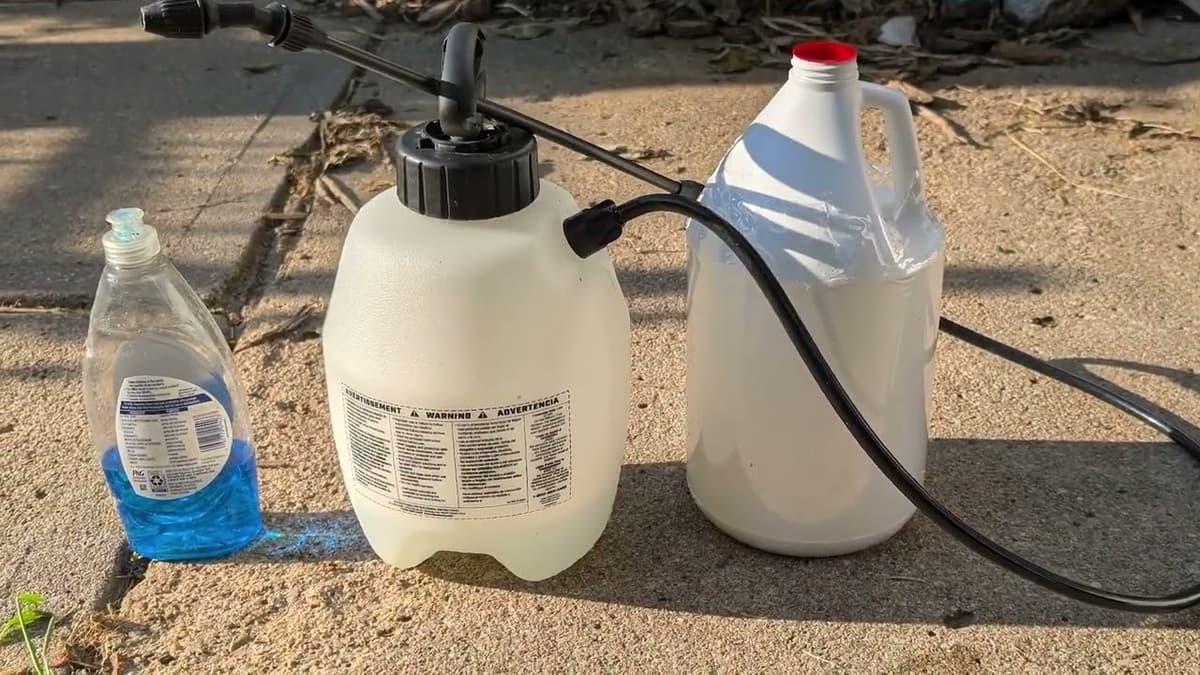
Farmstead Forrest: How to Use Horticultural Vinegar for Farmyard Weed Management
The episode focuses on using high‑concentration horticultural vinegar as a natural herbicide for weed control around a farmstead’s mulch islands and garden beds. After a dry winter, April rains sparked a surge of weeds, and the growers sought an alternative...

Why This Iowa-Brazil Farmer Is Selling Grain Now: War Rally Ending and Brazil Flooding Markets
The episode features Matthew Kruse, president of Comstock Investments, advising grain growers to consider selling their remaining inventories now as the seasonal price peak typically arrives in the April‑May window. He notes that the war‑driven premium that has buoyed corn...

How February Broke One Grain Marketing Guru’s Heart
February saw an unusual break in grain market patterns, with corn futures falling below $4.60 per bushel and technicals pointing to a potential downside breakout. USDA’s first crop‑progress report showed planting ahead of schedule, reaching 3% of the U.S. corn...

Ohio Farmers Push Back Against Data Center Boom with Ballot Initiative
Ohio’s ballot board certified a constitutional amendment that would bar new data centers consuming more than 25 megawatts of electricity per month, effectively halting most future projects. The grassroots group Ohio Residents for Responsible Development must gather over 413,000 signatures across...

USDA Cotton Report Reflects Few U.S., World Changes
The USDA’s March cotton report shows a modest shift in global supply, with world production rising by 1.13 million bales, driven primarily by Brazil (+750,000) and China (+500,000). Imports increased 200,000 bales while exports grew 200,000 bales, all from Australia. World...

New Tool Available to Project Soybean Cost of Production
Michigan State University Extension released a new 2026 Projected Cost of Production for Soybeans tool, available as a single Excel file with three budgeting scenarios: Base Projection, Build‑up, and Push Production. The Base Projection estimates a breakeven price of $10.90...

How Farmers Can Help Monitor Missouri Drought Conditions
Missouri’s University Extension and the Department of Natural Resources are expanding a network of soil‑moisture sensors to track drought across the state. As of March, 78% of Missouri faces dry or abnormally dry conditions, prompting the launch of the Missouri...
Time to Price New Grain Amid Iran Conflict?
U.S. farmers face sharply higher fertilizer costs as anhydrous ammonia rose 30% and urea jumped nearly 47% between February and early April, driven by supply chain constraints, tariffs and the Iran conflict. The country relies heavily on imports for key...

Lowering Groundwater Nitrate Levels Takes Technology and Time
The Central Platte Natural Resources District (NRD) in Nebraska has been tackling high groundwater nitrate concentrations for five decades, employing a phased management program across its 1,012,000 irrigated acres. Recent adoption of the university‑developed Sentinel Ag satellite sensor allows participating farmers...

3 Financial Strategies for Young Farmers
Jordan Howe outlines three core financial tactics for young growers: making strategic land decisions that balance ownership versus rental, managing cash flow through disciplined working‑capital practices and selective financing, and cultivating strong credit relationships. He highlights a 40% rise in...
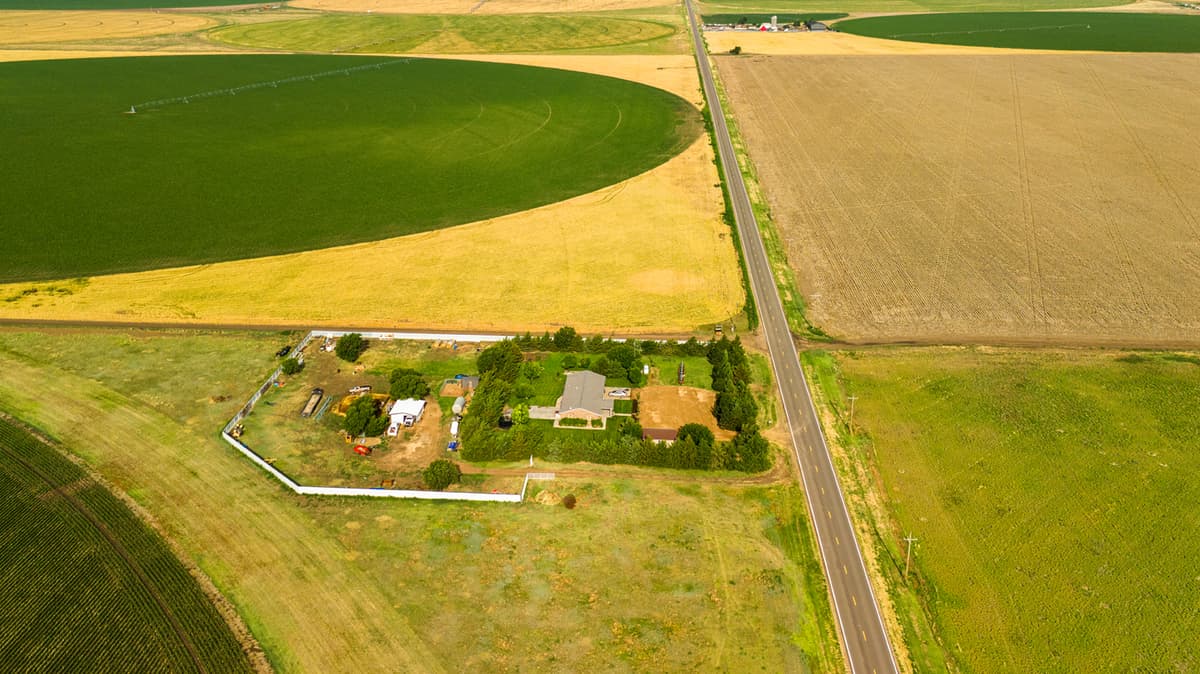
What Is a Farm Worth when an Owner Exits?
A buy‑sell agreement is essential for farms and ranches with multiple owners to manage exits, retirements, disability, or death. The agreement must define a clear, transparent valuation method that balances land and equipment assets with cash‑flow realities. Minority ownership discounts...

Michigan and Pennsylvania Lead Corn Planting Changes
USDA’s latest Prospective Plantings report shows corn acreage holding steady nationally but slipping in key Midwestern states. Michigan’s corn planting is down 4% and Pennsylvania is set for its smallest corn planting ever, while overall corn area falls 3% to...

Tailgate Time’s Mental Health Resources Meet Farmers Where They Are
Tailgate Time, a nonprofit launched in Arkansas, provides free, confidential mental‑health support to farmers, their families, and farmworkers through telehealth and on‑site counseling. The program was created after a local gathering highlighted five farmer suicides, prompting co‑directors Ryan Bane and...

Southern Soybean and Cotton Acres Expected to Increase in 2026
USDA's 2026 Prospective Plantings Report shows Southern producers shifting acreage away from corn toward soybeans and cotton. National corn acreage is projected at 95.3 million acres, down 3.5%, while soybean acres rise 4.3% to 84.7 million and cotton up 3.8% to 9.64 million....