

Crop Progress: USDA Issues Its First 2026 Crop Progress Report
The USDA released its first 2026 crop progress report covering the week through April 5, showing early planting activity across major commodities. Corn planting is 3% complete, slightly ahead of forecasts, with Texas, Tennessee and Missouri leading the effort. Winter wheat quality has deteriorated, dropping to 35% good‑to‑excellent condition, while 7% of the crop is headed, above the five‑year average. Planting progress for cotton, rice, sorghum, sugarbeets and spring wheat remains modest.
Price Opportunities Shift From War to Weather
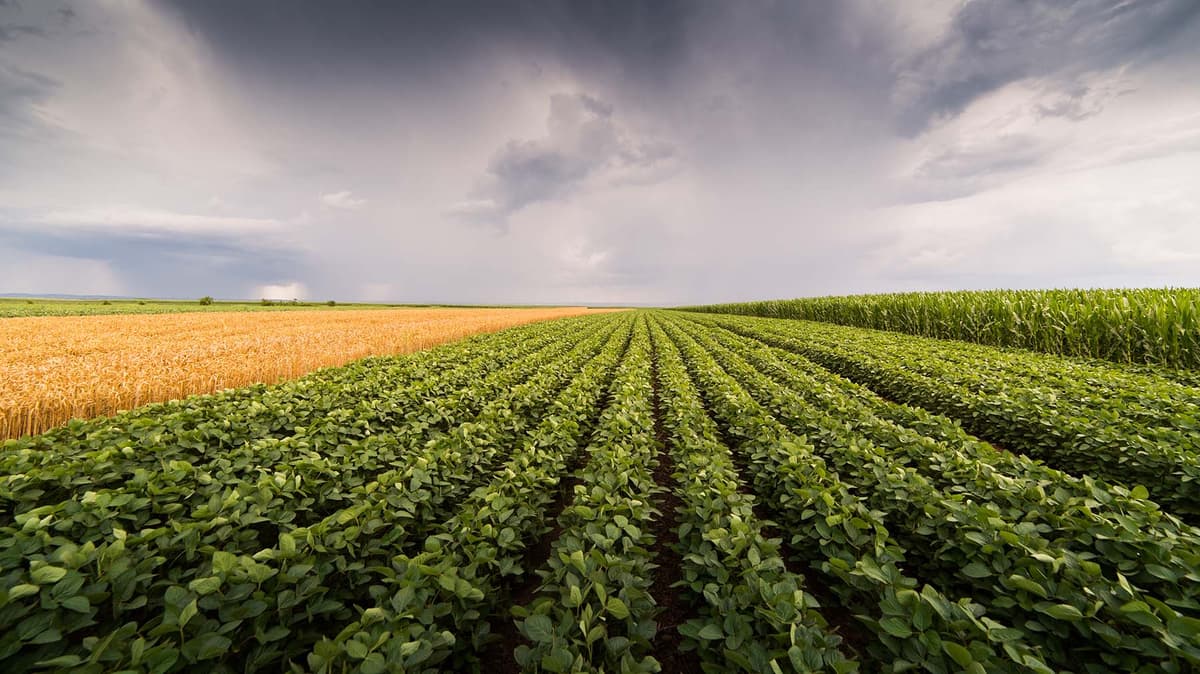
U.S. grain markets are moving from a war‑driven price premium to weather‑focused risk as USDA’s March 31 report projects near‑record corn yields of 185.3 bushels per acre and sizable soybean plantings. The agency’s outlook points to a top‑third corn price...

When Will Grain Markets Lose the Geopolitical Premium?
The USDA Prospective Plantings report showed corn, soybean and wheat numbers essentially in line with expectations, leaving little room for surprise. Prices held firm, with December corn hovering near $4.85 and November soybeans around $11.57, reflecting continued market resilience. Fund...

Soy-Based Tape Wins at Innovation Contest
Purdue University students formed Team SoySeal and created a soy‑based adhesive tape that earned the top prize at the Student Soybean Innovation Competition, winning $20,000. The tape is 95% soy, fully biodegradable, and demonstrated greater strength than standard masking tape...

How to Keep Nitrogen From Escaping Your Fields
Mississippi State University Extension specialist Brendan Zurweller warns that warm, wet conditions, high soil pH, and heavy surface residue create a perfect storm for nitrogen loss in Delta fields. Ammonia volatilization can reduce nitrogen use efficiency to as low as...

Deep Soil Testing Can Slash Fertilizer Costs
The Texas A&M AgriLife Extension study shows that deep soil testing can reduce fertilizer expenses by $12 to $150 per acre, translating to over $26,000 savings on a 1,000‑acre irrigated field. By measuring residual nitrogen in the 6‑24‑inch profile, producers...

EPA’s DEF Sensor Rollback a Win for Diesel Farm Equipment
The EPA announced on March 27 that it is removing the mandatory urea‑quality (DEF) sensor requirement for all diesel‑powered farm equipment, allowing manufacturers to rely on NOx sensors instead. The agency estimates the change will save U.S. farmers roughly $4.4 billion annually...

What Factors Could Challenge This Profitable Beef Market?
U.S. beef prices stay well above year‑ago levels as tight supply and strong demand push boxed‑beef, feeder and fed‑cattle values higher into 2026. Producers enjoy a profitable market but face heightened volatility from short‑term shocks. Six headwinds – drought, geopolitical...

How a Kentucky Farm Cut Truck Use in Half with New Grain Center
Kentucky farmer Tanner Stroup partnered with Adam Services and Mitchell Brothers to build a dual‑purpose grain center near Maceo, delivering roughly 850,000 bushels of storage for corn and soybeans. The facility’s design, featuring separate dump pits, scales, and GSI EVO...

Stop Selling Your Cows in a Drought—Here's the Smarter Play
Producers who panic‑sell cattle during droughts trigger a price spiral: mass sell‑offs depress prices, then simultaneous restocking inflates them, eroding margins. The author advocates a sell/buy approach that keeps head‑per‑head revenue stable while stretching feed budgets. Current market data shows...
Recent Data Challenges Traditional Grain Marketing Strategies
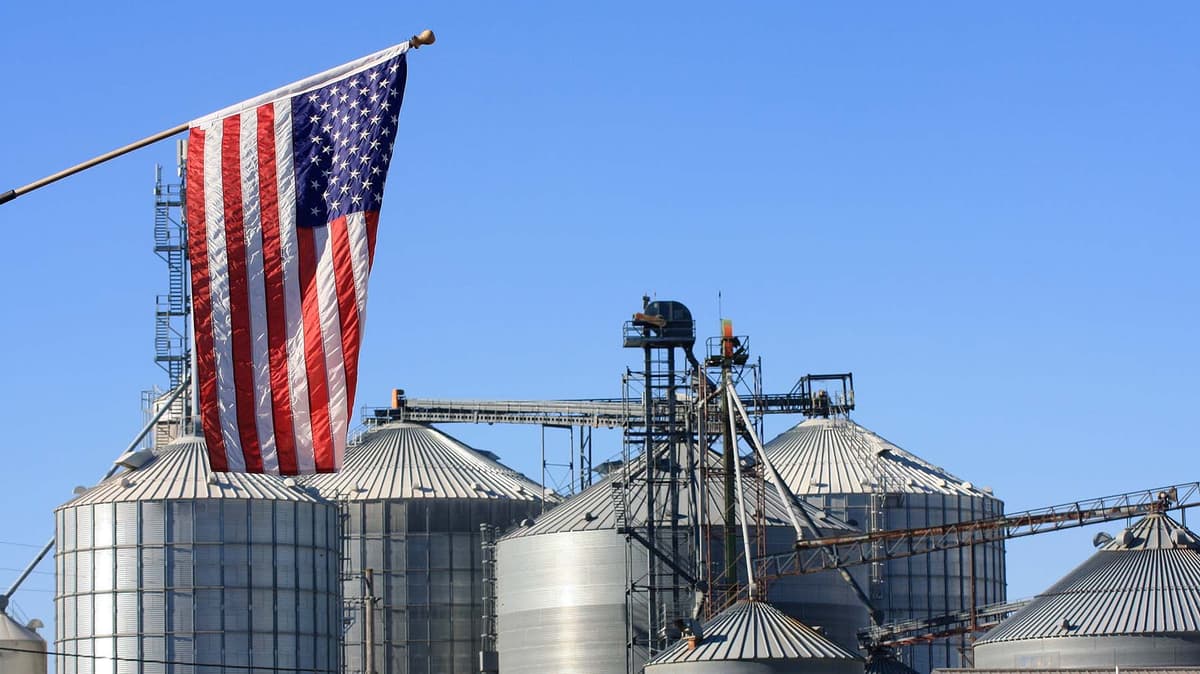
Grain and oilseed markets experienced an unprecedented lull in 2025, marking the first year in 36 years without a single volatile month—defined as a 10% price swing—in new‑crop corn and soybean futures. Seasonal price patterns also flipped, with February 2025...
Spring Volatility Expected in Winter Wheat Prices
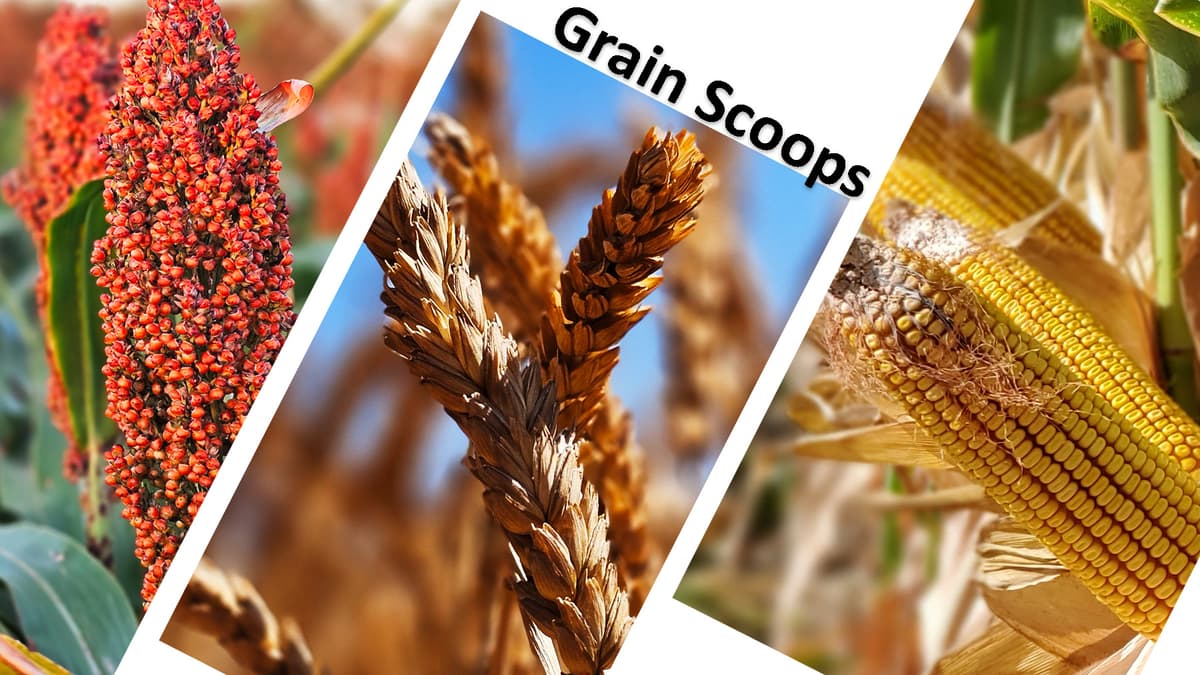
Hard red winter wheat (HRW) futures typically become more volatile as spring arrives, with the July contract delivering returns of +8% in April, +1.5% in May and –34% in June over the past decade. Drought affected 55% of the crop’s...

Take an Active Role in Crop Disease Scouting
Purdue Extension plant pathologist Darcy Telenko warns that 2026 disease pressures for corn and soybeans hinge on weather, with southern rust and tar spot as primary concerns for corn and red crown rot gaining attention in soybeans. She encourages Indiana...

Old, Wooden Grain Bins Comprise Unique Antique ‘Town’
Grain Bin Antique Town, a rural attraction near North Platte, Nebraska, was founded by Lori and Pat Clinch after they rescued 14 historic wooden grain bins and turned them into an antique shop. The bins, originally Depression‑era Wahoo‑brand structures, were...

5 Dicamba Changes You Need to Know for 2026
Dicamba use on tolerant soybeans returns in 2026 with tighter limits. Maximum application rates are halved to 1 lb per acre in 0.5 lb increments, and coarse nozzles are now allowed. Temperature restrictions cap use at 95°F and limit coverage to 50%...
Why Land Prices Hold Steady Despite Low Crop Prices
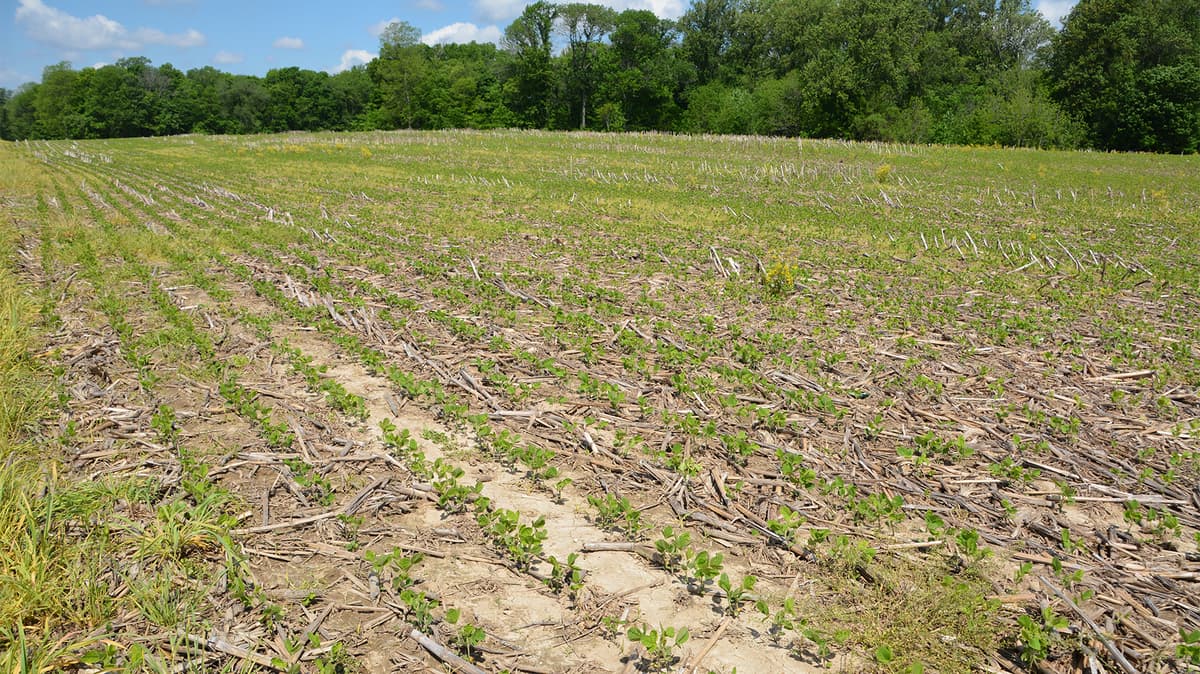
Recent reports show Midwest farmland values holding steady or modestly rising despite declining crop prices. The Iowa Realtors Land Institute recorded a 1.3% increase in average land values as of March 1, with gains in all nine reporting districts. Analysts attribute...

Fertilizer Traders Cash in on War Profits, Farmers Pay the Price
American fertilizer traders are re‑exporting over 100,000 short tons of phosphate fertilizer after the Iran war created a price gap between U.S. spot markets and overseas demand. Domestic prices linger around $700 per short ton while farmers cut back on...

Iowa Researcher Recognized for Decades of Work Against Costly Soybean Pest
Iowa State University nematologist Greg Tylka received the 2026 Exceptional Service to Agriculture Award for his 36‑year fight against soybean cyst nematode (SCN). SCN, a microscopic roundworm, can steal 30% or more of soybean yields without visible symptoms, threatening Midwest...

How to Capitalize on Grain Marketing Opportunities After USDA's March 31 Reports
The USDA’s March 31 Grain Stocks and Agricultural Outlook released new planting forecasts, highlighting a 95.3 million‑acre corn plant‑ing target for 2026—the fourth‑highest since World War II—and modest adjustments to soybean, wheat and cotton acreage. Corn remains the dominant choice, outpacing soybean expectations (84.7 million...

Young Farmer POV: Taking Care of Mental Health
The video features a young farmer who shares his personal approach to maintaining mental health while managing the demanding schedule of a family farm. He credits a deep library of biographies—ranging from John F. Kennedy to the Wright brothers—for reminding him...

New Test Farm Will Speed Ag Robot Commercialization
The video introduces a new agricultural test farm that functions as a robotics incubator, designed to accelerate the commercialization of AI‑driven farm equipment. By structuring participation into tiered residency levels—membership, development, and deployment—the program gives startups real‑world field access, mentorship,...

Prepare Your Corn and Soybean Marketing for USDA's March 31 Acreage and Stocks Reports
The Egg Marketing IQ In‑Depth episode focused on how farmers should position corn and soybean sales ahead of the USDA’s March 31 acreage and stocks reports. Host Pam welcomed Nick Cholus of Farmers Keeper, who outlined the likely USDA numbers –...