
Army Overhauls Direct Commissioning Process to Bring in Civilian Tech Experts Faster
The U.S. Army is revamping its direct‑commissioning program to accelerate the entry of civilian technologists into officer roles. By moving oversight to the Army Recruiting Command and streamlining medical, security, and training steps, the accession timeline has dropped from roughly 18 months to about six months. The overhaul draws lessons from the Detachment 201 pilot, which placed senior executives from firms like Palantir, Meta, and OpenAI into reserve positions. The new focus targets mid‑career professionals in cyber, artificial intelligence, robotics, and networking to boost operational capabilities.

New Bill Would Push Agencies Toward Shared Services for Federal Lending Programs
The bipartisan Federal Loan Systems Modernization Act directs the General Services Administration to create a unified, commercially‑based loan processing platform called Lending.gov. The legislation aims to consolidate more than 175 federal loan programs onto a single technology backbone, eliminating duplicated...

These 2 Recent Cases Confirm DOJ Is Escalating Cyber Enforcement
At the close of 2025 the Department of Justice announced two high‑profile cyber enforcement actions that spotlighted deficient cybersecurity practices among DoD contractors. The first settlement involved Swiss Automation’s breach of the DFARS 7012 clause, which mandates NIST 800‑171 compliance. The second...

OPM’s HR IT Consolidation Effort Hit with New Obstacles
The Office of Personnel Management’s effort to consolidate federal HR IT into a single modern system faces fresh setbacks as IBM and Economic Systems Inc. filed GA GAO protests over their exclusion from a 10‑year, potentially $1 billion contract. The procurement, now...

OPM Revives Defunct Gov Tech Efforts with Tech Force Hires
The Office of Personnel Management has launched the Tech Force initiative, a temporary hiring program that will bring roughly 1,000 early‑career tech workers into federal agencies for two‑to‑four‑year stints. The effort is backed by a coalition of about 30 major...

What DoD’s Anthropic Ban, FY26 Spending Plans Mean for Contractors
The Pentagon has labeled Anthropic a supply‑chain risk, forcing prime contractors and their subcontractors to assess, report, and wind down any reliance on Anthropic’s AI tools. This unprecedented move targets a domestic vendor and extends beyond DoD contracts, prompting agency‑wide...

New Data May Change What We Know About Staffing, Stability, and Capacity on Capitol Hill
Hill Climbers, founded by former House staffer Omar Awan, consolidates decades of congressional staff salary and role data into a single, searchable platform. The tool introduces the Hill Climbers Index, which rates offices on capacity, stability, and structure, offering benchmarks...

Modern Approaches to Closing the Skills Gap in Government
New research shows 76% of talent development professionals view a significant skills gap in government, yet 72% of agencies still depend on traditional classroom instruction. The article outlines four modern approaches—mission‑aligned buy‑in, targeted pilot programs, creative cross‑agency resourcing, and training...

Agencies Aim to Harness AI for Cyber Defense
The upcoming national cyber strategy will make artificial intelligence a cornerstone of federal network security, as emphasized by National Cyber Director Sean Cairncross. Agencies are urged to secure AI use cases while leveraging AI to strengthen information security across government....

Securing Commercial Satellite Networks: A National Security Imperative
Bipartisan senators have reintroduced the Satellite Cybersecurity Act to address growing cyber and electronic‑warfare threats against commercial satellite constellations. Low‑cost systems such as Starlink now underpin military command, intelligence, logistics and civilian services, making them attractive targets. The article highlights...

Wyden Blocks Nominee to Lead NSA and Cyber Command
Senator Ron Wyden has blocked Lt. Gen. Joshua Rudd’s nomination to lead the NSA and U.S. Cyber Command, citing insufficient experience for the urgent cyber threat landscape. Meanwhile, the Army is piloting AI to speed doctrine writing, the Ninth Circuit...
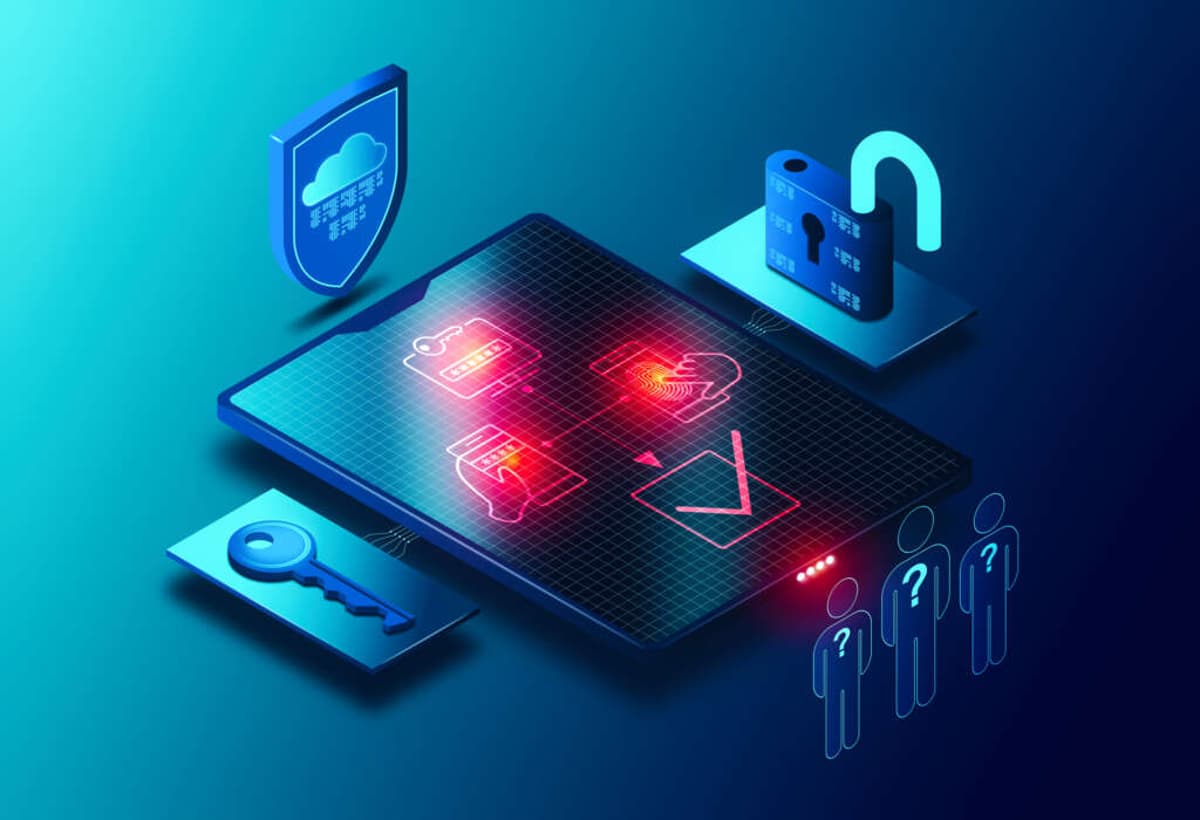
DoD Replaces Paper-Based Access Requests with Automated ICAM Workflow
The Department of Defense is phasing out the decades‑old DD Form 2875, replacing it with an automated Identity, Credential and Access Management (ICAM) workflow. The new system will provision, authorize, and revoke user access within hours, generate immutable audit logs,...

Empowering Public Service: Frontline Readiness for a New Era of Modernization
Federal social service agencies are gearing up for a digital‑first transformation, driven by an administration agenda that emphasizes efficiency, accountability, and stronger security. The inaugural Equifax Social Services Outlook Index shows 100% of frontline workers expect workplace efficiency to improve...

Five Stages to Secure Military Operational Technology Using Zero Trust and Risk Operations Centers
The Pentagon released an OT‑specific zero‑trust roadmap, the “fan chart,” outlining 84 baseline and 21 advanced activities to protect military operational technology. The guidance emphasizes asset visibility, risk‑operations centers, network segmentation, passive monitoring, and AI‑driven automation. Agencies are urged to...

Pentagon Eyes 2028 to Deliver Much-Delayed Background Investigation System
The Pentagon’s Defense Counterintelligence and Security Agency (DCSA) now targets fiscal 2028 to field the next‑generation National Background Investigation Services (NBIS) system, a project originally slated for 2019. The program’s budget has swollen to $4.6 billion through FY2031, with $2.2 billion projected...

The Right Direction on MAPS?
The Army’s Marketplace for the Acquisition of Professional Services (MAPS) has faced another postponement, with a draft solicitation now slated for the end of the quarter after earlier February deadlines were missed. Critics argue MAPS duplicates existing government‑wide acquisition contracts...

Army Tackling Its ‘Achilles Heel’ of IT Modernization
U.S. Army CIO Leo Garciga announced a rapid purge of legacy business applications, shutting down 100 systems in the past two quarters and cutting the total from roughly 800 to under 300. The consolidation focuses on enterprise‑wide platforms, low‑code/no‑code tools,...

Cross-Border Trafficking: From Detection to Interdiction
The article by Cognyte’s Vice President highlights how Fusion Centers and AI‑driven data fusion are strengthening detection and interdiction of cross‑border human trafficking. Recent collaborative operations rescued hundreds of children and resulted in dozens of arrests, showcasing the power of...

The White House Scrapped SBOMs in Favor of Agency-Managed Cyber Risk. Flexibility, Meet Accountability.
The Office of Management and Budget has withdrawn the mandatory software bill of materials (SBOM) requirement, replacing it with a risk‑based menu of options for federal agencies. This shift moves compliance from a prescriptive checklist to agency‑driven risk assessment, granting...

IRS CIO Says Agency Lost 40% of Tech Workers Last Year
The Internal Revenue Service’s Chief Information Officer disclosed that the agency shed roughly 40% of its IT workforce and almost 80% of its technology leadership last year, marking the deepest attrition in two decades. The cuts stemmed from voluntary separations,...

GAO: Millions of People Can’t Understand Life-or-Death Weather Alerts
The GAO report warns that roughly 26 million Americans with limited English proficiency struggle to comprehend life‑or‑death weather alerts. Outdated alert infrastructure, insufficient staffing, and slow translation processes prevent timely multilingual warnings. GAO recommends modernizing the National Weather Service’s system with...

Beyond Buzzwords: Using OPM’s Human Capital Standards for Federal HR Modernization
The article explains how OPM’s Human Capital Management (HCM) standards—namely the Human Capital Business Reference Model (HCBRM), the Human Capital Federal Integrated Business Framework (HC‑FIBF), and the Human Capital Information Model (HCIM)—provide a detailed, tiered framework for federal HR IT...

Energy Department ‘Center of Excellence’ Delves Into OT Cybersecurity
The U.S. Department of Energy has established a Center of Excellence to tackle operational technology (OT) cybersecurity across its labs and agencies. Sponsored by the Office of Science and the National Nuclear Security Administration, the effort unites cyber experts to...

Stopgap Funding Measures Cause Delays, Increased Costs, Administrative Burden Across DoD
The GAO report finds that continuing resolutions (CRs) have led to significant delays, cost increases, and administrative burdens across DoD acquisition and maintenance programs. About half of the 74 surveyed programs experienced scheduling or financial impacts, with examples such as...

Time for the eBuy Wall to Come Down, Once and for All
The author urges federal leaders to eliminate the GSA eBuy firewall that limits RFI visibility to schedule contractors. Recent RFIs—2GIT II and TTS’s NEXT program—highlight the need for broader industry input on emerging IT services. Simultaneously, OFPP is revising the FAR...

Sovereign AI Is a Geopolitical Reset — and Telcos Need to Deliver It
Telcos are positioned to deliver sovereign AI, a shift from centralized models to on‑prem, edge‑based intelligence that stays within national borders. By leveraging regulated infrastructure and privacy mandates like CPNI, they can host domain‑specific models that keep data local and...
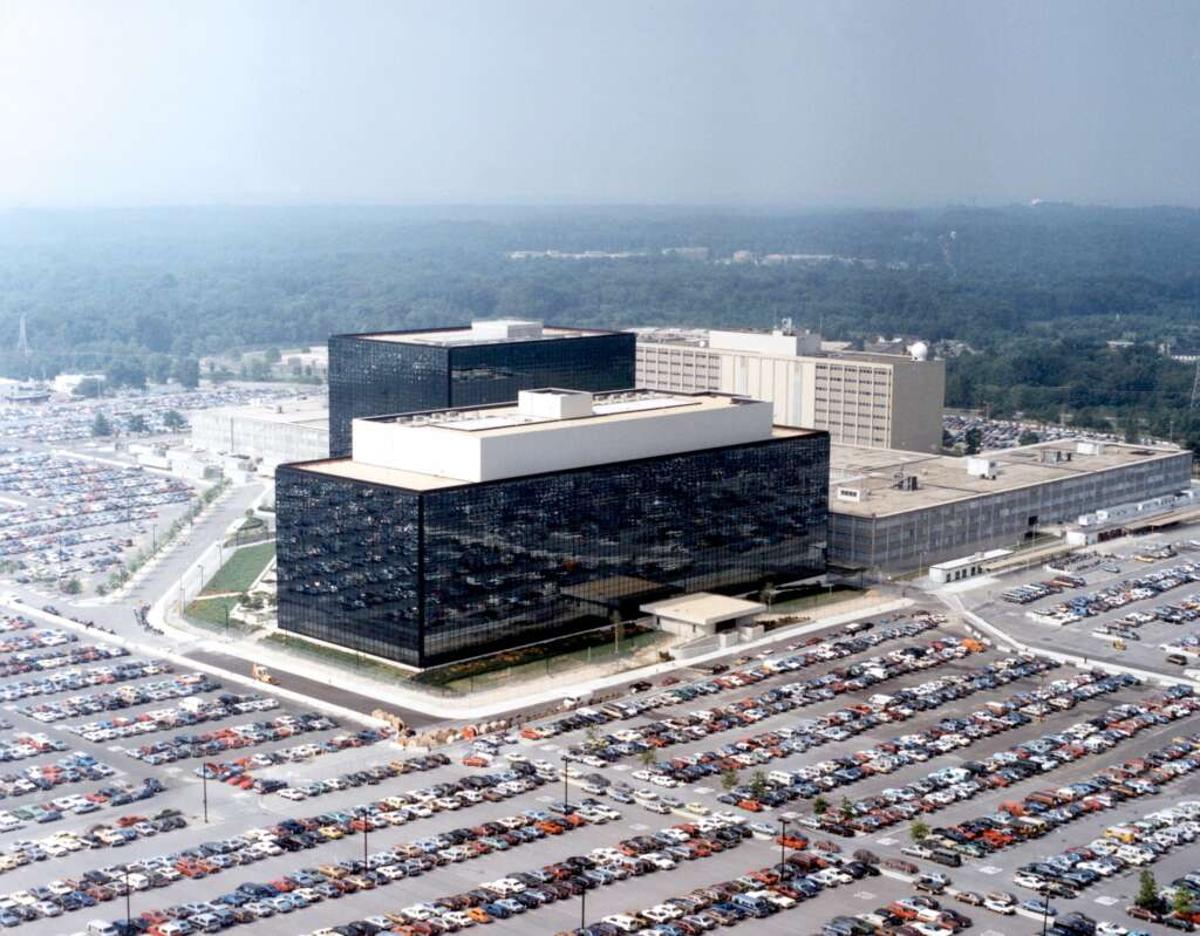
A Renovation Job at Fort Meade Turned Into a Dispute
The Armed Services Board of Contract Appeals denied Meltech’s $1.7 million claim over Fort Meade security changes, invoking the sovereign‑acts doctrine. The board also found that Meltech’s own procedural errors, including incomplete security packages, caused the delays. The government had provided...

Lawmakers Seek to Penalize DoD if It Fails to Pass a Clean Audit
Lawmakers introduced the RECEIPTS Act, which would penalize the Department of Defense by transferring its Defense Finance and Accounting Service functions if a clean full audit is not achieved by December 2028, while rewarding success with up to $10 billion in...

Space Force Surpasses Its Fiscal 2026 Recruiting Goal
The U.S. Space Force has already exceeded its fiscal 2026 recruiting goal by 25% just five months into the year, moving more recruits into basic training and the delayed entry program. Despite this early success, senior leaders warn the service’s...

NAVWAR Cyber Directorate’s Mission to Secure, Survive, Comply
The Naval Information Warfare Systems Command (NAVWAR) created a new cyber directorate last August to centralize its cybersecurity efforts. The directorate targets three pillars—zero‑trust adoption, secure software development, and cutting‑edge defensive technologies—while automating risk‑management framework (RMF) compliance. By feeding feedback...

SBA Proposes to Terminate 154 Companies From 8(a) Program
The Small Business Administration announced it will terminate 154 Washington, D.C. firms from the 8(a) Business Development program after a data‑call revealed they exceeded statutory net‑worth, asset and income thresholds. The companies collectively received $1.3 billion in federal contracts, including roughly...