
Beyond Meat Backer Closes $1B Growth Fund Targeting Food and Energy
Chicago‑based S2G Investments has closed its $1 billion Solutions Fund I, targeting growth‑stage companies that improve food and energy security. The fund has already deployed $300 million into ten portfolio firms, including agritech specialist Exacto and aquaculture oxygenation leader Oxzo. S2G’s strategy blends food‑as‑medicine concepts with supply‑chain and productivity technologies to accelerate scaling and M&A. The capital comes from pension funds, fund‑of‑funds and advisory firms representing high‑net‑worth investors.
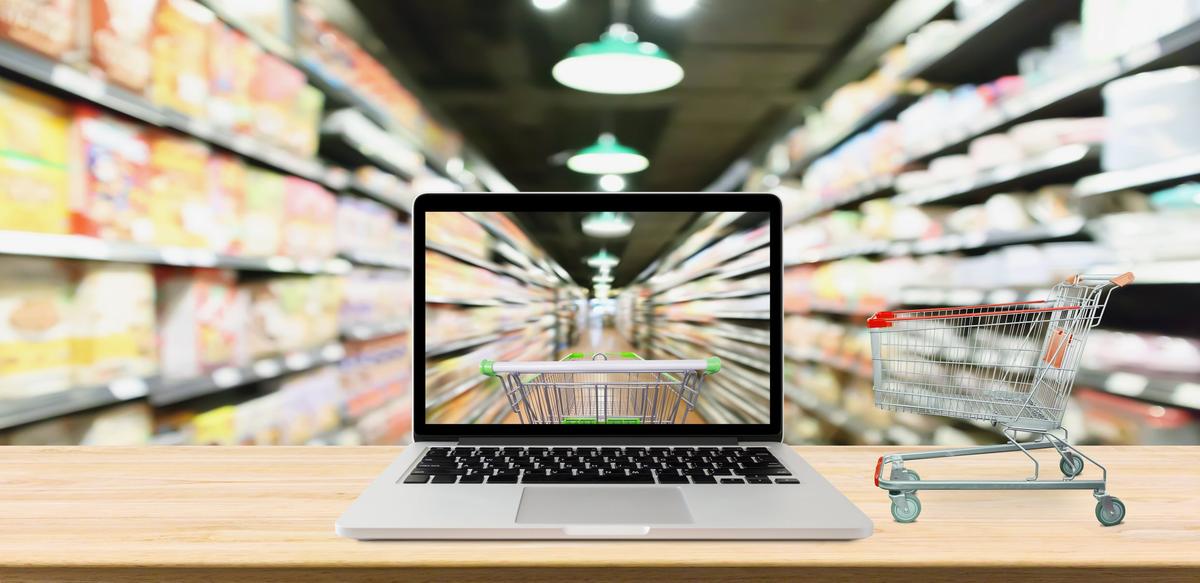
Where Brands Should Focus Their AI Strategy Now
Hartman Group’s white paper warns that food‑brand AI strategies must prioritize rational consumer needs—cost, time and mental effort—over aspirational experiences. The report identifies cognitive overload as the primary entry point for AI, shifting the focus from discovery to filtering of...

5 CPG Brands Fueling the Regenerative Agriculture Surge
Consumer appetite for environmentally friendly food is accelerating the regenerative agriculture sector, which reached $11.3 billion in 2025 and is forecast to hit $31 billion by 2034 at an 11.5% CAGR. Whole Foods Market emphasizes soil health, biodiversity and carbon capture as...
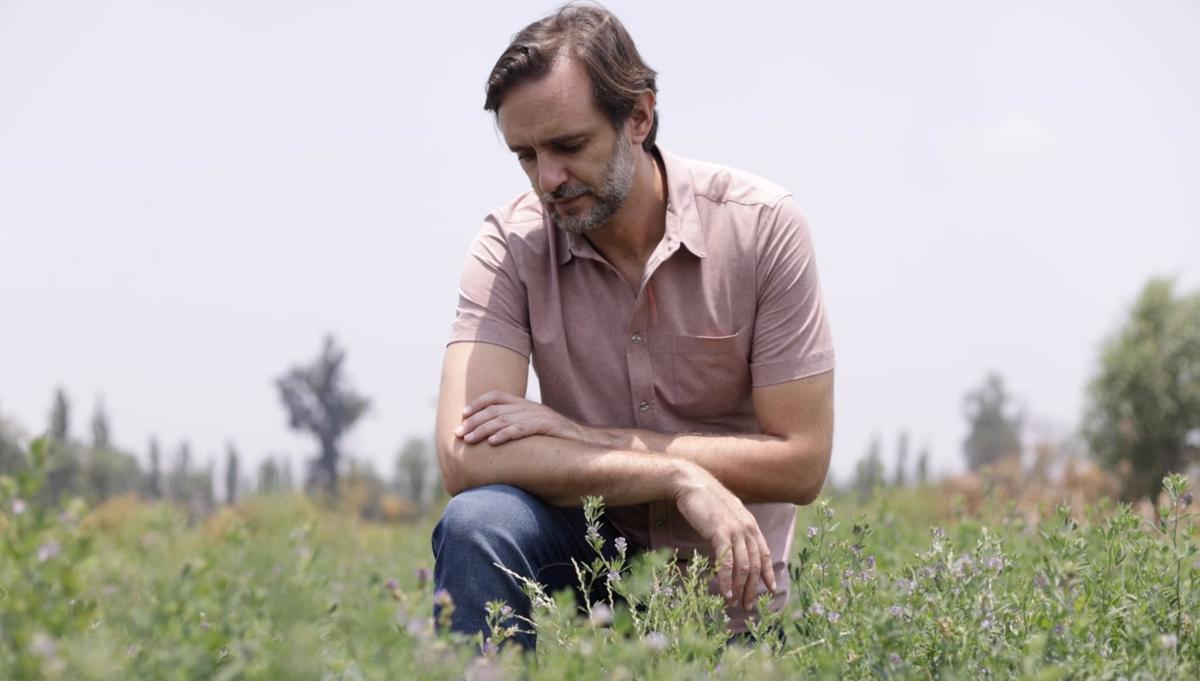
Alfalfa-Based Egg White Alternative Inches Closer to Market
Madison‑based startup Fudi Protein is scaling an alfalfa‑derived Rubisco ingredient to replace egg whites in foods. The company plans to launch its first farm‑based manufacturing line in Manitowoc, Wisconsin, and is raising $250,000 via crowdfunding plus $1 million from venture investors...

GLP-1s and Anhedonia: The Death of Dopamine Snacking
GLP‑1 drugs such as Ozempic, Wegovy, Mounjaro and Zepbound are dampening cravings and “food noise,” leading users to cut back on discretionary snacks. Market data show households with GLP‑1 users have reduced spending on confectionery, frozen foods and takeaways, contributing...
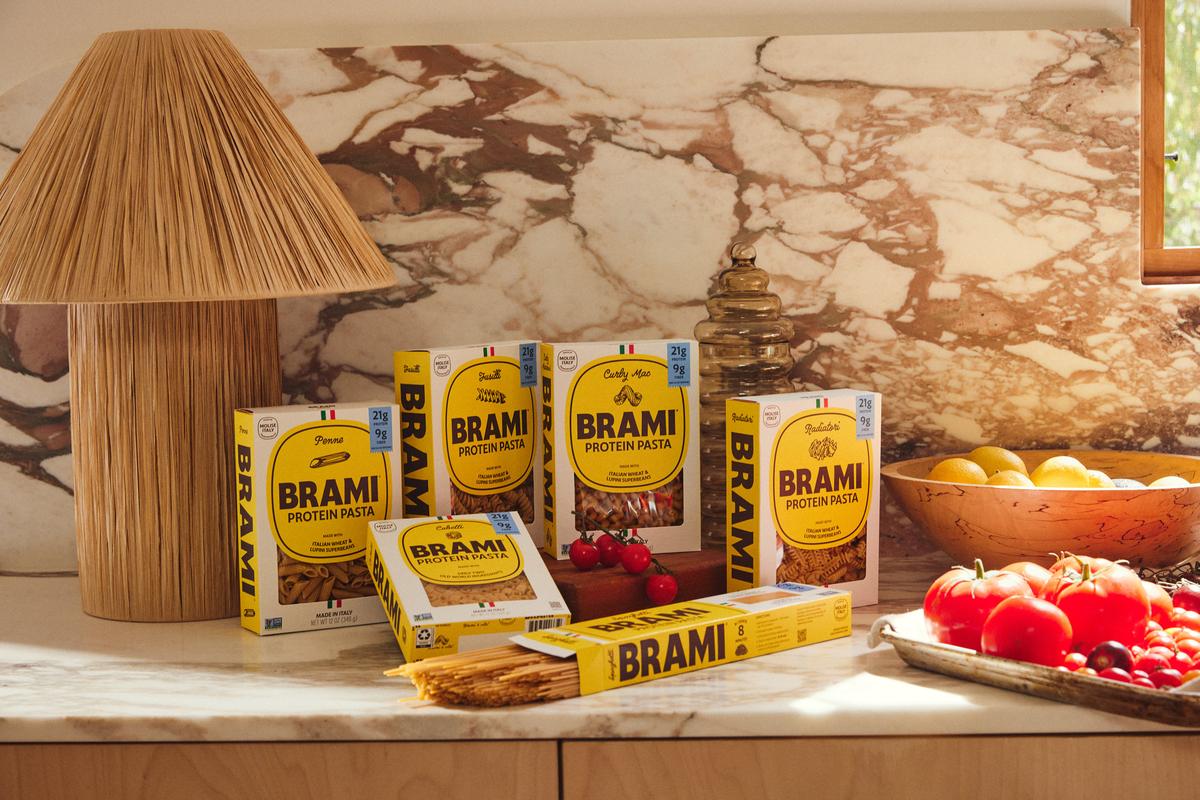
Is High-Protein the New Wave of Pasta?
Italian food brand Brami secured $33 million in Series B funding led by VM G Partners to accelerate its U.S. expansion. The company’s high‑protein, low‑carb pasta—featuring durum‑wheat semolina and lupini‑bean flour—offers 70% more protein, 25% fewer net carbs and triple the fiber of traditional...
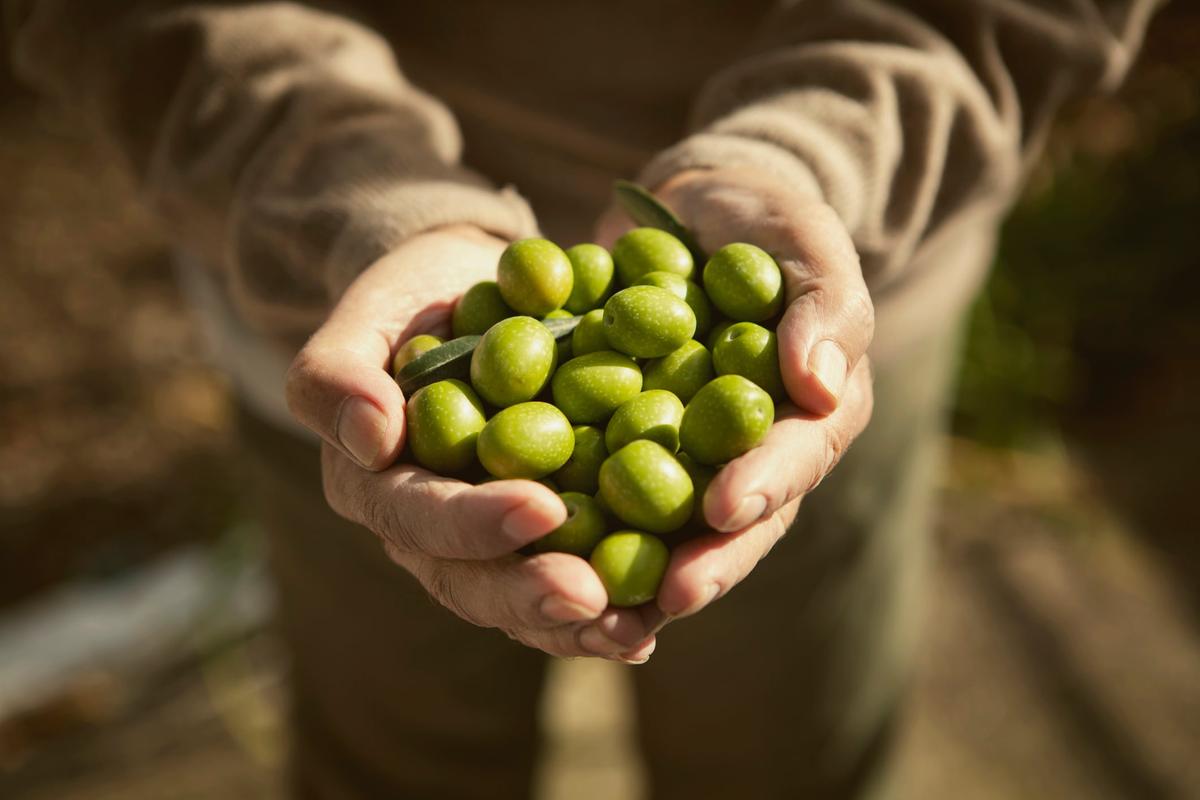
What Sustainability Looks Like in Olive Oil Today
Deoleo, the parent of Bertolli, Carapelli and Sasso, released its 2025 sustainability report showing that 79% of its plastic bottles are now recyclable and 98% of its production energy comes from renewables, avoiding over 135,000 tons of CO₂ since 2022. The...

Why Thinking Like an AI Agent Matters to Marketing
Brands must shift from traditional SEO to generative engine optimization (GEO) as AI agents like ChatGPT become primary product recommenders. GEO focuses on appearing in a single AI‑generated answer—the “third shelf”—instead of ranking among many web pages. Joseph Levi of...
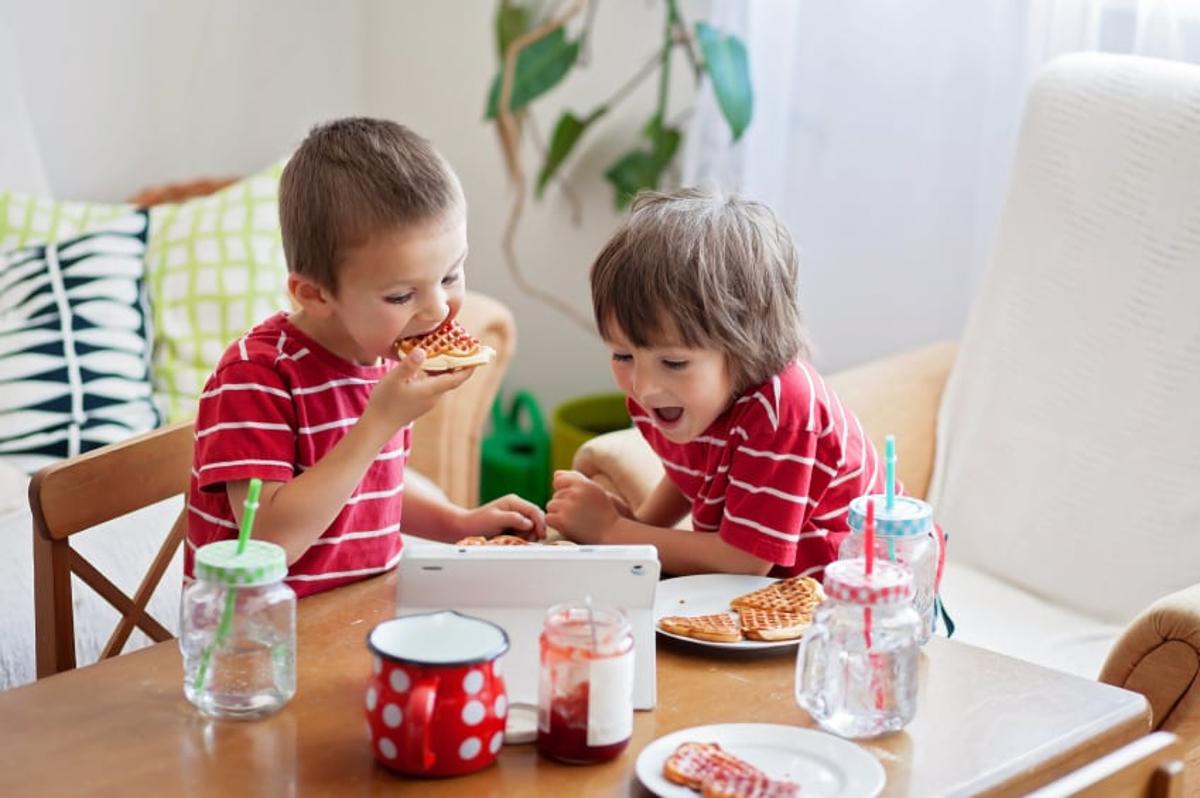
Bel’s Brainiac Buy Signals Next Wave in Kids’ Snacks
Bel Group has purchased Ingenuity Foods' Brainiac and Little Brainiac brands, marking its entry into the fast‑growing kids’ "brain food" segment. The acquisition combines Bel's established snack portfolio—such as Babybel cheese and GoGo squeeZ pouches—with Brainiac’s fruit‑based snacks fortified with omega‑3...

Chicken of the Sea Tests Sustainability Waters, but Will Consumers Bite?
Chicken of the Sea has become the first major U.S. seafood brand to certify its entire tuna portfolio with the Marine Stewardship Council, leveraging Thai Union’s $200 million SeaChange 2030 sustainability program. The MSC label, which now covers all SKUs, positions sustainability...
FDA’s Leadership Shakeup Elevates Food Program Insider Amid Questions over Science, Staffing and MAHA Influence
FDA Commissioner Marty Makary resigned abruptly, paving the way for Deputy Commissioner for Food Kyle Diamantas to become acting commissioner. Diamantas, who has overseen the Human Foods Program since February 2025, steps into the role amid concerns about political pressure...

Hain Celestial Bets on Functional-Food Innovation to Power Next Phase of Turnaround
Hain Celestial is steering its turnaround toward innovation‑led growth after shedding its North American snack brands. The company reported a 13% year‑over‑year revenue decline to $338 million in Q3, yet its shares jumped 12% on better‑than‑expected earnings. New launches, such as...

Brain Food Startup Mosh Closes $13M Series A as Cognitive Wellness Goes Mainstream
Mosh, a brain‑food brand co‑founded by Maria Shriver and Patrick Schwarzenegger, closed a $13 million Series A led by Main Street Advisors. The raise comes as the global cognitive‑health food market, valued at $18.1 billion, is projected to reach $40.3 billion by 2030. Mosh’s...
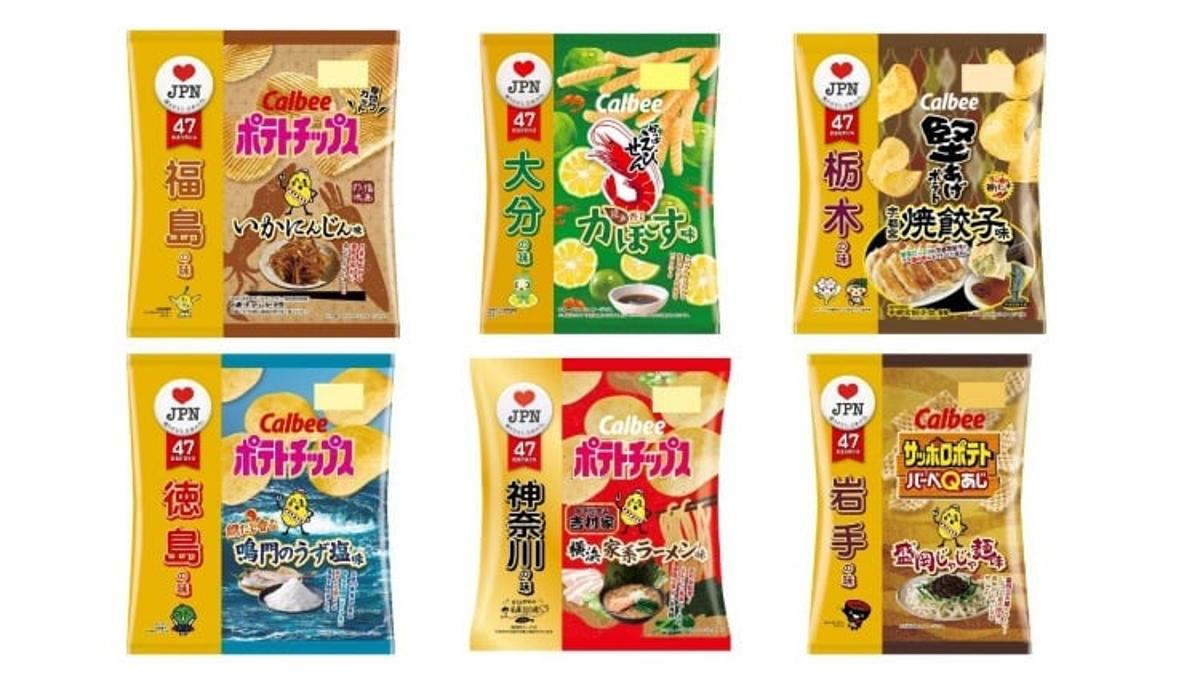
Iran Conflict Drains the Colour From Snack Packs
Japanese snack maker Calbee announced a temporary shift of 14 products, including its flagship potato chips, to black‑and‑white packaging. The move responds to shortages of naphtha‑derived inks and flexible films caused by disruptions in Middle Eastern supply chains linked to...

Premium Standards Power Seafood Brand’s Push Into Frozen Foods
Safe Catch, known for its mercury‑tested canned seafood, is entering the frozen market with pollock nuggets and tuna burgers. The brand leverages its proprietary testing that measures mercury ten times below FDA limits, applying the same transparency to every frozen...