
Regenerative Agriculture’s Core Tensions Unpacked
Regenerative agriculture has shifted from a niche concept to a mainstream priority, backed by most of the top 100 food companies. Yet its definition remains broad, with practices ranging from rotational grazing on dairy farms to agroforestry in coffee production. The lack of a unified certification framework creates tension over transparency, value distribution, and consumer trust. Industry stakeholders are seeking clearer metrics and auditing standards to unlock scalable benefits across the supply chain.

Monster Beverage Corp May Raise Prices as Aluminum Costs Surge Amid Global Tensions
Monster Beverage Corp signaled it could lift prices to counter soaring aluminum costs driven by a 50% U.S. tariff and a 186.5% Midwest premium increase year‑over‑year. Executives said modest inflation‑adjusted pricing already helped offset a roughly 1% margin hit in...

Celsius Now Controls a Fifth of the US Energy Drink Market
Celsius Holdings reported that one in five energy drinks sold in the United States in Q1 2026 came from its portfolio of Celsius, Alani Nu and Rockstar, delivering $782.6 million in revenue—a 138% year‑over‑year jump. The surge was powered by the 2025 acquisitions...

Omnichannel Grocery Fuels Shopper Choice – but Fragments Retailer Loyalty
Shoppers are increasingly distributing grocery purchases across digital and physical channels, eroding traditional retailer loyalty. Brands and grocers must adopt data‑driven stocking and omnichannel strategies to retain repeat trips in an attention‑fragmented market. Loyalty programs, targeted promotions, and consistent messaging...

The Snack Barometer: The Iran Conflict and the Limits of Consumer Resilience
Geopolitical tension from the Iran‑US‑Israel conflict is already inflating fuel prices, prompting food and beverage manufacturers to see early signs of consumer stress. Shoppers are swapping branded items for private‑label products, cutting discretionary snack purchases, and demanding more promotions as...

The Next Gen in Produce Moves Beyond Fresh to ‘Alive’
Ra Foods is launching a national digital‑first campaign for its Wild About Sprouts brand, promoting hydroponically‑grown sprouts that continue to live inside a transparent recyclable clamshell. The packaging creates a "mini‑garden" that keeps the sprouts alive, extending shelf life two‑to‑three...
Strategies to Decarbonize the Supply Chain
Decarbonizing the food supply chain, especially rice production, is emerging as a top priority because methane from flooded paddies drives a large share of the sector’s greenhouse‑gas footprint. Industry pilots such as alternate wetting‑and‑drying, yield‑boosting agronomy and biochar soil amendments...

Is the Retail Media Network Gold Rush Over?
Retail media networks are moving from a gold‑rush expansion to a consolidation phase as marketers reallocate spend toward platforms that prove clear ROI. New data from Keen Decision Systems shows over a quarter of retail marketers pulling budget from RMNs...

Rethinking the Coffee Replacement
Search data from Spate shows the coffee‑alternative category expanding 39.5% year‑over‑year, with tea‑based drinks leading the surge. Matcha beverages posted a 154.5% jump, while herbal and wellness teas grew steadily, reflecting a shift toward functional benefits such as gut health...

Time’s ‘10 Most Influential Food Companies’ List Misses some of the Real Disruptors
Time’s annual list of the 10 most influential food and drink companies spotlights firms that drive momentum through visible expansion, acquisitions and partnerships. The editorial‑driven ranking, however, overlooks companies reshaping the industry by altering consumer behavior, health trends, digital platforms...
Traditional Grocers Could Learn a Thing or Two From Food Co-Ops
The National Co‑op Grocers released its 2025 Food Co‑op Impact Report, highlighting that co‑ops generate $2.8 billion in sales with 23% sourced locally—far above the 2% typical of traditional chains. Co‑ops work with an average of 187 local suppliers and 41...

Mainstream Chocolate Sales Take a Hit, Super-Premium Punches Back
NielsenIQ reports that super‑premium chocolate now accounts for 10.6% of the U.S. market and is the fastest‑growing tier, with dollar sales projected to rise 16.7% in 2025. Premium chocolate follows with a 9.8% increase, while mainstream chocolate’s dollar sales grow...
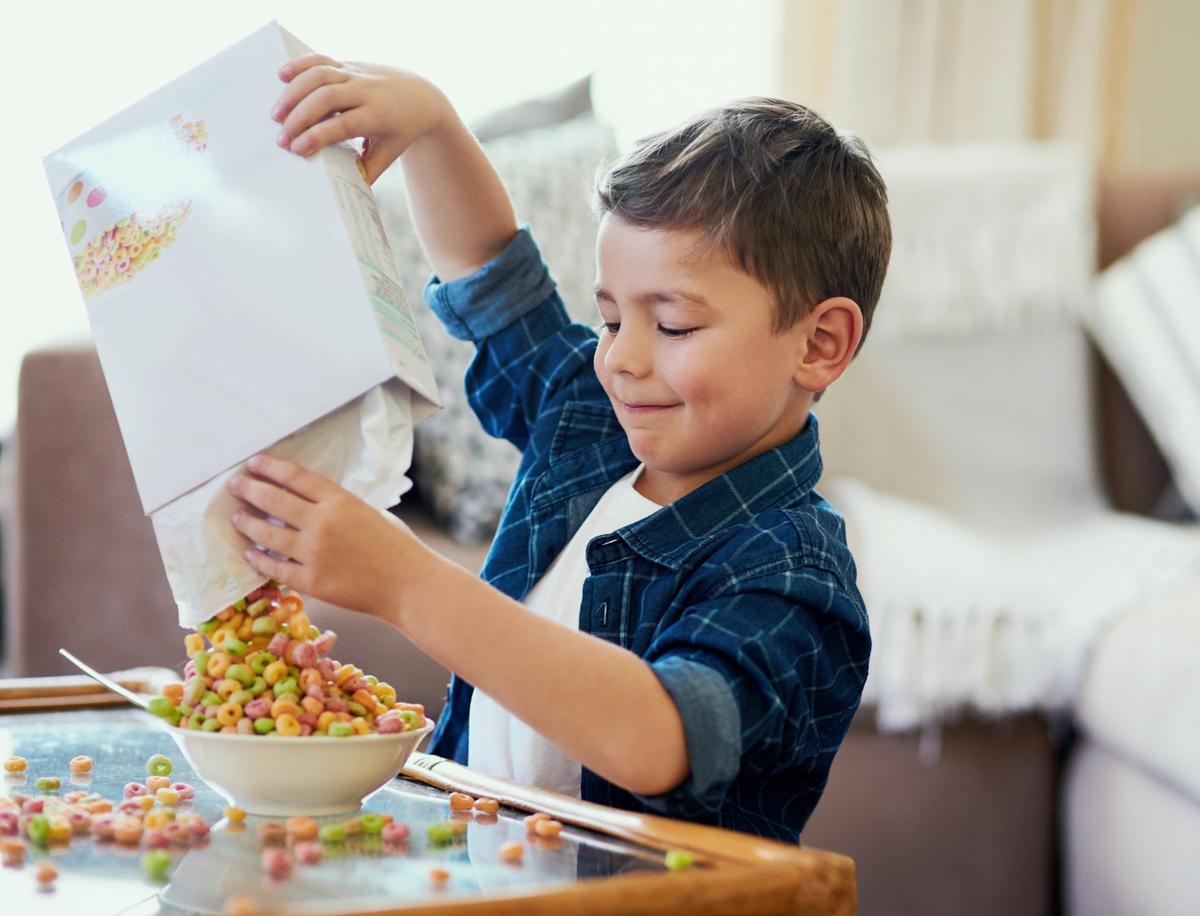
The Toy Is Back in the Box but Should It Ever Have Left?
WK Kellogg Co announced the return of in‑box toys for the first time in over a decade, tying the promotion to Disney‑Pixar’s *Toy Story 5*. The move is marketed as a “screen‑free” family experience aimed at millennial parents who remember cereal‑box prizes....

SNAP Restrictions Are Reshaping Sugary Food Purchases
Beginning Jan. 1, Indiana, Iowa, Nebraska, Utah and West Virginia barred SNAP funds from buying sugary drinks and candy as part of a USDA pilot. Ibotta’s data shows purchases of these items by SNAP shoppers fell about twice as fast in...
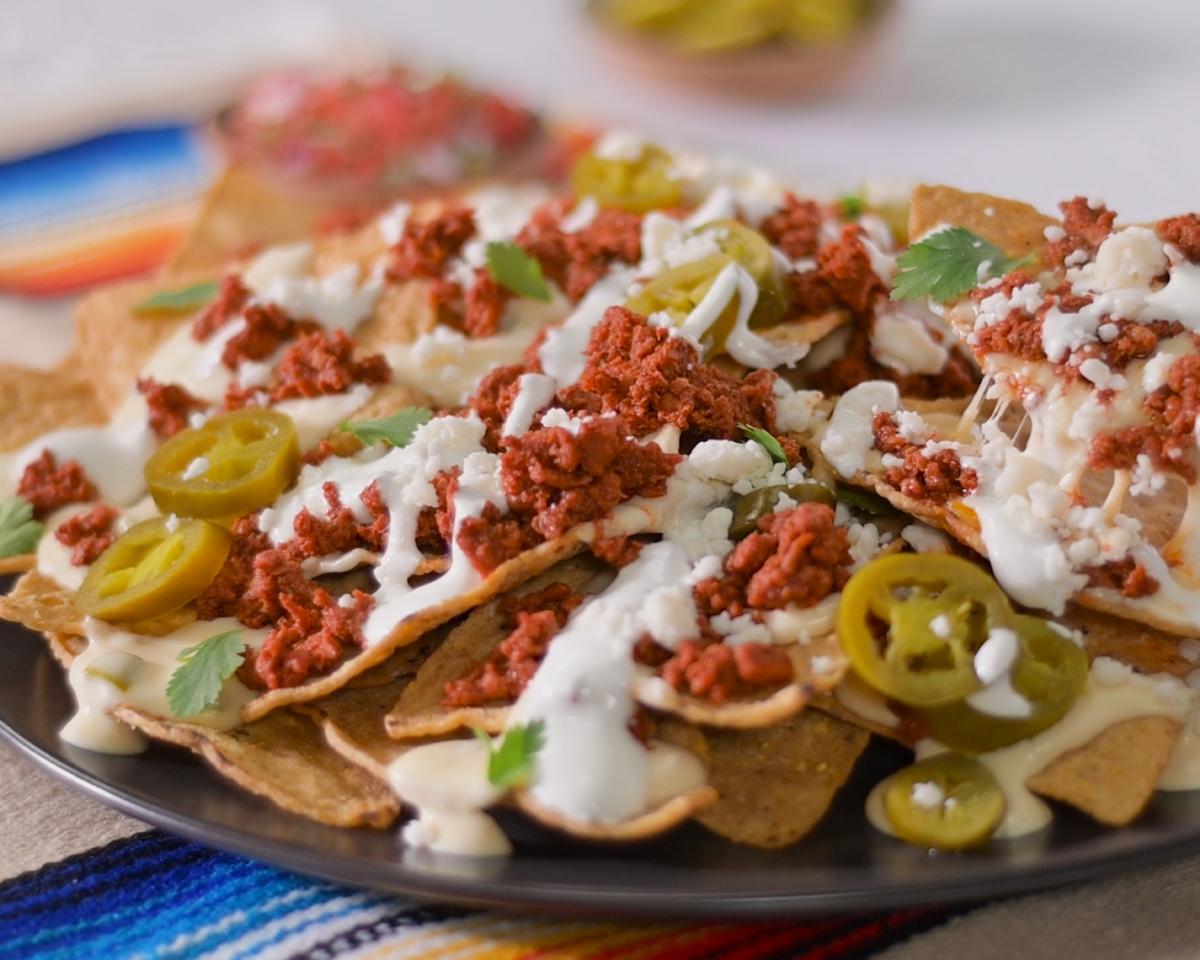
CPG Gears up for Cinco De Mayo on Taco Tuesday
Mexican food CPG brands are gearing up for Cinco de Mayo, which lands on Taco Tuesday this year, creating a unique promotional opportunity. General Mills’ Old El Paso teamed with Tabasco to launch a limited‑edition Taco Totality Gear Box, while Somos Foods...

Shoppers Embrace Personalization – but Draw the Line at AI Taking Control
Consumers in the US and UK are willing to share transactional data if it yields clear, personalized benefits, according to Dunnhumby’s latest retail‑media study. Ninety‑one percent said they accept data capture for more relevant ads, and 59% are more likely...
FRESH Act of 2026 Explained: FDA, GRAS Reform and Industry Pushback
The FDA Review and Evaluation for Safe, Healthy and Affordable Foods Act of 2026, known as the FRESH Act, would overhaul the agency’s food‑ingredient regime by creating a new “common food ingredients” category, mandating a public GRAS notification system, and...
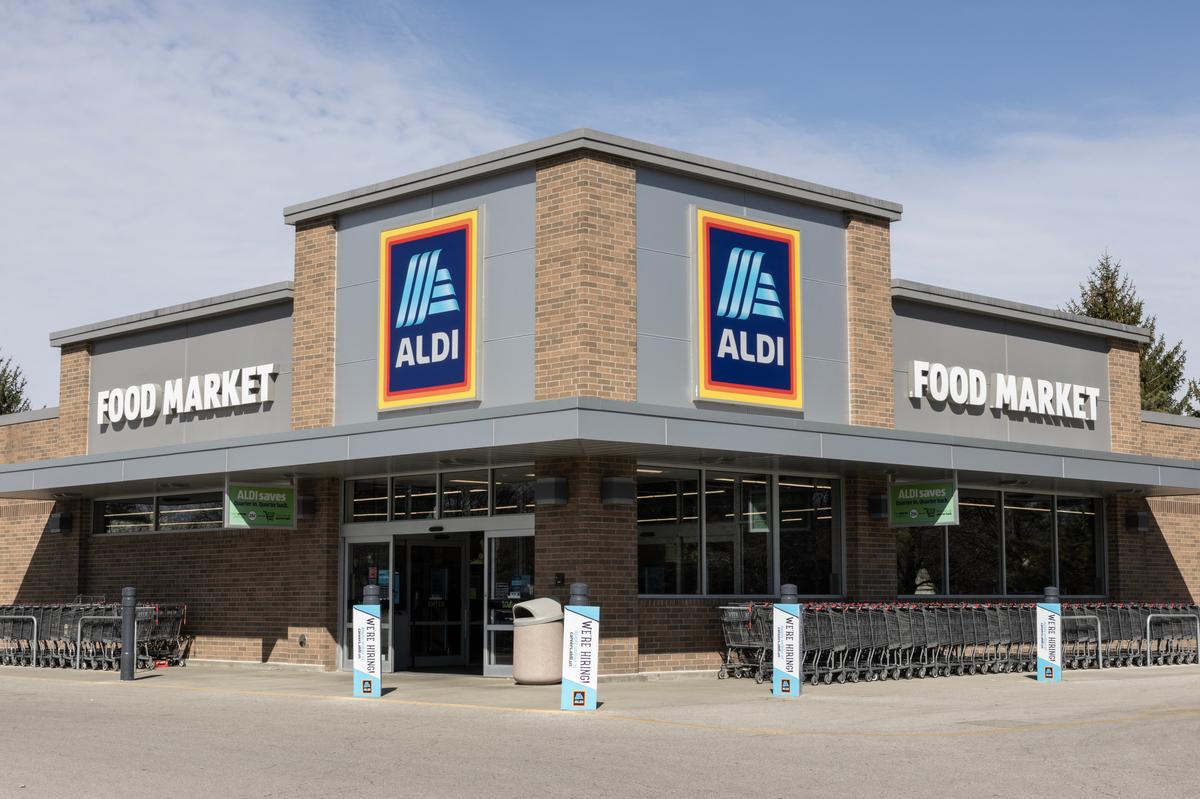
Aldi Ramps up Clean-Label Push with 44 New Ingredient Bans
Aldi announced it will add 44 new ingredients to its banned‑list for private‑label products, bringing the total to 57 prohibited items by the end of 2027. The expansion targets artificial colors, synthetic sweeteners, preservatives and certain phthalates, affecting roughly 90%...
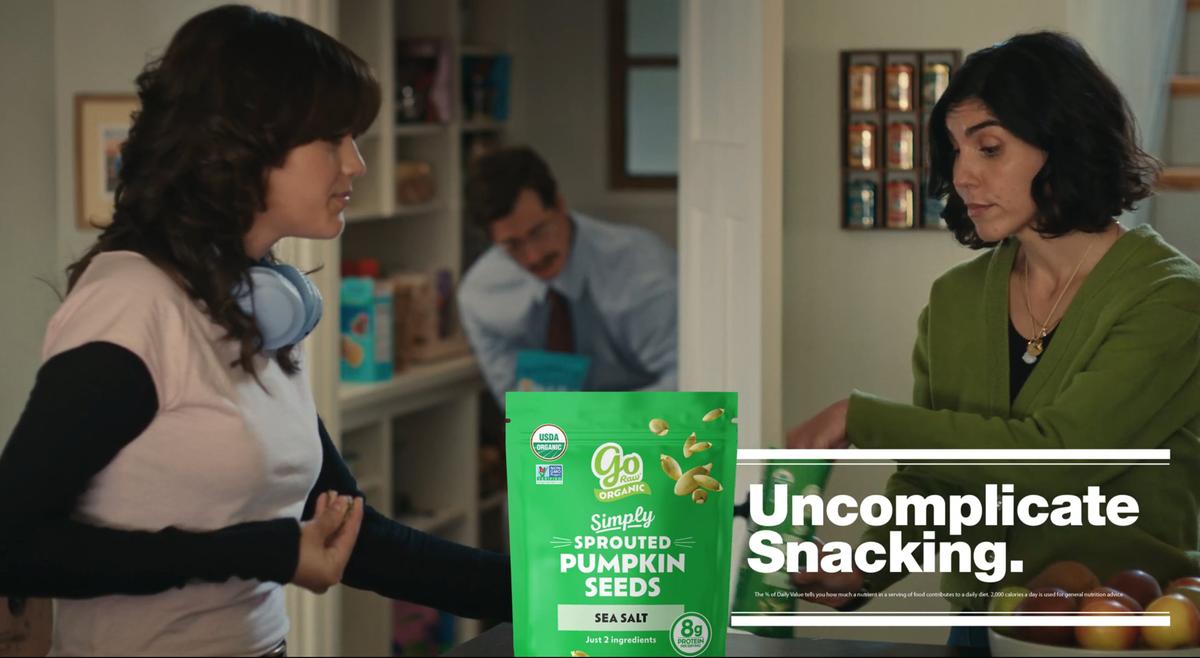
Why Overwhelmed Shoppers May Drive a Reset in Natural Food Marketing
Snack brand Go Raw has rolled out its first national advertising effort, “Uncomplicate Snacking,” in March 2026, positioning its sprouted seed products as a straightforward snack option. Consumer research revealed that 70% of shoppers eat the seeds straight from the...

The Butter Price Crash: Winners, Losers and What Comes Next
Butter prices have slumped about 22% year‑on‑year, with the EU down 35.2%, the US down 20% and Oceania down 10.2%, as record milk output floods the market. Bakers are capitalising on the dip, locking in low‑cost butter through 2027 and...

Is Microwave Popcorn Ready for Disruption? Opopop Thinks So
Opopop, a Colorado‑based popcorn startup founded in 2018, is moving from a direct‑to‑consumer model into mass retail with a Walmart rollout after a successful Target test. The company has reengineered its premium, flavor‑wrapped kernel kits into single‑use microwave bags that...
3 Strategies to Help CPG Marketers Drive Breakthrough Results with Less Money
C‑price‑goods (CPG) marketers are confronting tighter budgets and fragmented media while consumer attention splinters across devices. A new InMarket "Breakthrough Outcomes" report, highlighted by VP Matt Knust, distills three strategic pillars—precise timing, creative clarity, and real‑time personalization—that drove incremental ROAS up...

GLP-1 ‘Halo Effect’: Users Positively Impact Household Eating Habits
Acosta Group’s report finds that GLP‑1 weight‑loss drugs are sparking a “halo effect” that extends beyond users to other household members. Users, especially Gen Z and Millennials, report emotional boosts that translate into higher spending on fresh produce, yogurt, and protein‑rich...

CEO Churn Exposes Growing Cracks in Big Food’s Growth Model
Over the past year, roughly 15 of the 50 largest consumer‑product companies changed CEOs—a 30% turnover rate that far exceeds broader market norms. Boards are moving faster, often appointing outsiders with turnaround experience, as growth slows and pricing power wanes....

MAHA Push Accelerates Reformulation, but Leaves Food Industry in Limbo
The Trump administration’s “Make America Healthy Again” (MAHA) agenda is driving rapid, informal policy signals that push food manufacturers to reformulate products, even though no formal regulations have been issued. Industry leaders warn that reliance on speeches and agreements—such as...

Functional, Feel-Good Drinks Edge Out Alcohol for ‘Controlled Indulgence’
U.S. alcohol consumption hit a record low, with only 54% of Americans reporting drinking in the summer, down from 58% the prior year. The decline translated into a 3.3% drop in beer, 4.1% in spirits and 6.1% in wine sales...

Food Tech Faces Funding Reset as Investors Demand Profits over Promises
Food‑tech funding is shrinking; Q4 2025 VC investment fell 8.6% to $2.5 billion across 128 deals, down 16.3% from a year earlier and far below the 2021 peak. Exits also stalled, with only 85 transactions worth $287.7 million versus $12.8 billion in 2024....
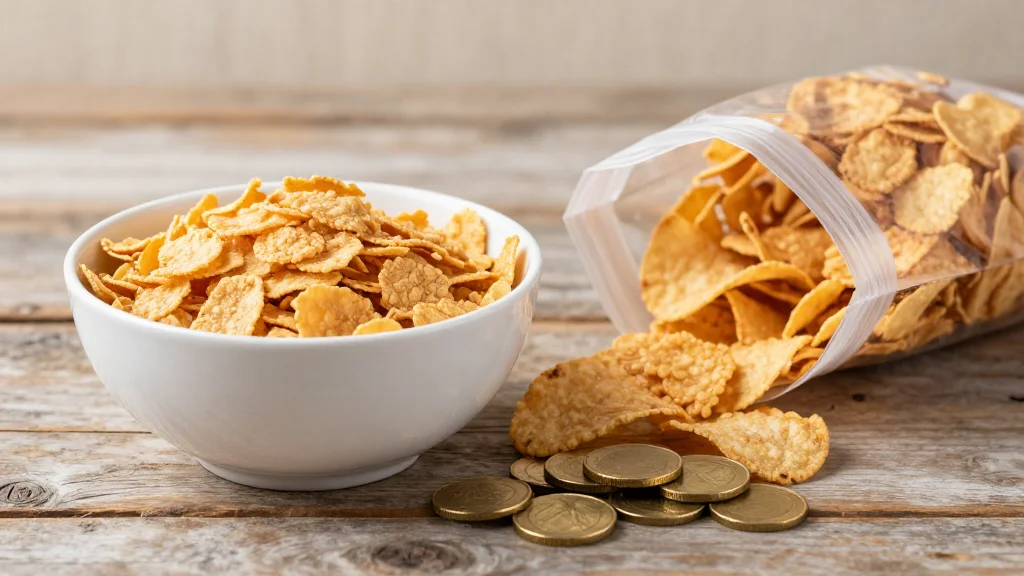
When Demand Falls but Prices Rise, Who Really Pays?
U.S. food prices remain 25‑30% above pre‑pandemic levels even as consumer demand eases, breaking the traditional price‑volume link. Cereal and snack categories illustrate the paradox: prices for family‑size boxes now sit between $6 and $8 while sales volumes decline. Companies...
Mould, Microbes and the $10m Mistake Food Companies Keep Making
Food‑safety failures now cost an average $10 million in direct recall expenses, but the broader economic impact in the United States tops $75 billion annually and roughly $13 billion in the United Kingdom (≈£10.4 bn). Climate volatility—heat waves, droughts, floods—and ever‑longer, multi‑tiered supply chains...

Unilever and McCormick Defend Food Tie-Up After Investor Jitters
Unilever announced advanced talks to sell most of its foods division to McCormick, creating a combined portfolio worth about $20 billion in FY 2025 revenue. The news triggered a sharp sell‑off, with Unilever shares falling over 7% and McCormick down 9% in...
Walmart’s Ecommerce, Fulfillment and Advertising Business Offset Flat In-Store Sales
At JPMorgan’s Retail Roundup, Walmart CFO John Rainey highlighted that the retailer’s ecommerce, advertising and fulfillment operations now account for roughly 20% of its business and are offsetting flat in‑store sales. Operating income is growing at twice the rate of...

California Pushes ‘Non-UPF’ Seal as Certifications Multiply and Confusion Grows
California Assemblymember Jesse Gabriel and the Environmental Working Group have introduced Assembly Bill 2244, which would create a voluntary “California Certified” non‑ultra‑processed food (non‑UPF) seal overseen by the state Department of Public Health. The seal mirrors the USDA Organic model,...

Cacao Pods and ‘Ugly’ Potatoes Powering the Upcycled Foods Movement
Upcycled foods, made from food‑system byproducts, are surging as a sustainable snack category. A Precedence Research report valued the global market at $63.8 billion in 2025 and forecasts $124.39 billion by 2034, with North America accounting for 39% of sales in 2024....

Danone Bets on Nutrient Quality, Not Quantity, as Consumers Look to Food for Health
Danone is redefining better‑for‑you food by emphasizing nutrient quality, digestibility and gut health rather than simply boosting macronutrient grams. The company is positioning itself as an educator, helping shoppers navigate complex nutrition claims while delivering formats and textures that fit...

Animal Welfare Info Makes Consumers Want to Buy Meat . . . Up to a Point
European shoppers are increasingly demanding clear animal‑welfare information on meat, yet packaging space remains scarce. Retailers such as Carrefour are turning to blockchain‑based digital labels to convey husbandry details. Studies show that presenting welfare data in relative terms—highlighting improvements over...