
React2Shell Vulnerability Hit by 8.1 Million Attack Attempts
The React Server Components “Flight” protocol remote code execution flaw (CVE‑2025‑55182), known as React2Shell, has become the focus of a massive exploitation campaign. GreyNoise has logged over 8.1 million attack sessions, with daily volumes stabilizing at 300‑400 k after a December peak above 430 k. The attacks stem from 8,163 unique IPs across 1,071 ASNs in 101 countries, with Amazon Web Services contributing more than one‑third of the source traffic. Threat actors are delivering thousands of distinct payloads using encoded PowerShell stagers and AMSI‑bypass techniques, highlighting the urgency of remediation.

Report: China Breached Email Systems Used by U.S. Congressional Staff
According to a Financial Times investigation, Chinese state‑linked hackers breached email systems used by staff of several influential House committees. The intrusion gave the actors access to legislative drafts, policy discussions and potentially classified briefings. U.S. officials highlighted the vulnerability...

How Attackers Hide Processes by Abusing Kernel Patch Protection
Researchers disclosed a new Windows rootkit technique that hides malicious processes by using the legitimate PsSetCreateProcessNotifyRoutineEx API to repair ActiveProcessLinks just before the kernel’s PspProcessDelete validation runs. This timing‑based bypass evades both PatchGuard and Hypervisor‑Protected Code Integrity, allowing processes to...

GitLab Patches Multiple Flaws Allowing Arbitrary Code Execution
GitLab has issued emergency patches—versions 18.7.1, 18.6.3 and 18.5.5—to close seven newly disclosed vulnerabilities affecting self‑managed instances. The flaws include two high‑severity stored and reflected cross‑site scripting bugs, missing authorization checks in AI GraphQL endpoints, and a runner‑removal issue that...

BlueDelta Hackers Target Microsoft OWA, Google, and Sophos VPN to Steal Credentials
Recorded Future’s Insikt Group uncovered a credential‑harvesting campaign by the Russian‑state backed BlueDelta group throughout 2025. The actors deployed phishing emails with legitimate‑looking PDFs to lure victims into fake Microsoft Outlook Web Access, Google, and Sophos VPN login portals, using...

Linux Battery Utility Vulnerability Allows Authentication Bypass and System Tampering
A vulnerability in the TLP power‑profiles daemon (version 1.9.0) lets local users bypass Polkit authentication and tamper with system power settings. The flaw stems from using Polkit’s deprecated “unix‑process” subject, creating a PID race condition that grants elevated control without admin...

OwnCloud Warns Users to Enable MFA After Credential Theft Incident
ownCloud issued an urgent advisory urging users to enable Multi‑Factor Authentication after a credential‑theft incident reported by Hudson Rock. Threat actors stole passwords via infostealer malware such as RedLine, Lumma and Vidar and accessed accounts lacking MFA. The breach did not...
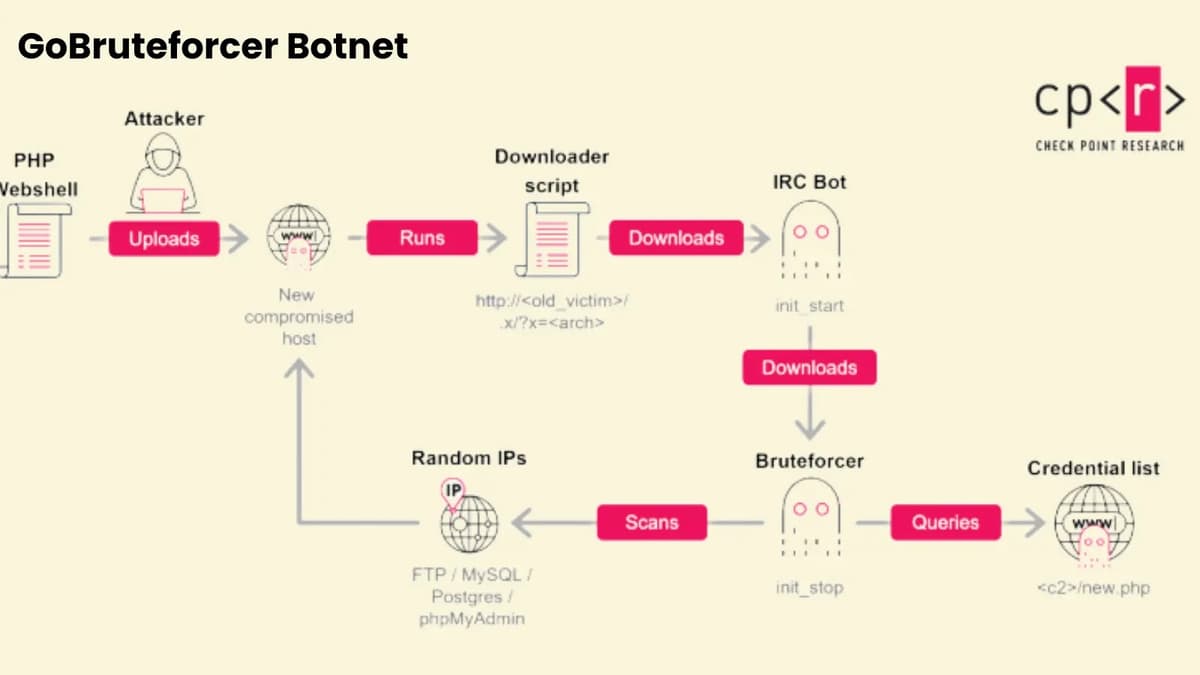
Global GoBruteforcer Botnet Campaign Threatens 50,000 Linux Servers
The GoBruteforcer botnet is actively compromising more than 50,000 internet‑facing Linux servers by brute‑forcing credentials for FTP, MySQL, PostgreSQL and phpMyAdmin services. Researchers note that AI‑generated deployment examples and legacy stacks like XAMPP have proliferated weak default passwords, expanding the...

Cybercriminals Exploit VMware ESXi Vulnerabilities Using Zero-Day Toolset
Huntress researchers uncovered a sophisticated campaign that leverages a zero‑day toolkit, MAESTRO, to exploit three critical VMware ESXi vulnerabilities disclosed in VMSA‑2025‑0004. The attack chain begins with stolen Domain Admin credentials used to compromise a SonicWall VPN, followed by lateral...

Hackers Using Malicious QR Codes for Phishing via HTML Table
Hackers have begun delivering phishing QR codes without images, rendering them as dense HTML tables of colored cells. This “imageless” approach evades traditional image‑analysis scanners that look for bitmap QR patterns. Recipients who scan the codes are directed to credential‑harvesting...