The Iran War and the Rewiring of West Asia
The protracted conflict in Iran is losing momentum, yet the Islamic Republic endures in a weakened, internally volatile state. While a decisive victory remains elusive, Tehran faces mounting domestic dissent and heightened external pressure from regional rivals and global powers. The war’s slowdown is prompting a strategic realignment across West Asia, as neighboring states recalibrate their security and diplomatic postures. This reshaping could redefine power balances and economic ties throughout the region.
Artemis and the Space Warfare Frontier
George Friedman argues that space has become a decisive battlefield, coining the term "astropolitics" to describe how satellites now drive intelligence, targeting and logistics in conflicts such as Ukraine and Iran. He explains that anti‑satellite weapons and laser‑based defenses are...
Daily Memo: Ceasefire in Iran, Defense Changes in France
The United States and Iran have agreed to a two‑week ceasefire that will pause hostilities in the strategically vital Strait of Hormuz. Under the arrangement, both Iran and Oman will be permitted to levy tolls on commercial vessels transiting the...
The Crisis of NATO
NATO was founded after World War II to counter Soviet expansion in Europe. The alliance’s raison d'être vanished with the 1991 collapse of the Soviet Union and communism. Since then, NATO has struggled to define a coherent mission, oscillating between collective...
Daily Memo: Update on Iran Strikes, US Access to British Bases
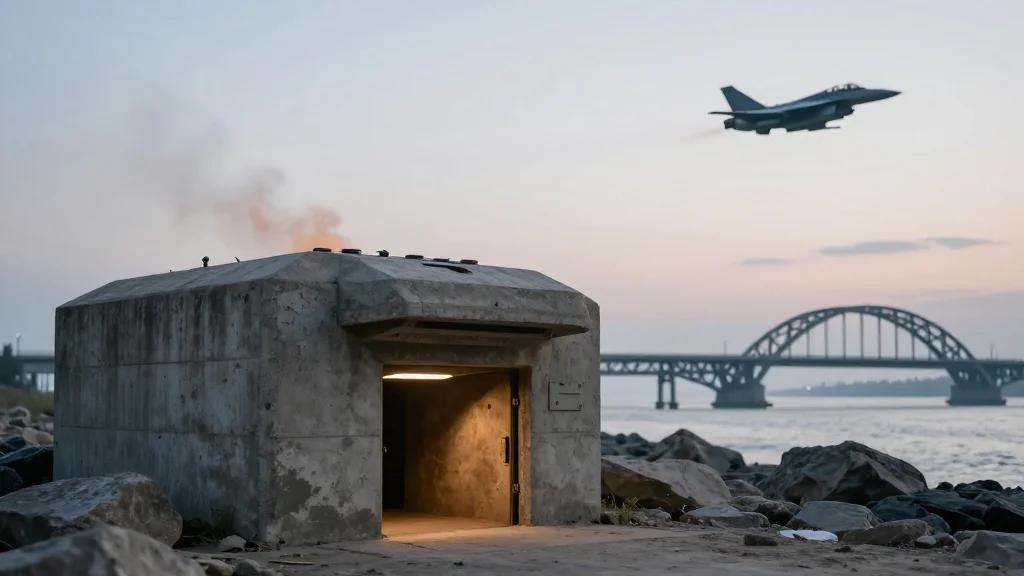
The United States launched overnight airstrikes on Iran’s Kharg Island, targeting military bunkers, storage sites, and air‑defense systems while deliberately avoiding the island’s oil export facilities. In a coordinated effort, U.S. and Israeli forces also struck a strategic bridge, further...
Europe’s Second Energy Reckoning
A joint U.S.-Israeli military strike on Iran has triggered the largest oil supply disruption ever recorded, sending shockwaves through global energy markets. Europe, still recovering from the 2022‑23 crisis caused by Russia’s invasion of Ukraine, now faces a second, acute...
Daily Memo: China Issues Peculiar Airspace Restrictions, Oil Cartel Raises Quotas
China announced temporary airspace restrictions along its eastern coast from March 27 to May 6, covering zones from the Yellow Sea to the East China Sea and areas north and south of Shanghai. The restrictions were imposed without any accompanying...
George Answers Your Questions: The Future of War Is Here
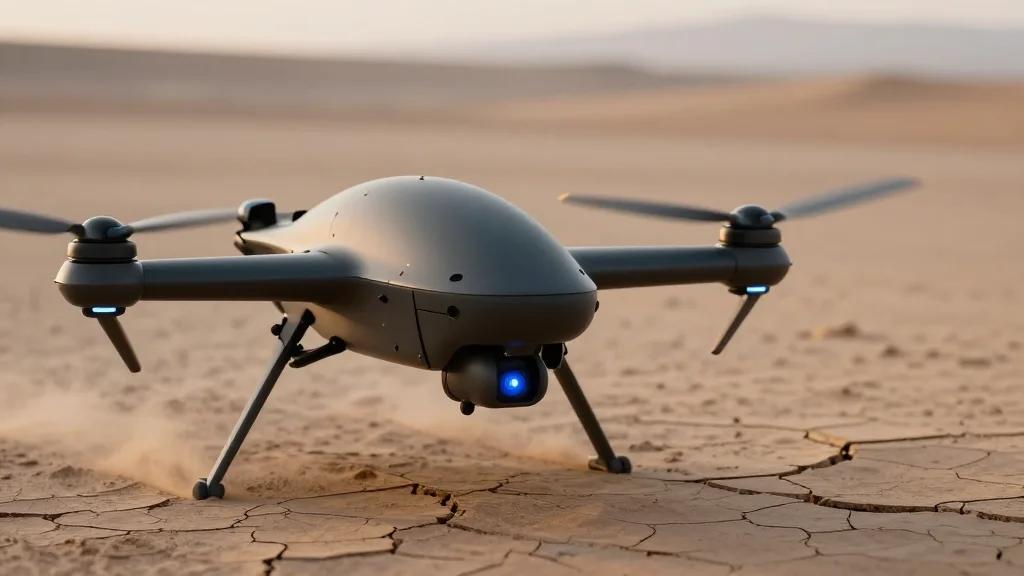
The article explores how emerging technologies are redefining modern conflict, emphasizing AI‑driven weapons, autonomous drones, and cyber‑enabled tactics. It contrasts this high‑tech transformation with cultural perceptions of Russian troops, noting that widespread memes portray the Russian army as chaotic despite...

Sketches of the Middle East After the Iran War
The active phase of the Iran war appears to be drawing to a close, prompting analysts to step back from battlefield details and examine the emerging regional balance. While the future trajectory of Tehran's regime remains uncertain, the broader Iranian...
Daily Memo: France-Japan Meeting, Russia-Armenia Talks
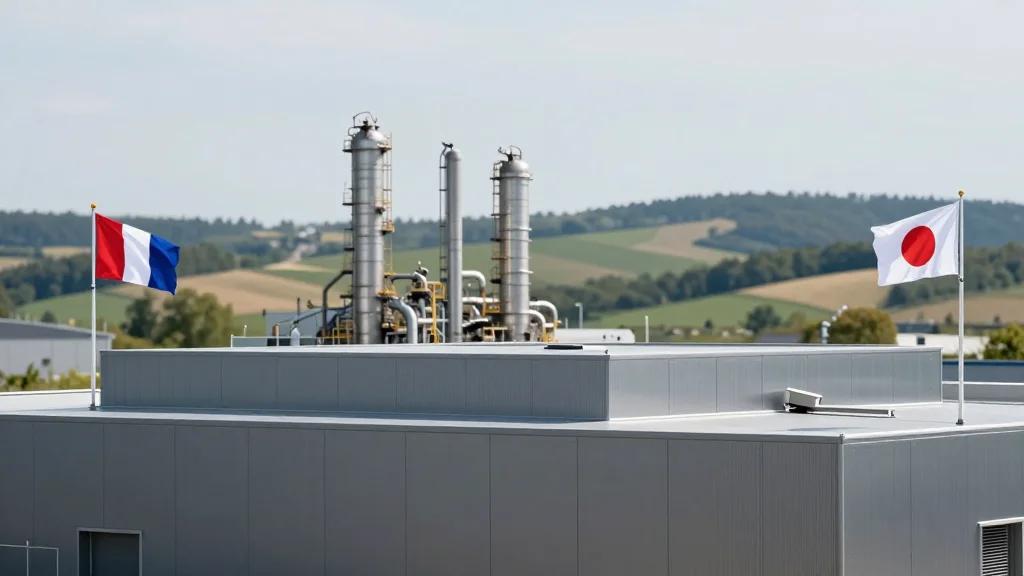
France and Japan signed a strategic roadmap to deepen cooperation on critical minerals during President Emmanuel Macron’s visit to Tokyo. The agreement includes securing raw material supplies for a rare‑earths refinery in southern France, where a Japanese state‑owned firm holds...
Daily Memo: US-Saudi Ties, Israeli Plans for Lebanon
The White House recently submitted a classified report to Congress outlining a proposal to share nuclear technology with Saudi Arabia. The arrangement would encompass cooperation on uranium enrichment and plutonium reprocessing, areas traditionally reserved for advanced nuclear states. Officials argue...
What to Know About the Artesh, Iran’s Conventional Military
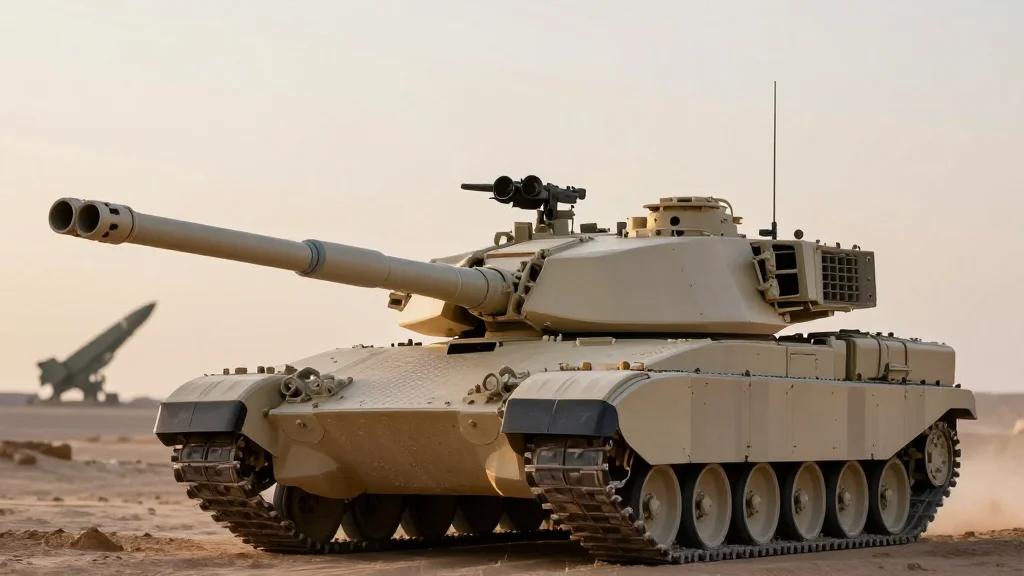
Iran’s conventional armed forces, the Artesh, operate alongside the ideologically driven Islamic Revolutionary Guard Corps (IRGC) as a dual‑structure military. The Artesh handles ground warfare, territorial defense, and conventional air and naval operations, while the IRGC focuses on strategic strike,...
Daily Memo: Mediation Efforts, Oil Supplies for Cuba
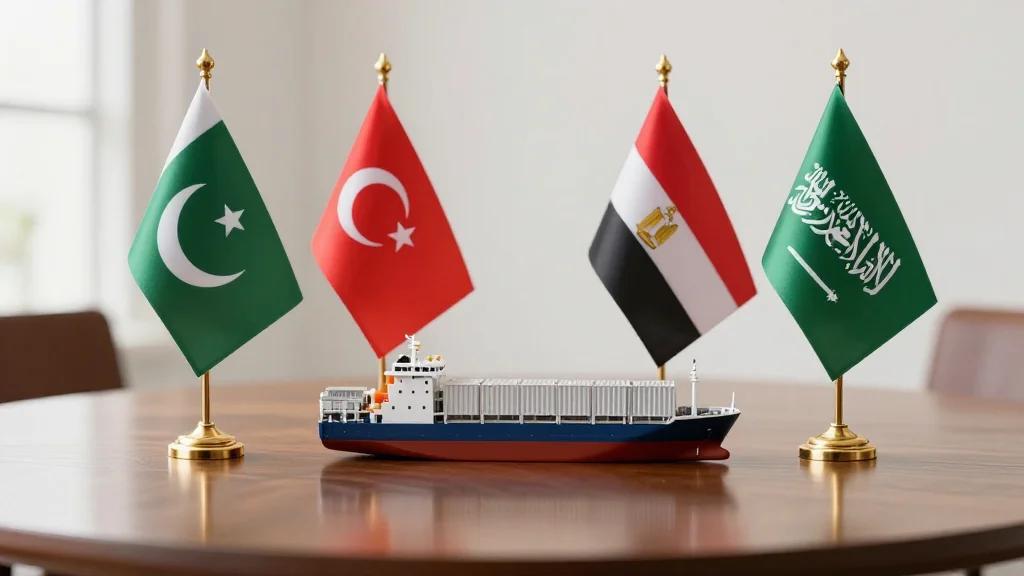
Foreign ministers from Pakistan, Turkey, Egypt and Saudi Arabia met in Islamabad to explore diplomatic pathways for ending the Iran‑Saudi conflict. The quartet discussed forming a multilateral consortium to oversee commercial shipping through the Strait of Hormuz, proposing a fee...
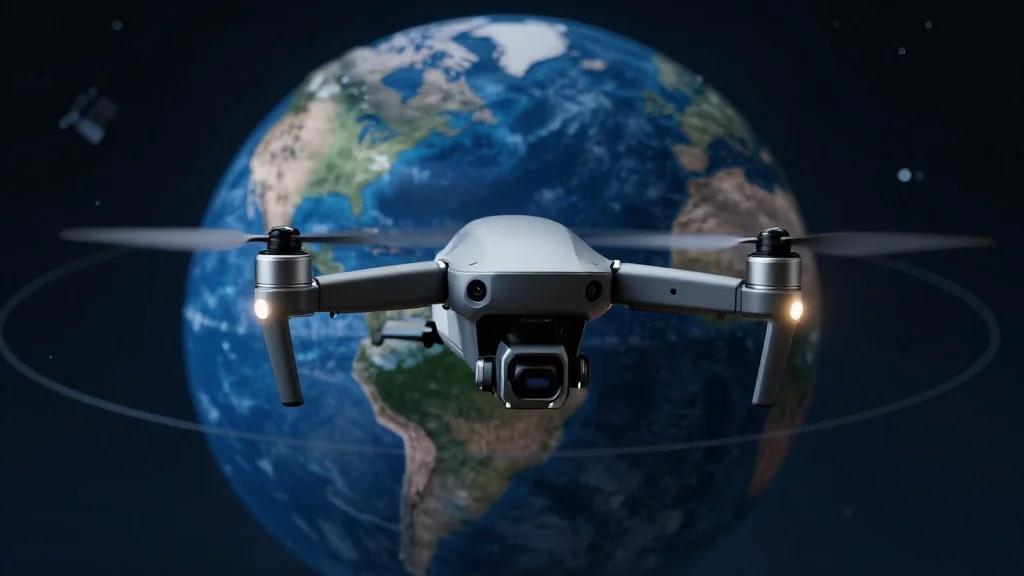
The Future of War Is Here
The article asserts that modern warfare is now defined by drones, satellite‑based intelligence, and precision targeting, a shift evident in the Ukraine and Iran conflicts. Unmanned aerial systems have evolved into autonomous weapons that act as both aircraft and bomb,...

George Answers Your Questions: Beyond Iran: China, Russia and Europe
George Friedman argues the Trump administration’s push to destabilize Iran is less about Tehran itself and more about choking China’s future oil supply. He links this strategy to the 2019‑2020 U.S.‑backed regime change in Venezuela, suggesting a pattern of using...
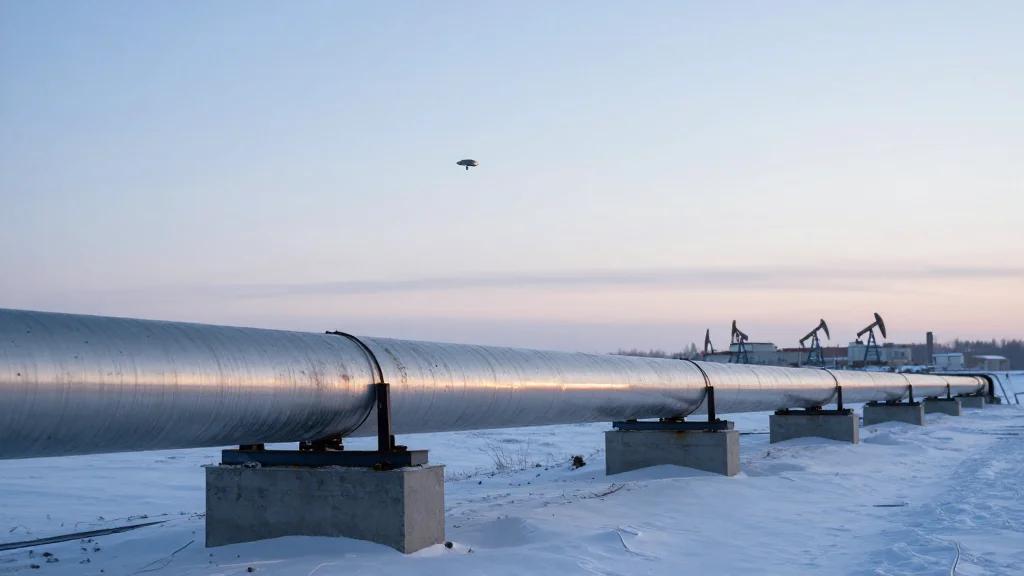
Logistical Complications for Russian Energy Exports
Russia's oil export revenues have resumed growth after four years of decline, buoyed by higher energy prices and a temporary U.S. sanctions easing. However, the country's ability to capitalize on this rebound is constrained by aging western pipelines and ports...
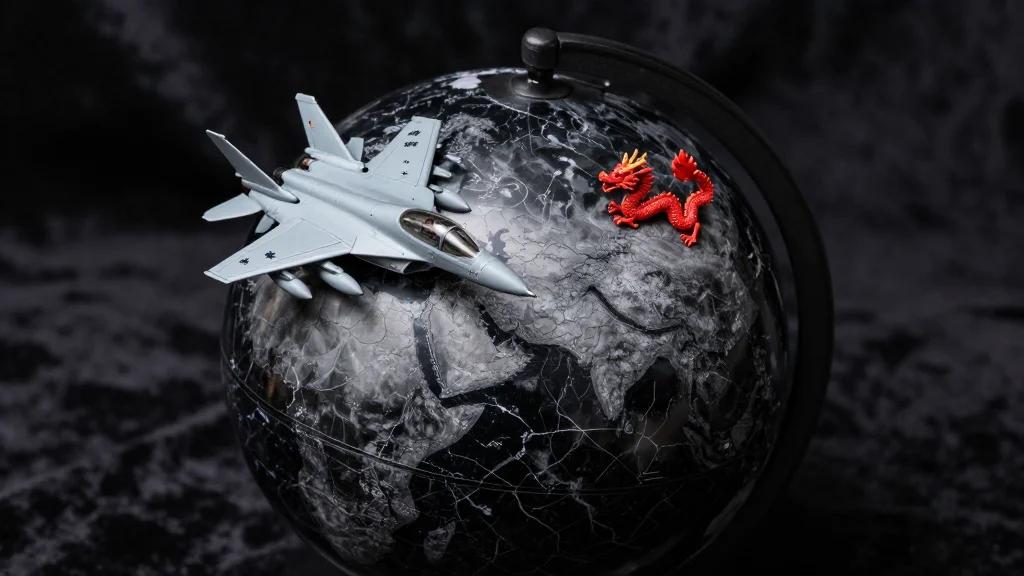
China, Iran and the Future of Taiwan
George Friedman argues China’s primary concern amid the Israel‑Iran war is preserving its access to the U.S. market, even as oil prices surge. Beijing’s restrained response reflects limited power projection and a strategic choice to avoid antagonising Washington, which supplies...
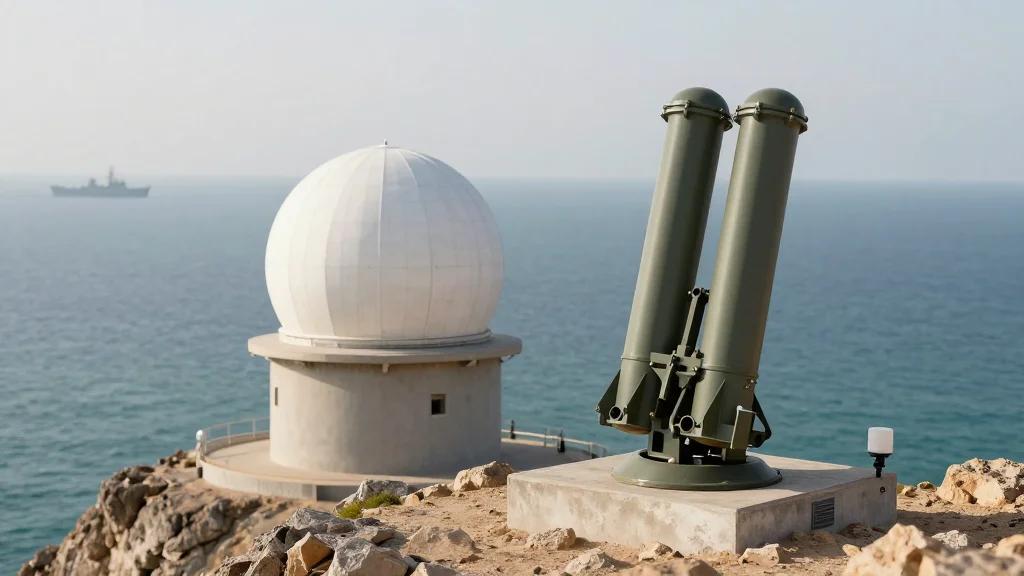
Daily Memo: Iran Makes Preparations
Iran has deployed additional troops and air‑defense systems to Kharg Island, the key oil‑export hub in the Persian Gulf, as it prepares for a potential U.S. ground incursion, CNN reported citing U.S. intelligence. The move includes laying anti‑personnel and anti‑tank...

Daily Memo: US Offers Plan for Peace in Iran
Washington is advancing a 15‑point framework aimed at ending the ongoing Iran‑Israel hostilities, according to Channel 12. The plan calls for a month‑long ceasefire followed by intensive diplomatic talks to secure a permanent peace settlement. U.S. officials hope the proposal...
How Iran Is Repricing Geography
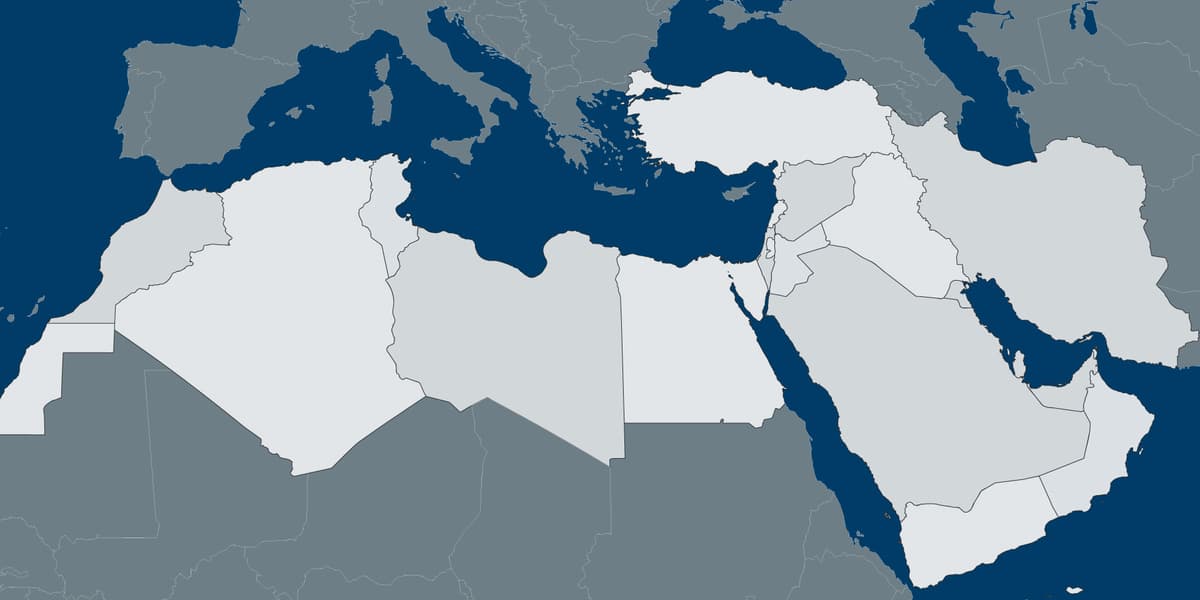
The International Maritime Organization (IMO) has tabled a proposal to safeguard Persian Gulf shipping, mirroring the Black Sea grain corridor that kept vital routes open during Ukraine’s war. Iran, traditionally wary of external maritime regulations, appears cautiously receptive to collaborating...
Lebanon on the Brink of Civil War
Hezbollah’s secretary‑general Naim Qassem declared the group will continue armed resistance until Israeli‑occupied territories in Lebanon are reclaimed. This stance comes despite mounting pressure from the Lebanese government, which, under the 2024 ceasefire agreement, is demanding Hezbollah lay down its...
George Answers Your Questions: Geopolitics, War and Iran
The article features George responding to a reader’s query about the unfolding conflict with Iran, noting that the U.S. timeline for a military campaign was miscalculated. While former President Trump projected a 4‑5‑week operation, after 2½ weeks the situation remains...
Daily Memo: Belarusian Fertilizers, US-Japan Relations
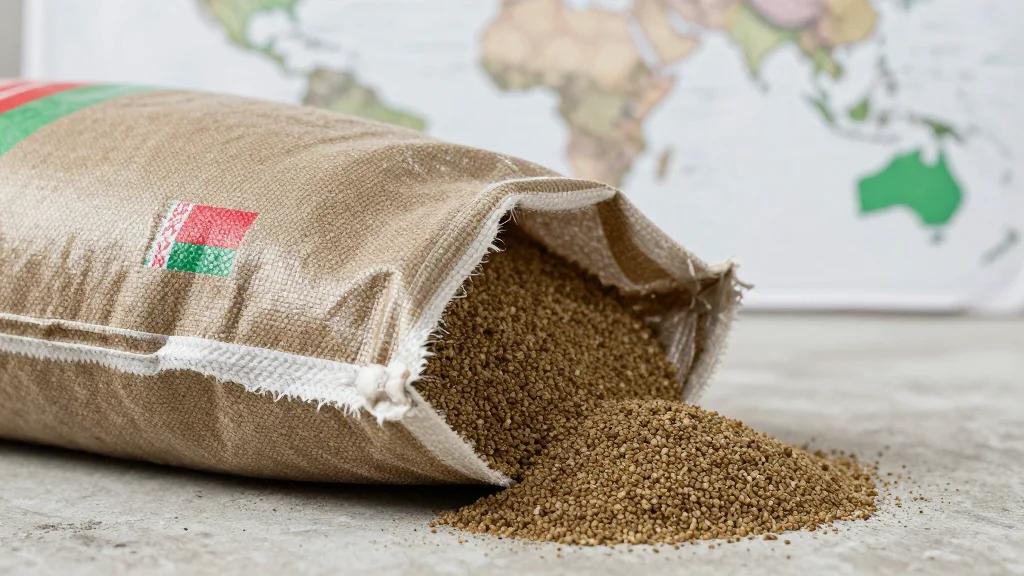
The United States announced it will lift sanctions on two major Belarusian fertilizer producers and two state‑owned banks, including Belinvestbank, after a meeting between President Alexander Lukashenko and U.S. special envoy John Cole. The move is framed as a response to...
Conditions for US-Russia Rapprochement Fall Into Place
Seven months after the historic Alaska summit, the United States issued a 30‑day waiver permitting limited sales of sanctioned Russian crude, a move aimed at offsetting oil shortages caused by Iran’s blockade of the Strait of Hormuz. The waiver signals...
Live Discussion: War with Iran and Global Consequences
A live discussion hosted by Geopolitical Futures featured analysts Kamran Bokhari and Andrew Davidson alongside Chairman George Friedman to dissect the evolving war between the United States, Israel and Iran. The conversation centered on Iran’s protracted, asymmetric war strategy, U.S....
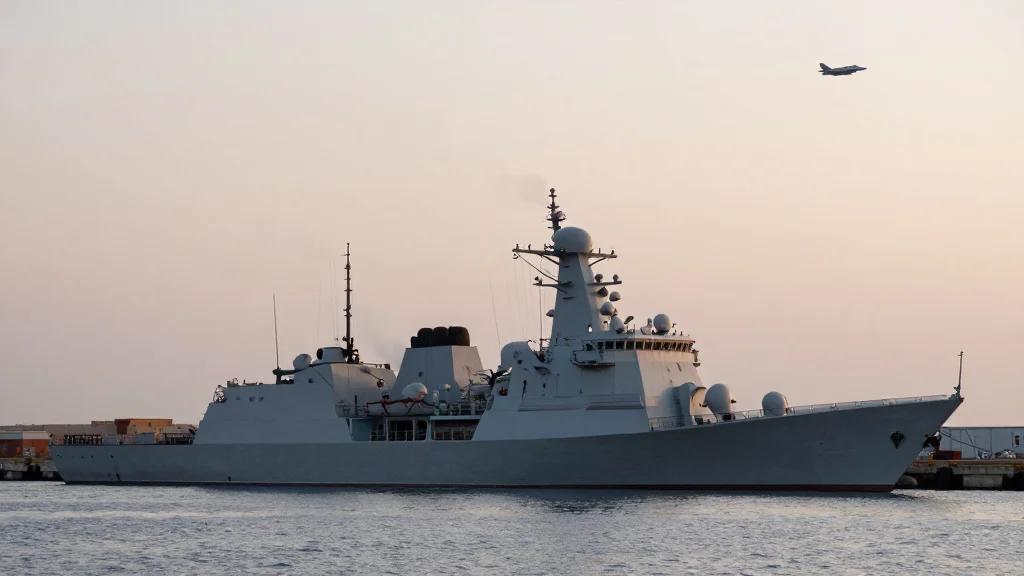
Daily Memo: Strikes on Iran’s Navy, US Mulls Sending Reinforcements
Israel launched its first strike on Iranian naval assets in the Caspian Sea, hitting five vessels near the strategic port of Bandar Anzali, where Iran’s naval headquarters sits. The Israeli Air Force confirmed the operation targeted northern Iran but withheld...
Assessing Iran’s Capacity Amid Decapitation and Degradation
U.S. Director of National Intelligence Tulsi Gabbard reported that three weeks of intensive U.S. and Israeli bombardment have left Iran’s regime “intact but largely degraded.” The same day, Israeli Defense Minister Israel Katz outlined plans to intensify the degradation campaign....
Why Asia Hopes for a Short Mideast War
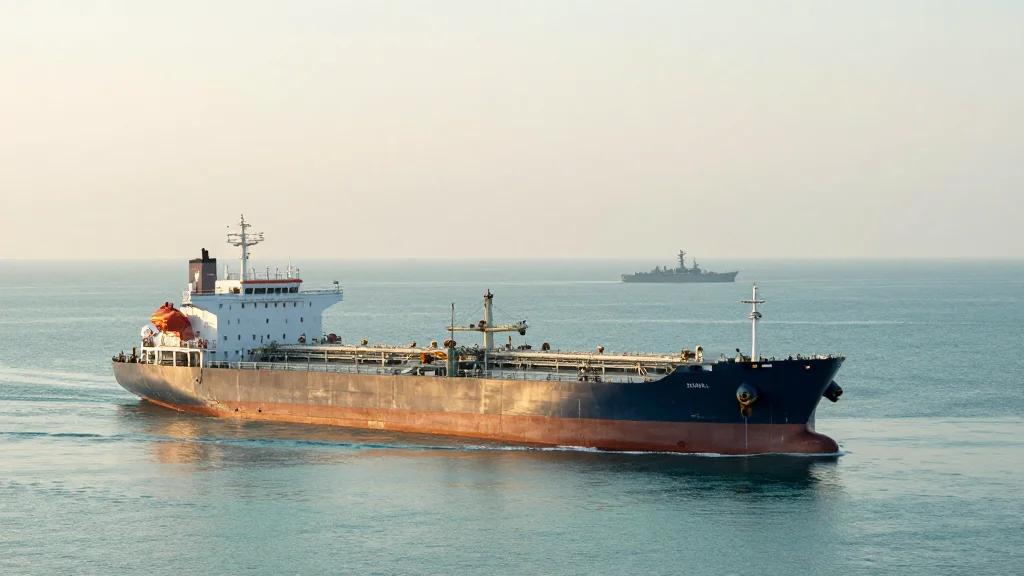
A potential war in Iran is sending shockwaves through the Asia‑Pacific as the region’s heavy reliance on Middle Eastern oil, LNG and petrochemicals makes the closure of the Strait of Hormuz a catalyst for inflation, supply‑chain strain and strategic uncertainty....
George Answers Your Questions: A Summary of the Iran War, So Far
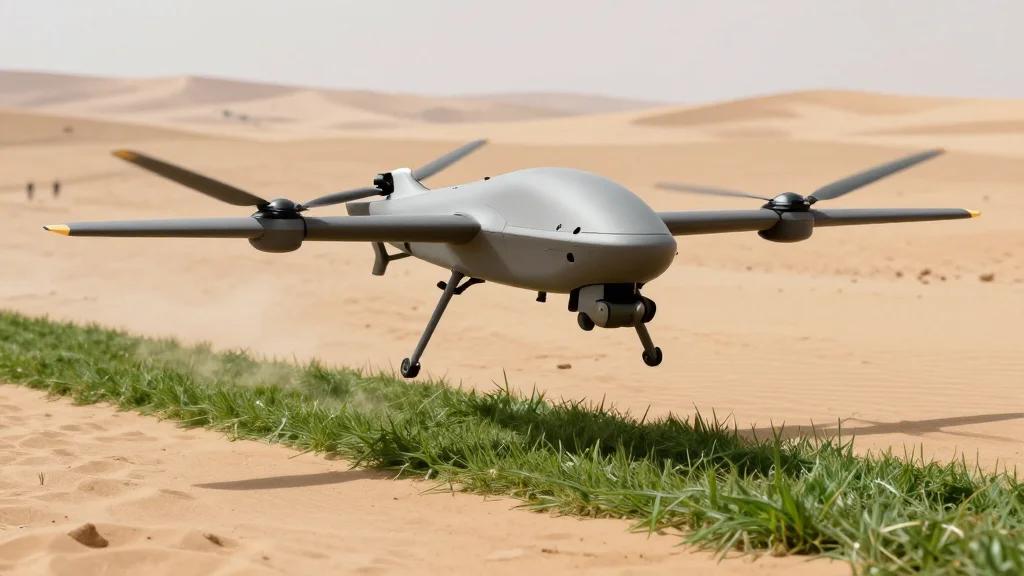
George, a geopolitical analyst, fielded a reader’s question about whether the United States and its allies are effectively employing a “mowing the lawn” approach in the ongoing Iran conflict—periodic, limited strikes against Iran’s military and nuclear assets without pursuing regime...

EU Economies Can’t Catch a Break
The EU’s economy barely grew in Q4 2025, posting a 0.2 percent quarterly increase. Although inflation has eased and central banks trimmed rates, growth momentum stalled. A sharp 40 percent rise in Brent crude and record‑high gas prices, driven by the ongoing...
Daily Memo: US Eases Russian Oil Sanctions
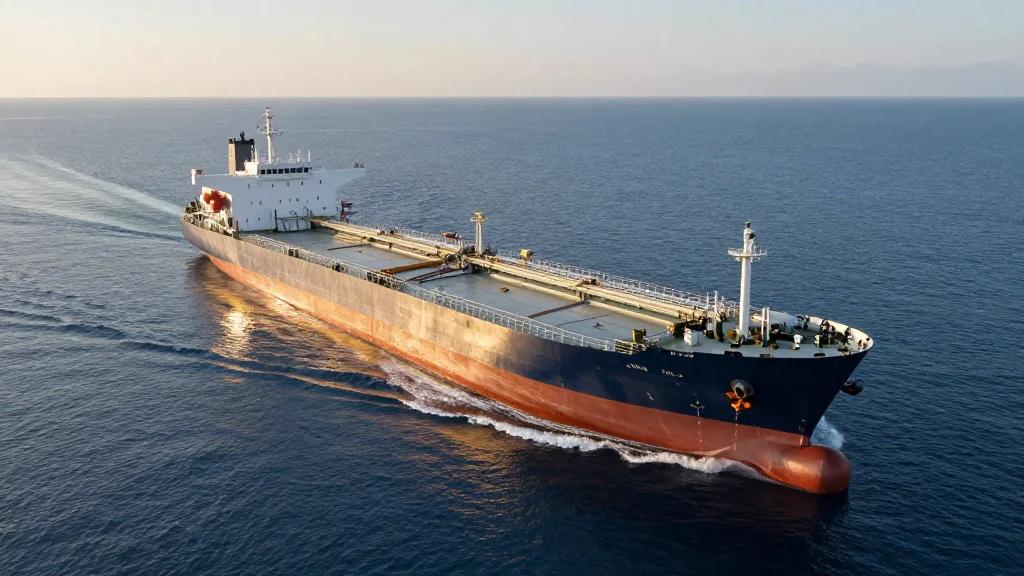
The United States announced a 30‑day suspension of sanctions on Russian crude that is currently at sea, aiming to cushion the economic repercussions of the war in Iran. The temporary relief covers roughly 100 million barrels of Russian oil in transit,...

Iran’s Doctrine of Protracted War
Iran is embracing a doctrine of protracted war against the U.S.-Israeli coalition, favoring attrition and asymmetric tactics over rapid, decisive battles. The coalition’s strategy centers on decapitation strikes, intelligence superiority and command disruption to achieve operational dominance. Iran counters with...
The Battle for Lebanon’s Future
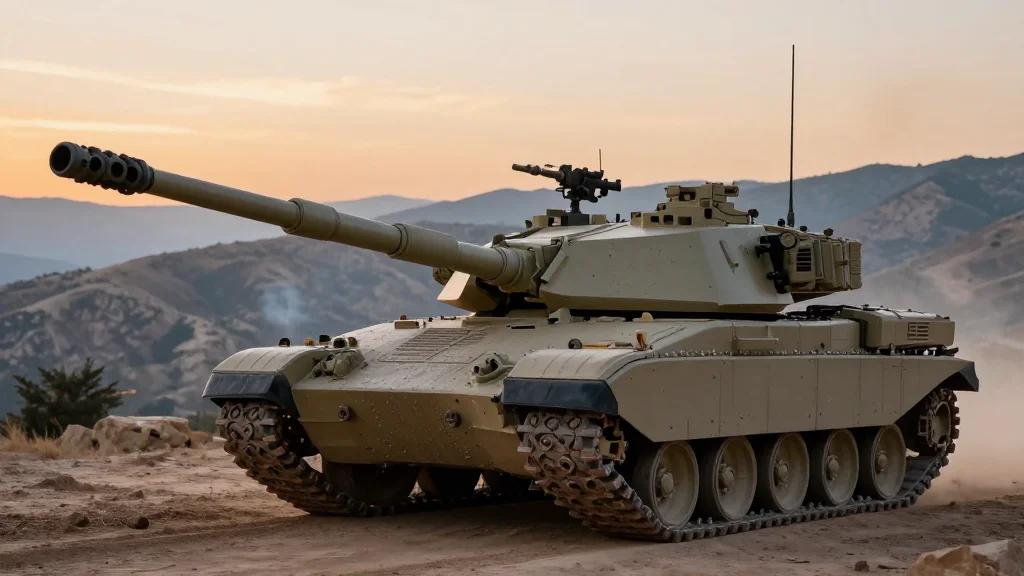
The podcast examines the escalating war between Israel and Hezbollah in Lebanon, where Israel aims to eliminate Hezbollah’s military and political influence. Hezbollah, after months of attrition, chose to fight openly, framing the conflict as a martyrdom‑driven stand. The Lebanese...
Daily Memo: Oil Markets and Shipping Disruptions
The International Energy Agency’s member states voted unanimously to release 400 million barrels of oil from their emergency strategic reserves, a move that more than doubles the 182 million‑barrel drawdown in 2022 when Russia invaded Ukraine. The sizable release is intended to...
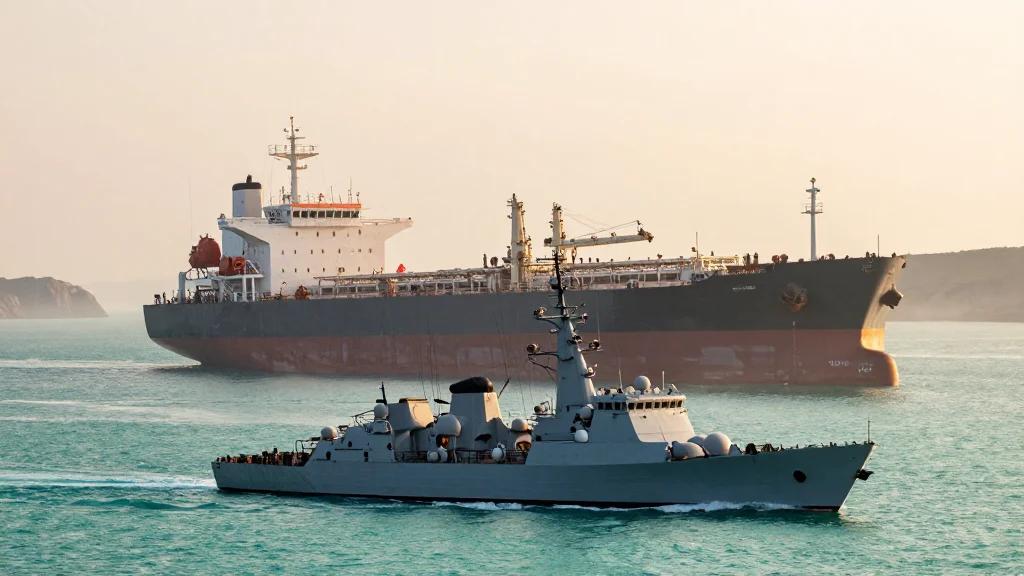
Daily Memo: Commercial Shipping and the Conflict in Iran
Iran’s Islamic Revolutionary Guard Corps announced it will condition passage through the Strait of Hormuz on Arab or European nations expelling U.S. and Israeli ambassadors, while simultaneously barring oil exports to the United States and its allies. The move signals...
The Eclipse of the Islamic Republic
U.S. President Donald Trump has issued an unconditional demand that Iran surrender to end the joint U.S.-Israeli operation launched on Feb. 28, which targets Iranian military and nuclear infrastructure. The demand follows Trump’s earlier endorsement of a Kurdish incursion into Iran...
In Iran, Airpower Has Its Limits
The article argues that Iran’s air force, despite modern jets and drones, cannot secure decisive political outcomes on its own. It cites recent regional skirmishes and U.S. strikes to illustrate how air superiority offers tactical advantages but fails to compel...
George Answers Your Questions: First Thoughts on the Attack on Iran
George Friedman of Geopolitical Futures provides his first assessment of the recent attack on Iran, describing the immediate strategic context and the organization’s internal response. He explains that Geopolitical Futures has moved to a “Red Alert” posture, mirroring past crisis...
China’s Strategic Restraint in the Iran War
China is deliberately limiting its involvement in the Iran war while maintaining momentum on high‑level U.S.–China trade talks. Treasury Secretary Scott Bessent, USTR Jamieson Greer and Vice‑Premier He Lifeng are slated to meet in Paris in mid‑March ahead of a...
Russia’s Limited Gains From the Middle East War
The war in the Middle East has tightened oil and gas flows through the Strait of Hormuz, creating a temporary vacuum that Russia hopes to exploit. While the conflict restricts exports from Saudi Arabia, Iran and other regional producers, Russia’s...
Iran After the War
U.S. President Donald Trump suggested that a more moderate, popular figure already embedded in Iran’s regime could lead Tehran after the conflict. Israeli Prime Minister Benjamin Netanyahu warned that while the war may be protracted, it is unlikely to last...
Economic Implications of the Iran Attacks
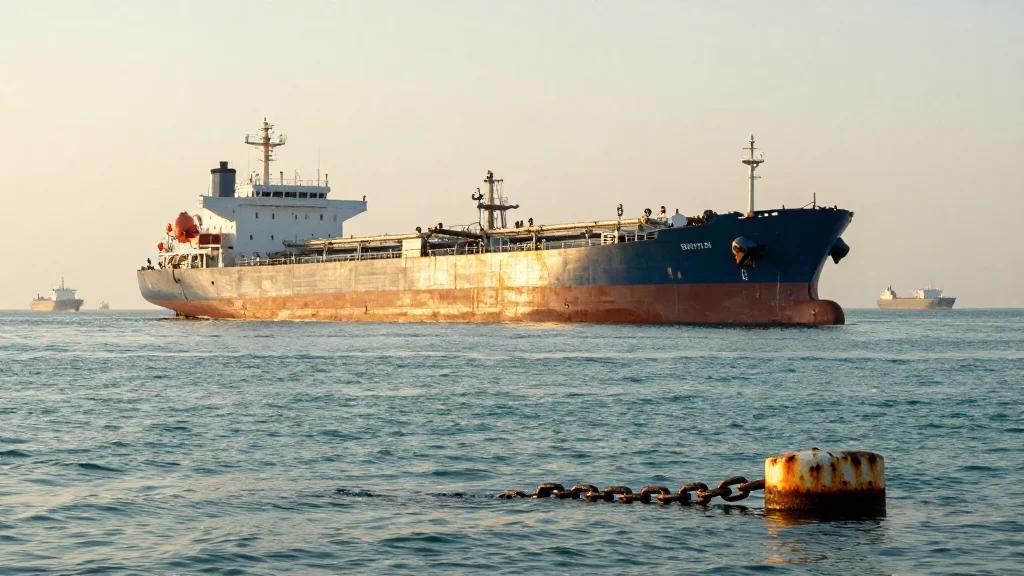
U.S. and Israeli strikes prompted Iran’s Revolutionary Guard to announce a closure of the Strait of Hormuz, one of the world’s most vital oil chokepoints. The move threatens to halt commercial traffic, immediately spiking crude prices and prompting insurers to...
Daily Memo: Fallout From the Attack on Iran
The United States and Israel launched coordinated airstrikes against Iranian facilities over the weekend, prompting a rapid cascade of retaliatory actions. Iran responded by firing missiles at the United Arab Emirates, Kuwait and Qatar, extending the conflict beyond its borders....

The Chokepoint at the Center of the US-Iran Standoff
Brent crude has nudged into the low $70s as U.S.-Iran tensions rise, underscoring the market’s sensitivity to the Persian Gulf. About 20% of global oil passes through the Strait of Hormuz, a narrow chokepoint that could be disrupted by conflict....

Where We Are in the Storm | ClubGPF Clip with George Friedman
In a recent ClubGPF live discussion, Geopolitical Futures chairman George Friedman revisited his book *The Storm Before the Calm* to argue that America is moving through an 80‑year institutional cycle. He compared today’s political polarization and economic anxiety to three...
George Answers Your Questions: European Nuclear Umbrella, Risks of a United Europe
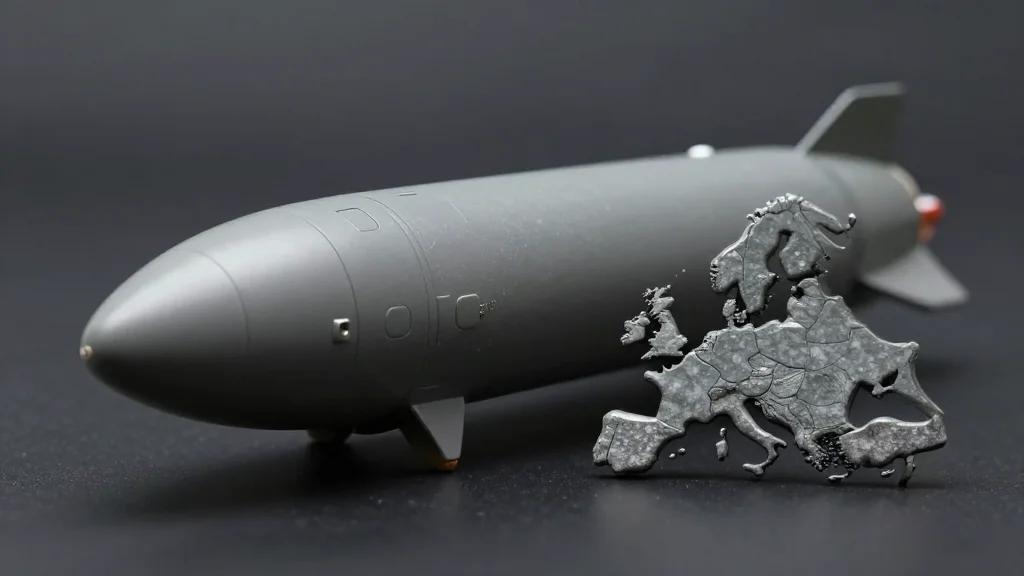
At the Munich Security Conference, George addressed Europe’s reliance on the U.S. nuclear umbrella, noting that European nuclear forces are insufficient to deter Russia’s vastly larger arsenal. He highlighted the continent’s high population density, which amplifies the catastrophic potential of...
Global Growth Expected to Slow in 2026
World Bank’s Global Economic Prospects report projects global real GDP growth to slow in 2026 after a surprisingly resilient 2025. The 2025 boost stemmed from a pre‑tariff trade surge and modest monetary easing, but those advantages are fading. New trade...

Why Trump Is Not to Blame for Europe’s Predicament | George Friedman
George Friedman argues that the United States should not be blamed for Europe’s security dilemma, emphasizing that both sides feel betrayed. He notes that Europe, a patchwork of nearly 50 nations, has the economic capacity to defend itself but lacks...

Threats to New US-Canada Bridge
Canada is caught between a U.S. trade war and its own USMCA renewal, while seeking to expand its automotive sector with Asian partners. President Trump threatened 100% tariffs on Canadian goods and warned he could block the Gordie Howe International...
Iran’s Future Hinges on IRGC-Artesh Power-Sharing
Iran’s strategic trajectory now depends on how the Islamic Revolutionary Guard Corps (IRGC) and the regular armed forces (Artesh) negotiate power. The IRGC’s performance in the 2024‑25 conflict with Israel exposed operational weaknesses, eroding its dominance. This vacuum has allowed...