George Answers Your Questions: Hungary and the Iran War
George examines Hungary’s diplomatic posture as the Iran‑Israel conflict escalates, arguing that Budapest’s alignment with the EU and NATO is being tested by Tehran’s regional ambitions and Beijing’s growing influence. He highlights Hungary’s recent calls for a negotiated settlement, its refusal to join EU sanctions, and the domestic political calculus driving Prime Minister Orbán’s rhetoric. The piece also links the Iran war to broader power shifts, noting that China’s strategic outreach to Tehran could reshape the balance of power in Central Europe. Finally, George warns that misreading the conflict through a Vietnam‑war lens may obscure the unique cyber‑economic dimensions at play.

Speculating on South America’s Extraordinary Future
The Geopolitical Futures piece offers a speculative outlook on South America’s trajectory, emphasizing that it is not a formal forecast but a reasoned projection. It suggests the continent could experience an extraordinary economic upswing driven by a youthful demographic dividend,...

Daily Memo: On US and Iranian Weapons Production
U.S. defense officials have met with executives from General Motors and Ford to explore using their factories for weapons and ammunition production, according to the Wall Street Journal. The Pentagon hopes the automakers’ large‑scale manufacturing capacity and skilled workforce can...

Pakistan’s Emerging Role in the Middle East
Amid the ongoing Iran‑U.S. conflict, Pakistan has emerged as a rare third‑party intermediary, capable of engaging both Washington and Tehran. Islamabad’s deep historical, cultural, and economic ties with Iran, combined with its strategic partnership with the United States, give it...
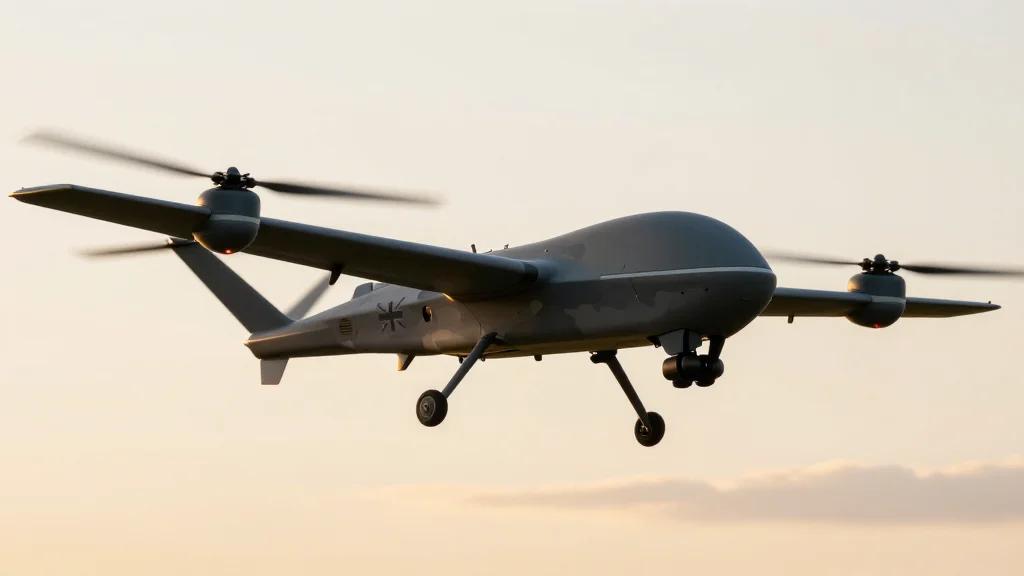
Daily Memo: Ukraine Aid, Russia-China Ties
The United Kingdom announced it will deliver at least 120,000 drones to Ukraine by year‑end, marking its largest drone aid package to Kyiv. The shipment includes long‑range strike drones, ISR platforms, unmanned logistics and maritime systems, with deliveries already underway....
Hungary and Europe
Viktor Orbán’s 16‑year tenure as Hungary’s prime minister ended with his party’s defeat, paving the way for opposition leader Peter Magyar to assume the premiership. Orbán’s government was marked by strict anti‑immigration stances, socially conservative policies, and accusations of democratic...

Who’s Holding the Cards? George Friedman on the Iran War Stalemate
George Friedman argues the Iran‑U.S. conflict will end through negotiations, not outright victory, as neither side can sustain a decisive military win. He highlights the United States’ broader strategic cards—military strength, nuclear arsenal, and economic resilience—versus Iran’s limited leverage, including...
Daily Memo: Lavrov Arrives in Beijing for Talks
Russian Foreign Minister Sergei Lavrov arrived in Beijing for an official visit, meeting Chinese Foreign Minister Wang Yi. The talks will span bilateral cooperation, the war in Ukraine, and ongoing Middle‑East conflicts. The visit follows a series of high‑level exchanges that...
The Future of Nuclear Modernization
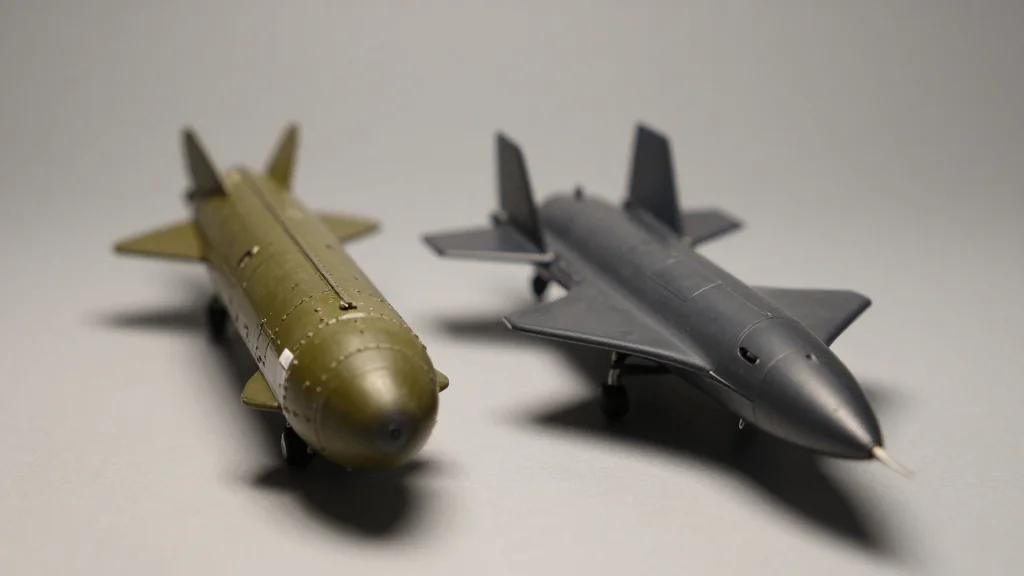
The article revisits Cold‑War nuclear logic—predictable delivery, survivable second‑strike forces, and a bipolar U.S.–Soviet structure—and argues that today’s strategic environment no longer supports that stability. It outlines how the United States, Russia and China are each embarking on extensive nuclear...
Daily Memo: Developments in the Middle East
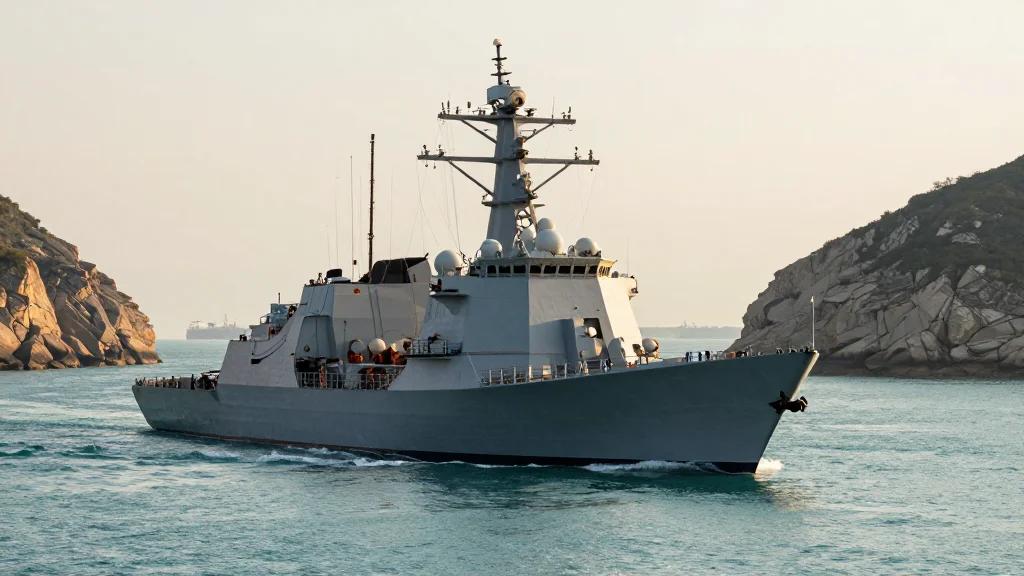
President Donald Trump announced that the United States will commence a blockade of the Strait of Hormuz on April 13. The operation will prohibit all vessels entering or leaving Iranian ports while allowing traffic to non‑Iranian ports to pass unimpeded....
George Answers Your Questions: The Crisis of NATO, and China and the Iran Negotiations
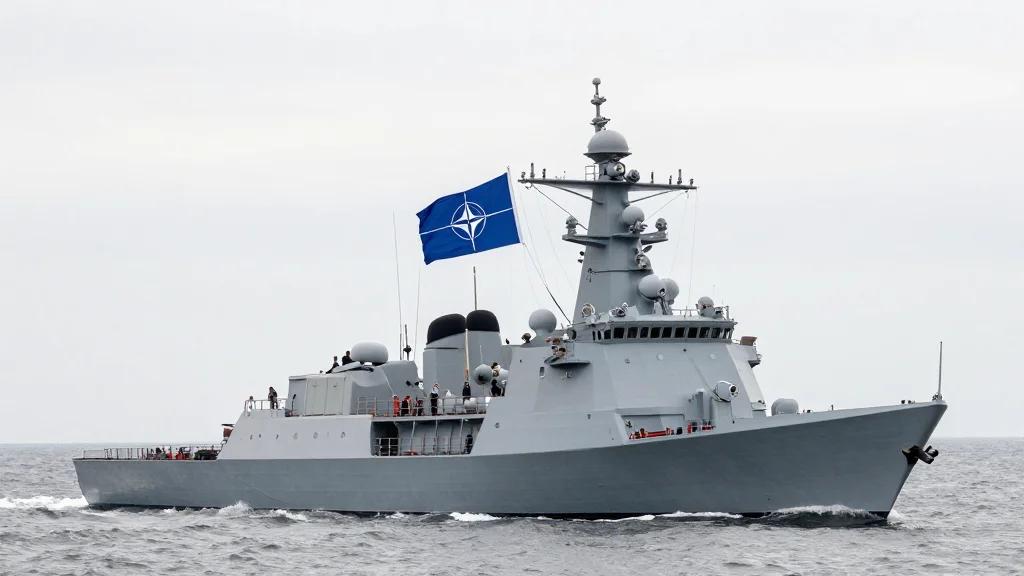
George of Geopolitical Futures fielded questions on three pressing issues: a growing crisis within NATO over whether to endorse U.S. military actions, China’s stance on the stalled Iran nuclear negotiations, and the broader implications for Western security architecture. He notes...
The Future of the Strait of Hormuz
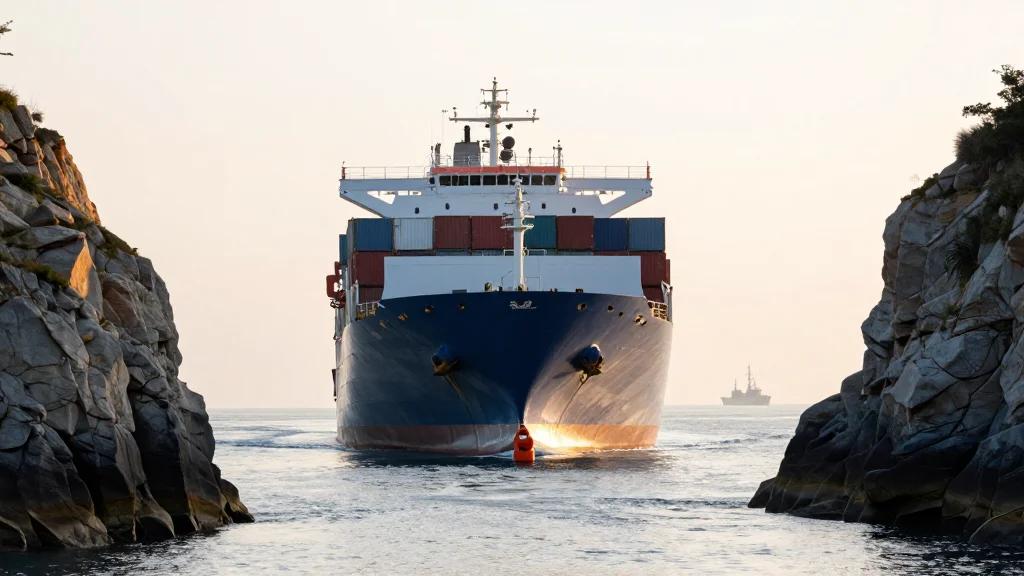
The Strait of Hormuz remains technically open but is functionally constrained as Iran imposes coordination requirements and quasi‑tolls, turning the waterway into a tool of economic coercion. Shipping volumes have fallen sharply as insurers and operators avoid the heightened risk....

Daily Memo: Israel Agrees to Talks With Lebanon
Israeli Prime Minister Benjamin Netanyahu announced he has authorized direct negotiations with Lebanon, targeting the disarmament of Hezbollah and the establishment of peaceful relations. The talks are slated to begin as soon as possible, marking a rare diplomatic overture between...
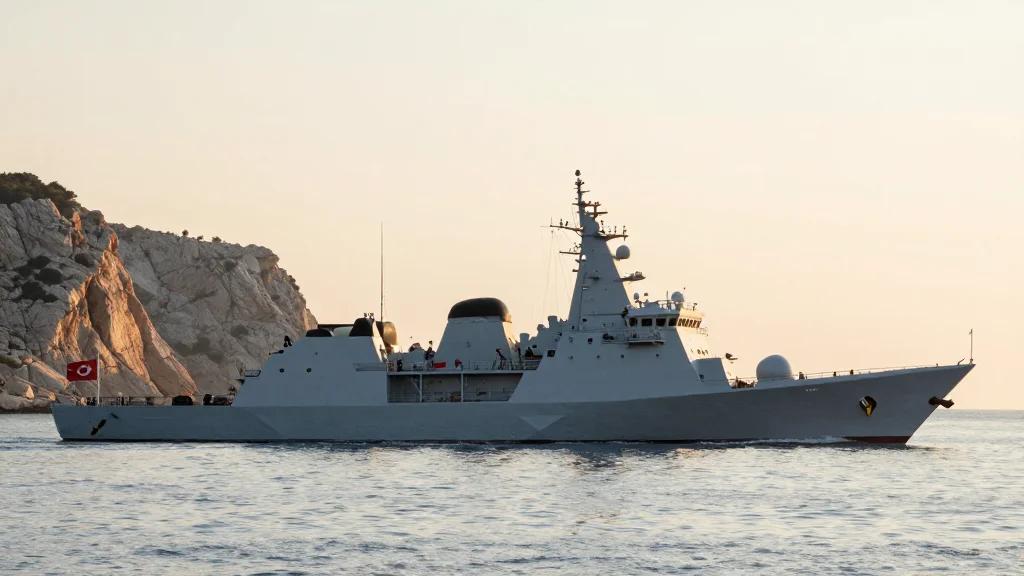
Lebanon’s Role in Turkey’s Vision for the Eastern Mediterranean
Turkey is positioning Lebanon as a cornerstone of its Eastern Mediterranean strategy, linking economic cooperation with security objectives. President Erdogan and Foreign Minister Hakan Fidan have highlighted Lebanon’s role in shaping post‑Israel‑Hezbollah dynamics and in accessing offshore gas reserves. Ankara’s...
Daily Memo: Talks in Islamabad, Israeli Settlements
President Donald Trump used social media to reaffirm that U.S. ships, troops and weaponry will remain in and around Iran until a verifiable peace agreement is reached, citing a prior understanding that Tehran would halt its nuclear weapons pursuit. The...