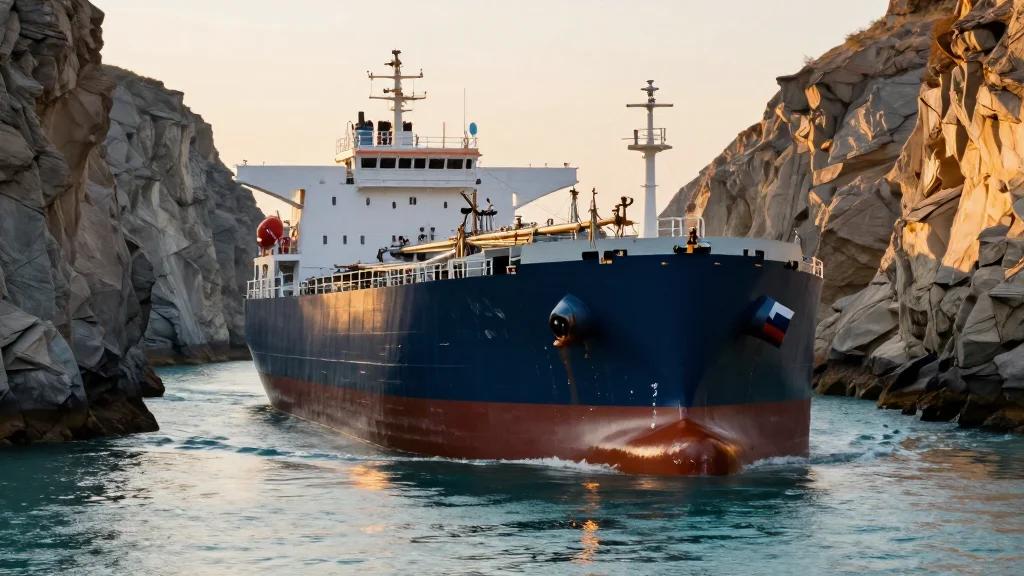
Russia’s Limited Gains From the Middle East War
Key Takeaways
- •Middle East conflict disrupts Hormuz oil flows.
- •Russia eyes market share from constrained exporters.
- •Sanctions limit Russia's ability to fill gaps.
- •Global buyers diversify, reducing Russia's leverage.
- •Long‑term gains remain modest despite short‑term spikes.
Pulse Analysis
The Israel‑Hamas war and broader Middle East tensions have reverberated far beyond the battlefield, choking the Strait of Hormuz—one of the world’s most vital hydrocarbon arteries. With Saudi and Iranian shipments throttled, global oil markets have felt a supply squeeze, prompting price volatility and prompting buyers to reassess sourcing strategies. Russia, still reeling from Western sanctions, sees a window to re‑enter markets it lost after 2022, leveraging its existing export infrastructure to fill part of the shortfall.
However, Russia’s potential upside is constrained by multiple factors. Sanctions restrict its access to financing, technology, and key shipping routes, limiting the volume it can realistically move. Moreover, European and Asian importers have accelerated diversification, signing long‑term contracts with North‑American and African producers to hedge against Middle Eastern instability. This buyer behavior dilutes Russia’s leverage, keeping any price premium modest and preventing a sustained market share rebound.
Looking ahead, the episode illustrates the delicate balance of geopolitics and energy security. While short‑term disruptions can create fleeting profit opportunities for sanctioned players, enduring gains require stable logistics, financing, and market confidence—areas where Russia remains vulnerable. Policymakers and investors will watch how quickly alternative supply chains solidify, as the longer‑term trajectory of global oil flows will likely favor diversified, resilient sources over opportunistic, sanction‑burdened exporters.
Russia’s Limited Gains From the Middle East War
Comments
Want to join the conversation?