
What Can Indian Policymakers Learn From China’s Growth Boom?
China’s average 9% annual growth over three decades propelled it from poverty to a per‑capita wealth five times that of India. While India has enjoyed pockets of double‑digit expansion in metros, the broader economy lags due to fragmented incentives, land‑use bottlenecks and a heavy regulatory burden. The article argues that China’s cadre promotion system, which ties local officials’ career advancement to concrete economic targets, fuels competition for investment and growth. It suggests India could boost its growth by devolving more fiscal and permitting authority to cities and aligning local officials’ incentives with performance.
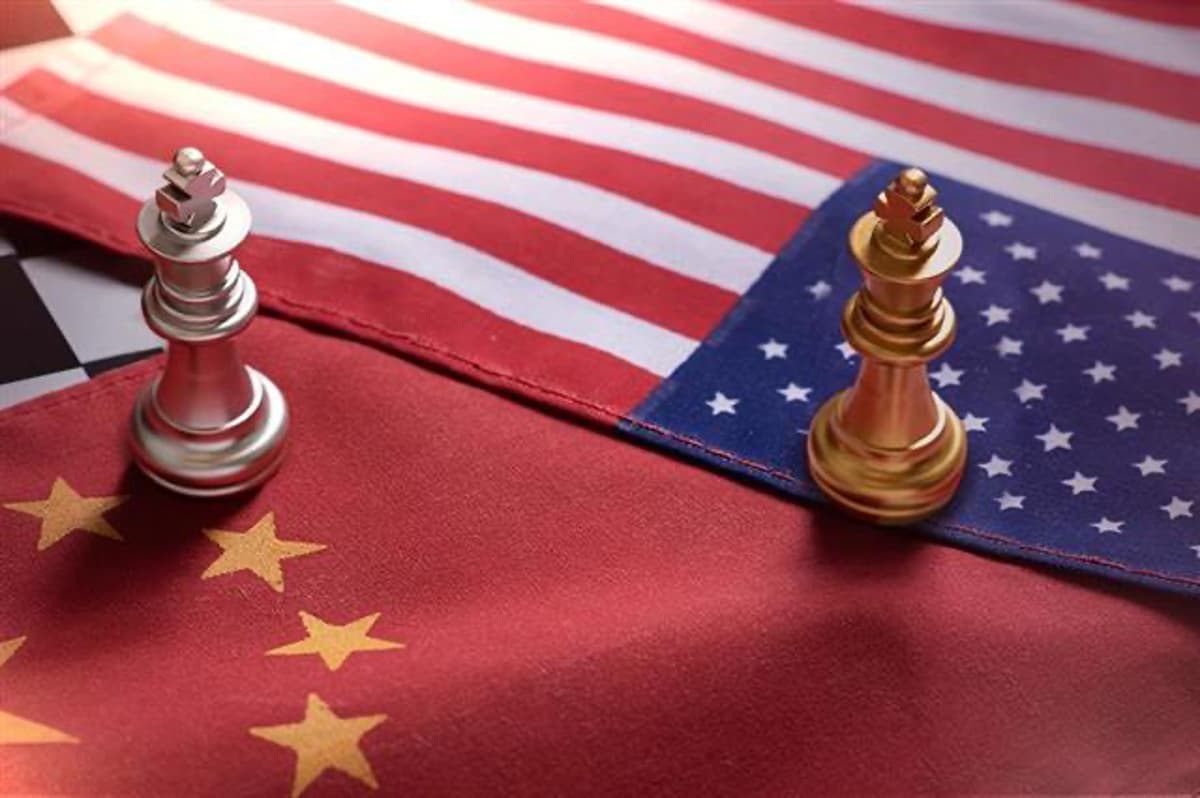
China’s Expanding Countersanctions Framework and the Growing Divide Between Beijing and Washington
China has introduced a sweeping set of regulations to counter foreign sanctions, export controls and other extraterritorial measures, while simultaneously adopting state‑level provisions on industrial and supply‑chain security. The new rules give Chinese authorities power to prohibit compliance with foreign...

Daily Memo: India on Russian LNG, Brussels on Afghan Migrants
India has told Russia it will not buy Russian liquefied natural gas that falls under U.S. sanctions, a stance conveyed to Deputy Energy Minister Pavel Sorokin during his April 30 visit to New Delhi. The decision impacts at least one...

Previewing the US-China Summit
U.S. President Donald Trump is set to travel to China May 13‑15 for a high‑stakes summit with President Xi Jinping. The visit follows months of behind‑the‑scenes coordination, with both capitals seeking a diplomatic breakthrough on trade, technology restrictions, and regional...
Trump China Visit; China’s Next Generation Industrial Policy; Standardizing and Developing AI Agents; No More Deflation?; Ding Xuexiang Visits Huawei
President Donald Trump will travel to Beijing May 13‑15 for a high‑level meeting with Xi Jinping, accompanied by a small group of U.S. CEOs. A new Rhodium Group report for the U.S. Chamber warns that China is moving to an...
![Hassett: GDP Growth “North of Four, North of Five, North of Even Six [Percent]”](https://hixhlmpcokxhartfkpyi.supabase.co/storage/v1/object/public/images/thumbnails/90da7d420c755d515e52241cf2cc7f53.webp)
Hassett: GDP Growth “North of Four, North of Five, North of Even Six [Percent]”
National Economic Council Director Kevin Hassett told "Sunday Morning Futures" that U.S. GDP could accelerate to "north of four, north of five, north of even six percent" as a capital‑spending boom gathers pace, especially if the Iran conflict de‑escalates. He...

Daily Memo: US-China Trade Talks, Japan-Russia Relations
Chinese Vice Premier He Lifeng will travel to South Korea on May 12‑13 for economic and trade consultations with U.S. officials, a prelude to an anticipated summit between President Donald Trump and President Xi Jinping. The visit, announced by China’s Ministry...

IFC Discloses Proposed $25m Investment in Admaius’ Virunga Africa Fund II
The International Finance Corporation disclosed a proposed equity commitment of up to $25 million to Virunga Africa Fund II, a growth‑equity vehicle managed by Kigali‑based Admaius Capital Partners. IFC also offered a co‑investment envelope of up to $10 million, expanding the fund’s...

Top Links 1099 Lopsided Stock Boom. Why UAE Exited OPEC. Mexico and Brazil Cutting the Working Day. How the Guardian...
Adam Tooze’s Chartbook newsletter spotlights four divergent developments: a sharp, technology‑driven rally that lifted U.S. equities about 10% in the first quarter of 2026, the United Arab Emirates’ decision to leave OPEC as it pivots toward renewable‑energy projects, Mexico and...

Strait of Hormuz Reopening Odds: Down Again
Kalshi’s prediction market shows the probability of normal traffic through the Strait of Hormuz swinging dramatically over the past week. Analysts link the volatility to Iran’s strategic leverage and the lingering uncertainty surrounding U.S. diplomatic moves. Brent crude hovers around...

Irregular: 5 Steps for Managing Geopolitical Risk
Damien Escher delivered a Melbourne address outlining a five‑step framework for corporate leaders to manage geopolitical risk, spurred by the Iran‑Israel conflict and its ripple effects on oil, insurance and supply chains. He emphasized that most firms still rely on outdated...

A New Cold War
The author argues that the United States’ war in the Persian Gulf is a proxy conflict in which China uses Iran as a strategic instrument. Beijing possesses the leverage to end the fighting—through oil purchases, dual‑use technology, and diplomatic channels—but...

A History of OPEC: Why Its Crisis Is Bad News
The United Arab Emirates announced it will leave OPEC on May 1, arguing that the cartel’s production quotas limit its roughly 5 million barrels‑per‑day capacity. The move marks the first exit of a major producer since OPEC’s founding and underscores a shift...

Week Ahead: Trump-Xi and US-China CPI
Investors are betting that the Middle East cease‑fire will hold, lifting risk assets as oil prices retreat. WTI slipped 7% to about $95 a barrel and Brent fell 6.6% to $101, reversing two weeks of gains. The week’s data focus...

The China 5: Tech Shifts, Youth Resistance, and Economic Cracks
Leica announced it will shift sensor development and production from Japan to China’s Gpixel, deepening local supply ties. Beijing’s regulators blocked Meta’s $2.5 billion purchase of AI startup Manus, citing national security, underscoring tighter control over strategic tech. The government also...