The China Connection - 22-May-26
The China Connection episode focused on the accelerating tech rivalry between the United States and China, highlighting policy moves, corporate earnings and regional trade talks. President Trump’s decision to hold off on an AI oversight order was framed as a safeguard for America’s lead, while the Commerce Department pledged a $2 billion quantum‑computing fund, with IBM receiving a $1 billion award. Lenovo’s fiscal results stole the spotlight, posting a five‑fold profit surge and reporting that AI‑related products now account for a third of its revenue. Meanwhile, AMD’s CEO Lisa Su announced a $10 billion AI investment in Taiwan ahead of Computex, and NIO disclosed a first‑quarter loss despite doubling sales, underscoring volatility in the EV sector. Key quotes included Trump’s remark, “I don’t want to do anything that’s going to get in the way of that lead,” and Su’s confidence that AI PCs will see double‑digit growth. The segment also featured Manishi Ray Chowdhury’s view that “picks‑and‑shovels” providers in China, Korea and Taiwan will benefit most from sustained AI capex. The combined policy and corporate signals suggest a deepening U.S. push to secure emerging‑technology dominance, while Asian manufacturers capitalize on AI demand. Trade ministers’ call for reduced restrictions hints at a potential easing of geopolitical friction, which could boost export‑oriented Chinese firms and reshape investment flows across the region.
Indonesia’s Shock Export Controls Catch Traders Off Guard | Insight with Haslinda Amin 5/22/2026
Indonesia announced a sweeping export‑control overhaul, establishing a sovereign‑wealth‑fund‑backed entity, DSI, to channel all coal and crude palm‑oil shipments. The move targets $65 billion of annual commodity exports and seeks to curb chronic under‑invoicing, improve traceability, and boost state revenues. Analysts note...
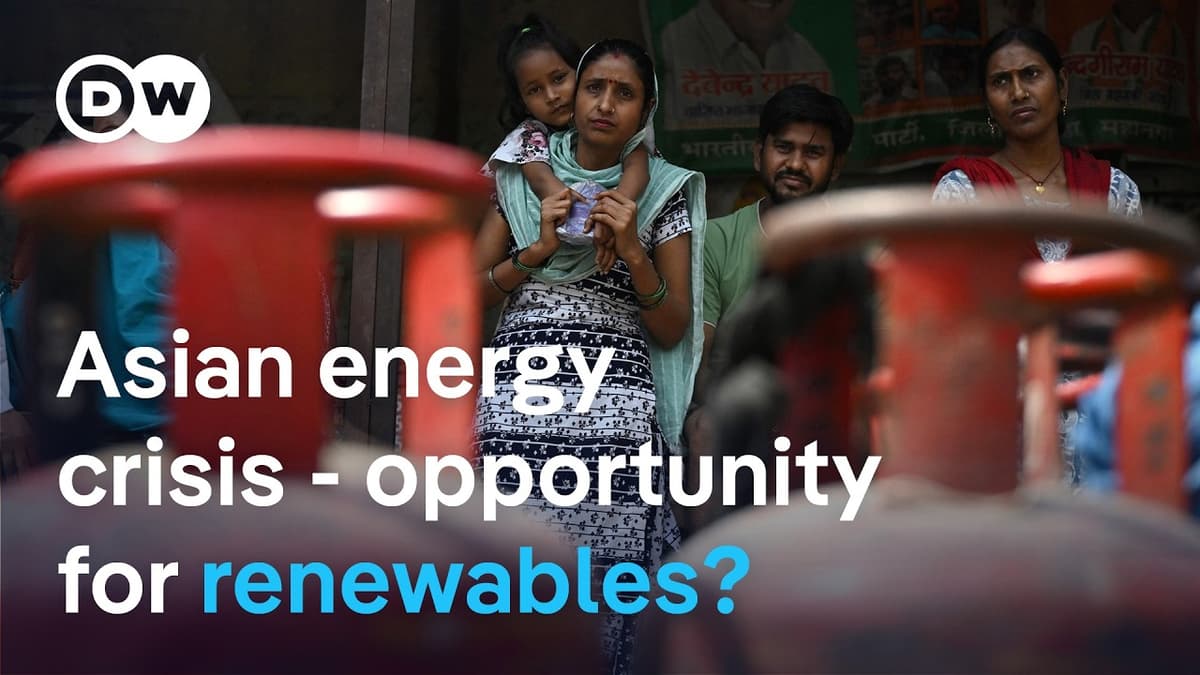
Rising Prices, Empty Tanks: Energy Shock Dampens Asia's Boom | DW News
The video examines how the Middle East energy shock, especially Strait of Hormuz tensions, is reverberating across Asia, threatening the region’s growth momentum. It details rising oil and gas prices, supply bottlenecks, production cuts in energy‑intensive sectors, and agricultural impacts in...
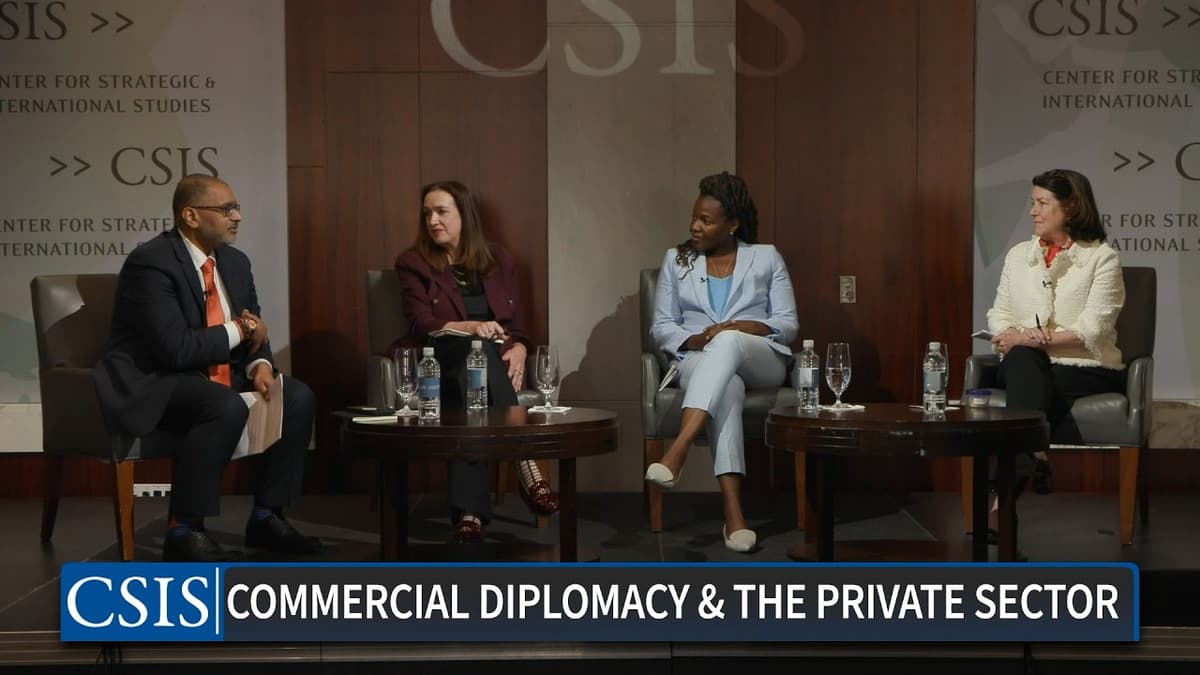
Commercial Diplomacy for U.S. Tech Exports
U.S. commercial diplomacy is being reframed as a strategic engine for export growth to the Global South, but its success depends on addressing on-the-ground business environment constraints—policy, standards, workforce and infrastructure—that determine whether deals reach execution. At a CSIS Future...
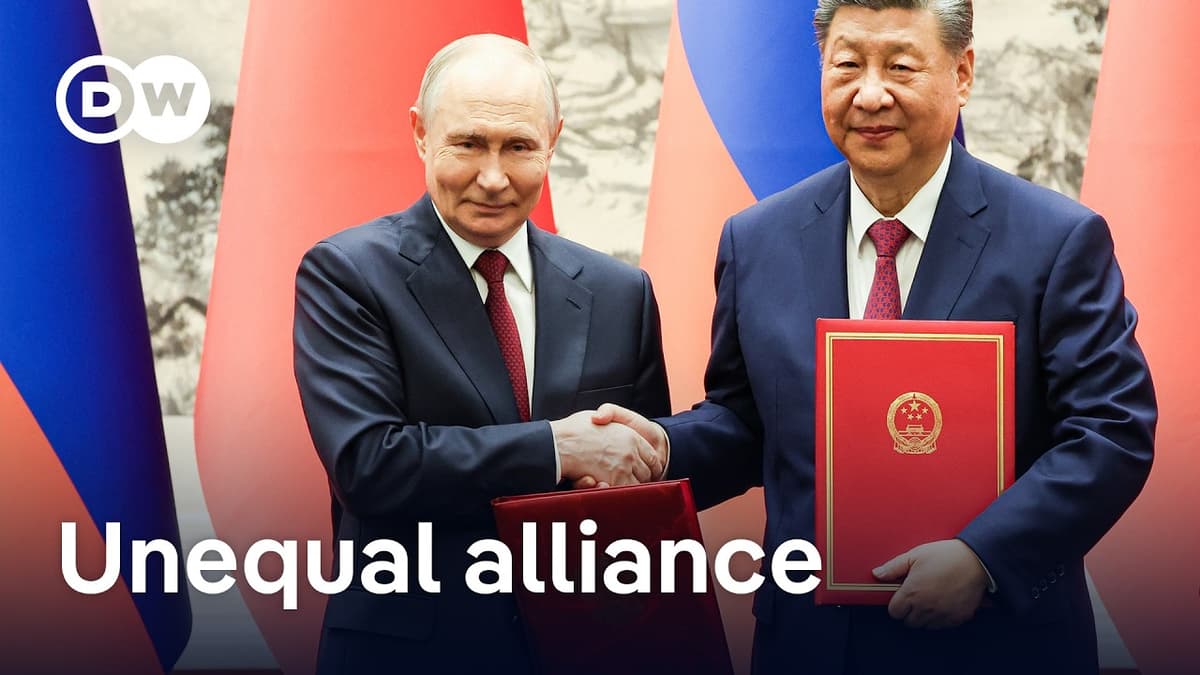
Russia's Growing Reliance on China | DW News
At their recent summit, Russian President Vladimir Putin and Chinese President Xi Jinping reaffirmed a "no‑limits" partnership, signaling deeper economic integration. The two leaders outlined cooperation in energy, high‑tech, and finance, aiming to mitigate the impact of Western sanctions on...
Why China Actually Won the Trump Xi Summit
At the Trump-Xi summit, both sides signaled a shift toward forging a “constructive” U.S.-China relationship centered on strategic stability, marking an unusual détente in bilateral ties. Analysts argue the balance of leverage now favors China because it retains dominant control...
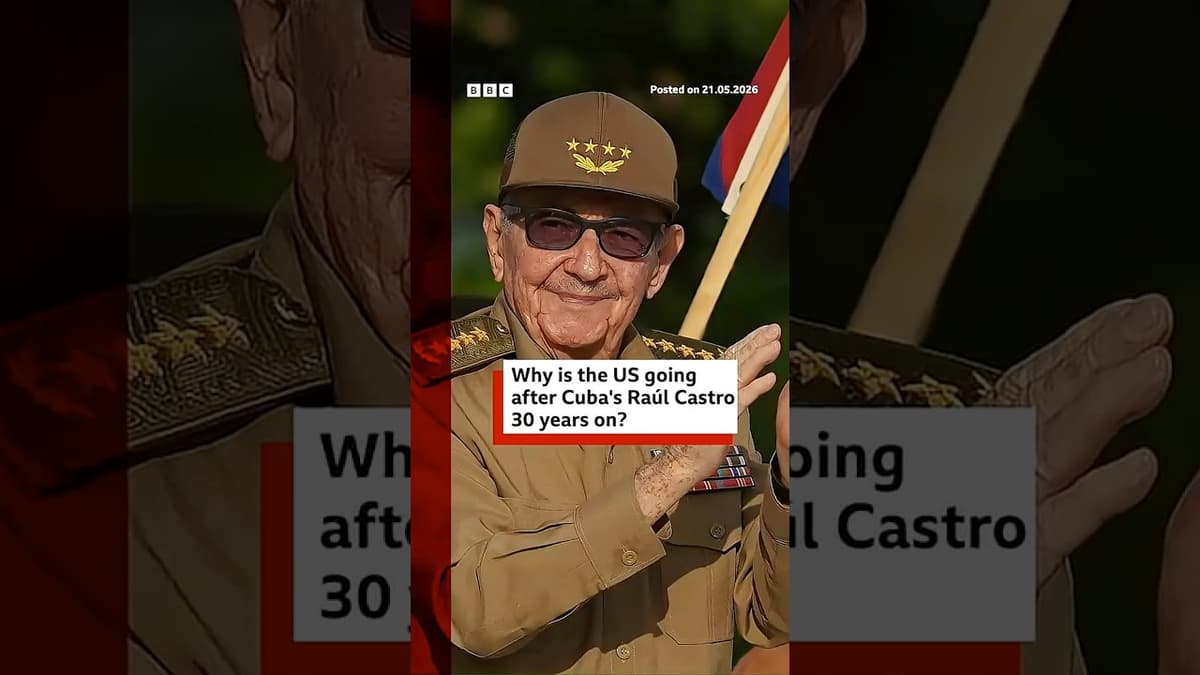
Why Is the US Going After Cuba's Raúl Castro 30 Years On? #Cuba #US #Havana #BBCNews
The US has filed a murder charge against former Cuban leader Raúl Castro over a 1996 episode in which Cuban MiG fighters shot down two civilian planes flown by the US-based group Brothers to the Rescue. Washington alleges Castro, then...
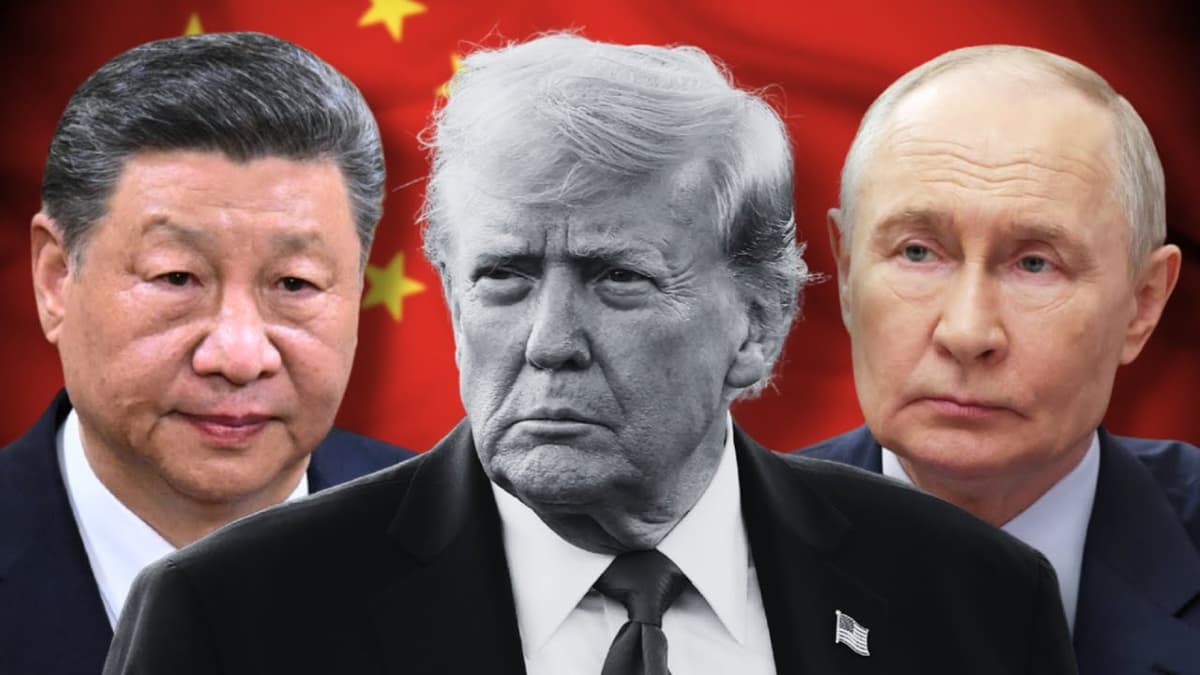
China and Russia Pledge Deeper Cooperation Shortly After Trump’s Visit to the Region
Chinese leader Xi Jinping and Russian President Vladimir Putin used Putin’s two-day visit to Beijing to reaffirm close ties and issue a joint statement calling for a multipolar world. The leaders pledged to deepen cooperation across a wide range of...
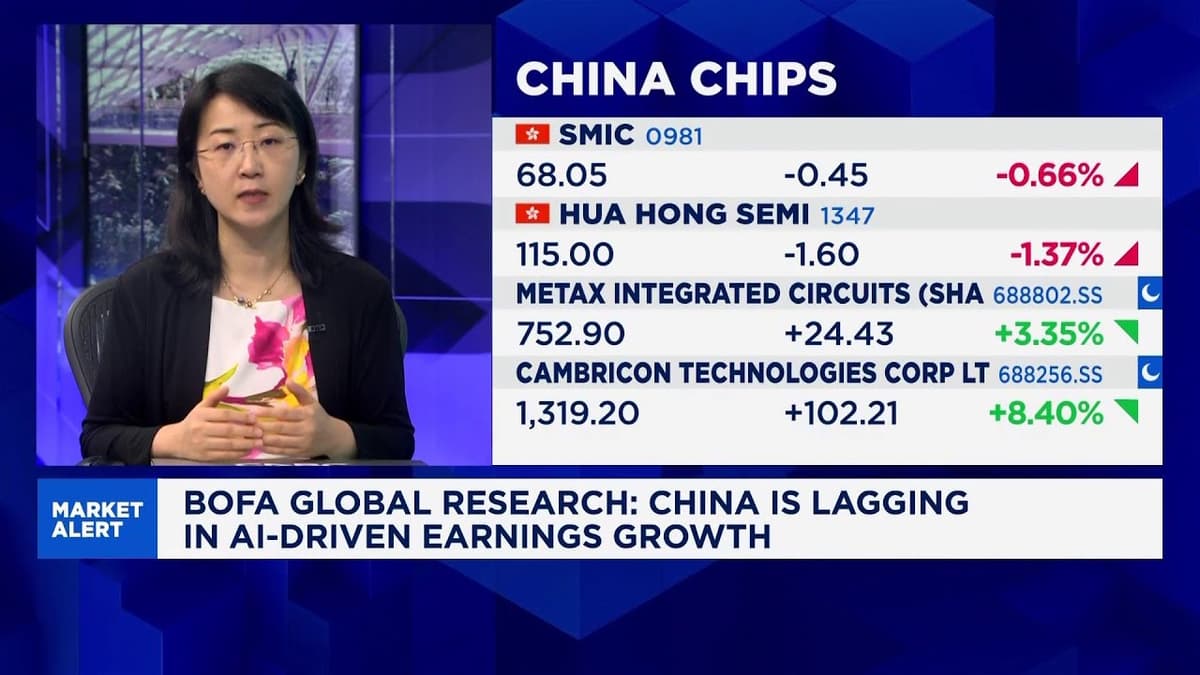
The China Market Is Under-Owned, but Increasingly Divided: BofA Securities
Bank of America Securities warned that China’s equity market remains under‑owned and increasingly fragmented. International capital is fleeing to Korea and Taiwan, while the Hong Kong‑listed MSCI China index lags behind peers, its weight dropping from over 30% to...
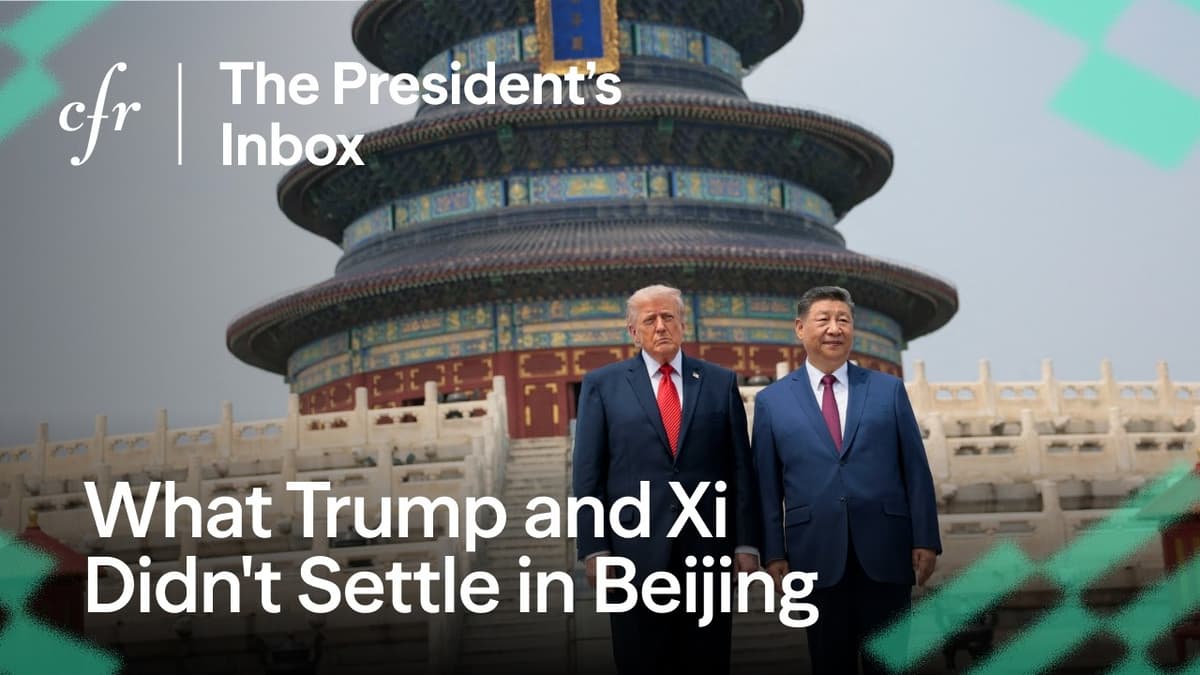
What Trump and Xi Didn't Settle in Beijing, With Nicholas Burns | The President’s Inbox
President Trump’s two-day summit with Xi Jinping produced a visible cooling of tensions and a cautious resumption of economic engagement, including Chinese commitments to boost U.S. agricultural purchases (about $17 billion for the rest of the year and $25 billion...
Disturbing Iranian Gun Training Videos FUEL Escalation Concerns
Newly surfaced videos of Iranians receiving weapons training and vows to “fight to the last man” have intensified fears of escalation after recent hostilities with Iran. Commentators warn Supreme Leader Khamenei’s framing of the confrontation as a religious struggle undermines...

Can Anyone Catch China's Clean Tech Lead? Ep258: Bryony Worthington & Michael Liebreich
The episode examines China’s dominant position in clean‑technology manufacturing and the broader geopolitical forces reshaping global energy markets. Bryony Worthington and Michael Liebreich debate whether countries should protect domestic supply chains or rely on low‑cost Chinese imports, especially as oil...

Canada Diversifies Its Strategic Partnerships. Here’s Why: | DW News
Canada is actively reshaping its foreign policy through a strategy known as “hedging,” seeking to diversify diplomatic, defense, and trade relationships beyond its traditional reliance on the United States. Prime Minister Justin Carney’s recent invitation to the European Political Community summit...
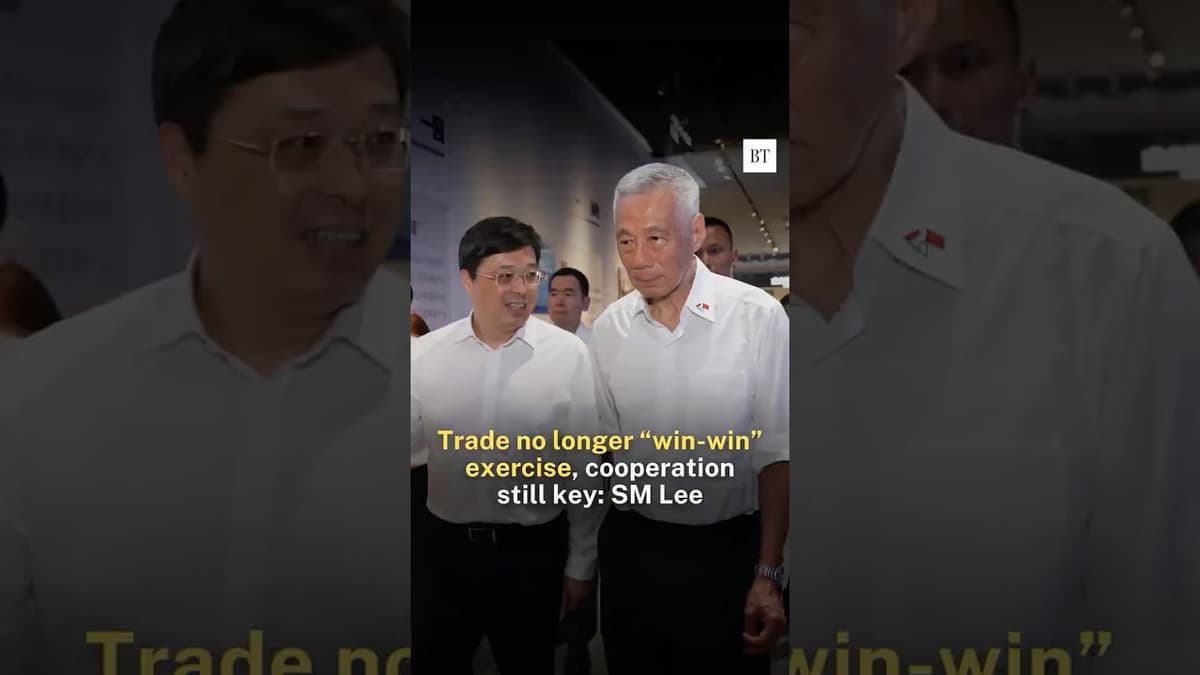
Trade No Longer “Win-Win” Exercise, Cooperation Still Key: SM Lee
Senior Minister Lee warned that global trade has shifted from a straightforward "win-win" proposition to a fraught arena entangled with security, resilience and rivalry concerns, as well as worries about vulnerability. He acknowledged that trade is not always mutually beneficial...
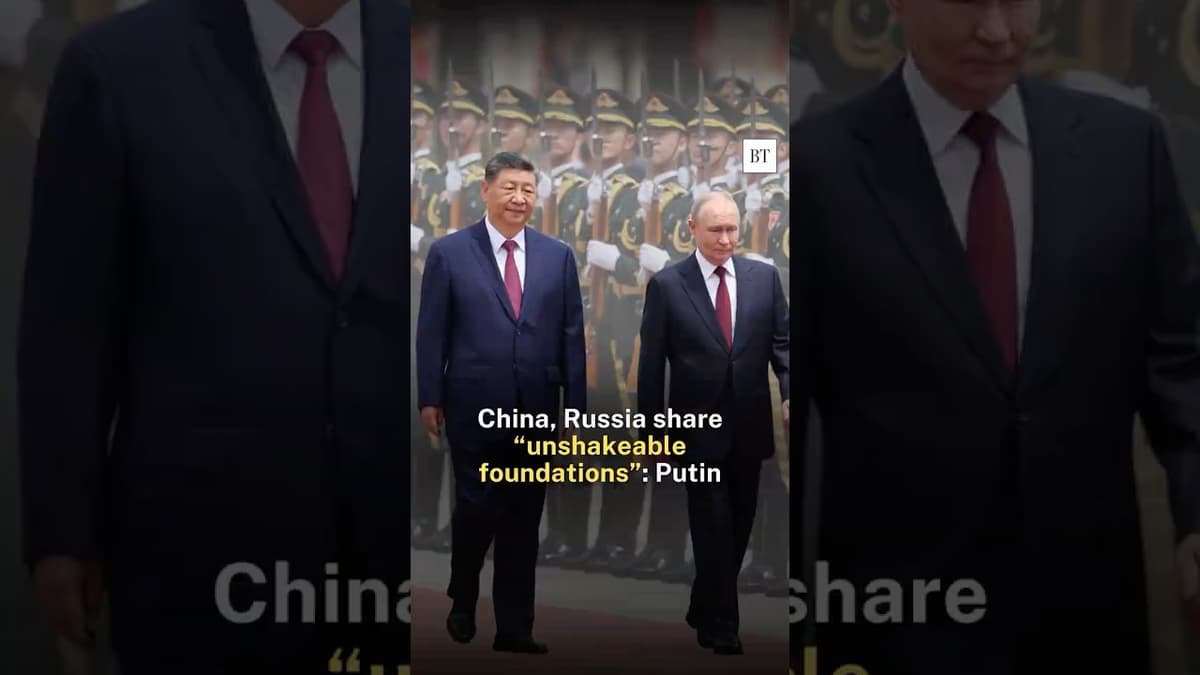
World at Risk of “Law of the Jungle” Return: Xi to Putin
Chinese President Xi Jinping warned of a global slide back toward a “law of the jungle,” criticizing unilateralism and hegemonic behavior while urging construction of a shared-humanity framework and four global initiatives he said have broad international support, including from...