Using U.S. Energy as Leverage || Peter Zeihan
Peter Zeihan warns that the United States could weaponize its growing liquefied natural gas (LNG) capacity against Europe if trade talks falter. The U.S. now ships roughly 12 billion cubic feet of LNG daily, supplying about 30% of the EU’s gas imports. A sudden curtailment would spike European energy prices and force policymakers to seek alternative sources. Zeihan frames the move as a classic geopolitical lever in an era of strained transatlantic relations.
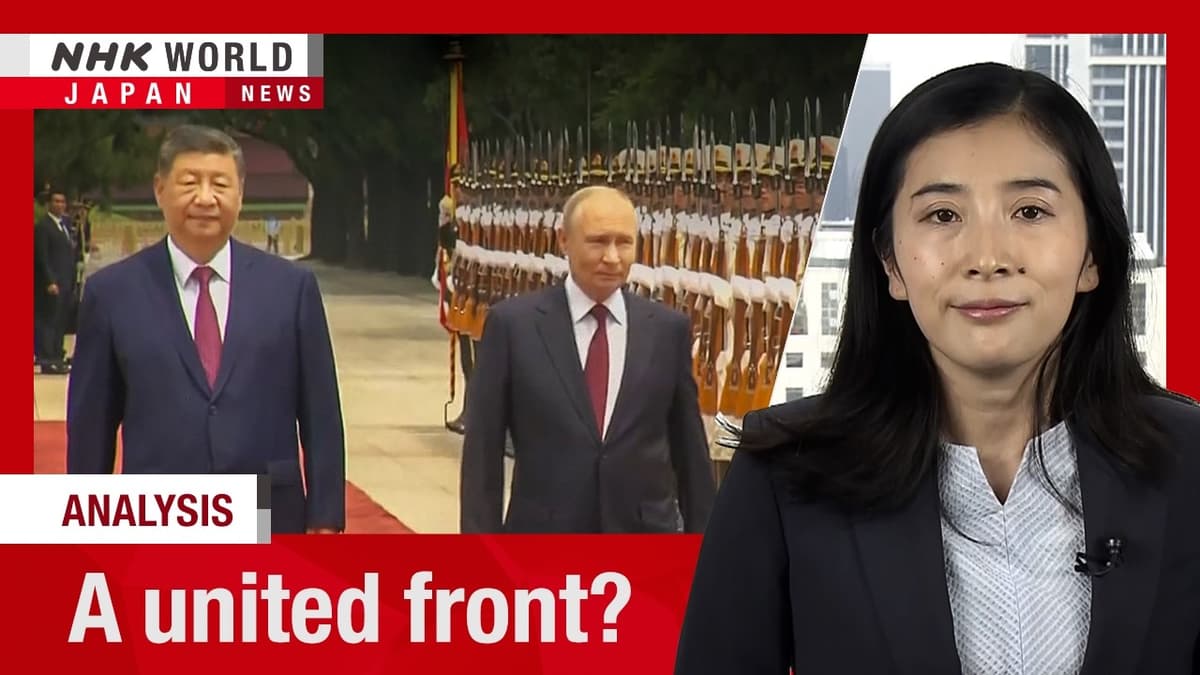
Analysis: What China, Russia Stand to Gain From Their SummitーNHK WORLD-JAPAN NEWS
Chinese President Xi Jinping hosted Russian President Vladimir Putin in Beijing for their first in-person talks since September, coming days after a US-China summit. Both leaders framed the meeting as a joint pushback against a Western-led international order, while also...
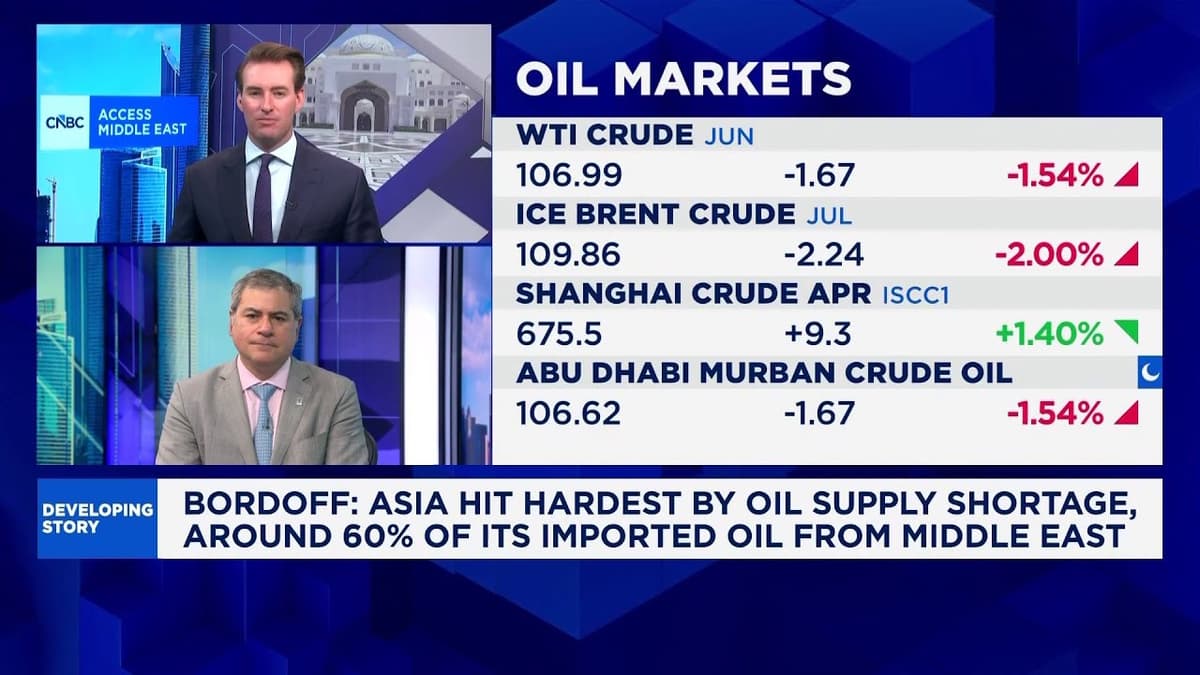
Iran Has a 'Powerful Weapon' In Strait of Hormuz: Expert
The video focuses on Iran’s ongoing blockade of the Strait of Hormuz, described by the expert as a “powerful weapon” that could choke a critical artery for world oil supplies. With roughly 14‑15 million barrels per day at risk, inventories are projected...
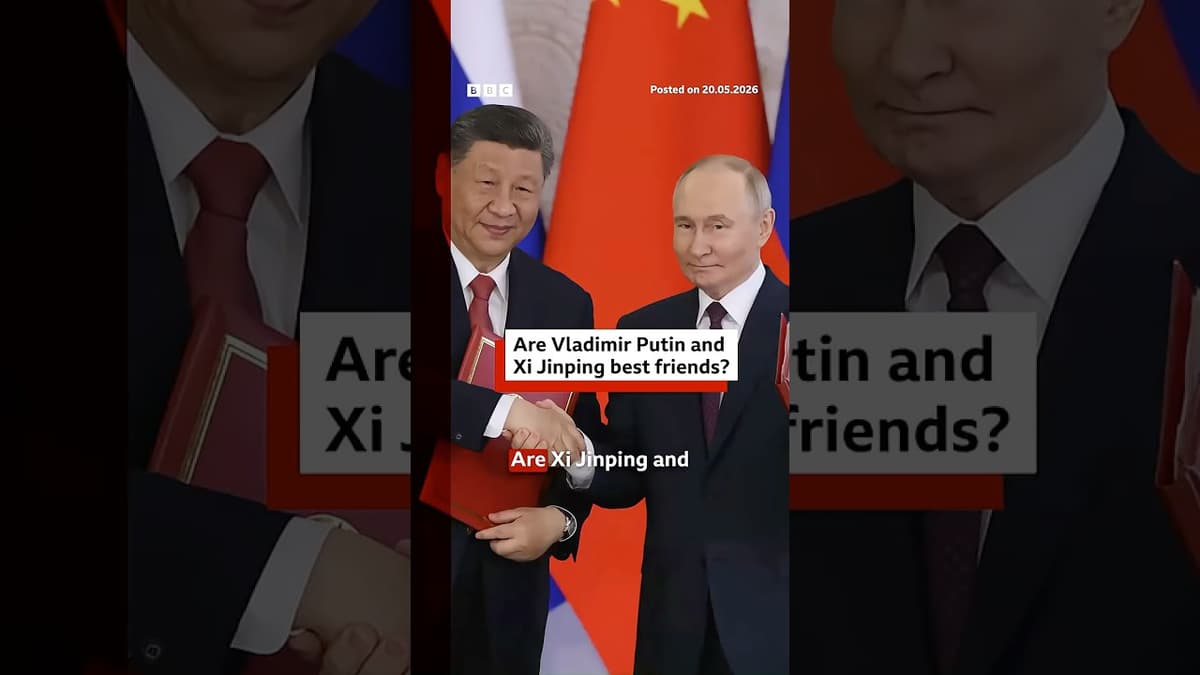
Are Xi and Putin Best Friends, or Is It Just Geopolitics? #BBCNews
Chinese leader Xi Jinping and Russian president Vladimir Putin project a close partnership—meeting over 40 times and publicly declaring a ‘no limits’ relationship—but the alliance is asymmetric and driven by geopolitics. Russia depends heavily on China for trade and energy...
China Sends HUGE WARNING To Financial System & Its SPREADING To The Rest of The World
China’s economy is spiraling deeper into recession, with retail sales hitting the weakest month since the COVID‑19 lockdowns and fixed‑asset investment sharply contracting. Industrial production, once a bright spot, has stalled, while home prices have declined for a 12th consecutive...

Data Centers In Space? + Planet Labs CEO Talks ‘Large Earth Models’ | The Spillover
The Spillover episode features Planet Labs co‑founder Will Marshall discussing how his company’s constellation of small satellites delivers daily, high‑resolution images of the entire planet and why that data is becoming a cornerstone of modern AI‑driven decision‑making. Marshall explains that the...
Ghana Hopes to Attract Investors After €3 Billion IMF Bailout Ends • FRANCE 24 English
Ghana’s three‑year, €3 billion IMF programme has officially concluded, and the government is now pitching the country as a more stable investment destination after navigating its deepest economic downturn in decades. During the programme, inflation fell to below 4 %, the cedi regained...
ASEAN and China Must Make Trade Work, Says SM Lee in Guangxi
Senior Minister Lee Hsien Loong urged China and ASEAN to sustain and deepen trade ties despite rising security-driven trade restrictions, saying partnerships must be shaped to deliver mutual economic and human benefits. Speaking in Guangxi, a key gateway to Southeast...

Real Conversations | Markets, the Economy & the Global Risk Landscape W/ Jim Rickards
Jim Rickards opened the conversation by warning that the world faces a genuine global dollar shortage, not the sensationalist "debasement trade" narrative of an imminent dollar collapse. He emphasized that discussions about reserve currencies often miss the fact that foreign...

Deutsche Bank's Ozan Tarman and Aditya Singhal on Understanding the Macro Risks | Odd Lots
The Odd Lots episode features Deutsche Bank’s Ozan Tarman and Aditya Singhal dissecting macro‑risk frameworks. They argue that in today’s flood of headlines, traders must strip away noise and adopt a structural view across the five major asset classes, taking a clear side on...
Why Is Putin Visiting China Right After Trump? | DW News
Russian President Vladimir Putin is visiting Beijing days after President Trump met Xi Jinping, underscoring Beijing’s central role in Moscow’s post-2022 strategy. Experts say the “no limits” partnership has deepened into a pragmatic, interest-driven strategic coordination—what one analyst calls the...
The Next Phase of India's Investment Cycle | The Titans | FIIs | Stock Market Updates
The panel on CNBC-TV18’s "The Titans" examined the next phase of India’s investment cycle, contrasting the dynamics of private‑equity and public markets and assessing the roles of domestic and foreign capital. Participants highlighted how private‑equity firms moved from aggressive new...
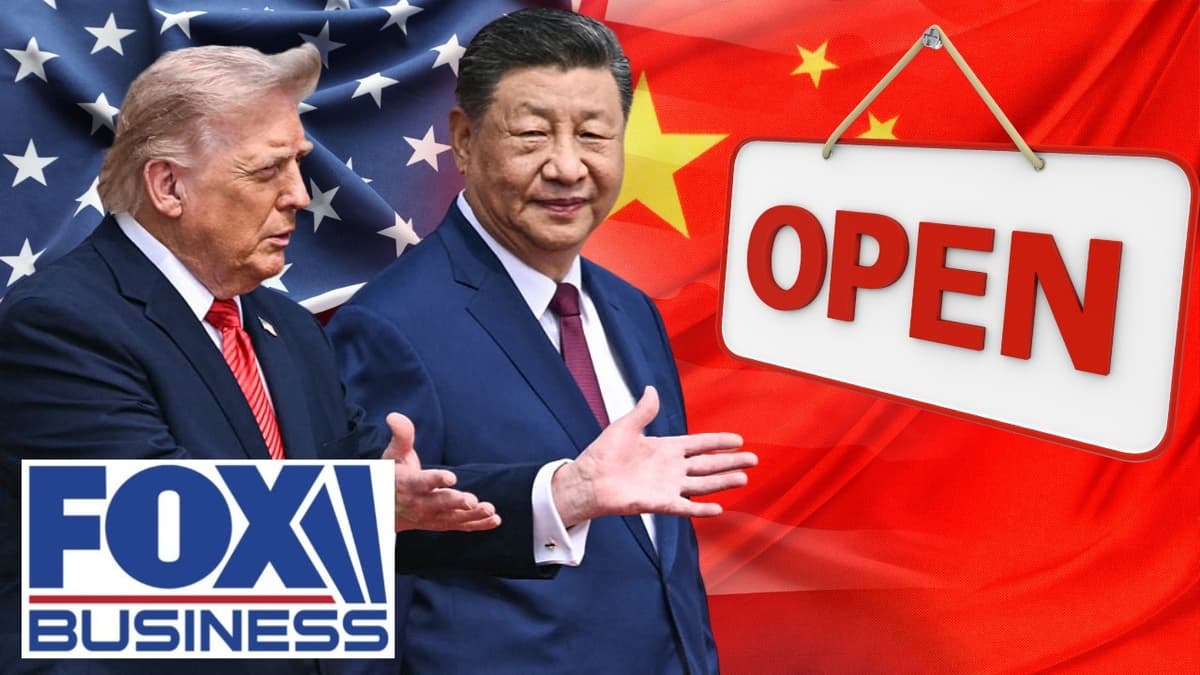
OPEN UP: Trump Sends Message to Xi and China |Trump in China
President Donald Trump is set to land in Beijing with a "busload" of top U.S. executives representing roughly $12 trillion in economic might. The two‑day summit with President Xi Jinping will address a laundry list of issues – from Iran...
The U.S. Wants to END Its Dependence on CHINA and Has a PLAN: The PAX SILICA @Visualpolitiken
The video outlines Washington’s Pax Silica initiative, a strategic effort to untangle the United States from China’s overwhelming grip on critical minerals, components and manufacturing that power modern technology. By assembling a coalition of like‑minded nations, the U.S. hopes to...
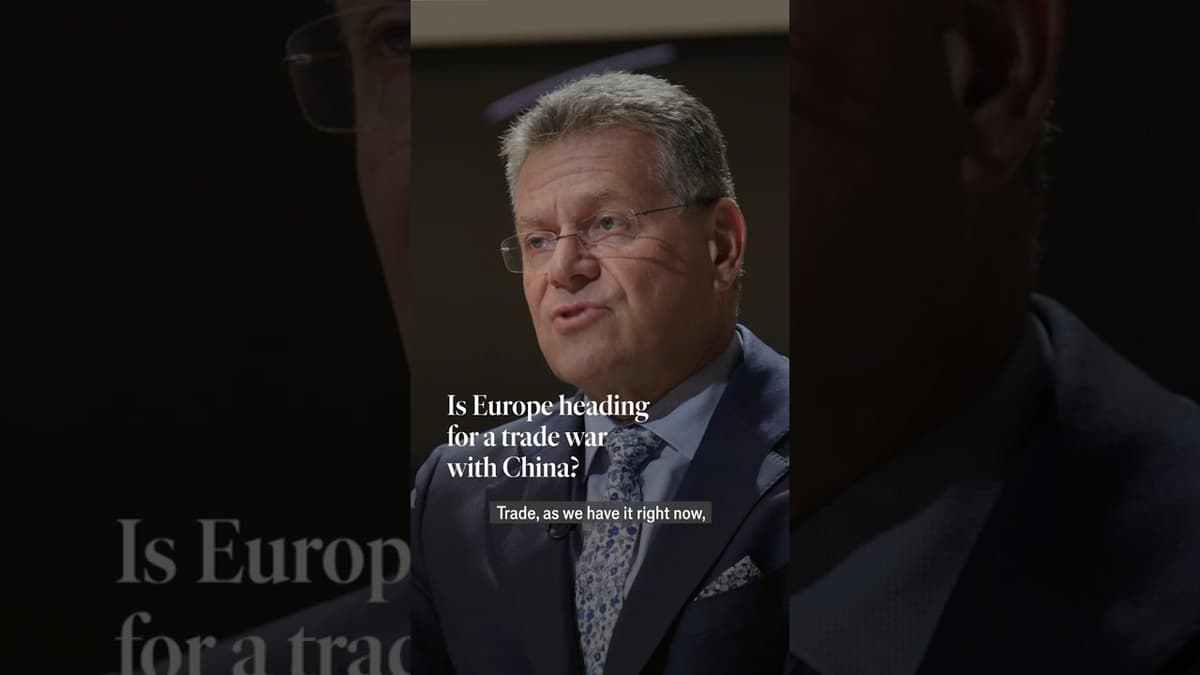
Is Europe Heading for a Trade War with China? | The Economist
The Economist interview examines whether Europe is drifting toward a trade war with China, featuring EU Trade Commissioner Mario Shevchuk. He outlines a stark imbalance: Chinese exports to the EU have risen about 50% in five years while EU exports...
ALERT: Their Secret Plan For Gold Was Just Leaked
The video explains that India is contemplating an outright ban or severe restrictions on gold and silver imports. Officials view these precious‑metal purchases as a drain on foreign‑exchange reserves, especially as the rupee weakens and the trade deficit widens. India’s...
Will the US Ever Catch up to China on Renewables? #shorts #energy #renewableenergy #china #us
China has poured more than a trillion dollars into clean energy, rapidly scaling solar, wind, nuclear and EV manufacturing and exports; its clean-energy exports last year were about $76 billion versus roughly $3–4 billion for the U.S. Combined with a...
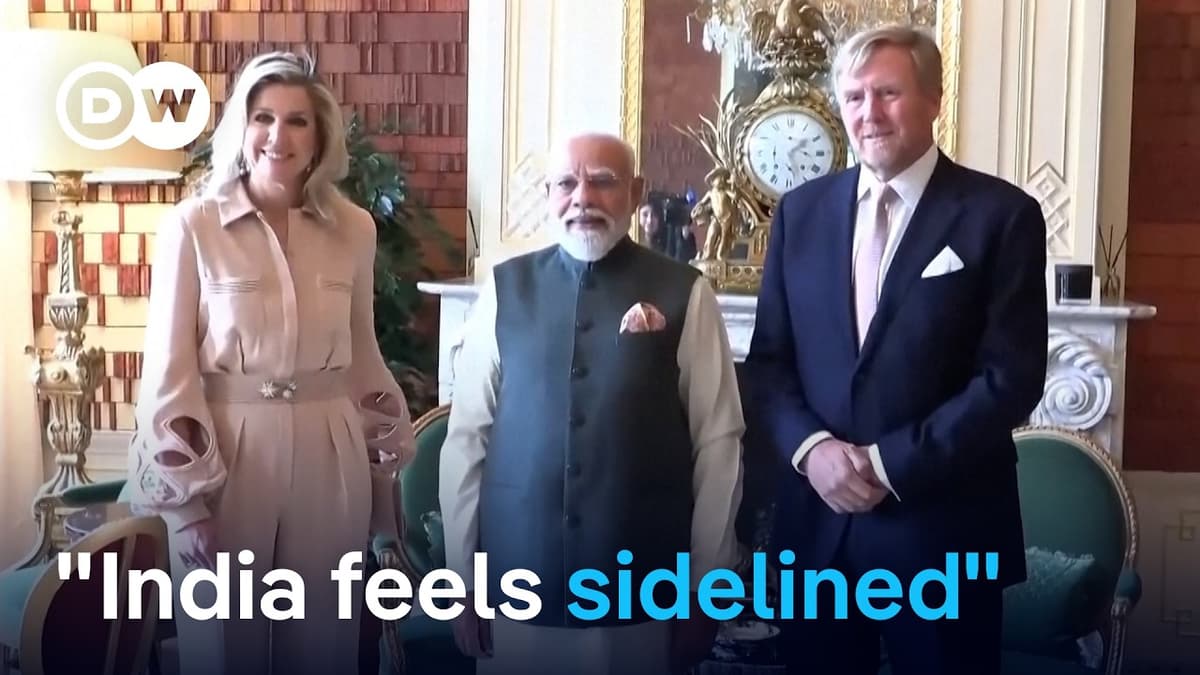
What India Hopes to Gain From Modi’s High-Stakes Europe Trip | DW News
Indian Prime Minister Narendra Modi arrived in the Netherlands as the first stop of a high‑stakes European tour aimed at deepening trade, technology and energy ties while the Middle‑East war threatens supply chains. The visit secured a pledge from the United...
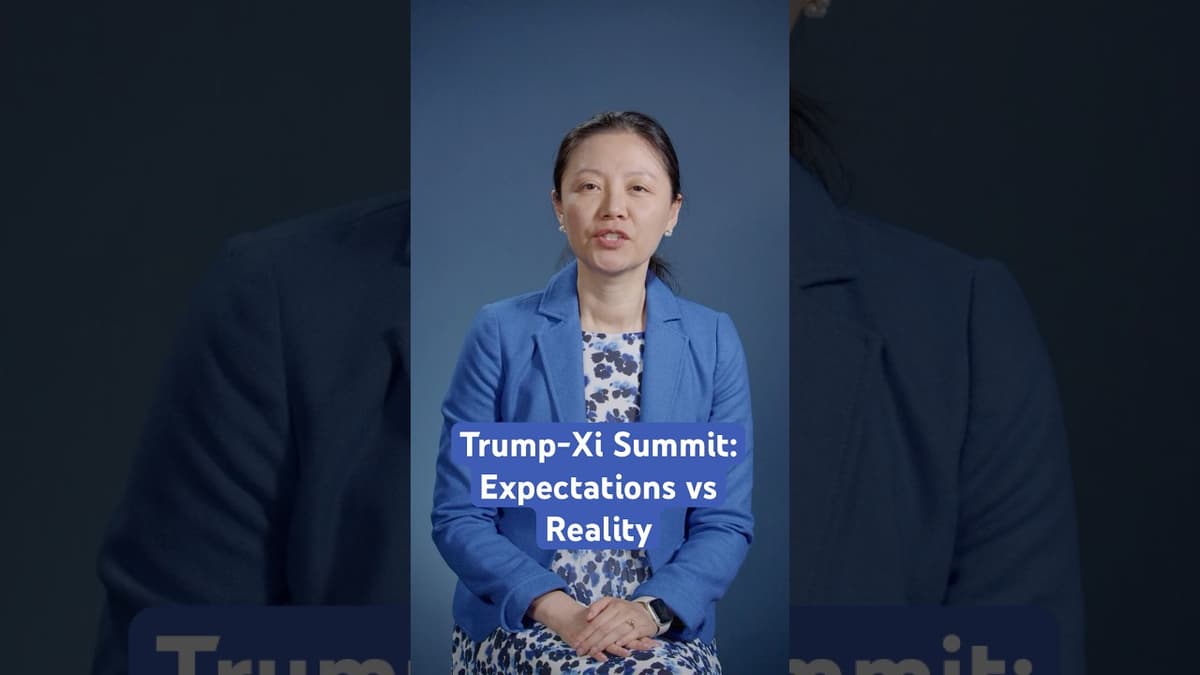
The Trump-Xi Summit - Expectations vs Reality
President Donald Trump's historic state visit to China, first by a U.S. president in nine years, aimed to reset bilateral ties and test four expectations: stability, economic dialogue, Taiwan pressure, and Iran cooperation. Xi Jinping introduced a “constructive strategic stability” concept,...
'Tariffs Are a Joke Compared to the Closure of the Strait of Hormuz': Gertken
Matt Gertken, chief geopolitical strategist at BCA Research, dissected the recent US‑China summit, emphasizing that no concrete commitments emerged on either Iran or Taiwan. He noted China’s stance as a passive observer in the Iranian oil blockade, while the United...
Trump 'Losing Patience' With Iran as Strait Remains Shut
The interview focuses on the escalating tension in the Strait of Hormuz, where a prolonged closure is fueling fresh inflation worries and prompting former President Donald Trump to voice growing frustration. BCA Research’s Peter Berezin notes December 2026 oil futures have...
Mishandling Taiwan Could Cause Conflict | State of Play
The video analyzes recent remarks by President Xi Jinping warning that mishandling Taiwan could destabilize the fragile strategic equilibrium between the United States and China. Xi emphasized that Taiwan remains Beijing’s most critical bilateral issue and urged Washington to exercise...

'Really Frightening' - Expert on What Could Happen if China 'Takes' Taiwan
The video features an expert warning that China views Taiwan as a strictly domestic issue and has repeatedly stated its intention to reclaim the island. While an invasion is not imminent, a current purge of senior People’s Liberation Army officers...
Why China’s Promise of No Arms to Iran Will Do Little to End the War
The video examines recent high‑level talks between President Trump and President Xi Jinping concerning the war that erupted in Iran 77 days ago, focusing on Beijing’s pledge not to supply weapons to Tehran. Xi emphasized that Taiwan remains the biggest obstacle...

Relief, Resignation, or Betrayal? Taiwan Reacts to the Trump-Xi Summit | DW News
The video examines how Taiwan interprets the historic meeting between U.S. President Donald Trump and Chinese President Xi Jinping, focusing on the island’s political and economic concerns. Xi’s remarks warned that Taiwan’s independence and peace cannot coexist, framing the issue as...
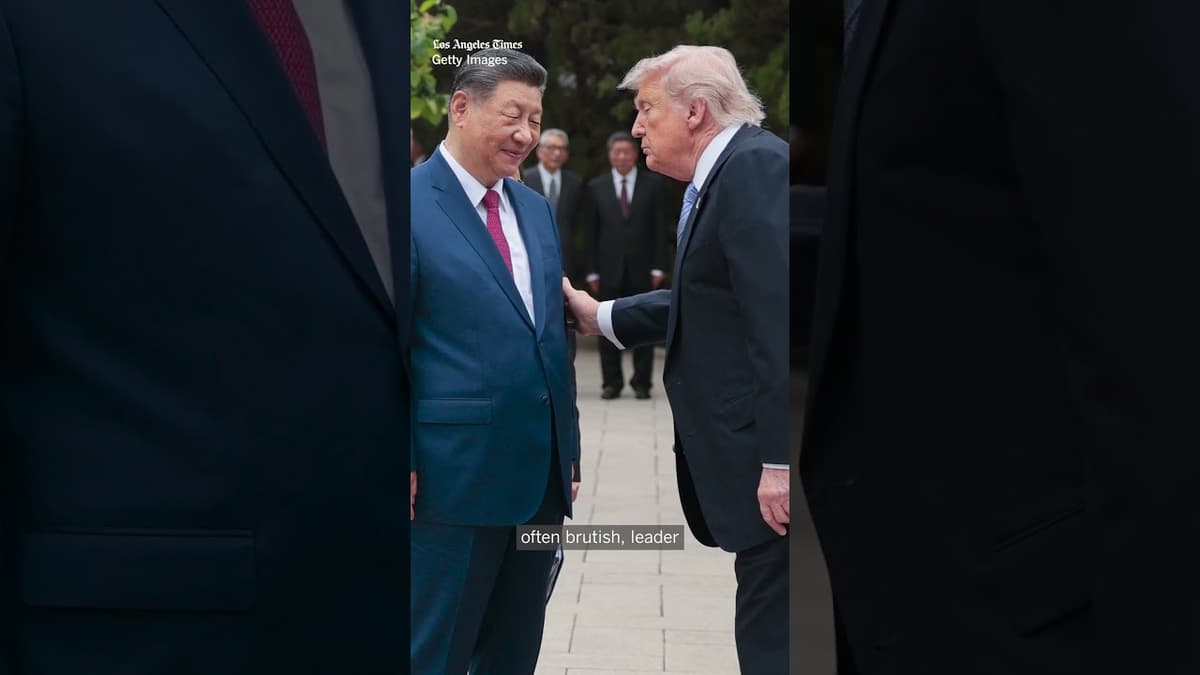
For Trump in China, a Tonal Shift Yields Few Results
President Donald Trump’s recent Beijing trip was marked by an unusual tonal shift, repeatedly referring to Xi Jinping as a "friend" and offering personal compliments. The Chinese media even dubbed him the "nation builder," a nod to his perceived role...
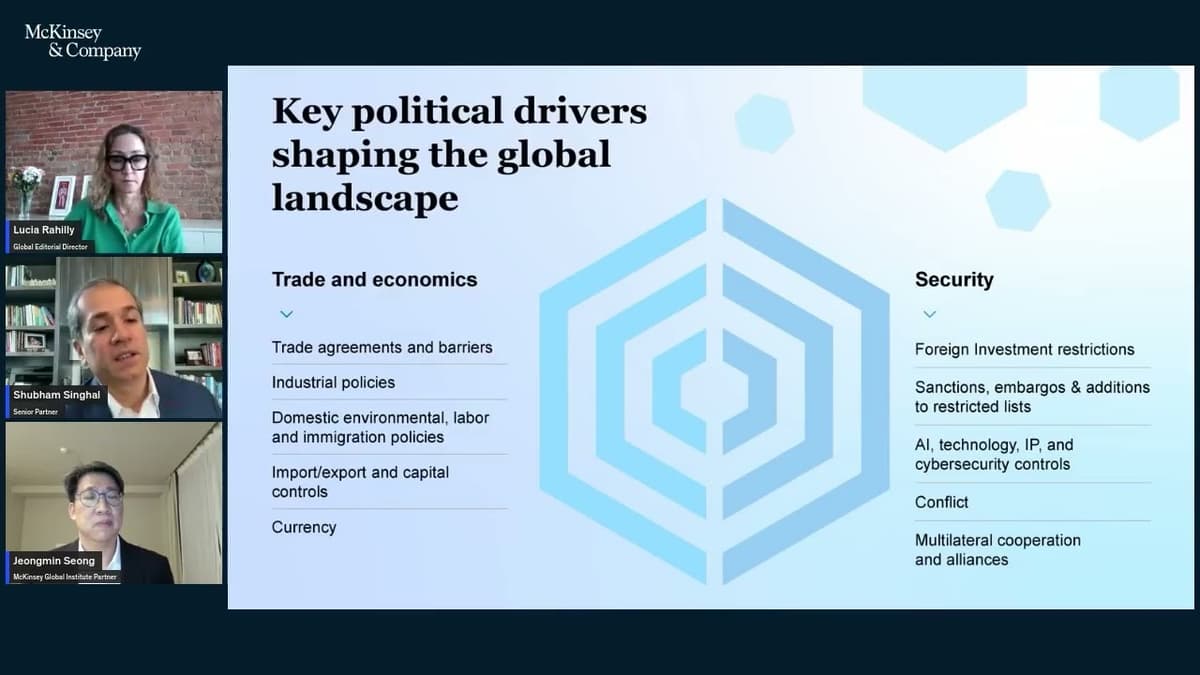
The New Geometry of Trade: How Leaders Can Respond to Structural Shifts
The Mackenzie Live session titled “The New Geometry of Trade” examined how shifting geopolitical forces, tariff spikes and emerging technologies are reshaping global commerce and what executives must do in 2026. Speakers Shubam Singal and Jong Min highlighted that, contrary...
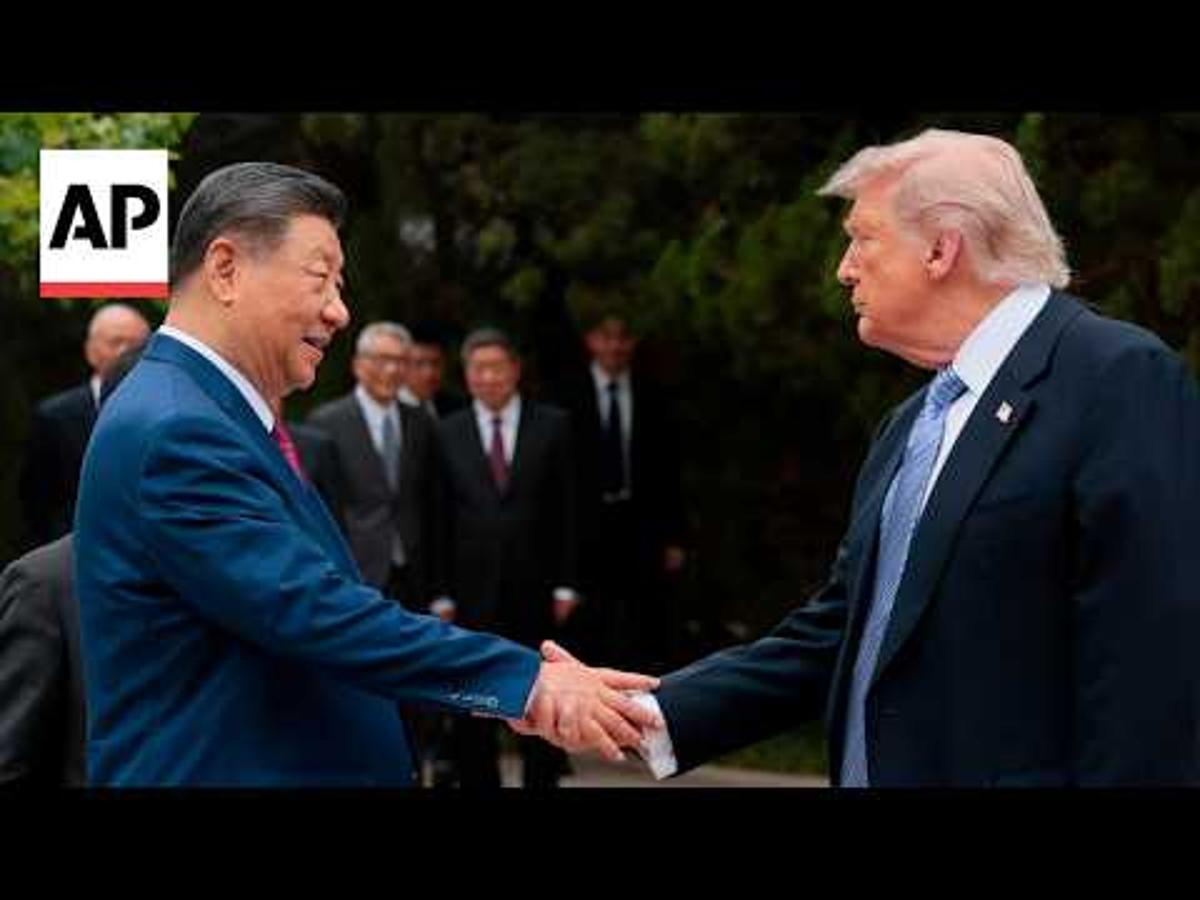
US-China Summit Ends with Xi and Trump Claiming Progress but Differences Remain
President Donald Trump concluded a three‑day visit to Beijing, meeting Chinese President Xi Jinping and touting a “successful” trip despite no immediate trade announcements. Trump praised his personal rapport with Xi and hinted at forthcoming business agreements, while the White House...

Trump Hails China Trade Deals on Final Day of Beijing Summit
The video recaps President Donald Trump’s final day of a two‑day state visit to Beijing, where he lauded newly‑announced trade arrangements with China and portrayed the talks as a win‑win for both nations. Trump asserted that China will increase its purchases...
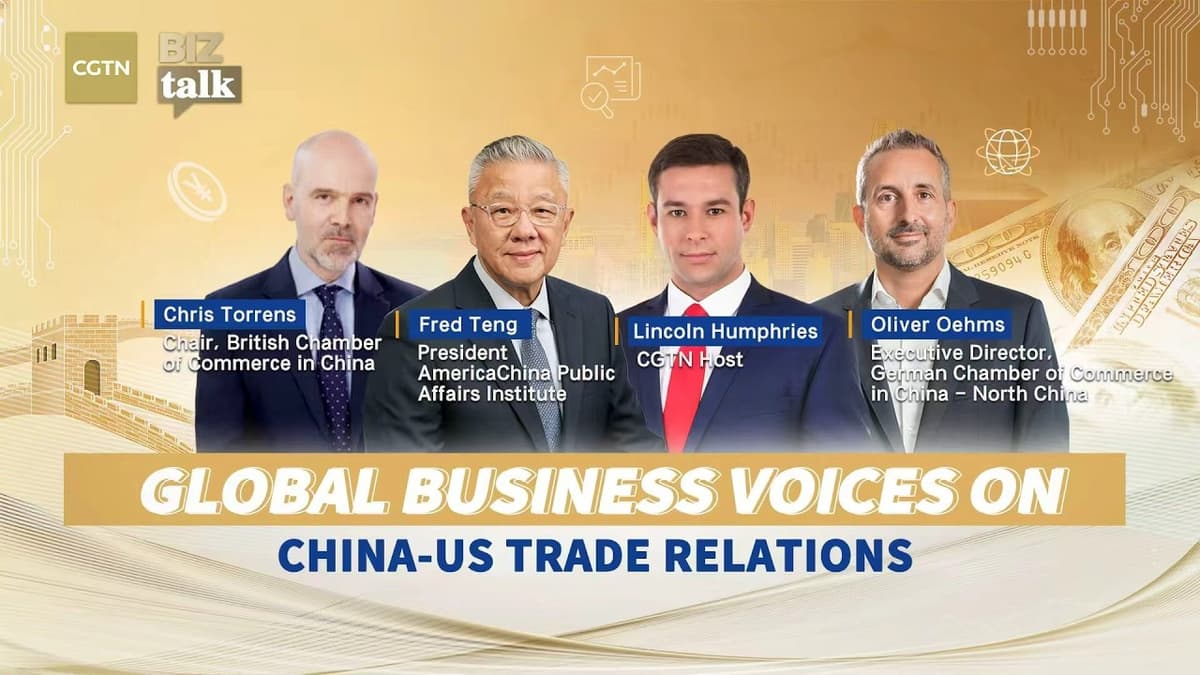
Watch: Global Business Voices on China-US Trade Relations
Biz Talk hosted a round‑table with Chris Torren, chair of the British Chamber of Commerce in China, and Fred Tang of the America‑China Public Affairs Institute to gauge how an upcoming Trump‑Xi summit could reshape China‑US trade dynamics. Both speakers stressed...

The UAE Reads the Writing on the Wall #shorts
The video alleges that the United Arab Emirates has moved beyond diplomatic support to direct military involvement, targeting Iranian infrastructure on Levon Island—a key chokepoint the Iranians have long used to harass shipping. It also claims the Emirates has established...

Inside India - 14-May-26
Inside India’s Thursday edition focused on a confluence of diplomatic and market dynamics. New Delhi is hosting the BRICS foreign‑minister meeting, with Iran’s foreign minister in attendance, while the rupee edges toward the 96‑per‑dollar threshold. In Beijing, President...
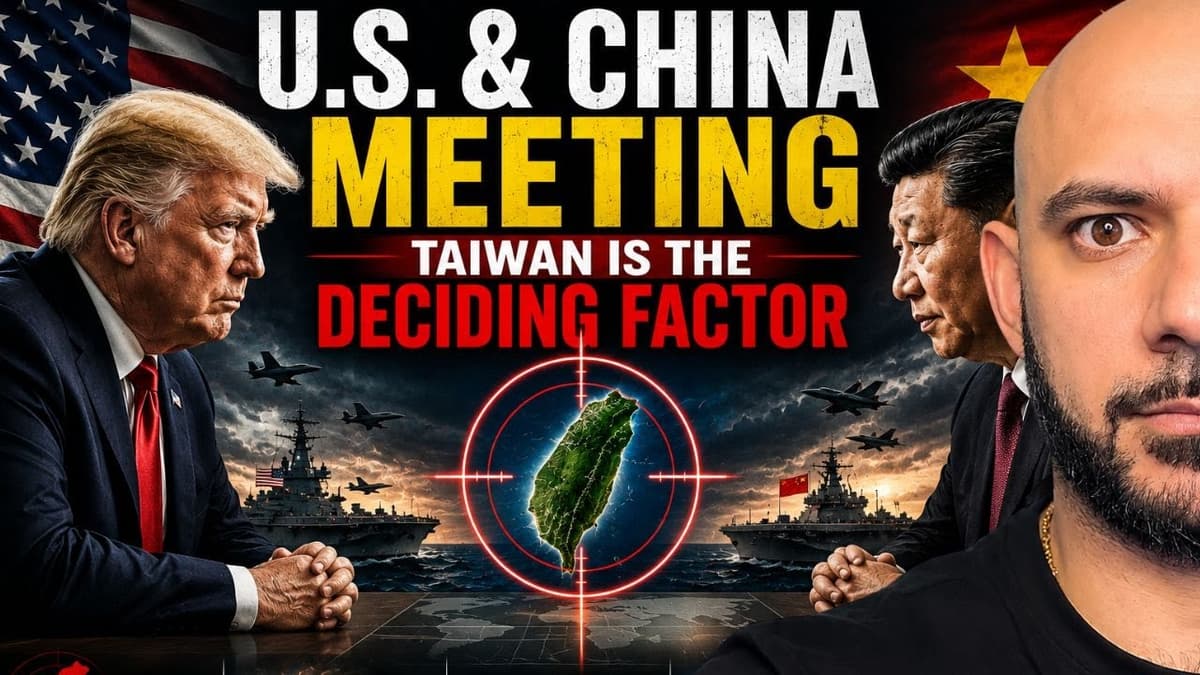
Beijing Sends Chilling Warning To America
The livestream opens with a market snapshot—Nasdaq approaching 30,000, dip‑buying routines, and a looming Trump‑Xi summit—before pivoting to Beijing’s stark warning to the United States over Taiwan. Xi Jinping cautions President Trump to temper any aggressive moves, emphasizing Taiwan’s outsized...
Sudan-Ethiopia Tensions Rise
Sudan and Ethiopia are edging toward direct confrontation after Khartoum accused Addis Ababa of harboring Rapid Support Forces (RSF) drones that struck the capital’s airport on May 1. The dispute centers on the Al Fashaga agricultural strip and the broader Blue Nile region,...

GMA First Look Full Broadcast - May 14, 2026
Good Morning America’s First Look opened with President Trump’s high‑stakes summit in Beijing, where he and President Xi Jinping exchanged pleasantries while Chinese officials issued a stark warning that mishandling the Taiwan issue could spark a direct US‑China clash. The...
Trump-Xi Summit: China Says Will Open Up & Starmer Fights for Survival | The Pulse 05/14/2026
The Pulse covered the high‑profile Trump‑Xi summit in Beijing, where former U.S. President Donald Trump and President Xi Jinping presented a public display of camaraderie while privately delivering stern warnings about Taiwan. The event featured a red‑carpet reception, a 21‑gun...
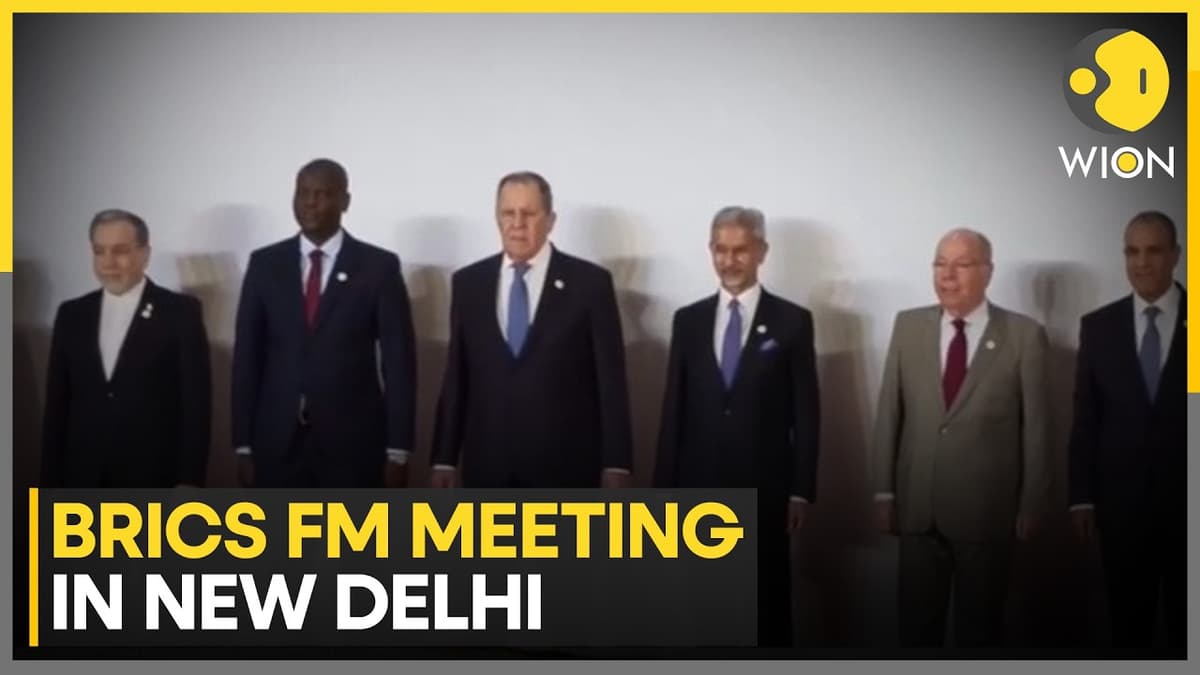
BRICS Summit 2026: Two-Day Meeting Kickstarts at New Delhi's Bharat Mandapam | WION
The BRICS foreign ministers gathered at New Delhi’s Bharat Mandapam for a two‑day summit, focusing on the escalating conflict in West Asia and its repercussions for global energy security. Hosted by External Affairs Minister S. Jaishankar, the meeting underscored India’s role...
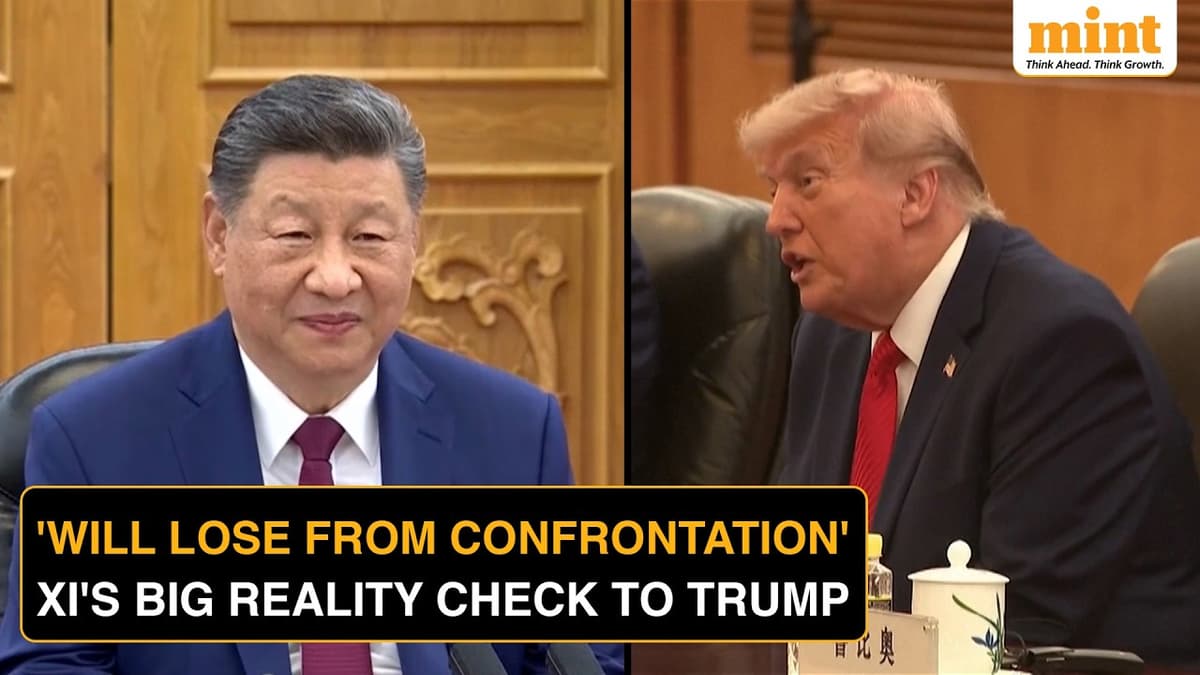
On Cam: Xi Jinping Schools Trump Over Iran War During Bilateral Meeting, Says 'Will Lose...'
The video covers the historic bilateral summit between Chinese President Xi Jinping and U.S. President Donald Trump in Beijing, the first such meeting since 2017. The agenda centered on resetting a strained relationship and addressing the ongoing Iran‑U.S. conflict that...
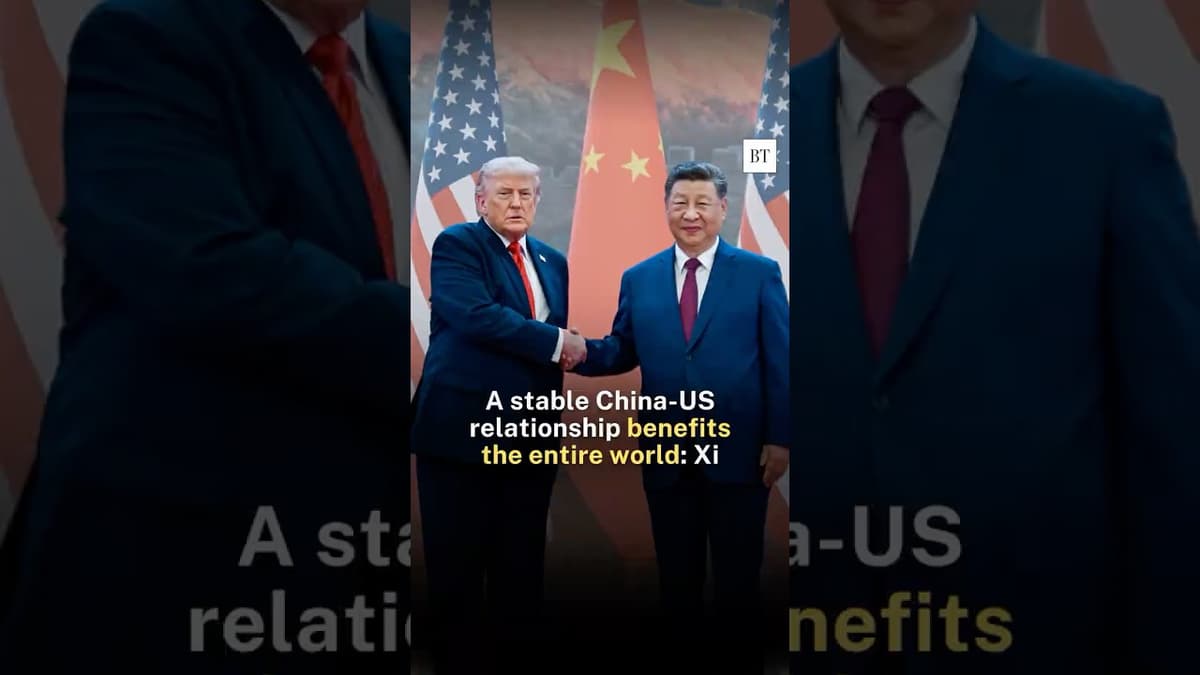
It’s an Honour to Be Your Friend: Trump to Xi
In a televised address to President Xi Jinping, former U.S. President Donald Trump framed the bilateral relationship as a friendship rather than a rivalry, urging both nations to prioritize partnership. He emphasized that shared interests between the United States and...
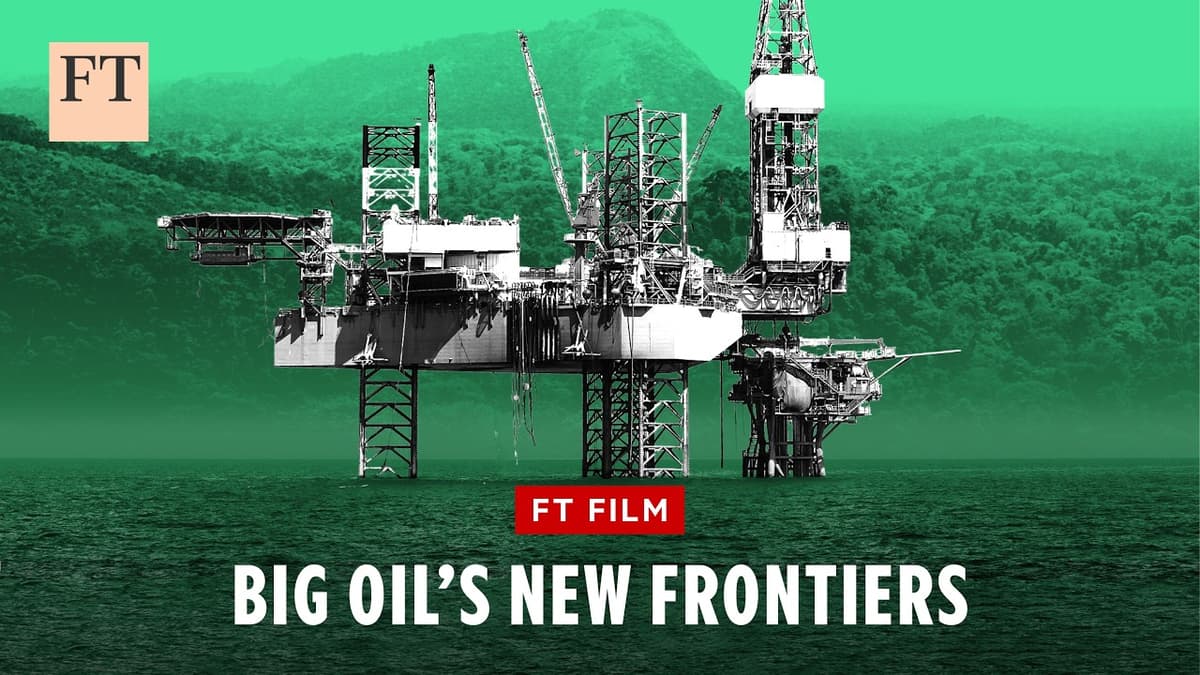
Why Big Oil Is Opening New Frontiers | FT Film
Suriname, South America’s smallest and greenest nation, is betting on a $10.5 billion offshore oil development – dubbed Grand Morgu – to lift the country out of a prolonged recession and IMF‑backed recovery. The project, led by TotalEnergies, targets 220,000 barrels per...
Trump Says He’ll Discuss Taiwan Arms Deal With Xi Jinping
President Donald Trump announced that he will raise the issue of U.S. arms sales to Taiwan in an upcoming conversation with Chinese President Xi Jinping. The comment came during a loosely scripted interview where Trump highlighted the broader regional backing...
Five Things You May Not Know About US-China Ties
Amid a high‑stakes US‑China summit, the video highlights five often‑overlooked dimensions of the bilateral relationship. It underscores that despite tariffs, the United States remains China’s largest trading partner, with more than $500 billion in goods exchanged each year, and that China is...

The WSJ's Lingling Wei: Four Things to Look for in US-Chinese Trade Relations
Lingling Wei of the Wall Street Journal outlines four focal points to gauge the evolving US‑China trade relationship. She emphasizes that changes in Chinese rare‑earth export licensing could signal a softening of Beijing’s kinetic leverage, while adjustments to US semiconductor...
Global Economic Outlook: Navigating Growth, Risk, and Opportunity | Global Conference 2026
The panel opened by framing the global economy’s two dominant shocks: an unprecedented energy disruption from the Strait of Hormuz closure and the rapid diffusion of artificial intelligence. Speakers agreed that the Hormuz shutdown, which removed roughly 14 million barrels per...

Anthropic Eyeing Over $900 Billion Valuation | Bloomberg Tech 5/13/2026
Anthropic is reportedly seeking at least $30 billion in fresh financing that could value the AI startup at more than $900 billion, underscoring intense investor appetite for large, well-funded models. The report comes amid a high-profile U.S. delegation to China—including...
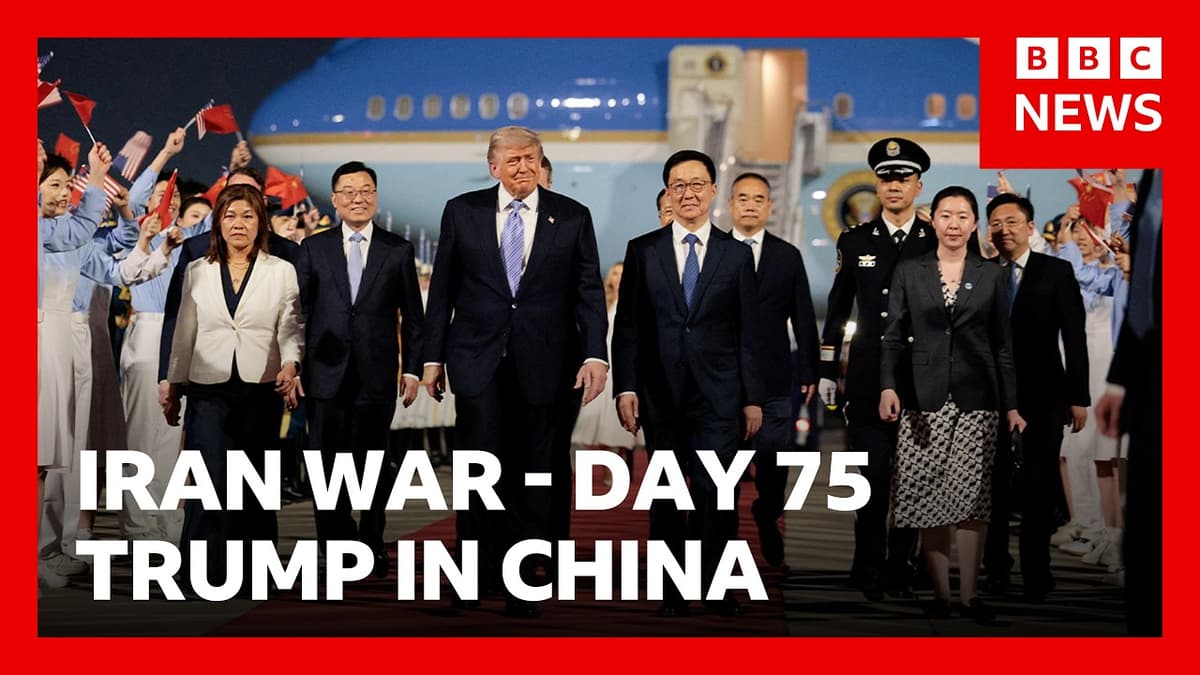
War in Iran Expected to Be High on Agenda for Trump in China | BBC News
President Donald Trump arrived in Beijing for a two‑day summit with Xi Jinping, with the Iran war expected to dominate discussions. While Trump publicly claimed the United States does not need China’s assistance to resolve the conflict, officials in both...
Trump-Xi Summit: The Battle of Superpowers | WION Wideangle
The WION Wideangle episode centers on the Trump‑Xi summit in Beijing, the first U.S. presidential visit to China in nearly a decade. It frames the meeting as a litmus test for the evolving U.S.–China relationship, which has moved from Cold‑War...

Why China and Iran’s History Matters to the US
The video examines the upcoming U.S.–China summit against the backdrop of the Iran‑Strait of Hormuz crisis, suggesting Washington hopes Beijing will pressure Tehran to reopen the vital shipping lane. It traces the roots of the China‑Iran relationship to the 1979 revolution,...
Expectations in Trump, Jinping Summit, SK Hynix & AI Wealth Funds
The video centers on the imminent Trump‑Jinping summit in Beijing and its ripple effects across trade, geopolitics, and technology, while also touching on labor unrest at South Korean chipmakers and emerging ideas about AI‑driven wealth distribution. Analysts note that the truce...
Iran: Not Our Fight, Still Our Problem
Singapore faces a direct fallout from the Iran‑U.S.‑Israel clash and the wider Middle‑East wars, as highlighted in the Lens on Singapore interview with Prof. Joseph Liao. The discussion frames the conflict as a multi‑front struggle—Iran vs. U.S., Israel‑Hezbollah in Lebanon,...