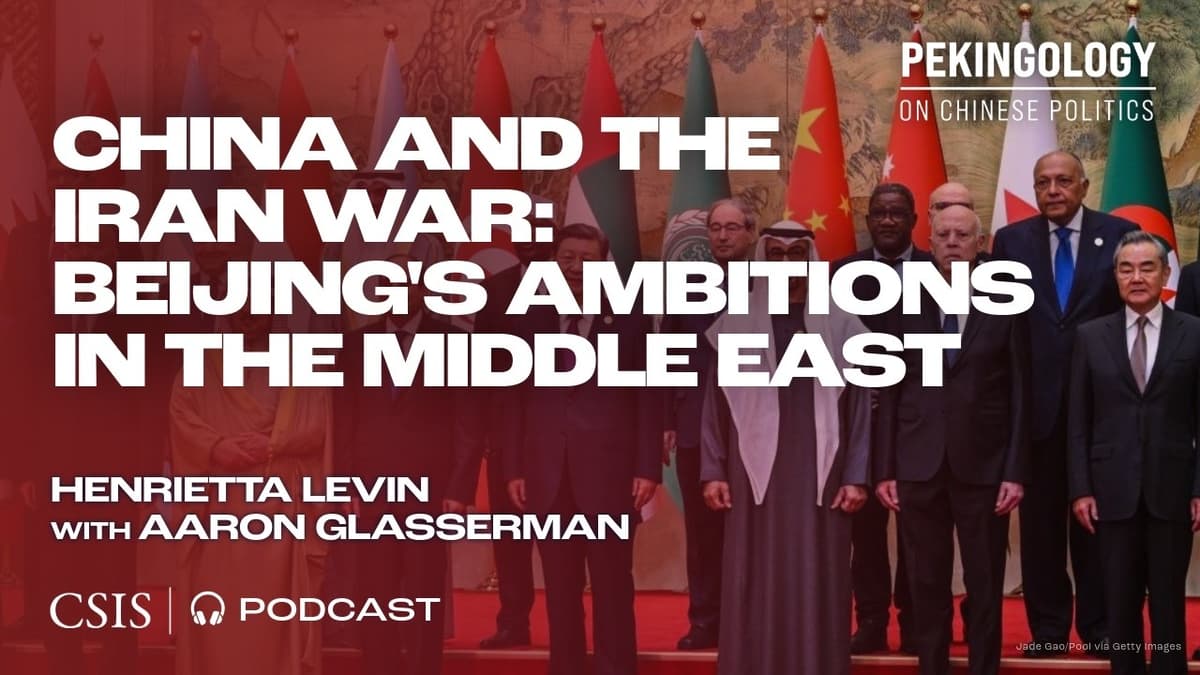
China and the Iran War: Beijing's Ambitions in the Middle East
The podcast examines Beijing’s evolving calculus in the Middle East, especially as the Iran‑Israel war escalates. Host Henrietta Levven and scholar Aaron Glasserman argue that the region is a secondary priority for China; its core red‑line issues remain Taiwan and sovereignty, not Gulf politics. Consequently, China pursues a flexible, low‑risk posture that can accommodate shifting alliances. Key insights reveal three overlapping interest buckets: massive economic dependence on Gulf oil and gas, expanding geoeconomic corridors that route Chinese exports and European imports through the Red Sea, and a diplomatic push to present itself as a champion of the Global South. Beijing’s strategy is to secure cheap energy, protect trade routes, and earn political capital without committing troops or large‑scale bases. Illustrative examples include China’s tentative bid for a UAE naval facility—primarily for intelligence, not power projection—its role in brokering the 2023 Saudi‑Iran détente, and its limited mediation attempts in the Israel‑Palestine arena, such as hosting Hamas and Fatah talks. The Red Sea remains a logistical lifeline, with roughly 60% of Chinese exports to Europe transiting the Bab el‑Mandeb before the Houthi disruptions. The implication is that China will continue to leverage economic leverage and quiet diplomacy to shape regional outcomes, while avoiding the costly military entanglements that have plagued the United States. This approach could deepen Beijing’s influence over energy markets and trade routes, subtly reshaping the strategic calculus for both regional actors and Washington.
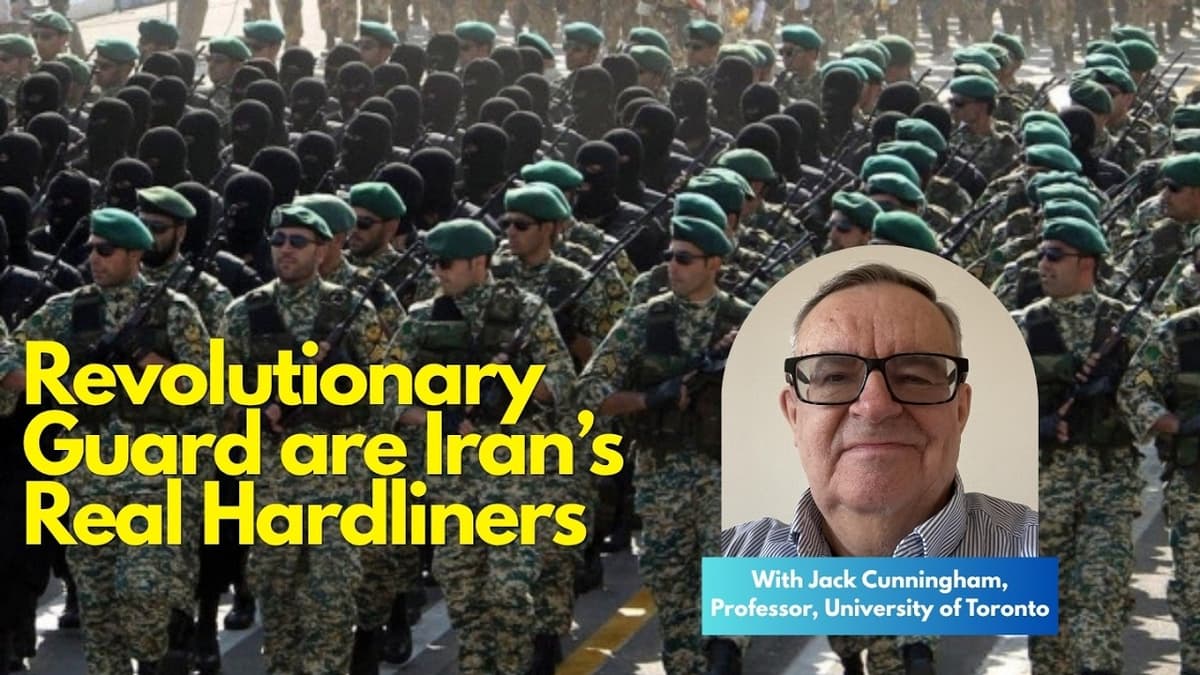
Revolutionary Guard's Rising Power Reshapes Iran War Dynamics
The interview with University of Toronto professor Jack Cunningham focuses on the Iranian Revolutionary Guard Corps’ expanding grip on Tehran’s political, economic and military apparatus, and how that shift is redefining the ongoing Iran‑U.S. confrontation. Cunningham argues the Guard’s hard‑line, anti‑Western...
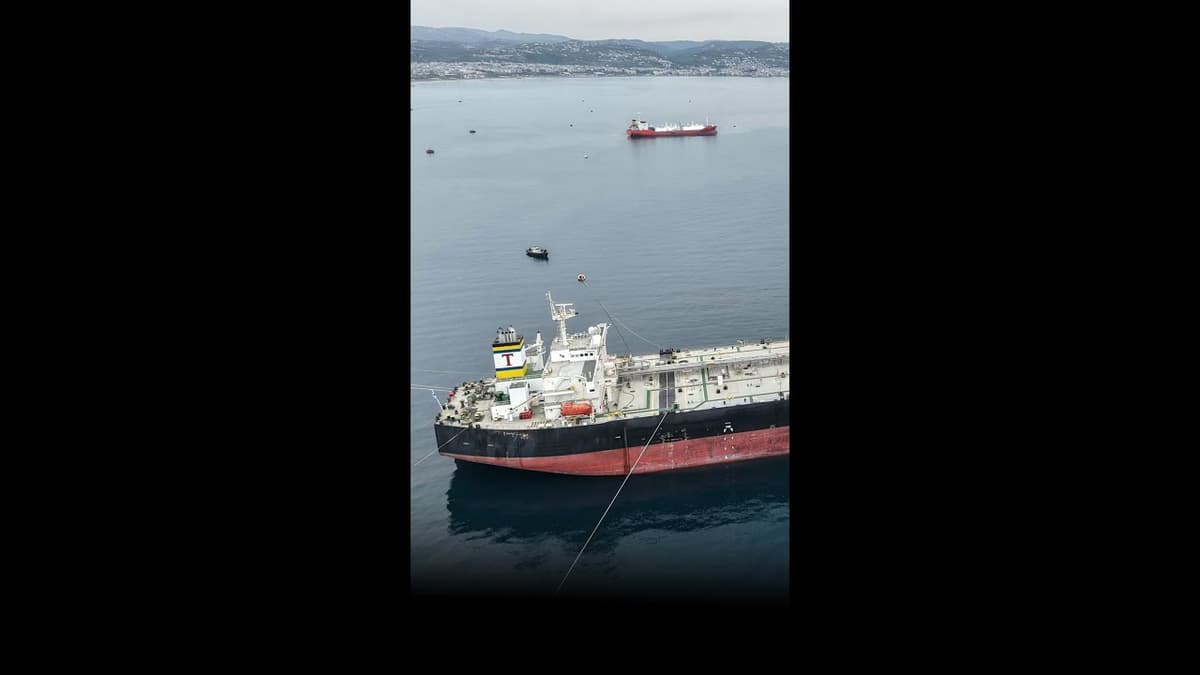
OPEC Loses Its Most Valuable Member #shorts
The video explains how the United Arab Emirates’ departure from OPEC+ reshapes the cartel’s power structure, leaving Saudi Arabia as the only member that consistently adheres to production quotas. It also highlights the United States’ capacity to flood the market...
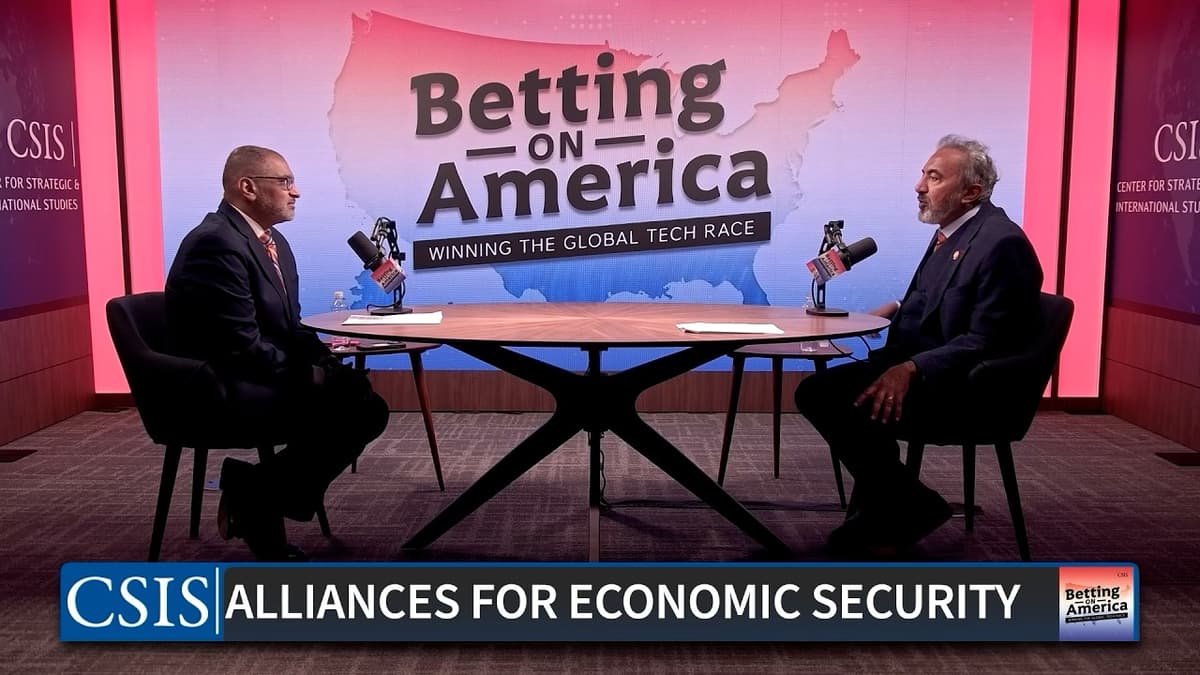
Solidarity in an Era of Economic Competition: Featuring Rep. Ami Bera | Betting on America
The Betting on America interview with Rep. Ami Bera explores how the United States can rebuild economic solidarity amid a fragmented global order. Bera frames the post‑World‑II alliance system as eroding, citing the Great Recession, the pandemic, and Russia’s invasion...
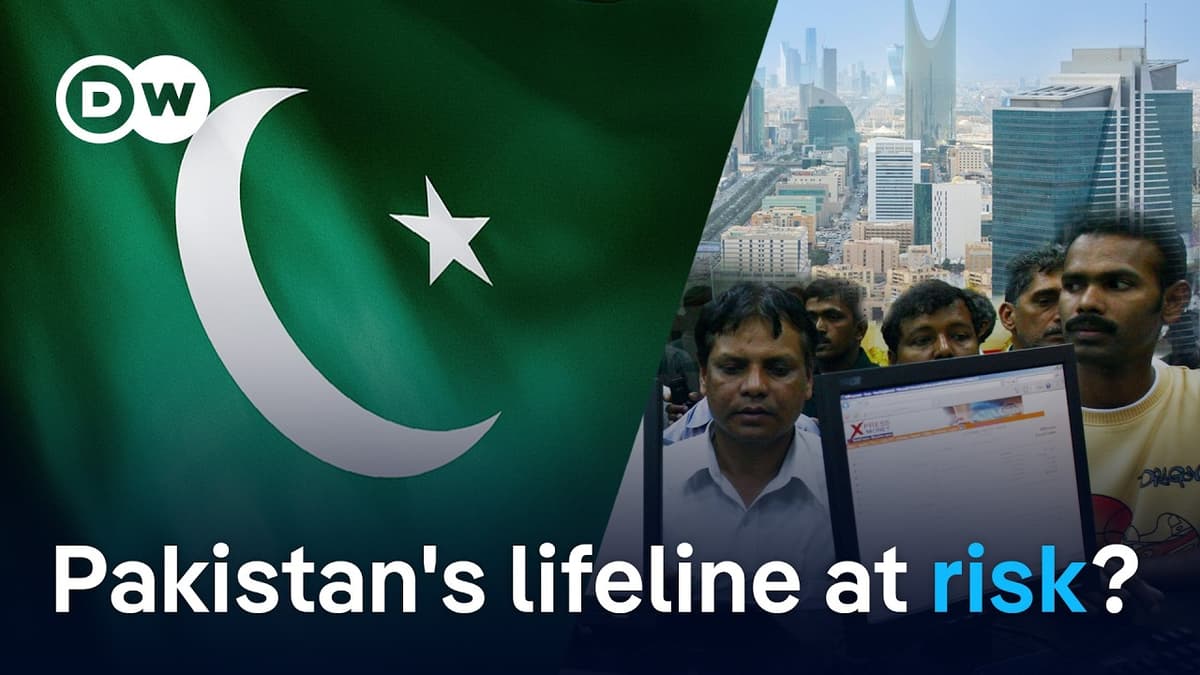
How the Iran War Exposes Pakistan’s Gulf Dependence | DW News
The DW News segment examines how the Iran‑Israel war is exposing Pakistan’s deep reliance on Gulf‑based remittances, a pillar that now matches the country’s export contribution to GDP. With more than 5 million Pakistanis employed in Saudi Arabia and the United...
India’s Youth Boom Meets a Jobs Bust
The fifth edition of the State of Working India report, released by Azim Premji University, examines how India’s youthful population is faring in the labor market as the country approaches the tail‑end of its demographic dividend. By focusing on...
The Stock Market’s 'Curious Exuberance' Despite the Iran War
The video examines why the stock market remains unusually upbeat despite the ongoing Iran‑Israel conflict. Early‑quarter earnings have been robust, with roughly 80% of S&P constituents beating estimates, but only one month of the reporting period actually overlapped the war,...
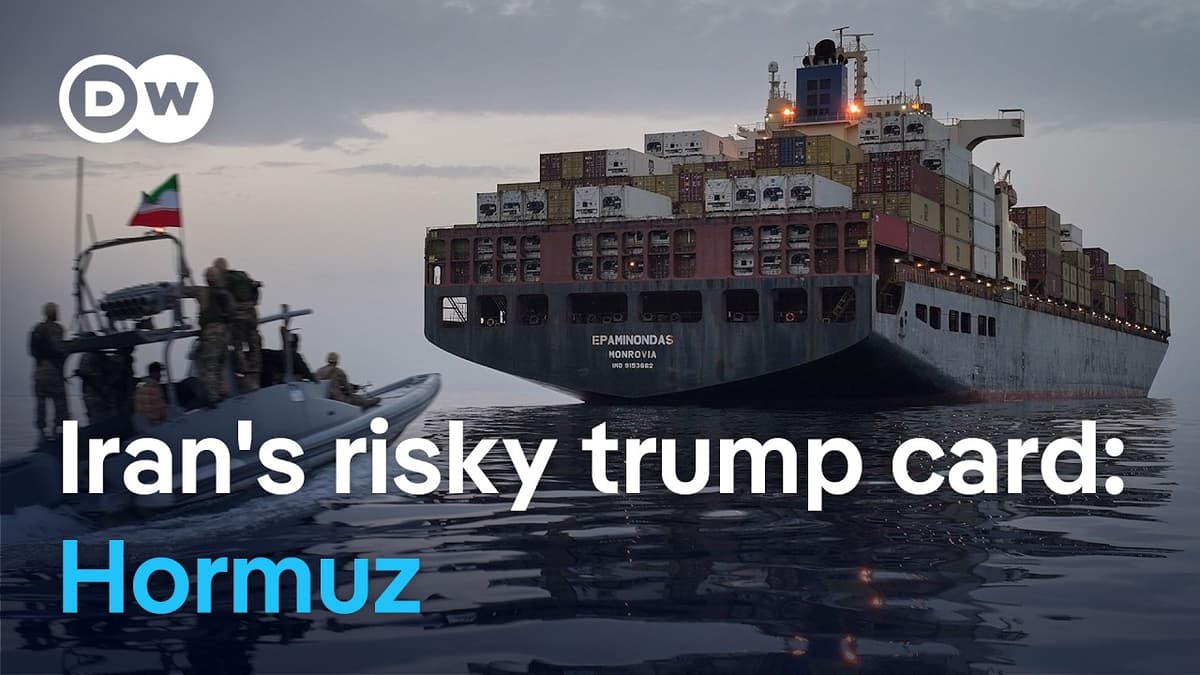
Iran Peace Proposal Fails to Impress Trump as Hormuz Standoff Enters Ninth Week | DW News
The DW News segment examines Iran’s latest peace overture amid a nine‑week stalemate over the Strait of Hormuz, noting President Donald Trump’s refusal to accept the terms. Since the April 8 cease‑fire, Iran has offered to reopen the strait in exchange...
Italy Gives Trump the Cold Shoulder || Peter Zeihan
Peter Zeihan argues that the United States is witnessing the rapid disintegration of its post‑World‑II alliance with Europe, with Italy now openly rejecting Trump’s foreign‑policy agenda. He attributes the rupture to the former president’s public denunciations of allies, his refusal...

The U.S. vs China AI Battle Is Getting Ugly | China Decode
The episode of China Decode focuses on the escalating U.S.–China rivalry in artificial intelligence. Washington has publicly alleged that Chinese actors are running large‑scale campaigns to query and replicate the outputs of American large‑language models, a practice the hosts label...
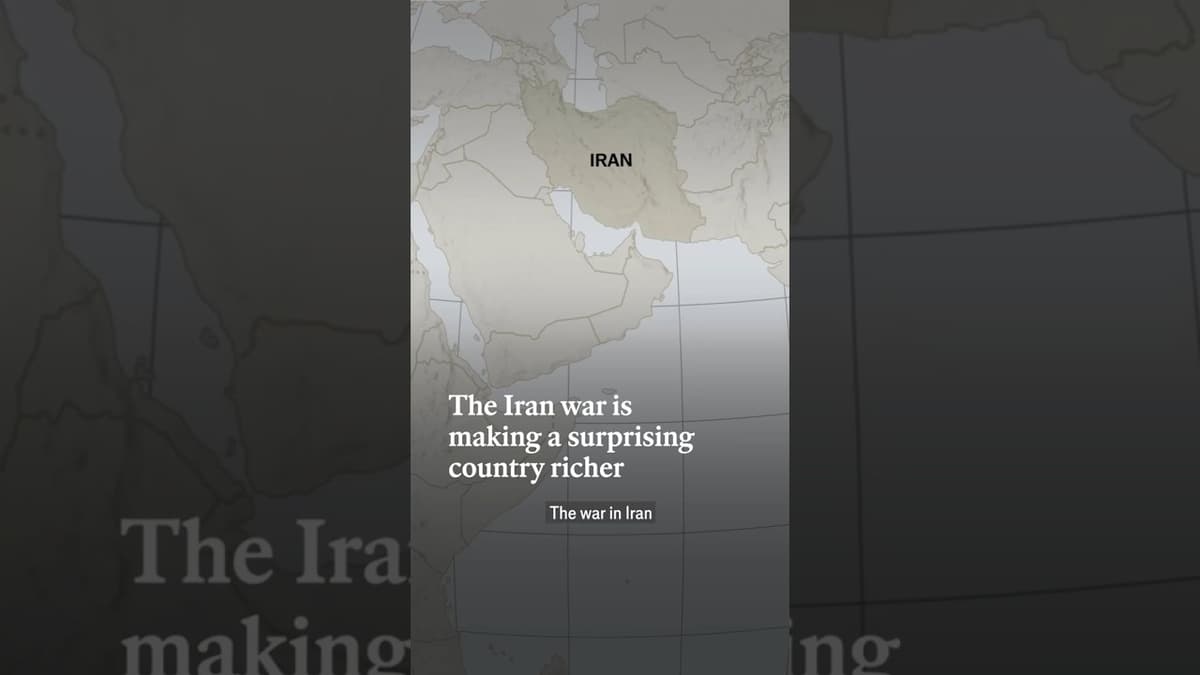
The Iran War Is Making a Surprising Country Richer
The video explains how the Iran‑Russia conflict has unintentionally enriched the South American nation of Gana. After a 2015 discovery of 11 billion barrels of offshore oil, production began in 2019 and weekly revenues jumped from $370 million to $623 million, making...

Could Dangote's Stock Listing Transform African Investing? | Next Africa
The podcast examines Aliko Dangote’s plan to float a stake in his Lagos oil refinery, marking potentially Africa’s largest IPO and a test of domestic capital markets. Dangote intends to sell about 10% of the 650,000‑barrel‑per‑day facility on the Nigerian Stock...
US Is Doubling Down on Tech Deals with the Gulf: Helberg
The video features a senior U.S. official outlining a new economic‑security initiative called Paxilica, a 14‑nation coalition designed to counter China’s Belt‑and‑Road model by leveraging private‑sector strength and strategic partnerships in the Gulf and Southeast Asia. Key points include the launch...
Access Middle East - 27-Apr-26
Access Middle East opened with a stark reminder that oil markets remain volatile: Brent briefly breached $107 a barrel and WTI rallied 14% last week as the United States and Iran failed to revive peace talks in Pakistan. President...
China Blocks Meta’s $2 Billion AI Deal; DeepSeek Slashes Prices | The Pulse 4/25
The Pulse highlighted a series of high‑stakes developments shaping global tech and finance. Beijing’s regulators abruptly blocked Meta’s $2 billion AI joint‑venture, invoking data‑security and market‑fairness concerns, while Chinese AI startup DeepSeek announced a dramatic price cut—up to 90% on its...
India The Fastest Growing IT & Gaming Market: Krafton CEO | EXCLUSIVE
Krafton’s chief executive CH Kim told CNBC TV18 that India is the fastest‑growing IT and gaming market, and the South Korean studio is deepening its footprint with a $250 million investment and a newly announced ₹6,000 crore fund. The CEO highlighted that Battlegrounds...
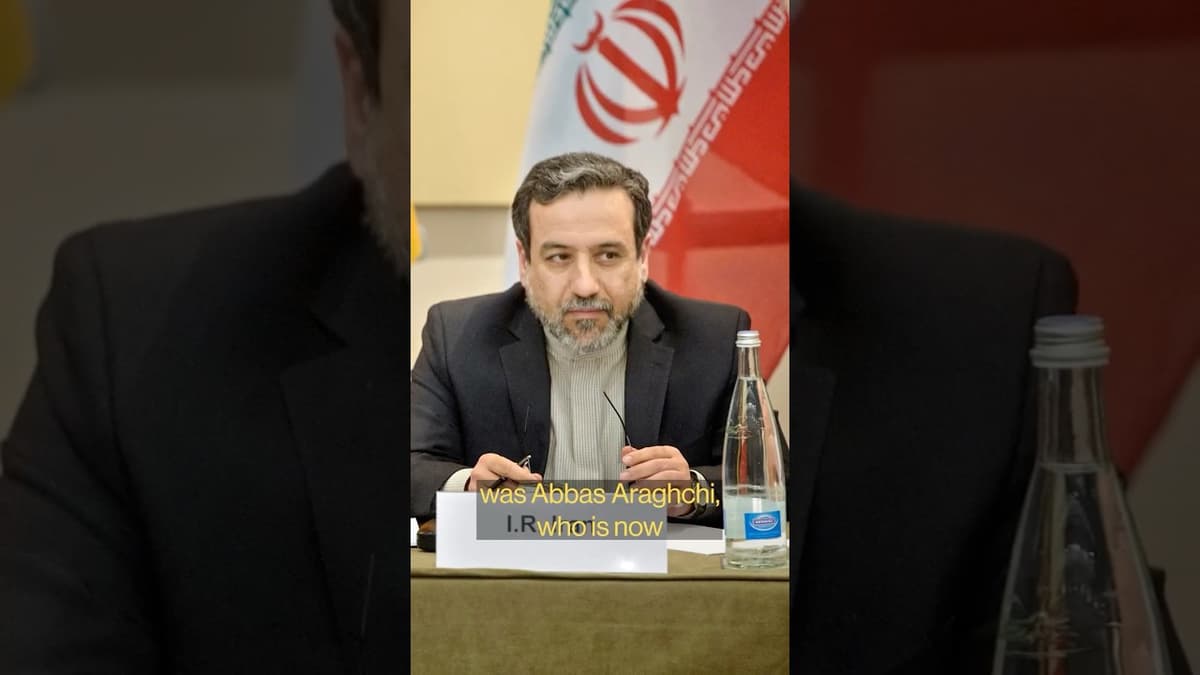
How to Negotiate With Iran
The video dissects the art of negotiating with Iran, using the 2015 Islamabad talks as a case study. It centers on Abbas Araqchi—then a senior Iranian negotiator and now foreign minister—who conducted the talks in English and displayed both sharp...
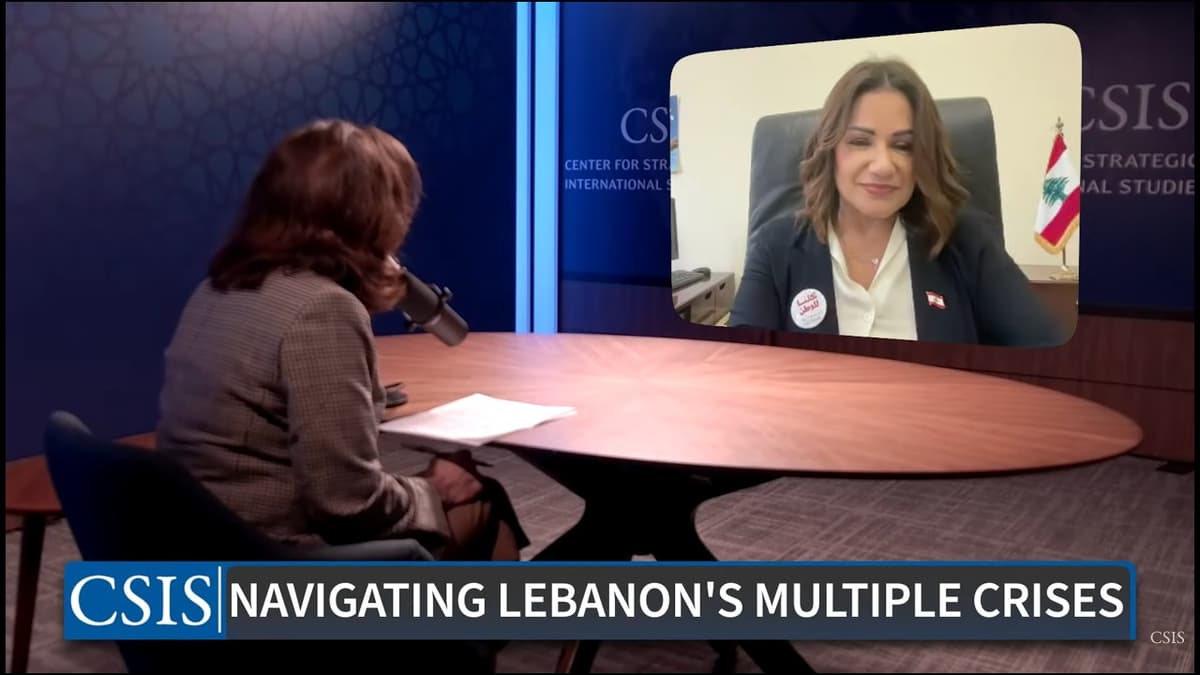
Navigating Lebanon’s Multiple Crises
The CSIS interview highlighted Lebanon’s spiraling humanitarian emergency as a second front of the Iran‑Israel conflict intensifies. More than one million people—roughly 20% of the population—have been displaced since March 2, yet only about 700 shelters accommodate a mere 15% of...
India A Tough Nut To Crack: Jamieson Greer On India-US Trade Deal | Inaia-USA Trade Talks
USTR Deputy Trade Representative Jamieson Greer described India as a “tough nut to crack” during three days of high‑level trade talks in Washington. The dialogue, the most senior U.S.–India engagement since 2022, sought progress on market access, intellectual property, and...
What's China's Next Move? | Ask Ian
The video examines whether Beijing will accelerate from economic pressure to hard‑power actions amid global conflicts, especially the Iran war, and how Washington might respond. Ian argues that despite rhetoric about a “third‑gear” shift, China is unlikely to launch overt...
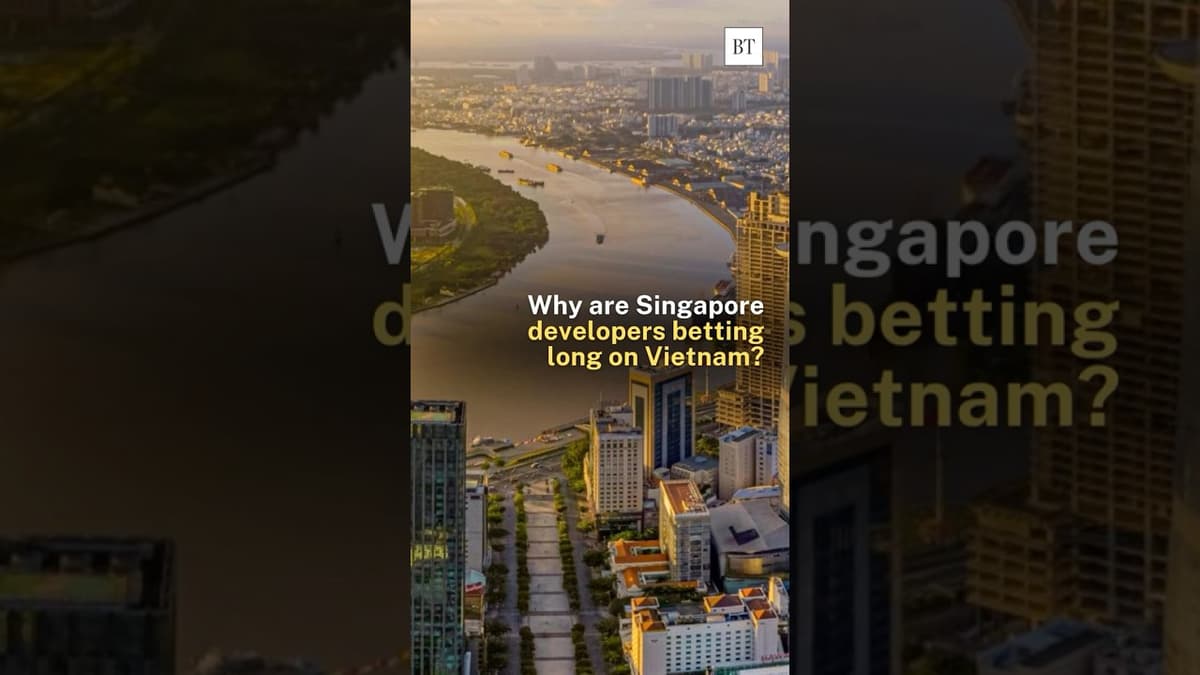
Why Are Singapore Developers Betting Long on Vietnam?
Singapore’s leading property groups are scaling up their presence in Vietnam, targeting residential, commercial and logistics projects. Keppel has earmarked nearly $4 billion in investment capital, while Mapletree’s Vietnam portfolio totals about $1.3 billion. The expansion is driven by Vietnam’s expanding middle...
Iranians Are Controlling the Tempo: Former Biden Adviser
Former Biden adviser warns that Iran now dictates Red Sea shipping tempo, creating a dual‑blockade scenario where U.S. sanctions halt Iranian vessels while Tehran’s own blockade restricts all other traffic. The standoff is already generating worldwide economic pain and raises...
From the US to India: ISB Alumnus Thomas Hyland’s Journey in Finance, Startups & Impact
Thomas Hyland, a former Goldman Sachs analyst, left the United States after a two‑year backpacking stint across Asia to explore India’s emerging markets. Enrolling in ISB’s PGP class of 2010, he leveraged the school’s network and curriculum to transition into...
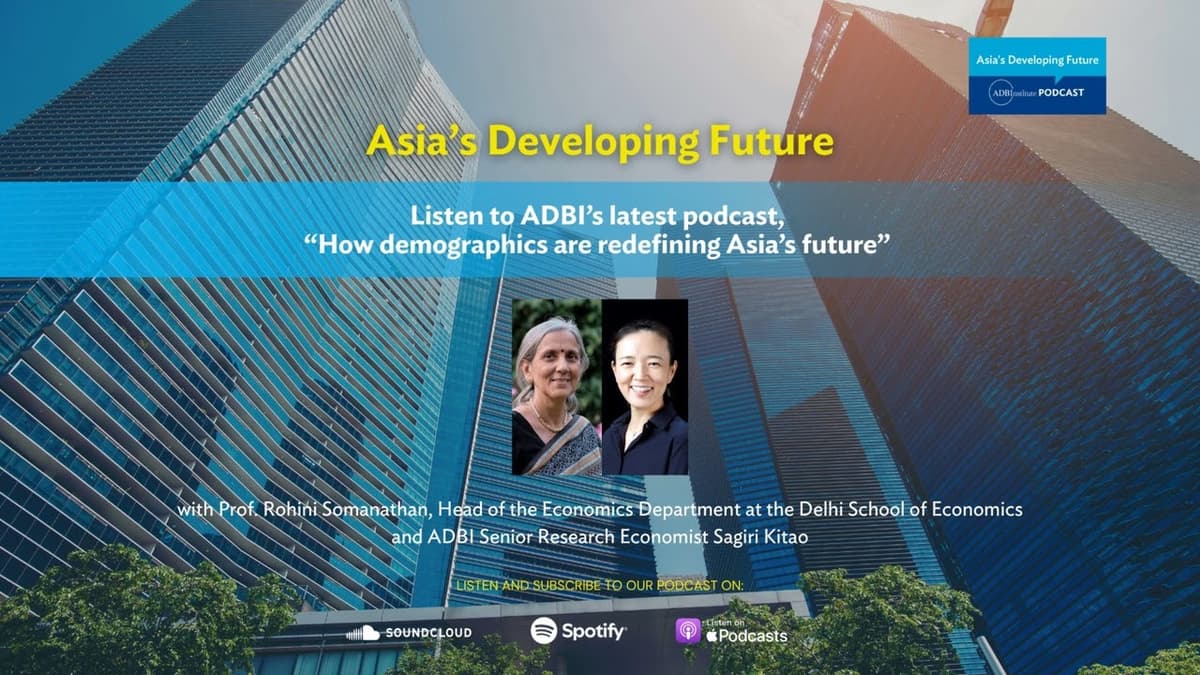
ADBI Asia's Developing Future Podcast: How Demographics Are Redefining Asias Future
The ADBI podcast examines how divergent demographic trends—rapid aging in some Asian economies and youthful populations in others—are reshaping the region’s growth outlook. It highlights the urgency for aging societies, exemplified by Japan, to implement early, coordinated reforms in pensions,...

Inside India - 23-Apr-26
Asian markets slid as oil topped $100 a barrel amid renewed tensions in the Strait of Hormuz, eroding earlier gains and prompting risk-off moves across the region. HSBC downgraded Indian equities to underweight, warning that high imported energy costs could...
The China Connection - 23-Apr-26
The China Connection, a daily livestream anchored by Emily Tan from Hong Kong, airs from 10:00 to 11:00 am Singapore/Hong Kong time on 23 April 2026. The program delves into China’s macro‑economy, technology trends, policy shifts, and business developments. It is streamed exclusively to audiences...

Steve Hanke: Massive Inflation Ahead & Markets 'Totally Complacent' On Iran War
Professor Steve Hanke warned that the accelerating U.S. money supply and the ongoing Israel‑Iran conflict are setting the stage for a new commodity super‑cycle and a broader inflationary environment. He noted that commercial‑bank credit, which makes up roughly 80 % of broad...

Trump Ends China’s SECRET Oil Deals, EVASION of Sanctions #shorts
The video reports that President Trump announced a crackdown on China’s clandestine purchases of sanctioned Iranian crude, following a recent U.S. seizure of an Iranian tanker bound for Chinese ports. Chinese state‑owned refiners have cut run rates to under 70% of...
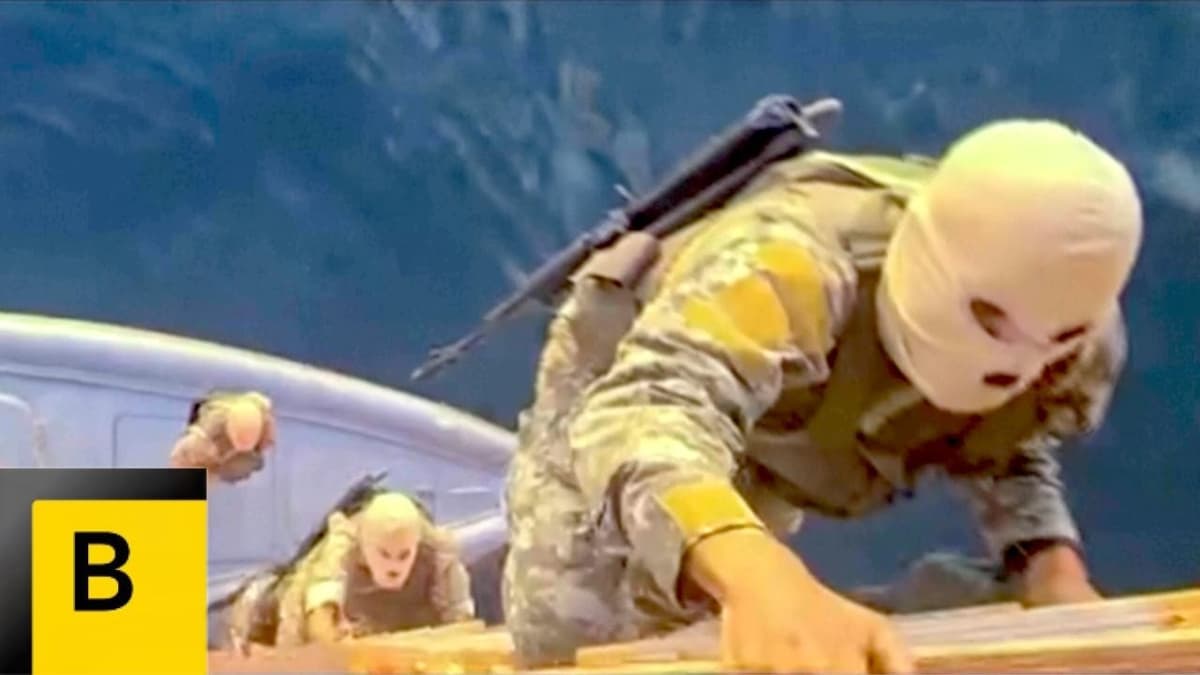
Iran State TV Airs Video of Navy Seizing Ships in Hormuz
Iranian state television aired footage of its navy intercepting commercial ships transiting the Strait of Hormuz, a chokepoint through which roughly a fifth of global oil passes. The visual display was timed to underscore Tehran’s willingness to use maritime force...
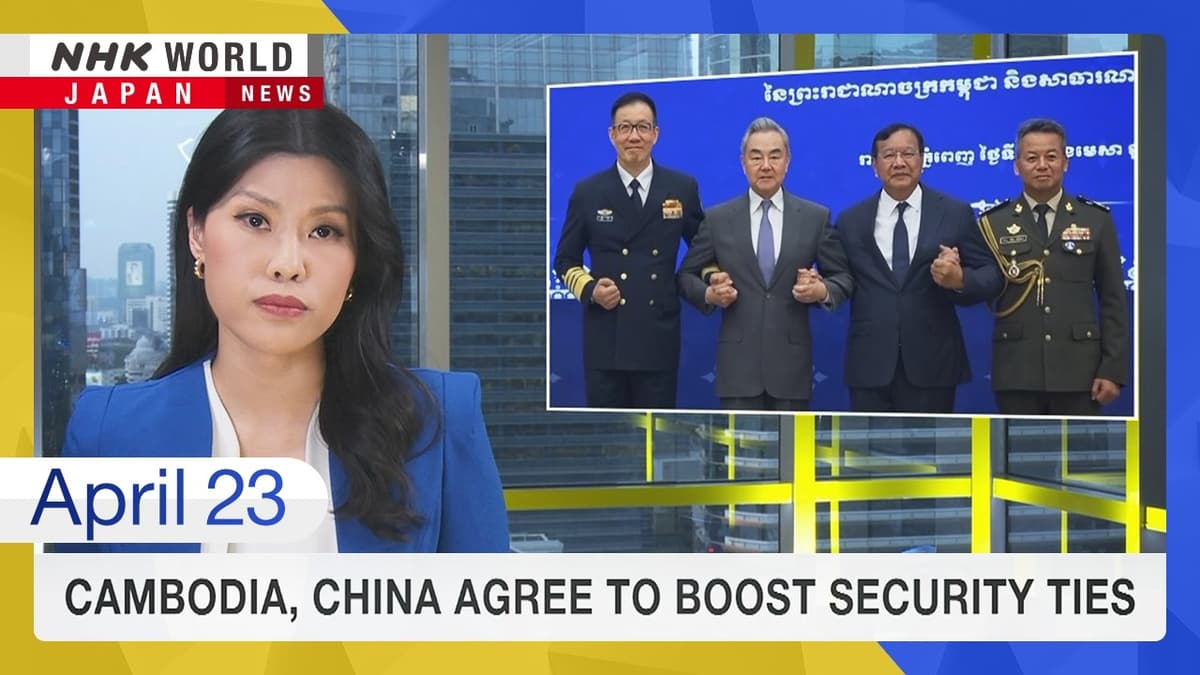
Cambodia, China Agree to Boost Security TiesーNHK WORLD-JAPAN NEWS
Foreign and defense ministers from Cambodia and China convened their inaugural “two‑plus‑two” meeting in Phnom Penh, signalling a deepening of bilateral security cooperation. The talks, led by Cambodia’s Prak Sokhonn and Tea Seiha alongside China’s Wang Yi and Dong Jun,...
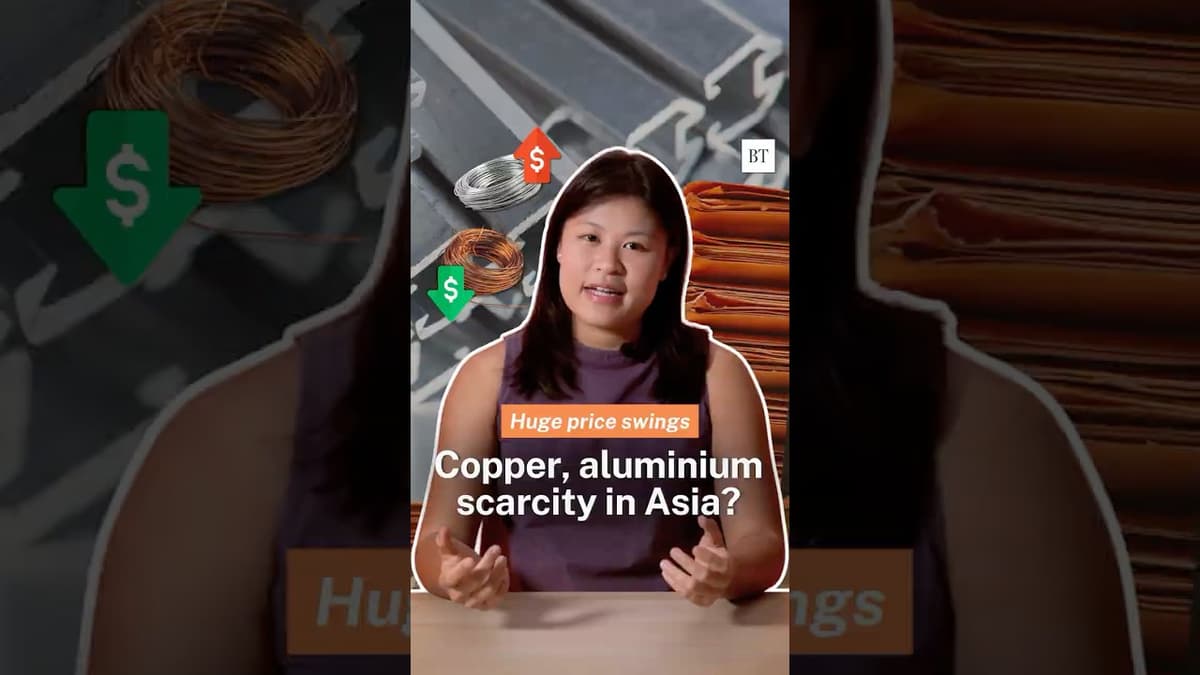
Why Are Copper and Aluminium Prices so Volatile?
The video examines why copper and aluminium prices have become highly volatile, linking the swings to the unfolding US‑Iran conflict and its impact on global supply chains. Copper dropped 10.6% after the war began, then recovered 11.9% to about $13,300 per...
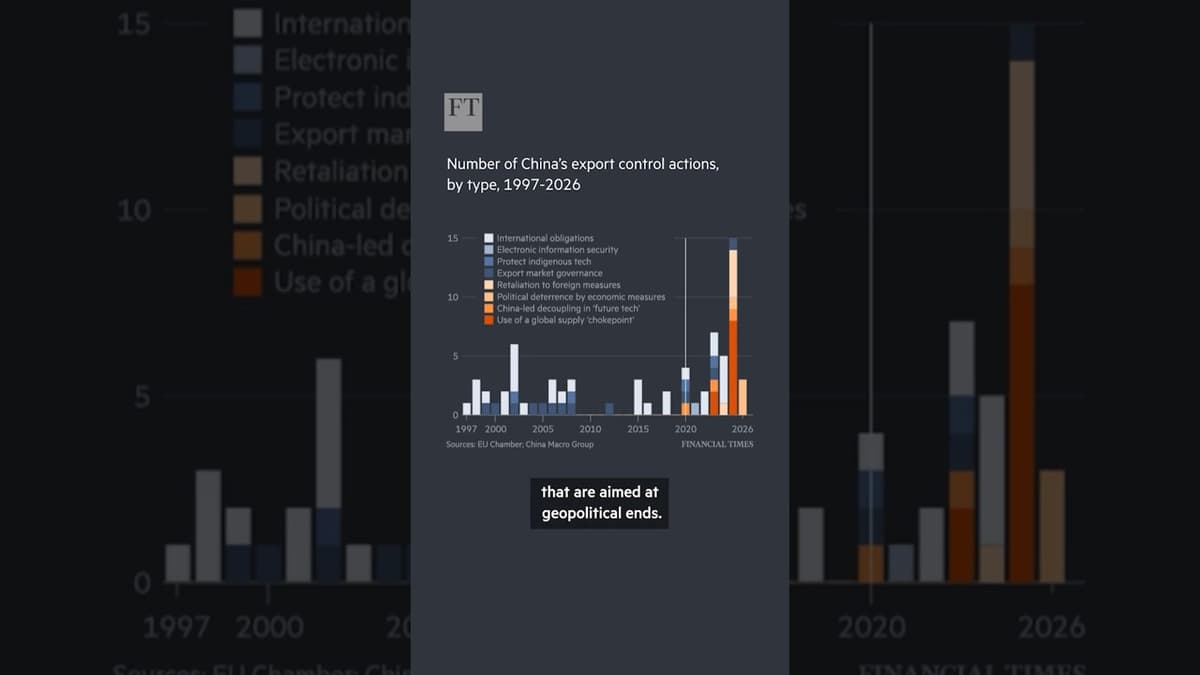
China Flexes Trade Power with Soaring Use of Export Controls | FT #shorts
The Financial Times short outlines how Beijing has dramatically expanded its use of export controls, tripling formal measures over the past five years. This shift marks a move from informal economic coercion to a structured toolbox of geoeconomic levers aimed...

When Will Energy Markets Recover From the War in Iran | FT #shorts
The FT short discusses when energy markets will bounce back after the Iran‑related conflict, suggesting a recovery horizon that stretches well beyond the immediate cease‑fire. Analysts estimate that normal market conditions may not return until roughly 2030, with a four‑year lag...
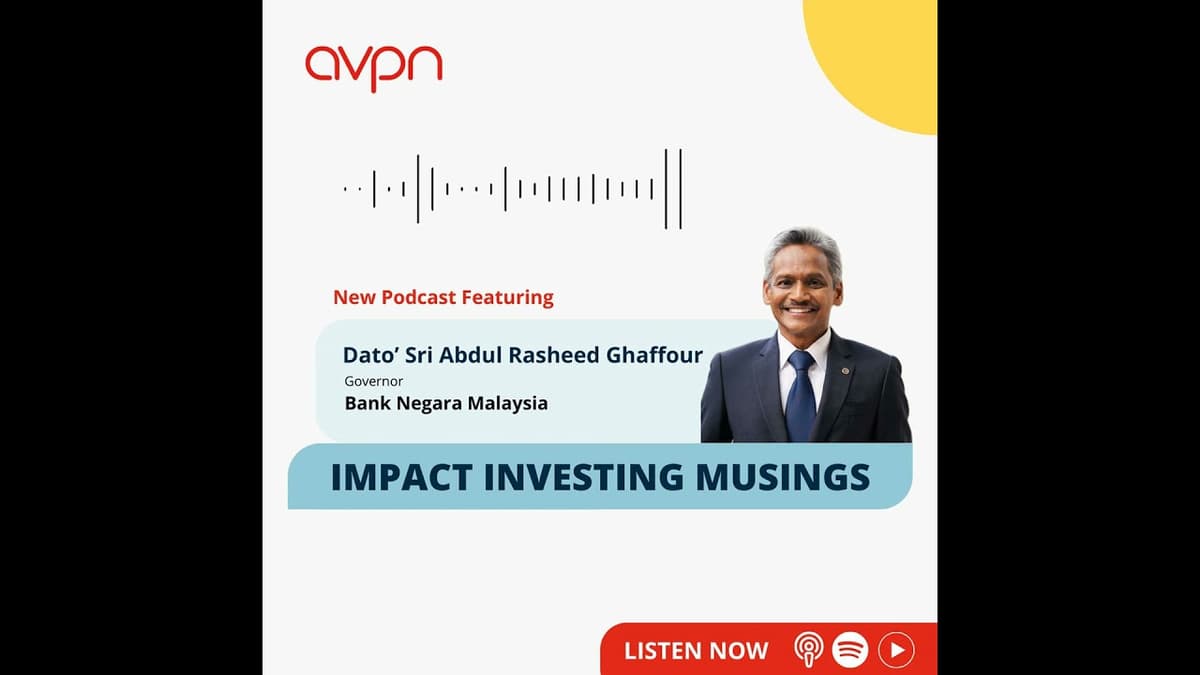
GC2025 Insights: Catalysing Asia’s Finance for People and Planet
The keynote delivered by Governor Tat Rashid at AVPN Global 2025 outlined a roadmap for mobilising Asia’s finance to power inclusive, resilient, and sustainable growth. He framed the challenge as moving from traditional industrial policy to “industrial co‑creation,” where governments,...
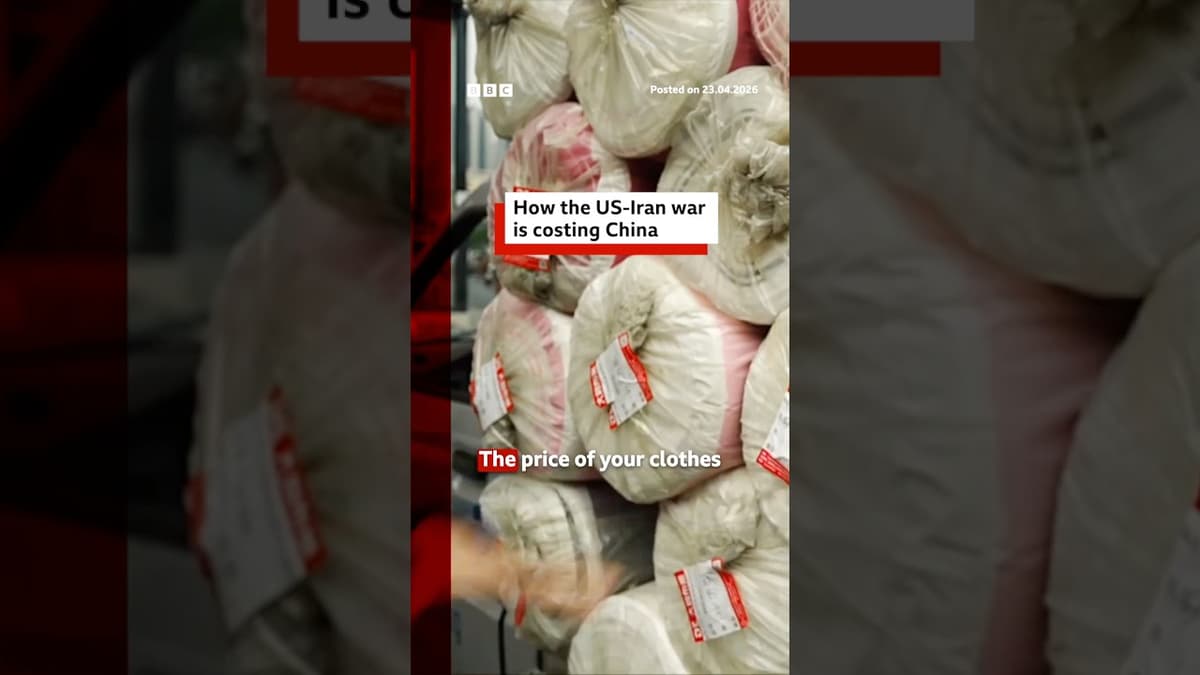
The US-Iran War Is Putting Pressure on China's Economy. #China #BBCNews
The video examines how the ongoing conflict between the United States and Iran is reverberating through China’s economy, particularly by inflating the price of crude that fuels the nation’s massive textile and plastics sectors. Traders and factory workers in...
EU Sends Huge Oil Warning That Is Spreading To The Rest of The World
The video highlights a deepening energy shock across Europe, driven by soaring oil, gasoline, diesel and jet‑fuel prices. DHL’s Tobias Meyer warns that the continent is approaching a tipping point where higher energy costs will cripple consumer spending and trigger...
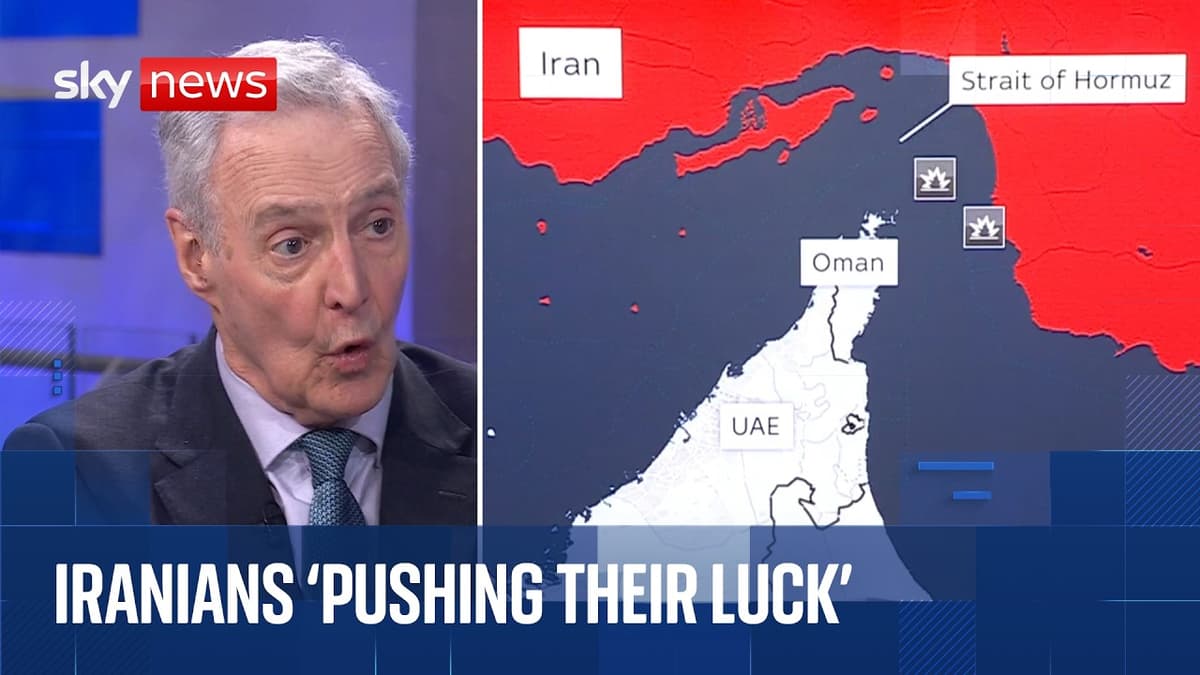
Michael Clarke Unpicks Strait of Hormuz Stalemate | Sky News Analysis
President Donald Trump announced an extension of the ceasefire with Iran while keeping the US naval blockade of the Strait of Hormuz in place. An Iranian official said Tehran has not yet decided whether to join a new round of...

US Treasury Just Sanctioned 14 Targets For Supplying Iran
On April 21, the U.S. Treasury announced sanctions on 14 targets—individuals, entities and aircraft—based in Iran, Turkey and the UAE for procuring or transporting weapons and weapons components for the Iranian regime. The move targets networks that have supplied ballistic...
Geopolitics Tends to Create Good Buying Opportunities, Says Morgan Stanley's Andrew Slimmon
Morgan Stanley senior portfolio manager Andrew Slimmon argued that geopolitical events, such as the recent Iran cease‑fire, often create compelling entry points for equity investors. He emphasized that while macro headlines dominate headlines, the underlying micro fundamentals—particularly earnings revisions—remain the...
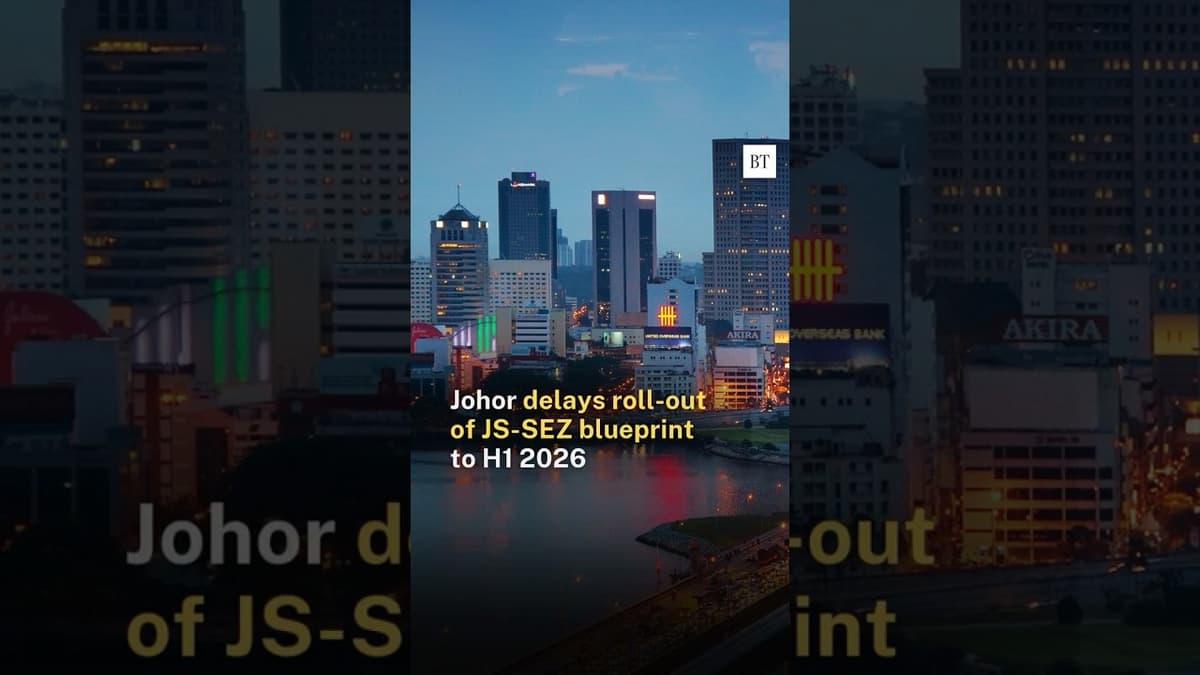
Johor Delays Roll-Out of JS-SEZ Blueprint to H1 2026
Malaysia’s National Investment Council has placed the Johor‑Singapore Special Economic Zone (JS‑SEZ) master plan under review, pushing the anticipated launch from March 30 to the first half of 2026. The blueprint, originally designed to attract billions in cross‑border investment and...
Birthrate Decline Isn't Just a Culture War Issue
The video highlights a worldwide decline in birth rates coupled with rapidly aging populations, creating a demographic shift that reduces the proportion of working‑age individuals. This trend is not merely a cultural debate about family choices; it represents a structural...

State and Local Officials Webinar: Home Field Advantage: Sports Diplomacy and North America
The Council on Foreign Relations hosted a webinar examining how sports diplomacy can reinforce ties across the United States, Canada and Mexico. Edward Alden outlined the importance of coordinated infrastructure, security and immigration policies for state and municipal leaders. Lindsay...
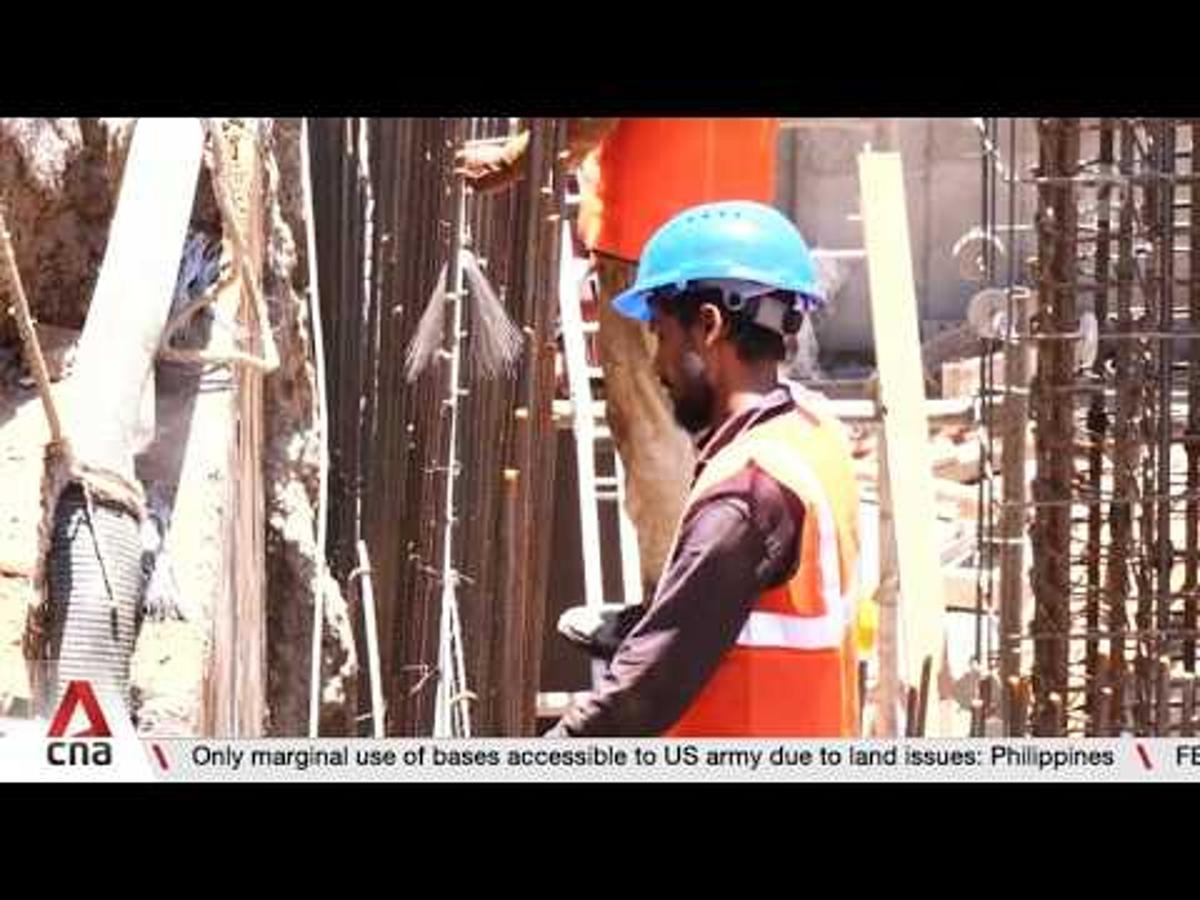
India Housing Market Feels Impact of Middle East Tensions
The video examines how the escalating conflict in the Middle East is reverberating through India’s housing sector. Rising freight, steel, cement and energy prices—driven by supply disruptions linked to the Iran‑related war—are inflating construction budgets, while buyer sentiment sours amid...

The Hidden Engine of China’s AI Boom | China Decode
The episode of China Decode examines how China has become the world’s leading exporter of AI tokens – the computational “fuel” for large‑language and agentic models – and why this is turning into a geopolitical flashpoint. Data from the National Bureau...
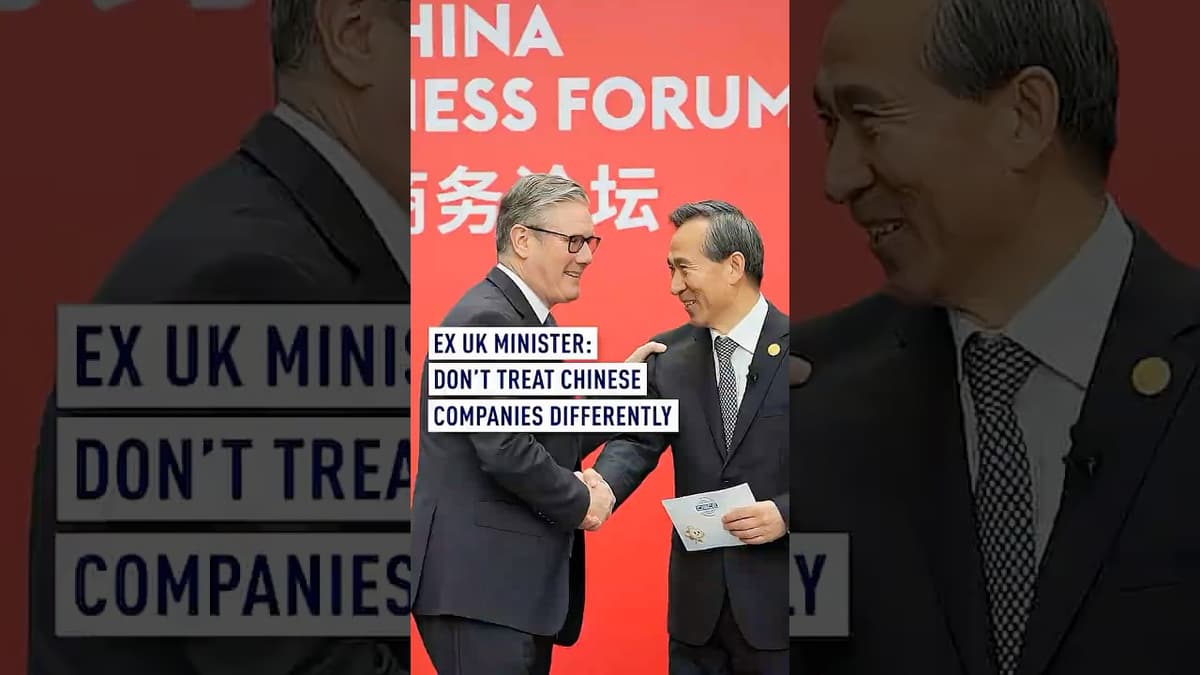
Ex UK Minister: Let the People Trade with China
A former British minister called for Chinese investors to be treated the same as any other foreign company, arguing that investment decisions should be based on commercial merit rather than nationality. He highlighted that Chinese firms have long contributed to...
Bankable Projects for Ukraine’s Reconstruction | The Futures Summit
The Futures Summit highlighted Ukraine’s urgent need to translate creative ideas into bankable reconstruction projects. Speakers stressed that disciplined, investor‑grade proposals from Ukrainian businesses, paired with disciplined capital deployment from international partners, are essential for sustainable development. Ukraine currently suffers from...
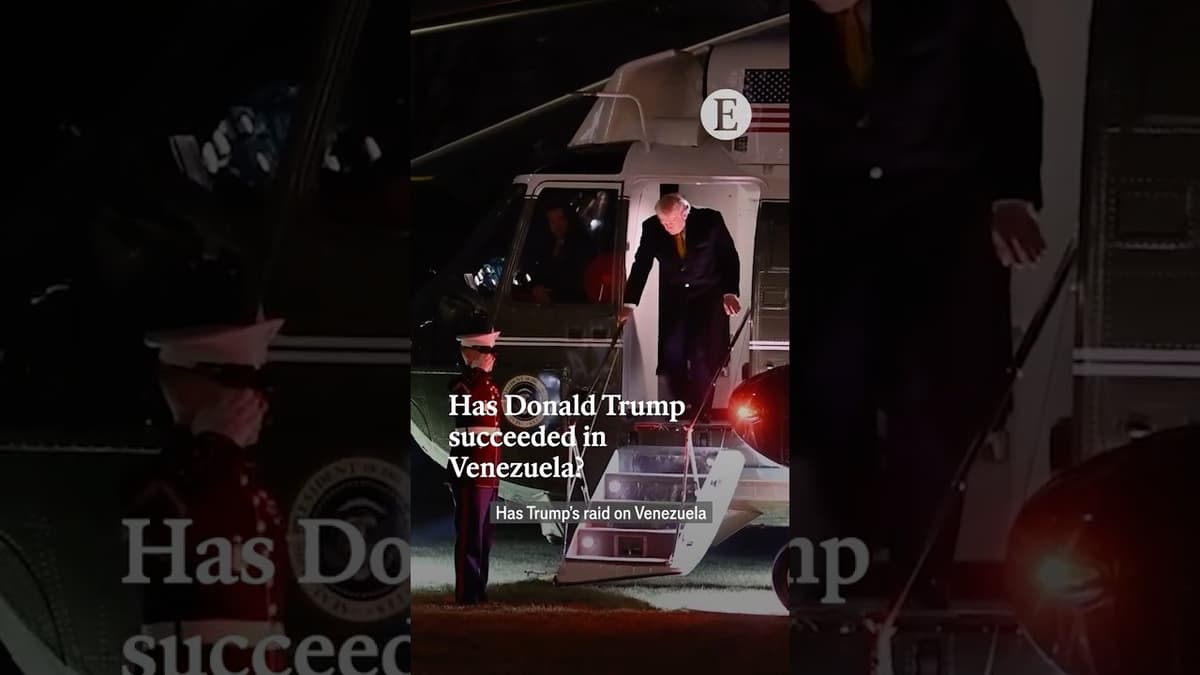
Has Donald Trump Succeeded in Venezuela? | The Economist
The Economist examines whether Donald Trump's January 2026 raid on Venezuela—where U.S. forces seized President Nicolás Maduro and installed his deputy—has delivered a lasting victory for Washington. Three months later, opposition figure María Corina Machado enjoys heightened public enthusiasm, yet no election date...
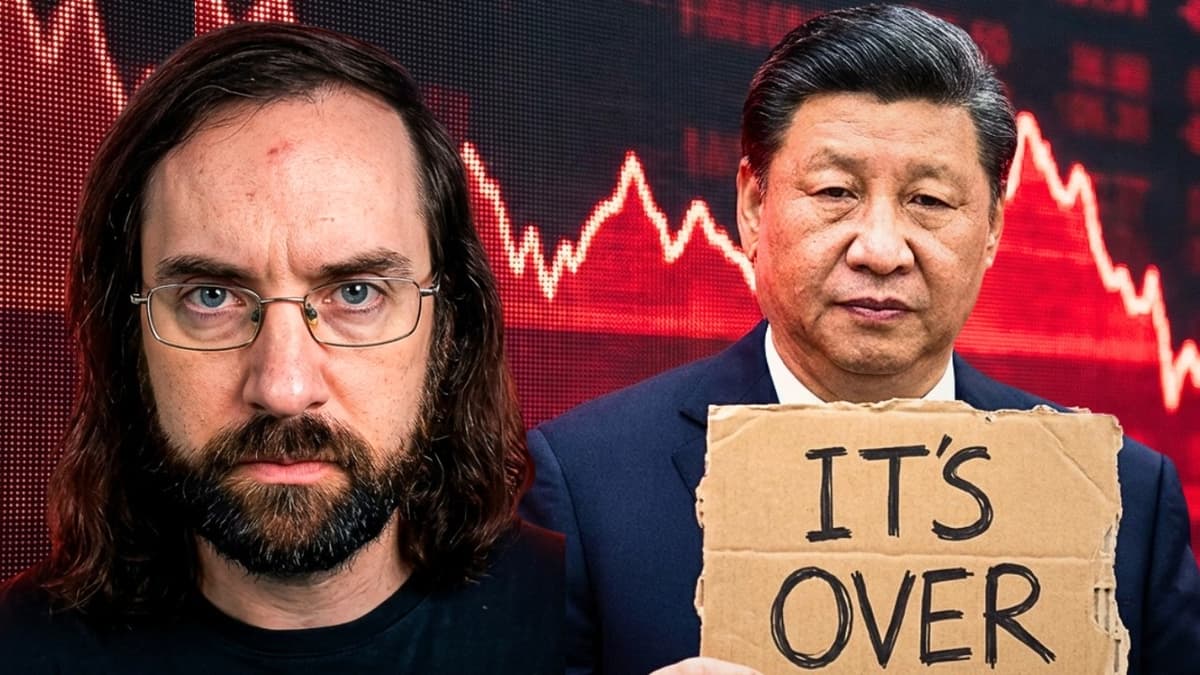
HOLY SH*T!! Did You See What Just Happened in China
The video dissects a dramatic steepening of China’s yield curve, where short‑term government bond yields have fallen to a historic 1.15% while ten‑year rates sit below 1.8%. Analysts attribute the move to a confluence of weak domestic demand, aggressive bank...
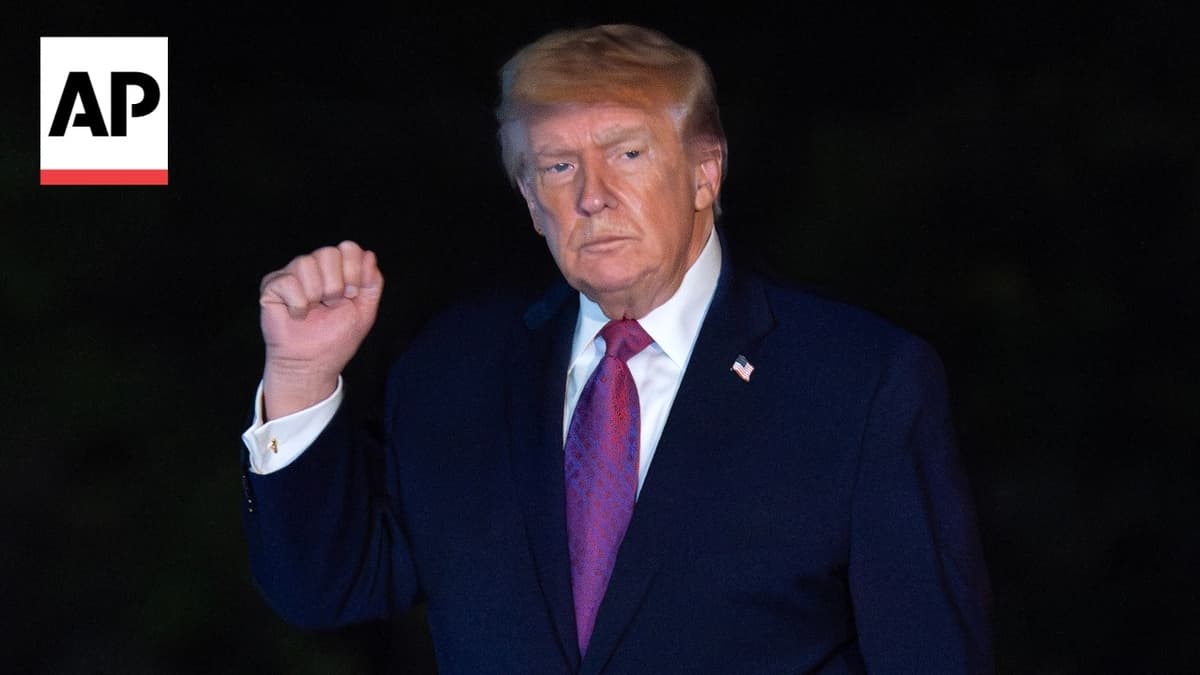
Trump Says US Negotiators Will Be in Pakistan for Talks with Iran
President Trump announced a U.S. delegation will travel to Islamabad for a second round of talks with Iran, marking a rare diplomatic overture amid ongoing tensions. Pakistani authorities have begun extensive security preparations: major roads, monuments and two hotels previously used...
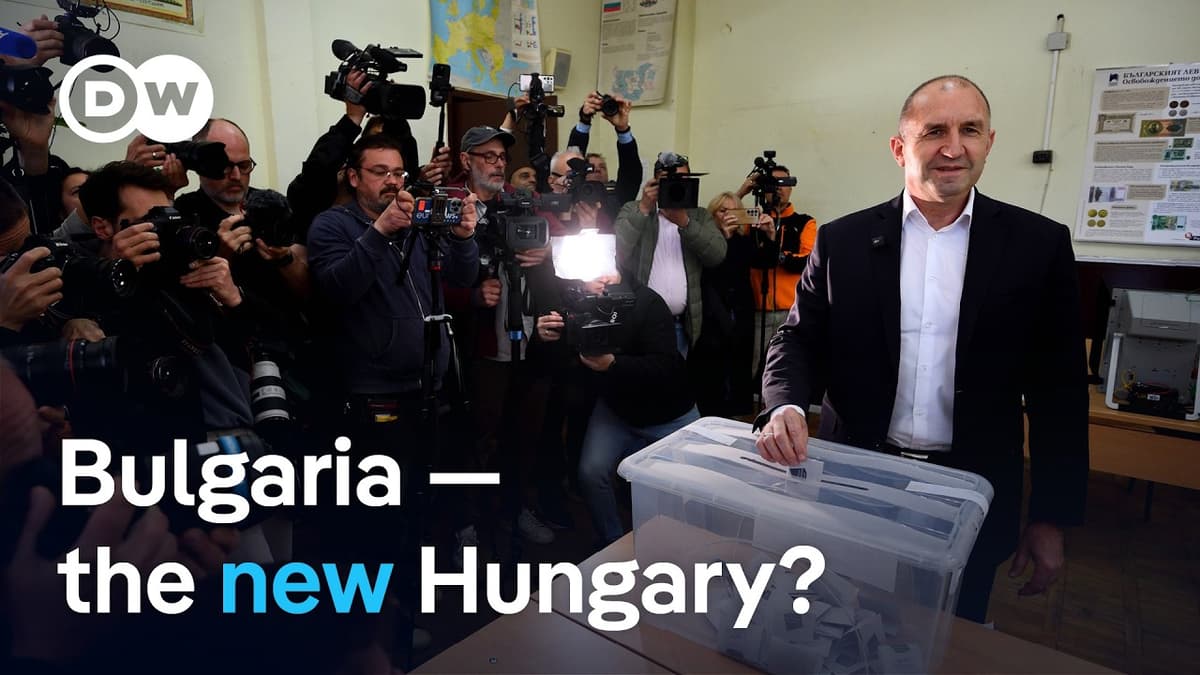
Bulgarians Vote in High-Stakes Election | DW News
The DW News segment focuses on Bulgaria’s parliamentary election, the eighth poll in five years, and its potential to reshape the country’s alignment with the European Union, NATO, and Moscow. Former president Rumen Radev, a former fighter pilot with a pro‑Russian...