What to Expect From Trump-Xi Meeting? | Quick Take
The video analyzes the upcoming U.S.-China summit between former President Donald Trump and President Xi Jinping, questioning how the unique dynamic between the two leaders could shape the talks. Trump reportedly sees Xi as an equal and is impressed by the Chinese leader’s deference, which may make him more amenable to concessions on Taiwan, semiconductor access, and other strategic issues. His advisers, however, warn that the president’s unpredictable, one‑on‑one style could lead to deals no other U.S. administration would entertain. The commentator cites Xi’s overt praise—calling Trump the ‘greatest deal‑maker ever’—and notes similar flattery from other leaders like Israel’s Netanyahu, suggesting a transactional rapport that could sway Trump’s decisions. Advisors admit they cannot anticipate what Trump will say when alone with Xi or his family. If Trump yields on sensitive topics, U.S. strategic interests could be compromised, especially in high‑tech supply chains. The meeting’s narrow window—limited to Trump’s remaining term—means any concessions may be irreversible, underscoring the stakes for policymakers and industry.

Donald Trump's China Visit: What's at Stake? | FT #shorts
Former President Donald Trump is set to make his second trip to Beijing, a visit that carries high diplomatic and commercial stakes for both Washington and Beijing. Trump hopes China will leverage its position as Iran’s largest oil buyer to help...
This Ain't Your Father's Tanker War || Peter Zeihan
Peter Zeihan explains why the United States cannot repeat the 1980s tanker‑escort operations in the Persian Gulf, highlighting the shift from a limited Iran‑Iraq proxy war to a direct US‑Iran confrontation. In the 1980s the US deployed 40‑80 ships, re‑flagged tankers...
Diana Choyleva, Enodo Economics | China, the Iran War and the US | MoneyWeek Talks
Diana Choyleva of Enodo Economics says her decade-old forecast of a fracturing global order driven by US–China great-power competition has largely played out, accelerated by shocks such as COVID, the tech conflict, inflation and Russia’s war in Ukraine. She argues...
This Oil Crisis Could Be Worse Than 1973
The video warns that the current oil supply shock—driven by the Strait of Hormuz disruption—could eclipse the 1973 crisis, with cash prices approaching $200 per barrel and U.S. gasoline heading toward $5 a gallon. Analysts argue that each additional week of...
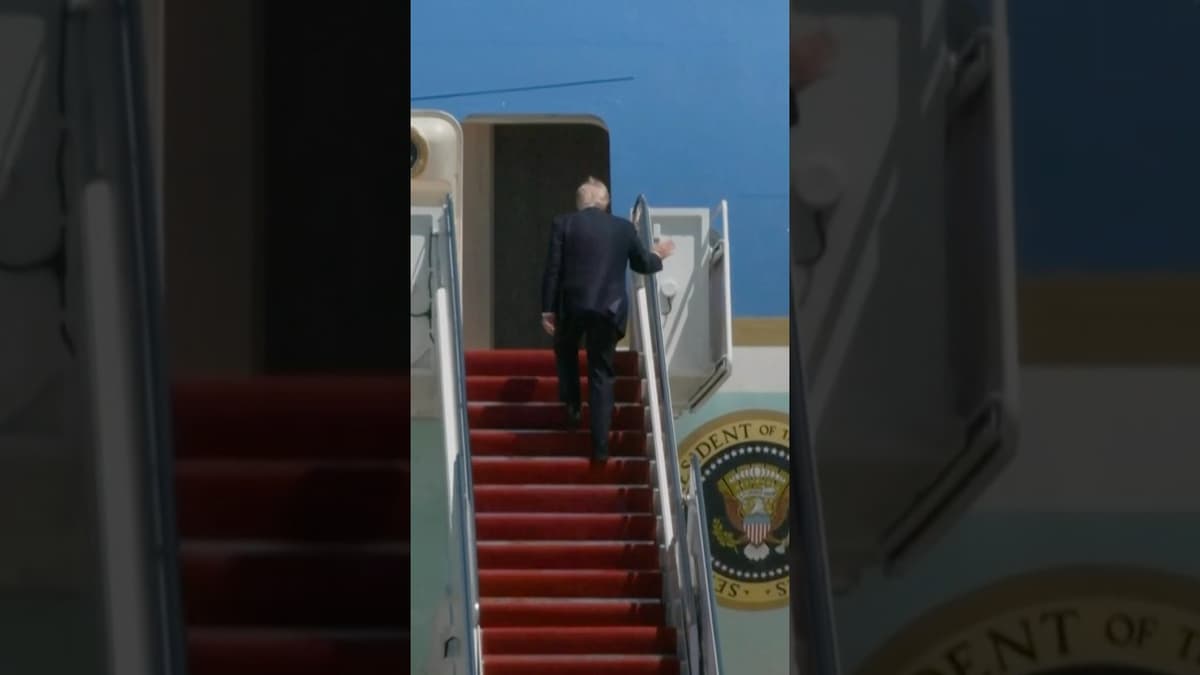
Trump Departs US for High-Stakes China Summit With Xi
Former President Donald Trump boarded Air Force One Monday, departing Washington for Beijing in what officials billed as a high‑stakes summit with Chinese President Xi Jinping. The trip marks the first direct engagement between the two leaders since Trump left...
We Have China Where We Want Them, GOP Lawmaker Says
The video captures a Fox News interview where GOP Representative Carlos Giménez discusses President Trump’s planned summit with Chinese President Xi Jinping and outlines his expectations. Giménez says the United States now “has China where we want them,” citing China’s dwindling...
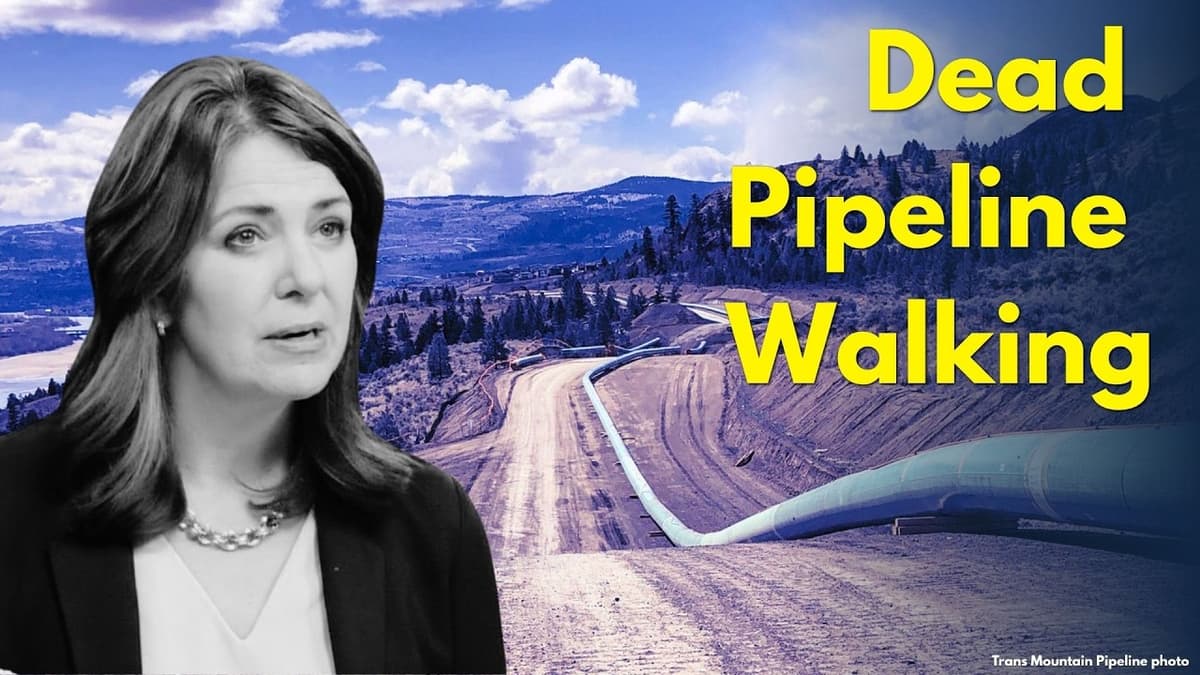
Asia’s Electrification Boom Threatens Canadian Pipeline Dreams
The video argues that the long‑standing premise behind a new Alberta‑to‑Pacific pipeline – ever‑growing Asian demand for imported crude – is eroding. Across the continent, governments are embedding energy sovereignty in policy, prioritizing electricity generation, battery production, and electric mobility...
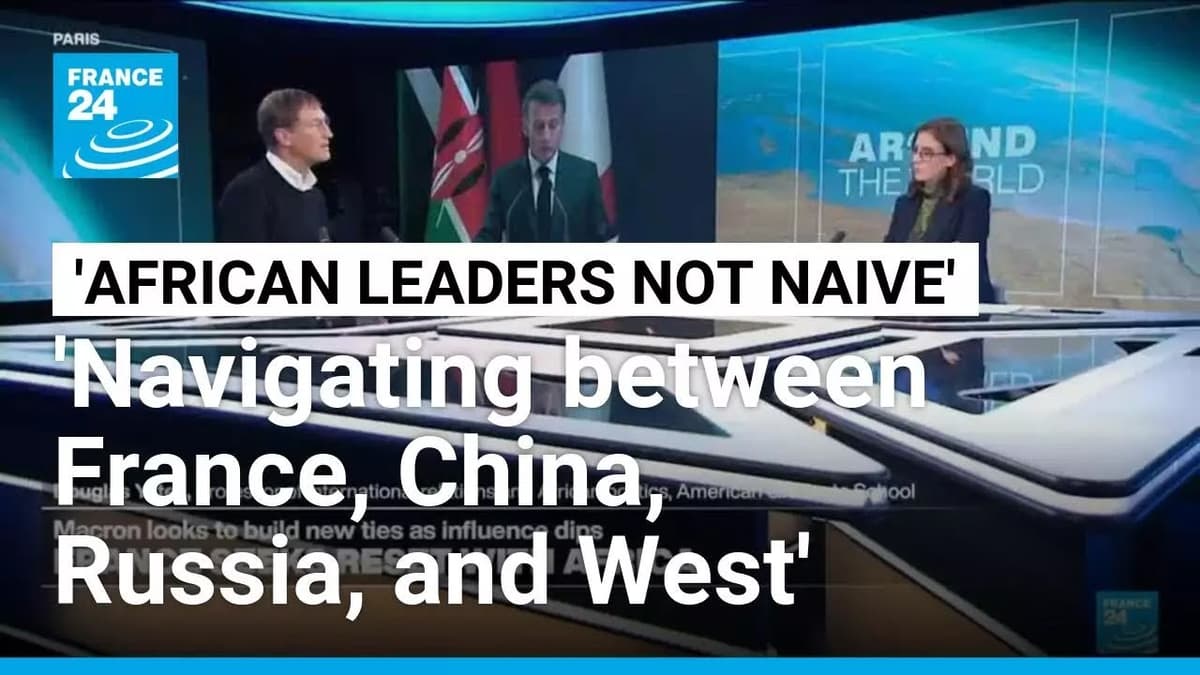
Kenya Summit Represents 'Demarcation Point': France 'Wants to Do Business' With African Continent
French President Emmanuel Macron’s visit to Kenya marks a strategic shift toward Anglophone Africa, co‑hosting the Africa Forward summit with President William Ruto and drawing roughly thirty continental leaders. The event underscores France’s desire to broaden its economic and security...
Why U.S. Deployments in Germany Matter || Peter Zeihan
Peter Zeihan explains that President Donald Trump has announced the imminent removal of 5,000 American troops from Germany, marking the first concrete step toward dismantling the post‑World‑II U.S.–German alliance. The move targets two pivotal installations: Ramstein Air Base, one of...
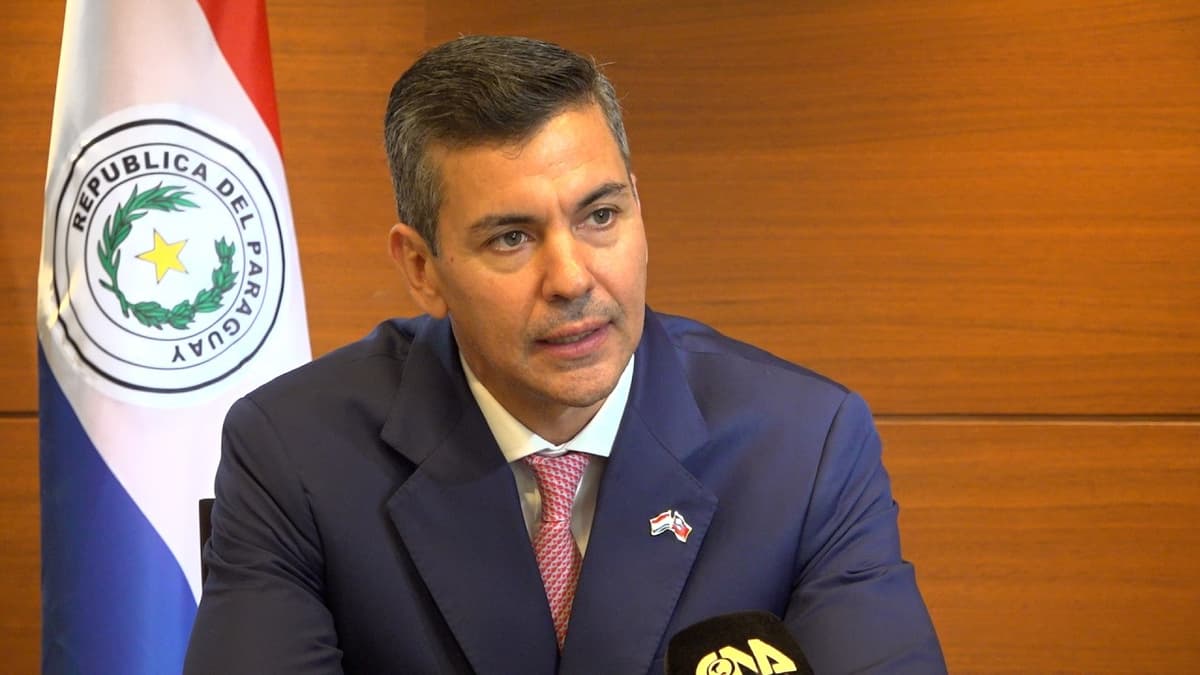
Paraguayan President Affirms Ties with Taiwan, Calls for More Investment
Paraguayan President Santiago Pérez Cáceres used a state visit to Taipei to reaffirm his country’s official diplomatic relationship with Taiwan, announcing a new round of high‑level agreements and promising further investment. The meeting, his fourth trip to the island, underscores Paraguay’s commitment...
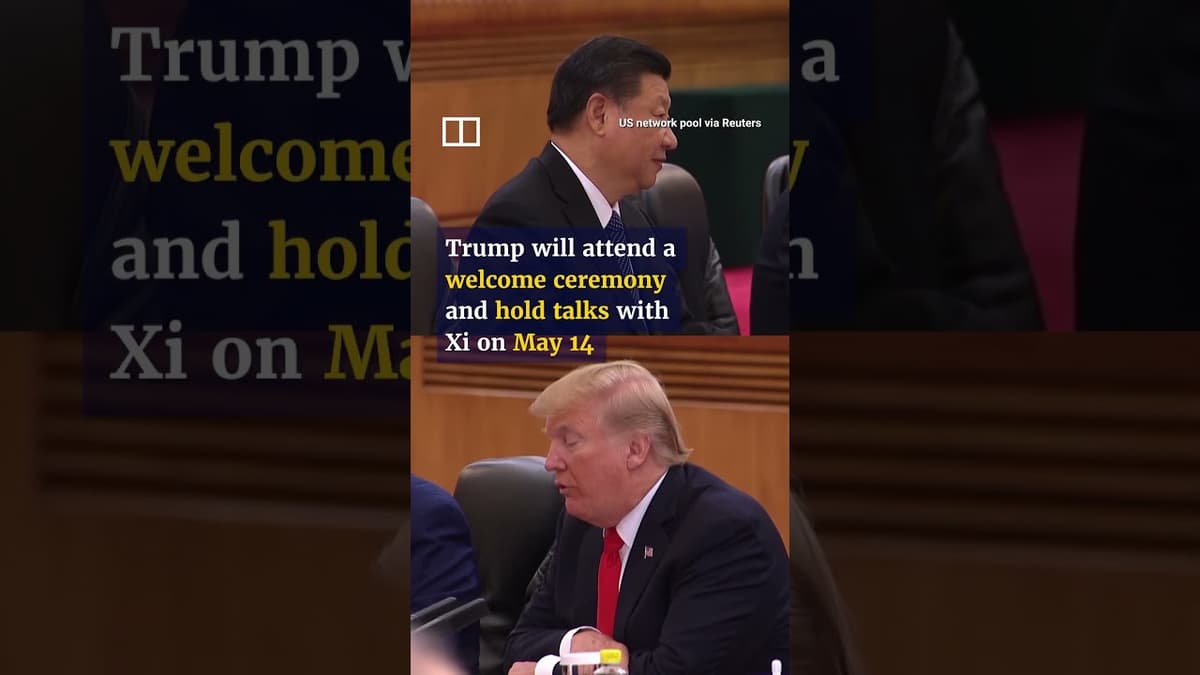
What to Expect From Trump-Xi Meeting
The video previews the highly anticipated Trump‑Xi summit, exploring what agenda items could dominate the first high‑level encounter between the former U.S. president and China’s leader since 2017. Analysts expect trade to dominate, with Trump likely pushing for reduced tariffs and...
Weekend Listen: Will the Xi-Trump Summit Be Over Before It Starts? | Big Take
The podcast examines whether the long‑awaited summit between President Donald Trump and President Xi Jinping will take place, a meeting that has already been postponed once and now hangs in the balance as the United States escalates its war in...
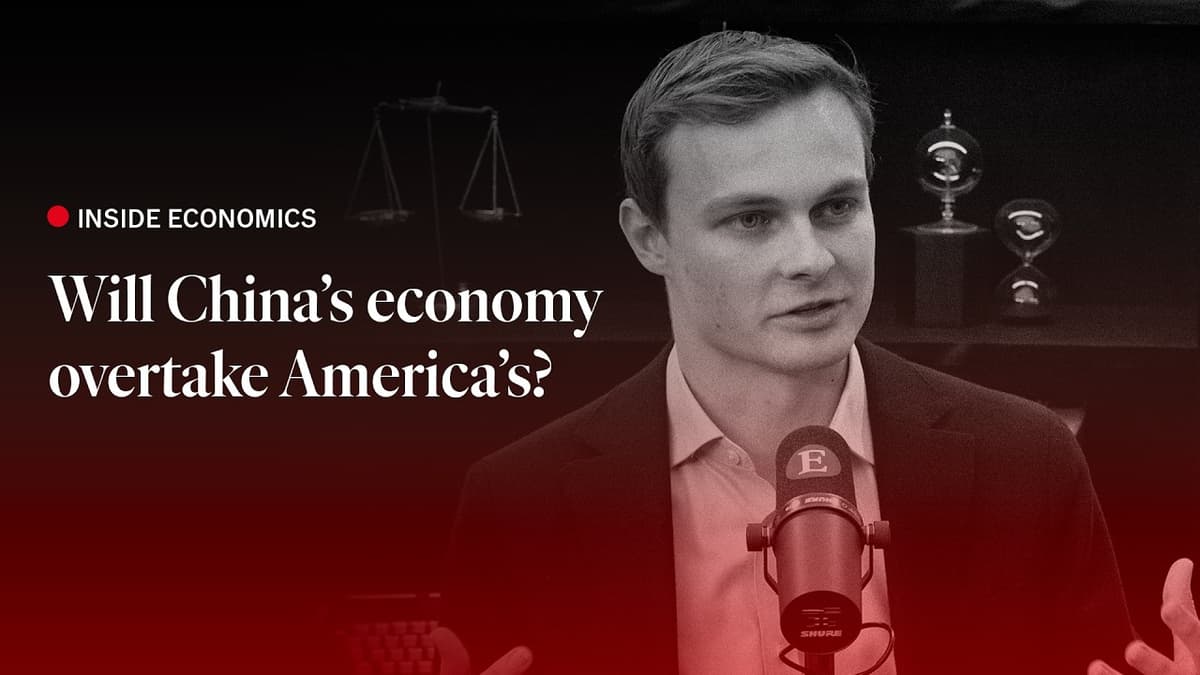
When Will China’s Economy Overtake America’s? | The Economist
The Economist panel tackled the perennial question of when, if ever, China will surpass the United States as the world’s largest economy measured in nominal dollars. Using a chart that spans 2000‑2070, they compared past forecasts of China’s GDP share...
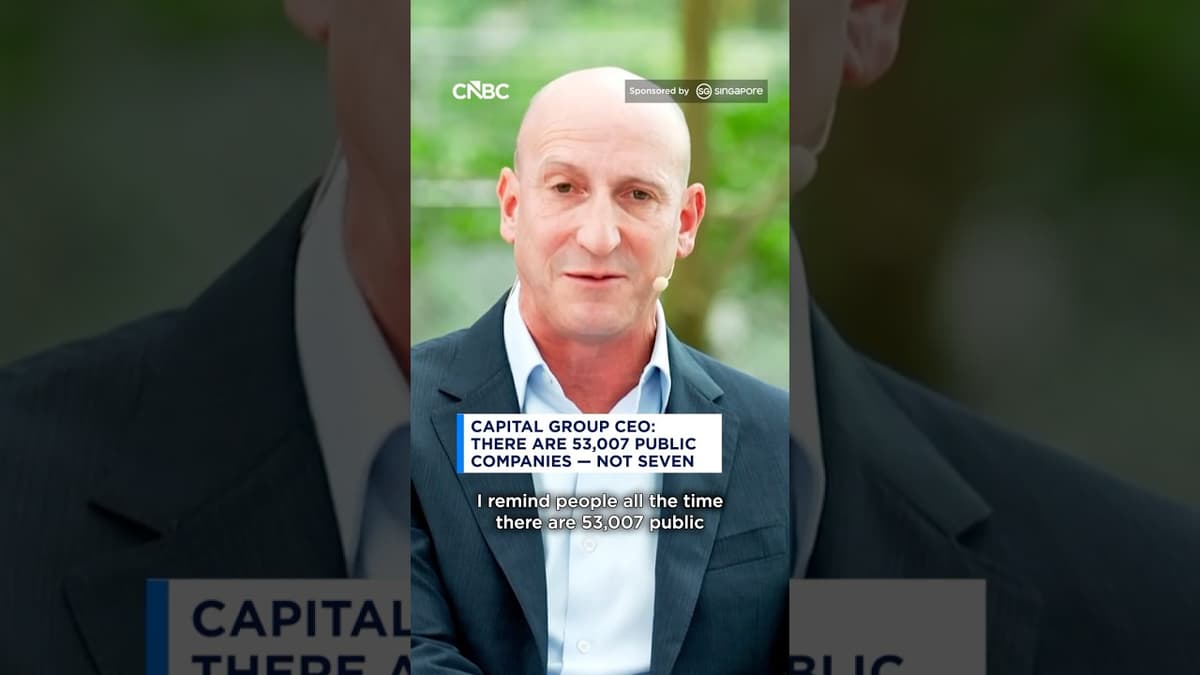
Capital Group CEO: There Are 53,007 Public Companies - Not Seven
Capital Group CEO Tim Armour reminded investors that the equity universe comprises roughly 53,007 public companies, not the seven mega‑caps that dominate headlines. He used the figure to argue for a broader view of market opportunities beyond the traditional U.S....
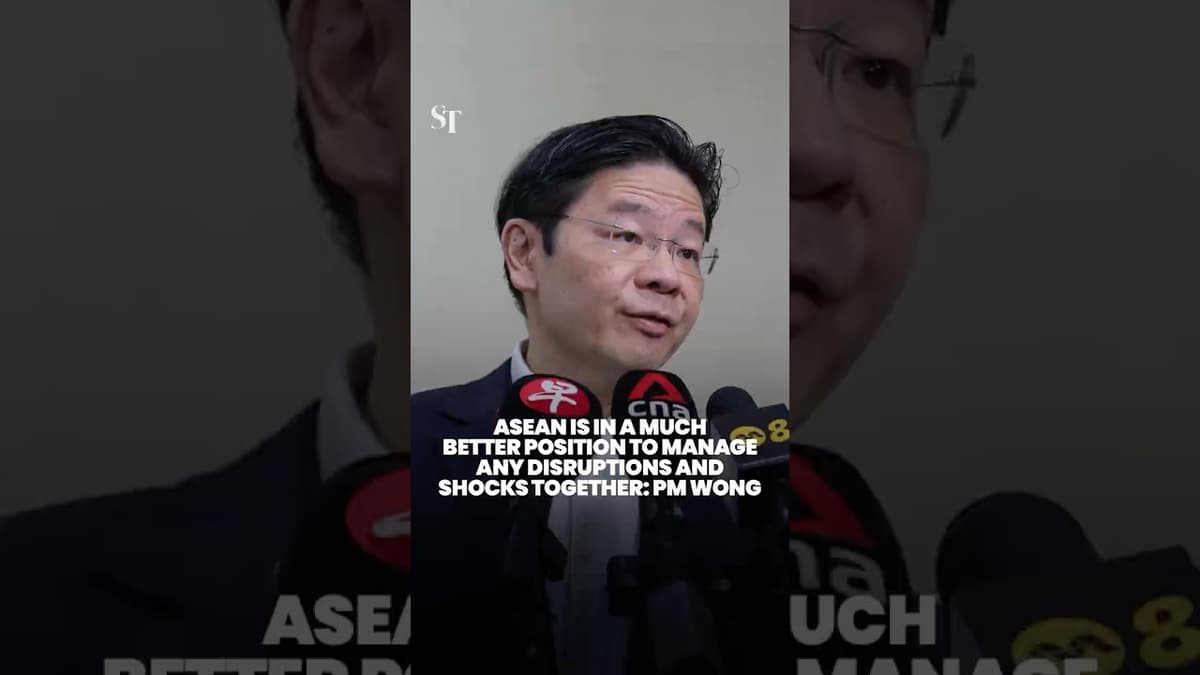
ASEAN in a Much Better Position to Manage Any Disruptions and Shocks Together: PM Wong
Prime Minister Lee Hsien Loong highlighted ASEAN’s enhanced capacity to weather geopolitical and economic turbulence, emphasizing that the bloc is now better equipped to handle disruptions collectively. He framed the current global landscape as one where power supersedes rules, security...

ASEAN Seeks to Help MSMEs Better Integrate Into Global Supply Chains
At the 48th ASEAN summit, the Philippines, holding the chairmanship, announced the creation of an ASEAN Center of Excellence for micro, small and medium‑enterprises (MSMEs) to help them join global supply chains. The centre will coordinate programs, projects and initiatives...
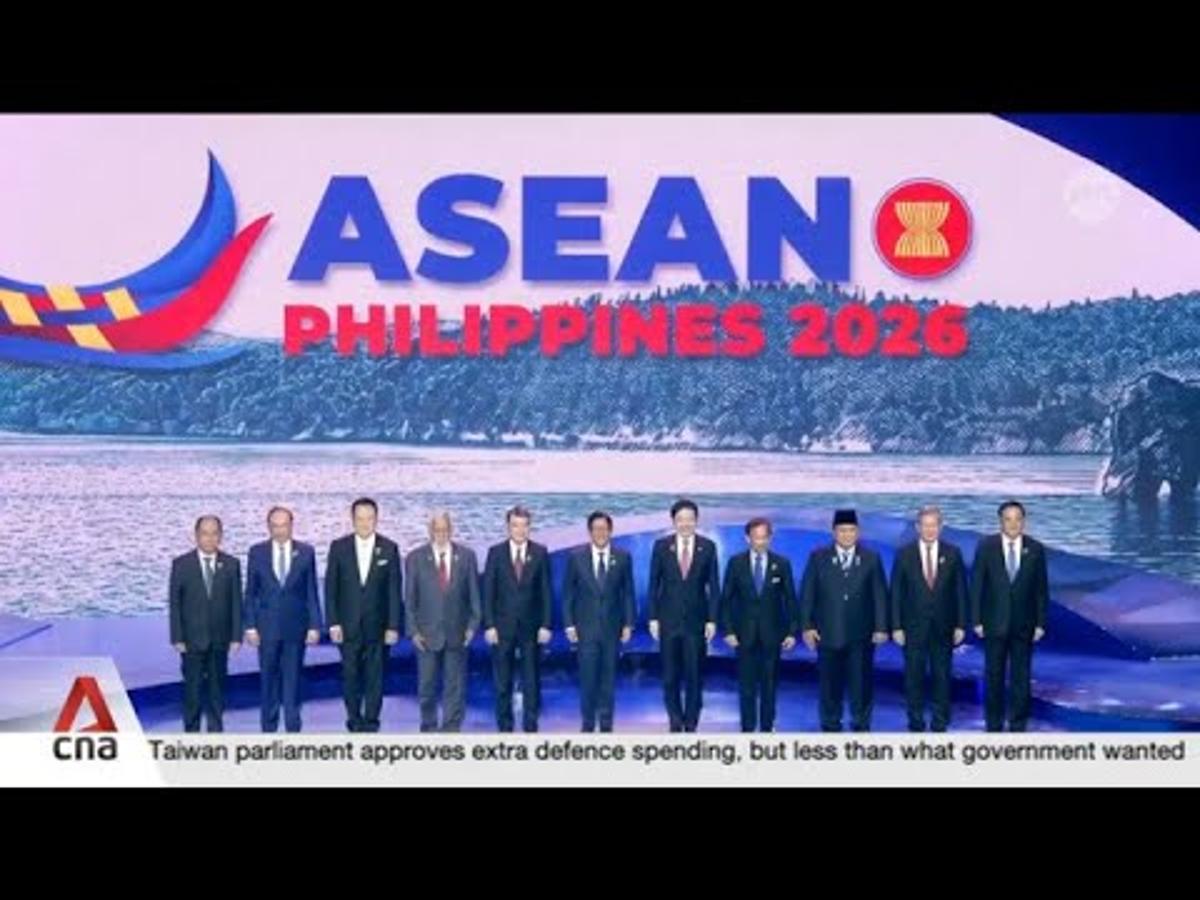
ASEAN Leaders Look to Ratify Trade, Energy Deals Amid Middle East Uncertainties
At the 48th ASEAN summit in Cebu, Philippines, leaders pressed for rapid ratification of pending trade and energy accords, notably the ASEAN Petroleum Security Agreement and a trade‑in‑goods framework, to shield the bloc from disruptions caused by the Middle East...
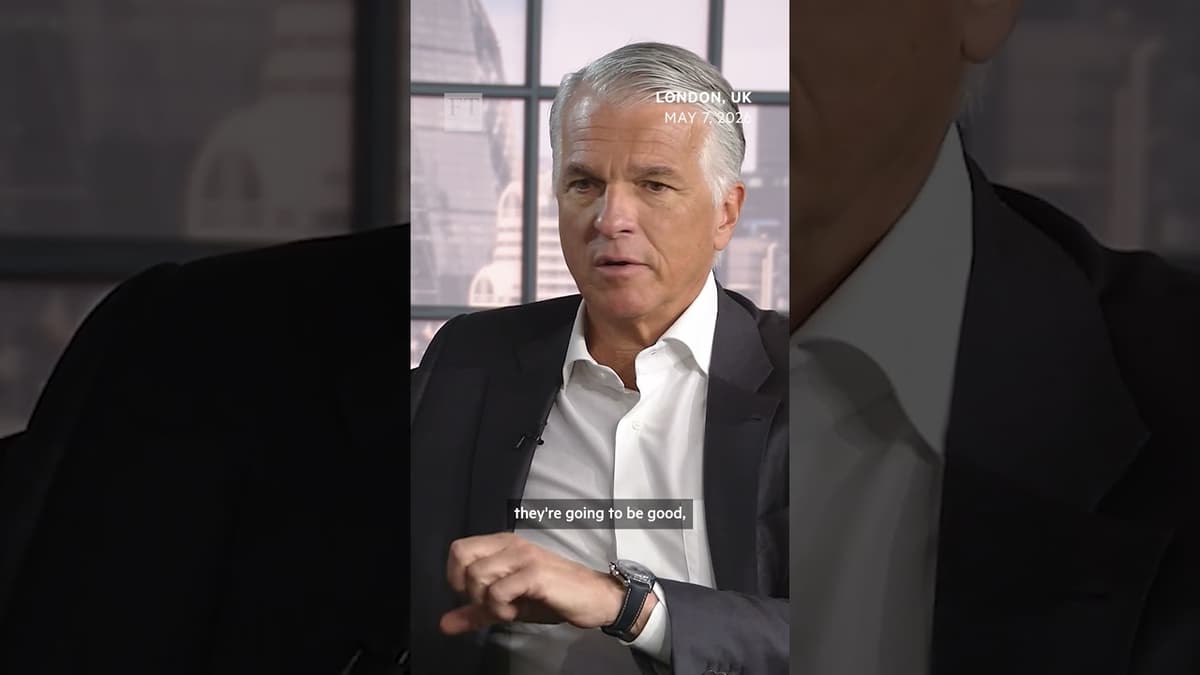
UBS Chief Executive on Market Complacency About the War in Iran | FT #shorts
UBS chief executive warns that markets and large corporates are showing a dangerous level of complacency toward the ongoing Iran‑Israel conflict. He notes that while a diplomatic resolution may emerge by July, the broader economic fallout could linger far longer. The...

AI Boom, Oil's 'Peace Premium,' And the Fed's Sticky Inflation Dilemma
The podcast focused on three intertwined themes: the ongoing AI boom and its earnings‑driven market rally, the "peace premium" keeping oil prices above pre‑conflict levels, and the Federal Reserve’s dilemma over sticky inflation and rate cuts. Hugh Chong highlighted that AI...
Markets Flash Back to the Past || Peter Zeihan
Peter Zeihan’s latest video warns that the Iran‑related conflict has fundamentally altered global energy markets. He notes that roughly a quarter of internationally traded oil—about half a trillion barrels—has vanished from the supply chain, and a new 600‑mile-range weapon system...
Cues India Can Take From China to Fix Its Foul Air and Water | Asian Insider Podcast
The Asian Insider podcast features Chandran Nair, founder of the Global Institute for Tomorrow, examining India’s dire air and water crisis and asking whether China’s development playbook can be adapted. Nair draws on his decades‑long experience consulting in China, describing...
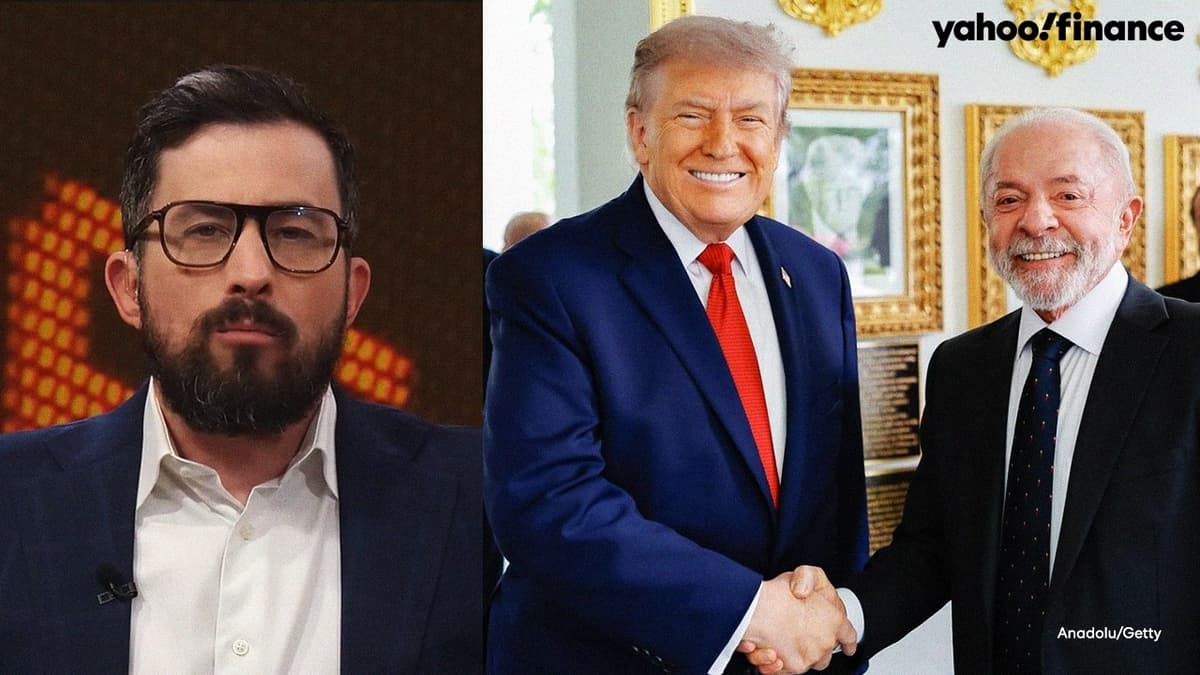
Trump Meets with Brazil's Lula to Talk Trade, Extends EU Tariff Deadline
President Donald Trump met Brazilian President Luiz Inácio Lula in Washington, scrapping a joint press conference but signaling a warming of diplomatic ties after months of tension over trade. The conversation focused on existing tariffs – the United States currently levies...

Family Business, IPOs and Retail Strategy in Brazil | Kellogg Leader Series
In a Kellogg Leader Series webinar, alumnus Pedro Gerasati, chairman of Iguatemi, discussed how his family‑owned mall operator navigated Brazil’s retail landscape, pursued an IPO, and built a long‑term growth strategy. Gerasati recalled playing in the family mall as a child,...
PH Economic Growth Skids to 2.8% in Q1, Weakest Since Pandemic | ANC
Philippines' first‑quarter 2026 GDP grew 2.8%, the slowest pace since the pandemic and the weakest since Q4 2009 when the pandemic is excluded. The Marcos administration said it will reassess its growth targets for the remaining two years of its term. The...

China's Space Investment Grew 10x in a Decade. Can It Catch the U.S.?
The video outlines how the United States continues to dominate global space‑technology financing, while China’s commercial space spending has surged dramatically over the past decade. In 2023 the U.S. poured roughly $7.3 billion into space tech, representing about 60 % of worldwide funding....
China Asks Banks to Pause New Loans to US-Sanctioned Refiners
Chinese regulators have instructed major banks to pause issuing new loans to refiners that are subject to United States sanctions, reversing an earlier Ministry of Commerce directive that urged firms to ignore those sanctions. Analysts see two possible explanations: a coordination...

Access Middle East - 06-May-26
The program opened with a focus on the United States’ decision to temporarily suspend Project Freedom, the naval operation aimed at reopening the Strait of Hormuz. President Trump announced the pause on Truth Social, citing progress in a comprehensive Iran‑U.S....
How to Profit From Global Volatility and Commodity Chaos | Harris Kupperman
The conversation centers on extracting profit from the current commodity volatility by zeroing in on U.S. refiners. Harris Kupperman and Rodrik Vanzo argue that the decisive metric is the crack spread – the price differential between crude oil and refined...
We Asked Jim Paulsen Why 87% of the Economy Is Flatlining
The interview with Jim Paulsen centers on why the U.S. economy appears flat‑lined despite the Federal Reserve’s aggressive rate policy. Paulsen argues that oil prices are decoupled from Fed actions and will only ease when a diplomatic or military solution...
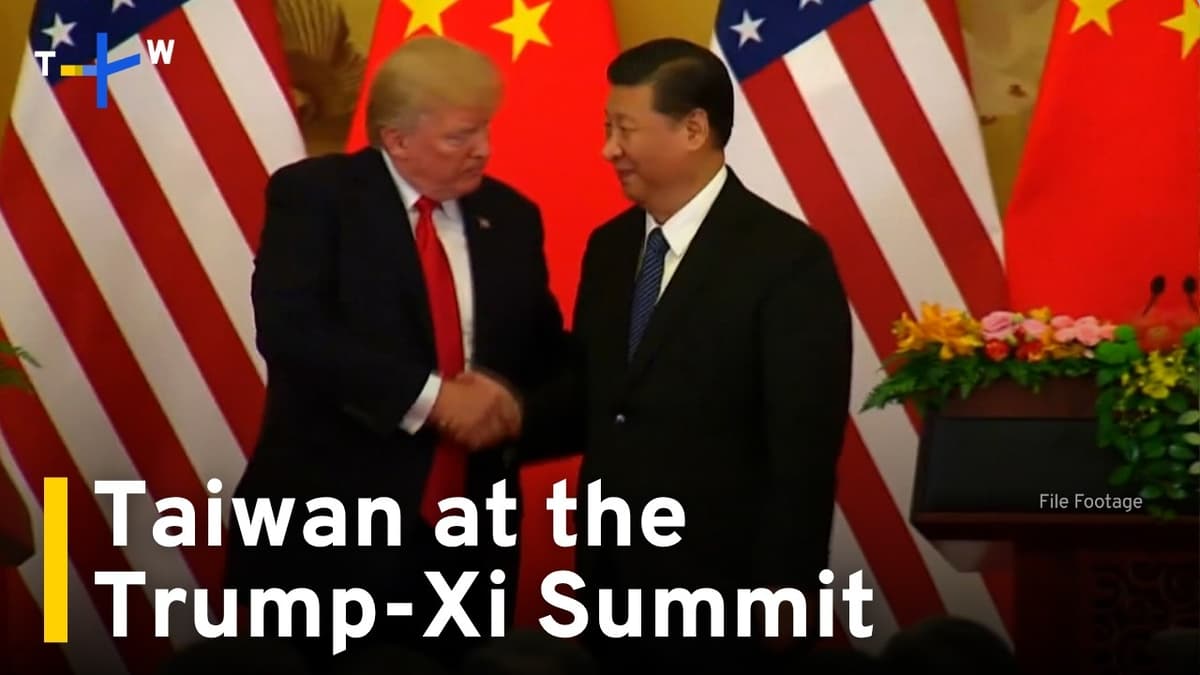
US: Taiwan Likely a Topic in Upcoming Trump-Xi Summit|TaiwanPlus News
The next‑week summit between U.S. President Donald Trump and Chinese President Xi Jinping will be the first face‑to‑face meeting of the two leaders in years, and Taiwan is expected to feature prominently alongside energy and trade issues. U.S. officials anticipate Beijing...
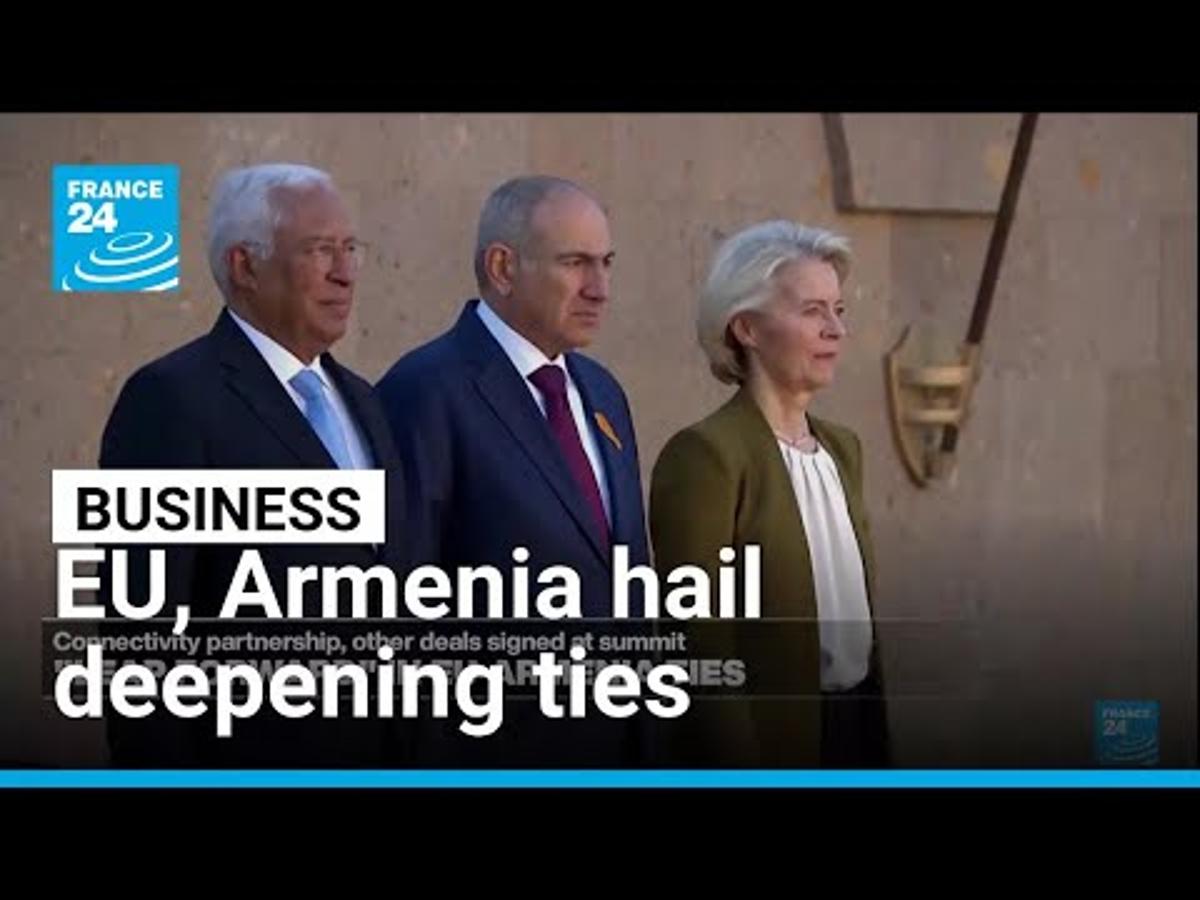
EU, Armenia Sign New Partnership Deals at First Bilateral Summit • FRANCE 24 English
The European Union and Armenia convened their first bilateral summit in Yerevan, just weeks before Armenia’s parliamentary election, to formalise a new partnership. The meeting built on a 2017 economic accord and introduced a connectivity pact targeting transport corridors, energy...
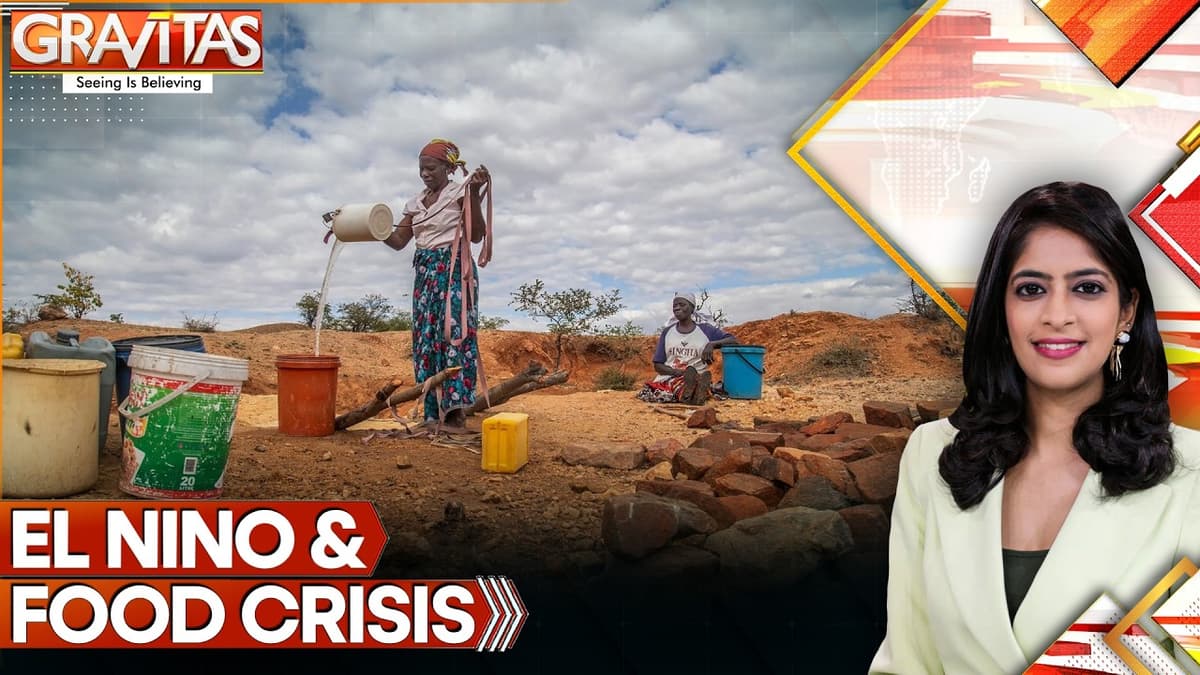
Climate Shift & Conflict Likely To Fuel Growing Food Crisis | GRAVITAS
The video warns that an El Niño event, likely to materialize by mid‑2026, will intensify a broader climate shift, driving higher global temperatures and erratic rainfall patterns. These weather extremes are set to strain agriculture, water supplies, and energy systems...
The China Connection - 05-May-26
The China Connection opened with a rapid market roundup, flagging a sharp 6% rally in U.S. oil that has now pulled back as U.S. and Iranian forces trade strikes in the Gulf. Treasury Secretary Scott Besson used the segment to...
![[FULL] 18:00 ARIRANG NEWS (2026-05-05)](/cdn-cgi/image/width=1200,quality=75,format=auto,fit=cover/https://i.ytimg.com/vi/aYQE5oBgMiY/maxresdefault.jpg)
[FULL] 18:00 ARIRANG NEWS (2026-05-05)
South Korea responded swiftly after an explosion ripped through the Korean‑flagged bulk carrier Namu in the Strait of Hormuz, dispatching maritime, forensic and safety experts to the Middle East for an on‑site investigation. The vessel, anchored near the United Arab Emirates...
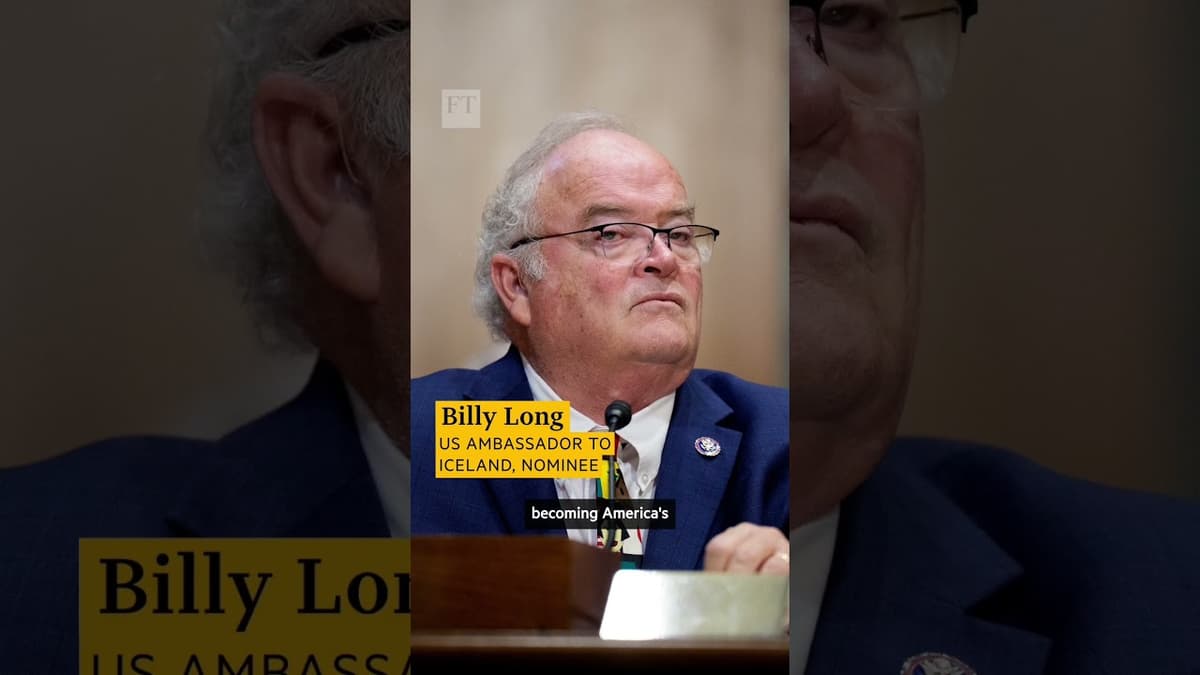
Is Iceland About to Join the EU | FT #shorts
The Financial Times short video asks whether Iceland will reopen its EU accession process, with a national referendum scheduled for August. Iceland, a NATO ally of roughly 400,000 people, is reassessing its stance as Arctic ice melt creates new shipping...
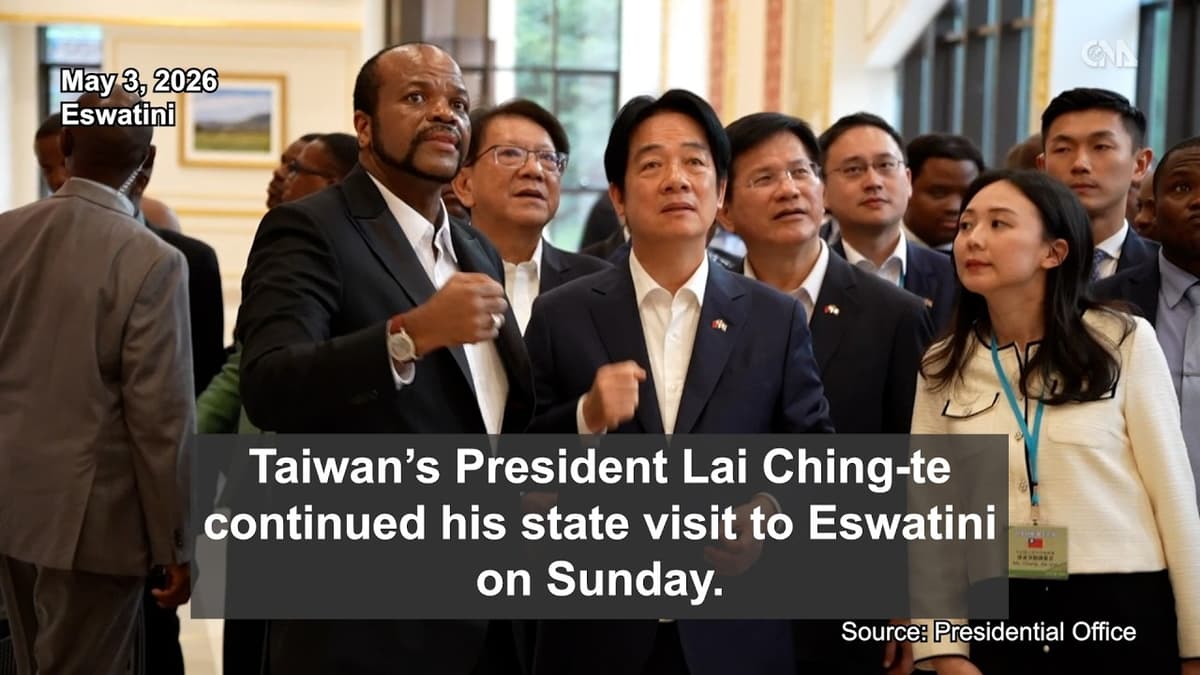
President Lai Visits Taiwan-Backed Projects in Eswatini
President Lai’s visit to Eswatini highlighted Taiwan’s growing footprint in Africa, as the head of state inspected two flagship projects funded by Taipei – a solar‑energy plant and an agro‑processing facility. The tour underscored the diplomatic outreach that Taiwan pursues...
Iran's LOSING CONTROL of Its Core Economic Foundation, Expert Says #shorts
The short video argues that U.S. economic pressure, not kinetic attacks, is crippling Iran’s regime. It cites a collapsing rial, shrinking oil exports, and dozens of barrels stranded on tankers as evidence that Tehran’s cash flow is drying up, undermining its...

Taiwan’s Leader Visits Eswatini Despite Pressure From China to Block Trip | AJ #shorts
Taiwan’s president Tsai Ing‑wen traveled to the Kingdom of Eswatini in early May, marking a high‑profile diplomatic visit that Beijing publicly condemned and tried to block. The trip underscores Eswatini’s unique status as one of the handful of countries that still...
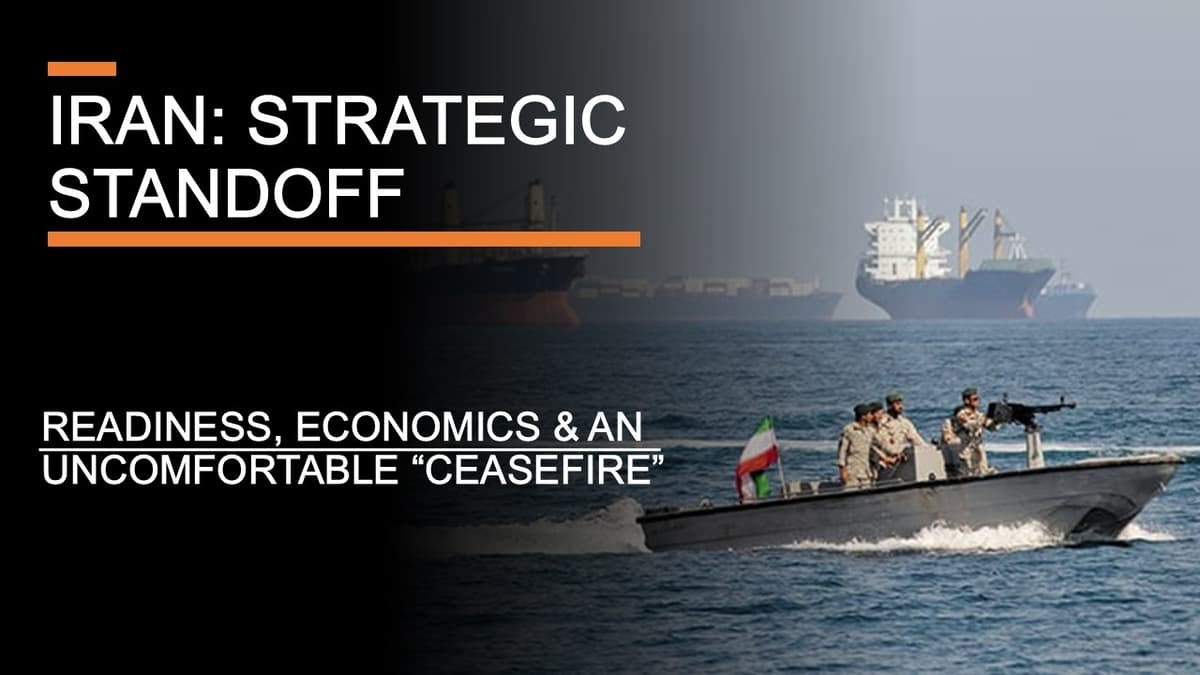
Iran: Strategic Standoff - Readiness, Economics & an Uncomfortable "Ceasefire"
The video examines the uneasy cease‑fire that has left the Middle East in a state of strategic purgatory: air attacks have paused, but naval skirmishes, blockades and soaring oil prices persist. It outlines how the United States is motivated to...

Where to Invest 10 Lakh Rupees
The video tackles how an Indian investor should deploy a 10‑lakh‑rupee portfolio as global markets wobble after the Iran‑Israel clash and lingering trade‑policy fallout. Four market strategists agree on a core‑plus tilt: avoid trying to catch a market bottom, lean on...
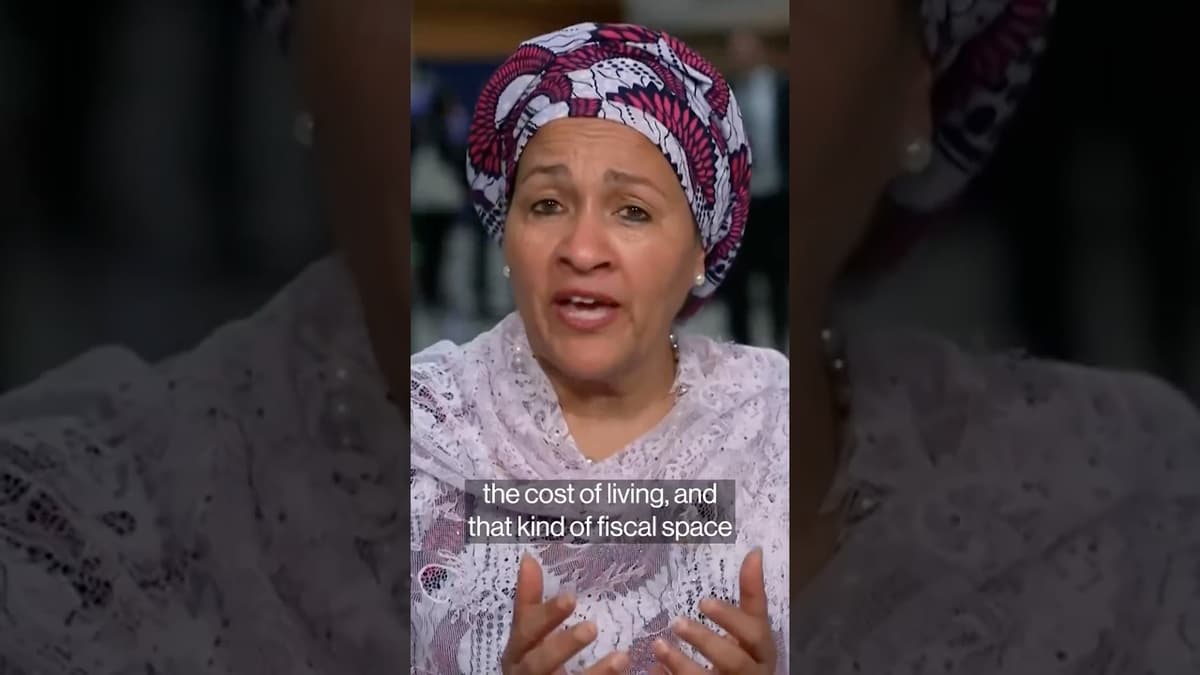
Iran War Impact on Africa
The video examines how the Iran‑Saudi conflict reverberates across Africa, highlighting the volatility that can shift daily and the diplomatic push led by the UN Secretary‑General’s envoy to broker dialogue between Tehran and Riyadh. The speaker stresses that while peace...

U.S. Commercial Flights to Venezuela Are Back. WSJ Was On Board | WSJ
U.S. commercial airlines have launched direct flights to Venezuela, ending a seven‑year suspension. The Wall Street Journal team boarded the inaugural round‑trip, noting a $1,700 fare that remains out of reach for most Venezuelans but signals a reopening of air...
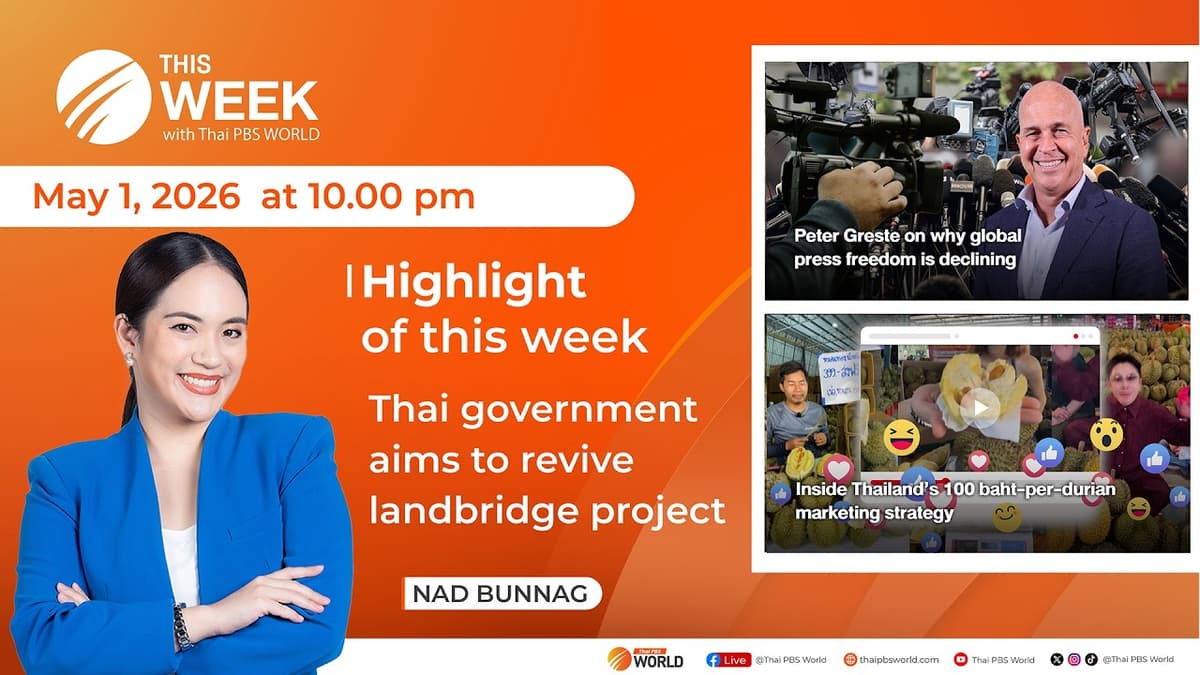
This Week with Thai PBS World 1st May 2026
Thai Prime Minister Anutin Charnvirakul has revived the long‑stalled Land Bridge, a trillion‑baht road‑rail‑pipeline corridor linking the Gulf of Thailand with the Andaman Sea. The government touts a four‑day reduction in cargo transit, 20 million TEU annual capacity and a projected...
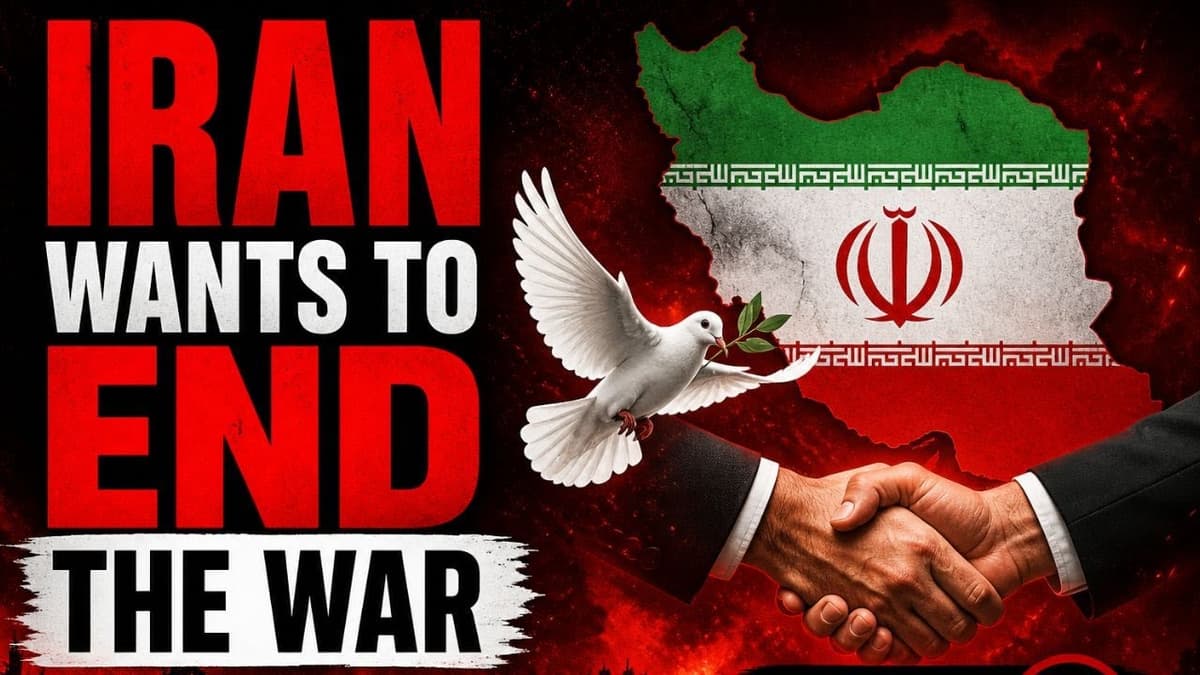
Iran Signals Endgame: Is the War Finally Over?
The video centers on Iran’s latest proposal to end the conflict with the United States, framing the decision as a pivotal moment for President Donald Trump. Market participants are watching the diplomatic development closely, but the host argues that equities...
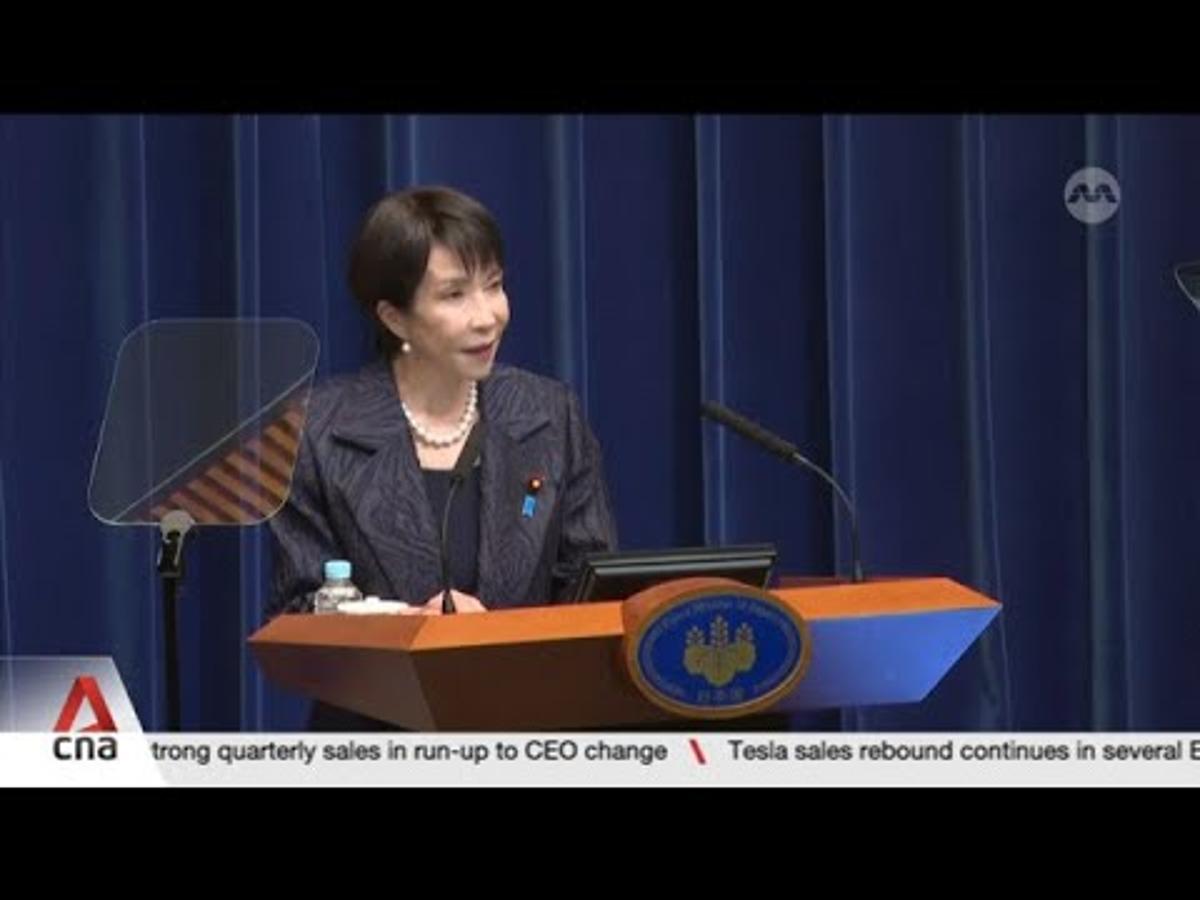
Japan PM Takaichi Kicks Off Five-Day Visit to Vietnam, Australia
Japanese Prime Minister Fumio Takaichi began a five‑day tour of Vietnam and Australia, signaling a concerted push to deepen both economic and security cooperation across the Indo‑Pacific. The agenda emphasizes supply‑chain resilience, critical‑mineral access, and joint development in artificial intelligence, semiconductors...

TEASER | Capital Decanted Live: Signal Overload - Allocating Long Term Capital as the World Rewires
Capital Decanted announced a live, in‑person episode for June 16 at New York’s Conde One Liberty Plaza, marking the first time hosts John and Aaron will record together on stage. The evening will host a 250‑person audience, feature raffles, craft...
The World Is Repricing Risk — And Markets Aren’t Ready | General "Spider" Marks & Peter Tchir
The conversation between General "Spider" Marks and Peter Tchir centers on AI’s rapid transition from a speculative bubble to a core component of modern warfare and private markets. They argue that AI is no longer a peripheral add‑on but a...
How Wars in Iran and Ukraine Are Driving Up Food and Energy Costs
The video examines how the wars in Ukraine and Iran are pushing global food and energy prices higher, creating a ripple effect that reaches both developing nations and affluent economies. Both conflicts have disrupted grain exports and oil supplies, driving price...
Watch: Unyielding Growth – Taking Off
The video follows hosts through a Chinese park and DJI flagship store, illustrating how autonomous delivery—exemplified by a coffee‑dropping robot—signals a shift toward everyday drone services. DJI demonstrates a control suite that lets a user pilot a “drone dog” over 2,000 km...