India vs Pakistan: Has India Succeeded in Isolating Pakistan Globally? | DW News
The video examines India’s post‑Pelgam attack effort to diplomatically isolate Pakistan and asks whether Islamabad has turned the tables on the global stage. After the April militant strike in Indian‑administered Kashmir, Prime Minister Narendra Modi sent more than 50 politicians to 32 countries, seeking to rally support and brand Pakistan as a state‑sponsored terror hub. In contrast, Pakistan has positioned itself as a mediator in the emerging US‑Iran ceasefire talks, earning praise from both Washington and Tehran. Analysts note that both sides have been shuffling delegations abroad, but much of the activity appears aimed at domestic audiences rather than shifting real policy. Pakistan’s diplomatic team has also courted U.S. officials with flattery, building personal rapport across civilian and military channels. Key examples include Pakistan’s ability to leverage longstanding relationships with the United States, China, and Saudi Arabia, converting them into tangible diplomatic capital. Meanwhile, India’s focus has remained on urging an end to the Russia‑Ukraine war, leaving a noticeable gap in its engagement with the US‑Israel‑Iran conflict, which has limited its influence in the current crisis. The outcome suggests a nuanced power shift: Pakistan’s mediation could ease regional tensions and restore access to essential commodities like cooking gas and fertilizer for India, while also enhancing Islamabad’s standing in global diplomacy. For India, the episode underscores the need to diversify its diplomatic outreach beyond traditional allies to maintain strategic relevance in South Asia.
Why Singapore Is Central to China’s Global Strategy
The video explains how Singapore has become the linchpin of China’s evolving global strategy, as Beijing moves beyond simple ‘China Plus One’ diversification toward a multi‑country production network that is managed, financed and scaled from a regional hub. Supply‑chain shocks from tariffs, rising...
Spain, the Country Standing Up to Trump: The U.S. Punishment That Could Break NATO |VisualPolitik EN
The video examines how Spain, under Prime Minister Pedro Sánchez, is openly challenging President Donald Trump’s agenda, from NATO’s 5% defense‑spending target to the United States’ push for a war in Iran. Madrid’s refusal to back the U.S.‑led operation and...
This War Is Destroying Global Markets
The video examines how the ongoing war is reshaping global markets, with a particular focus on China’s strategic position. Six weeks into the conflict, analysts note that China still has three to four months of strategic reserves, but the prolonged...

How Xi Is Leveraging Trump's War with Iran | Analysis
The video analyzes how Beijing is turning the Trump‑initiated conflict with Iran into a strategic asset for Xi Jinping. Diplomatically, China presents itself as a steady, reliable power while the United States appears erratic under Trump, a narrative the video says...
What We Heard: Takeaways From the 2026 IMF-World Bank Spring Meetings
The Atlantic Council wrapped the IMF‑World Bank spring meetings with a rapid debrief, noting that the usual focus on growth and innovation gave way to “crisis‑management mode” as policymakers grappled with a deepening energy shock and geopolitical turbulence. Participants highlighted that...
Gordon Chang: China Needs Trump Meeting 'TOO MUCH' — but Will Be 'NERVOUS' About This
In a recent interview, China watcher Gordon Chang argued that Beijing is desperate for a face‑to‑face meeting with former President Donald Trump, even though the prospect makes Chinese leaders nervous. Chang highlighted the strategic importance of the Strait of Malacca, which...
David Woo: Iran Is the First US vs China Proxy War #Iran #China #Geopolitics
The video argues that the ongoing hostilities in Iran have become the first clear proxy war between the United States and China, with Beijing stepping in to offset American and Israeli military pressure. It frames China’s involvement as a strategic...
A Conversation With President Masato Kanda of the Asian Development Bank
Asian Development Bank President Masato Kanda warned that the ongoing Middle East conflict is driving oil prices above $100 a barrel and tightening financing conditions for Asian and Pacific economies. He outlined ADB’s rapid response, including a $2 billion emergency financing...
Are Pakistan’s Ports Benefiting From the War in Iran? | DW News
The DW News segment examines how the Iran‑Israel war is reshaping maritime routes, positioning Pakistan’s three major ports—Karachi, Bin Qasim and Gwadar—as attractive alternatives to traditional Gulf hubs. With heightened security threats and soaring insurance premiums in Oman, the UAE and...
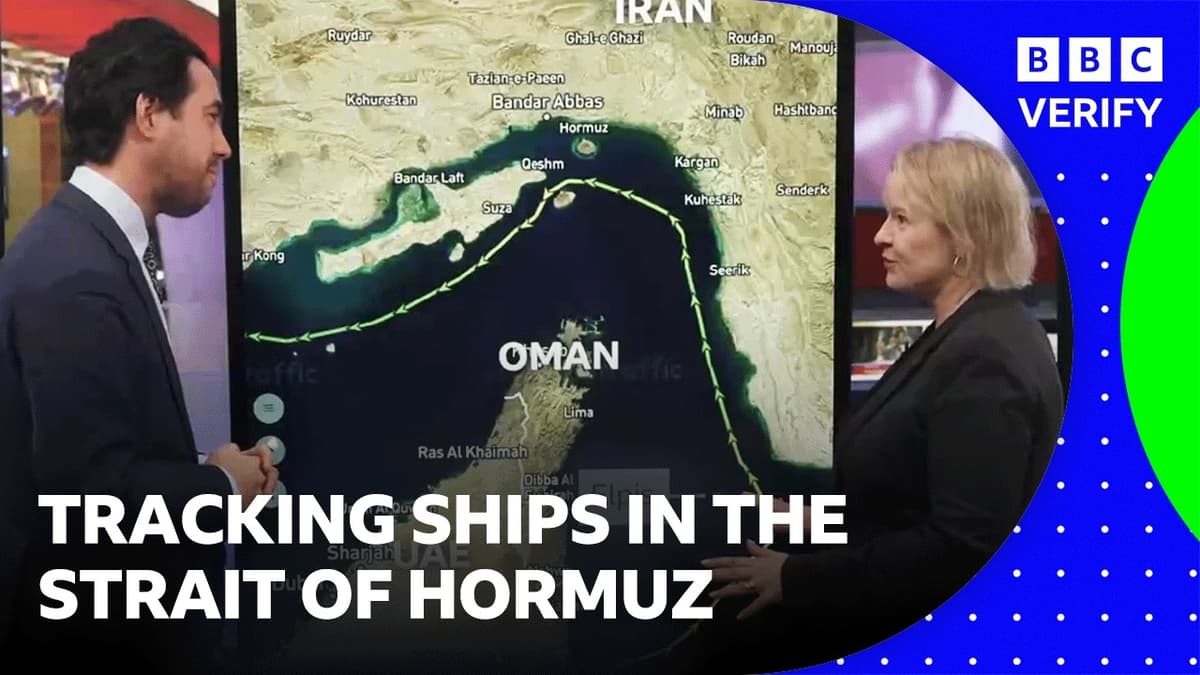
How Ships Are Trying to Break Through the US Blockade in the Strait of Hormuz | BBC News
The BBC report examines how the United States’ newly announced maritime blockade in the Strait of Hormuz is being tested by Iranian‑linked tankers and their intermediaries. According to ship‑tracking analysts, vessels that meet the U.S. criteria are either turning around after...
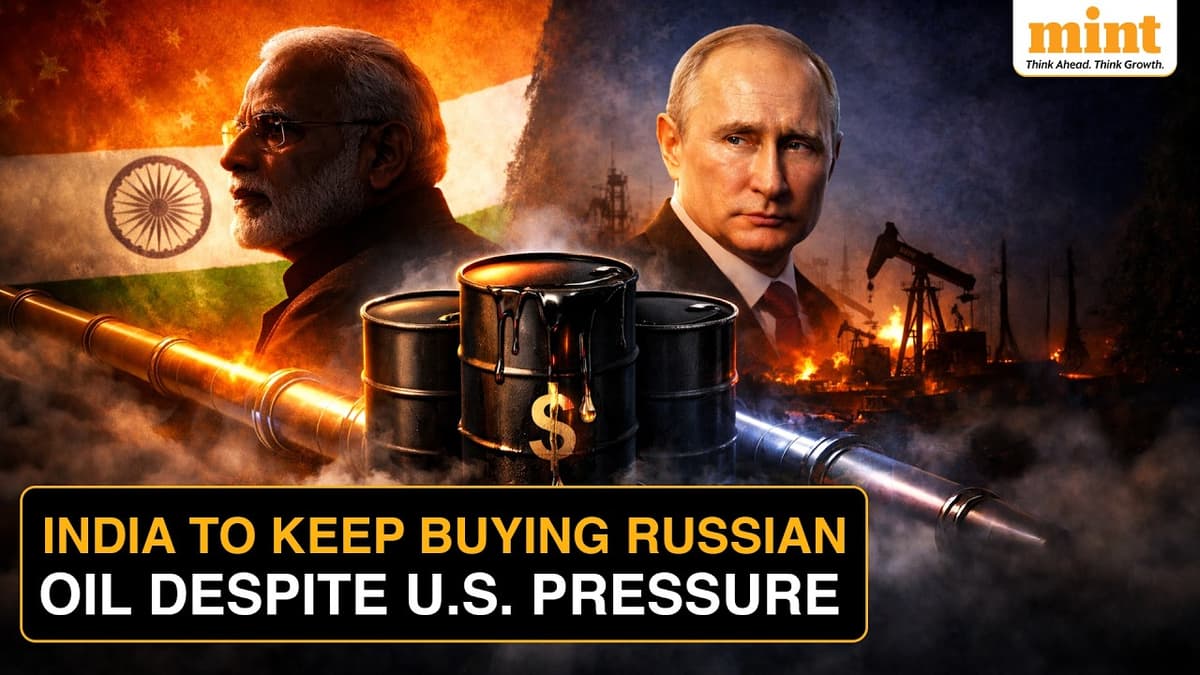
India Defies U.S. Pressure, Continues Russian Oil and LPG Imports Despite U.S. Sanctions Move
India has signaled it will keep importing Russian crude oil and liquefied petroleum gas (LPG) even after the U.S. one‑month sanctions waiver expires, according to two sources familiar with the plan. Washington confirmed the waiver will not be renewed, leaving the...
Diversification Is Key to Weathering Global Shocks: Costa Rica’s Foreign Trade Minister
Costa Rica’s foreign‑trade minister Manuel Tovar Rivera explained how the small, open economy is navigating a volatile global backdrop marked by energy price spikes and supply‑chain disruptions. He highlighted that Costa Rica has secured its annual fuel imports from U.S....
China Tries to Build Sand Bases, Again || Peter Zeihan
Peter Zeihan reports that China has restarted artificial island building in the South China Sea, focusing on a larger sand base in the Paracel archipelago after a seven‑year hiatus. The project revives a pattern of dredging sand and coral to...
How Education Shapes Vietnam’s Growth | Faculty Fridays with Distinguished Professor Andrew K. Rose
The video features Distinguished Professor Andrew K. Rose discussing how education underpins Vietnam’s rapid economic expansion. He highlights the country’s strong primary and secondary schooling while noting that tertiary education, especially business training, is still catching up. Rose points out that...

"It's Time to Start Nibbling," Says Legendary Investor Mark Mobius | The Best Of Real Vision (2022)
Mark Mobius, the veteran emerging‑markets investor, warned that the recent 30% equity slump creates a "nibbling" opportunity – buying selectively, not committing fully, as the Fed pushes rates higher than the current 9% inflation. He highlighted the dual pressures of...
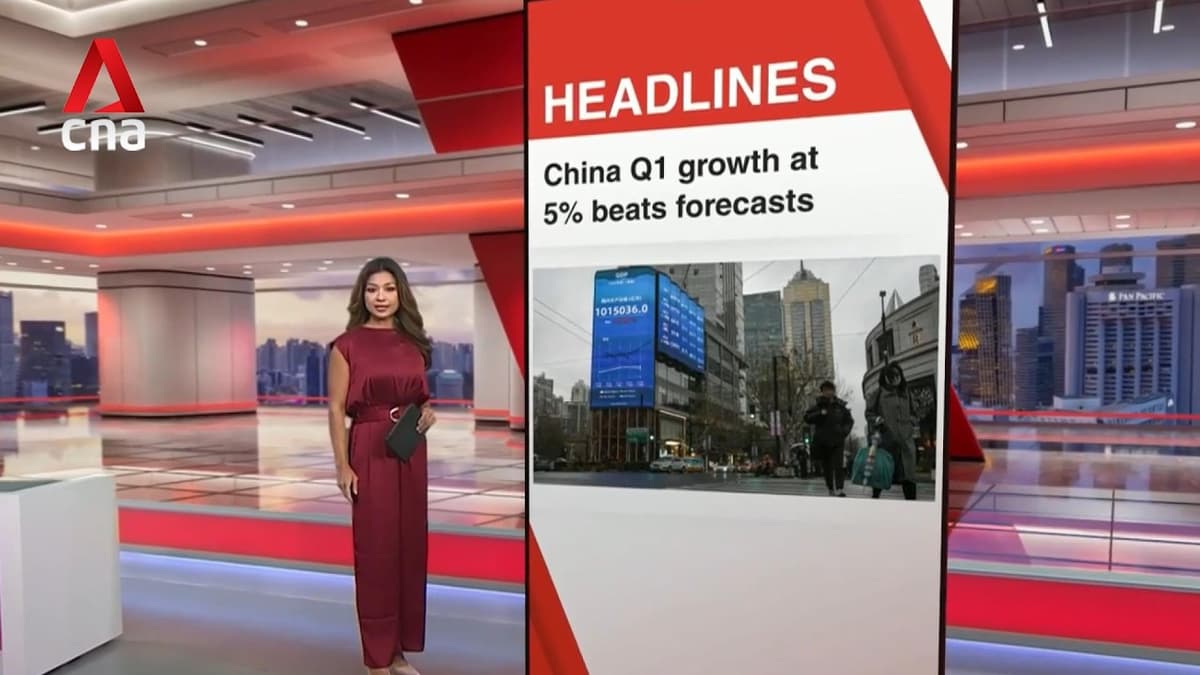
China's Economy Grows 5% in Q1 Despite Iran War Headwinds | East Asia Tonight (Apr 16)
China reported a 5% year‑on‑year increase in first‑quarter GDP, outpacing analysts’ expectations and marking a rebound from the 4.5% pace in the previous quarter. The surge was driven primarily by a 14.7% jump in exports and a 5.7% rise in...

Asian Gains, Gold Falls: War Diplomacy Eases Oil Shock
Global equities surged to fresh all‑time highs in Asian trading, driven by optimism surrounding a potential diplomatic breakthrough in the Iran war and a string of robust economic data. MSCI’s All‑Country World Index logged its tenth consecutive gain, rising 0.2%...
IMF Just Warned The Oil Crisis Will Push World Toward An Economic Meltdown
The video centers on the International Monetary Fund’s stark warning that the world is edging toward its adverse oil‑shock scenario, raising the specter of a broader economic meltdown. IMF chief economist Pierre‑Oliver Garinas told reporters the latest outlook may already...
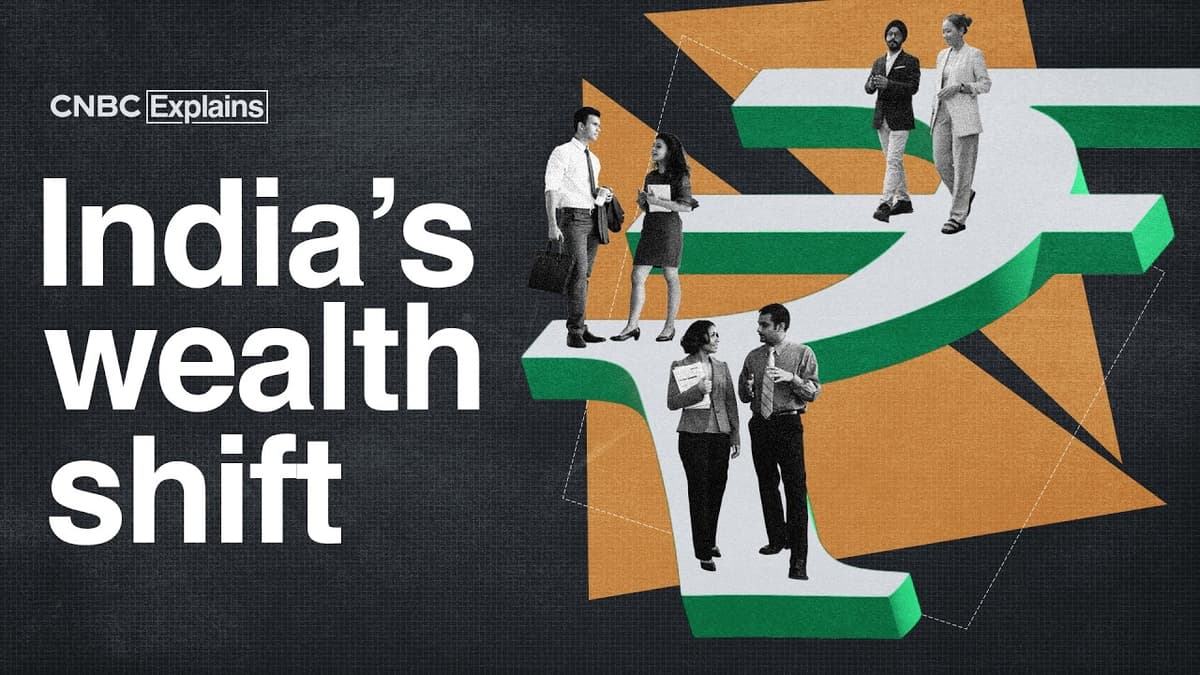
Why India’s Wealth Is Moving Into Startups
The video explains how India’s newly affluent families and first‑generation billionaires are redirecting wealth that once sat in gold and land into high‑growth startups and venture‑capital vehicles. Data points: Hurun list shows 284 Indian billionaires, family‑office assets now $30 billion across 300...
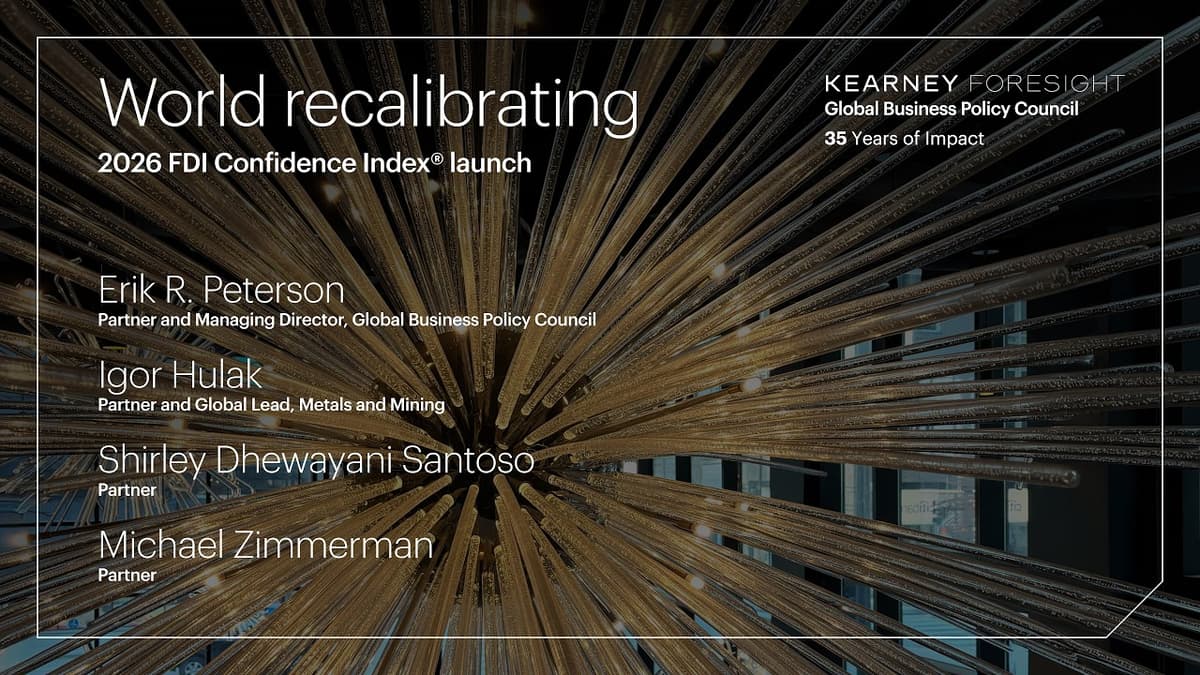
The 2026 Kearney FDI Confidence Index Launch
The virtual launch of the 2026 Kearney Foreign Direct Investment (FDI) Confidence Index marks the firm’s centennial milestone and presents a forward‑looking snapshot of executive sentiment on global capital allocation for the next three years. The survey, conducted in...
Governor Talks: Qatar - Turning Shock Into Strategy: Fiscal Policy and Long‑Term Growth
The IMF spring meeting featured Qatar’s Finance Minister Al Kawari outlining how the emirate’s fiscal policy framework turned an unexpected regional war into a manageable strategic challenge. He highlighted the pre‑established Shock Stability Fund and sizable sovereign reserves that allow Qatar...
McDowell Sounds Alarm on What's 'CRITICALLY IMPORTANT' In Iran War
The video features analyst McDowell warning that the most critical lever in the Iran conflict is cutting off the regime’s financial lifelines. He stresses that the imminent expiration of a Treasury sanctions waiver will choke Iran’s oil revenues while the...
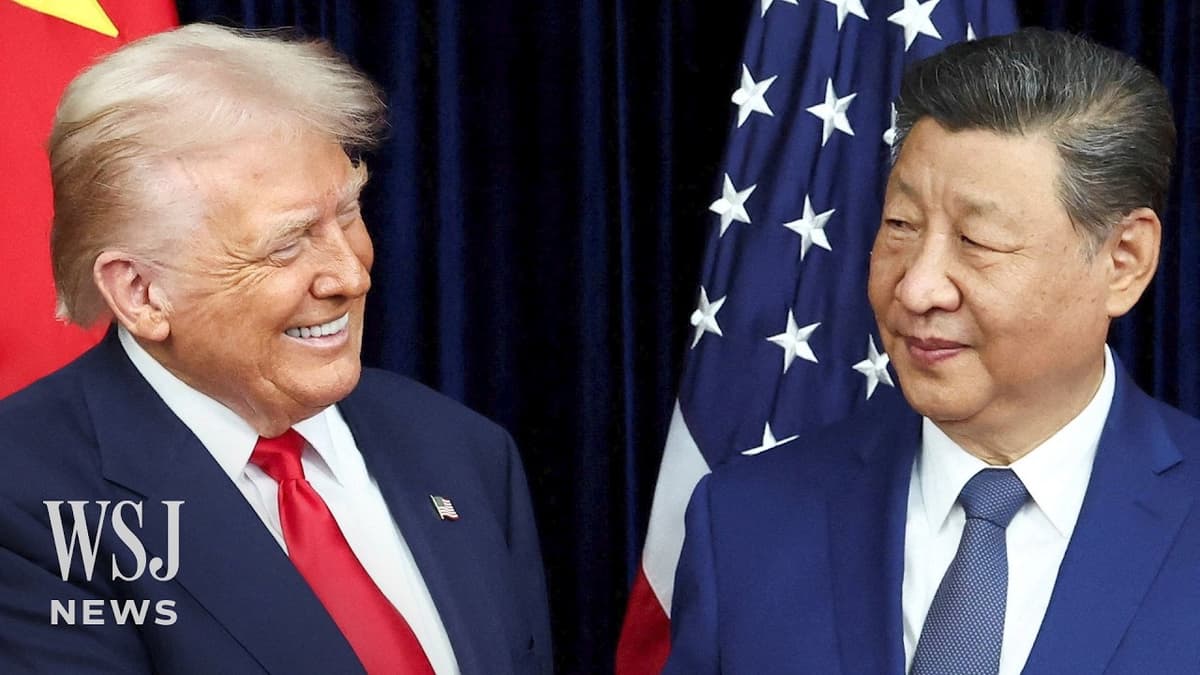
Why China Isn’t Criticizing Trump During the Iran Crisis | WSJ
The Wall Street Journal video explains why Beijing remains silent on President Trump’s handling of the Iran crisis. While China maintains a strategic partnership with Tehran, it lacks a mutual‑defense clause, allowing Beijing to distance itself until the conflict’s outcome...

IMF's Georgieva Says Markets Need to Be More Cautious
The International Monetary Fund’s Managing Director Kristalina Georgieva warned that global markets are overly optimistic and must adopt a more cautious stance. She highlighted the IMF’s latest World Economic Outlook, which has been downgraded and now includes a scenario where...

CFR and Berkley Center Webinar: The Future of Strategic Religious Engagement in U.S. Foreign Policy
The Council on Foreign Relations and Georgetown University's Berkeley Center hosted a webinar to assess the future of strategic religious engagement (SRE) in U.S. foreign policy, noting that recent administrative changes have stripped the government of dedicated capacity to work...

Will the Iranian Regime Now Sprint for a Nuclear Bomb? | The Economist
The video, produced by The Economist, examines whether Iran’s regime will accelerate a push for a nuclear bomb amid heightened regional tensions. It features a dialogue with Iranian diplomats who assert that Tehran has no plans to cross the nuclear...

The State Department's Dane Johnston on Strategic Redundancy for Mideast Trade
Deputy Assistant Secretary of State Dane Johnston outlined a U.S. strategy to champion multimodal trade corridors, notably the India‑Middle East‑Europe Economic Corridor. He emphasized creating strategic redundancy in transport routes to mitigate disruption risks and boost regional interconnectivity. By leveraging...
The Energy Crisis: Downstream Impacts || Peter Zeihan
Peter Zeihan outlines a widening downstream energy crisis as upstream disruptions from Russia, Iran and the Persian Gulf translate into consumer‑level shortages worldwide. He notes that roughly half a billion barrels of crude remain stranded, with the final pre‑war tankers...

China's Price Wars Are an 'Advantage' In Light of Iran War Inflationary Shock: EIU
The Economist Intelligence Unit (EIU) argues that China’s ongoing price wars are turning a perceived weakness into a strategic advantage as the world grapples with inflationary pressure from the Iran‑related oil shock. By maintaining ultra‑low domestic prices, Chinese manufacturers can...
The Next Era of Global Growth | Semafor World Economy 2026
At Semafor’s World Economy summit, IEA chief Fatih Birol warned that the historic 400 million-barrel coordinated strategic release was a short-term “painkiller” and that further releases could be enacted quickly if supply disruptions continue. He flagged six weeks of interrupted...
Pathways to Double-Digit Growth | Việt Nam Cần Làm Gì Để Đạt Mức Tăng Trưởng 2 Con Số
Vietnam has announced an ambitious macroeconomic target: achieving an average annual GDP growth of 10 percent or higher between 2026 and 2030. The plan calls for coordinated action across government, the private sector and the workforce to sustain the rapid expansion...
India’s Middle Class Hits a Breaking Point
The podcast spotlights "Break Point: The Crisis of the Middle Class and the Future of Work," a new book arguing that India’s once‑vibrant middle class – roughly 40 million income‑tax‑paying households – is at its most vulnerable since the 1991 liberalisation....
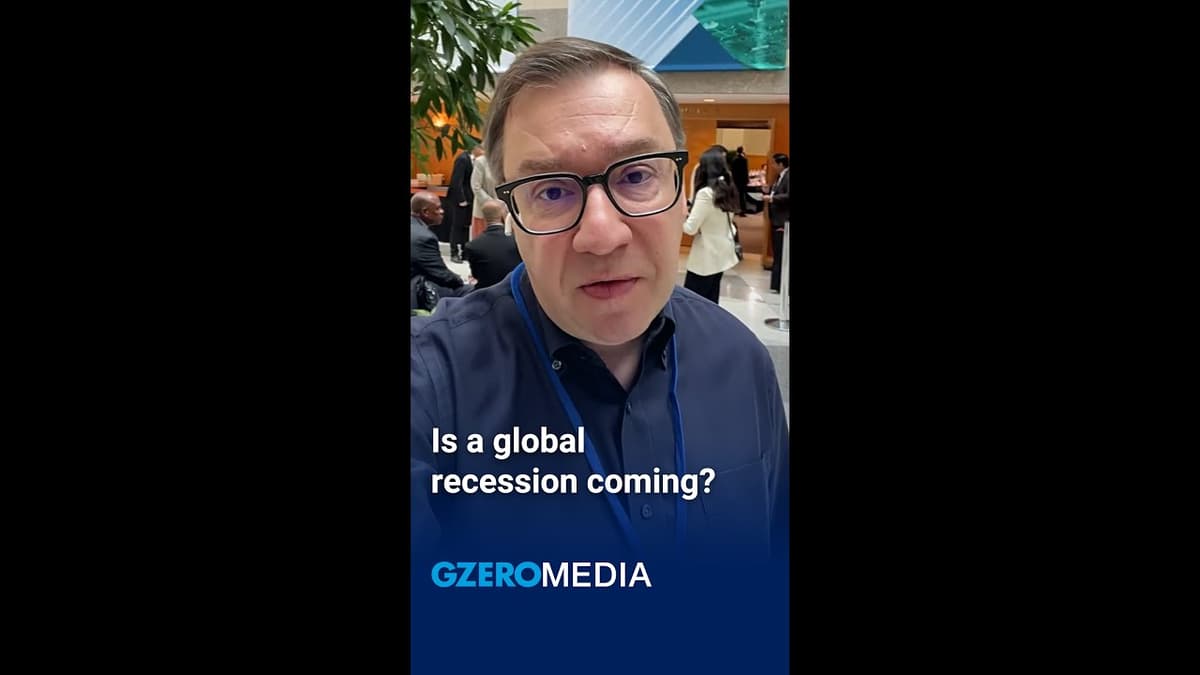
Is a Global Recession Coming? | GZERO Media
The International Monetary Fund’s spring meeting opened with a stark downgrade of global growth, trimming its outlook to roughly 3.1 percent for the year. Analysts at the IMF warned that the world’s surprising post‑pandemic resilience could be eroding, especially if...

Tehran University Professor: Sovereignty First, Compensation Next
A Tehran university professor called for the immediate return of frozen Iranian assets, arguing that sovereignty must precede any compensation discussions. He framed U.S.-imposed sanctions as illegal violations of both Iranian and international sovereignty, urging the global community to halt...

Can India Quit Coal? | FT #shorts
The short video titled “Can India quit coal?” frames coal as the backbone of India’s economy and daily life, from street‑level workers to industrial producers, while questioning its sustainability. It stresses that coal fuels the majority of India’s power generation, that...

What to Watch at the 2026 IMF-World Bank Spring Meetings
The 2026 IMF‑World Bank Spring Meetings will center on debt sustainability, climate finance, digital currency regulation, and strategies for emerging‑market growth. Senior Fellows Hung Tran, Nicole Goldin and Martin Mühleisen will outline expectations, emphasizing policy coordination and financing gaps. Their...
China Steps In as Trump’s Ceasefire UNRAVELS | China Decode
The episode examines how Beijing is being drawn into the escalating Iran‑Israel‑U.S. conflict, with President Xi positioning China as a potential peacemaker while Washington accuses it of supplying Tehran with military technology. U.S. forces have begun a blockade of the Strait...
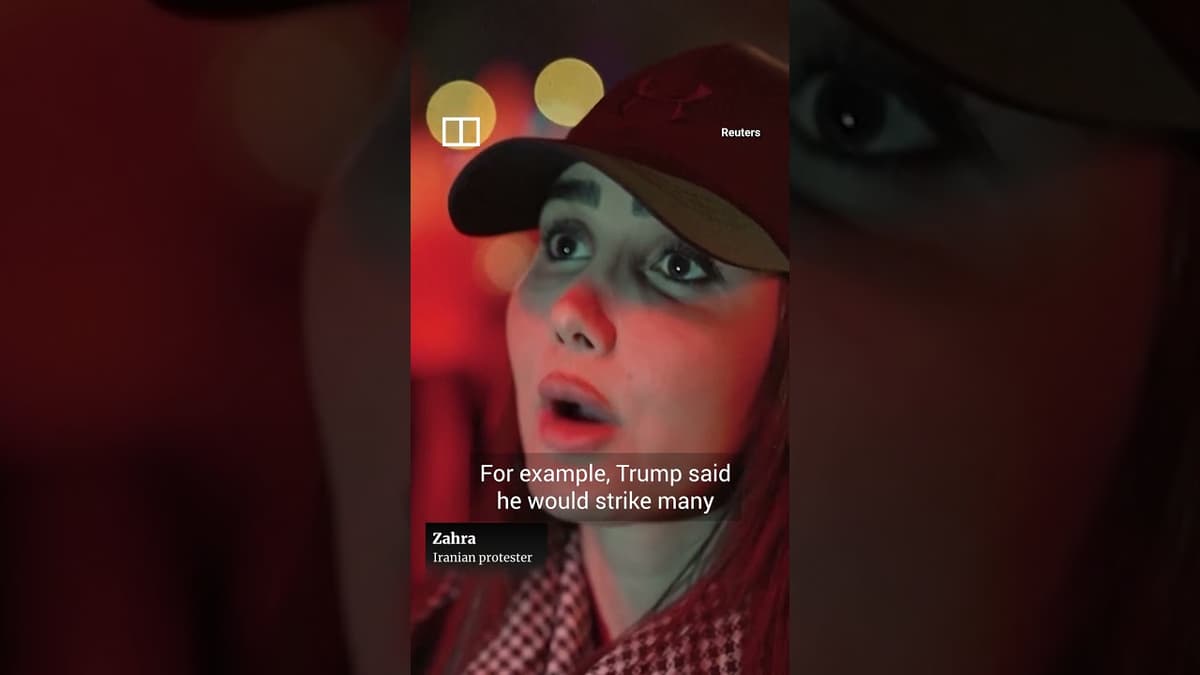
Iranians Dismiss Trump Threats to Block Hormuz Strait
The video captures Iranian officials dismissing President Donald Trump’s recent rhetoric about blocking the Strait of Hormuz. Tehran portrays the threats as hollow, noting that the United States has not followed through on any concrete measures to disrupt Iranian shipping...
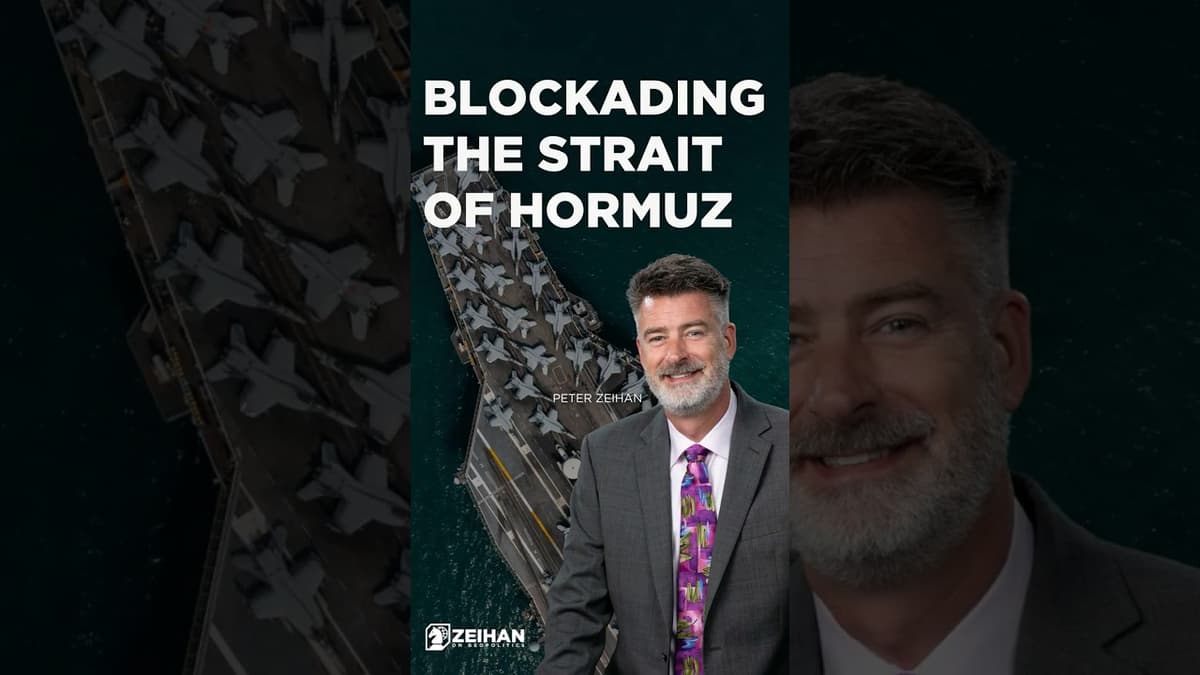
The United States Gets Into Privateering #shorts
The video warns that the U.S. president is threatening to halt all commercial traffic in the Persian Gulf until Iran yields, effectively turning the United States into a modern privateer. This marks a stark departure from the long‑standing “freedom...
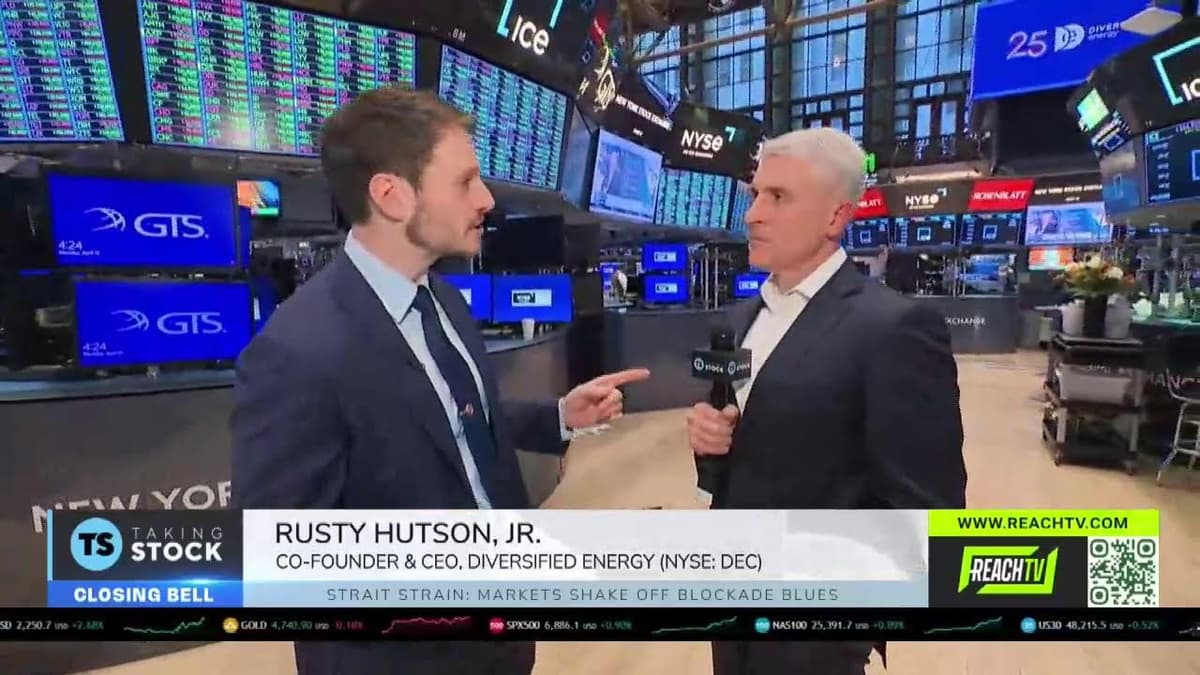
Today on Taking Stock | Investors Hold Out Hope for U.S.-Iran Peace Deal
Stocks rallied into the close on Monday as the S&P 500 finished up about 1% and the Russell 2000 led gains with a 1.5% advance, reversing early weakness. Tech, financials and telecoms outperformed while Goldman Sachs weighed on the Dow...

Economist: PH Should Still Prepare for Worst Even if Ceasefire Holds | Storycon
The interview centers on an economist’s warning that the Philippines must brace for prolonged high oil prices even if the Gaza ceasefire holds. He describes the situation as a “Darwinian moment,” indicating a new normal where pre‑war market conditions will...

China Calls for Restraint Ahead of US Blockade of Iranian Ports | East Asia Tonight (Apr 13)
East Asia Tonight highlighted China’s call for restraint as the United States prepares a full naval blockade of vessels entering or leaving Iranian ports, a move that has reignited Gulf tensions and pushed crude oil above the $100‑a‑barrel threshold. The...

Iran Talks Collapse: Inflation Risks Rise W/ Andreas Steno & Mikkel Rosenvold | April 13, 2026
Failed U.S.-Iran negotiations have reignited tensions over the Strait of Hormuz, prompting President Trump to threaten a naval blockade. Analysts Steno and Rosenvold warn that a week-long closure could cut oil flows, lift Brent crude above $100 per barrel and...

Vantage Corp CEO on Growth, Tankers and China Expansion
Vantage Corp CEO Andre D'Rozario told Proactive that the NYSE American‑listed firm is the only publicly traded shipbroker in North America, acting as an intermediary between oil majors and tanker owners. The company provides market research, execution expertise and brokerage...

EVALANCHE? CHINA'S GRIP TIGHTENS! EV DRIVER'S 'SMUG MODE?'
The Pulse Podcast episode examines two intertwined trends: a short‑term surge in electric‑vehicle sales triggered by the recent oil‑price shock, and the aggressive branding campaigns Chinese automakers are deploying to break into mature markets such as Europe and the UK. Data...

The Strait of Hormuz Crisis Just Triggered a GLOBAL Food Shock
The video warns that the escalating Strait of Hormuz standoff is poised to trigger a global food shock, not merely an oil crisis. While headlines focus on petroleum flow, the chokepoint also carries roughly one‑third of the world’s seaborn fertilizer...
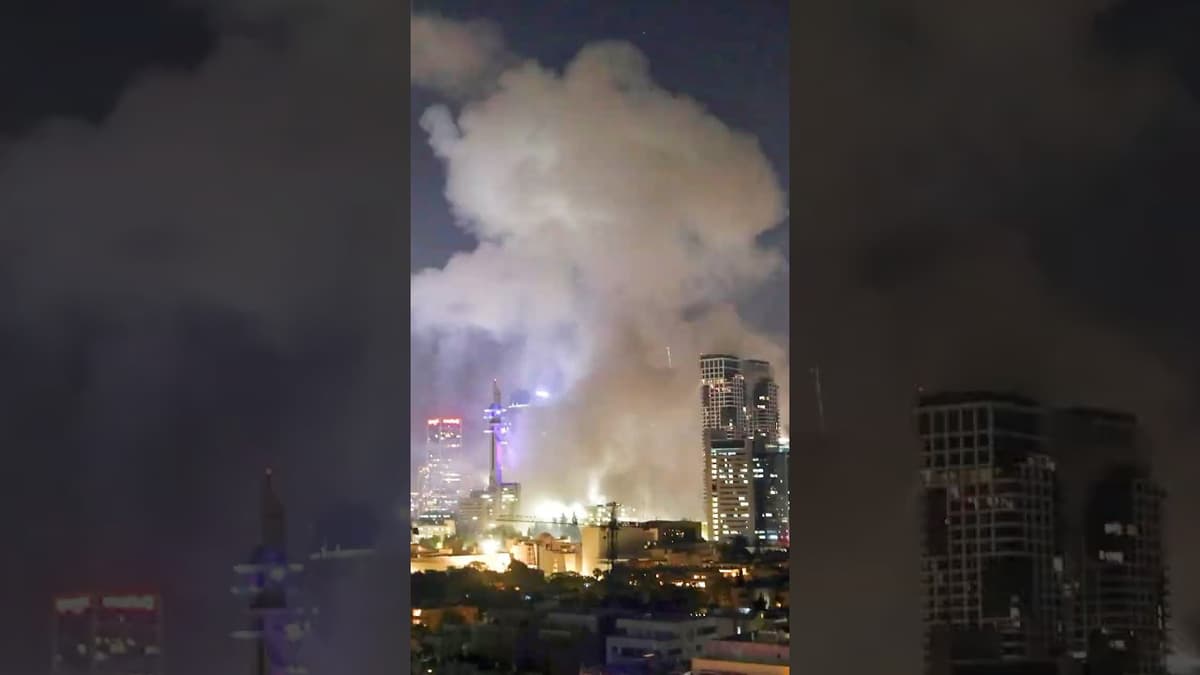
Iran War Has Changed the Middle East Forever
The video argues that the Iran‑Israel war has irrevocably altered the Middle East, leaving the region far from a pre‑war status quo. It emphasizes that Gulf states perceive a stark abandonment by the United States, which prioritized Israel’s defense over...

How Water Bonds Could Help More Funding Flow Into Africa
African nations are grappling with a massive financing shortfall for water infrastructure, prompting policymakers to explore blue and green bonds as a commercial avenue for funding. The discussion highlights pioneering issuances, such as Benin’s €500 million SDG bond in 2021, which...

China Needs the Iran War to End
China has signaled that it needs the Iran‑Israel conflict to end, as its economy depends on oil and commodities flowing through the Strait of Hormuz. President Xi Jinping’s administration is quietly working to defuse the war to safeguard trade routes. Beijing...